
People of 2 Peter
Every person who appears in the book of 2 Peter, ordered by how often they are mentioned there.
The People of 2 Peter appear within a letter addressed to those who have received a faith equal to that of the author, who identifies himself as Simon Peter, a servant and apostle of Jesus (2 Peter 1:1). The text functions as a final testament, as Peter states that the Lord Jesus has shown him his death is approaching (2 Peter 1:14). Throughout the three chapters, the author recalls specific historical figures to illustrate themes of divine judgment, righteousness, and the reliability of apostolic testimony.
The narrative structure of the letter relies on these figures to contrast the faithful with those who follow false teachings. Peter describes his own experience as an eyewitness of the majesty of Jesus during the transfiguration on the holy mountain (2 Peter 1:16–18). To demonstrate God’s history of rescuing the godly while punishing the unrighteous, the text cites Noah, as a preacher of righteousness who was preserved with seven others during the flood (2 Peter 2:5). The letter also mentions Lot, a righteous man who was distressed by the depravity of his neighbors and was rescued from the destruction of Sodom and Gomorrah (2 Peter 2:7–8). In contrast to these examples of righteousness, the author highlights Balaam, the son of Beor, who loved the wages of wickedness and was rebuked for his transgression by a speaking donkey (2 Peter 2:15–16).
In the final section of the letter, the author shifts focus toward the preservation of sound doctrine and the expectation of the day of the Lord. He refers to Paul, whom he calls a beloved brother, noting that Paul wrote letters according to the wisdom given to him (2 Peter 3:15). Peter acknowledges that the writings of Paul contain some things that are hard to understand, which ignorant and unstable people distort to their own destruction (2 Peter 3:16). The letter concludes with a final exhortation for the readers to grow in the grace and knowledge of Jesus (2 Peter 3:18).
This collection of people serves to anchor the letter’s warnings within the broader scope of biblical history. By linking the experiences of the apostles to the accounts of Noah, Lot, and Balaam, the text presents a consistent pattern of divine intervention. The inclusion of Paul signifies a recognition of a growing body of apostolic scripture that complements the message Peter delivers before his departure. The text does not say where Peter was located or the specific identity of the false teachers he opposes.
Everyone in this list
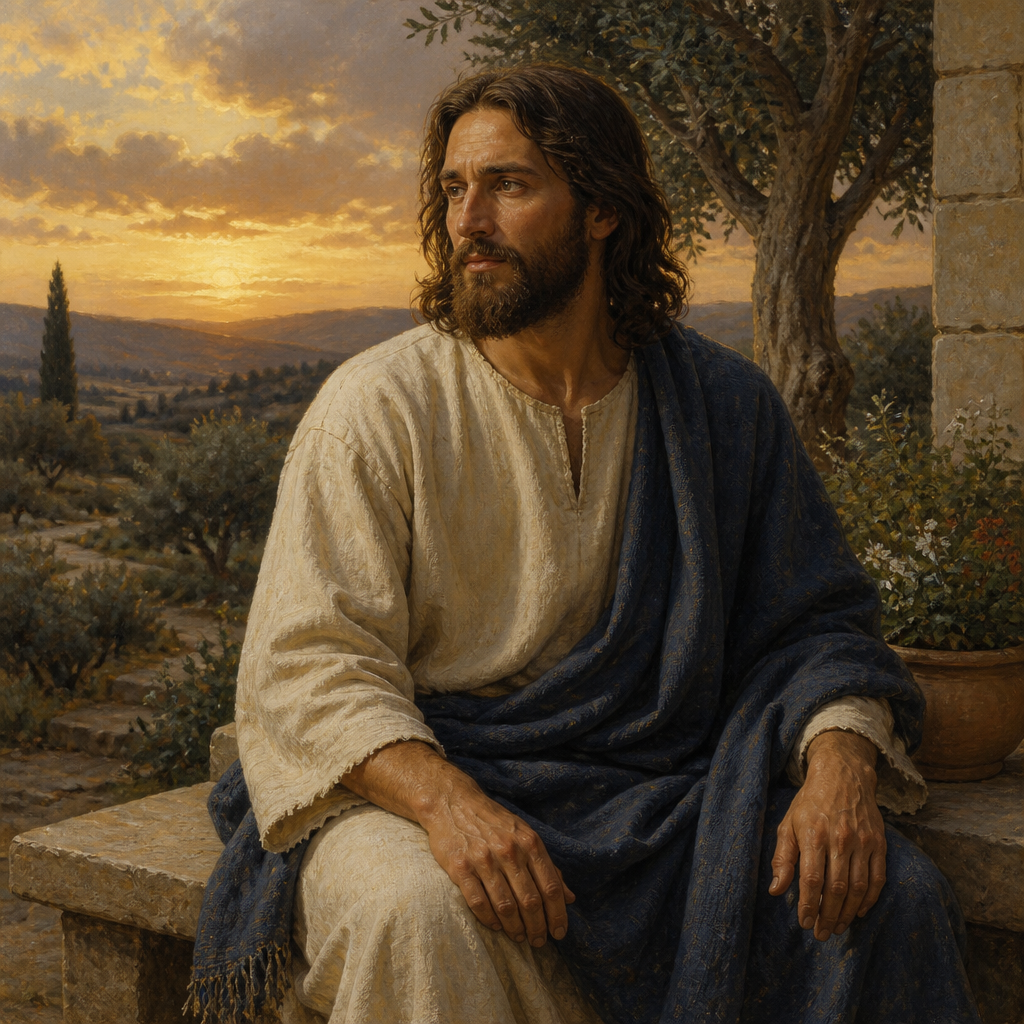
Jesus
Messiah and central figure of the New Testament whose life, death, and resurrection form the basis of the Christian faith
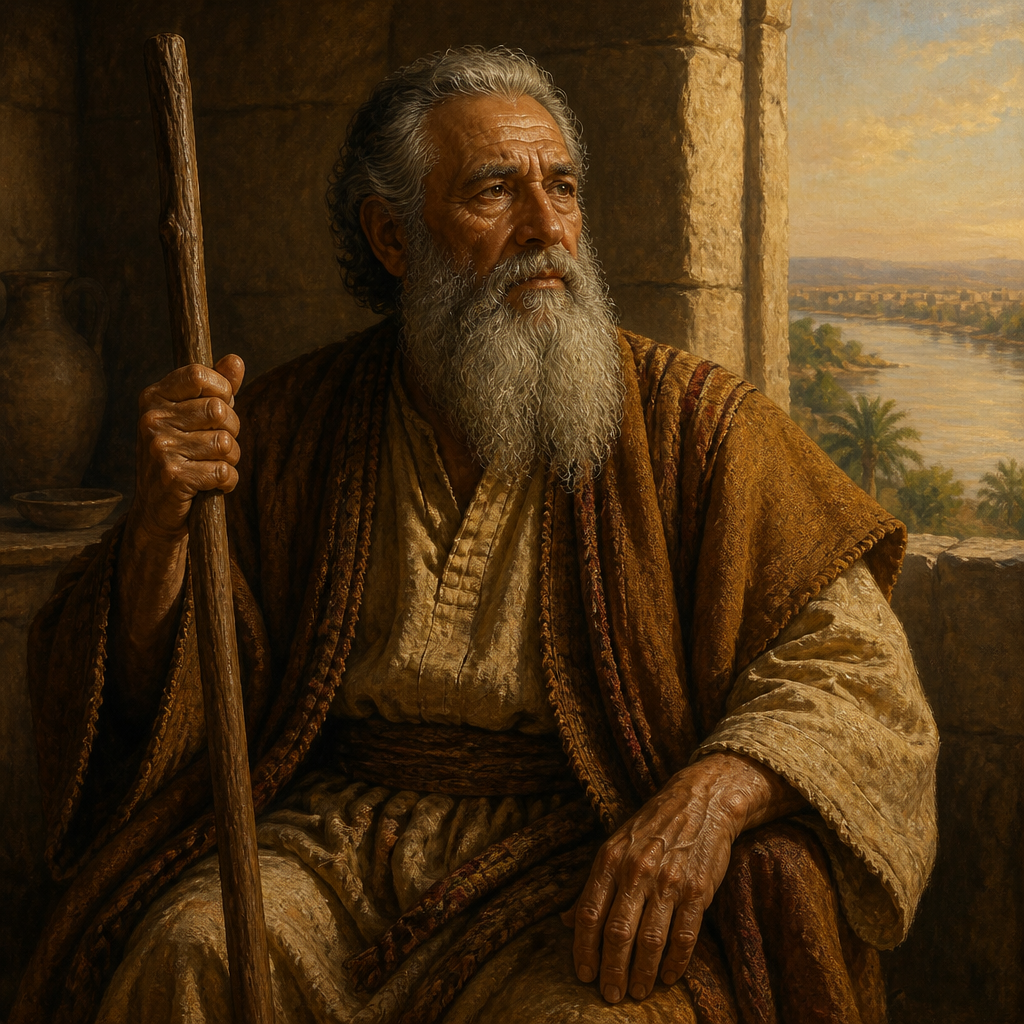
Beor, Father of Balaam
father of the prophet Balaam during the Israelite wilderness journey
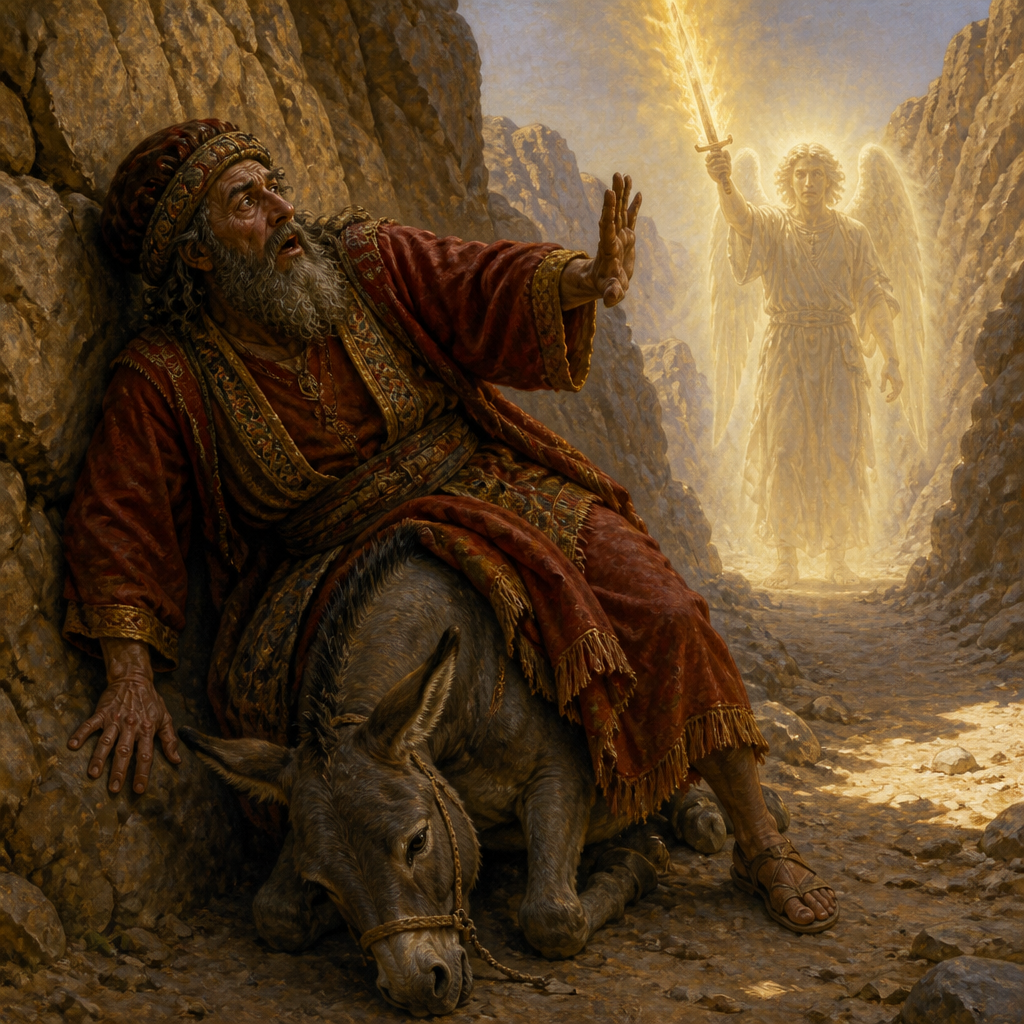
Balaam
Diviner who was hired to curse Israel but blessed them instead
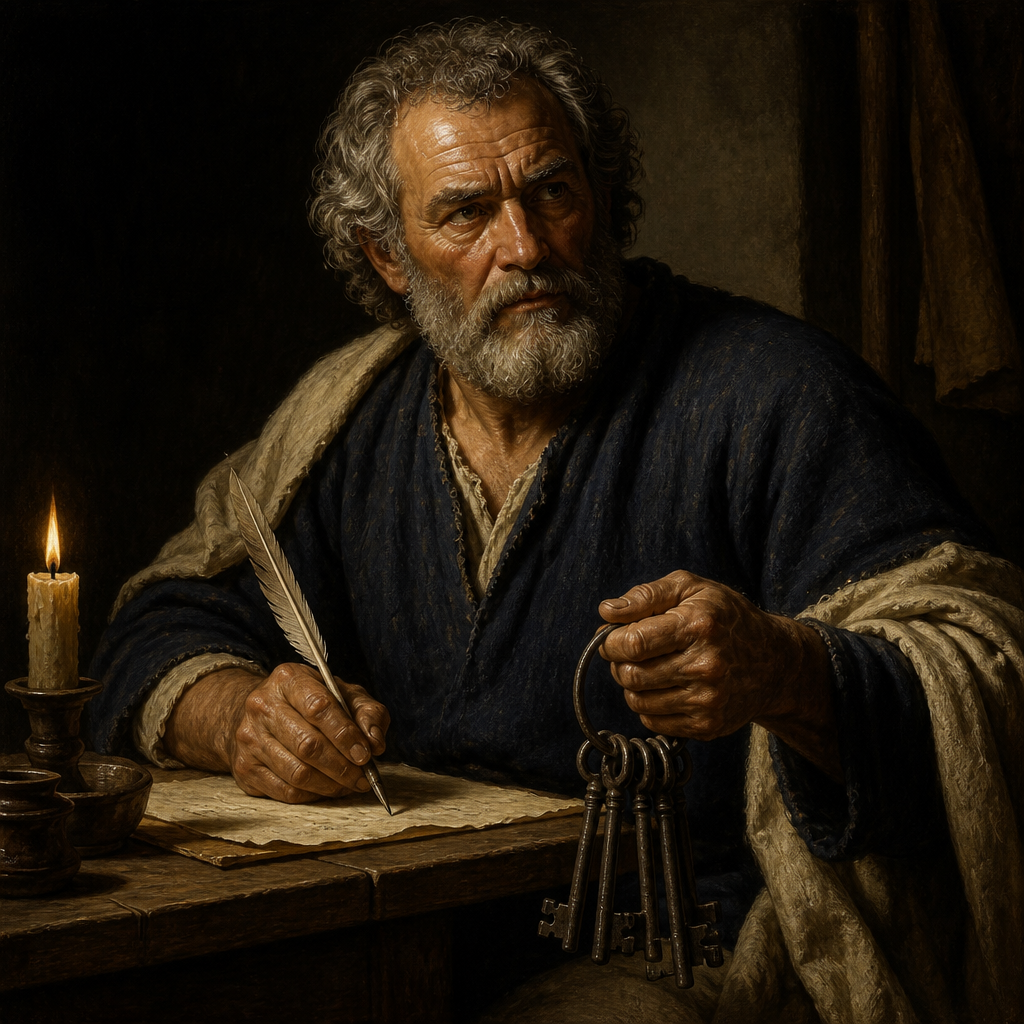
Peter
Apostle who served as the spokesman for the Twelve and the leader of the early Church in Jerusalem
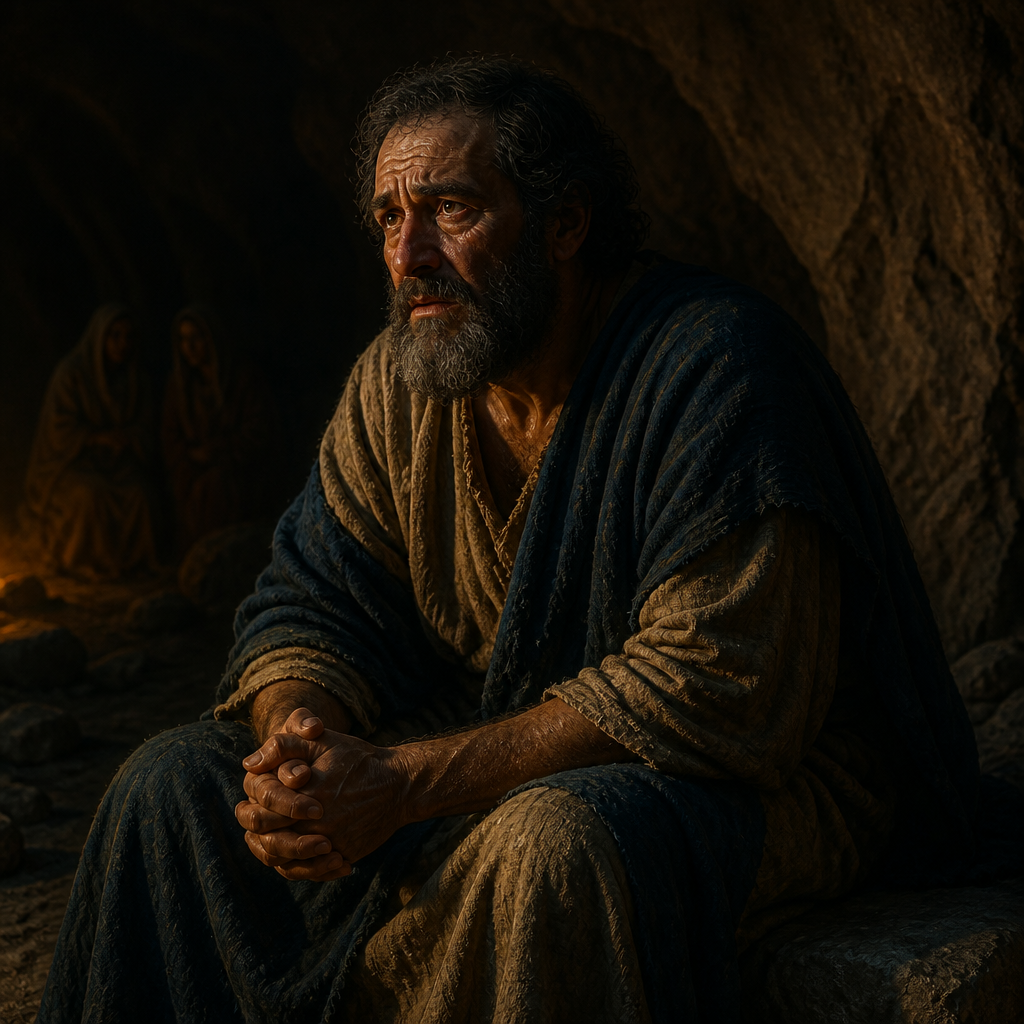
Lot
Nephew of Abraham who escaped the destruction of Sodom and Gomorrah
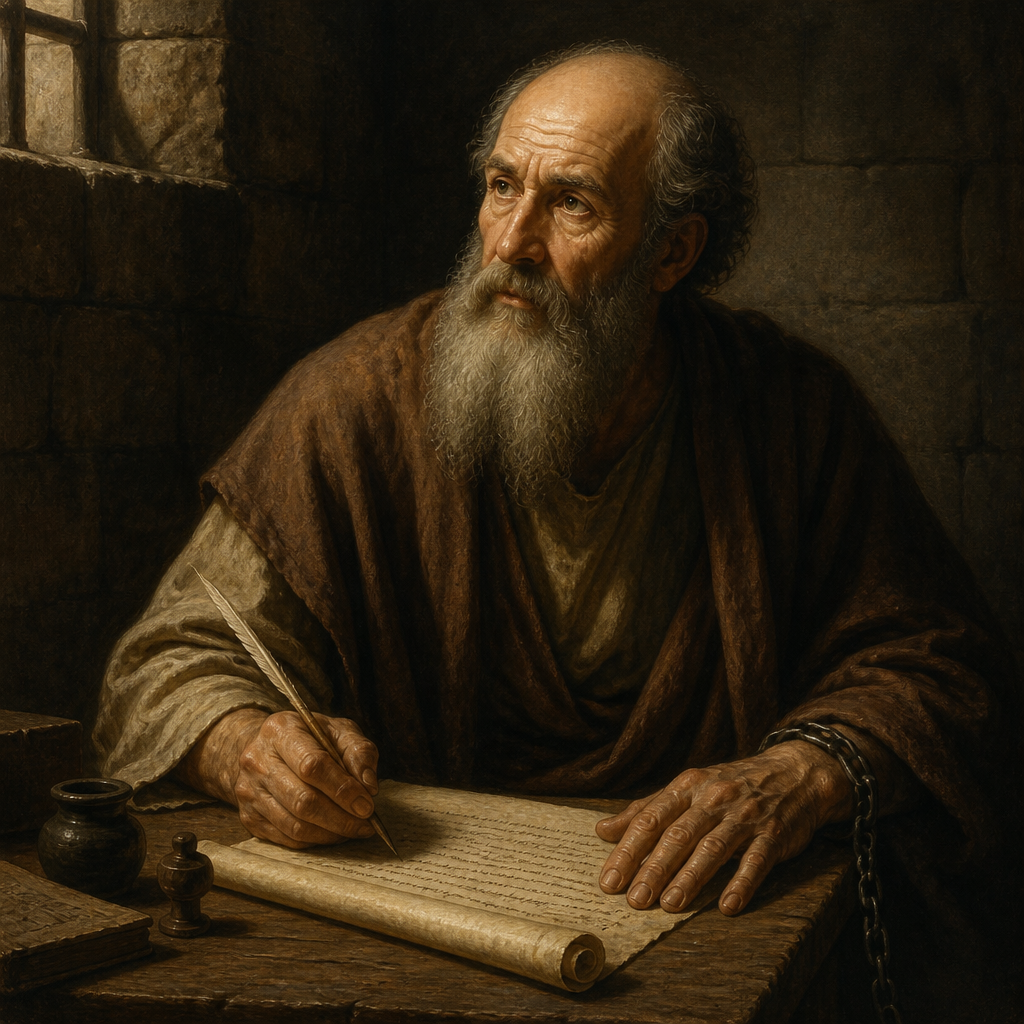
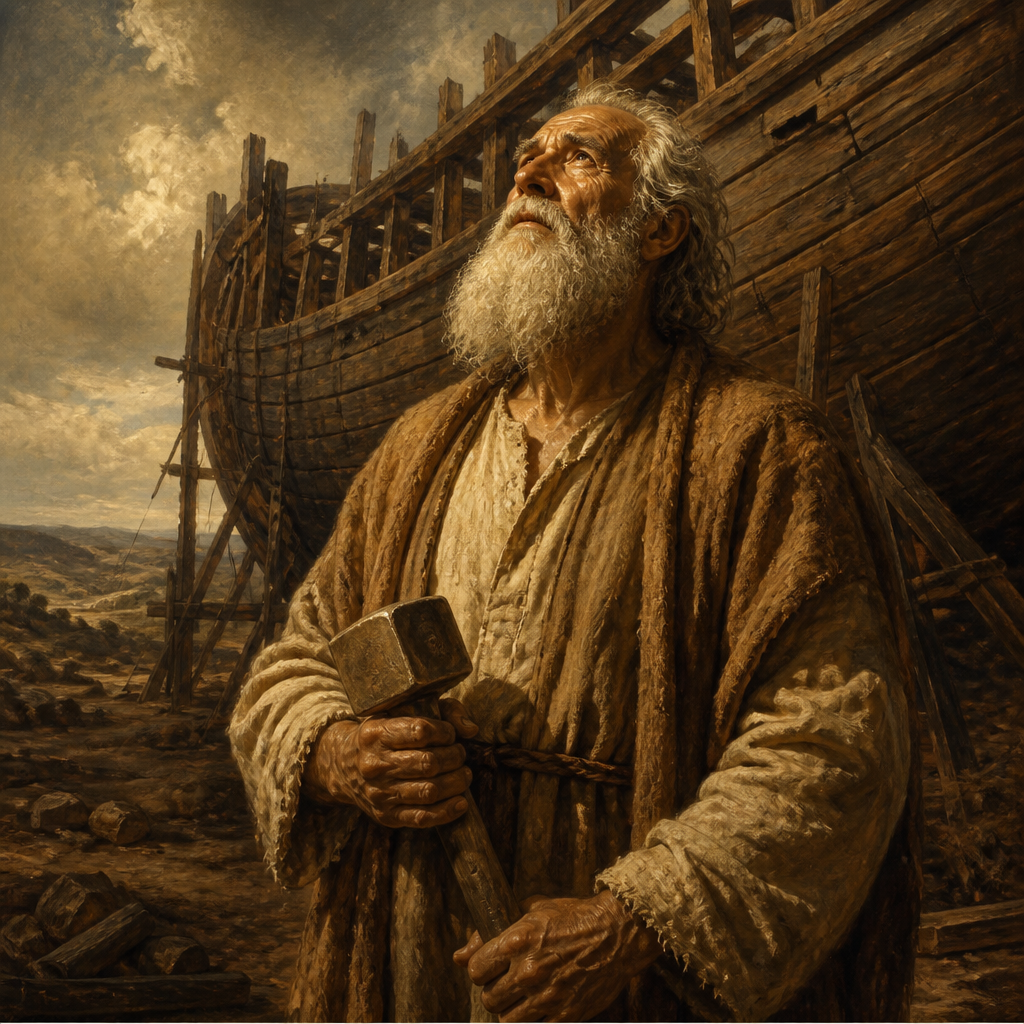
Noah
Patriarch and ark builder who survived the Great Flood and established the rainbow covenant