
Sadducees
The high-priestly party that denied the resurrection — named as a circle in Acts 4:6 and 5:17.
The Sadducees were a prominent Jewish religious and political party during the first century whose members were often drawn from the high-priestly families and the wealthy aristocracy. The New Testament identifies this group as a specific circle associated with the high priest, noting that they held significant authority within the Sanhedrin (Acts 5:17). Unlike other religious groups of the period, the Sadducees denied the existence of a future resurrection of the dead and the reality of angels or spirits (Matthew 22:23, Acts 23:8). Their influence was centered in Jerusalem and the temple, where they maintained strict adherence to the written law while rejecting oral traditions.
The leadership of this group consisted of powerful individuals who managed the religious and legal affairs of the nation. Annas is identified as a high priest who conducted a preliminary inquiry during the trial of Jesus (John 18:13). Caiaphas served as the high priest who presided over the Sanhedrin during the formal trial of Jesus and argued that one man should die for the people (Matthew 26:3, John 11:49–50). When the early apostles began preaching in Jerusalem, John was among those who gathered to preside over the trial of Peter and John (Acts 4:6). Another participant in this interrogation was Alexander, who is listed as a member of the high-priestly family (Acts 4:6). The text also mentions the Captain of the Temple, who worked alongside the Sadducees to arrest the apostles for teaching about the resurrection (Acts 4:1–3).
The role of the Sadducees in the biblical narrative is defined by their opposition to the early Christian movement, primarily due to the doctrine of the resurrection of Jesus. Because they held that there was no life after death, the preaching of the apostles directly challenged their theological stance and their political stability. The text indicates that they were filled with jealousy when they saw the signs and wonders performed by the apostles, leading them to imprison the leaders of the church (Acts 5:17–18). Their authority allowed them to command the temple guard and convene the council, making them the primary legal antagonists to the spread of the gospel in Jerusalem. The text does not say how many members the group contained or the specific requirements for joining beyond their familial and social status.
Everyone in this list
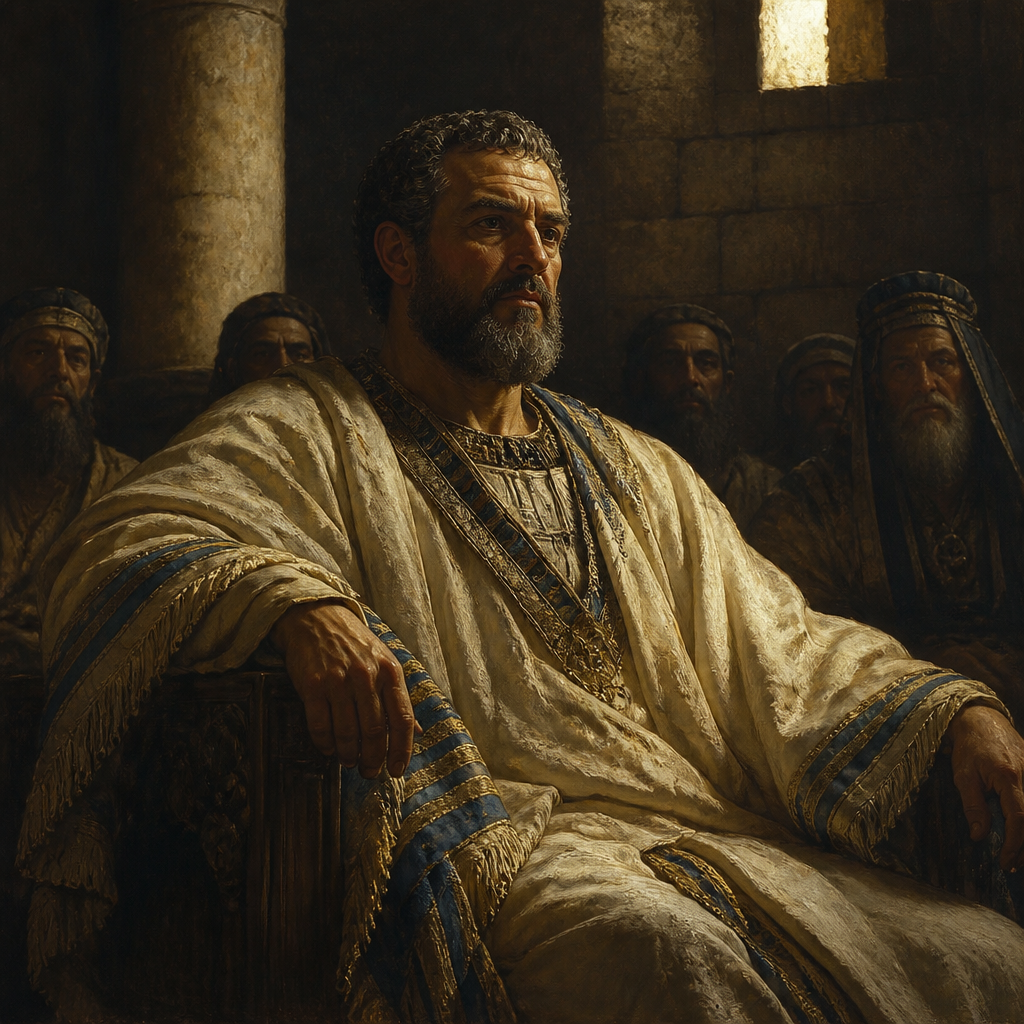
Alexander of the High-Priestly Family
High-priestly family member who participated in the interrogation of the apostles Peter and John

Annas
High Priest who led the preliminary trial of Jesus and daughter's husband was Caiaphas
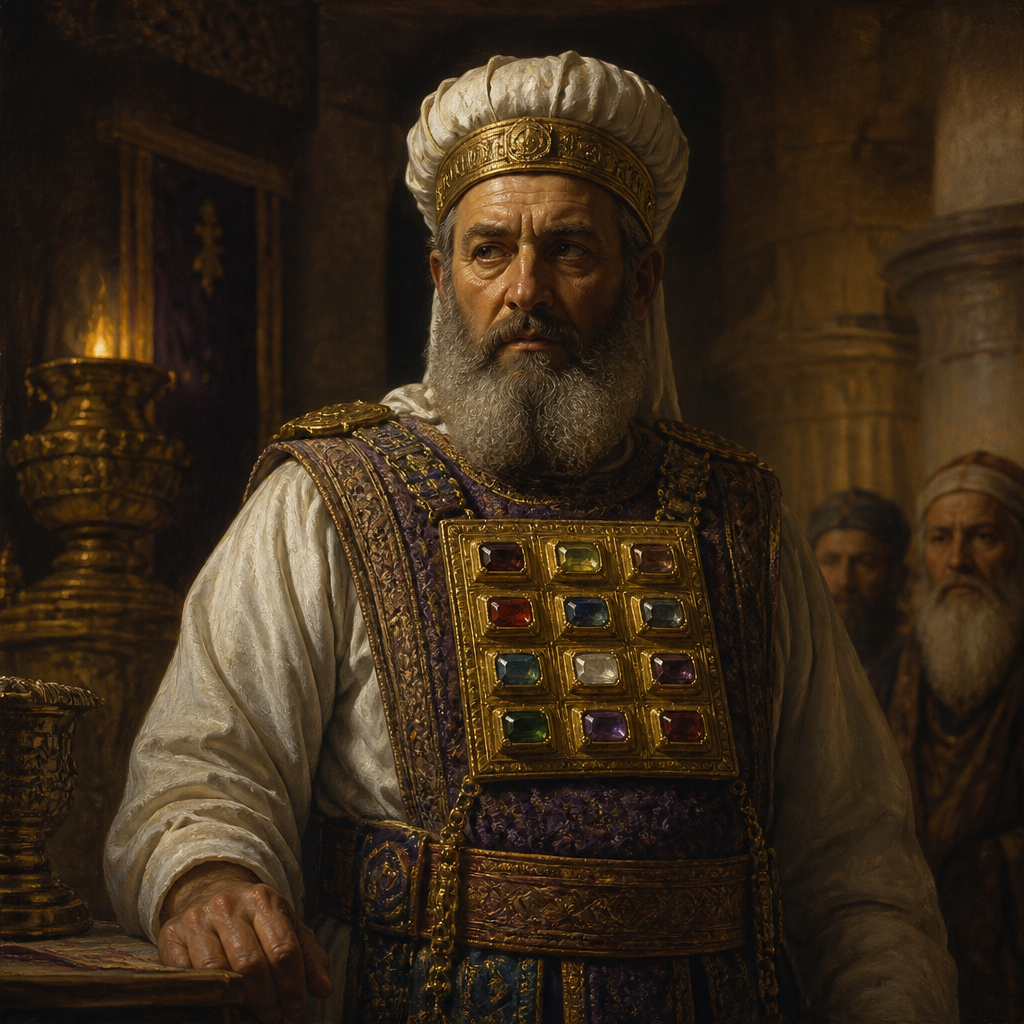
Caiaphas
High Priest who presided over the Sanhedrin during the trial of Jesus
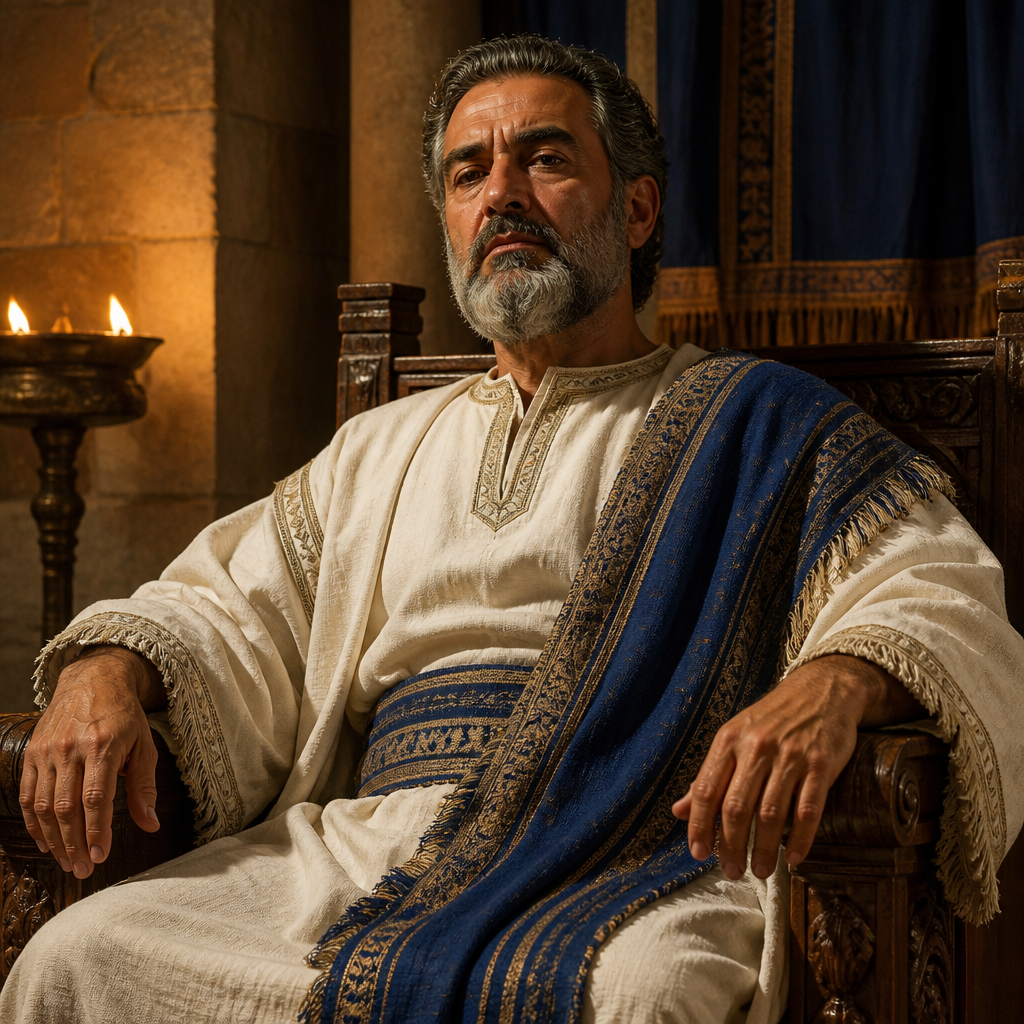
John, Member of the High Priest's Family
Member of the high priest's family who presided over the trial of Peter and John