
Roman Emperors
The Caesars whose reigns shaped the world of the New Testament.
Four Roman emperors are named or directly referred to in the New Testament, and each appears not as a subject of study but as the backdrop against which events are dated or decided. Caesar Augustus is the first: a decree went out from him that all the world should be registered, and because of it Joseph went up from Nazareth to Bethlehem with Mary, who was with child (Luke 2:1–5).
Tiberius supplies the only precise date in the Gospels. "In the fifteenth year of the reign of Tiberius Caesar, Pontius Pilate being governor of Judea," the word of God came to John the Baptist in the wilderness (Luke 3:1–2). His likeness is almost certainly the one on the denarius held up when Jesus was asked whether it was lawful to pay taxes to Caesar, and He answered, "Render to Caesar the things that are Caesar's, and to God the things that are God's" (Mark 12:14–17). At the trial the crowd used his name as a threat against Pilate: "If you release this man, you are not Caesar's friend" (John 19:12).
Claudius appears twice in Acts. In his days Agabus foretold by the Spirit a great famine over all the world, and the disciples at Antioch sent relief to the brothers in Judea by the hand of Barnabas and Saul (Acts 11:28–30). Later he "had commanded all the Jews to leave Rome," which is how Paul met Priscilla and Aquila recently come from Italy, at Corinth (Acts 18:2).
Nero is never named, but he is the Caesar to whom Paul appealed. Standing before Festus, Paul said, "I appeal to Caesar," and Festus answered, "To Caesar you have appealed; to Caesar you shall go" (Acts 25:11–12). Agrippa told Festus that this man could have been set free if he had not appealed (Acts 26:32). The appeal is why Acts ends in Rome, where Paul lived two years in his own rented house (Acts 28:30). From that imperial city he later sent greetings from "those of Caesar's household" (Philippians 4:22), and he had already written that governing authorities are instituted by God and that taxes and honor are owed to whom they are owed (Romans 13:1–7). Peter writing in the same era, gave the same instruction in five words: "Honor the emperor" (1 Peter 2:17).
Everyone in this list
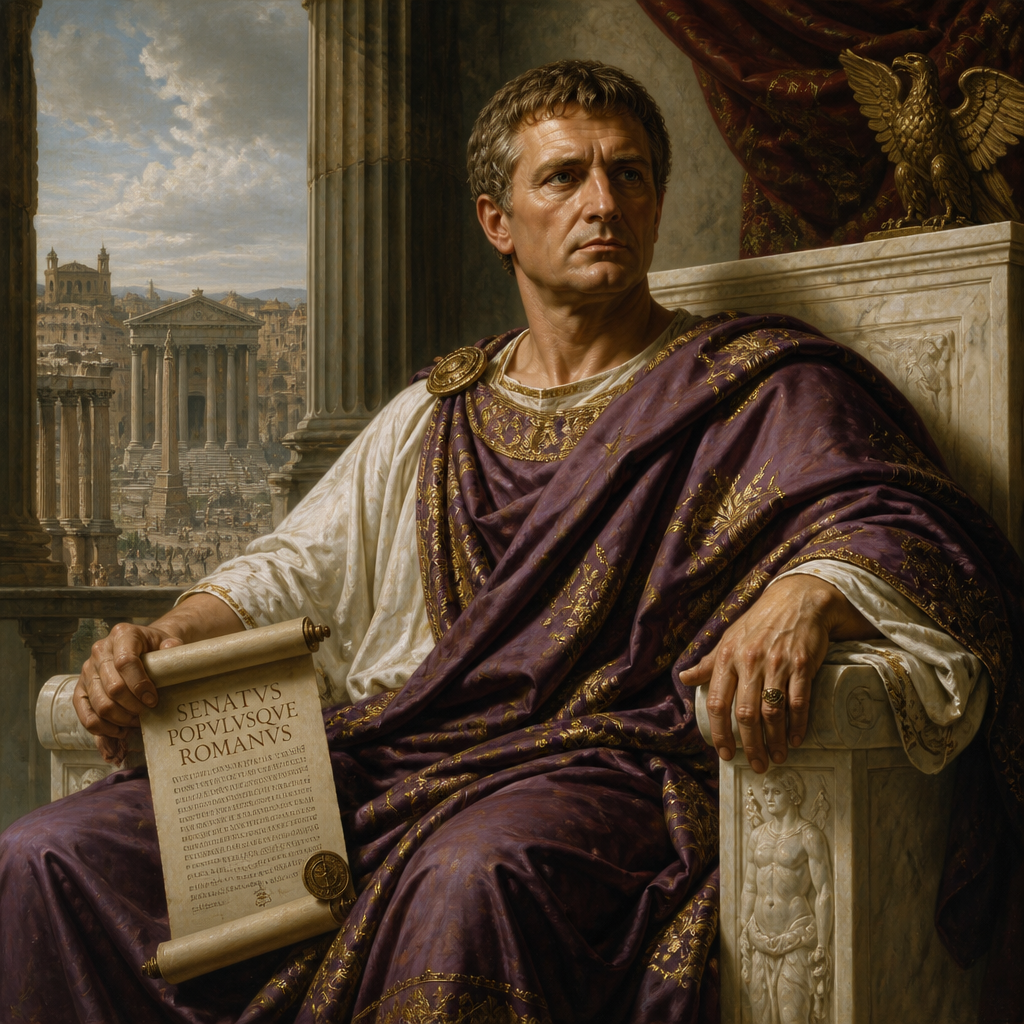
Augustus
Founder of the Roman Empire who decreed the census mentioned in the Gospel of Luke
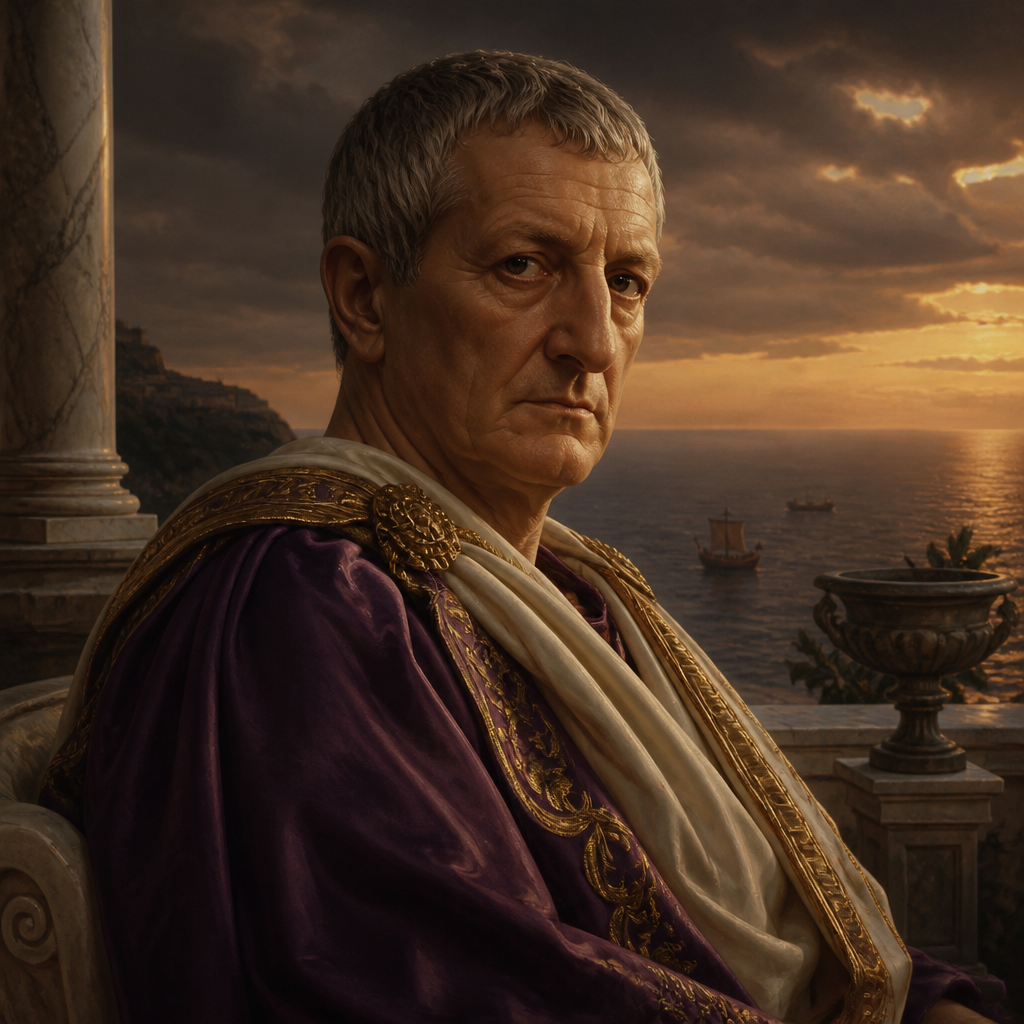
Tiberius
Second Roman emperor whose fifteenth regnal year marks the beginning of Christ's ministry
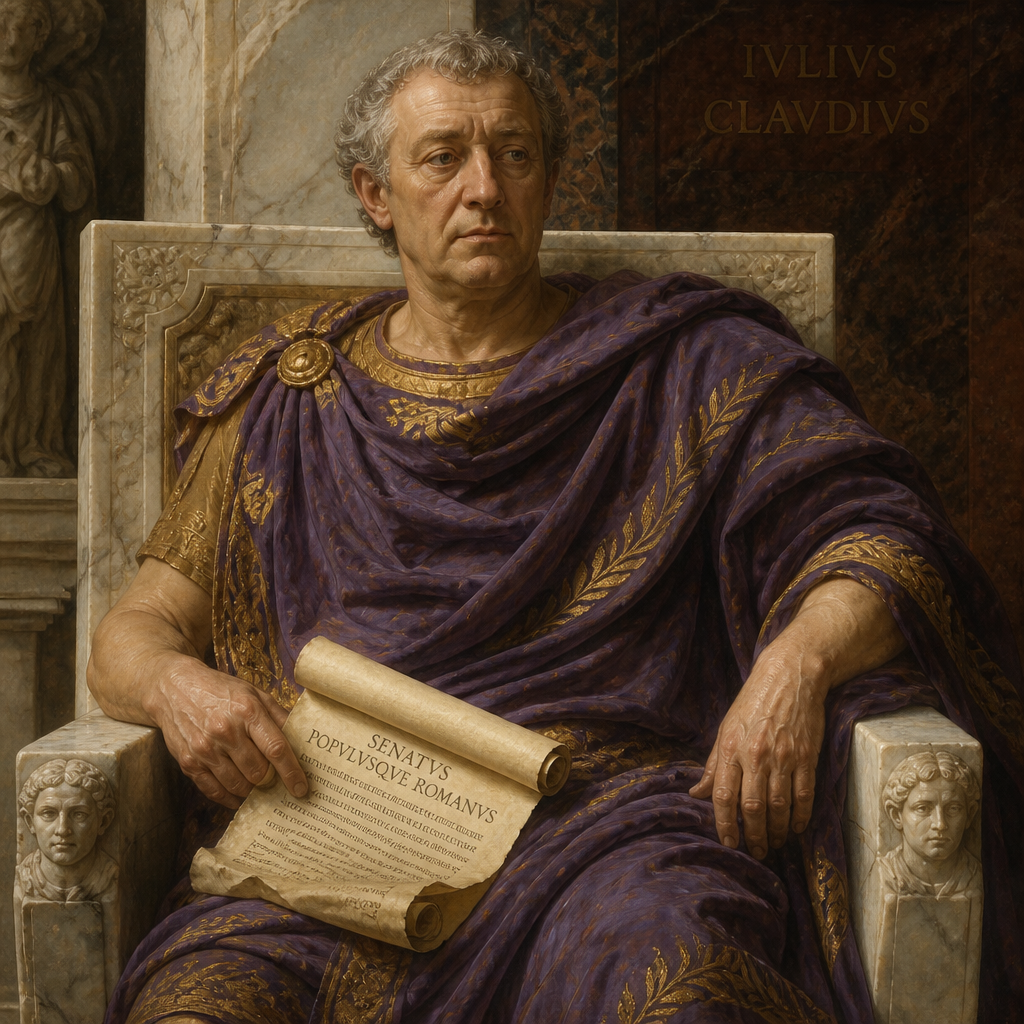
Claudius
Roman emperor who expelled the Jews from Rome and reigned during the early church’s growth
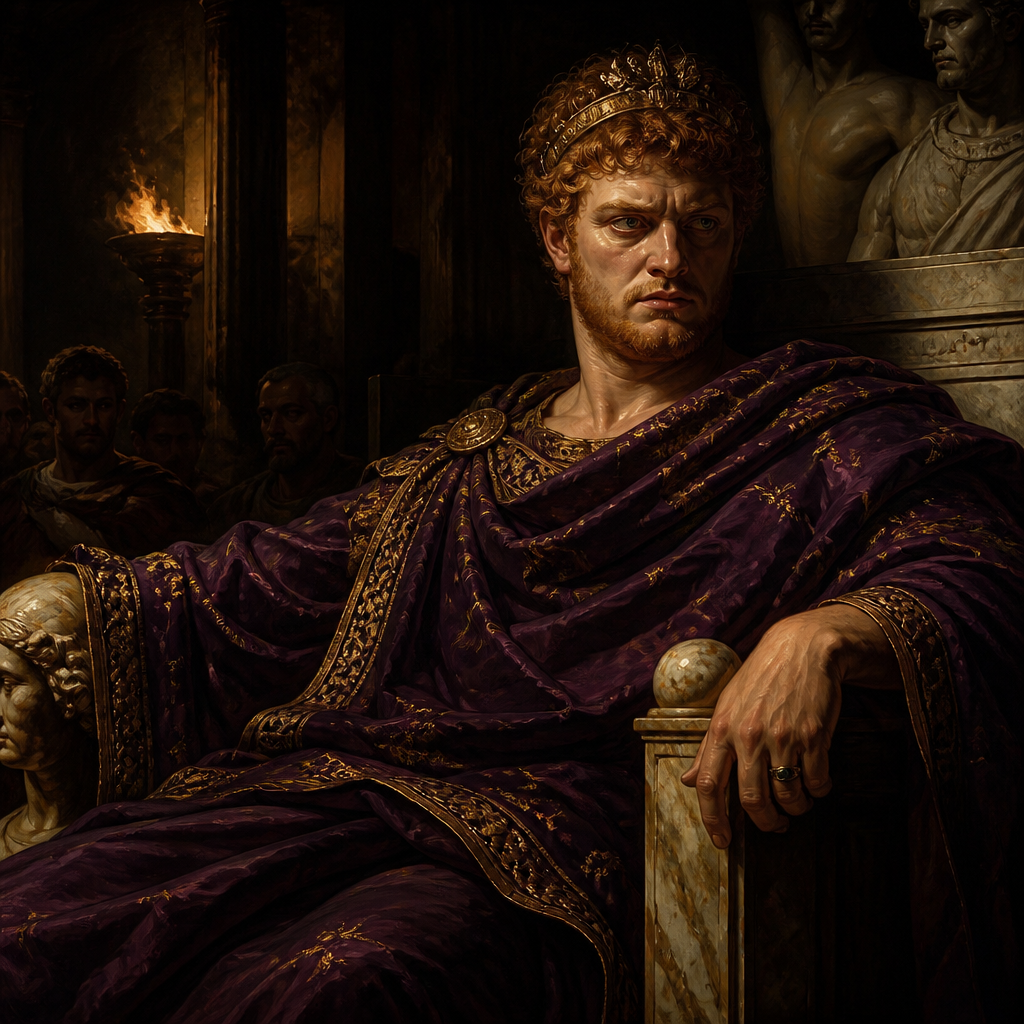
Nero
Architect of the first imperial persecution of Christians and the figure associated with the number 666