
Pagans Quoted by Paul
A select group of Hellenistic poets and philosophers whose secular writings were adapted by the Apostle Paul to communicate the Gospel.
The roster of Pagans Quoted by Paul identifies a select group of Hellenistic poets and philosophers whose secular writings were adapted by the Apostle Paul to communicate the Gospel to non-Jewish audiences. These figures are not mentioned by name within the biblical text itself, as the passages typically introduce their words with phrases such as "as even some of your own poets have said" (Acts 17:28) or "a prophet of their own" (Titus 1:12). The presence of these external voices indicates a specific rhetorical strategy where the author utilizes the cultural framework of the Greco-Roman world to establish common ground during his missionary journeys and pastoral instructions.
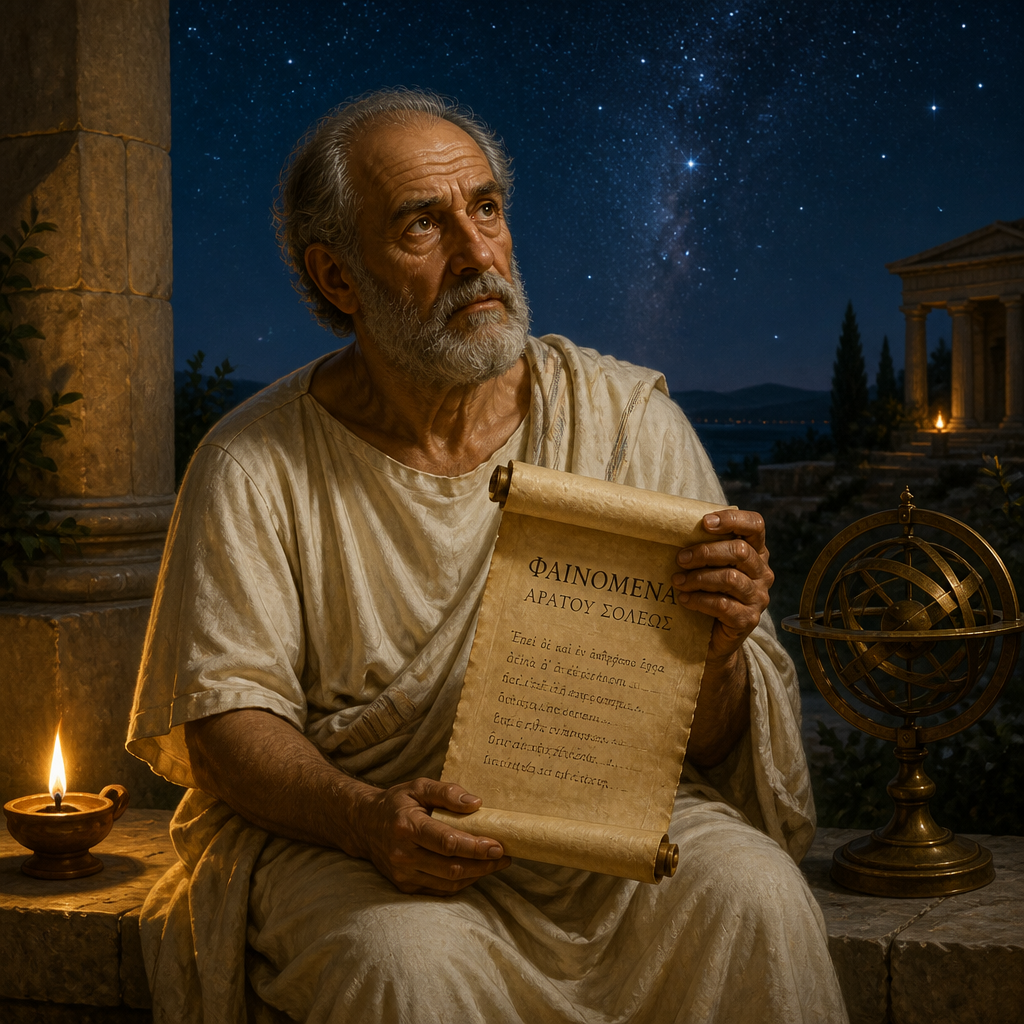
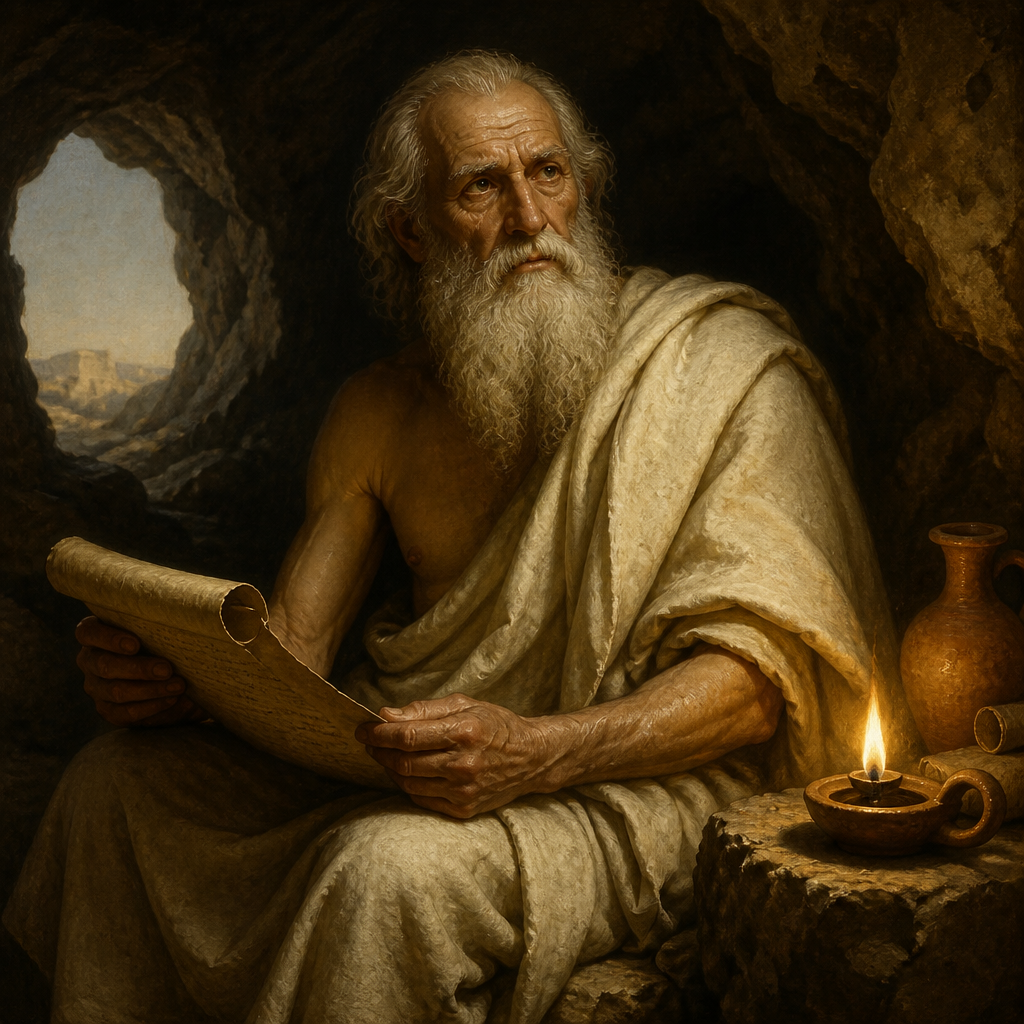
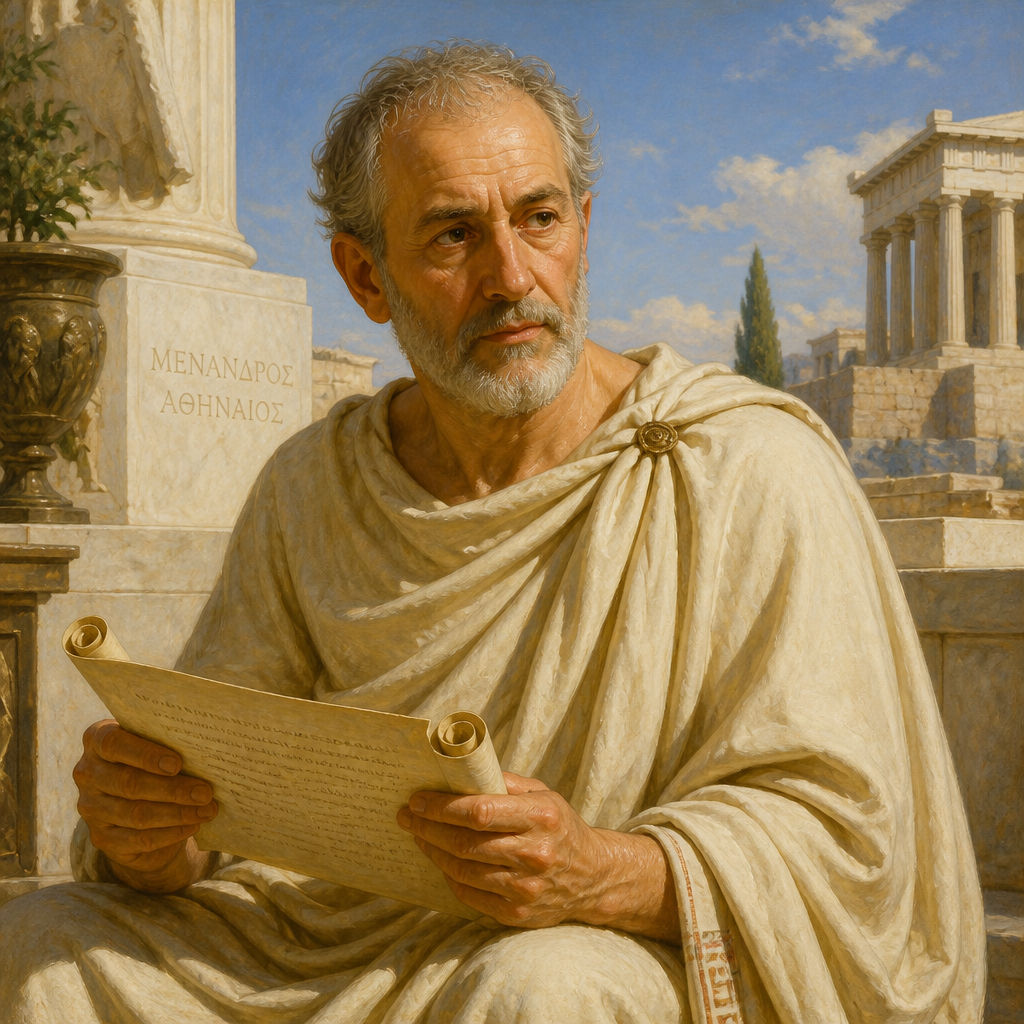
The organization of these references follows the geographical and thematic needs of Paul’s letters and speeches. Aratus is a Greek poet whose work is cited during the speech at the Areopagus in Athens to argue that humans are the offspring of God (Acts 17:28). Epimenides is a Greek poet and prophet whose description of Cretans as "always liars, evil beasts, lazy gluttons" is used to warn Titus about the character of certain people in Crete (Titus 1:12). The text also attributes a second statement to Epimenides in the Athenian discourse, noting that in God "we live and move and have our being" (Acts 17:28). Menander is a Greek playwright whose maxim regarding how "bad company ruins good morals" is incorporated into a discussion about the resurrection (1 Corinthians 15:33).
The inclusion of these secular sources serves a functional role in the development of early Christian discourse. By quoting Aratus, the text demonstrates an engagement with Stoic cosmology to explain the nature of the Creator to the Athenians. Through the words of Epimenides, the narrative provides a cultural critique of local behaviors that threatened the order of the early church. The use of Menander allows the text to offer a pithy ethical warning that would have been recognizable to readers familiar with Greek comedy. Scripture preserves these specific instances to show how the message of the New Testament was articulated using the language and intellectual traditions of the wider Mediterranean world.
Everyone in this list
Epimenides
Greek poet and prophet quoted by the Apostle Paul in both Acts and Titus
Menander
Greek playwright whose maxim on 'bad company' is quoted in 1 Corinthians