
Women Who Followed Jesus
The named women of Luke 8:1–3 and the cross
The group known as the Women Who Followed Jesus consists of several individuals who traveled with him through cities and villages as he preached the kingdom of God. According to the accounts in Luke 8, Matthew 27, Mark 15, and John 19, these women provided for his ministry out of their own private means and remained present during his execution and burial. The text identifies Mary Magdalene as a woman from whom seven demons had gone out (Luke 8:2). Joanna is described as the wife of Chuza, a manager for Herod, who helped support the group (Luke 8:3). Susanna is listed as one of the many women who provided for the needs of the disciples from her own resources (Luke 8:3). Salome is identified as one who followed him in Galilee and watched the crucifixion from a distance (Mark 15:40–41). Mary was also present at the site of the execution and later observed where the body was placed (Matthew 27:56–61).
The narrative reaches its climax in Jerusalem, where Pilate presided over the trial and ordered that Jesus be crucified (Matthew 27:2, 26). While many other followers had dispersed, the text notes that the women who had followed him from Galilee stood watching the events at Golgotha. After the death of Jesus, Joseph of Arimathea, a wealthy member of the council, requested the body from Pilate (Matthew 27:57–58). Joseph of Arimathea wrapped the body in clean linen and placed it in his own new tomb, which he had cut into the rock (Matthew 27:59–60). Mary Magdalene and Mary sat opposite the tomb and watched as the burial was completed (Matthew 27:61).
These women serve as the primary witnesses to the transition between the death and the resurrection. While the male disciples are largely absent from the burial scene, the text emphasizes that these specific women were present to see the location of the tomb. Their presence establishes a continuous link between the public ministry in Galilee and the empty tomb in Jerusalem. By naming specific figures like Joanna and Susanna, the text documents the financial and social support that sustained the traveling ministry. The account concludes with these women preparing spices and returning to the tomb, where they become the first to discover that the body is no longer there.
Everyone in this list
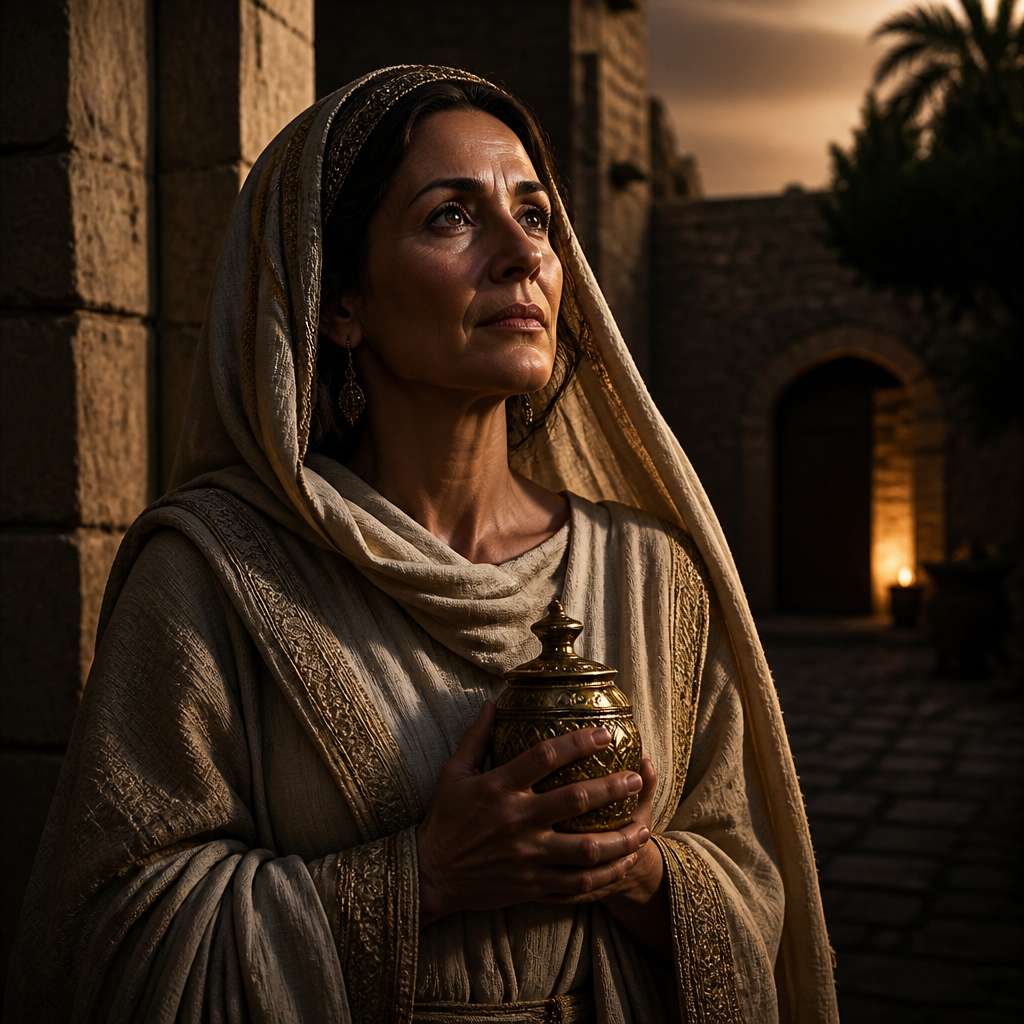
Joanna
A wealthy follower of Jesus healed and known for funding His ministry and witnessing the Resurrection
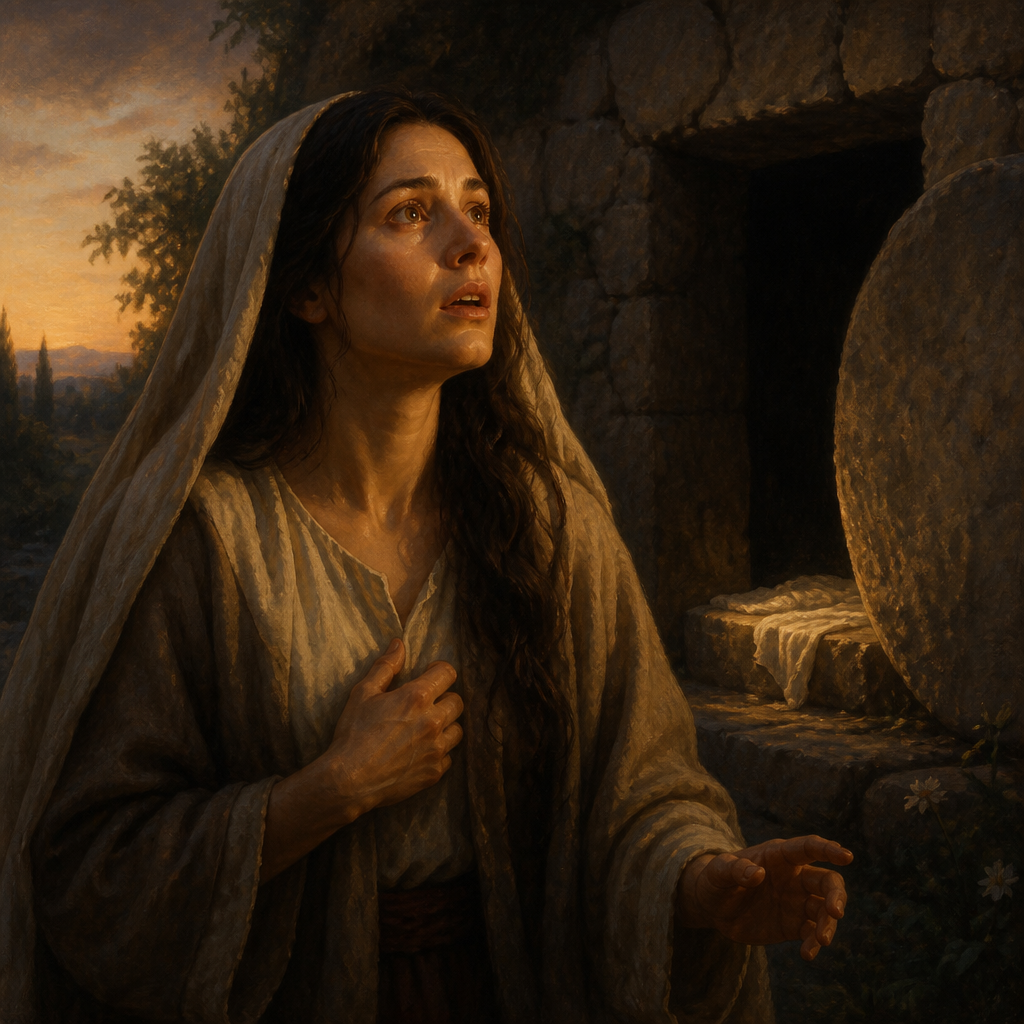
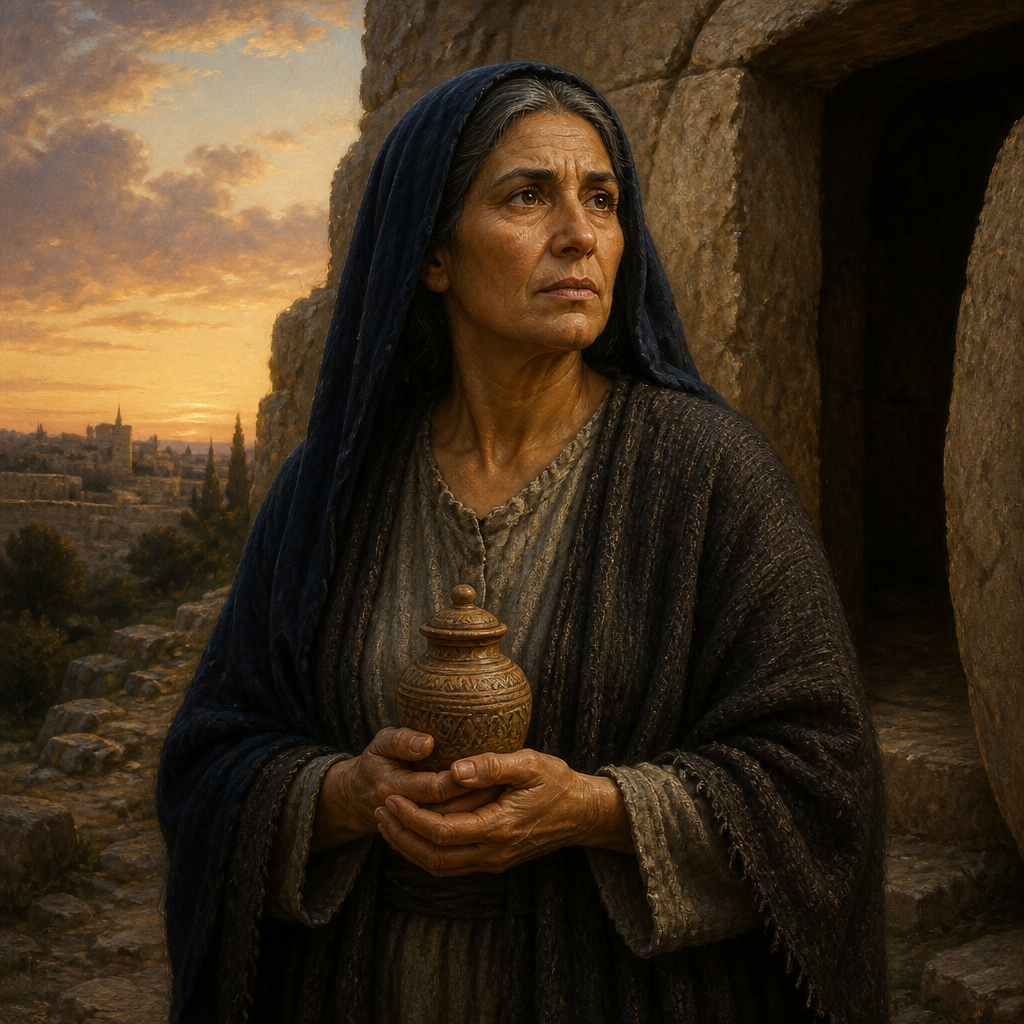
Mary, Mother of James and Joses
mother of James and Joses who witnessed the crucifixion and resurrection of Jesus
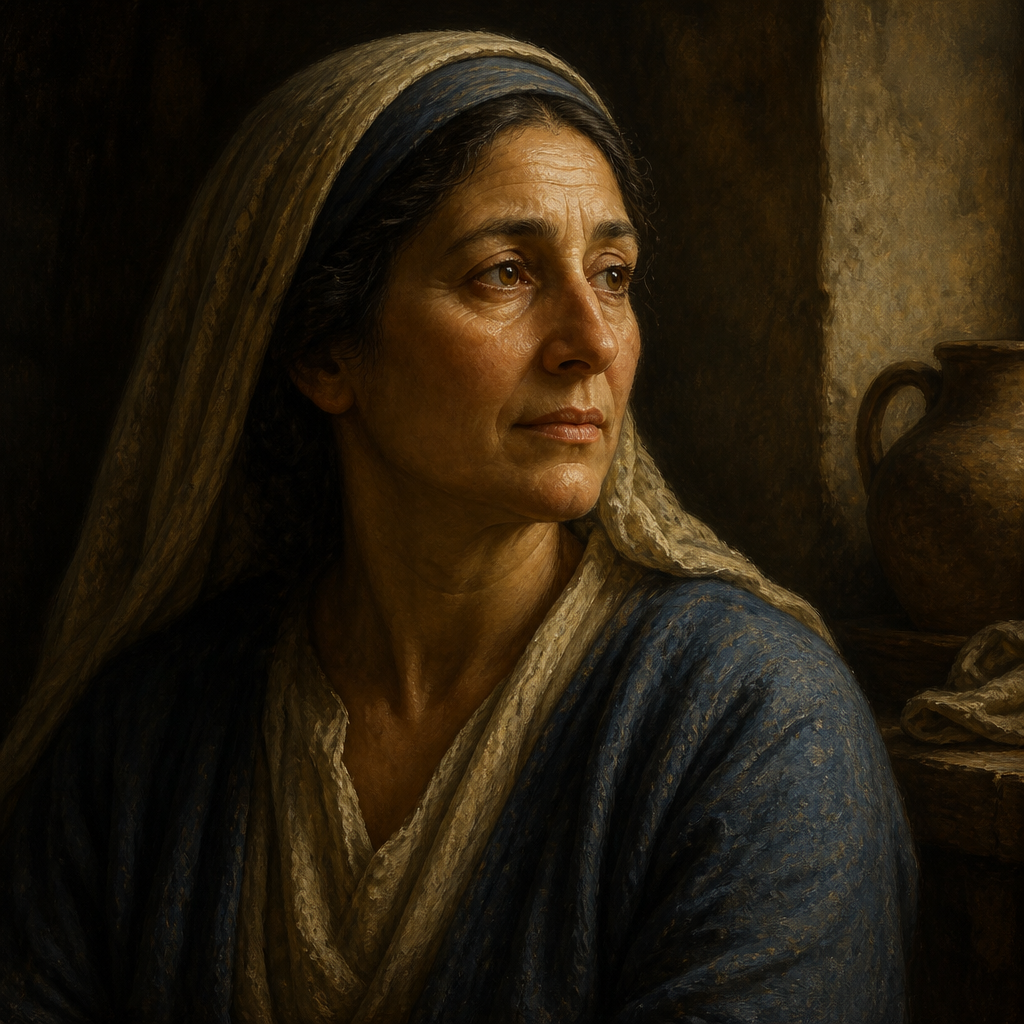
Mary, Mother of Jesus
Mother of Jesus Christ who accepted the call of God despite the risk of social disgrace
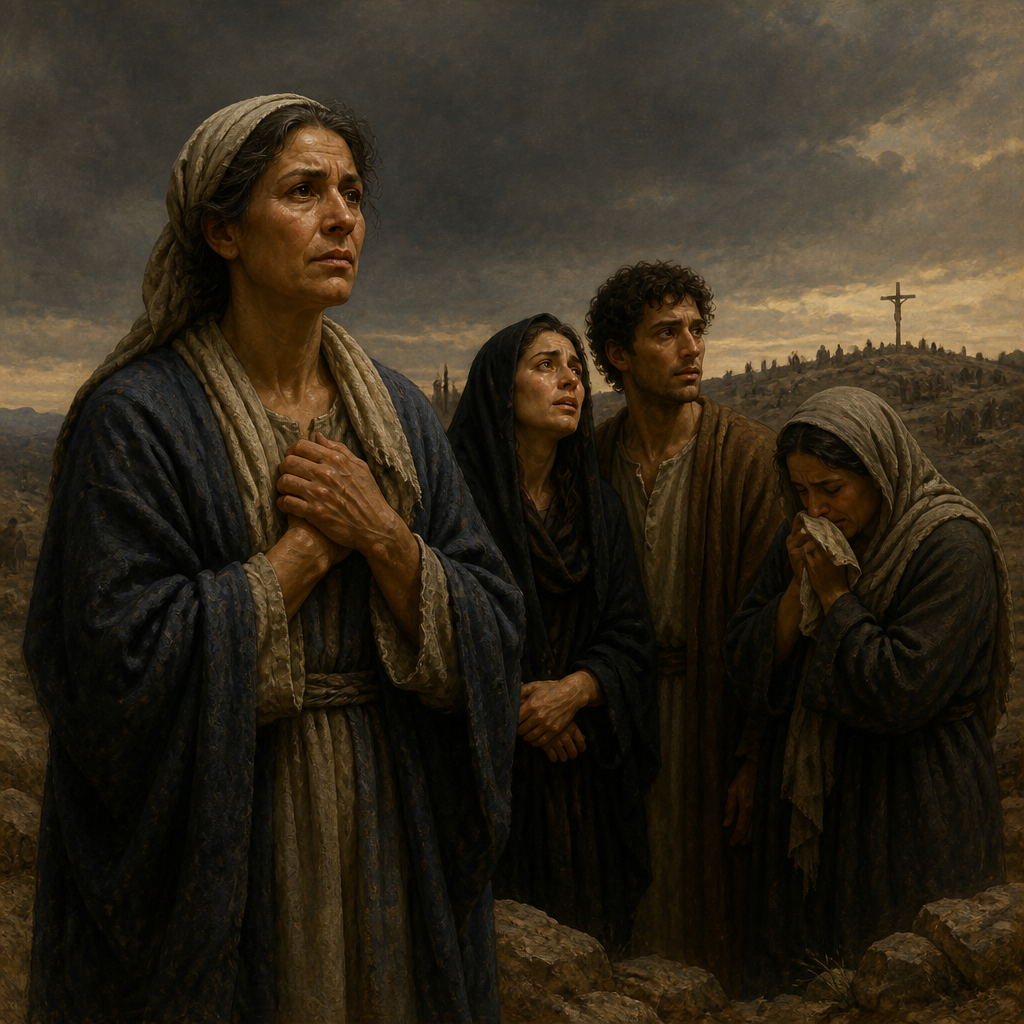
Salome, Mother of the Sons of Zebedee
Mother of the apostles James and John who witnessed the crucifixion and visited the empty tomb
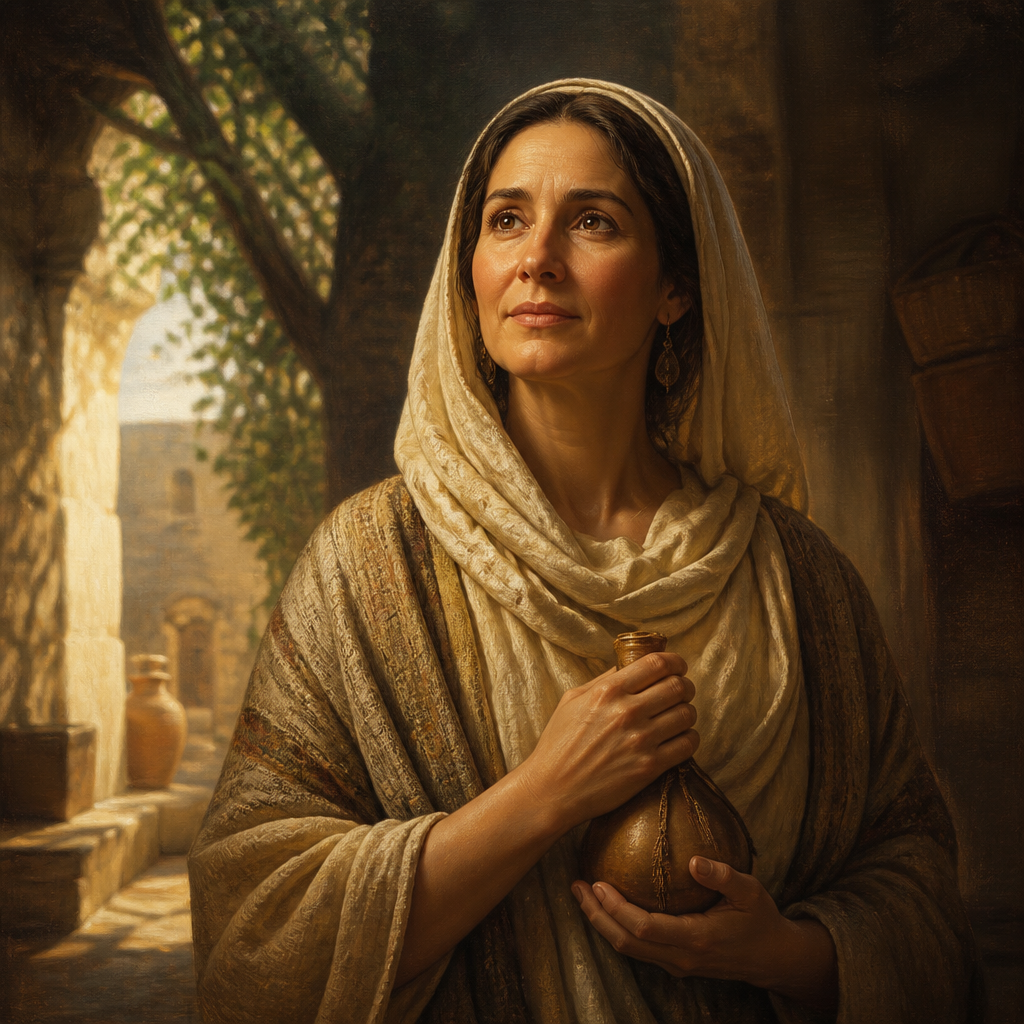
Susanna
A benefactor who supported Jesus and his disciples from her personal resources