
The Seven Churches of Revelation
The people of the seven letters
The Seven Churches of Revelation are the recipients of specific messages delivered through a vision to John the Apostle while he was on the island of Patmos (Revelation 1:9–11). These messages are addressed to the angels of seven distinct assemblies located in the Roman province of Asia: Ephesus, Smyrna, Pergamum, Thyatira, Sardis, Philadelphia, and Laodicea (Revelation 1:11). The text presents these communications as the direct words of Jesus, who appears to John the Apostle in a glorified state, holding seven stars and standing among seven golden lampstands (Revelation 1:12–16).
The content of the letters varies according to the specific conduct and circumstances of each congregation. In the message to Pergamum, Jesus mentions Antipas describing him as a faithful martyr who was killed in the city where Satan dwells (Revelation 2:13). This same letter warns against those who hold the teaching of Balaam, who taught Balak to put a stumbling block before the children of Israel (Revelation 2:14). The letter to Thyatira rebukes the church for tolerating a woman called Jezebel, who calls herself a prophetess and leads people into sexual immorality and the eating of food sacrificed to idols (Revelation 2:20). In the address to Philadelphia, Jesus identifies himself as the one who holds the key of David possessing the authority to open doors that no one can shut (Revelation 3:7).
Throughout these addresses, the text utilizes ancestral and titles to establish authority and context. Jesus is identified as the Lion of the tribe of Judah, and the Root of David who has triumphed (Revelation 5:5). The messages frequently contrast the faithful with those who claim to be Jews but are not, referencing the historical identity of Israel (Revelation 2:9, 3:9). Each letter concludes with a promise to the one who conquers, offering various rewards such as the tree of life, a white stone, or the right to sit on a throne (Revelation 2:7, 2:17, 3:21).
These letters serve as a formal introduction to the prophetic visions that occupy the remainder of the book. By addressing specific geographical locations and naming individuals like Antipas or symbolic figures like Jezebel, the text anchors its apocalyptic imagery in the immediate administrative and social reality of the first-century Mediterranean world. The messages establish Jesus as the supreme judge of these communities, evaluating their works, endurance, and doctrinal purity before the unfolding of the cosmic seals and trumpets.
Everyone in this list
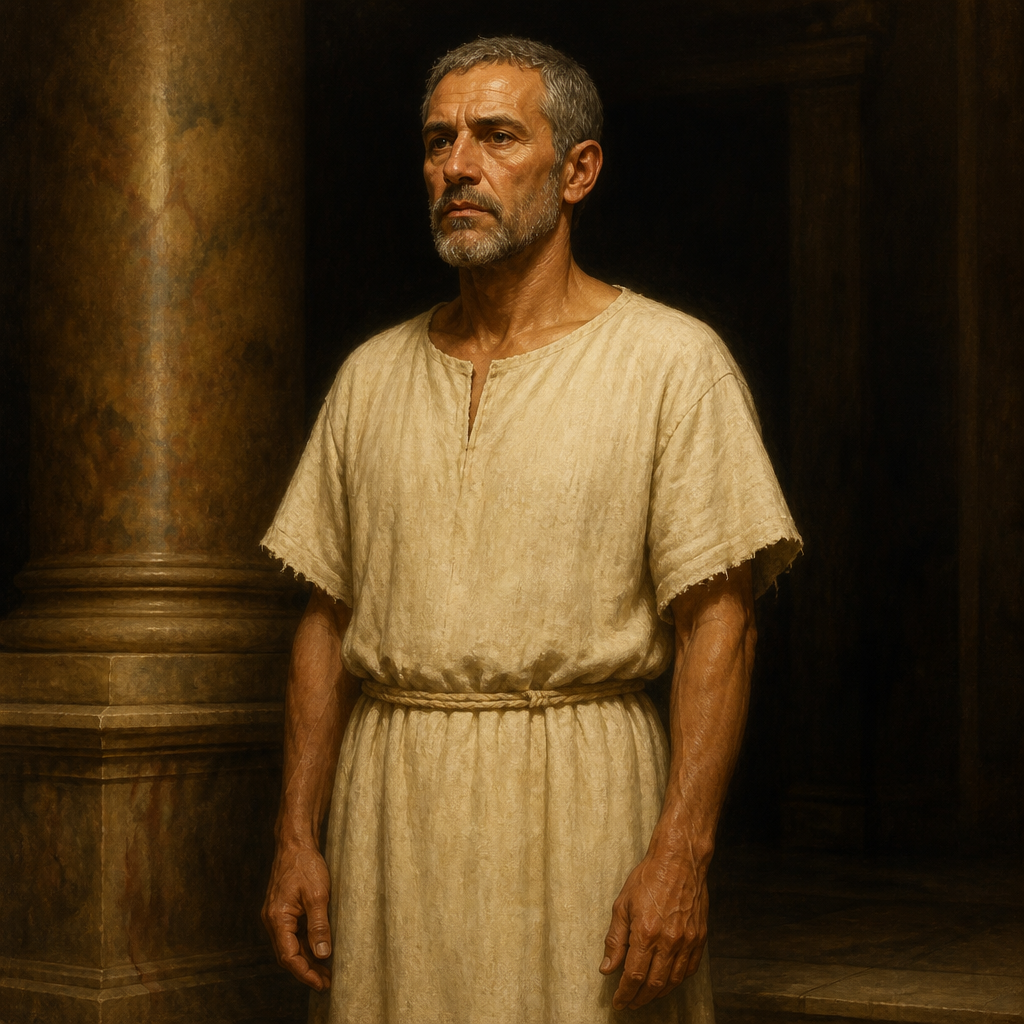
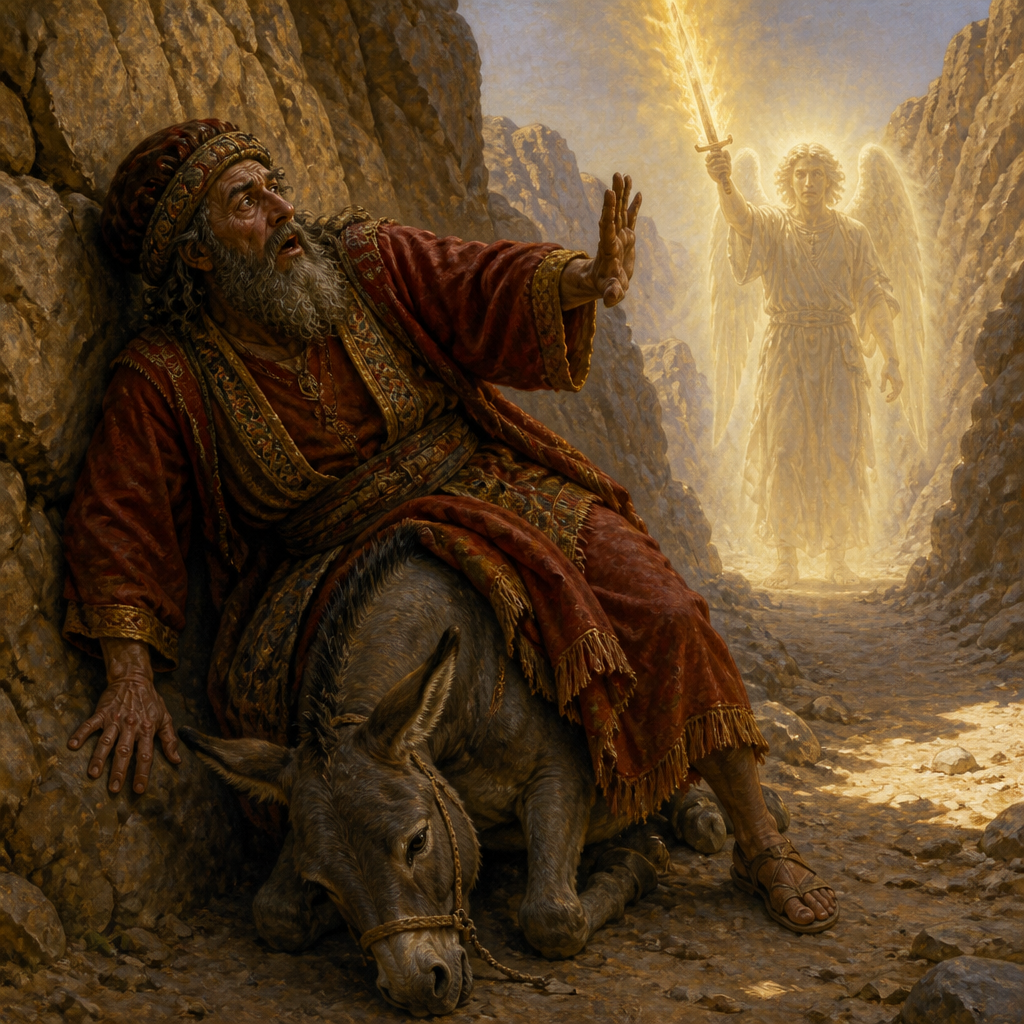
Balaam
Diviner who was hired to curse Israel but blessed them instead
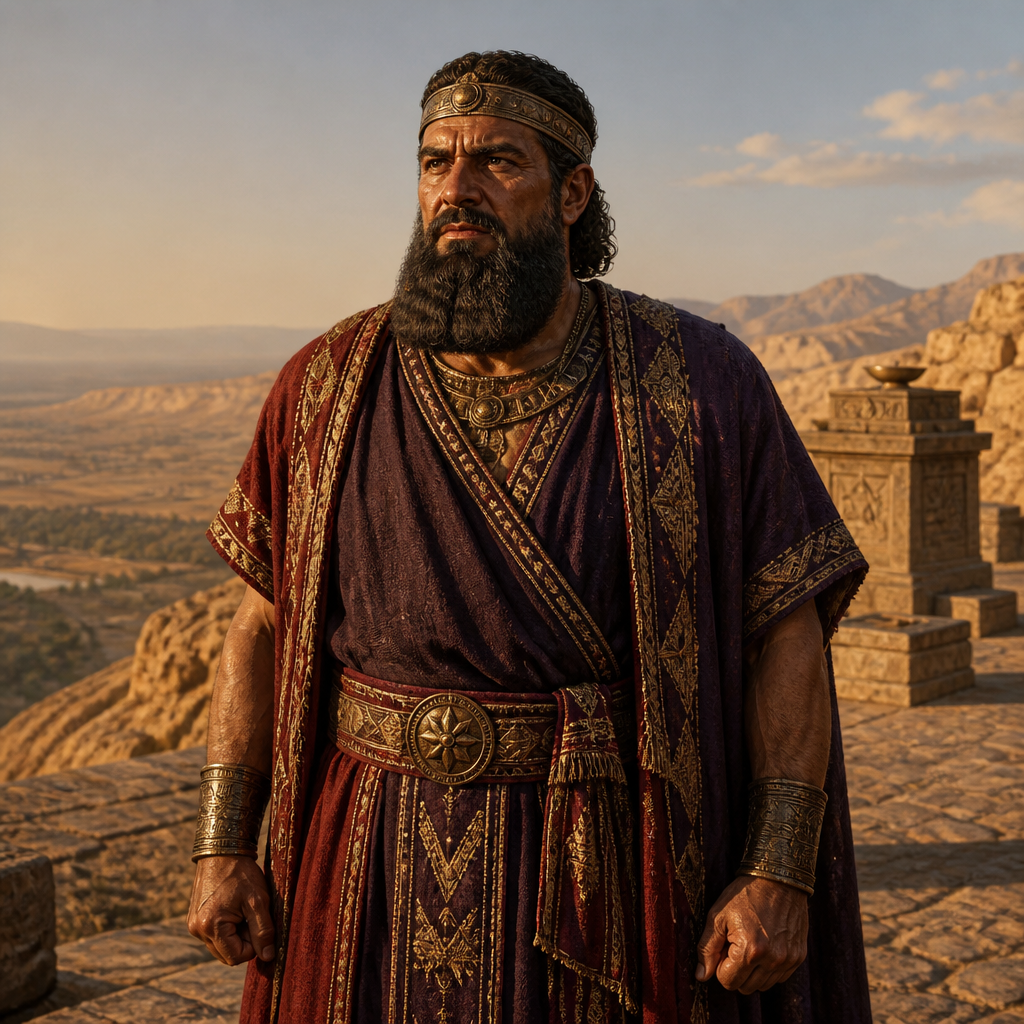
Balak
King of Moab who hired Balaam to curse the Israelites during their wilderness wanderings
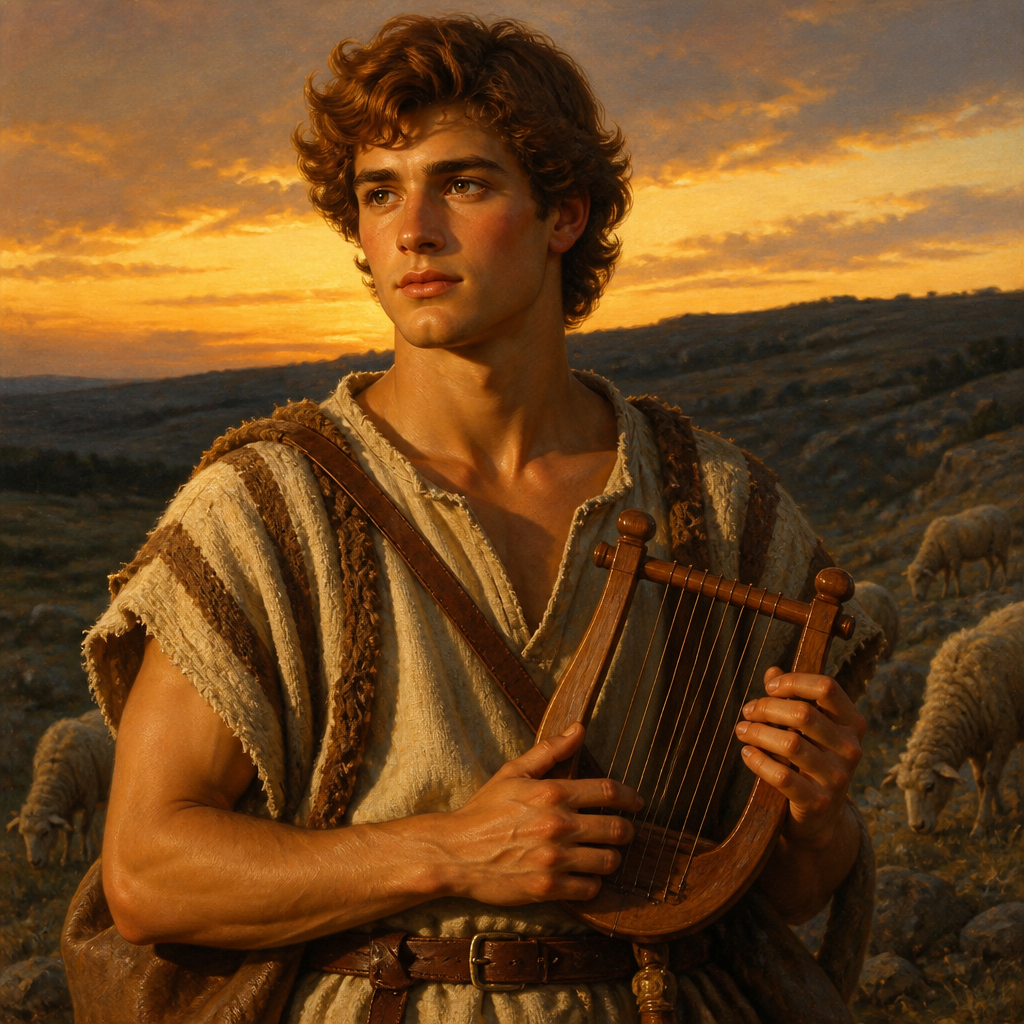
David
King of Israel who defeated Goliath and established the Davidic dynasty
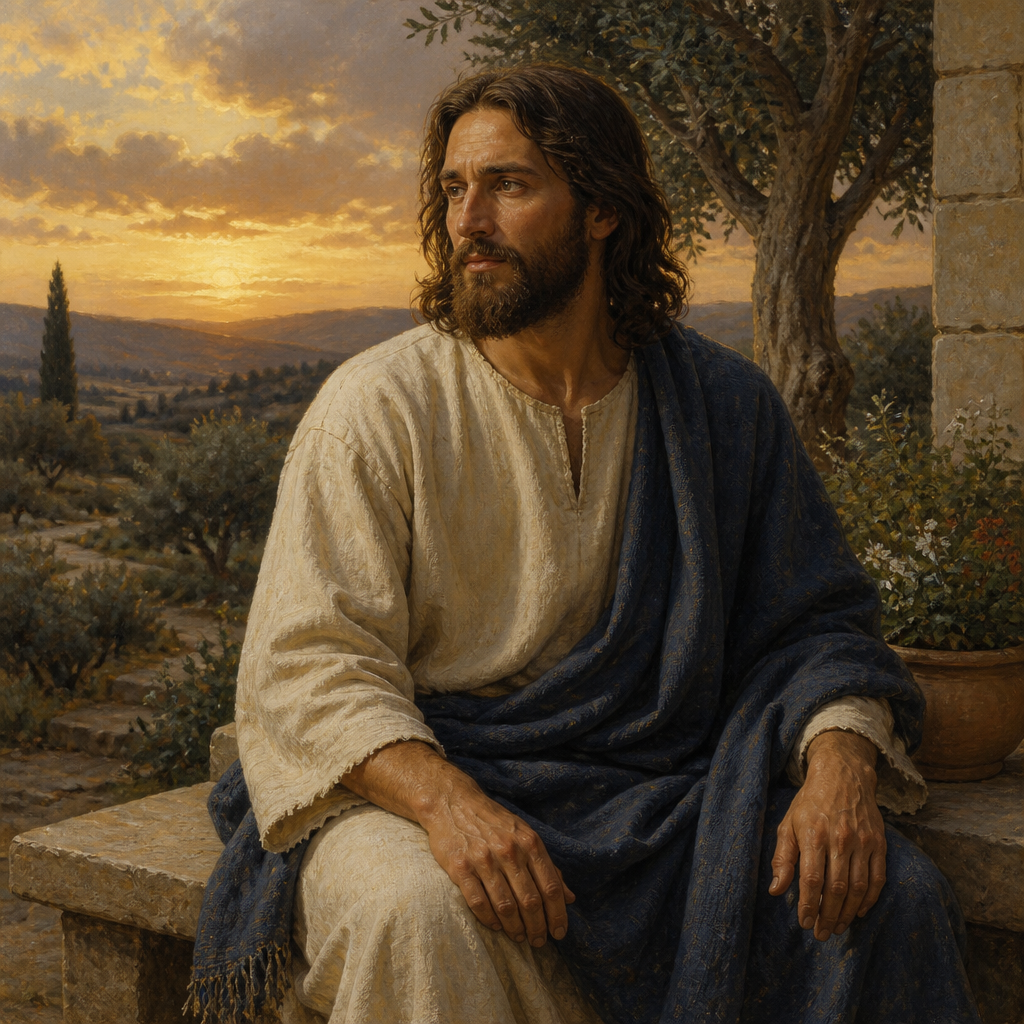
Jesus
Messiah and central figure of the New Testament whose life, death, and resurrection form the basis of the Christian faith
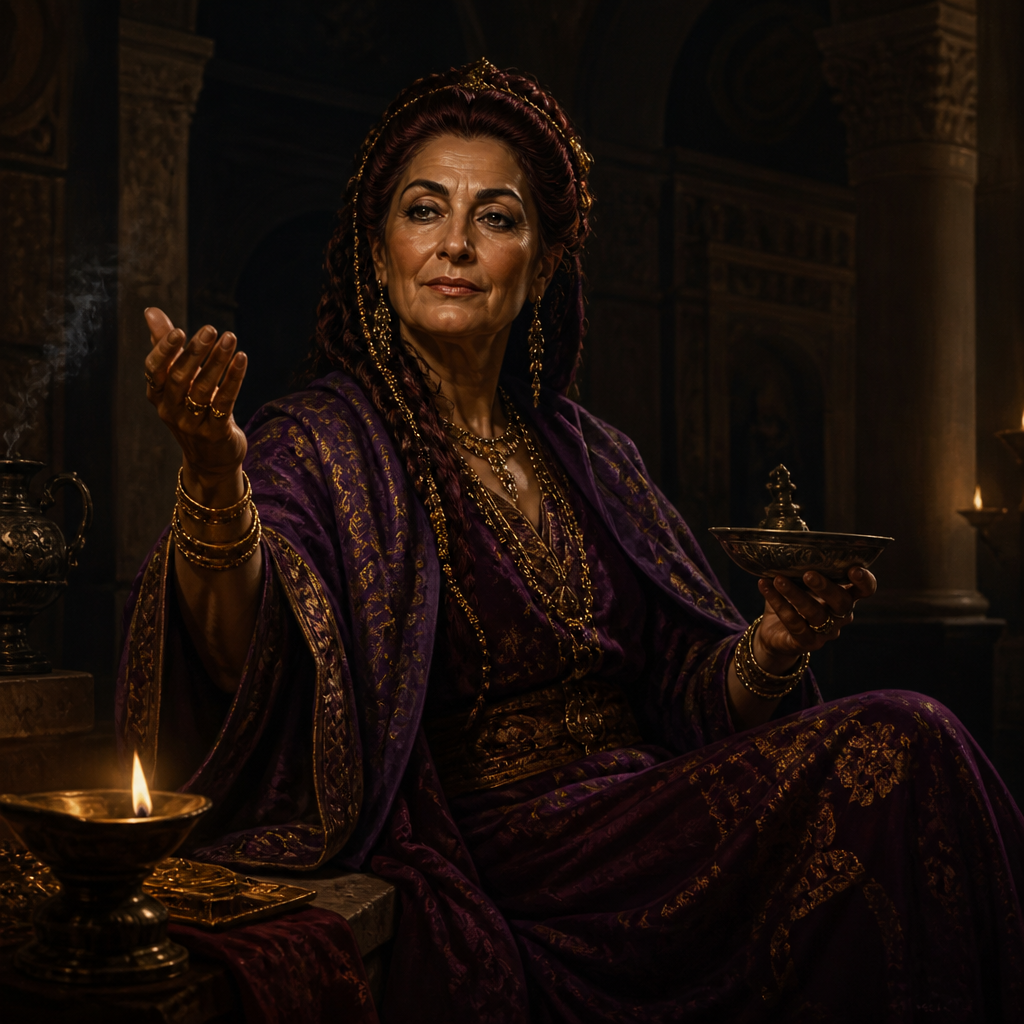
Jezebel of Thyatira
False prophetess who seduced the church at Thyatira into idolatry
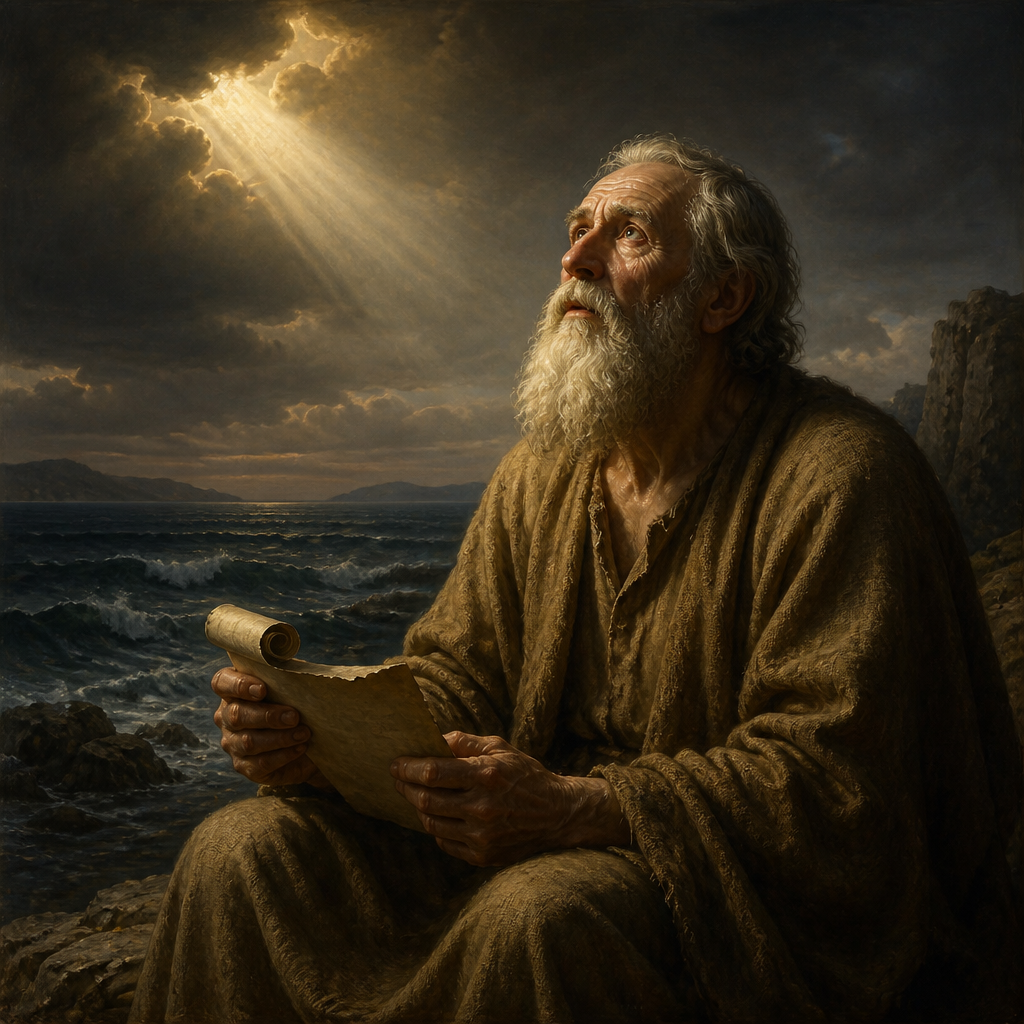
John the Apostle
Apostle and brother of James who received the visions of Revelation