Epimenides
A 6th-century BC Cretan philosopher and poet whom the Apostle Paul quotes in both Acts 17 and Titus 1.
Epimenides of Knossos was a semi-mythical Greek seer, philosopher, and poet who lived during the 6th century BC. While he was a figure of pagan antiquity, he occupies a unique position in the biblical canon because the Apostle Paul cites his poetry twice — at the Areopagus in Acts 17:28 and in the Epistle to Titus 1:12 — as a means of establishing cultural and moral context for the early Christian mission.
In the Epistle to Titus, Paul refers to a 'prophet of their own' when describing the inhabitants of Crete. This reference is universally identified by scholars as Epimenides, specifically quoting a line from his work *Cretica*. By utilizing the words of a pagan author, Paul demonstrates his familiarity with classical literature and his ability to use secular truth to reinforce apostolic instruction.
Background and Family
Epimenides was born in Knossos on the island of Crete, likely in the late 7th century BC, with his most influential work occurring in the 6th century BC. According to Greek tradition, he was a shepherd who, while looking for a lost sheep, entered a cave and fell into a miraculous sleep that lasted fifty-seven years. Upon waking, he supposedly possessed the gift of prophecy and deep wisdom regarding religious purification.
While the biographical details of Epimenides are steeped in legend, he was regarded by the Greeks as one of the 'Seven Sages' (in some lists) or at least a contemporary of them. He was famously invited to Athens around 596 BC to purify the city following a plague and the sacrilege of the Alcmaeonidae. His family lineage is not recorded in the biblical text, as his inclusion in the New Testament is strictly based on his literary and cultural legacy rather than his genealogy.
Major Life Events
Though Epimenides lived centuries before the New Testament era, his intellectual influence persisted into the Roman period. His most famous literary contribution relevant to the Bible is a poem titled Cretica, which was written in honor of Zeus. In this work, Epimenides addressed the Cretan claim that Zeus had died and was buried on their island—a claim Epimenides rejected by asserting the immortality of the deity.
Historically, Epimenides is credited with establishing various religious reforms in Athens and Crete. He was known for his mastery of the 'hymnic' form of poetry and his ability to address the moral failings of his society. It is this specific critical eye toward his own people that caught the attention of the Apostle Paul during his missionary travels and his oversight of the young churches in the Mediterranean.
Relationship to Other Biblical Figures
Epimenides’ 'relationship' to biblical figures is strictly literary and apologetic. He is connected primarily to the Apostle Paul and Titus. While writing to Titus, who was tasked with organizing the church in Crete, Paul recalls the words of Epimenides to validate his own assessment of the Cretan character.
"One of Crete’s own prophets has said it: 'Cretans are always liars, evil brutes, lazy gluttons.' This saying is true. Therefore rebuke them sharply, so that they will be sound in the faith." — Titus 1:12-13
Paul also draws on Epimenides in his speech at the Areopagus in Acts 17:28. When Paul says, "For in him we live and move and have our being," he is quoting a different stanza from the same poem, Cretica, where Epimenides praises the divine source of life. In this way, Paul uses Epimenides as a bridge to communicate the Gospel to a Hellenistic audience, showing that even their own poets grasped fragments of the truth.
Spiritual Significance
Epimenides is significant for being one of the few pagan authors quoted directly in the New Testament. His words in Titus 1:12 provide a stark, culturally-attested baseline for the moral challenges facing the early Church in Crete. By citing him, the Apostle Paul validates the harsh reality of the local culture's reputation, justifying the need for firm leadership and disciplined living among the new converts.
Furthermore, Epimenides represents the 'preparatio evangelica' (preparation for the Gospel) in the Greek world. His philosophical search for the source of life and his critiques of local corruption created a conceptual framework that Paul could later fill with the specific revelation of Jesus Christ. His inclusion underscores the biblical theme that God’s truth can be echoed in the conscience and literature of all nations, pointing them toward the ultimate truth found in Scripture.
The inclusion of Epimenides in the Holy Scriptures serves several theological purposes. First, it affirms the concept of 'General Revelation'—the idea that God has revealed certain moral and existential truths to all humanity, even outside the covenant of Israel. By calling Epimenides a 'prophet of their own,' Paul does not mean Epimenides was a prophet of Yahweh, but rather that he was a truth-teller within his own cultural context who accurately diagnosed the sins of his people.
Second, the reference to Epimenides highlights the necessity of cultural relevance in ministry. Paul was not a secluded theologian; he was an educated man who understood the philosophy and literature of the people he sought to convert. By quoting Epimenides, Paul established a point of contact with Titus’s environment, proving that the need for the Gospel was evidenced by the Cretans' own historical reputation for dishonesty and gluttony.
Finally, the 'Epimenides Paradox' (the logical puzzle arising from a Cretan stating that all Cretans are liars) serves as a backdrop for Paul’s insistence on absolute truth in the Christian life. In contrast to the 'liars' of Crete, Paul presents the God 'who does not lie' (Titus 1:2), setting the stage for the transformative power of the Holy Spirit to change the very nature of those whom Epimenides had previously condemned.
Frequently Asked Questions
Did Paul believe Epimenides was a true prophet of God?
No. When Paul calls him a 'prophet of their own,' he is using the term in a cultural sense, acknowledging Epimenides as a respected seer or wise man among the Greeks who spoke an uncomfortable truth about his own people.
What is the 'Epimenides Paradox'?
It is a logical puzzle: If Epimenides (a Cretan) says 'Cretans are always liars,' and he is telling the truth, then he is lying. If he is lying, then the statement is false. Paul, however, focuses on the moral accuracy of the statement rather than the logical riddle.
Where in the Bible is Epimenides quoted?
He is directly quoted in Titus 1:12. He is also widely believed to be the source of the phrase 'For in him we live and move and have our being' in Acts 17:28.
What does the quote 'Cretans are always liars, evil brutes, lazy gluttons' mean?
It was a famous hexameter verse describing the moral decay and poor reputation of the islanders. Paul used it to emphasize that Titus needed to be firm in correcting the behavior of the new believers in Crete.
Was Epimenides a real historical person?
Yes, although his life is heavily embellished with legends, historians generally agree he was a real Cretan poet and religious reformer who lived in the 6th century BC.
Connected Figures
Paul the Apostle
Quoted Epimenides in his letters
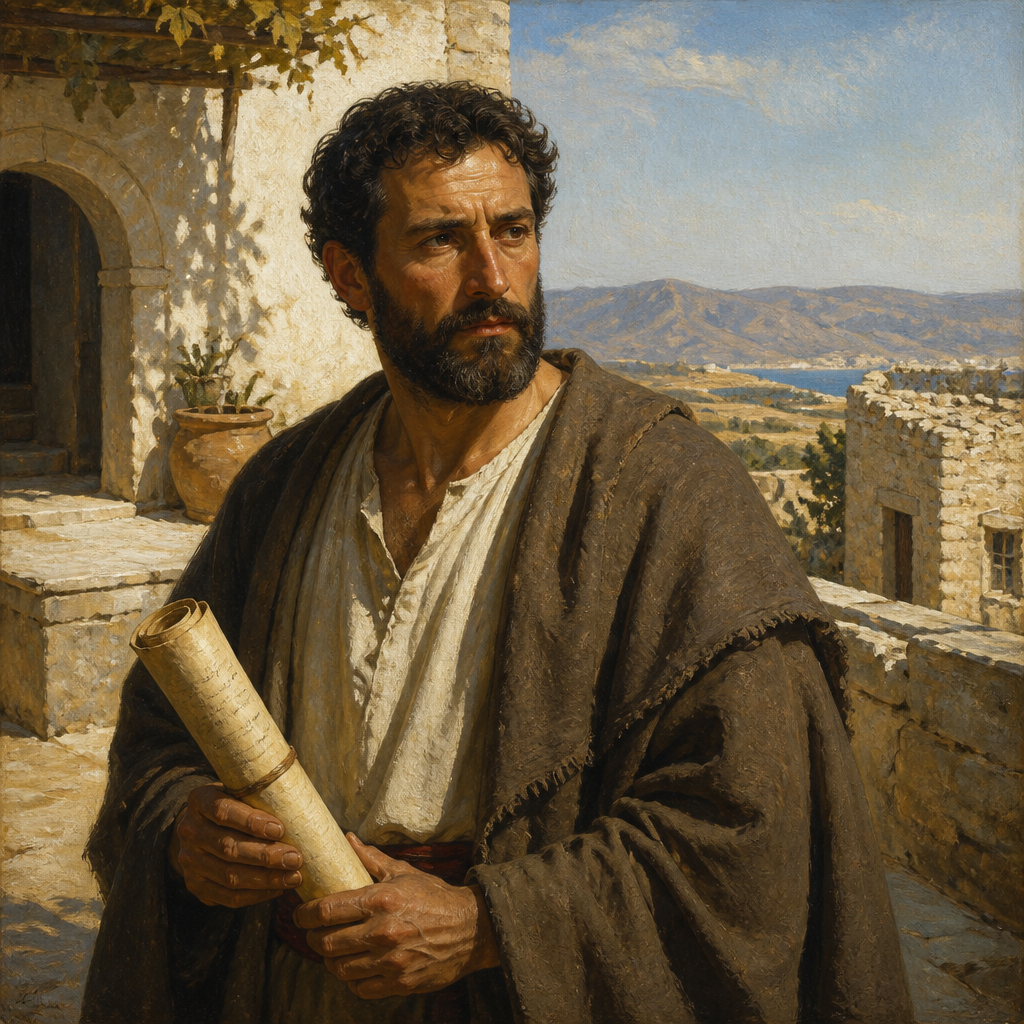
Titus
Recipient of the letter mentioning Epimenides
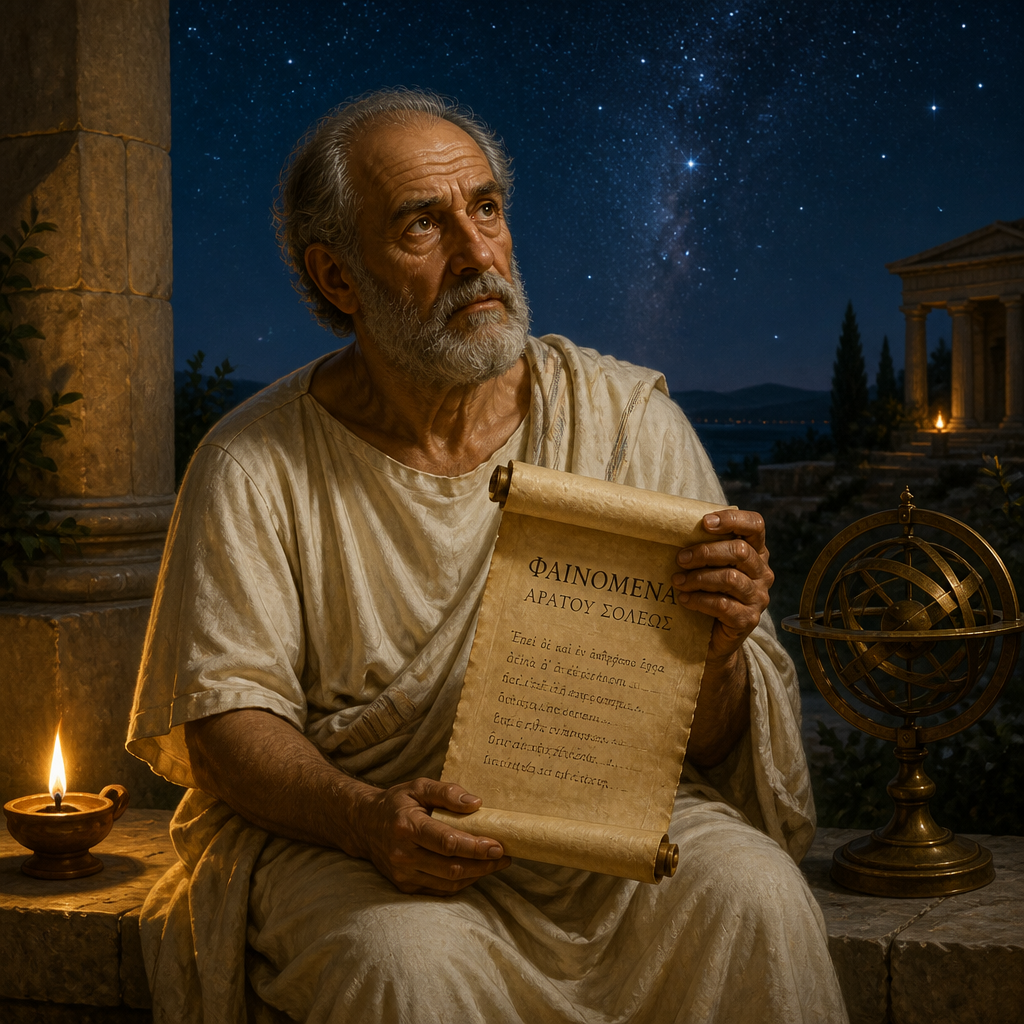
Aratus
Another Greek poet quoted by Paul in Acts 17