Titus
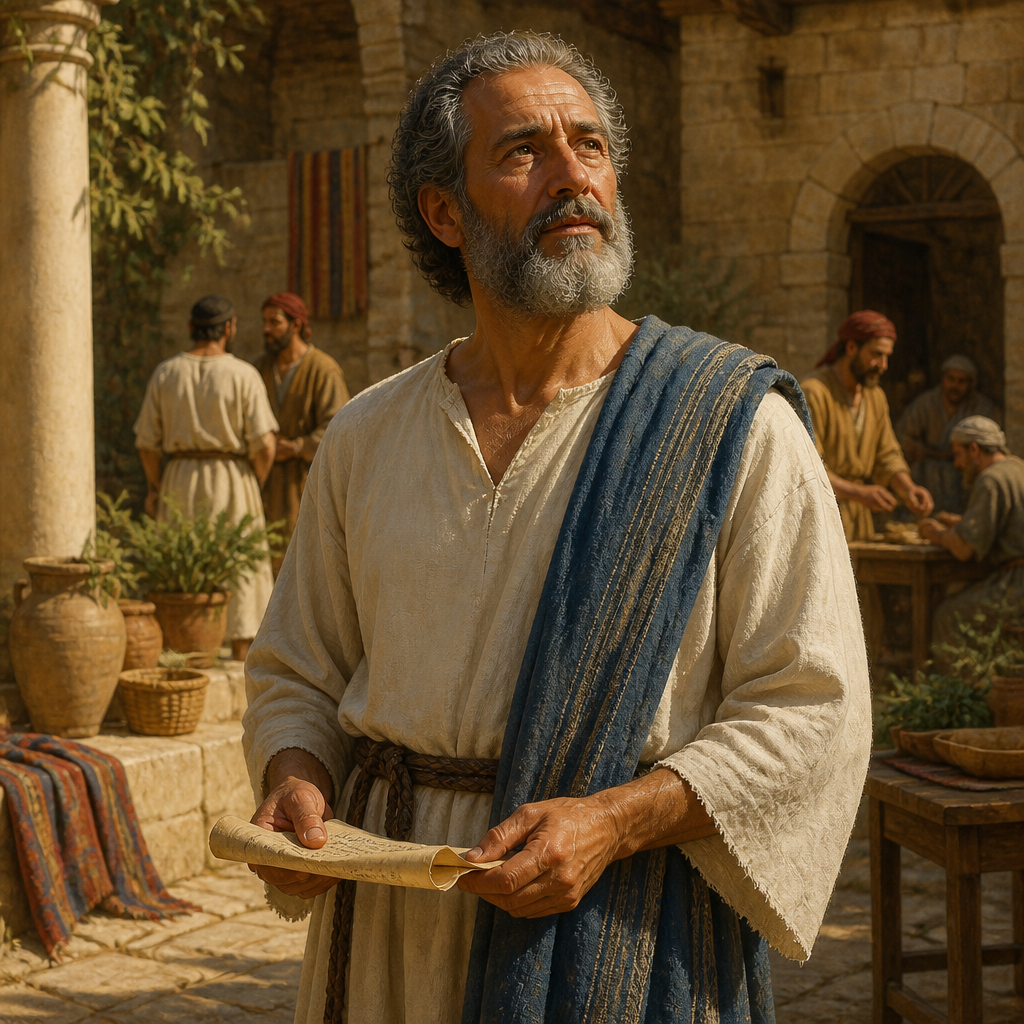
Titus was a Greek convert, a trusted companion of the Apostle Paul, and a leader tasked with organizing the church on the island of Crete.
Titus was a prominent first-century Christian missionary and church leader, identified in the New Testament as one of the Apostle Paul’s most reliable and effective companions. Unlike Timothy, who was of mixed Jewish and Greek parentage, Titus was a Gentile, making him a living testament to the early church's mission to the uncircumcised. He served not merely as an assistant, but as a troubleshooter and administrator sent to handle some of the most difficult pastoral situations in the apostolic era.
His role was both diplomatic and supervisory. He is best remembered for his mediation during the crisis between Paul and the Corinthian church and for his subsequent appointment to oversee the fledgling Christian communities on the island of Crete. Though he is never mentioned in the Book of Acts, his presence is felt throughout the Pauline epistles, particularly in 2 Corinthians, Galatians, and the eponymous Epistle to Titus.
Background and Family
Unlike many other figures in the New Testament, Titus’s early life and family background remain largely obscured by history, though his status as a Gentile is a defining characteristic of his biblical profile. He was a Greek convert, likely brought to the faith by the ministry of Paul himself, whom Paul refers to as 'my true son in our common faith' (Titus 1:4). This phrasing suggests a deep spiritual mentorship similar to the relationship Paul shared with Timothy.
Titus first appears in the historical narrative in the book of Galatians. He accompanied Paul and Barnabas to Jerusalem to meet with the leaders of the church (Galatians 2:1-3). His presence at this council was significant: as an uncircumcised Greek, Titus was a 'test case' for the gospel’s application to Gentiles. Despite pressure from certain factions to have Titus circumcised according to Jewish law, Paul resisted, and the Jerusalem leadership (including Peter, James, and John) ultimately accepted Titus without requiring the rite. This established a monumental theological precedent for the autonomy of the Gentile mission.
Major Life Events
Troubleshooting at Corinth
One of the most intense periods of Titus’s ministry occurred during Paul’s third missionary journey. The church at Corinth was in a state of rebellion and internal division. After a 'painful visit' and a stern letter from Paul failed to resolve the issues, Paul dispatched Titus to Corinth to assess the situation and bring the church to repentance.
Titus’s success in this mission was a turning point. He not only managed to reconcile the Corinthians to Paul's apostolic authority but also began the collection for the impoverished saints in Jerusalem. Paul’s relief and joy at Titus’s return are palpable in 2 Corinthians: 'But God, who comforts the downcast, comforted us by the coming of Titus' (2 Corinthians 7:6). Titus’s ability to navigate the volatile politics of the Corinthian church demonstrated his maturity and administrative skill.
The Mission to Crete
Following Paul’s several years of imprisonment in Rome (and potentially after a subsequent release), Titus was left on the island of Crete. His mandate was daunting: 'set in order the things that are lacking, and appoint elders in every city' (Titus 1:5). The Cretan culture was notoriously difficult; Paul even quotes a Cretan poet describing the inhabitants as 'liars, evil beasts, lazy gluttons.' Titus was tasked with establishing a structured church hierarchy and teaching the diverse social groups—older men, older women, young women, and bondservants—how to live lives that 'adorn the doctrine of God our Savior.'
Relationship to Other Biblical Figures
Titus was defined by his loyalty to the Apostle Paul. While Timothy is often portrayed as being somewhat timid or in need of encouragement, Titus appears in the text as a more assertive and resilient figure. Paul relied on him for difficult diplomatic missions where a firm hand was required.
Aside from Paul, Titus worked alongside other key members of the apostolic circle. Tychicus and Artemas are mentioned as potential replacements for him on Crete when Paul wanted Titus to join him in Nicopolis (Titus 3:12). In his final letter, written during his second Roman imprisonment, Paul notes that Titus had gone to Dalmatia (modern-day Croatia), suggesting that Titus continued his missionary labors in the Balkan region until the very end of the apostolic age.
Spiritual Significance
Titus serves as a primary example of 'functional leadership' in the early church. His life illustrates the transition from the charismatic, itinerant ministry of the first apostles to the established, ordered church life of the late first century. The instructions he received regarding the qualifications for elders (Titus 1) remain a foundational text for church government and pastoral theology today.
Furthermore, Titus’s status as an uncircumcised Greek who was fully accepted into the 'pillar' church of Jerusalem serves as a theological anchor for the doctrine of justification by faith apart from the works of the Law. He was the living embodiment of the 'middle wall of separation' being broken down between Jew and Gentile. His ministry emphasizes that the grace of God, which 'brings salvation to all men,' also 'trains us to renounce ungodliness and worldly passions' (Titus 2:11-12).
Spiritual Significance
Titus is theologically significant as the premier representative of the Gentile mission who served without conforming to Jewish ceremonial laws, validating Paul’s gospel of grace. His career provides the clearest New Testament example of the transition from missionary expansion to the establishment of local church order and elder qualifications.
As a 'troubleshooter,' Titus demonstrates the importance of administrative gifts and emotional intelligence in the early church. His successful mediation in Corinth and his structural work in Crete show that the growth of the early church depended not only on preaching but on the careful organization and moral training of new converts.
Frequently Asked Questions
Was Titus circumcised?
No. Paul specifically mentions in Galatians 2:3 that Titus was not compelled to be circumcised, which served as a vital legal and theological precedent for Gentile Christians.
What is the difference between Timothy and Titus?
While both were close companions of Paul, Timothy was of Jewish-Greek descent and was circumcised by Paul for missionary expediency. Titus was purely Gentile and remained uncircumcised. Titus is often seen as the more firm and administratively focused of the two.
Why is Titus not mentioned in the Book of Acts?
This is a historical mystery. Some scholars suggest Titus may have been the relative of the author Luke, or that he is simply omitted because the narrative focused on other figures, though his presence is confirmed by Paul's letters.
Where was Titus when Paul wrote his last letter?
In 2 Timothy 4:10, Paul mentions that Titus had departed for Dalmatia, which is located in the modern-day Balkans.
What was Titus’s main task on the island of Crete?
He was sent to appoint elders in every city and to organize the church's internal structure while correcting false teachings that were prevalent on the island.
Connected Figures
Paul the Apostle
Mentor and spiritual father
Barnabas
Co-traveler during the Jerusalem Council
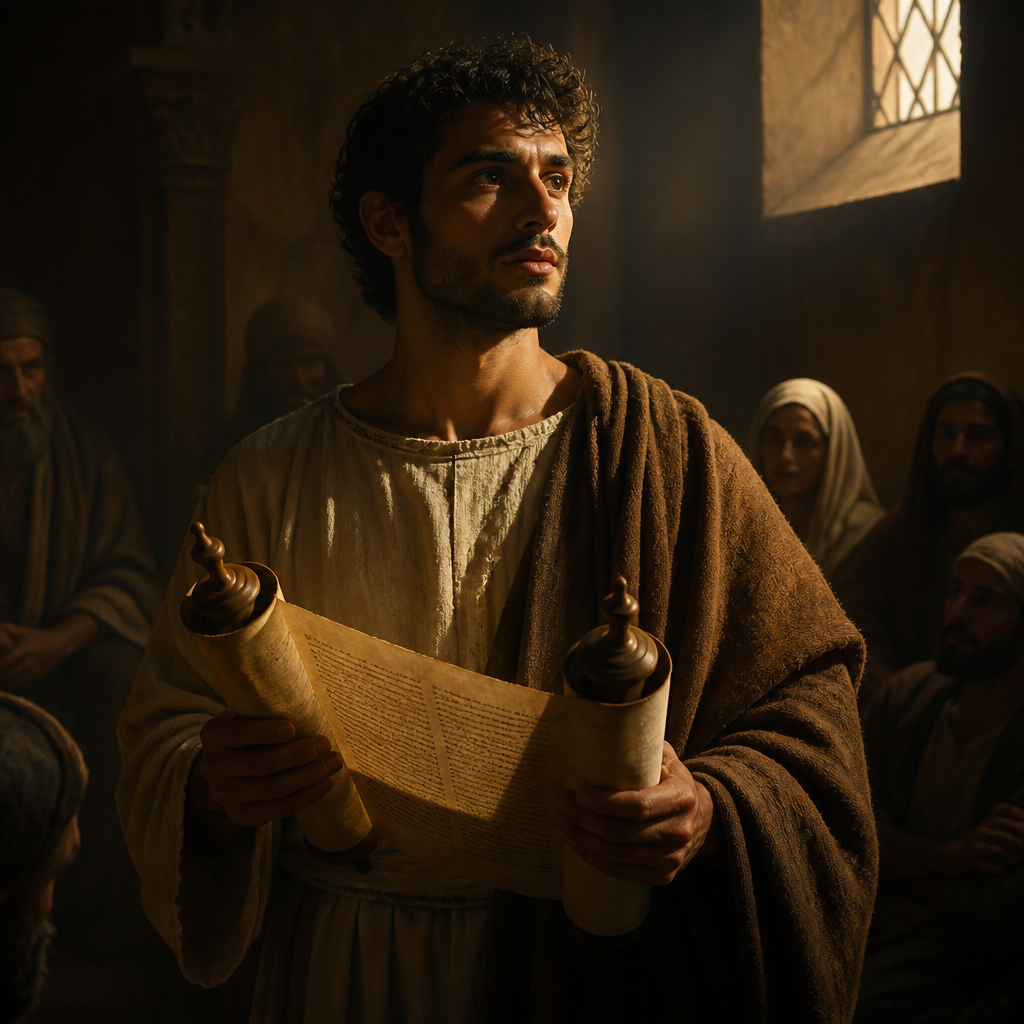
Timothy
Fellow worker and peer in Paul's circle
Artemas
Colleague sent to relieve him at Crete