John the Baptist, Son of Zechariah
An ascetic prophet and the son of Zechariah and Elizabeth who preached repentance in the wilderness and prepared the way for the ministry of Jesus Christ.
John the Baptist was a pivotal prophetic figure who emerged in the early first century AD as a voice crying out in the wilderness of Judea. Born into a priestly lineage through his parents, Zechariah and Elizabeth of the tribe of Judah, his birth was marked by divine intervention. He adopted a lifestyle of extreme asceticism, characterized by his distinctive clothing of camel's hair and a diet of locusts and wild honey. His primary mission was the proclamation of a baptism of repentance for the forgiveness of sins, a message that attracted large crowds from Jerusalem and across Judea.
John is historically recognized as the 'forerunner' who announced the arrival of one greater than himself. His public ministry reached its peak when he baptized Jesus in the Jordan River, witnessing the descent of the Holy Spirit. However, his uncompromising stance on moral and divine law eventually led to his conflict with the political authorities of his day. After rebuking Herod the Tetrarch for an unlawful marriage, John was imprisoned and ultimately executed, marking a transition point between the era of the Law and Prophets and the beginning of the Gospel of the kingdom of God.
Background and Family
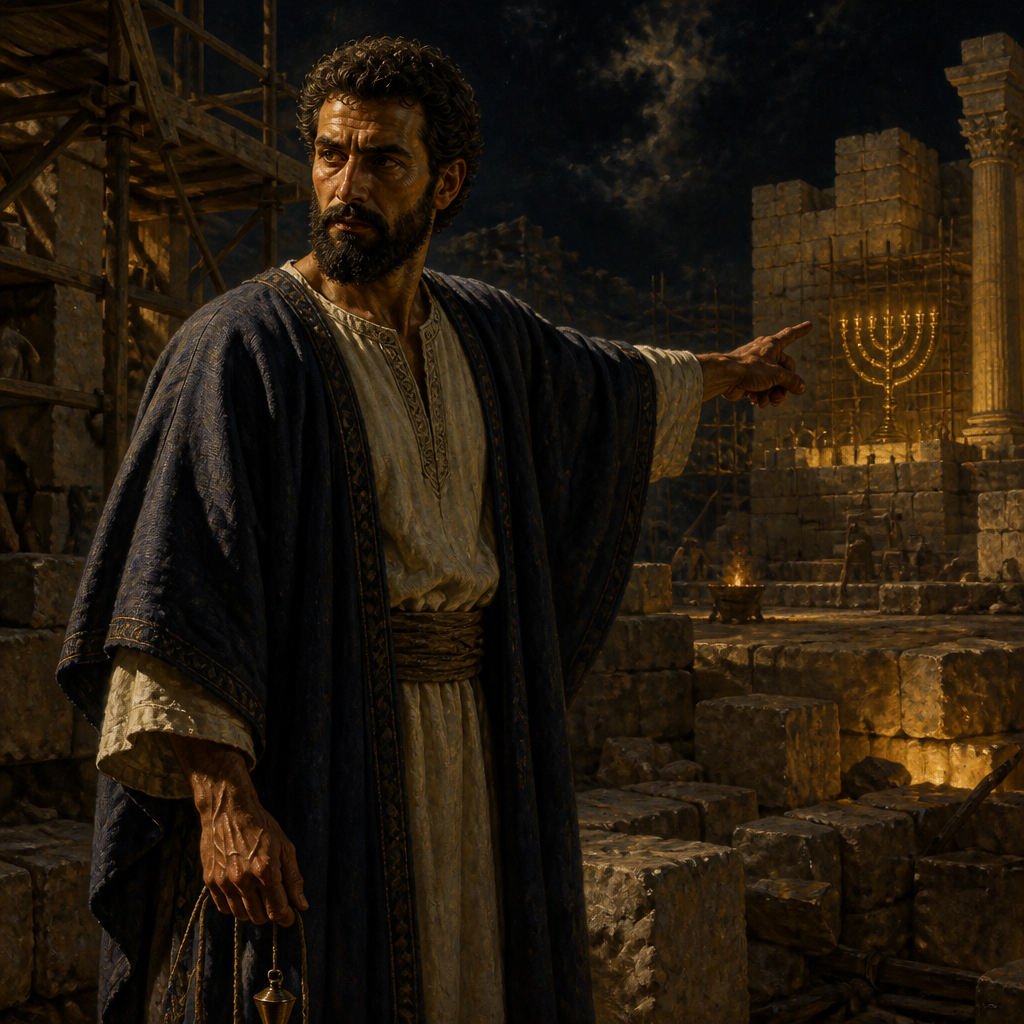
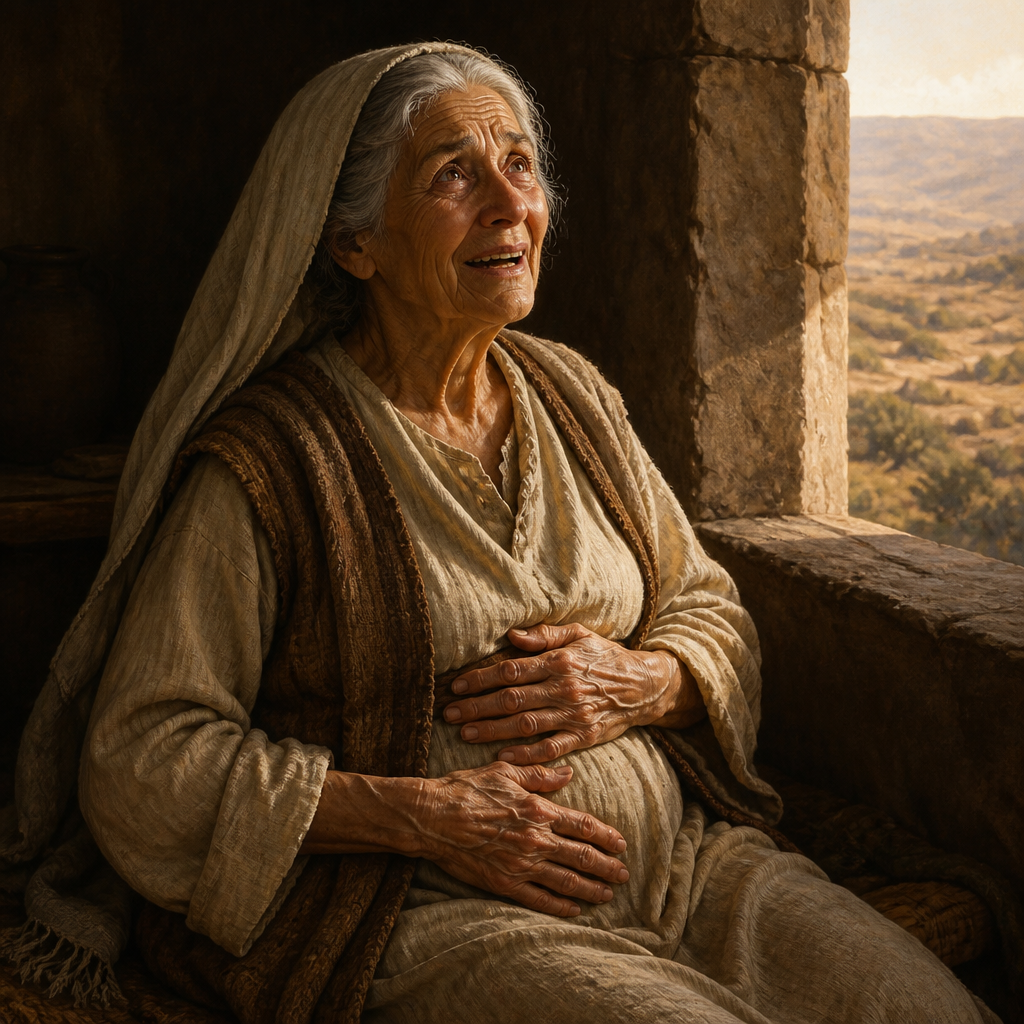
John the Baptist was born in the hill country of Judea to Zechariah, a priest, and Elizabeth, a relative of Mary, the mother of Jesus. Both parents are described in the biblical record as righteous and blameless before God. According to the Gospel of Luke, an angel named Gabriel appeared to Zechariah in the temple to announce that Elizabeth, who had been barren and was advanced in years, would bear a son. This son was to be named John, a directive that Zechariah confirmed in writing after a period of divinely-imposed silence.
John belonged to the tribe of Judah and was raised in a household steeped in the traditions of the priesthood. However, rather than serving in the urban temple complex, John withdrew to the wilderness. This isolation served as the forge for his prophetic identity, where "the word of God came to John son of Zechariah" during the high priesthood of Annas and Caiaphas. By the time he appeared to the public, he was a rugged figure, wearing a garment of camel’s hair and a leather belt, echoing the appearance of the ancient prophet Elijah.
Major Life Events
The Ministry of Baptism
John’s public career began around the Jordan River, where he preached a baptism of repentance. Unlike ceremonial washings common in contemporary Judaism, John’s baptism was a singular act signifying a turning away from sin in anticipation of the coming Kingdom. His message was not merely ritualistic; he demanded fruit in keeping with repentance, warning the religious leaders—the Pharisees and Sadducees—that their lineage did not exempt them from judgment.
The Baptism of Jesus
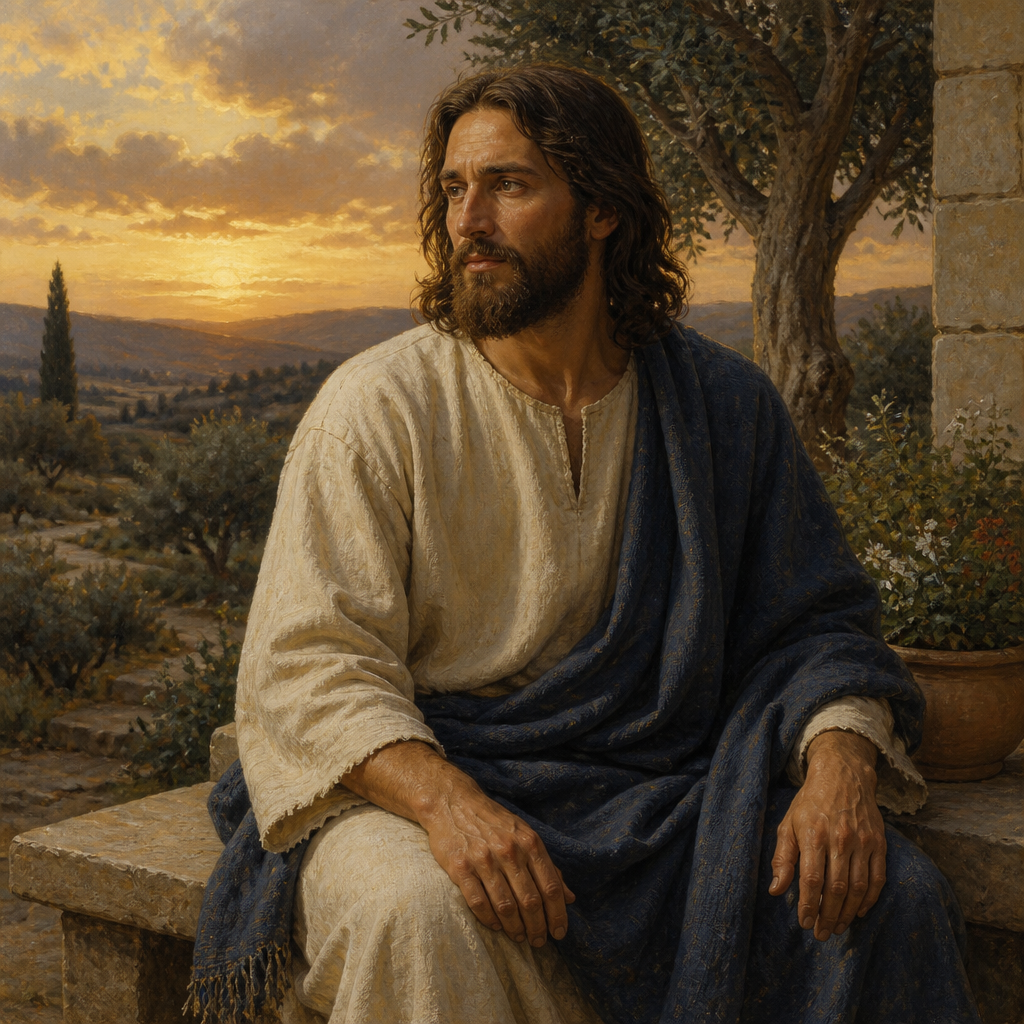
The defining moment of John’s ministry occurred at the Jordan when Jesus came from Galilee to be baptized. Initially, John resisted, stating, “I need to be baptized by You, and do You come to me?” However, he relented to "fulfill all righteousness." Upon Jesus emerging from the water, John testified to seeing the Spirit descending from heaven like a dove and resting upon Him. Following this event, John’s testimony shifted toward identifying Jesus as the "Lamb of God, who takes away the sin of the world."
Imprisonment and Death
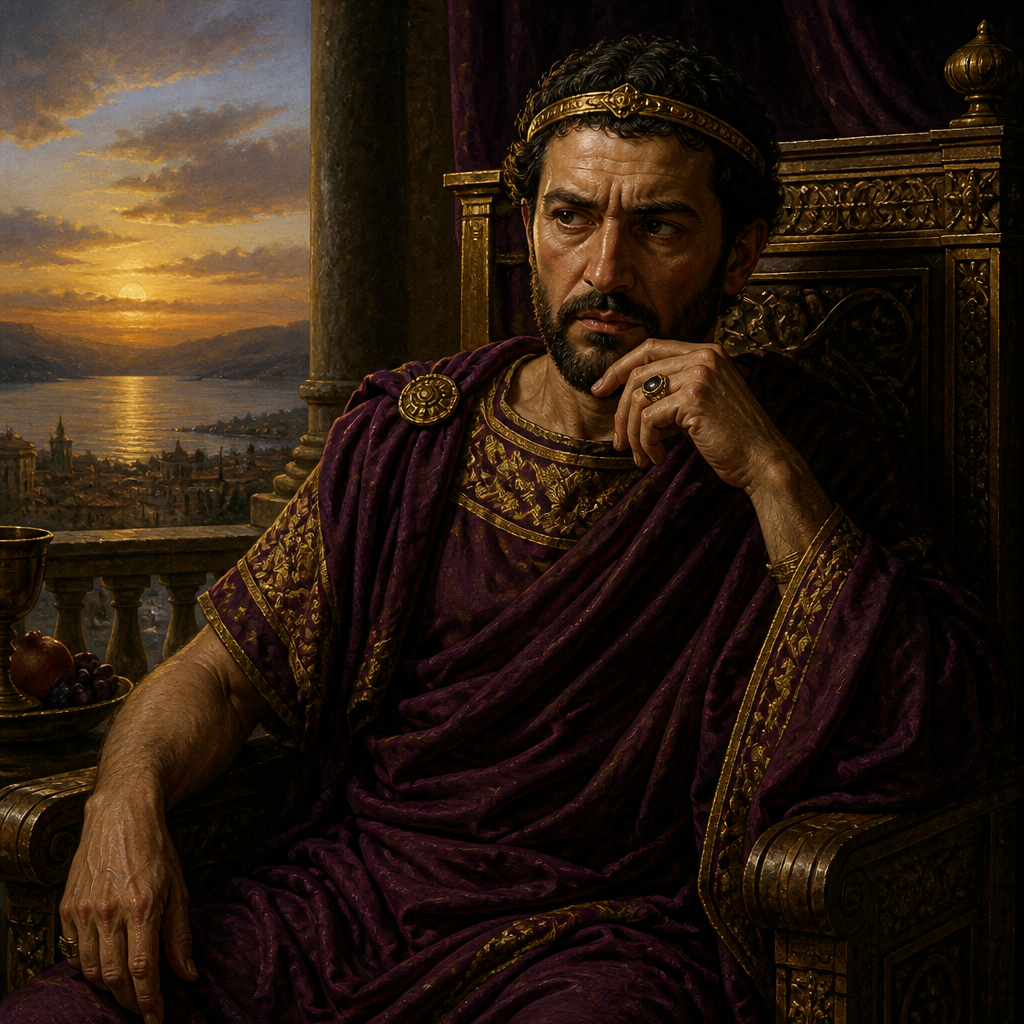
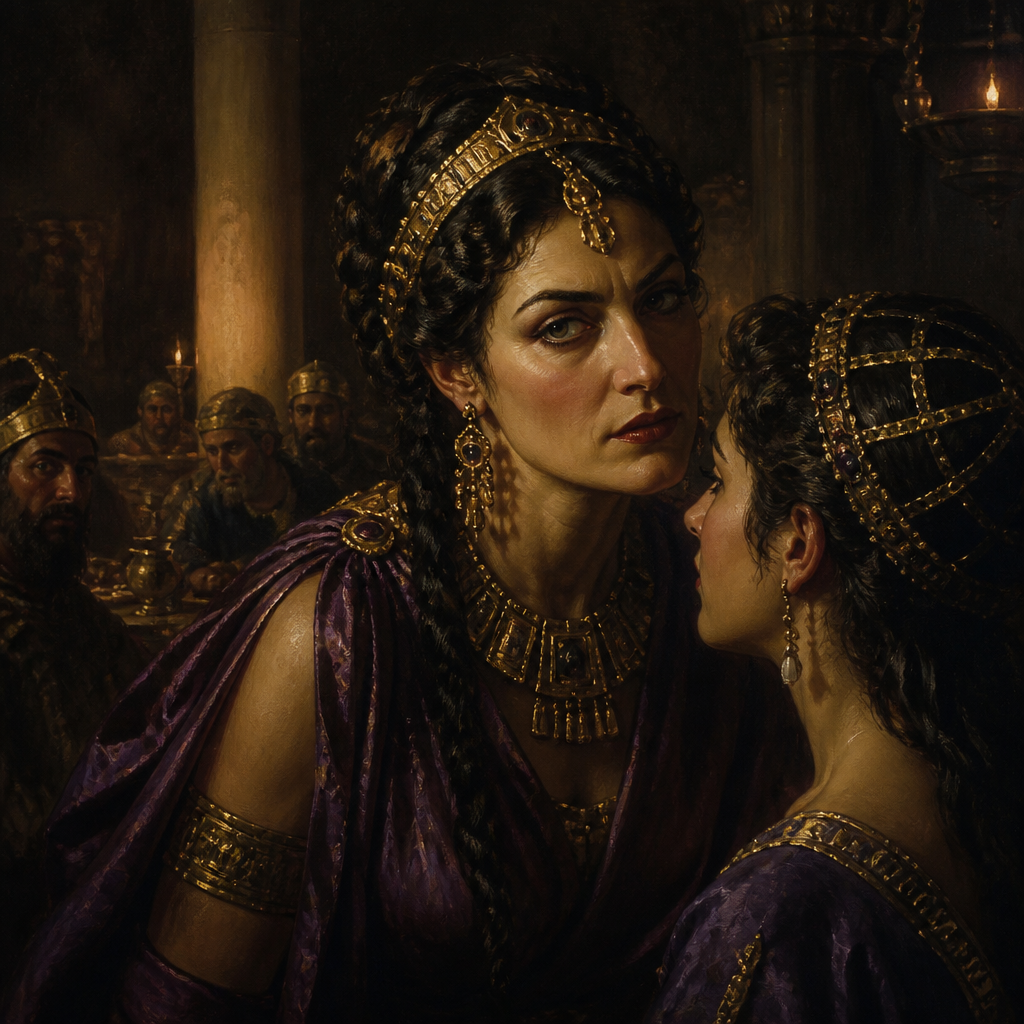
John’s ministry eventually drew the ire of Herod the Tetrarch. John publicly condemned Herod’s marriage to Herodias, the wife of his brother Philip, declaring the union unlawful. Herod arrested John and imprisoned him at the behest of Herodias. During his incarceration, John sent his own disciples to Jesus to ask if He was truly the expected One, seeking confirmation of the ministry he had helped launch. Jesus responded by pointing to the miraculous healings and the preaching of good news as evidence of His identity.
John’s life ended through a calculated plot. During a banquet, the daughter of Herodias danced for Herod, prompting the king to offer her anything she desired. Prompted by her mother, she requested the head of John the Baptist on a platter. Herod, though he feared and respected John as a righteous man, granted the request to save face before his guests. John was beheaded in prison, and his disciples took his body and buried it.
Relationship to Other Biblical Figures
John served as a bridge between the old and new covenants. He was the son of Zechariah and Elizabeth, and his ministry was closely followed by a dedicated group of disciples. Some of these disciples, such as Andrew, eventually left John to follow Jesus after John pointed Him out. Throughout his life, John maintained a posture of humility toward Jesus, famously stating that he was not worthy to untie the straps of the Messiah's sandals. While the general populace and even tax collectors regarded John as a true prophet, he faced skepticism and rejection from the Pharisaic establishment.
Spiritual Significance
In the biblical narrative, John is the fulfillment of Isaiah’s prophecy regarding the "voice of one crying in the wilderness." Jesus Himself offered a high commendation of John, stating that "among those born of women there has risen no one greater than John the Baptist," while also noting that John marked the conclusion of the era of the Law and the Prophets. John’s significance lies in his role as the legal and prophetic witness who identified the Messiah. His ministry ensured that the transition from the old sacrificial system to the Gospel was announced with divine authority. Even after his death, the "baptism of John" remained a significant point of reference in the early church, as seen in the accounts of Apollos and the disciples in Ephesus, who required further instruction to move from John’s message of repentance to the full reality of the Holy Spirit.
Spiritual Significance
John the Baptist holds a unique theological position as the 'Forerunner' of Christ. His ministry served to prepare a people for the Lord by leveling the spiritual landscape through the call to repentance. By baptizing Jesus, John validated the beginning of the Messianic era and served as the primary witness to the Spirit's descent. His life exemplifies the transition from the Old Testament prophetic tradition to the New Testament apostolic era, bridging the gap between the promise of the Messiah and His physical presence.
Furthermore, John’s death underscores the cost of prophetic integrity. His refusal to compromise on the moral law, even when facing the highest political authority, serves as a scriptural model of righteousness. Jesus’ own testimony regarding John highlights his greatness in the history of redemption, yet emphasizes that the arrival of the Kingdom of Heaven offers a new and even greater standing for its citizens. John remains the quintessential witness, whose life was defined by the mandate to decrease so that Christ might increase.
Frequently Asked Questions
What did John the Baptist eat in the wilderness?
According to Matthew 3:4 and Mark 1:6, John's diet consisted of locusts and wild honey.
Who were the parents of John the Baptist?
His father was the priest Zechariah and his mother was Elizabeth, who was a relative of Mary, the mother of Jesus.
Why did Herod have John the Baptist executed?
Herod had John beheaded because John had condemned Herod's marriage to Herodias (his brother's wife) as unlawful. Herodias's daughter requested John's head on a platter after Herod promised her anything she wanted following a dance.
Did John the Baptist perform miracles?
No. John 10:41 specifically notes that while many people believed in Jesus because of John's testimony, 'John never performed a sign' (miracle).
What was the main message of John's preaching?
John preached a baptism of repentance for the forgiveness of sins, urging people to prepare for the coming of the Kingdom of Heaven and the One who would baptize with the Holy Spirit and fire.
Connected Figures
Zechariah
Father
Elizabeth
Mother
Jesus
Relative and Messiah whom he baptized
Herod Antipas
Tetrarch who imprisoned and executed him
Herodias
Antagonist whose marriage he condemned
Categories
Mentions by Book
- Luke23
- Matthew23
- John19
- Mark15
- Acts9