People of Genesis
Every person who appears in the book of Genesis, ordered by how often they are mentioned there.
376 profiles tagged People of Genesis.
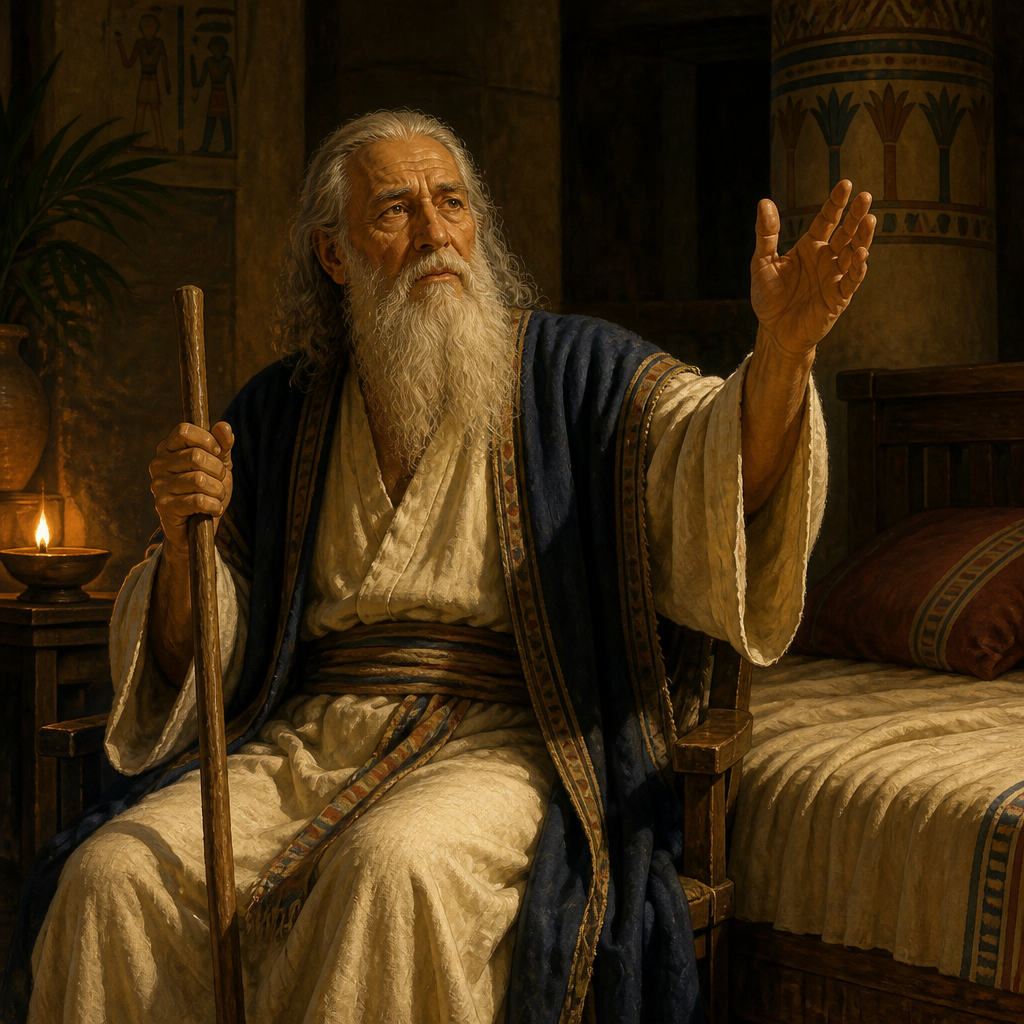
Israel
Patriarch who wrestled with God and fathered the twelve tribes
The third patriarch of the covenant, formerly known as Jacob, who received his name after wrestling with God and became the father of the twelve tribes.
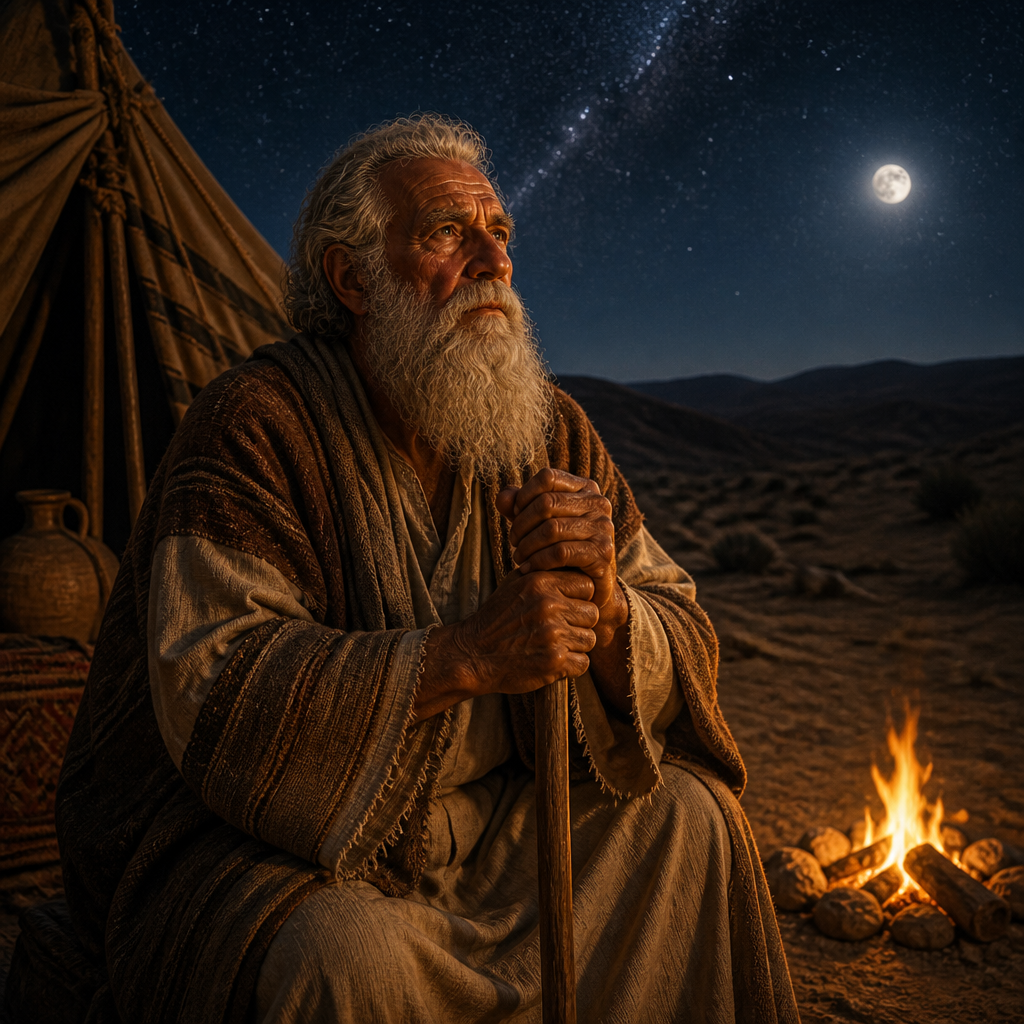
Abraham
Patriarch who is the father of the nation of Israel and an exemplar of faith
The first of the three biblical patriarchs and the father of the nation of Israel, known for his unwavering faith and his covenant relationship with God.
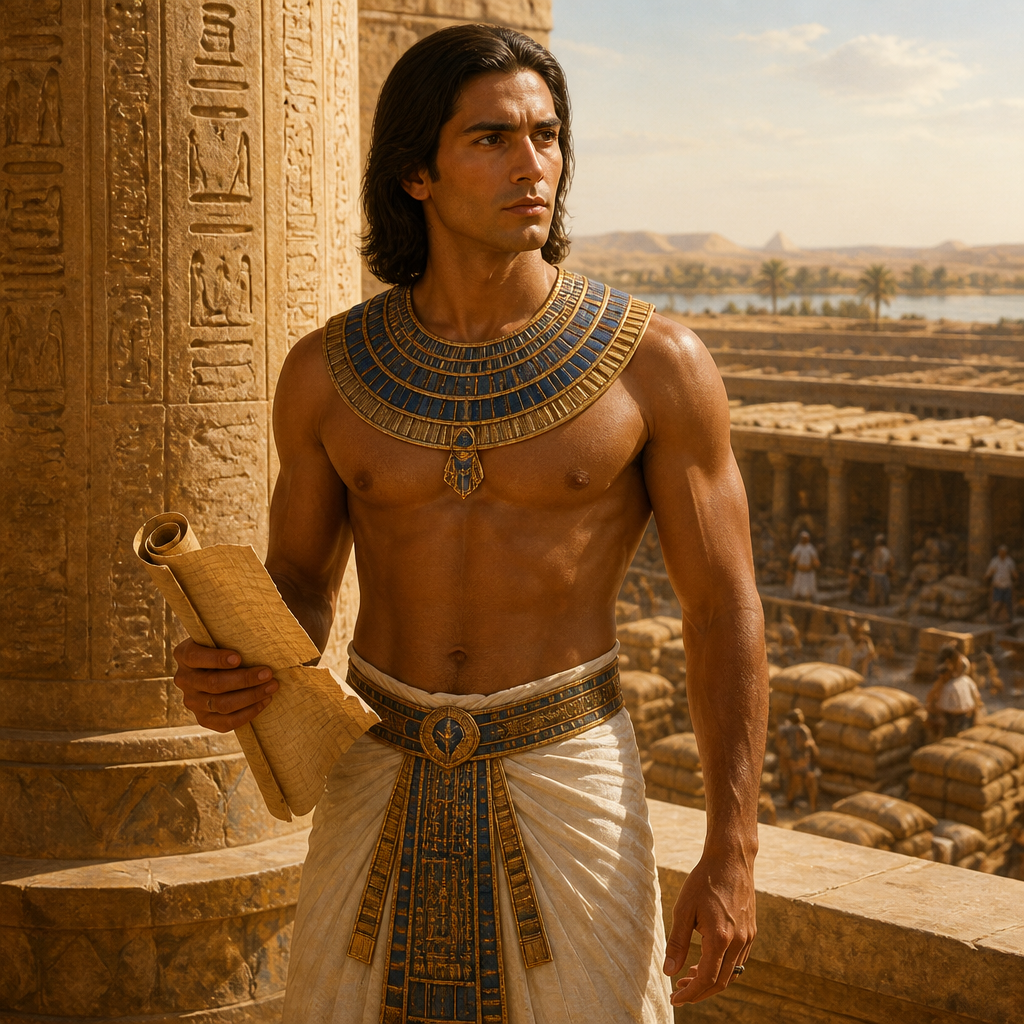
Joseph, Son of Jacob
Patriarch who was sold into slavery and rose to become the second most powerful man in Egypt
The favored son of Jacob who, after being sold into slavery by his brothers, rose to become the Grand Vizier of Egypt and preserved the lineage of Israel during a regional famine.
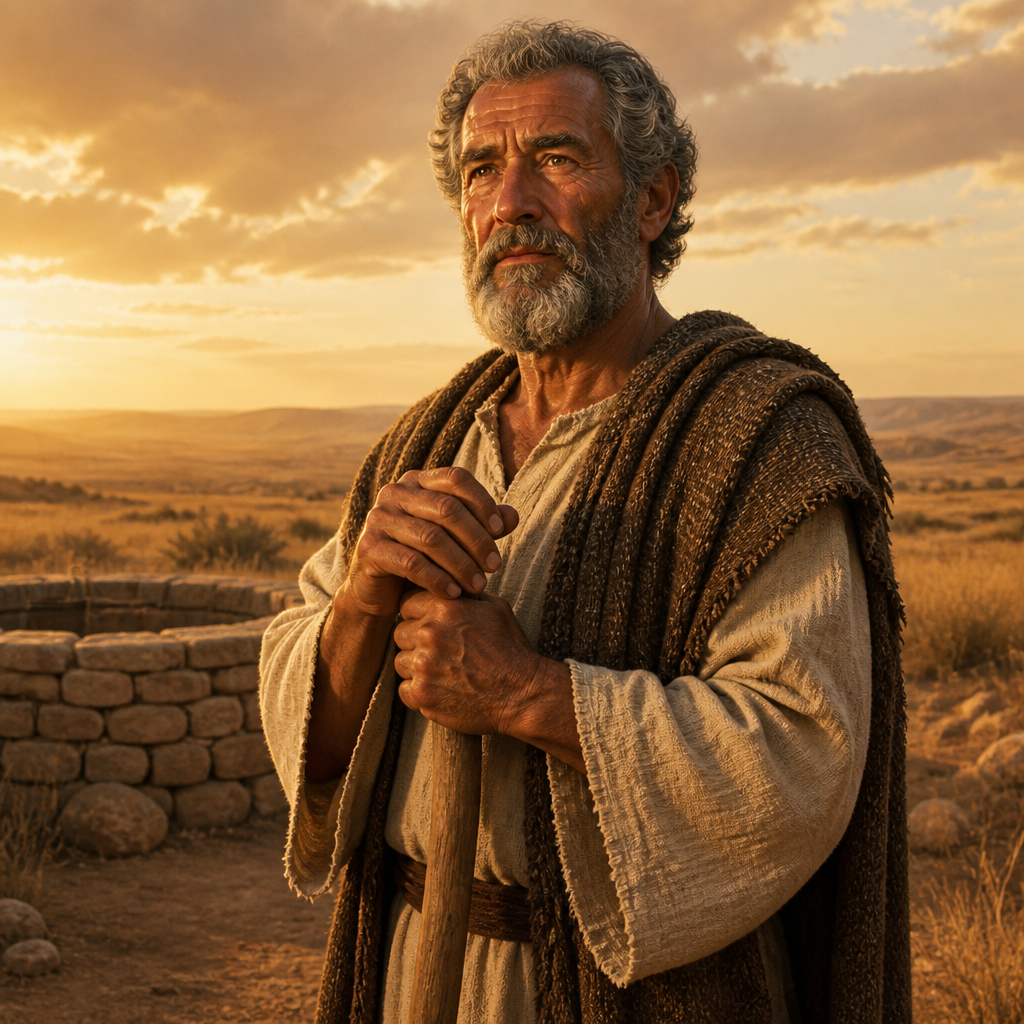
Isaac
Patriarch who was the son of Abraham and the father of Jacob and Esau
The miracle son of Abraham and Sarah, Isaac was the second Hebrew patriarch and the child of promise through whom the covenant of God was established.
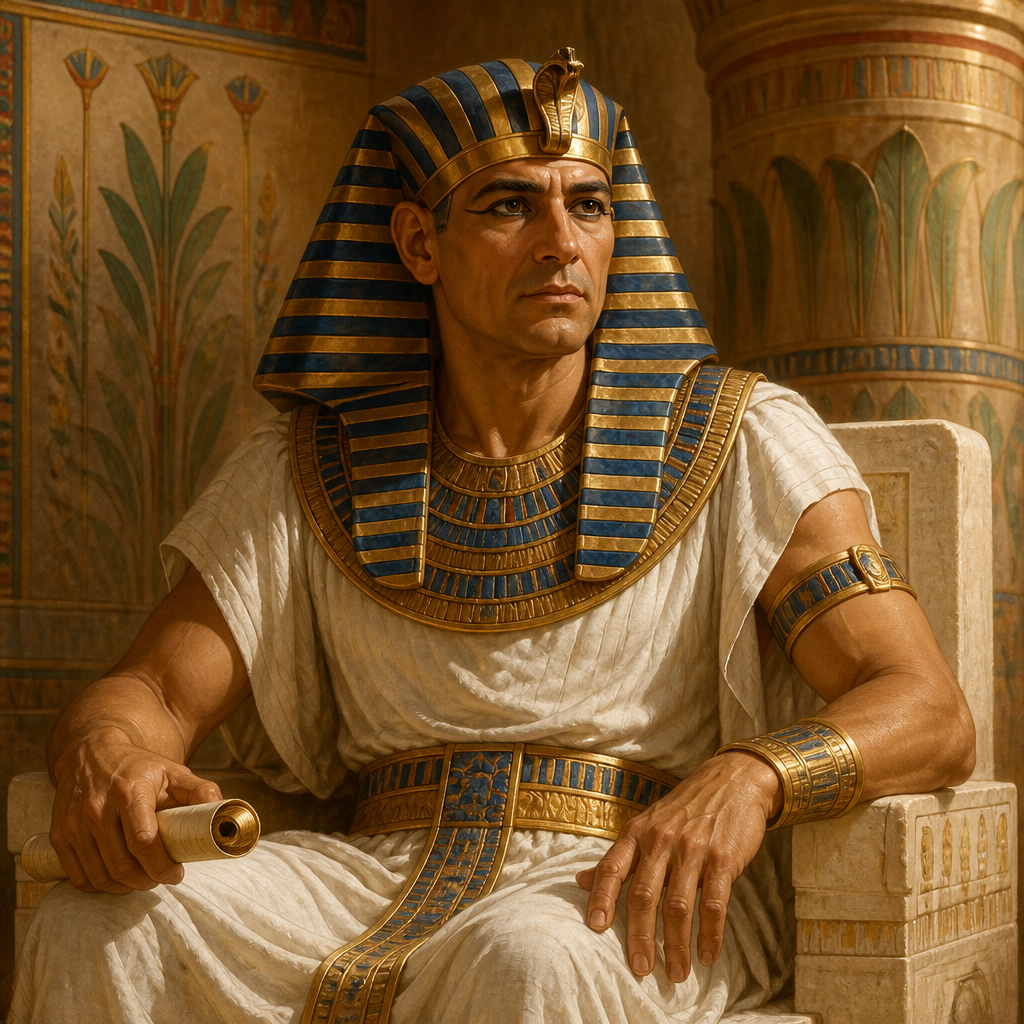
Pharaoh, Patron of Joseph
King of Egypt who promoted Joseph to vizier and invited Jacob's family to settle in Goshen
The Egyptian monarch who elevated Joseph from a dungeon to the second-highest office in the land after receiving divine warnings through dreams of a coming famine.
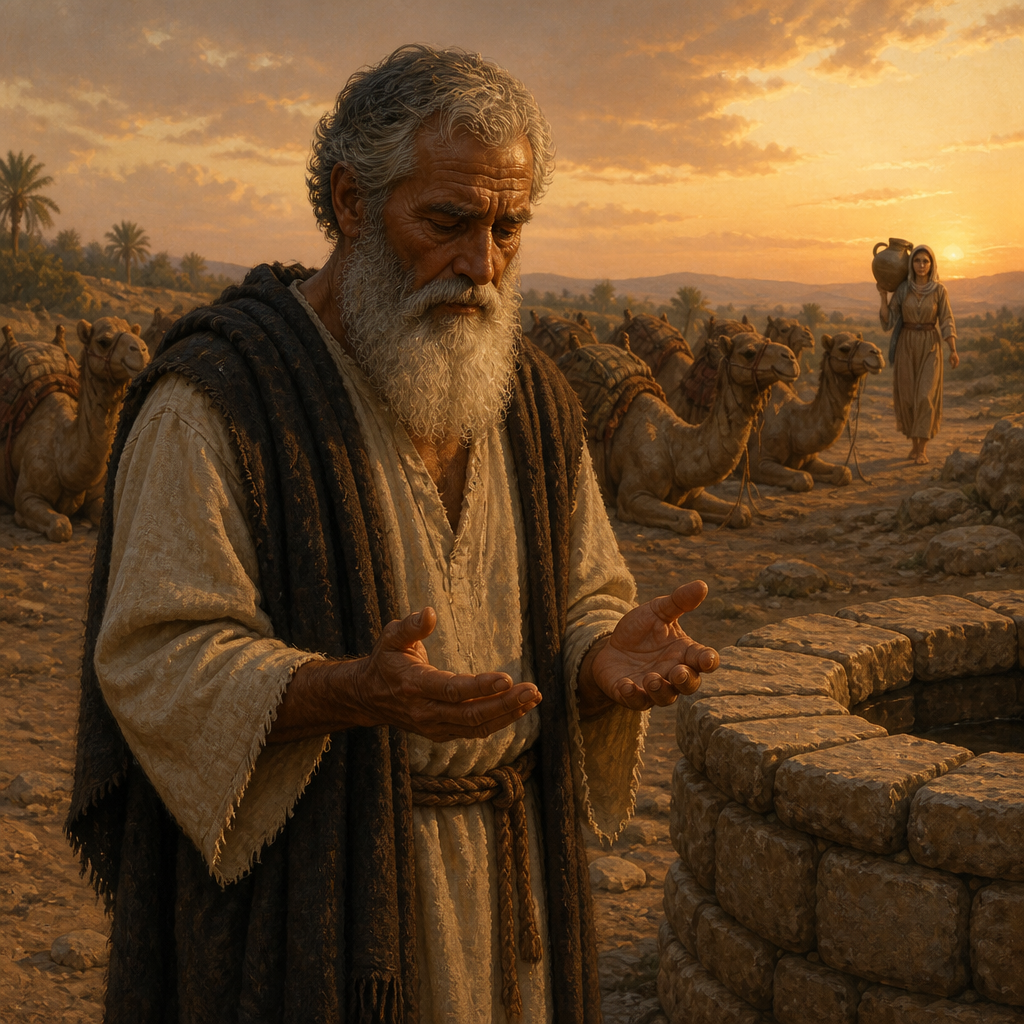
Abraham's Servant Sent for Rebekah
Chief steward who found Rebekah for Isaac
The senior steward of Abraham’s household who traveled to Aram-naharaim to secure Rebekah as a wife for Isaac.
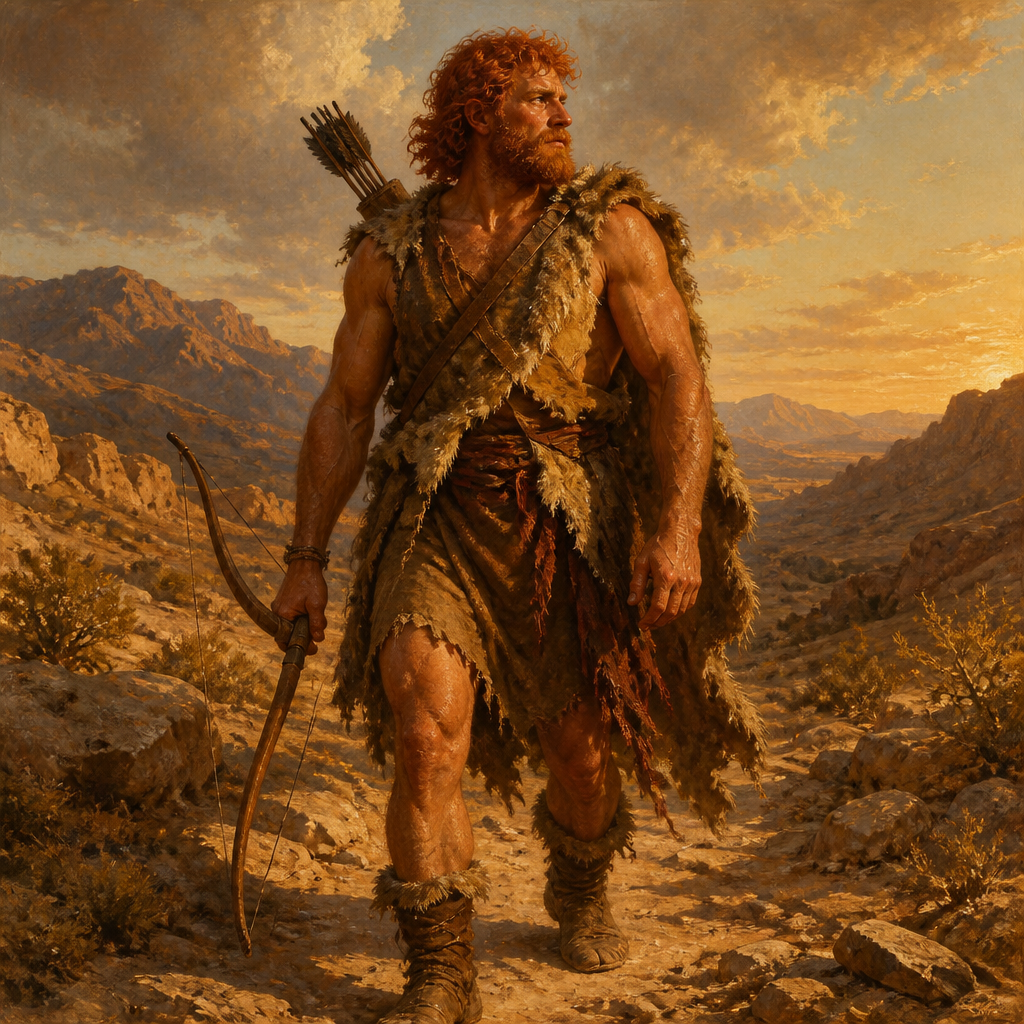
Esau
Patriarch who sold his birthright for lentil stew and founded the nation of Edom
The firstborn son of Isaac and Rebekah, a skillful hunter and the progenitor of the Edomites, known for selling his birthright for a bowl of stew.
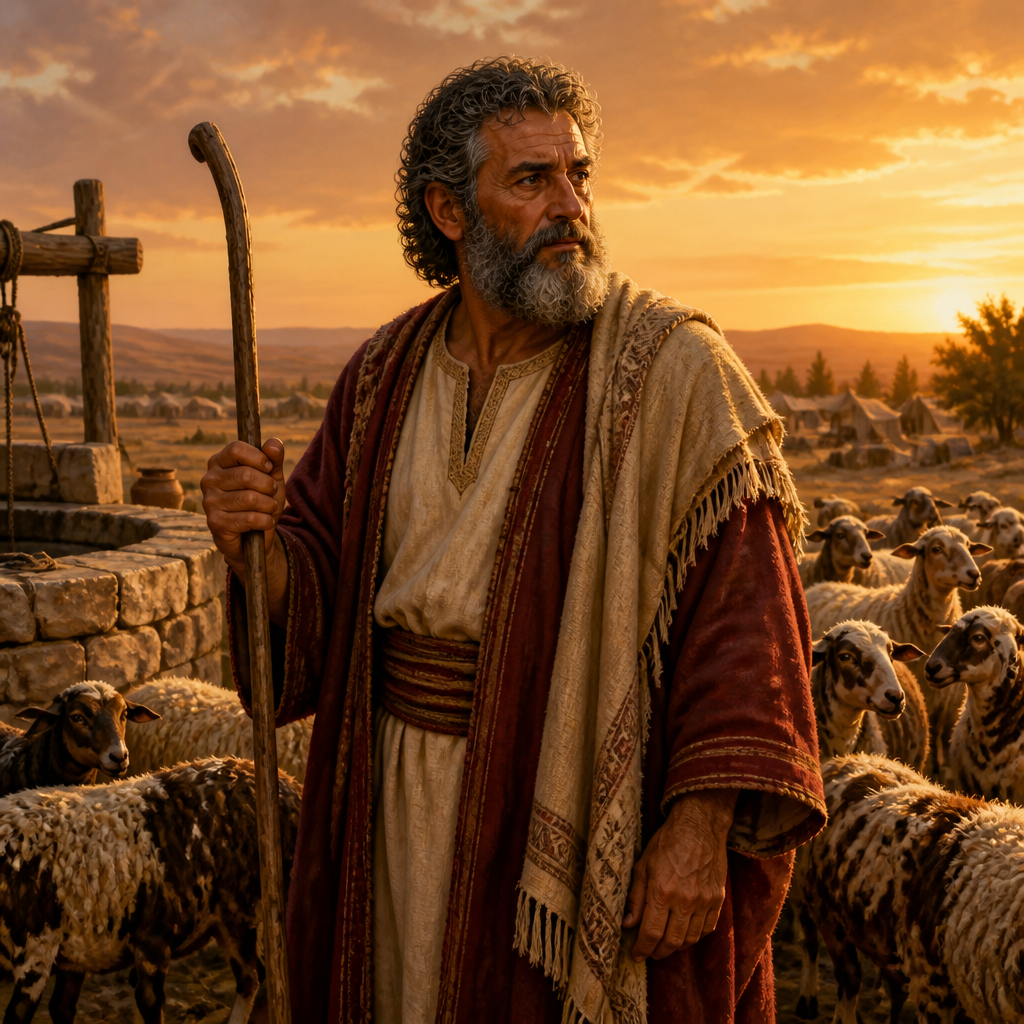
Laban
Uncle and father-in-law of Jacob who famously switched his daughters Leah and Rachel on Jacob's wedding night
A resourceful and opportunistic Aramean patriarch, brother of Rebekah and father-in-law to Jacob, known for his complex domestic and labor negotiations.
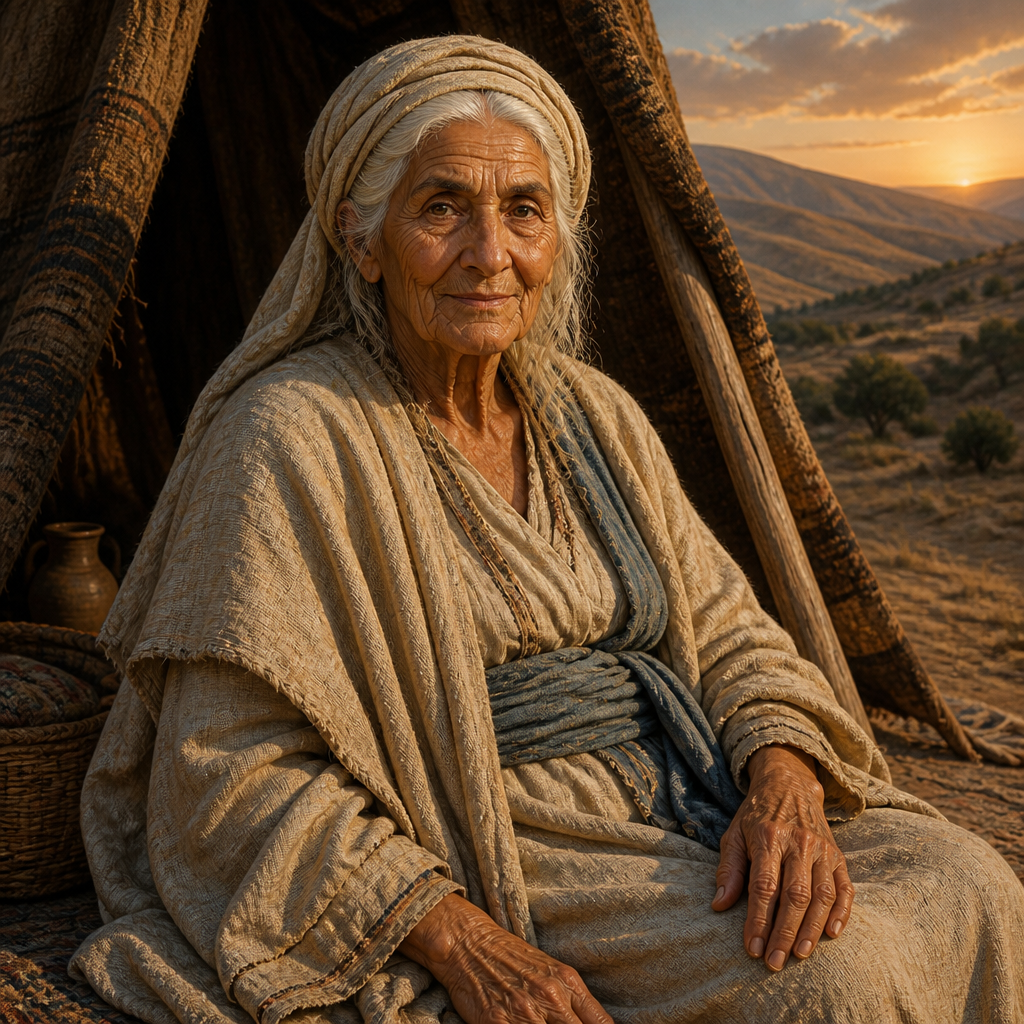
Sarah
Matriarch of Israel and mother of Isaac who conceived in her old age
The wife of Abraham and mother of Isaac, recognized as the primary matriarch of the Hebrew people and a recipient of God's covenantal promise.
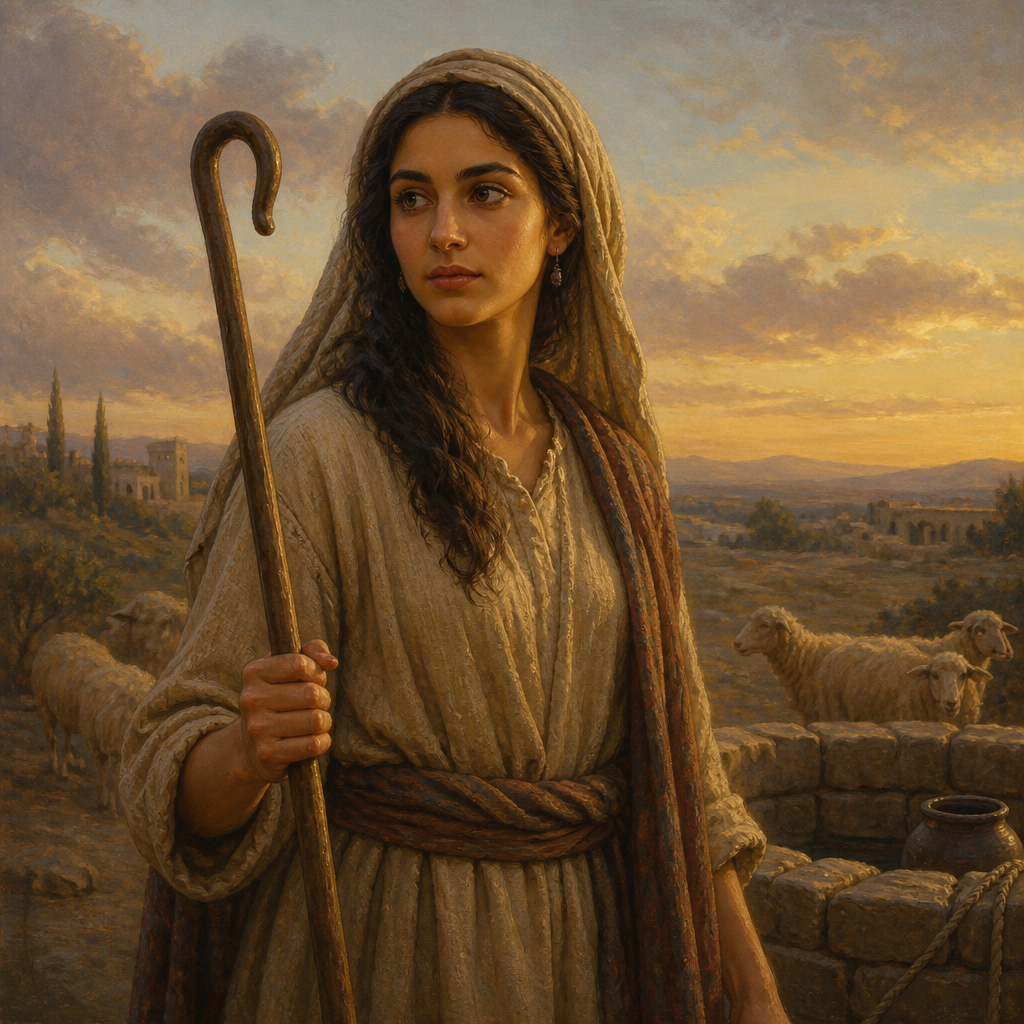
Rachel
Matriarch of Israel and the beloved wife of Jacob who died giving birth to Benjamin
The beloved wife of the patriarch Jacob and the biological mother of Joseph and Benjamin, recognized as a foundational matriarch of the nation of Israel.
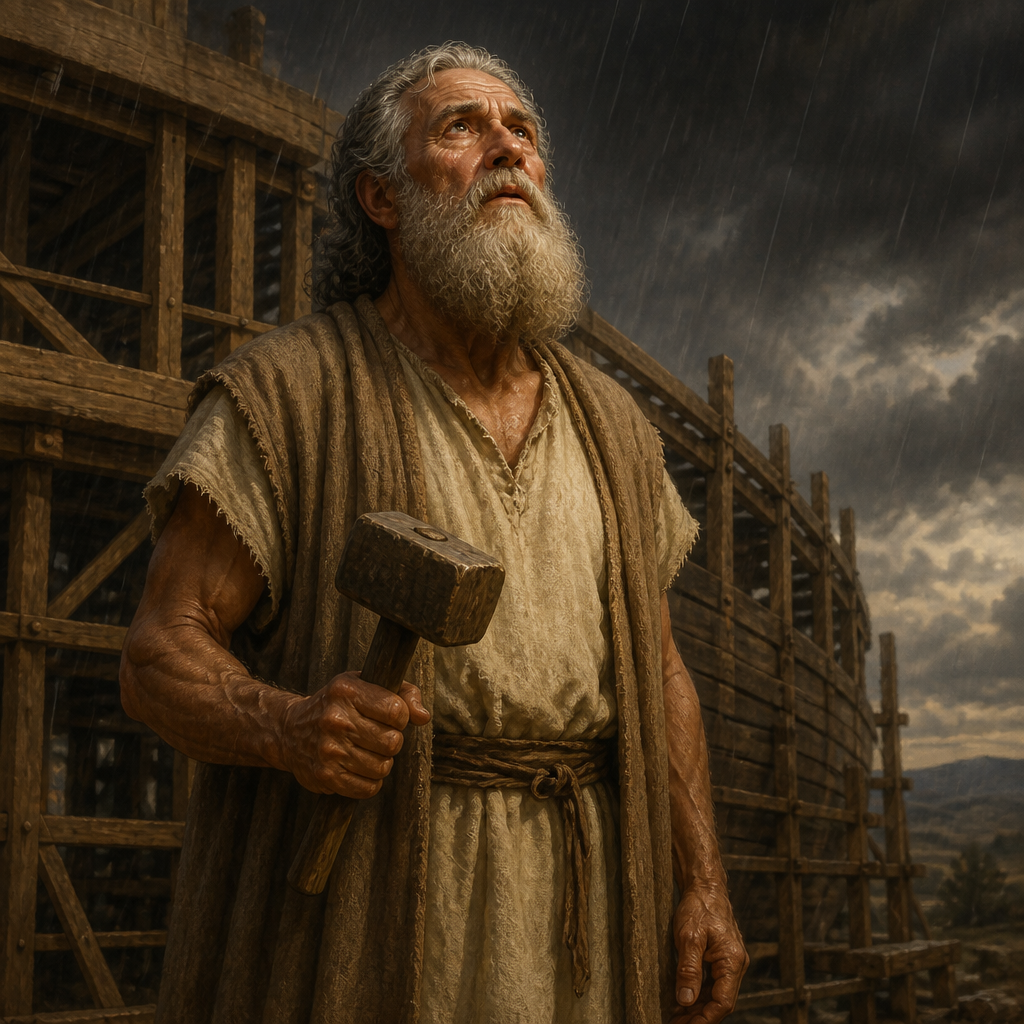
Noah, the Antediluvian Patriarch
Patriarch who built the ark to survive the Great Flood
A righteous patriarch who built an ark to save his family and animal life from a global flood, becoming the second father of the human race.
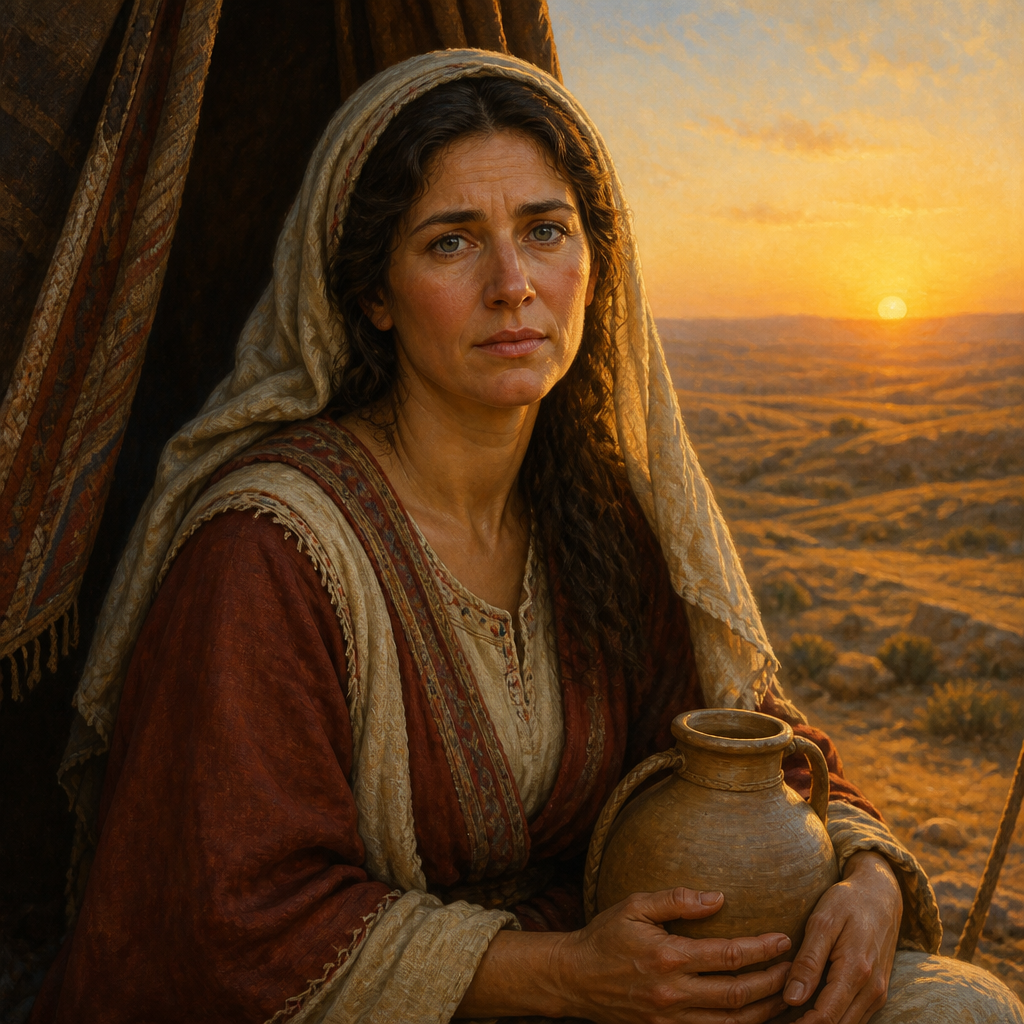
Leah
Matriarch who mothered six of the twelve tribes of Israel including the priestly and royal lines
The elder daughter of Laban and the first wife of Jacob, Leah was the biological mother of six of the twelve tribes of Israel and the matriarch of the priestly and royal lines.
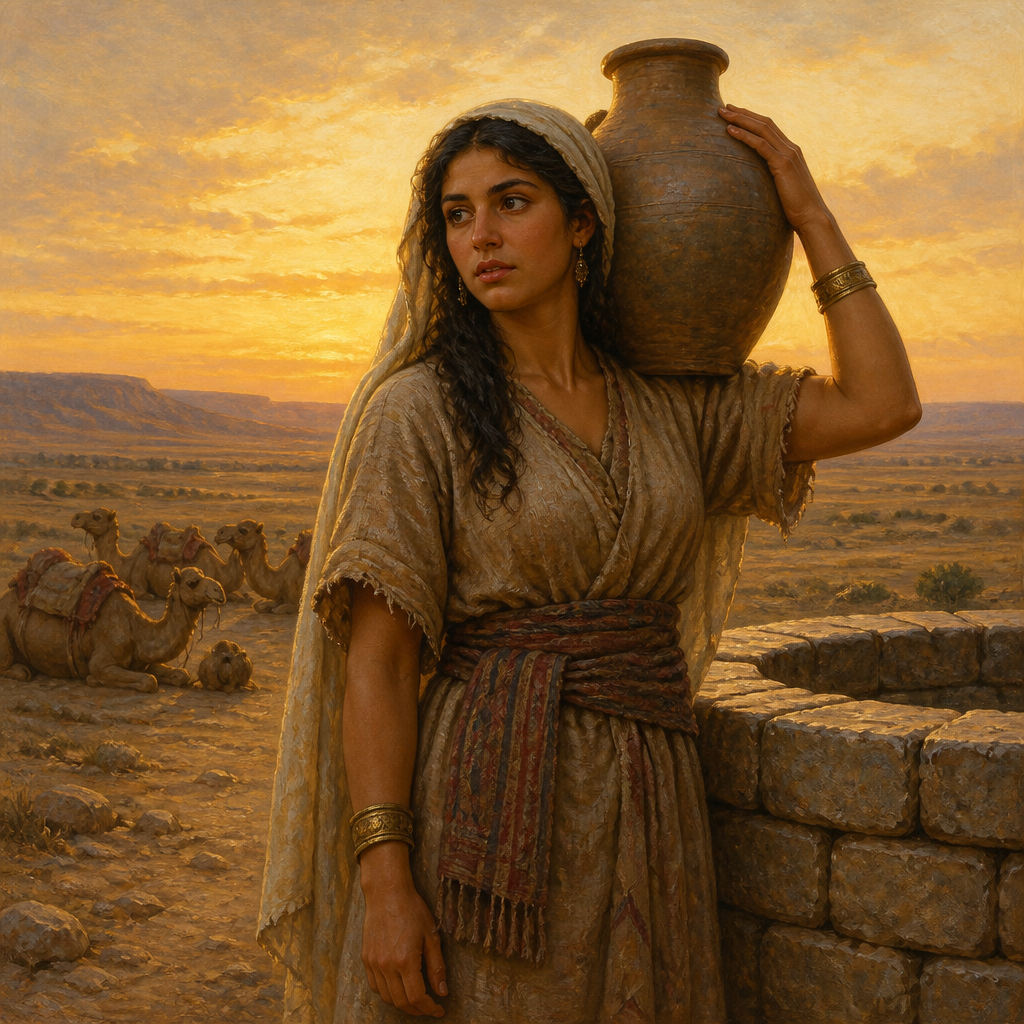
Rebekah
Matriarch of Israel and wife of Isaac who secured the patriarchal blessing for her son Jacob
The wife of Isaac and mother of Esau and Jacob, Rebekah was a central matriarch of Israel known for her hospitality, her role in the patriarchal succession, and her divine oracle regarding her sons.
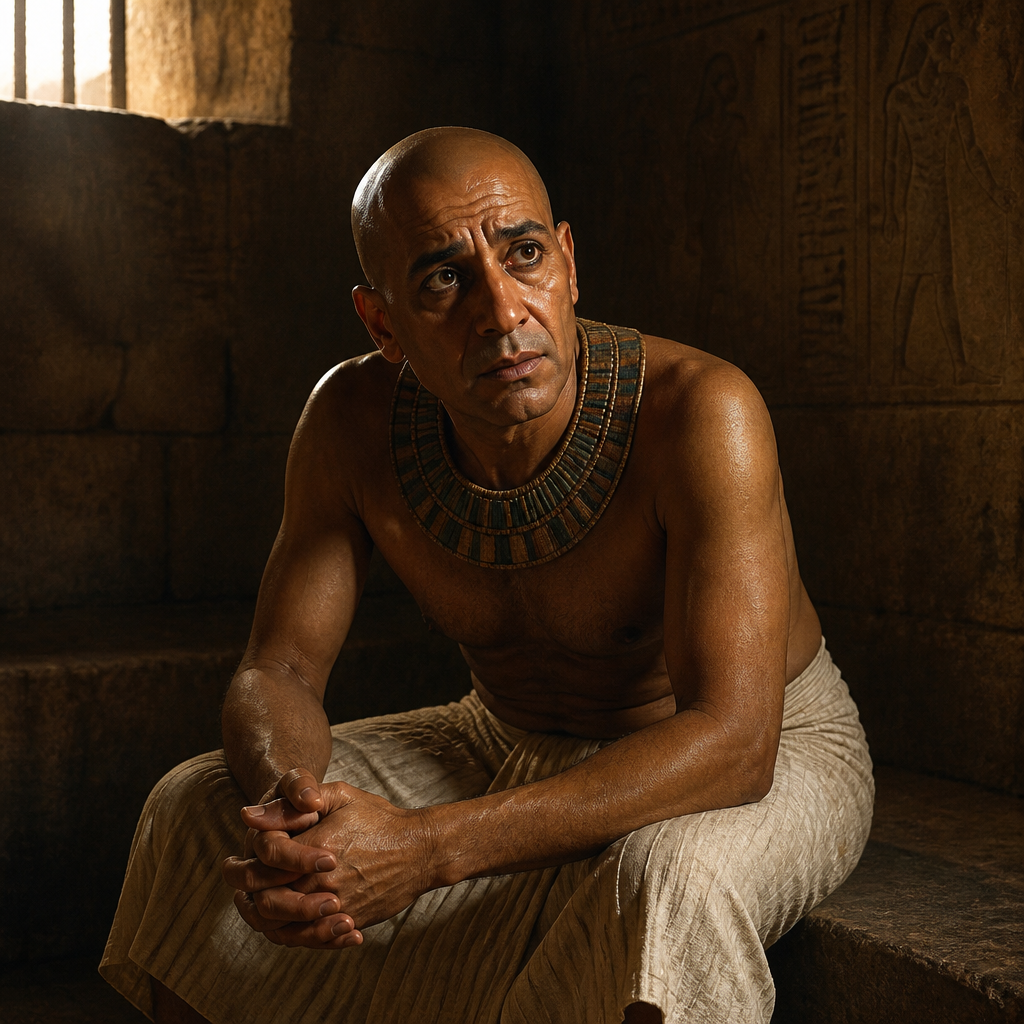
Pharaoh's Chief Cupbearer
Official whose dream Joseph interpreted in prison and who later recommended Joseph to Pharaoh
An Egyptian high official whose dream was interpreted by Joseph while in prison, leading to Joseph's eventual rise to power in Egypt.
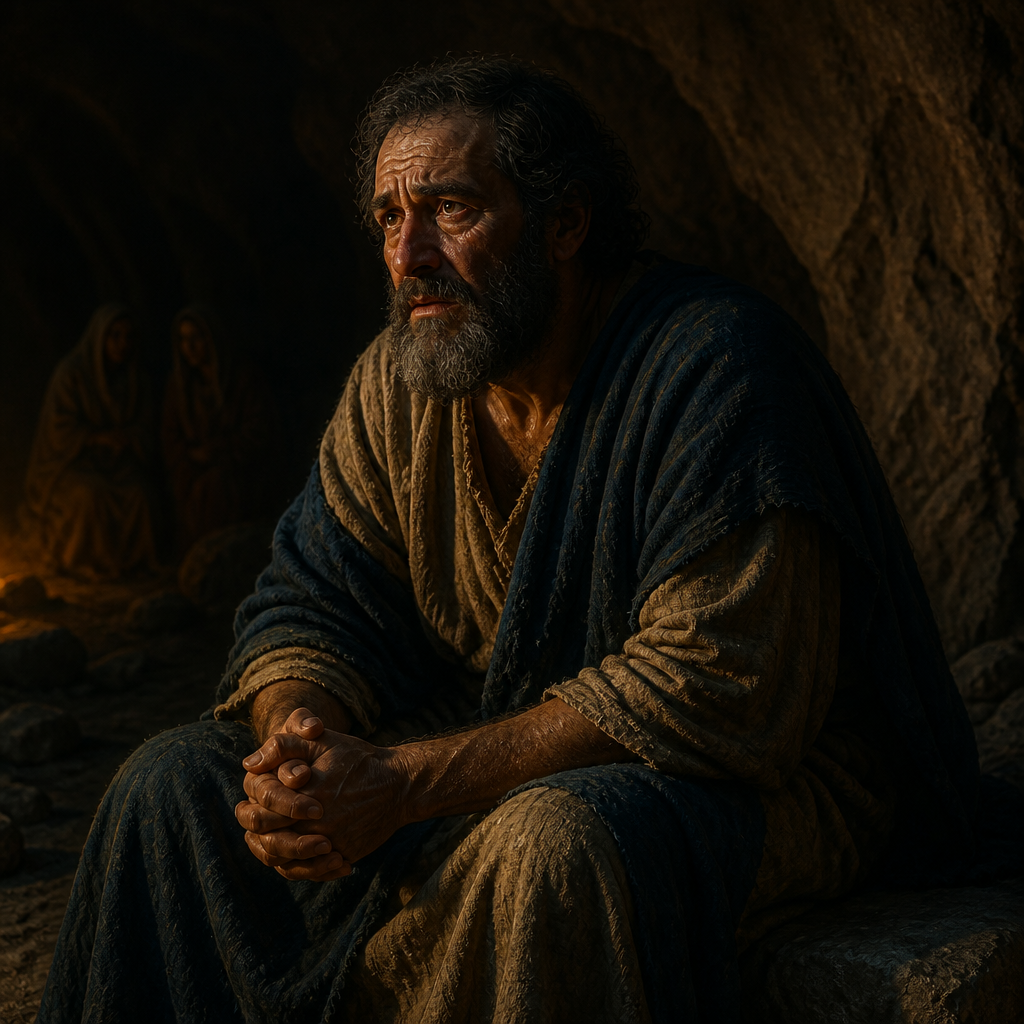
Lot
Nephew of Abraham who escaped the destruction of Sodom and Gomorrah
Lot was the nephew of Abraham who settled in the Jordan Valley, escaped the destruction of Sodom, and became the progenitor of the Moabites and Ammonites.
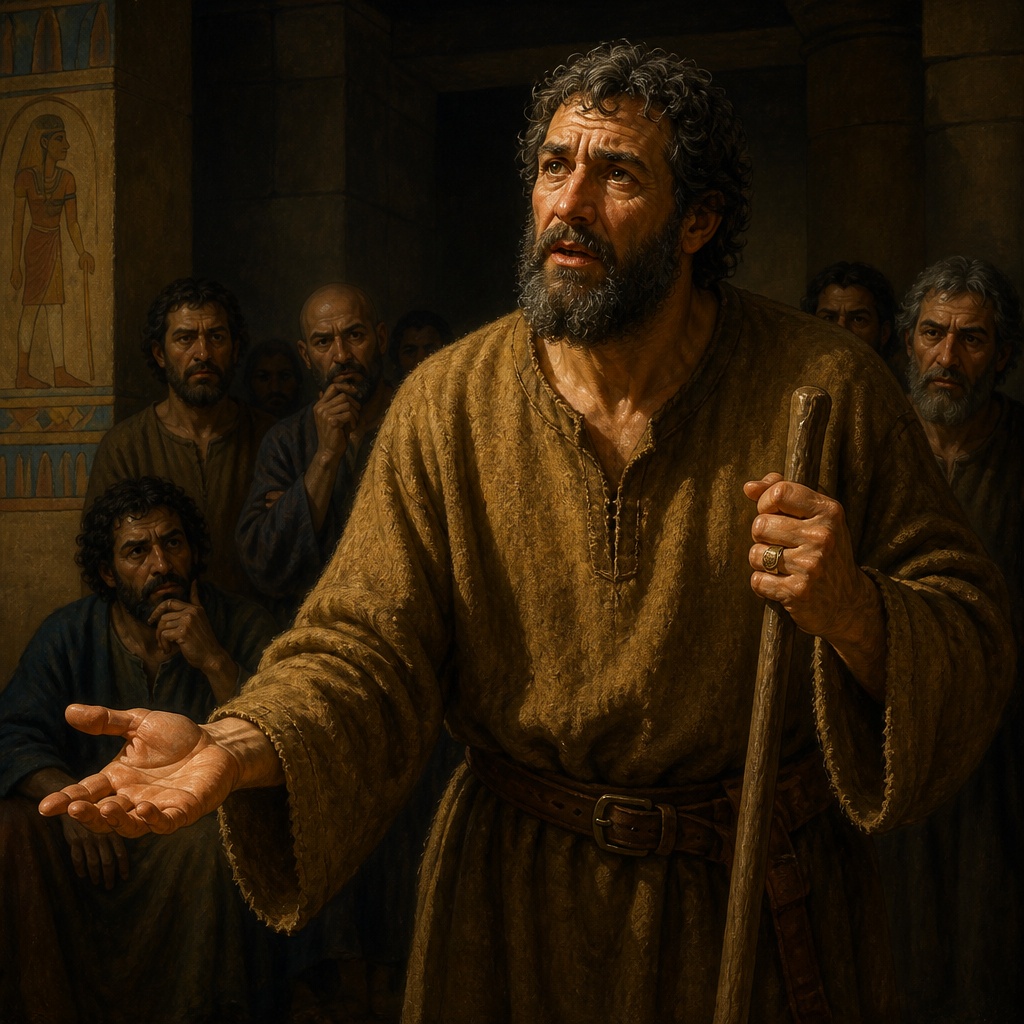
Judah, Son of Jacob
Patriarch who received the blessing of the scepter and whose lineage produced King David and Jesus Christ
The fourth son of Jacob and Leah, ancestor of the Tribe of Judah and the Davidic line, known for his leadership and pivotal role in the preservation of his family.
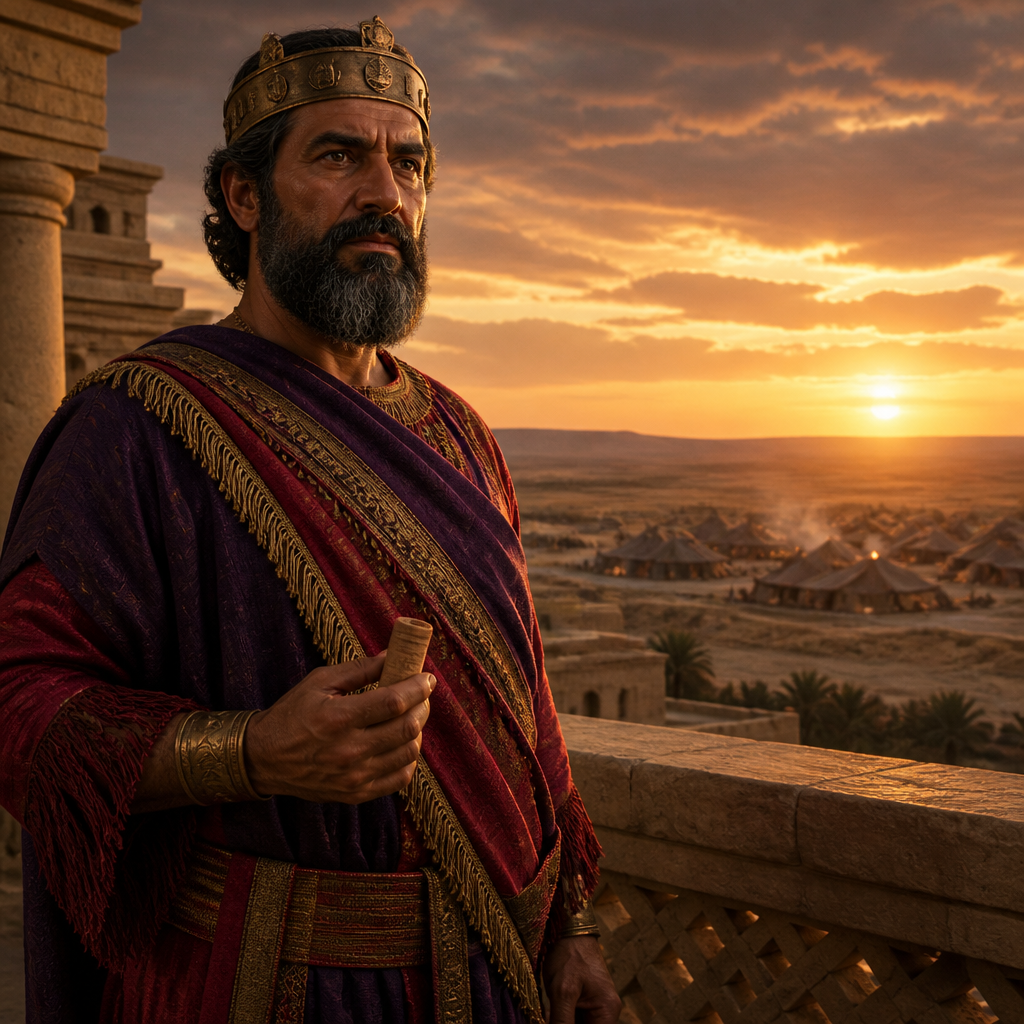
Abimelech, King of Gerar
King of Gerar who made covenants with Abraham and Isaac
A Philistine ruler of Gerar who interacted with the patriarchs Abraham and Isaac, establishing early covenants and demonstrating a fear of God.
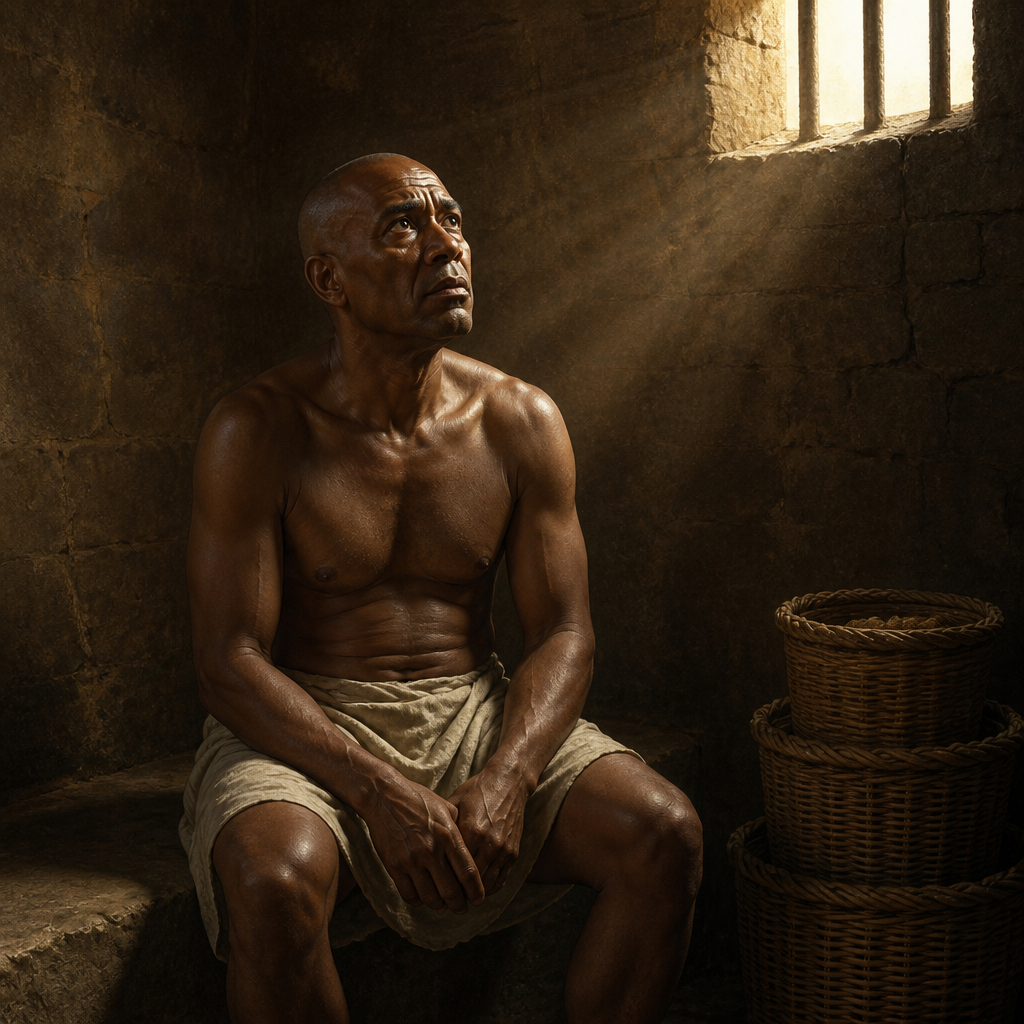
Pharaoh's Chief Baker
Official whose dream was interpreted by Joseph to mean he would be executed by Pharaoh
The high-ranking Egyptian official imprisoned with Joseph whose dream of three baskets of bread foretold his execution by Pharaoh three days later.
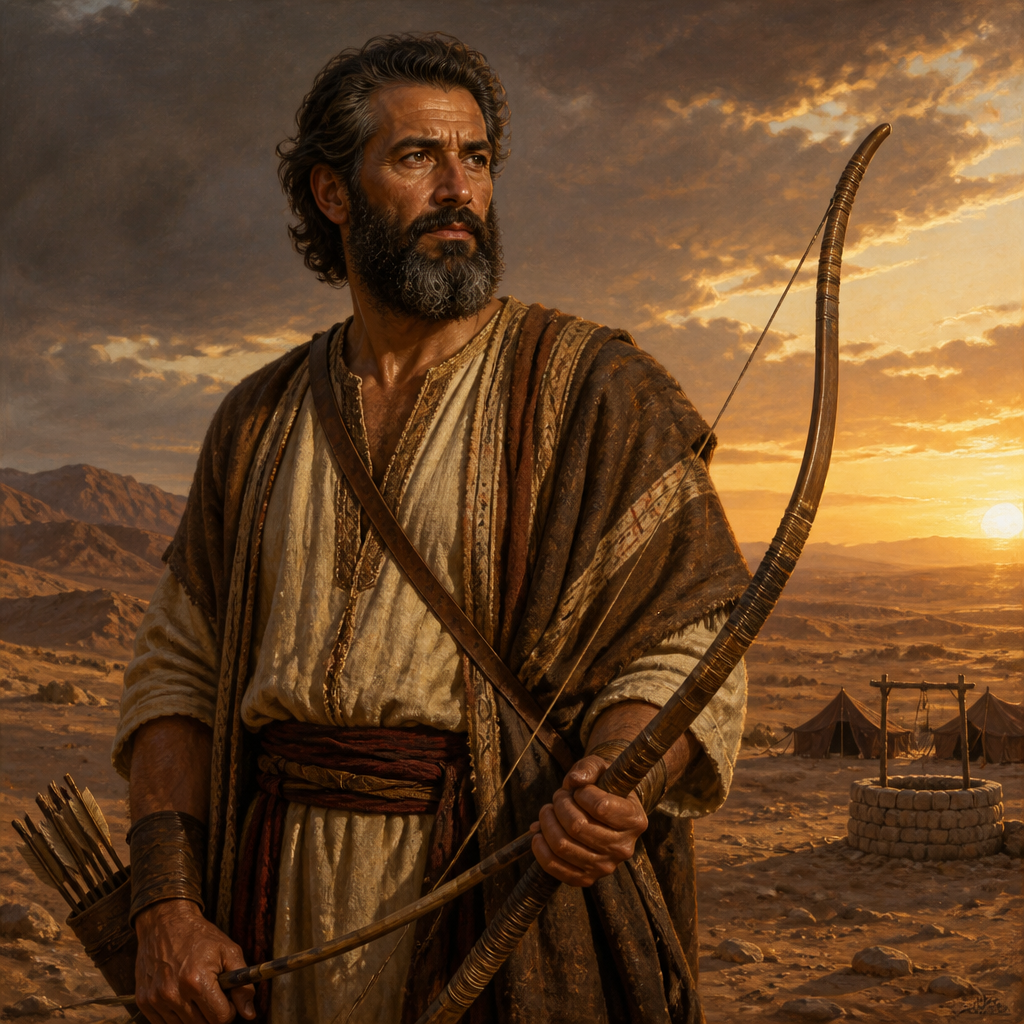
Ishmael, Son of Abraham
Firstborn son of Abraham and the father of twelve princes who became a great nation
Ishmael was the firstborn son of Abraham through Hagar, the forefather of the Ishmaelite tribes, and a patriarch whom God promised would father twelve princes.
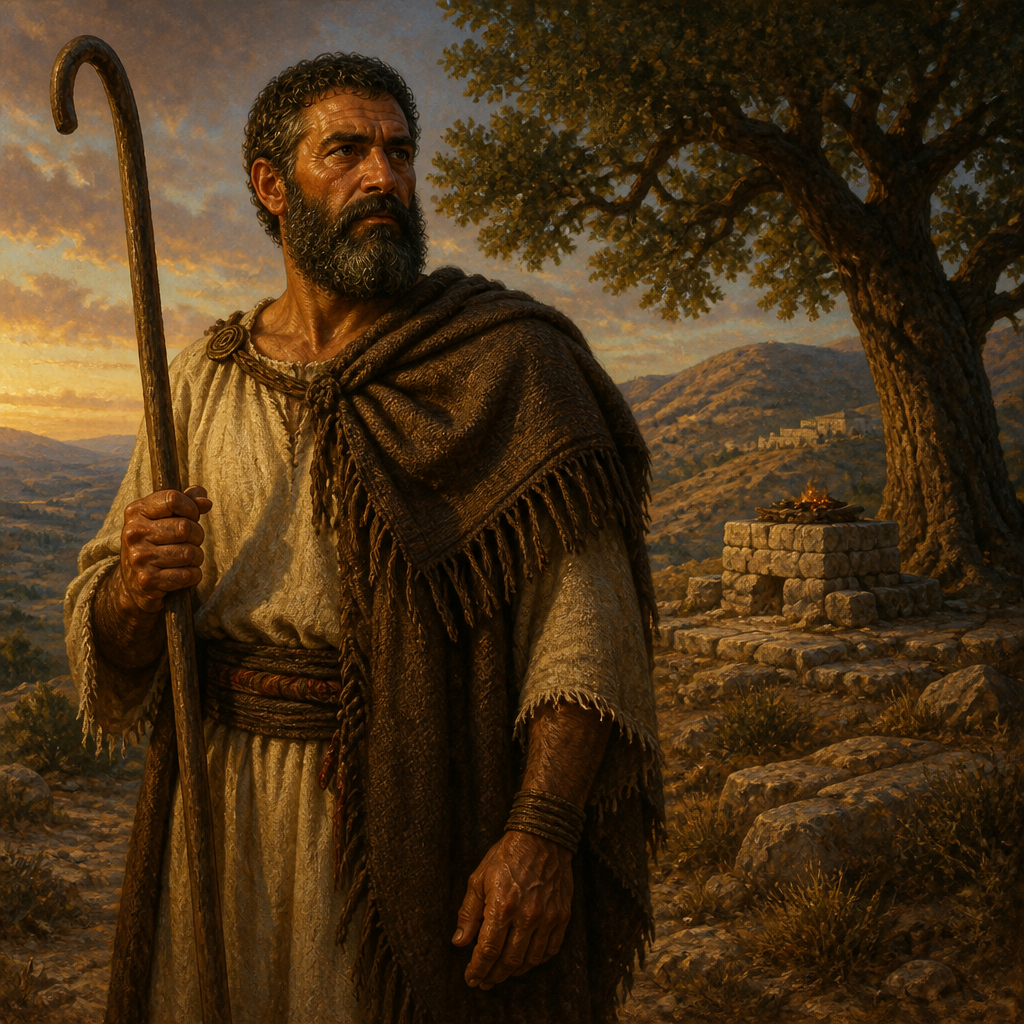
Heth
Patriarch who was the son of Canaan and ancestor of the Hittite people
Heth was the son of Canaan and the eponymous patriarch of the Hittites, a significant nation in the land of Canaan during the era of the Patriarchs.
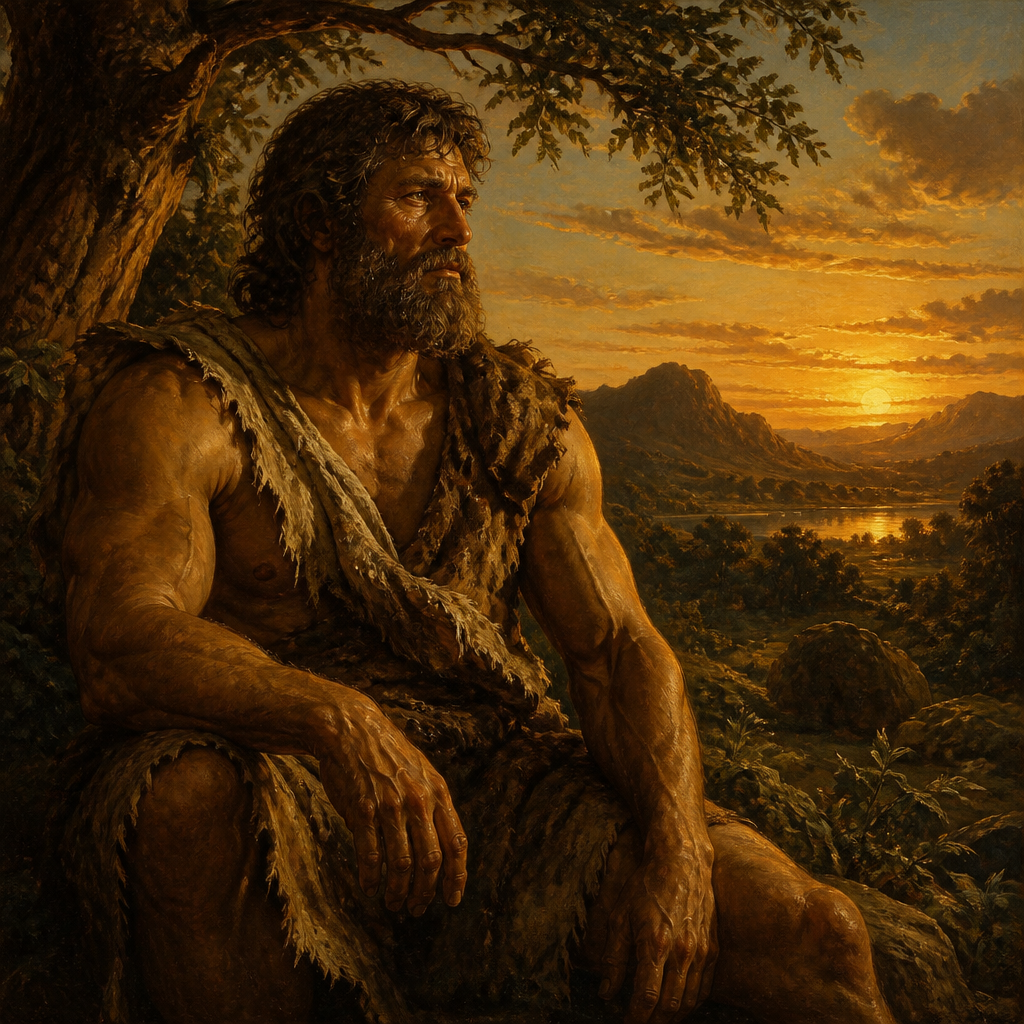
Adam
First human being associated with the fall of man
Adam is the first human being created by God, the husband of Eve, and the progenitor of the human race in the book of Genesis.
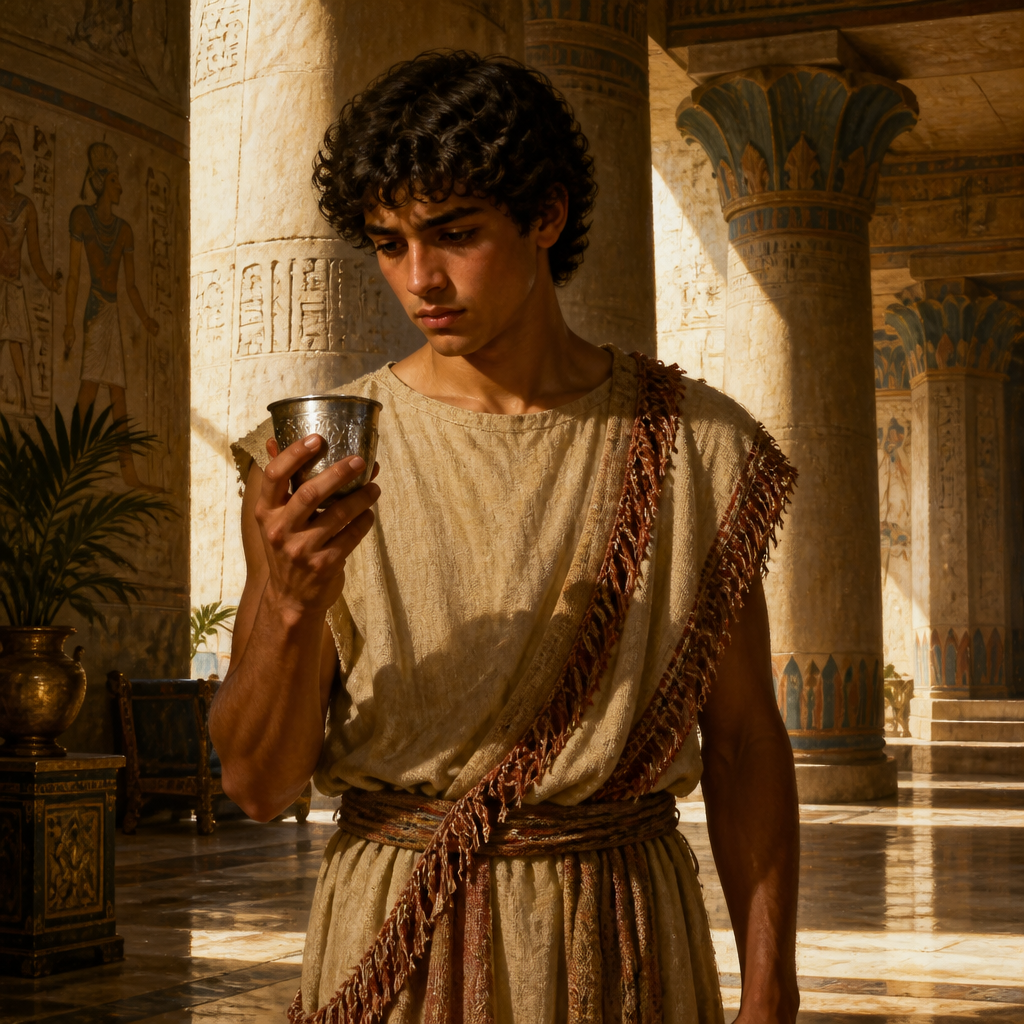
Benjamin, Son of Jacob
Youngest son of Jacob and the full brother of Joseph whose presence in Egypt led to his family's reconciliation
The youngest son of Jacob and Rachel, Benjamin was the beloved patriarch of one of the twelve tribes of Israel and a central figure in the narrative of Joseph's rise in Egypt.
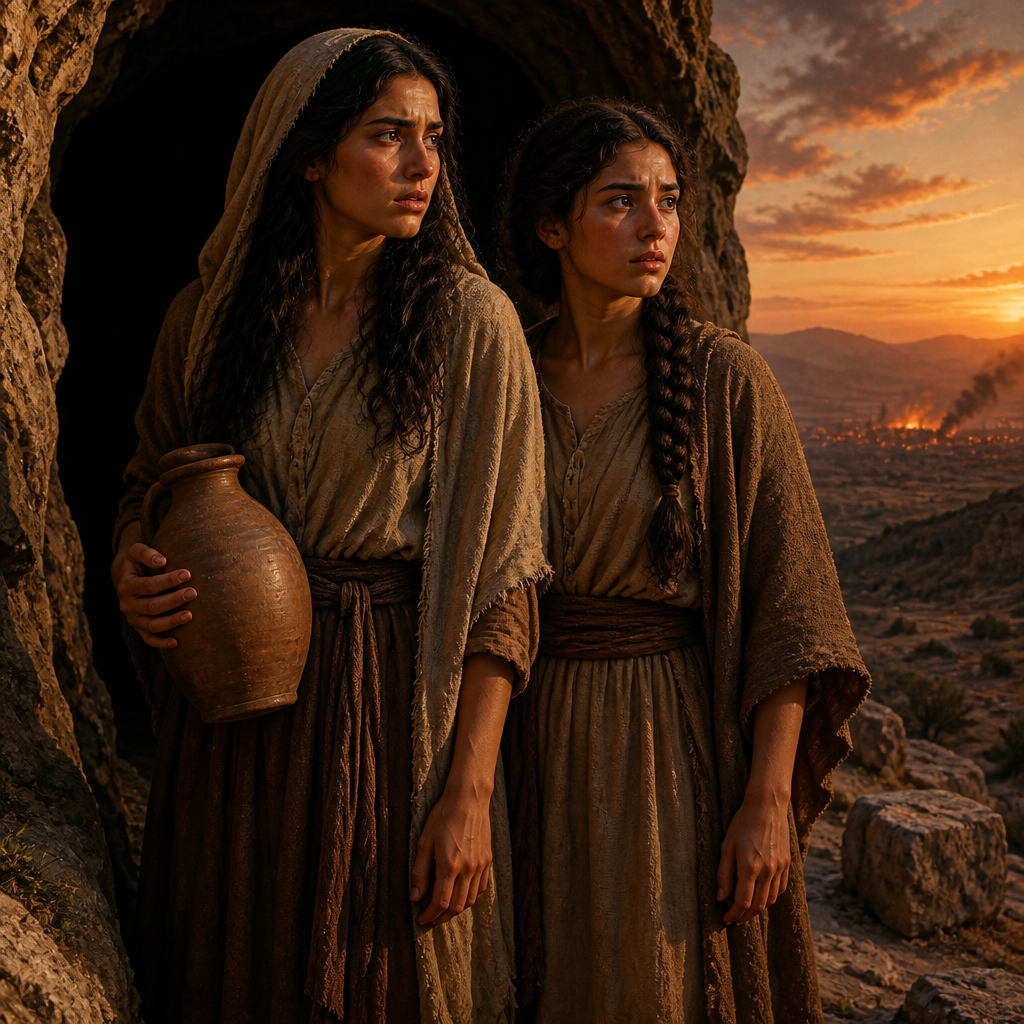
Lot's Daughters
daughters of Lot who survived Sodom and bore the ancestors of Moab and Ammon
The two unnamed daughters of Lot who survived the destruction of Sodom and became the maternal ancestors of the Moabites and Ammonites.
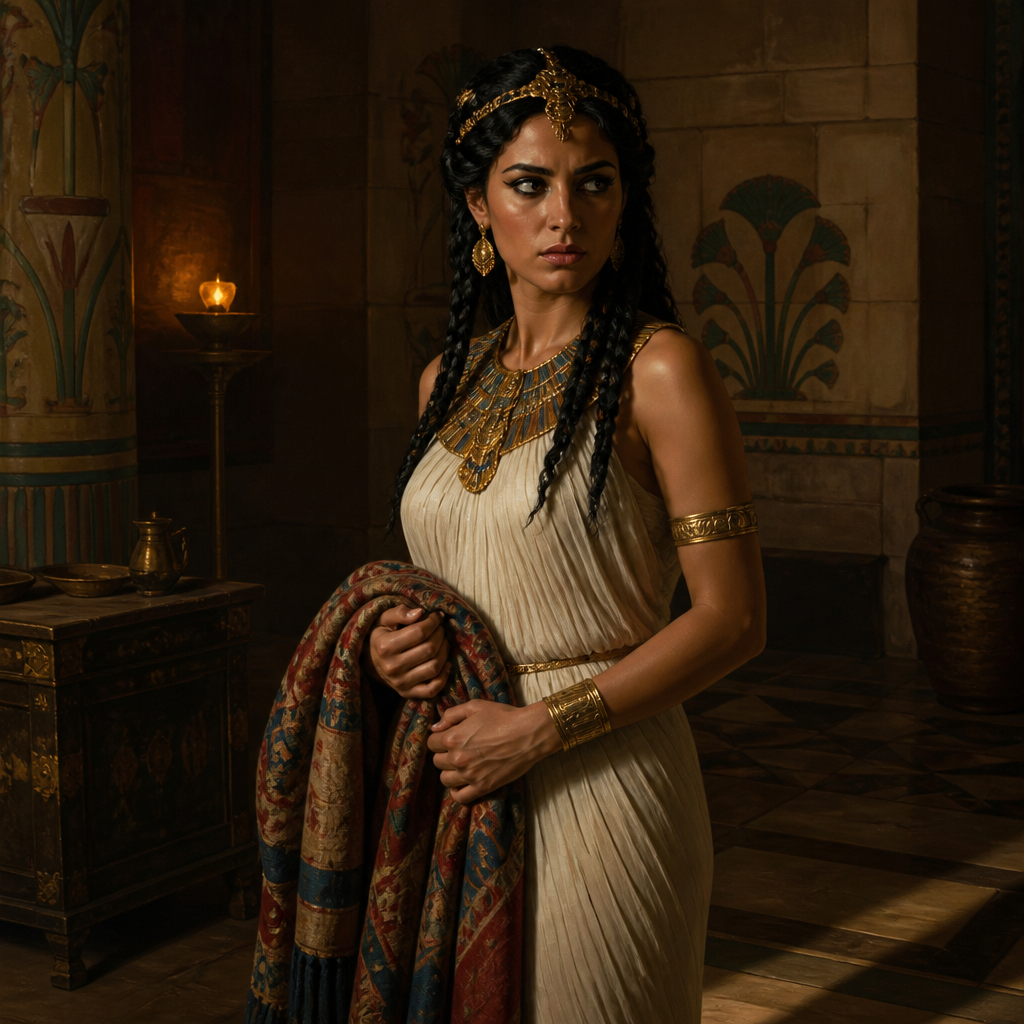
Potiphar's Wife
Egyptian noblewoman who falsely accused Joseph of attempted rape after he refused her advances
An Egyptian noblewoman during the Patriarchal Period who falsely accused the Hebrew servant Joseph of attempted rape after he rejected her persistent sexual advances.
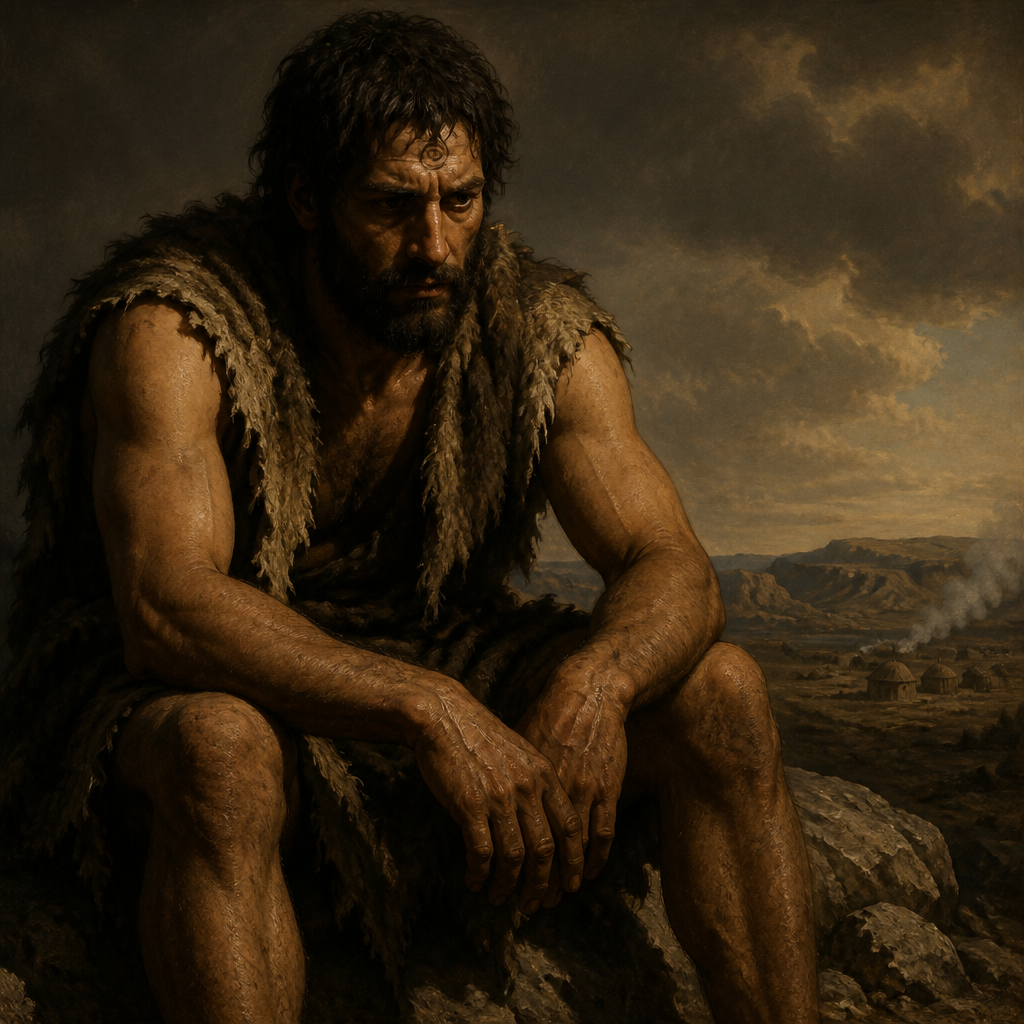
Cain
History’s first murderer and the killer of his brother Abel
Cain was the firstborn son of Adam and Eve, known as the first murderer in biblical history for killing his brother Abel.
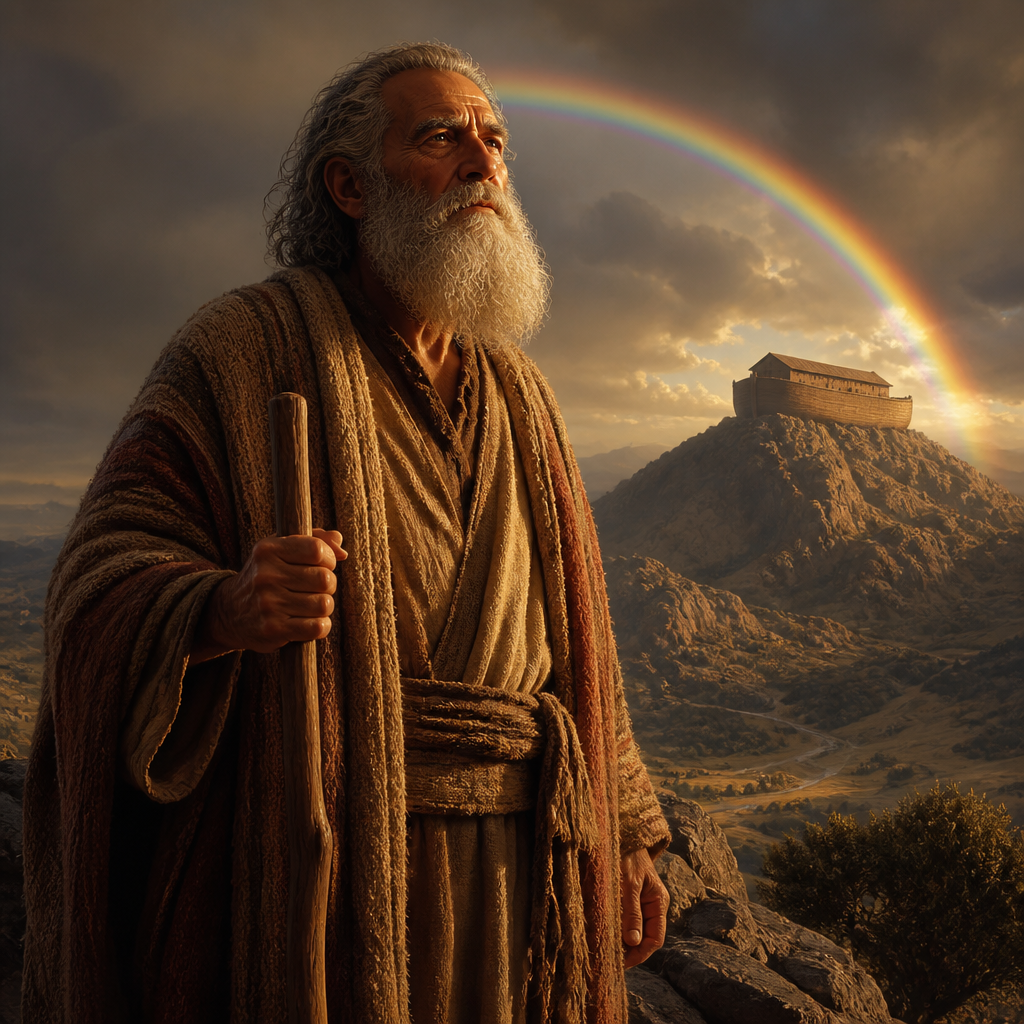
Shem
Son of Noah who survived the Great Flood and became the ancestor of the Semitic nations
The eldest or middle son of Noah, an Ark survivor, and the foundational patriarch of the Semitic peoples, including the Israelites.
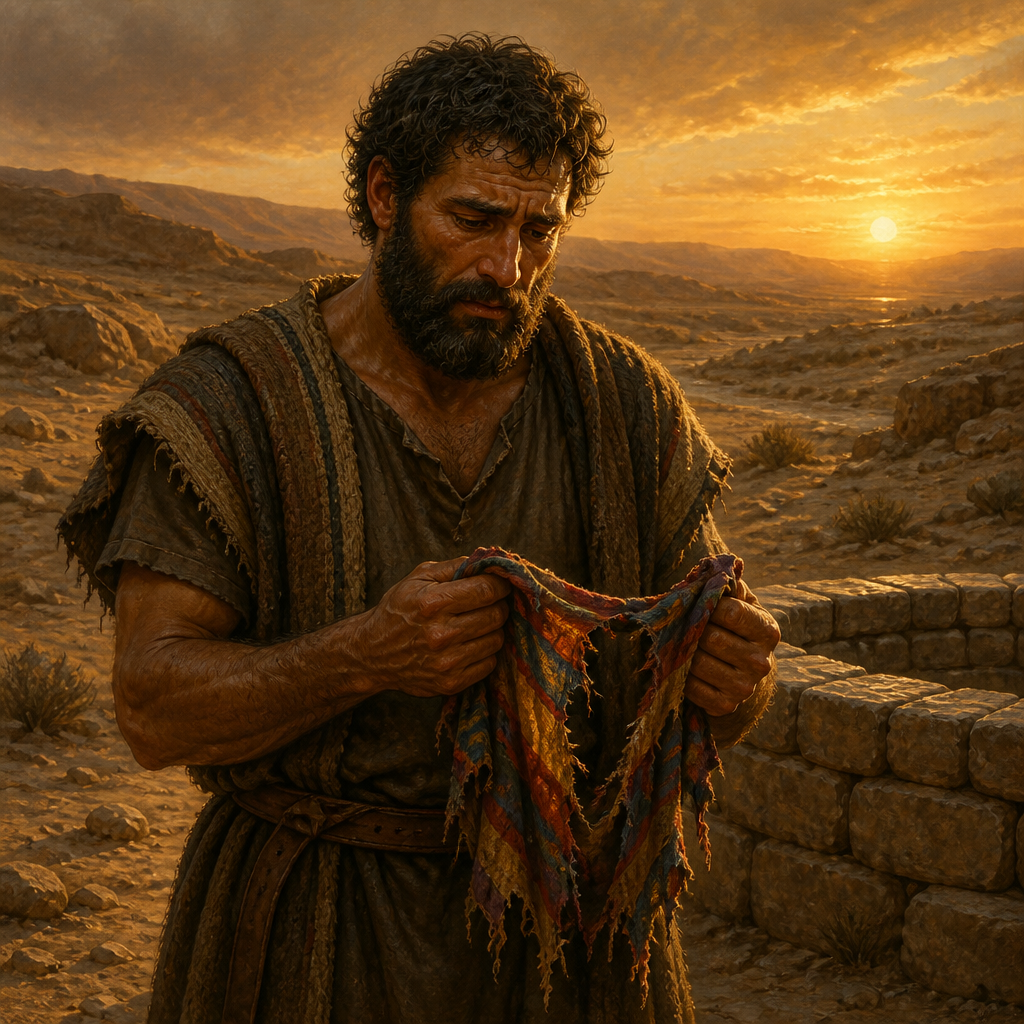
Reuben
Firstborn son of Jacob who lost his birthright for defiling his father's bed
Reuben was the firstborn son of Jacob and Leah, the founding patriarch of the Tribe of Reuben, and a complex figure known for both his attempts to save Joseph and his loss of the birthright.
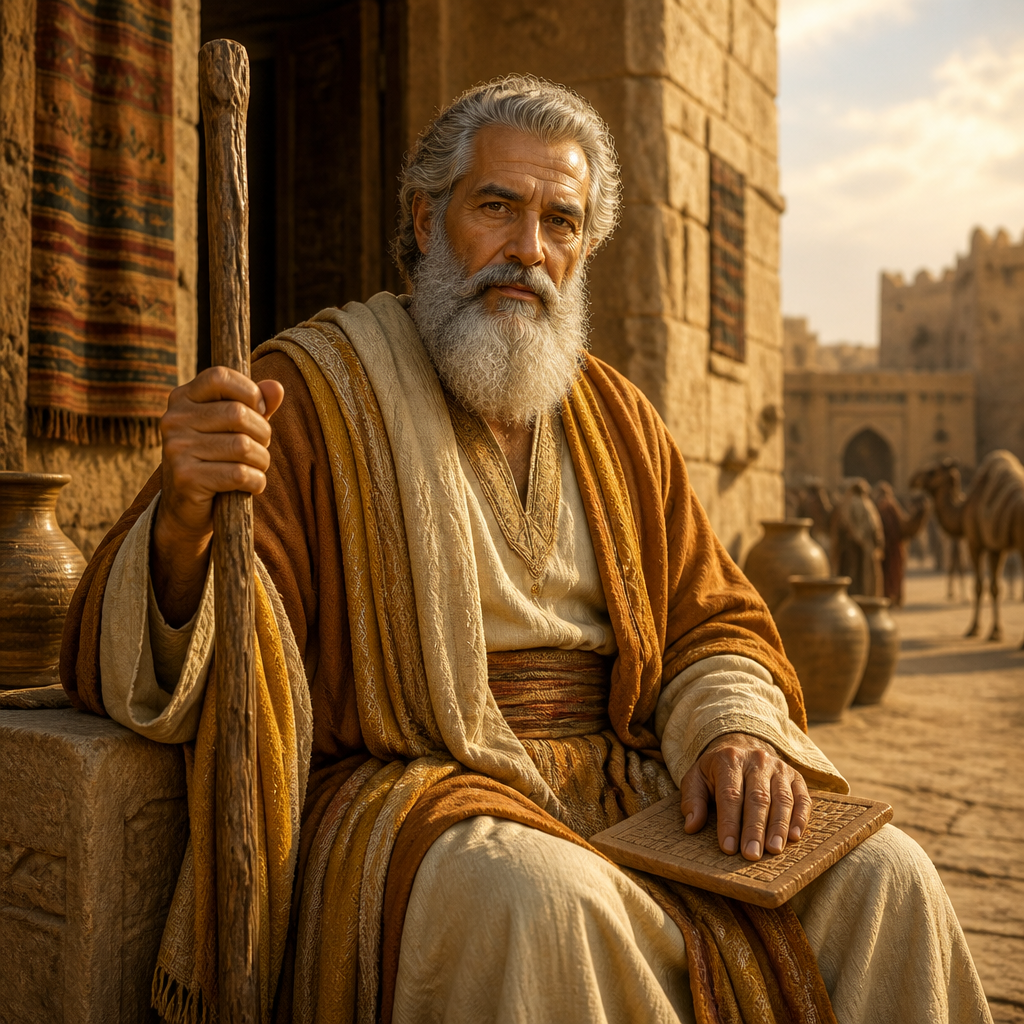
Nahor, Brother of Abraham
Brother of Abraham who stayed in Mesopotamia and fathered twelve sons
The son of Terah and brother of Abraham, Nahor remained in Mesopotamia and became the progenitor of several tribes through his twelve sons.
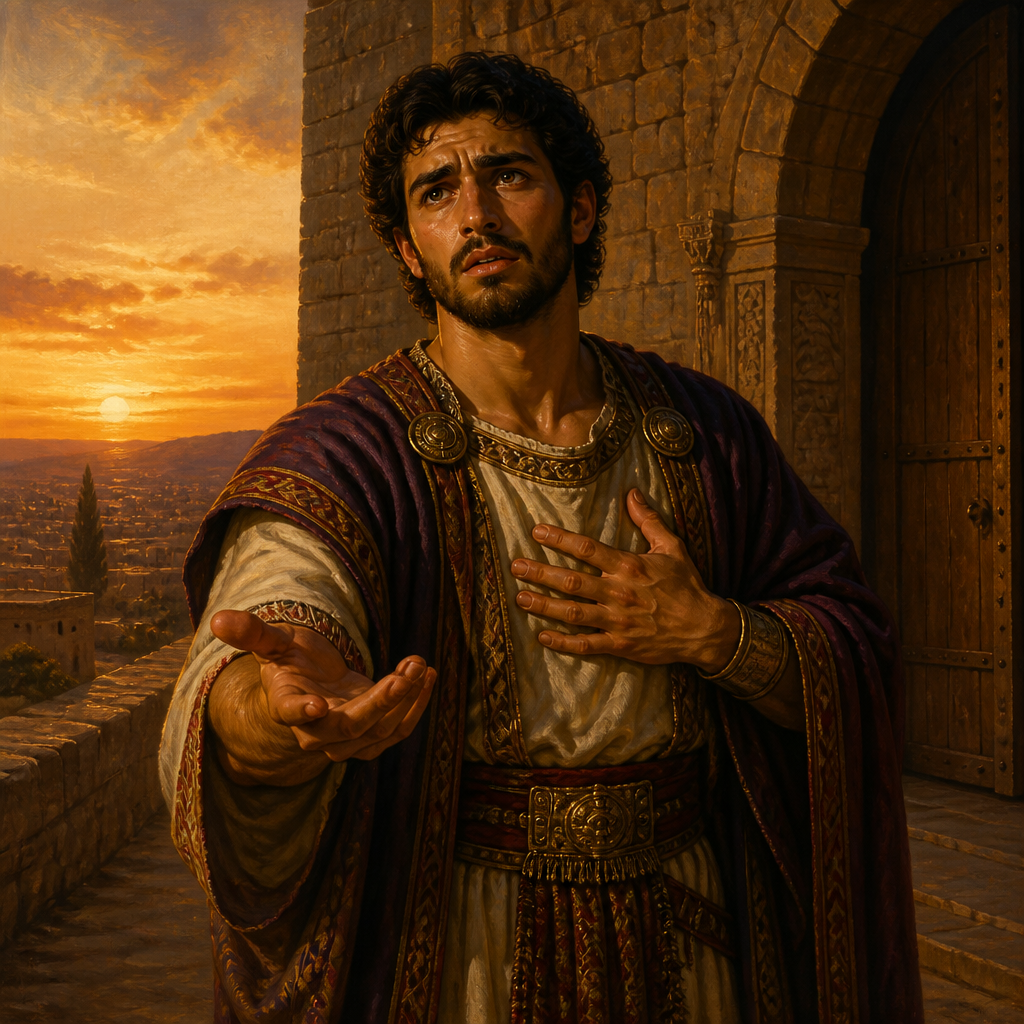
Shechem, Son of Hamor
Hivite prince whose violation of Dinah led to the massacre of his city by Simeon and Levi
A Hivite prince and son of Hamor whose violation of Dinah led to a violent conflict between his city and the sons of Jacob.
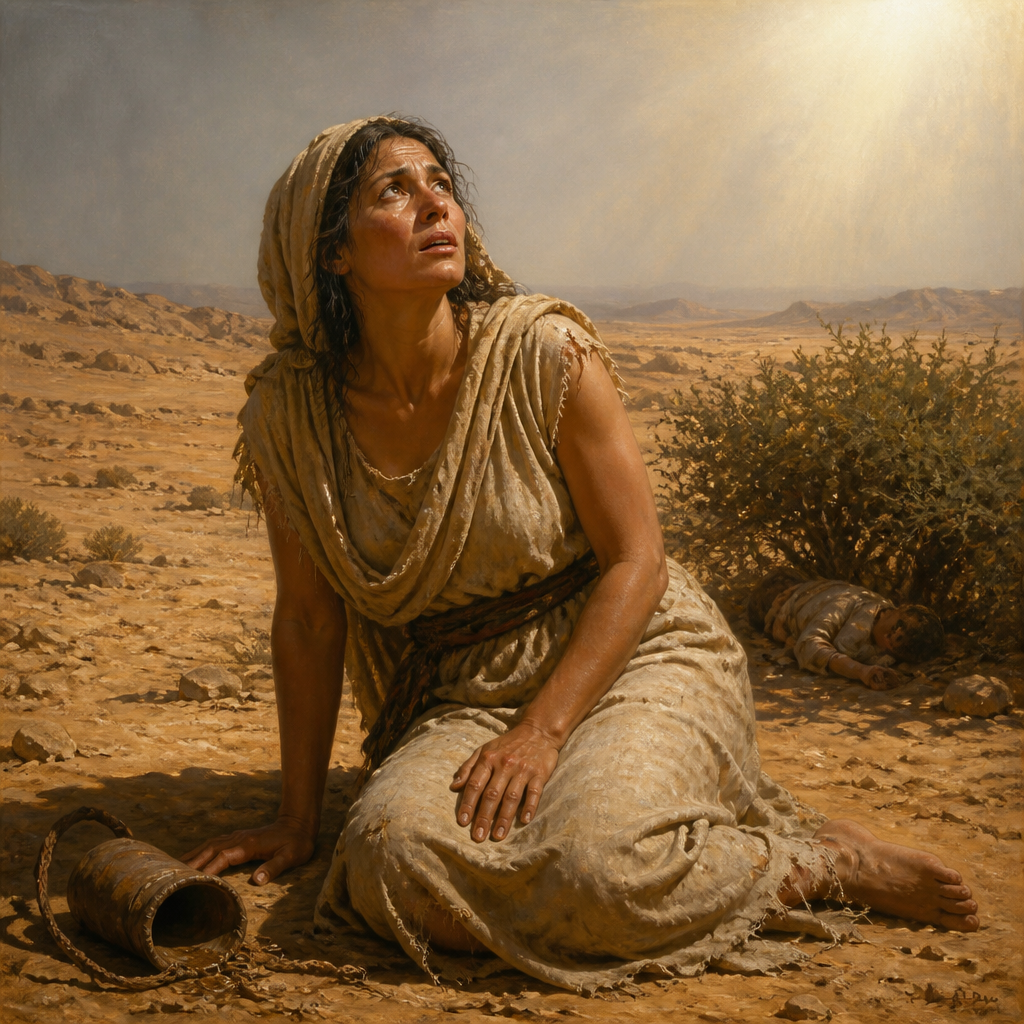
Hagar
Mother of Ishmael and the first woman to receive a divine revelation in the wilderness
An Egyptian woman who served as Sarai’s maidservant and became the mother of Ishmael, Abraham’s firstborn son.
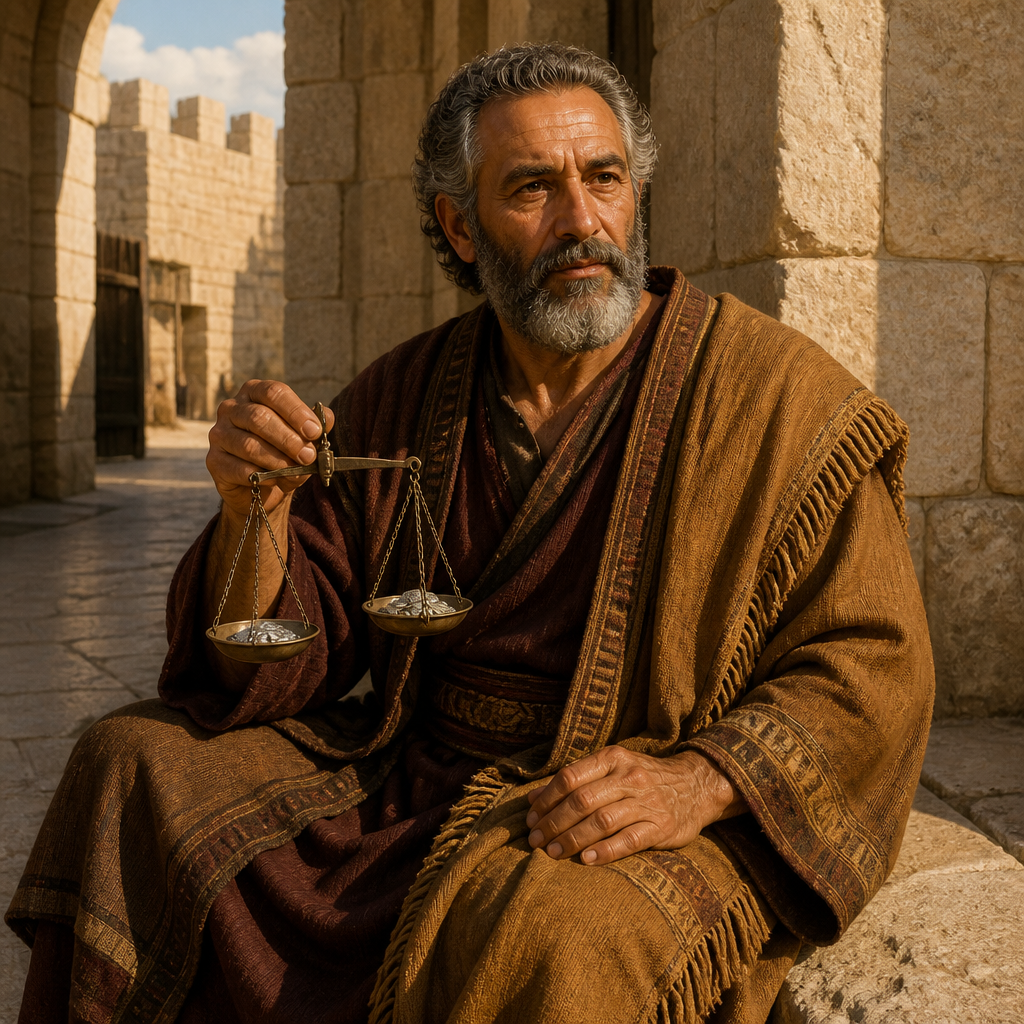
Ephron
Hittite landowner who sold the cave of Machpelah to Abraham
A Hittite landowner who sold the cave of Machpelah to Abraham as a permanent burial site for Sarah and the patriarchal family.
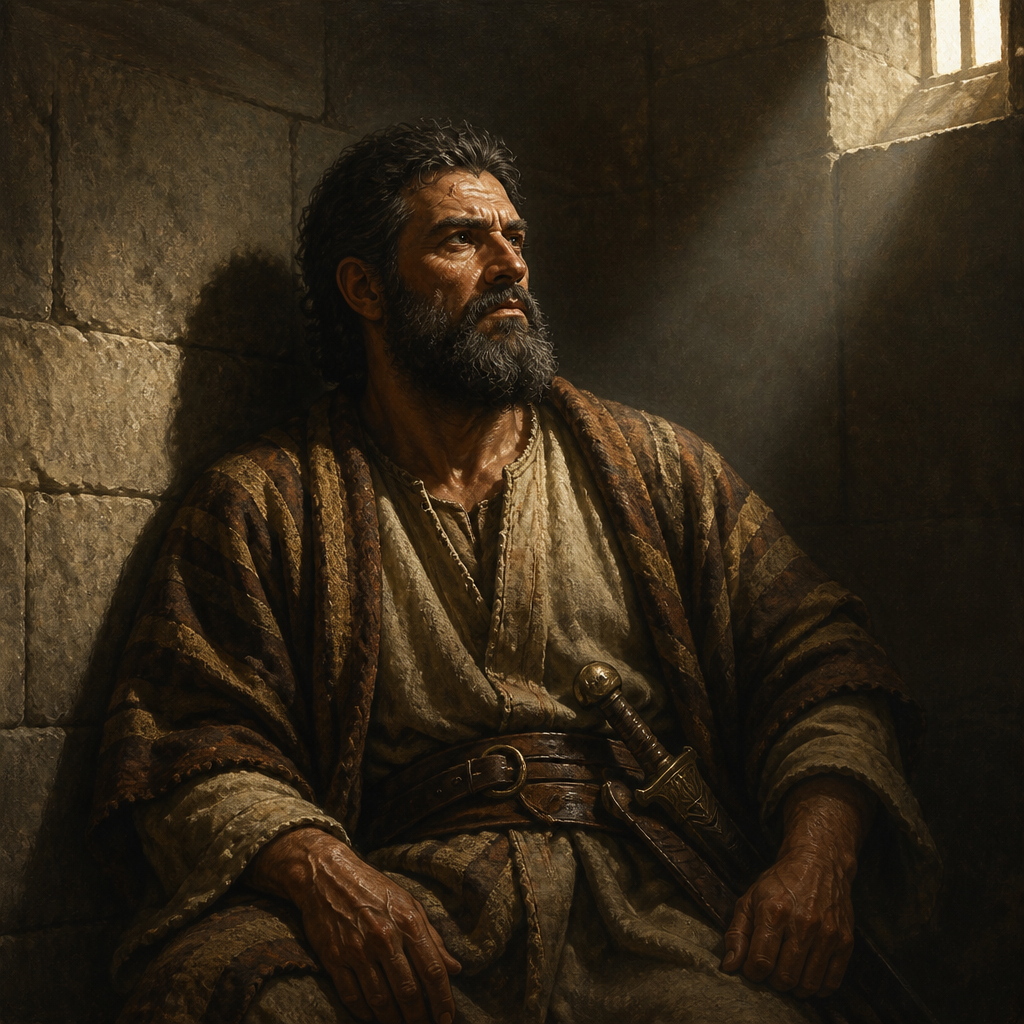
Simeon, Son of Jacob
Patriarch of Israel known for his role in the massacre at Shechem and being held hostage by Joseph in Egypt
Simeon was the second son of Jacob and Leah, a founding patriarch of Israel known for his volatile temperament and the eventual dispersal of his tribe within Judah.
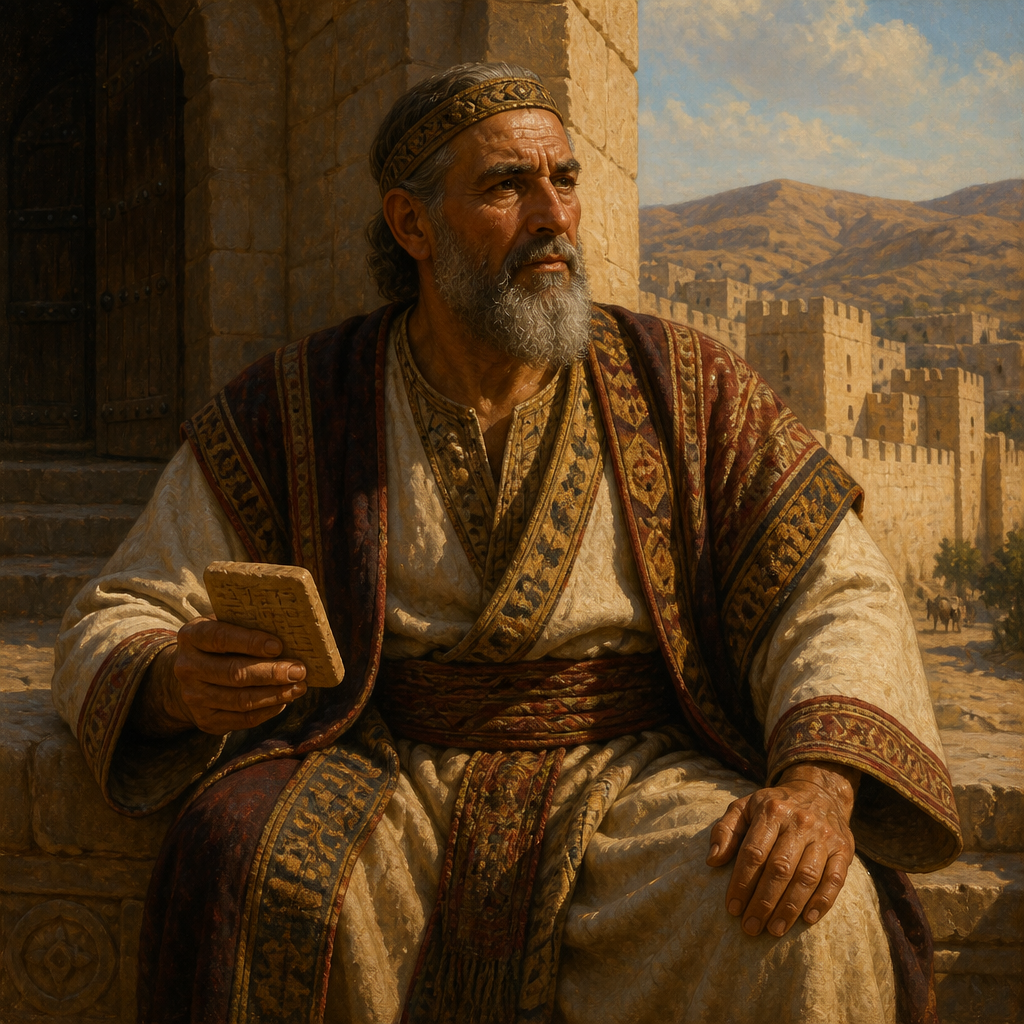
Hamor
Hivite prince who sold land to Jacob and was later killed by Simeon and Levi
A Hivite prince and father of Shechem who negotiated with the patriarch Jacob and was ultimately killed by Jacob's sons.
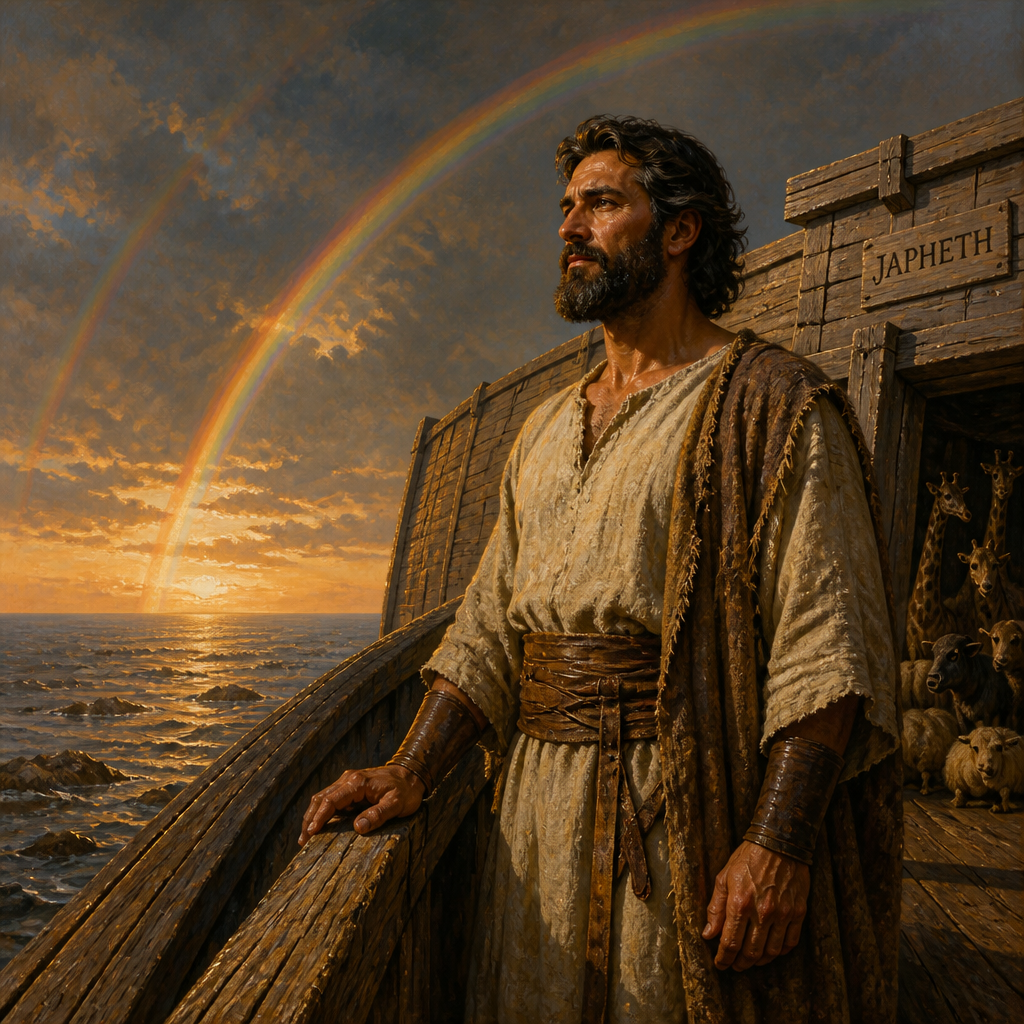
Japheth
Son of Noah who survived the Great Flood and received a blessing for his respect toward his father
Japheth was one of the three sons of Noah and a survivor of the Great Flood, traditionally viewed as the progenitor of the Indo-European and Aegean peoples.
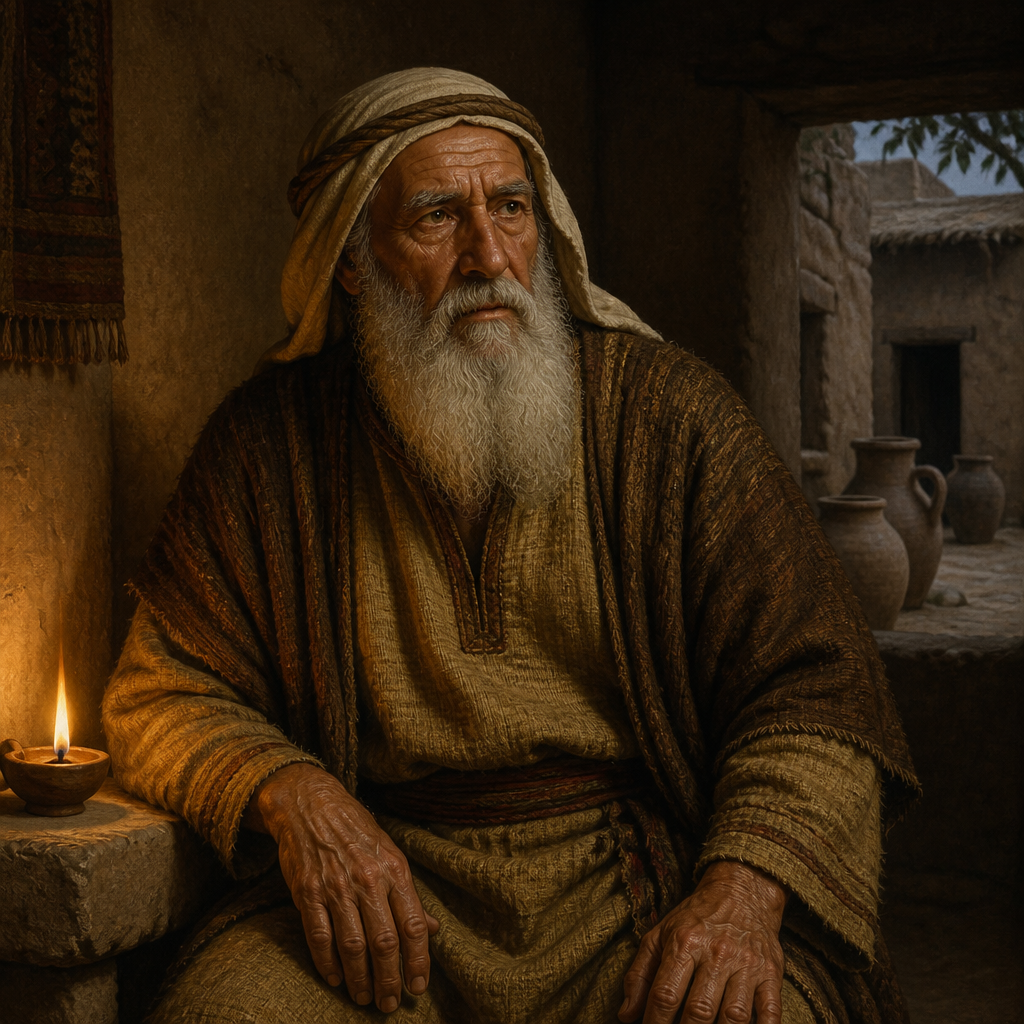
Bethuel
Father of Rebekah and son of Abraham's brother Nahor
Bethuel was a patriarch from Paddan-aram, the son of Nahor and Milcah, and the father of Rebekah and Laban.
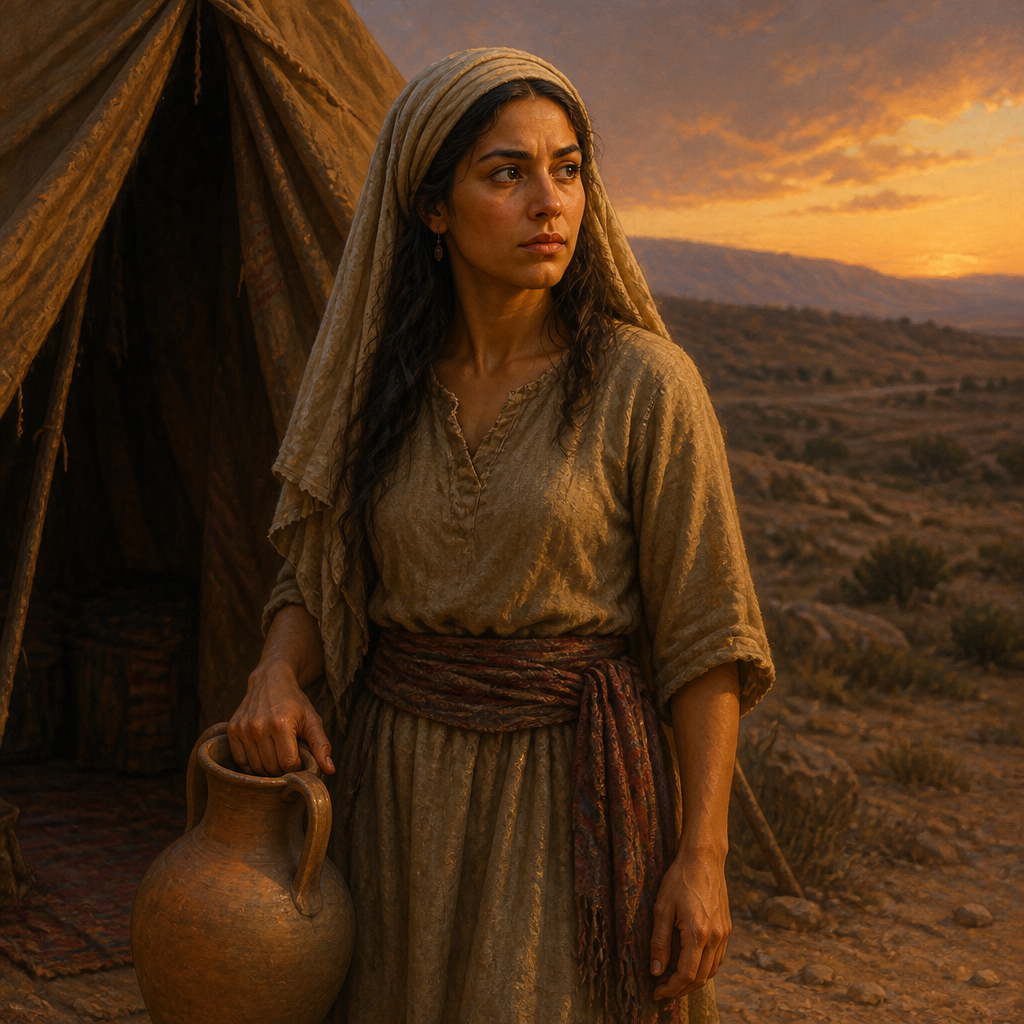
Bilhah
Mother of Dan and Naphtali and maidservant to Rachel
Handmaid to Rachel and concubine of Jacob who became the biological mother of Dan and Naphtali, contributing to the formation of the twelve tribes of Israel.
Ephraim
Son of Joseph who received the firstborn blessing from Jacob
The second son of Joseph and Asenath, Ephraim was adopted by his grandfather Jacob and received the primary blessing of the firstborn, becoming the progenitor of a dominant tribe in Israel.
Manasseh, Son of Joseph
Firstborn son of Joseph whose grandfather Jacob crossed his hands to give the younger brother the primary blessing
The firstborn son of Joseph and Asenath, Manasseh became the progenitor of one of the largest and most strategically positioned tribes of Israel.
Ham
Son of Noah who survived the Great Flood and became the progenitor of the southern nations
The second son of Noah and an ancestor of numerous southern nations, known as one of the eight survivors of the Great Flood.
Dinah
Daughter of Jacob whose treatment by Shechem led to a violent conflict
The only daughter of Jacob and Leah mentioned in the patriarchal narratives, known for the incident at Shechem that led to a violent conflict between her brothers and the Hivites.
Seth
Third son of Adam and Eve and ancestor of Noah
The third son of Adam and Eve, Seth was born after the death of Abel and became the ancestor of the line of the faithful leading to Noah.
Canaan
Son of Ham who was cursed by Noah to be a servant to his brothers
Canaan was the son of Ham and the grandson of Noah, known primarily for being the recipient of Noah's curse and the progenitor of several significant ancient Near Eastern tribes.
Eber, Early Patriarch
Patriarchal ancestor of the Hebrew people through the line of Shem
Eber was a foundational post-diluvian patriarch, the great-grandson of Shem and a direct ancestor of Abraham through whom the lineage of the 'Hebrews' is traditionally traced.
Terah
Patriarch who led his family from Ur of the Chaldeans to Haran
A foundational patriarch and the father of Abraham who led his family out of Ur of the Chaldeans toward the land of Canaan.
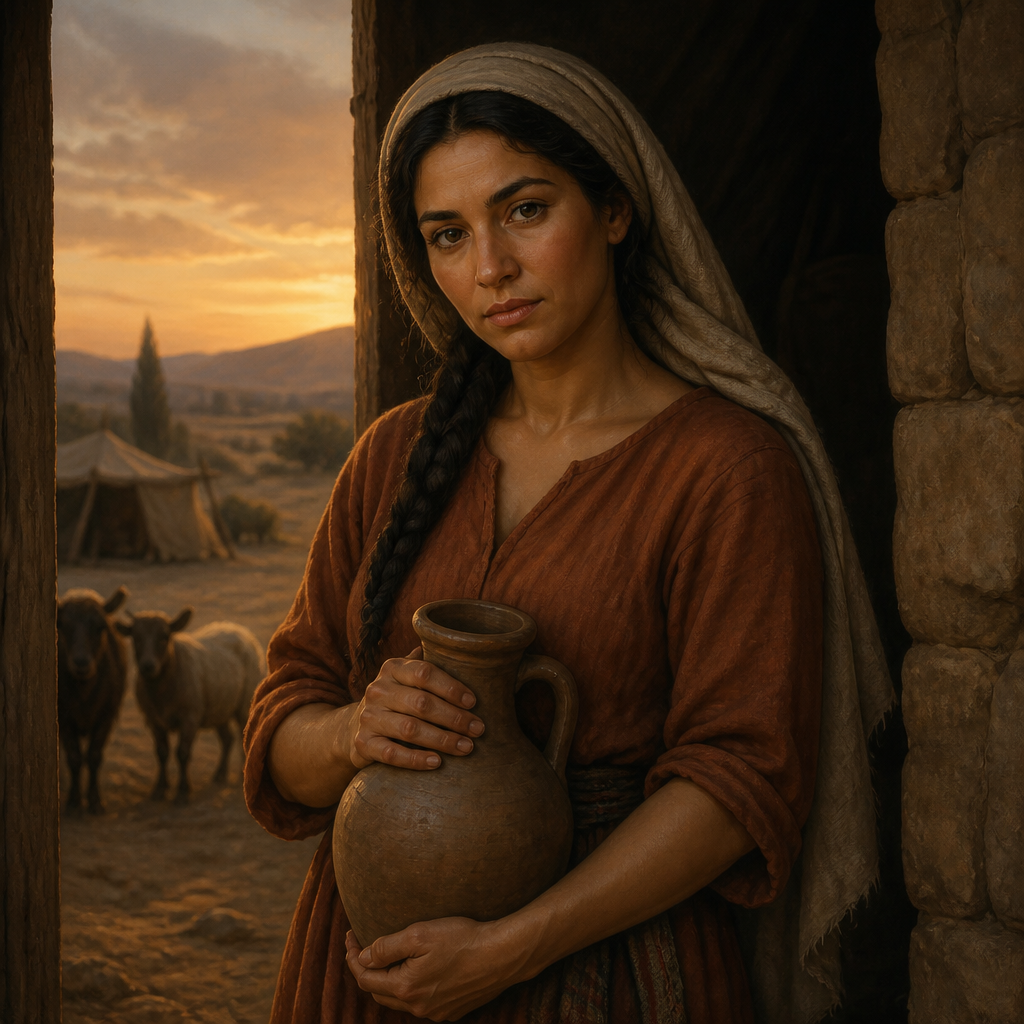
Zilpah
Mother of Gad and Asher and wife of the patriarch Jacob
Zilpah was a maidservant given to Leah by Laban, who later became a wife to the patriarch Jacob and the mother of two of the twelve tribes of Israel, Gad and Asher.
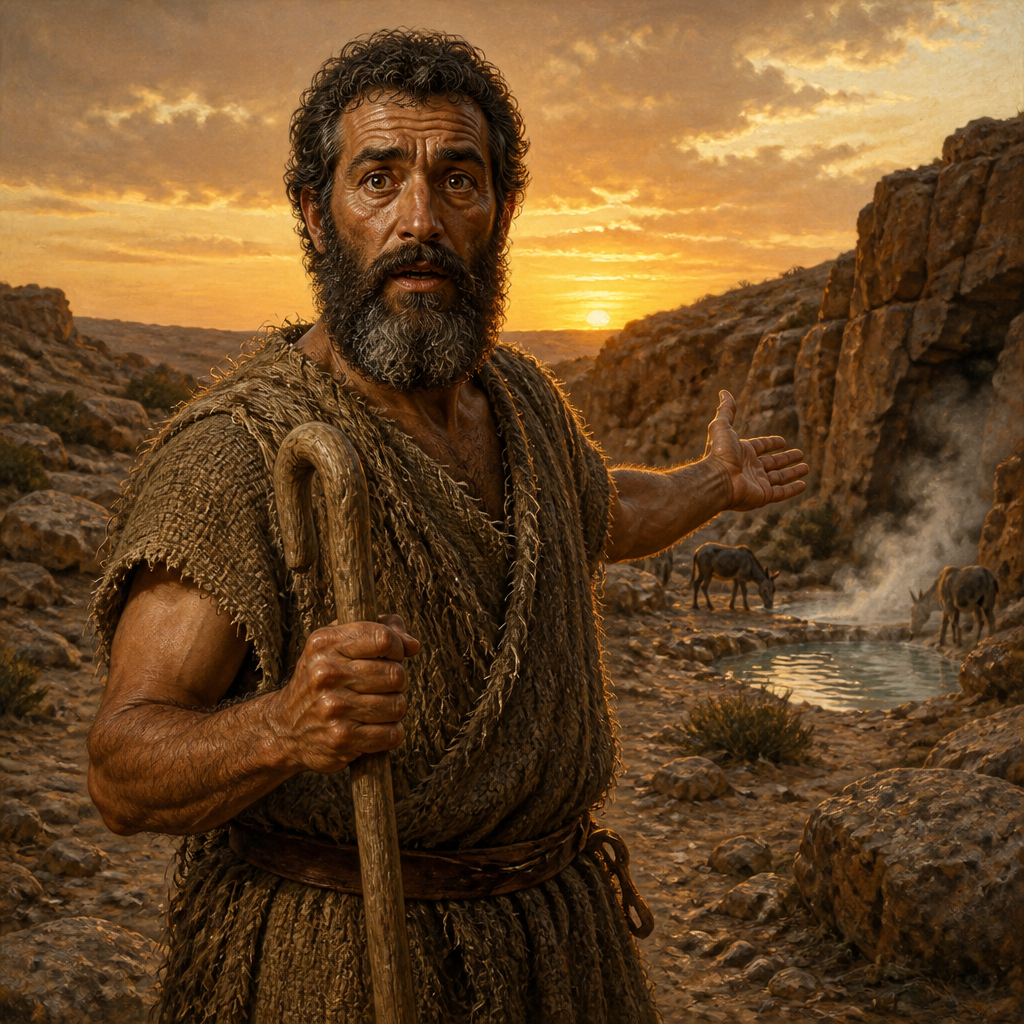
Anah
Horite chief who discovered hot springs in the wilderness
Anah was a Horite chief and son of Zibeon, notable for discovering hot springs in the wilderness while pasturing his father’s donkeys and for being the father of Esau’s wife Oholibamah.
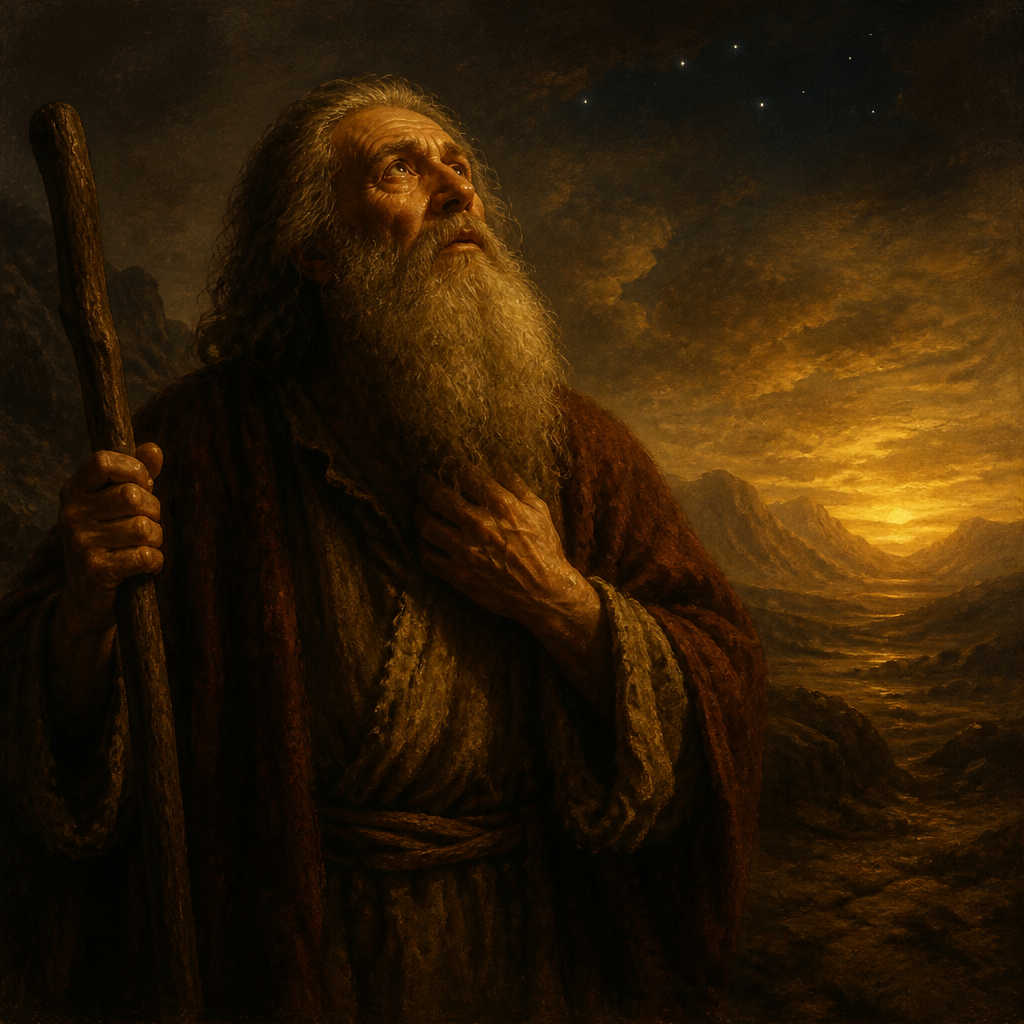
Enosh
The patriarch whose generation first began to call upon the name of the Lord
Enosh was the son of Seth and grandson of Adam, noted in Genesis for a pivotal era when humanity began to call upon the name of the Lord.
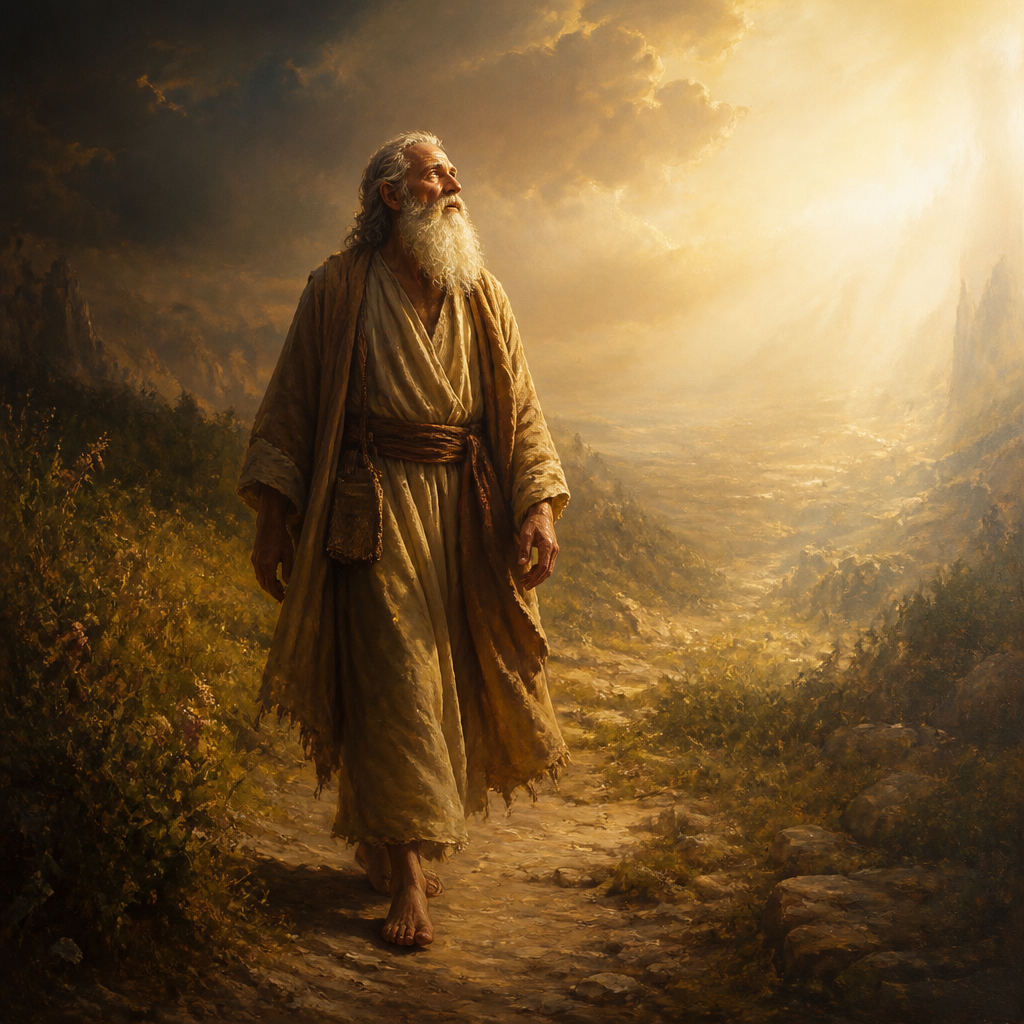
Enoch
A man taken by God without dying
The seventh patriarch from Adam who is recorded in the Book of Genesis as having 'walked with God' and being taken by God without experiencing death.
Amorite
Son of Canaan and ancestral head of the powerful Amorite nation
A son of Canaan and a grandson of Ham, the patriarch whose descendants became a powerful mountain-dwelling nation in the Levant during the Patriarchal Period.
Arpachshad
Son of Shem and ancestor in the lineage of Jesus Christ
A post-flood patriarch, son of Shem, and ancestor of Abraham through whom the messianic lineage is traced.
Milcah, Matriarch of Nahor's Line
Matriarch who was the wife of Nahor and grandmother of Rebekah
Milcah was a prominent matriarch in the line of Terah, the wife of Nahor, and the grandmother of Rebekah.
Hebrews
Covenant people of God descended from Abraham
The Hebrews represent the covenant people descended from Abraham, serving as the primary ethnic and spiritual identity of God’s chosen nation throughout the Old and New Testaments.
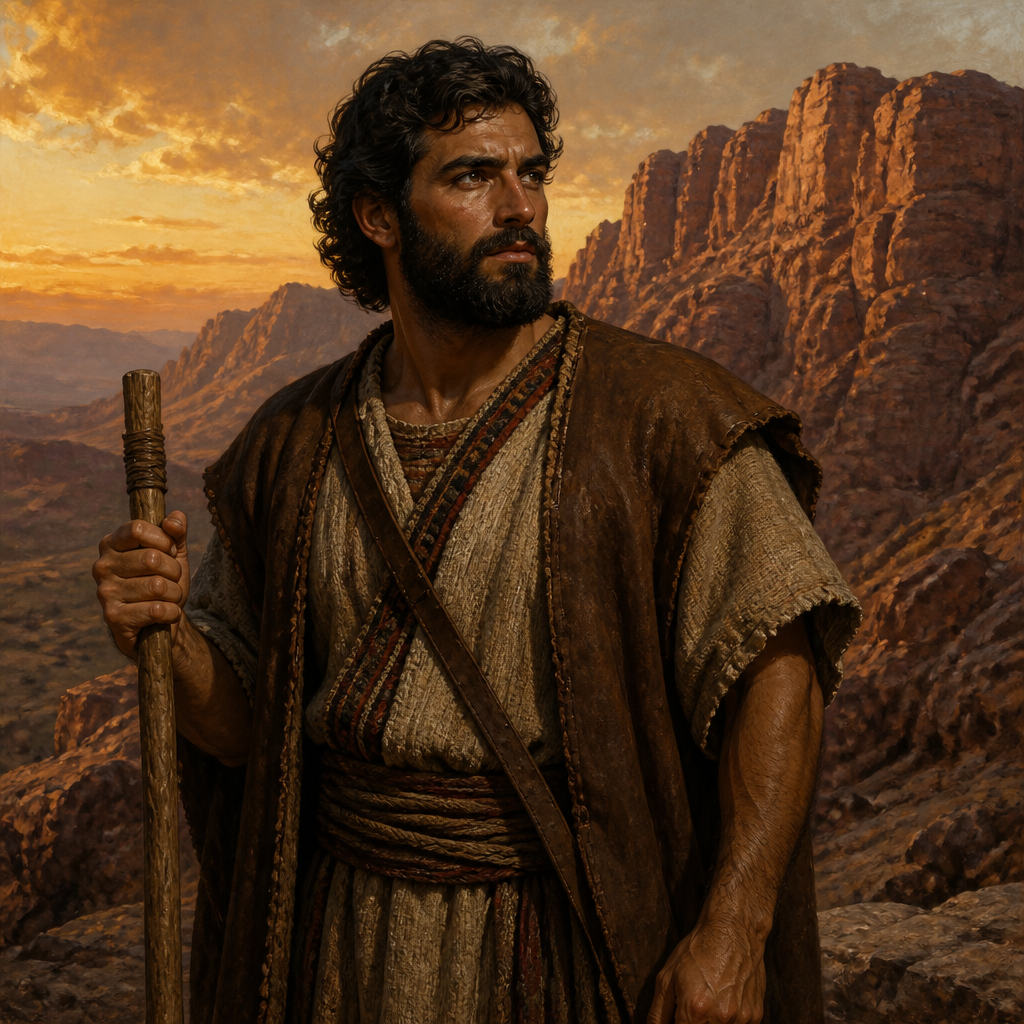
Hori, Son of Lotan
Son of Lotan and descendant of Seir the Horite mentioned in the genealogies of Genesis and Chronicles
Hori was a prominent descendant of Seir the Horite and a son of Lotan, belonging to the early tribal leadership of the region of Mount Seir in the land of Edom.
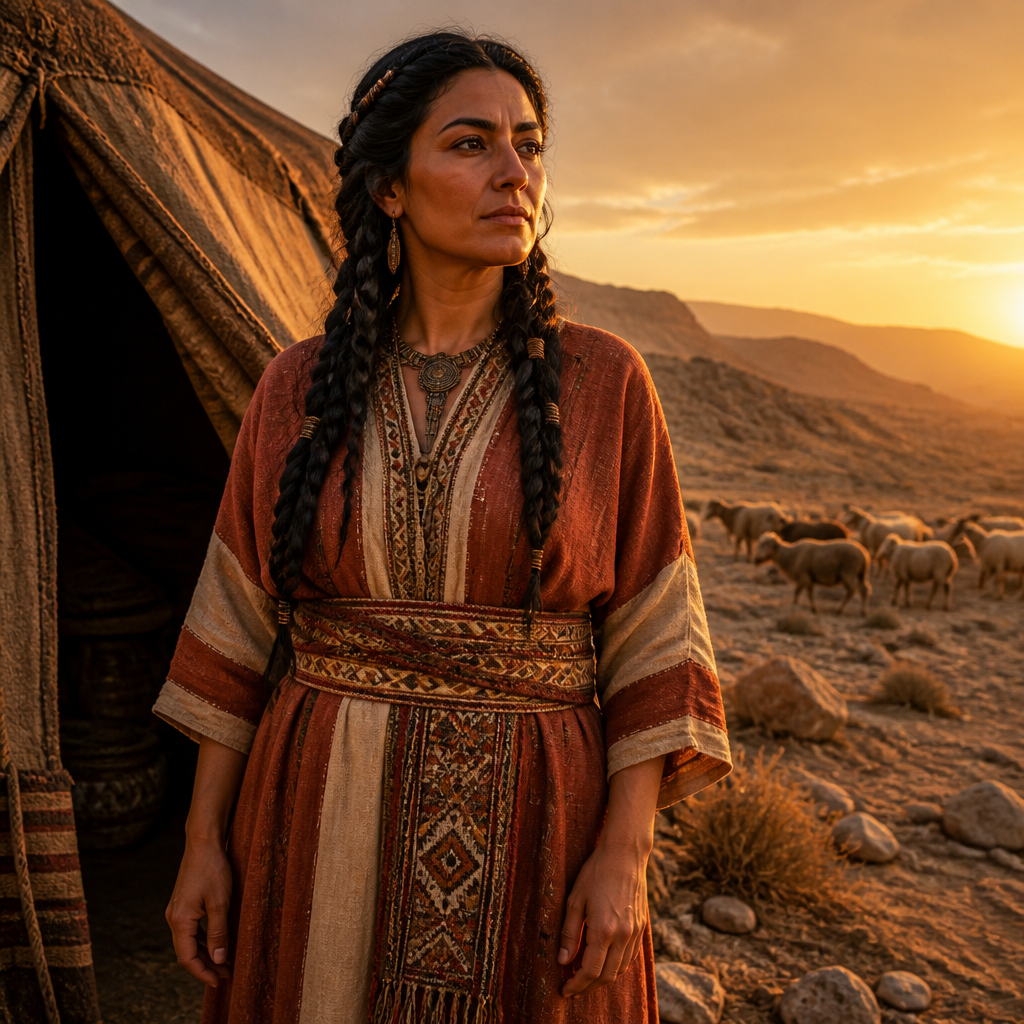
Adah, Wife of Esau
Wife of Esau and mother of his firstborn son Eliphaz
A Canaanite woman from the Hittite tribe who became a wife of Esau and a foundational matriarch of the Edomite nation through her son Eliphaz.
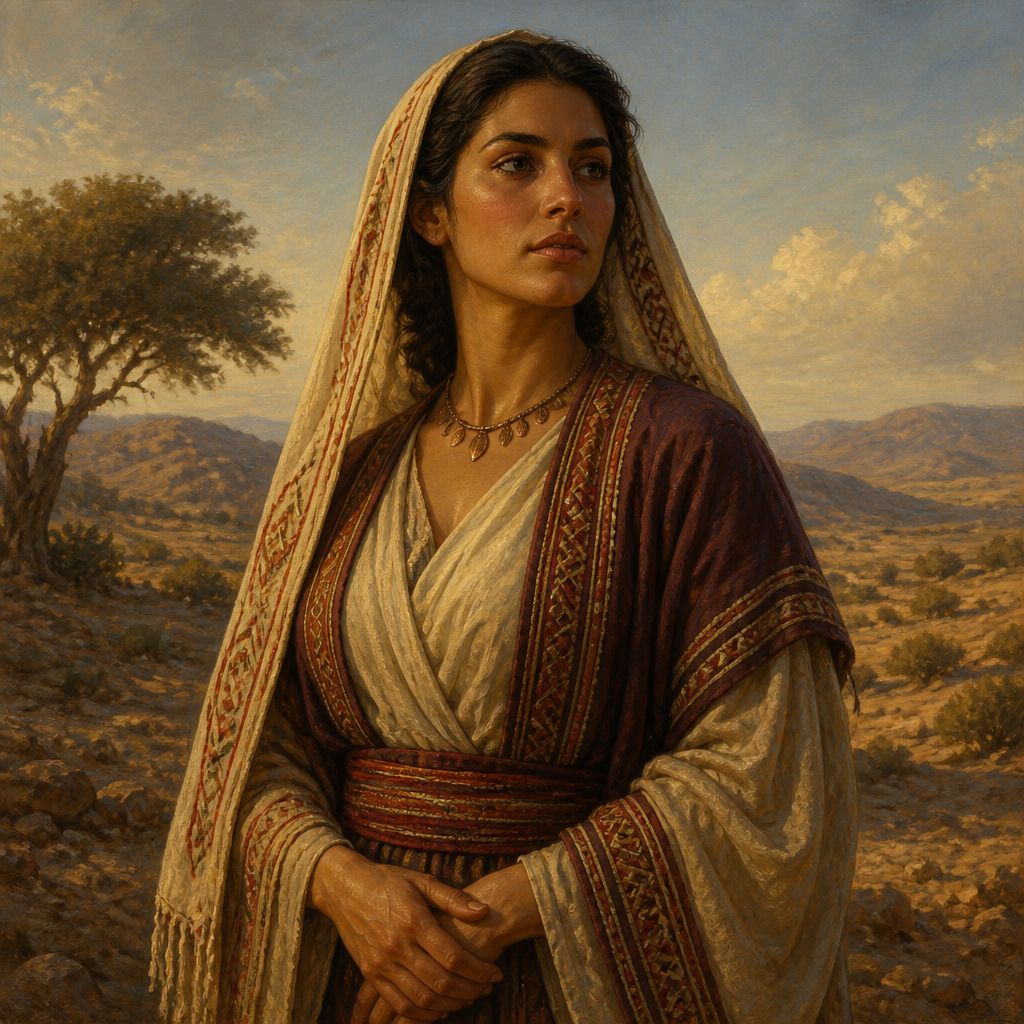
Mahalath, Wife of Esau
Daughter of Ishmael and wife of Esau who sought to bridge the families of Isaac and Ishmael
Mahalath was the daughter of Ishmael and granddaughter of Abraham who became a wife of Esau in an attempt to please his parents.
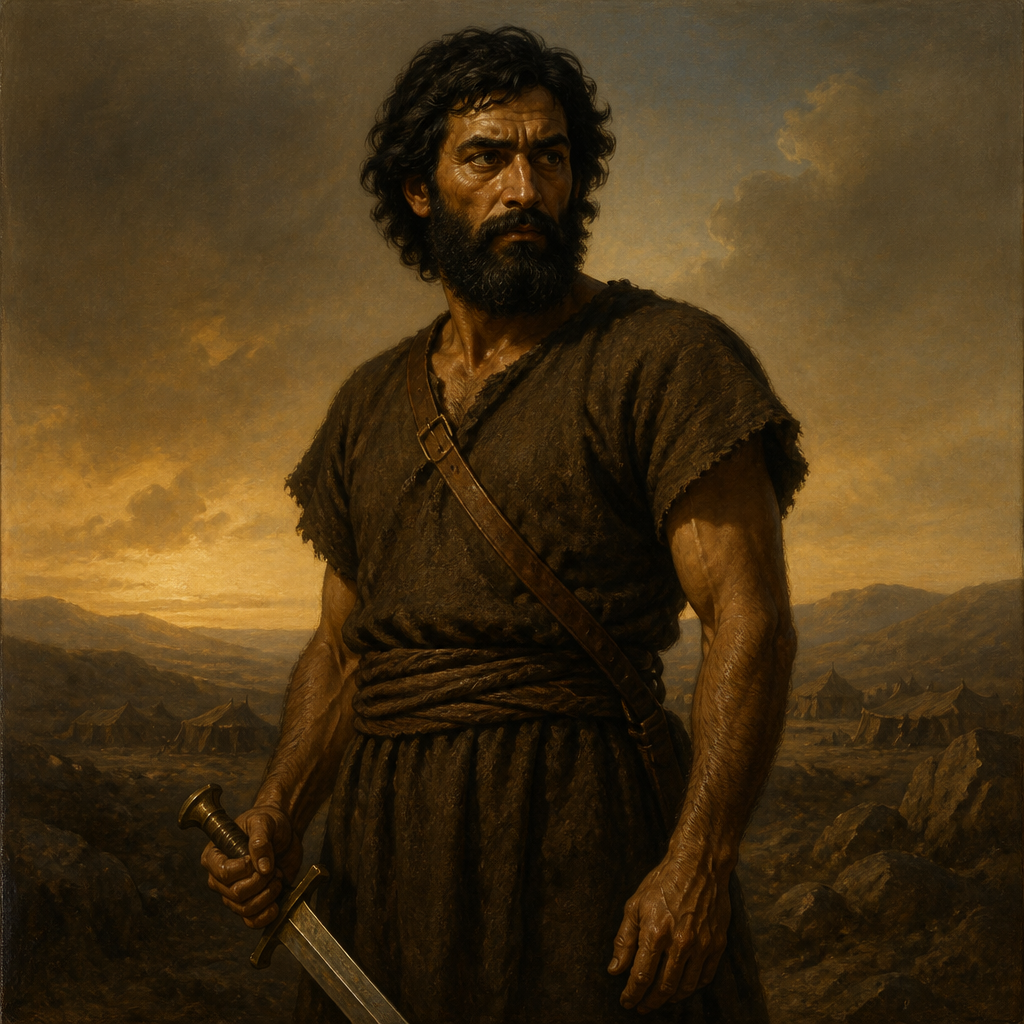
Levi, Son of Jacob
Patriarch of the priestly tribe and participant in the massacre at Shechem
The third son of Jacob and Leah, a patriarch whose descendants were set apart as the priestly and ministerial class for the nation of Israel.
Eliphaz, Son of Esau
Firstborn son of Esau and the father of the chiefs of Edom
Eliphaz was the firstborn son of Esau and Adah, serving as a foundational patriarch and chief within the nation of Edom.
Oholibamah
Wife of Esau and mother of three Edomite chiefs
A wife of Esau and a descendant of the Hivite and Horite peoples, Oholibamah was a prominent matriarch whose sons became powerful chiefs in the land of Edom.
Abel
First martyr and offerer of a more excellent sacrifice than his brother Cain
The second son of Adam and Eve, Abel was a shepherd whose righteous sacrifice and subsequent murder by his brother Cain made him the first human to experience death.
Jared
Second-longest-living person in the Bible at 962 years
Jared was a descendant of Seth and the father of Enoch, noted for his extraordinary lifespan of 962 years during the antediluvian period.
Kenan
Antediluvian patriarch of extreme longevity in Seth’s lineage
Kenan was a pre-Flood patriarch in the line of Seth, the son of Enosh and the great-grandson of Adam.
Lamech
Noah’s father who prophesied that his son would bring humanity comfort
Lamech was the son of Methuselah and the father of Noah, known for his prophecy regarding his son providing comfort from the cursed ground.
Mahalalel, Antediluvian Patriarch
Patriarch in the line of Seth who lived 895 years and was an ancestor of Jesus
An early biblical patriarch in the line of Seth, Mahalalel was the son of Kenan and the grandfather of the prophet Enoch.
Methuselah
The longest-lived human in the Bible (969 years)
Methuselah was a biblical patriarch of the line of Seth, famously known for being the longest-lived human being in the Bible, reaching the age of 969 years.
Peleg
Patriarch during whose lifetime the earth was divided
A descendant of Shem and a key link in the messianic lineage, most famous for the division of the earth that occurred during his lifetime.
Shelah, Son of Cainan
Patriarch who was the father of Eber and a direct ancestor of Jesus Christ
Shelah was an early post-flood patriarch, the father of Eber, and a significant link in the genealogical line connecting Noah to the Messiah.
Haran, Son of Terah
Son of Terah and father of Lot who died in Ur of the Chaldeans
A patriarch of the family of Terah, brother of Abraham, and the father of Lot who died in Ur of the Chaldeans.
Chedorlaomer
King of Elam who led the four-king coalition that captured Lot and was defeated by Abraham
Chedorlaomer was the King of Elam who led a coalition of four eastern kings to suppress a rebellion in the Jordan Valley, leading to a military confrontation with Abraham.
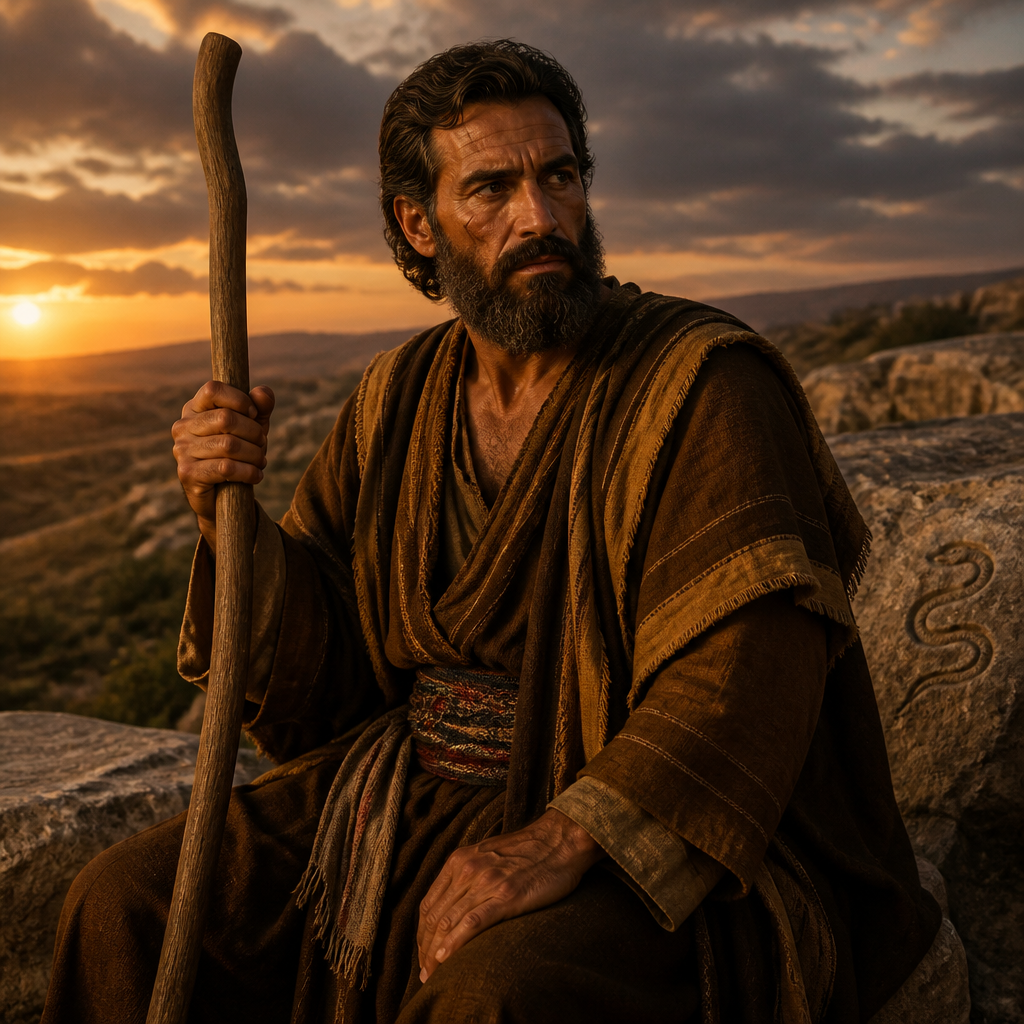
Dan
Patriarch who was the fifth son of Jacob and father of the Tribe of Dan
The fifth son of the patriarch Jacob and the first son born to his concubine Bilhah, serving as the eponymous ancestor of the Tribe of Dan.
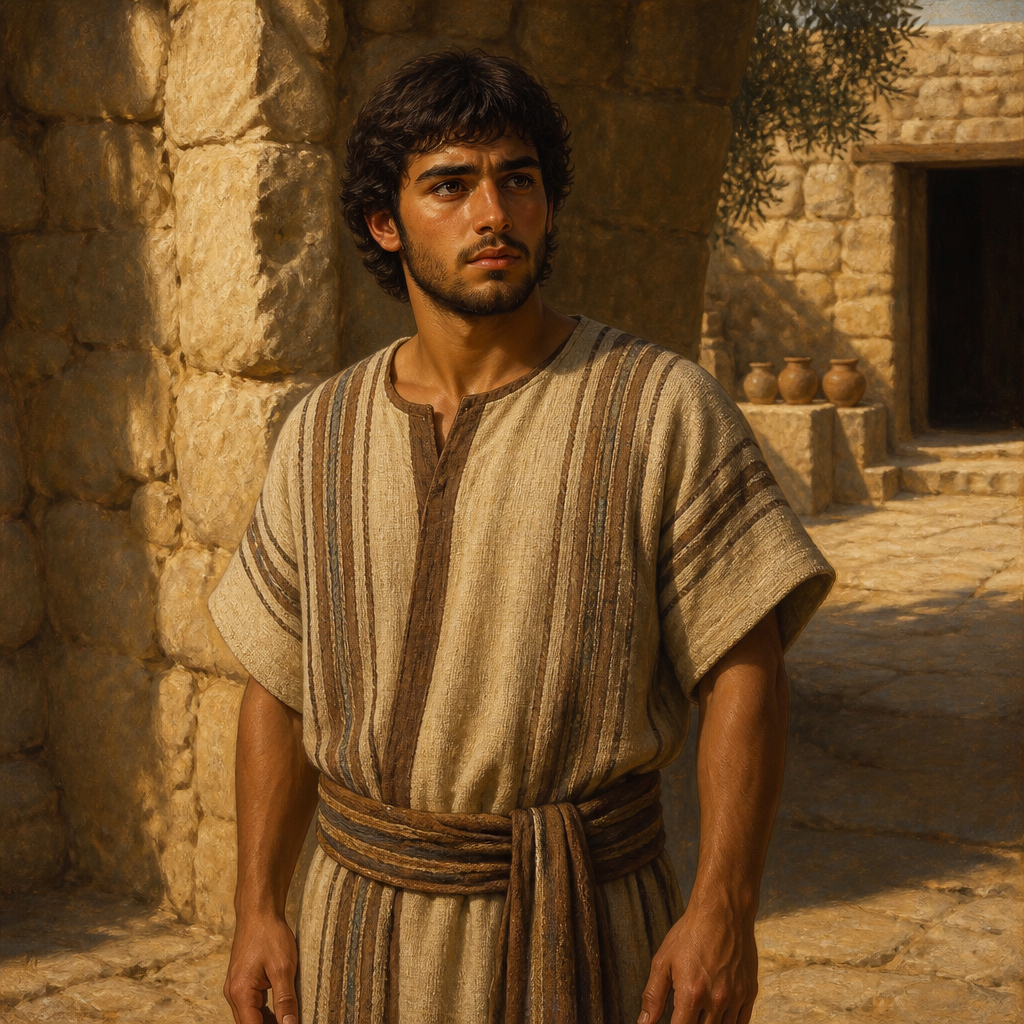
Shelah, Son of Judah
Son of Judah and progenitor of the Shelanite clan
The third son of Judah and a survivor of the early tragedies in Judah's family, Shelah became the progenitor of the Shelanite clan within the tribe of Judah.
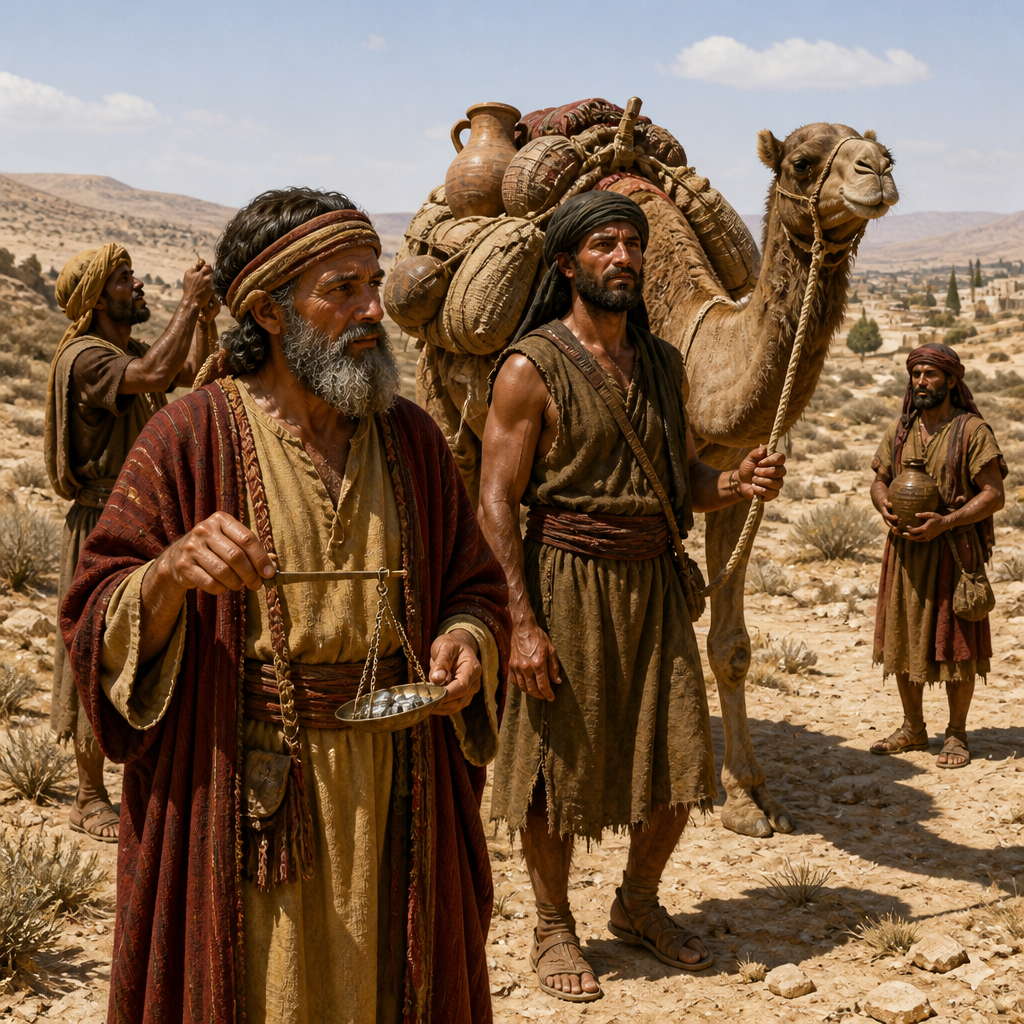
The Midianite Traders
Merchants who purchased Joseph and sold him into slavery in Egypt
A group of merchants who purchased Joseph from his brothers and subsequently sold him into Egyptian slavery, facilitating his arrival in the house of Potiphar.
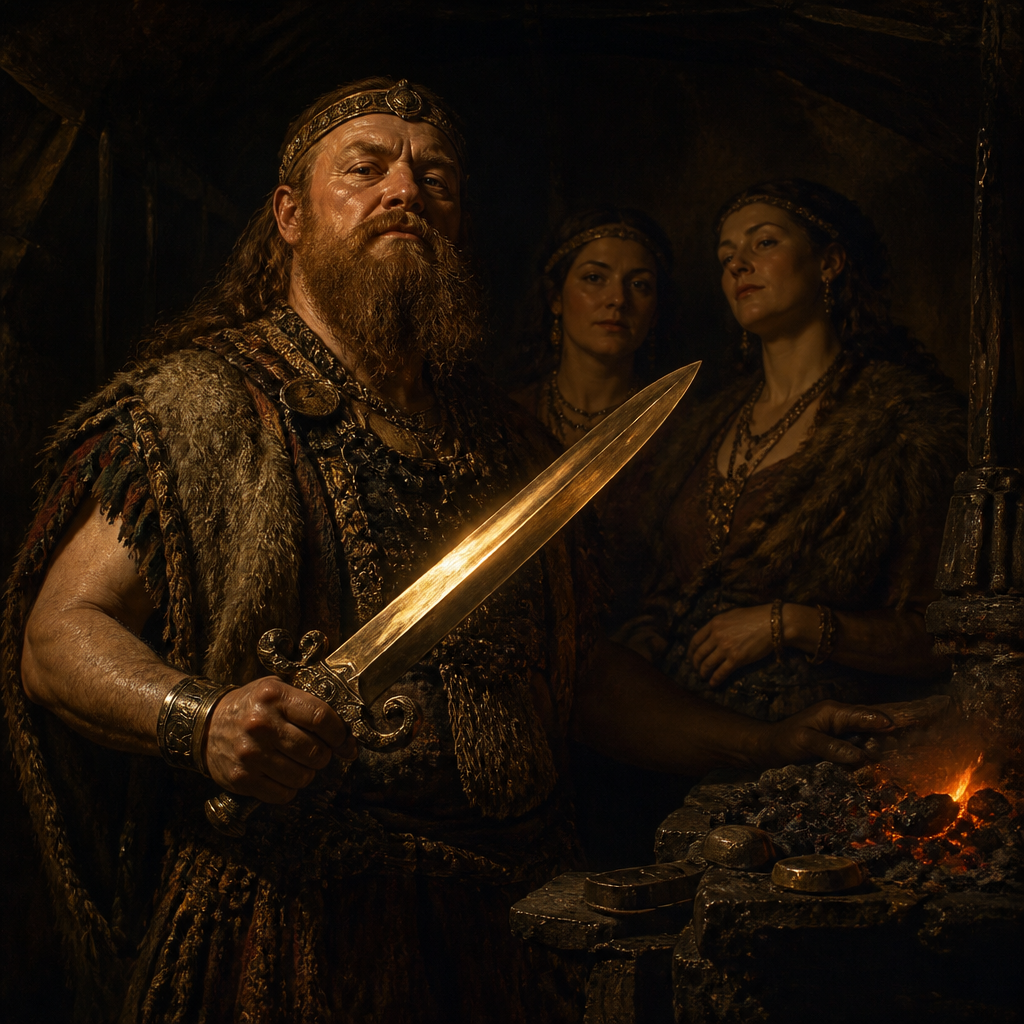
Lamech
The first polygamist and author of the Song of the Sword
A six-generation descendant of Cain, Lamech is the first polygamist in the biblical narrative and the author of the 'Song of the Sword', showcasing the escalation of human violence.
Nahor, Grandfather of Abraham
Grandfather of Abraham who is listed in the genealogy of Jesus Christ
A foundational patriarch in the post-flood genealogy of Shem, Nahor was the son of Serug and the father of Terah.
Reu
Patriarch in the lineage from Shem to Abraham
A post-flood patriarch in the lineage of Shem, Reu was the son of Peleg and a direct ancestor of Abraham and Jesus Christ.
Serug
Patriarch who was the great-grandfather of Abraham and an ancestor of Jesus Christ
A post-diluvian patriarch in the line of Shem, Serug was the great-grandfather of Abraham and a pivotal link in the genealogy connecting Noah to the nation of Israel.
Pharaoh, Contemporary of Abram
Egyptian king who took Sarai into his palace and was subsequently afflicted by divine plagues
An Egyptian monarch during the Patriarchal Period who briefly took Sarai into his palace before being afflicted by divine plagues.
Asher
Patriarch who founded one of the twelve tribes of Israel and was noted for the fertility of his land
Asher was the eighth son of Jacob, the second born to Zilpah, and the ancestral patriarch of the Tribe of Asher, known for the fertile lands and prosperity promised in his father's blessing.
Gad, Son of Jacob
Seventh son of Jacob and founder of the warrior tribe of Gad
The seventh son of Jacob and the firstborn of Zilpah, Gad was a patriarch of Israel whose descendants became a warrior tribe known for their courage and inheritance east of the Jordan River.
Issachar, Ninth Son of Jacob
Ninth son of Jacob and the progenitor of the Tribe of Issachar
The ninth son of Jacob and the fifth born to Leah, Issachar was a patriarch whose descendants formed one of the prominent twelve tribes of Israel.
Naphtali
Patriarch of one of the twelve tribes of Israel and sixth son of Jacob
The sixth son of Jacob and second son of Bilhah, whose descendants formed one of the twelve tribes of Israel in the fertile northern Galilee region.
Zebulun
Tenth son of Jacob and founder of the tribe associated with maritime commerce and the region of Galilee
Zebulun was the tenth son of Jacob and the sixth and final son born to Leah, serving as the eponymous patriarch of one of the twelve tribes of Israel.
Reuel, Son of Esau
Patriarch of Edom who fathered four tribal chiefs and was the son of Esau and Mahalath
Reuel was a patriarch of the Edomites, the son of Esau and Mahalath, and the progenitor of four major clans in the land of Seir.
Teman
Grandson of Esau and chief of the Edomites whose name became synonymous with a region of wisdom
A grandson of Esau and a chief of Edom, Teman was the eponymous ancestor of a region and people renowned for their wisdom in the ancient Near East.
Er, Firstborn of Judah
Judah's firstborn son who was put to death by God for his wickedness
Er was the eldest son of the patriarch Judah and the first husband of Tamar, who was struck down by God for his wickedness in the land of Canaan.
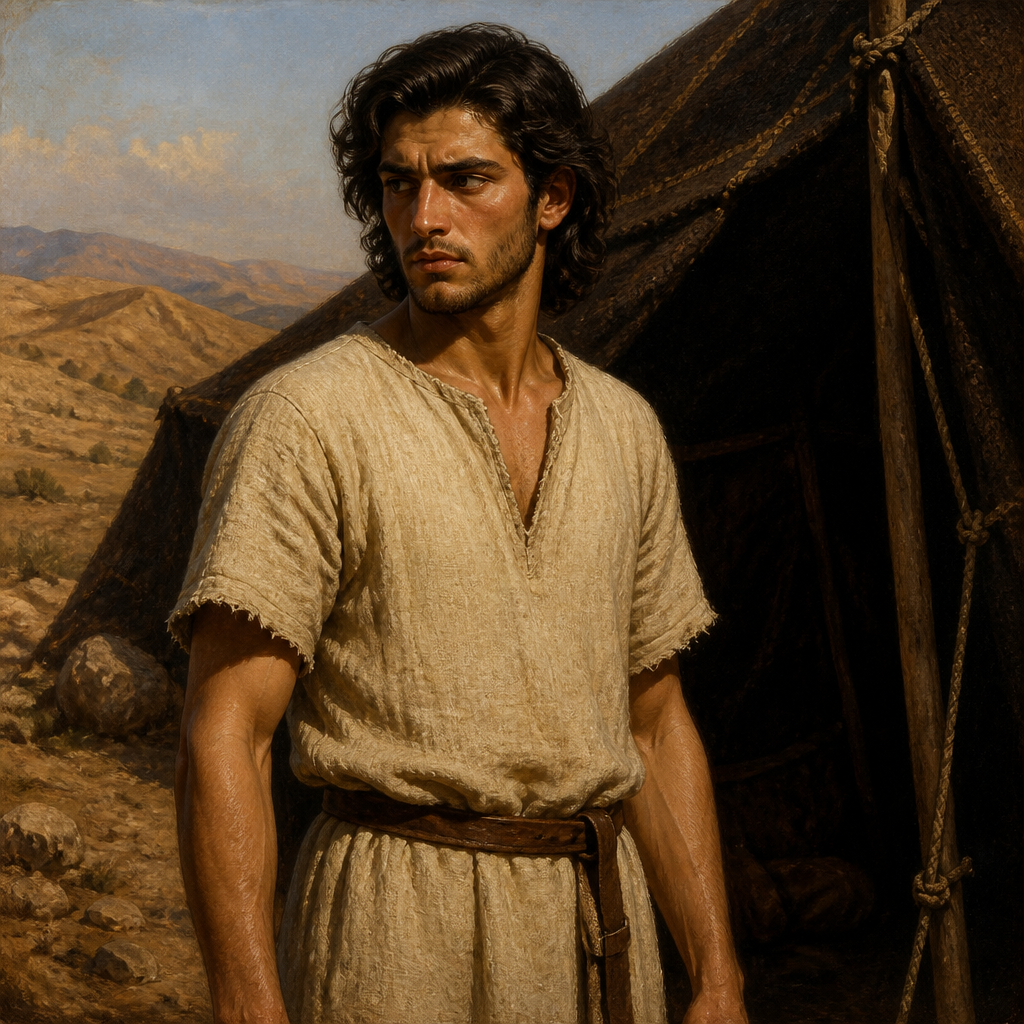
Onan
Son of Judah who was struck down for refusing to raise an heir for his brother
The second son of Judah who was struck down by God for refusing to fulfill the levirate obligation to raise offspring for his deceased brother Er.
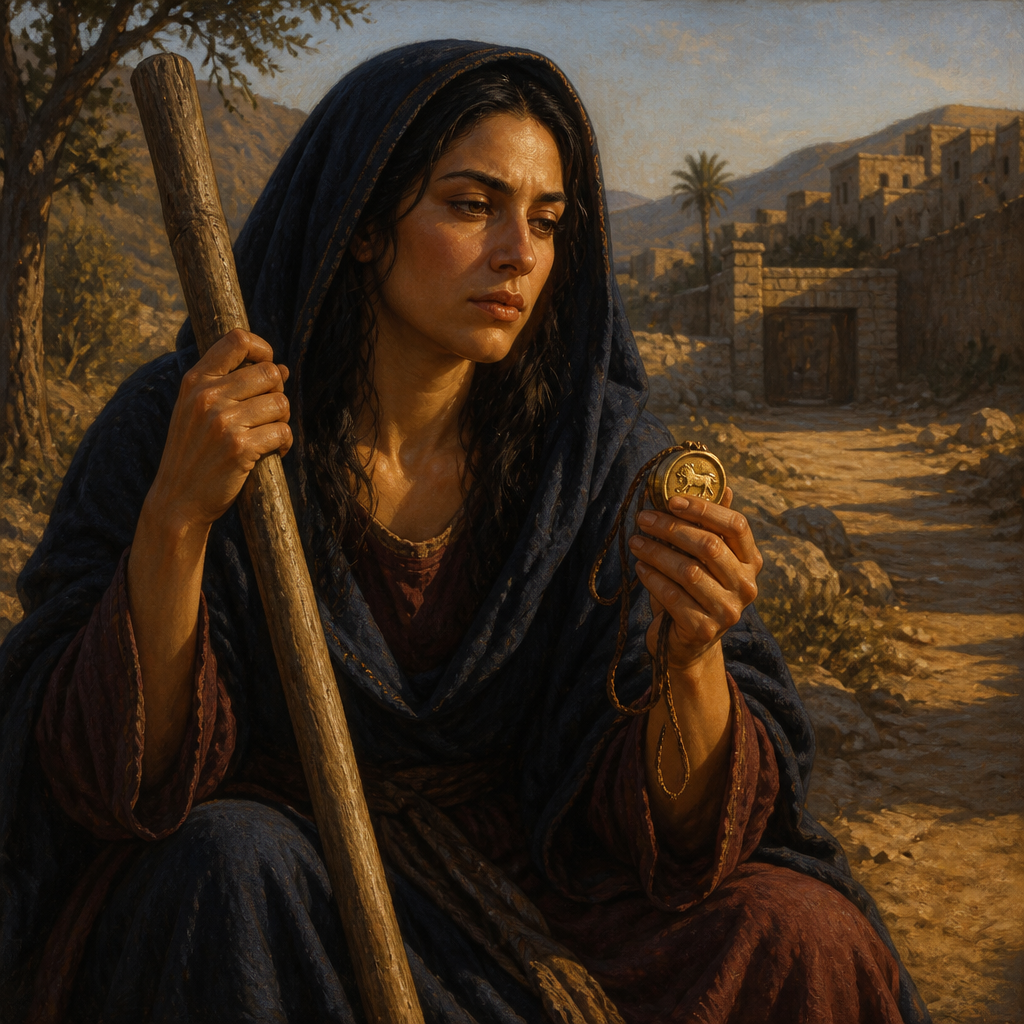
Tamar, Daughter-in-law of Judah
Matriarch who secured the continuation of Judah's lineage through her sons Perez and Zerah
A resourceful woman of the Patriarchal period who secured her place in the messianic lineage by bearing twins to her father-in-law, Judah.
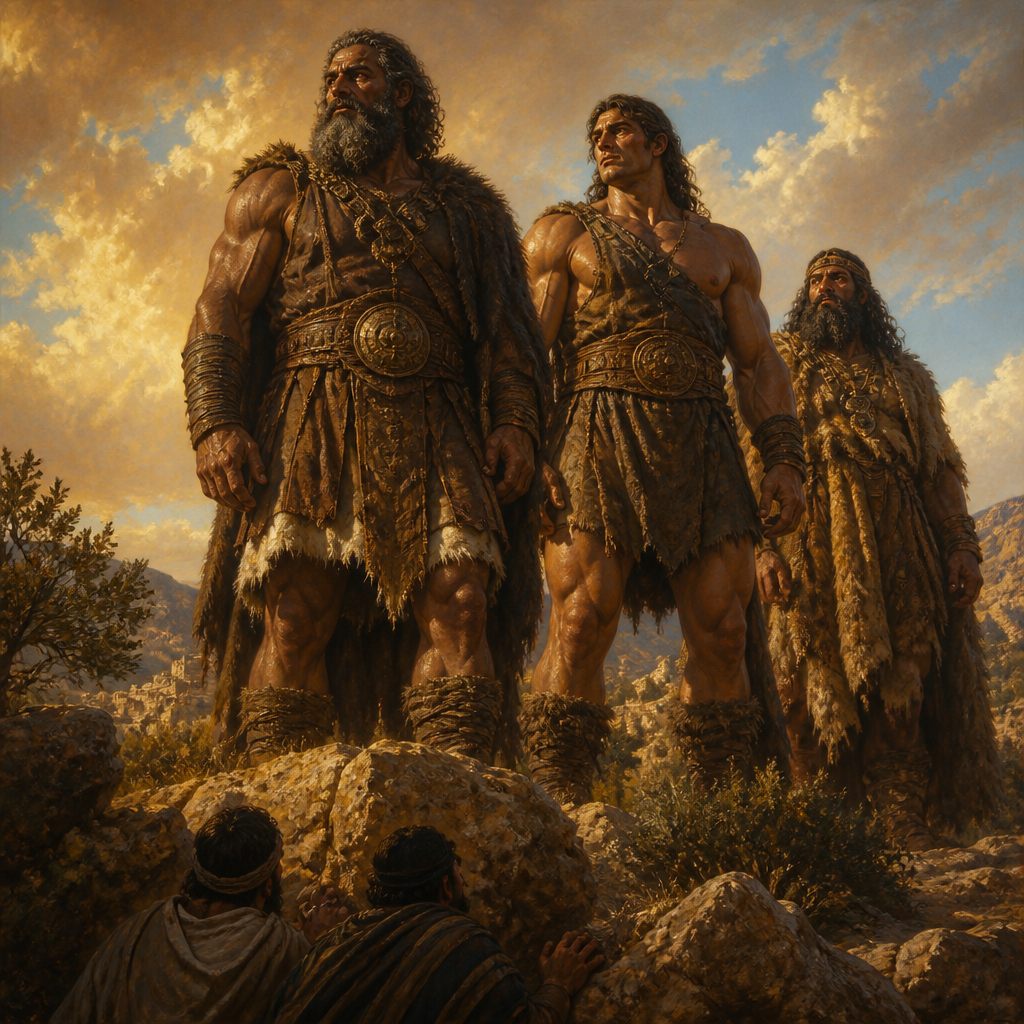
The Nephilim
Ancient group of large and powerful figures who inhabited the earth before the Flood and in early Canaan
Mysterious figures of great size and renown who existed during the antediluvian era and were noted by Israelite scouts in the land of Canaan.
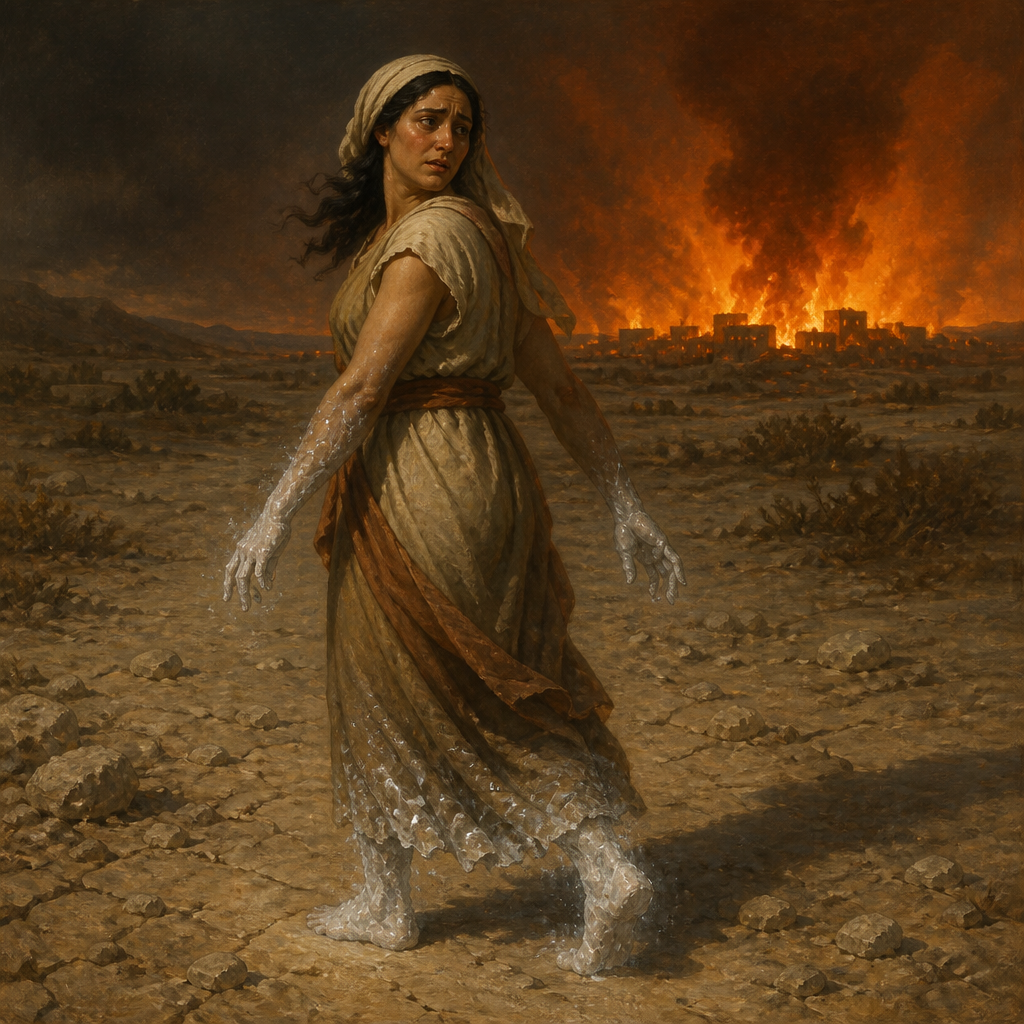
Lot's Wife
Woman who looked back at the destruction of Sodom and became a pillar of salt
A woman who resided in Sodom and was turned into a pillar of salt for looking back at the city during its divine destruction.
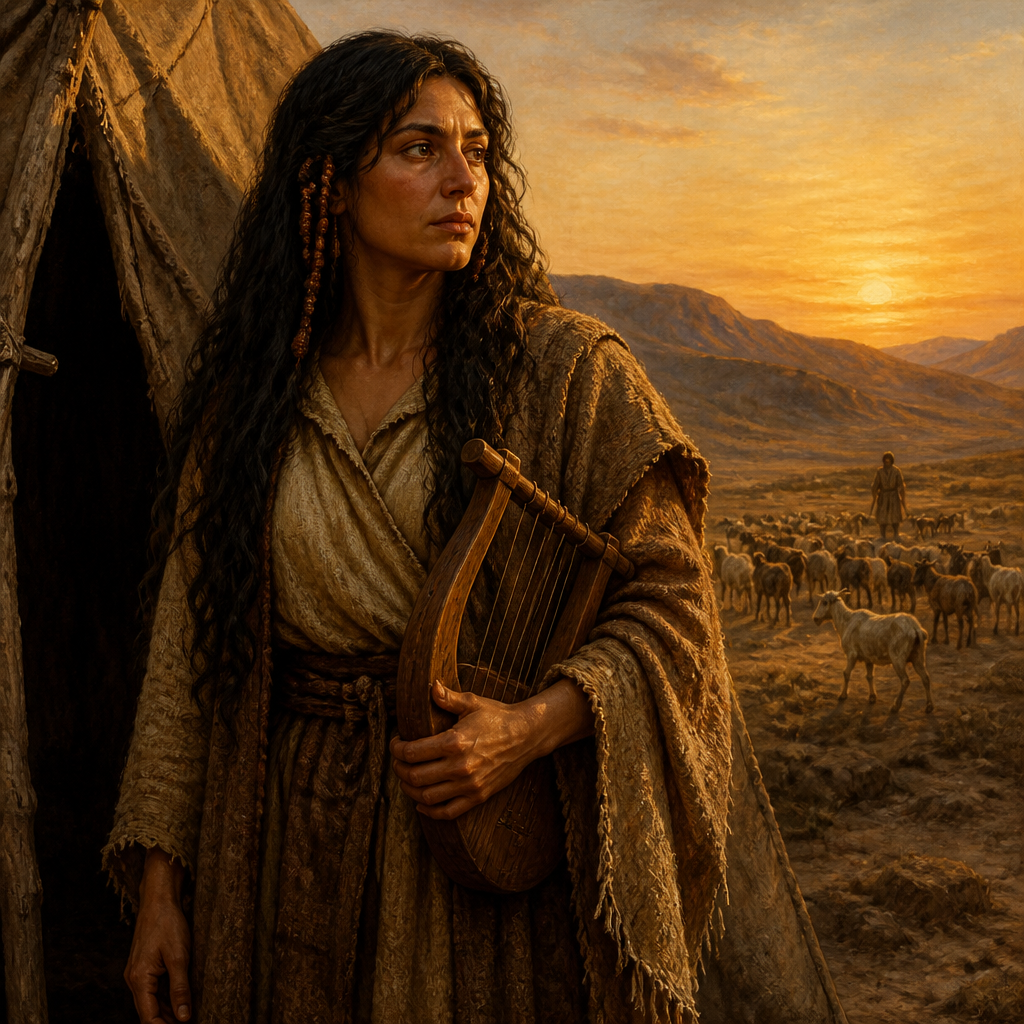
Adah, Wife of Lamech
First woman in the Bible named as part of a polygamous marriage and mother of the founders of pastoralism and music
Adah was one of the two wives of Lamech and the mother of Jabal and Jubal, figures credited with the origins of pastoralism and music.
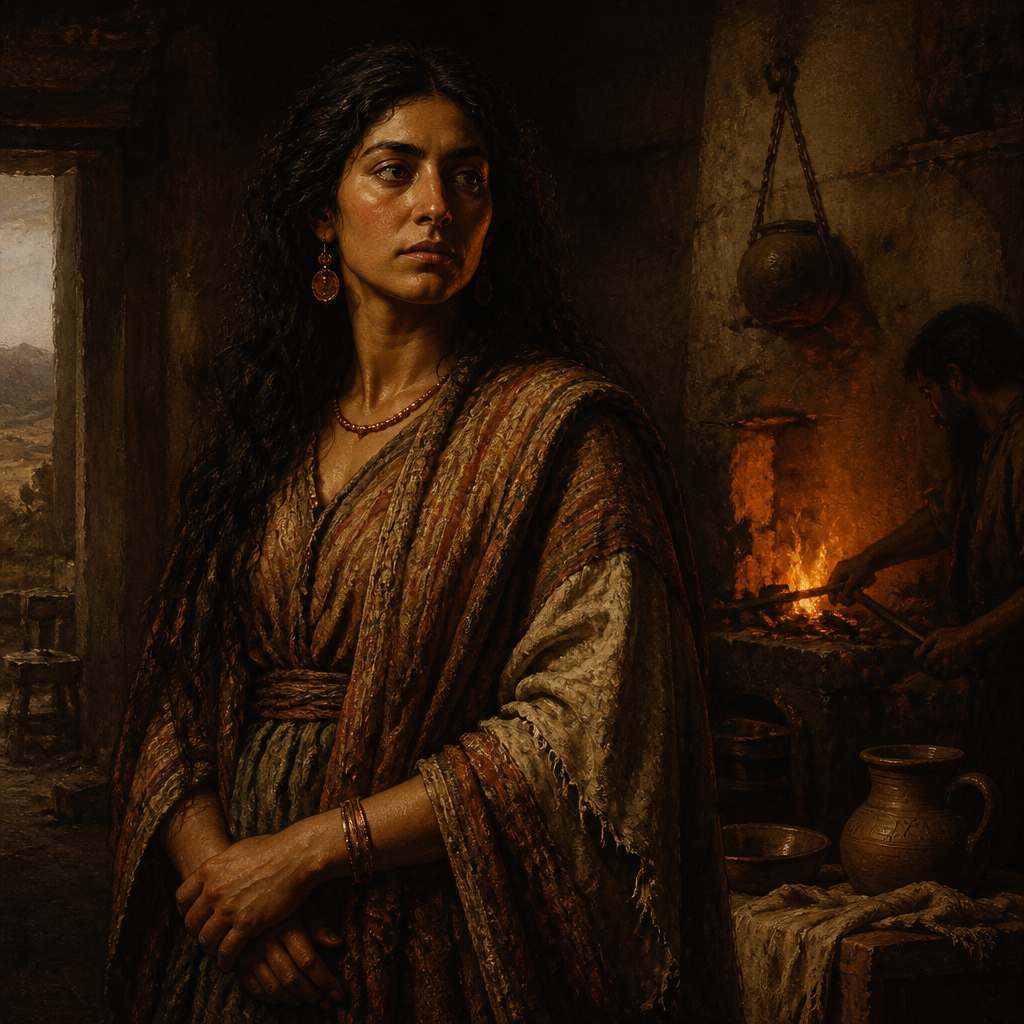
Zillah
Lamech’s second wife and mother of Tubal-cain
Zillah was the second wife of Lamech in the line of Cain and the mother of Tubal-cain and Naamah, appearing in the foundational genealogies of Genesis.
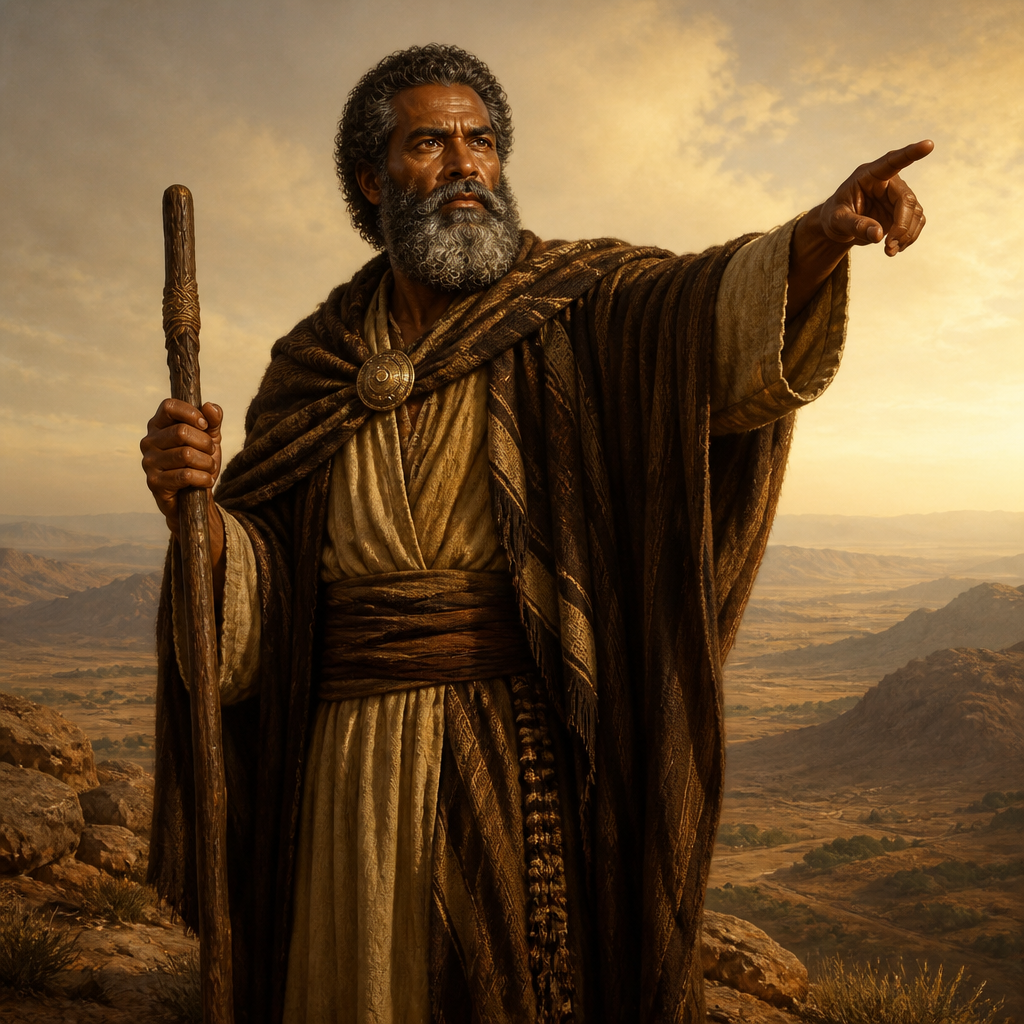
Cush, Son of Ham
Patriarchal ancestor of the Cushite people and father of Nimrod
Cush was the eldest son of Ham and the father of Nimrod, serving as the patriarchal ancestor of various African and Arabian nations in the Table of Nations.
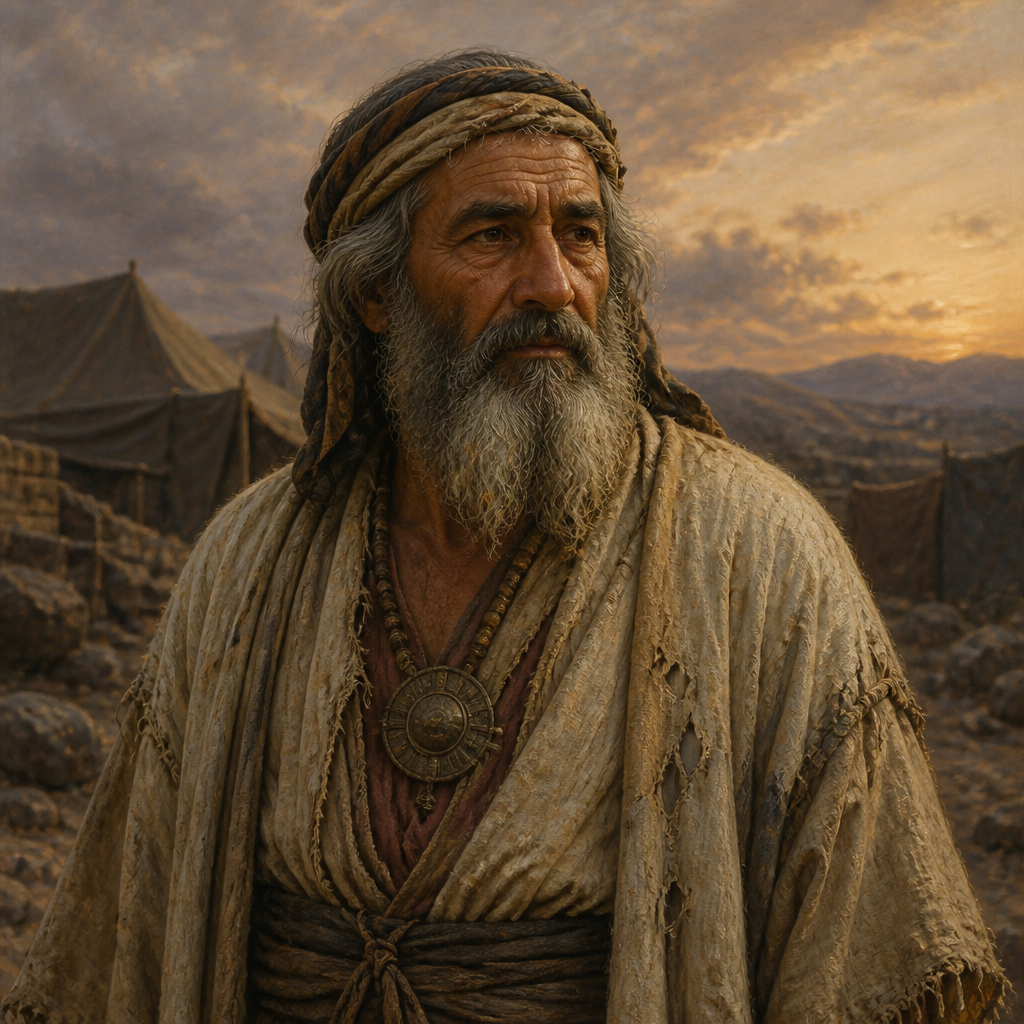
Hivites
Patriarchal nation descending from Canaan who inhabited the Promised Land
The Hivites were one of the seven primary nations residing in Canaan, descending from Canaan the son of Ham.
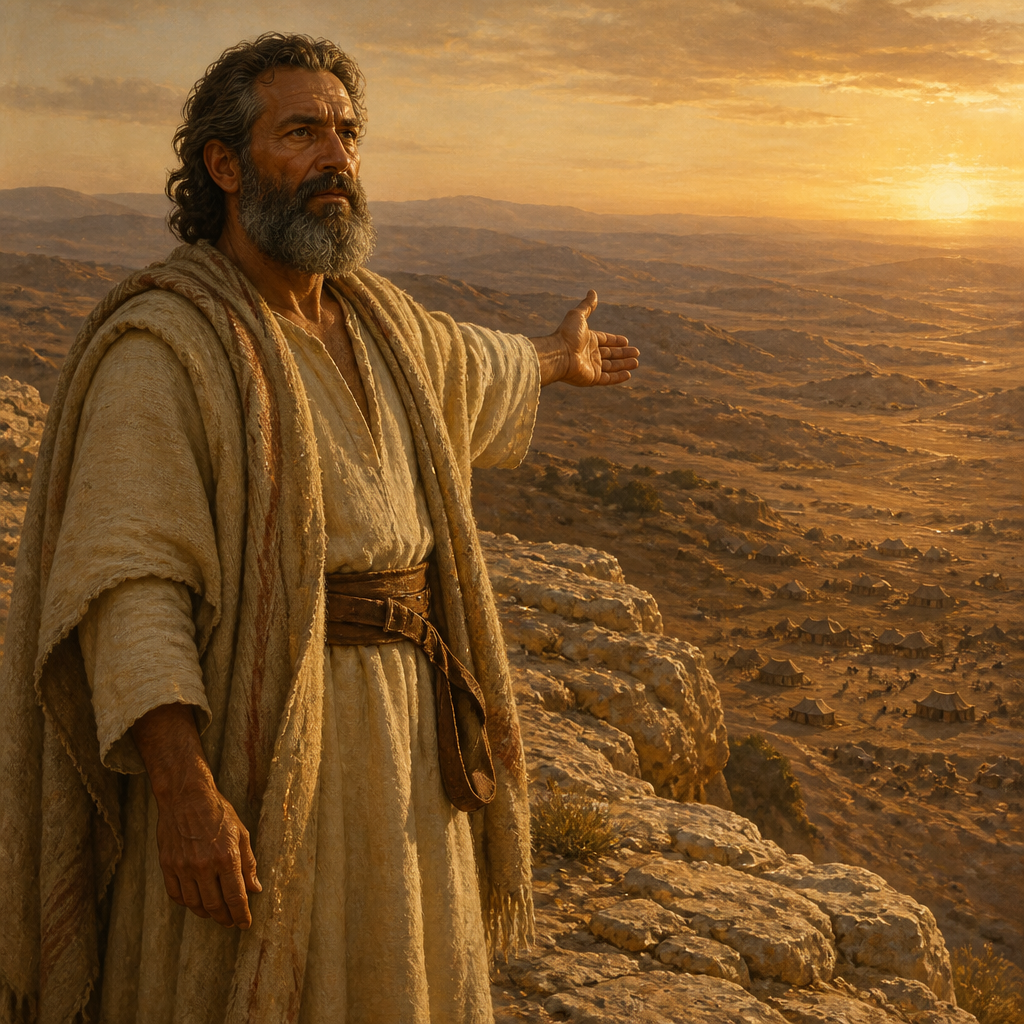
Joktan
Patriarch who fathered thirteen sons who founded the Arabian tribes
A foundational patriarch and son of Eber, Joktan is the progenitor of thirteen Arabian tribes in the post-Flood era.
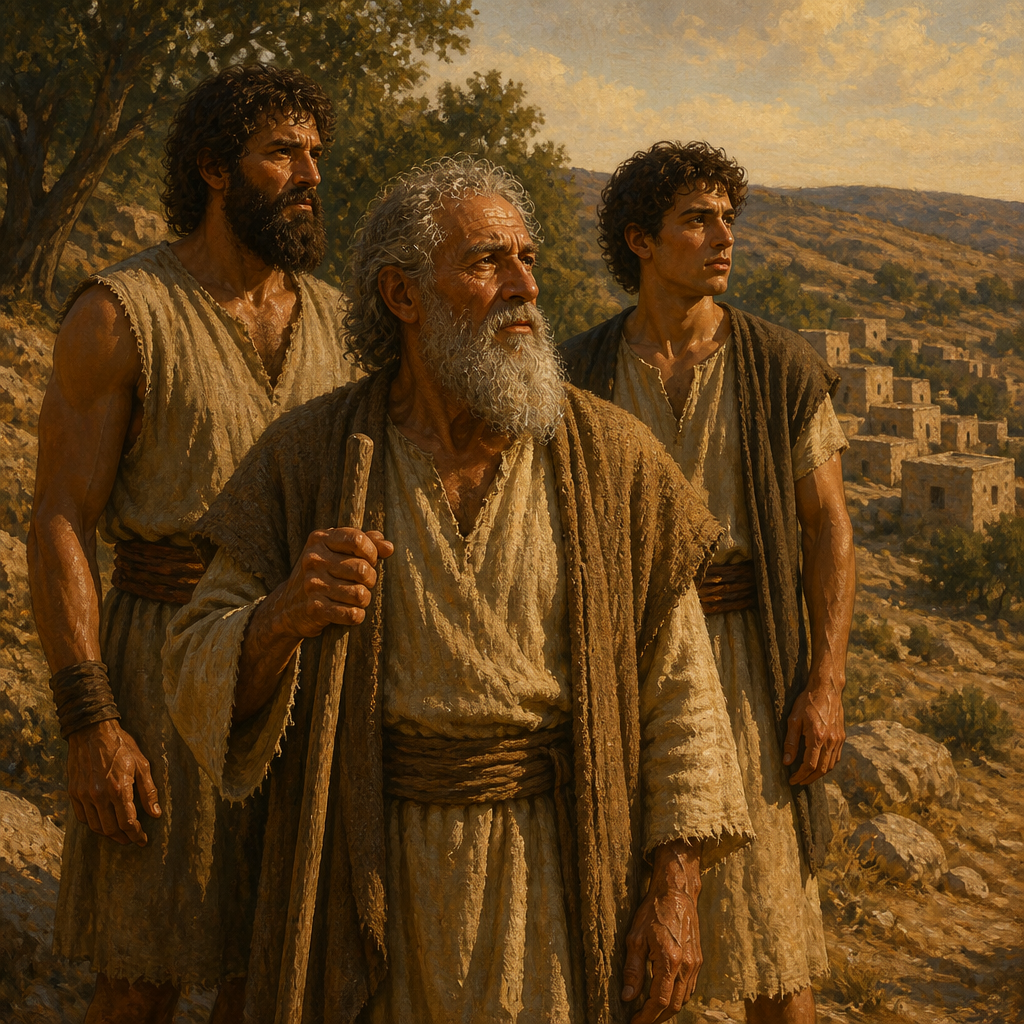
Perizzites
Nation of people who lived in the hill country of Canaan and were displaced by the Israelites
An ancient tribe inhabiting the land of Canaan from the time of Abraham to the post-exilic era, often listed among the nations to be displaced by the Israelites.
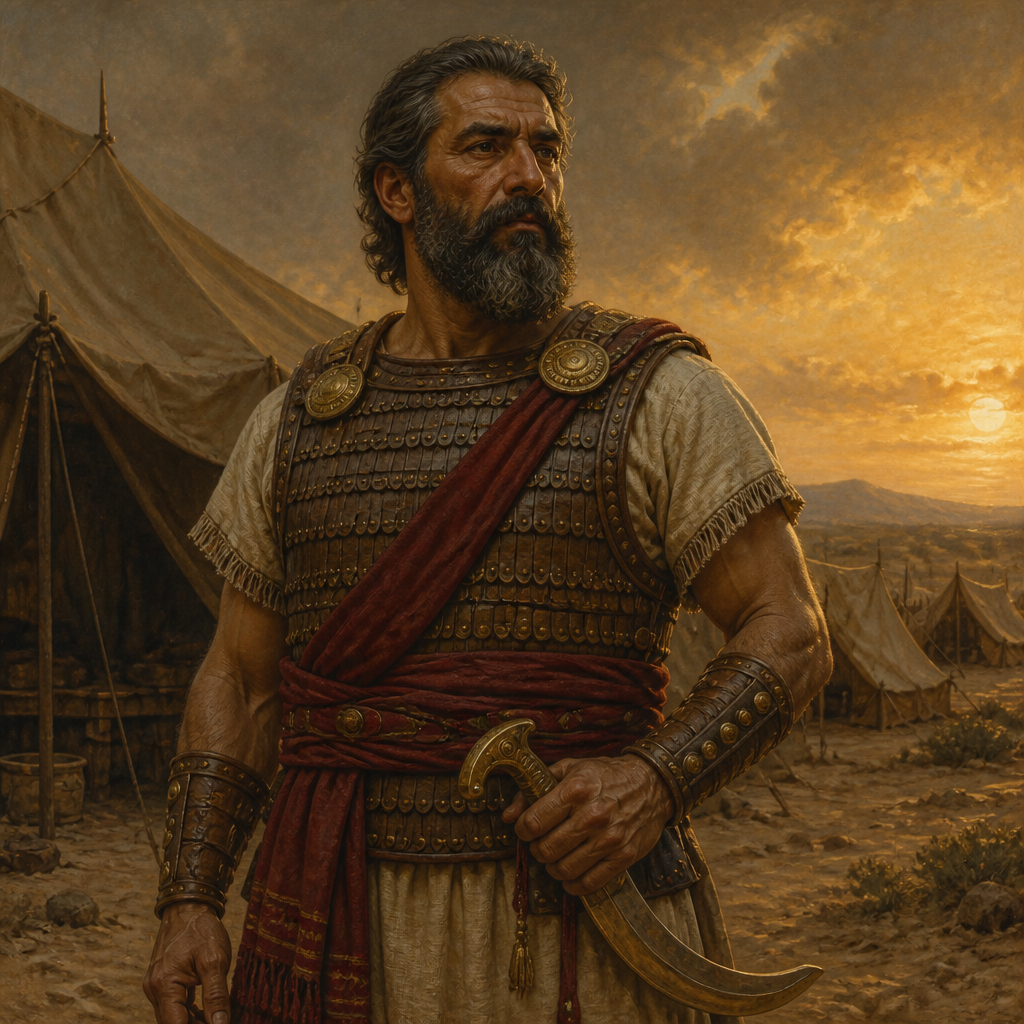
Phicol
Military commander of King Abimelech who witnessed the covenants with Abraham and Isaac
Phicol was the commander of the army under Abimelech, king of Gerar, during the Patriarchal Period, serving as a key witness to covenants with Abraham and Isaac.
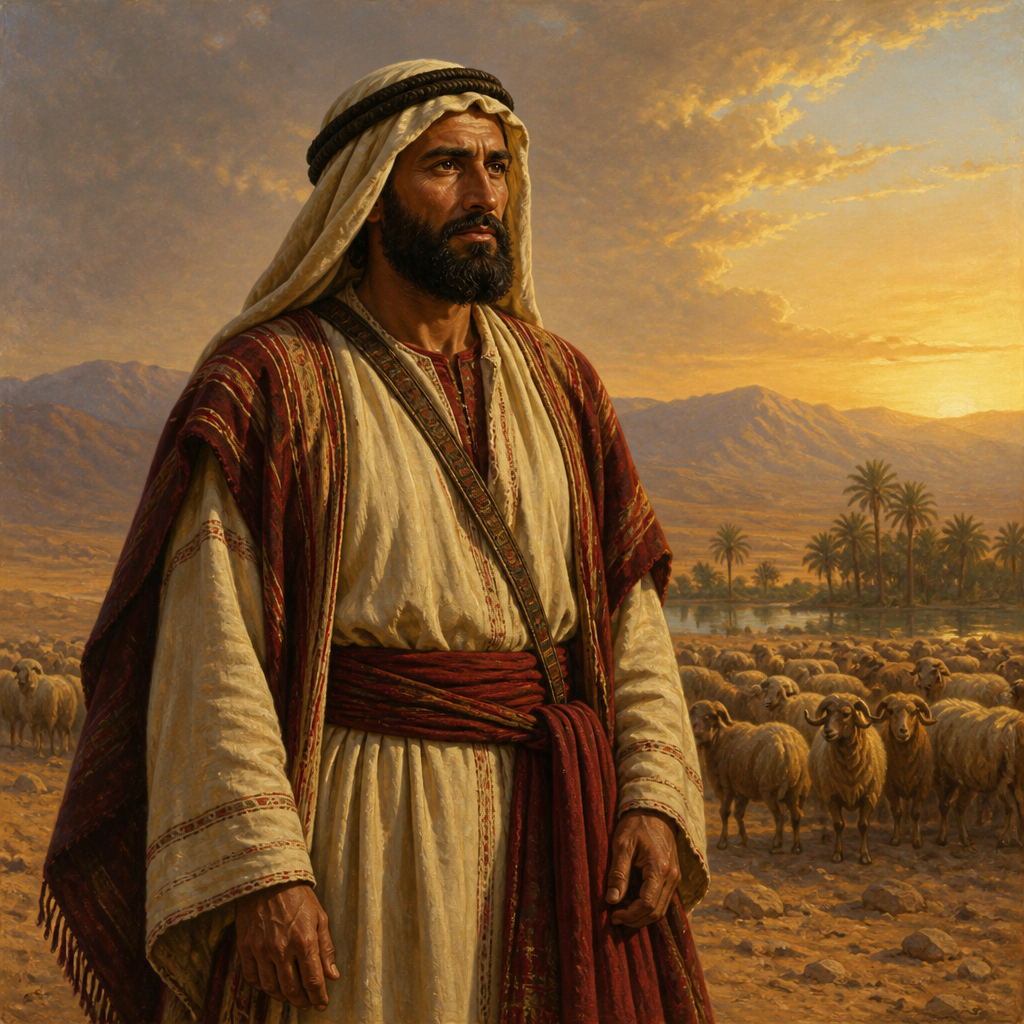
Nebaioth
Firstborn son of Ishmael and patriarch of an Arabian tribal nation
Nebaioth was the firstborn son of Ishmael, a grandson of Abraham, and a patriarch of a prominent Arabian tribe identified with pastoral wealth.
Dishan
Patriarch and chief of the Horites in the land of Seir who was the son of Seir and father of Uz and Aran
A Horite chief and patriarch in the land of Edom, the youngest son of Seir and father of Uz and Aran.
Dishon, Son of Seir
Chief of the Horites and son of Seir who governed a division of the land of Edom
A Horite clan leader and son of Seir the Horite, Dishon served as a chief in the land of Edom during the Patriarchal Period.
Ezer, Chief of the Horites
Horite chief and son of Seir whose descendants formed a major clan in the land of Edom
Ezer was a Horite chief and son of Seir, recognized as a patriarch and ancestral leader within the land of Edom.
Jalam
Son of Esau and a tribal chief of the Edomites
Jalam was a son of Esau and Oholibamah who became a prominent tribal chief and patriarch in the land of Edom.
Jeush, Son of Esau
Son of Esau who became a chief of the Edomites
A son of Esau and Oholibamah who became a prominent clan leader and chief among the Edomites in the land of Seir.

Kenaz, Son of Eliphaz
Edomite chief and son of Eliphaz who established a prominent clan in the lineage of Esau
An Edomite chief and grandson of Esau, Kenaz was a prominent tribal leader within the line of Eliphaz during the Patriarchal Period.
Korah, Son of Esau
Edomite chief and son of Esau who helped establish the tribes of Edom
An Edomite chief and the son of Esau and Oholibamah, recognized as a tribal leader in the land of Canaan during the Patriarchal Period.
Lotan
Firstborn son of Seir the Horite and a chief of the indigenous people of Edom
Lotan was the firstborn son of Seir the Horite and a prominent tribal chief in the land of Edom during the Patriarchal Period.
Shobal, Son of Seir
Horite patriarch and chief of the land of Seir
A Horite patriarch and chief who descended from Seir and governed portions of the land of Edom before the rise of the Edomite kings.
Timna
Mother of Amalek and sister of Lotan who was a chief of Edom
An Edomite woman of noble Horite descent who became the mother of Amalek and is listed among the chiefs of Edom.
Asenath
Wife of Joseph and mother of Manasseh and Ephraim
An Egyptian noblewoman and the wife of the patriarch Joseph, who bore him the two tribal ancestors, Manasseh and Ephraim.
Potiphera
Egyptian priest of On and the father of Joseph's wife Asenath
An Egyptian priest of the city of On and the father of Asenath, who became the wife of the patriarch Joseph.

Eve
The first woman who ate the forbidden fruit
Eve is the first woman mentioned in the Bible, considered the mother of all living and the wife of Adam in the Genesis creation narrative.
Enoch
Namesake of the first city in the Bible
The firstborn son of Cain and the namesake of the first city recorded in the Bible, signifying the beginning of autonomous human civilization.
Aram, Son of Shem
Son of Shem and progenitor of the Aramean people
Aram was a son of Shem and grandson of Noah, recognized as a primary ancestor of various Semitic peoples in the ancient Near East.
Egypt
Son of Ham and progenitor of the Mizraimite tribes and nations
A son of Ham and grandson of Noah, Egypt (Mizraim) was a foundational patriarch whose descendants established several ancient Mediterranean and North African ethnic groups.
Girgashites
Patriarch of one of the seven nations of Canaan and son of Canaan
The eponymous patriarch of one of the seven Canaanite nations and the son of Canaan, son of Ham.
Gomer, Son of Japheth
Eldest son of Japheth and progenitor of northern nations in the Table of Nations
Gomer was the eldest son of Japheth and a grandson of Noah, recognized as the progenitor of several northern nations in the Table of Nations.
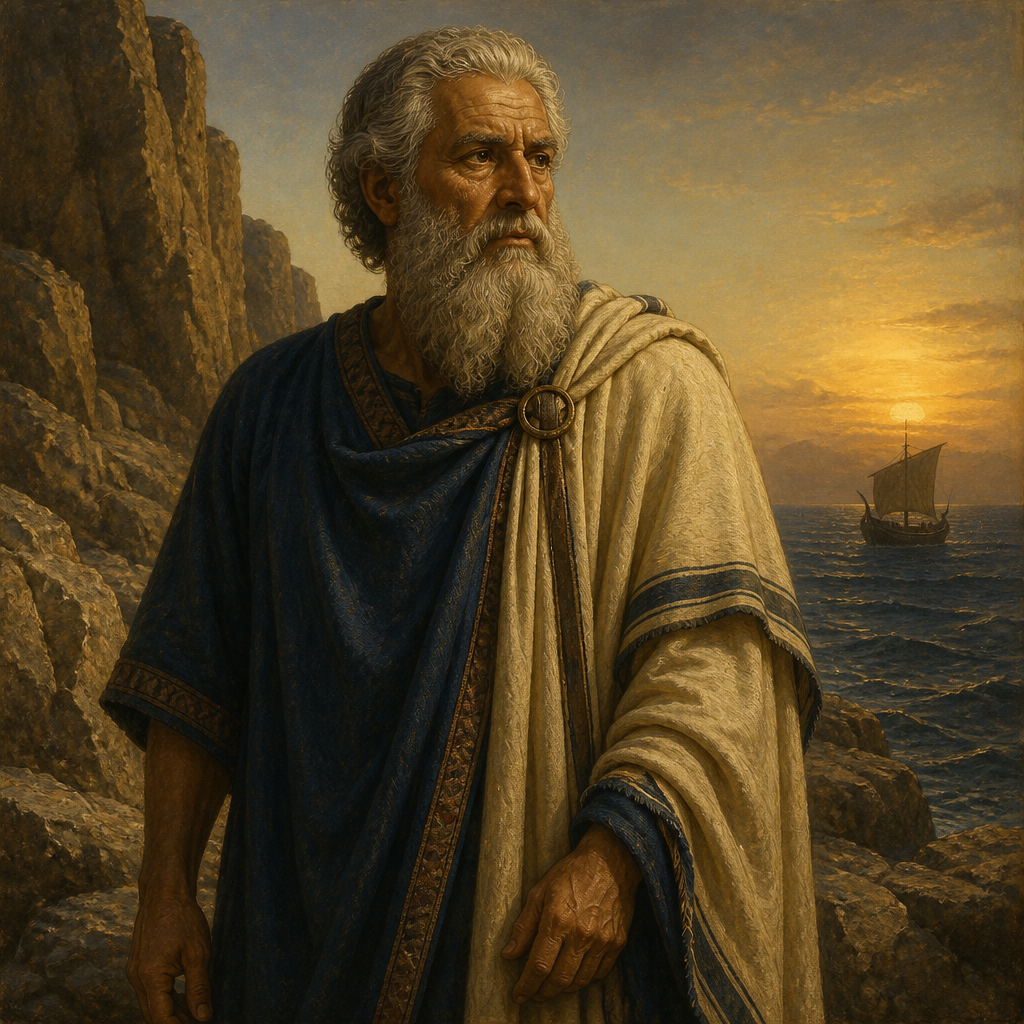
Javan
Patriarchal ancestor of the Greeks and Mediterranean seafaring nations
Javan was a son of Japheth and a grandson of Noah, recognized in the Table of Nations as the foundational patriarch of the Greek people and various maritime nations.
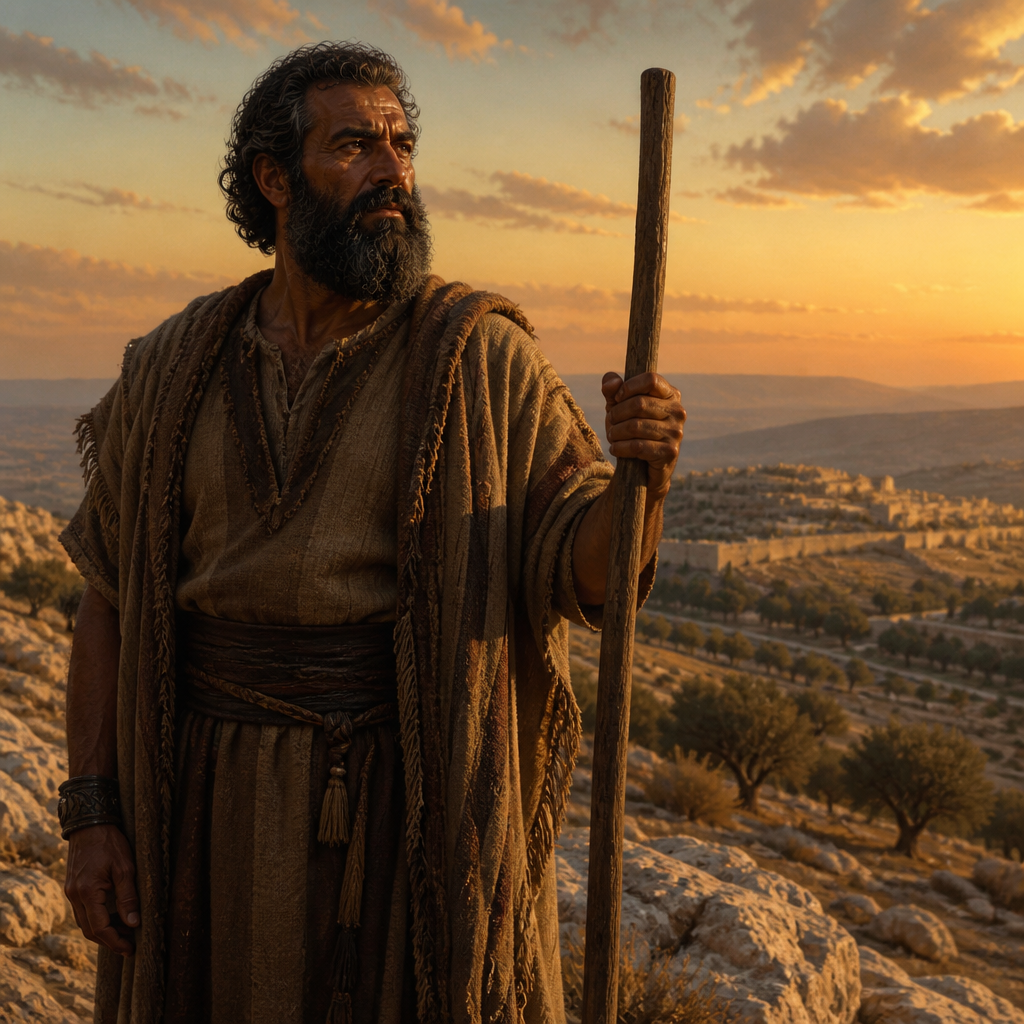
Jebusites
Patriarchal son of Canaan whose descendants founded the city of Jerusalem
A son of Canaan and the patriarchal founder of the Jebusite nation, whose descendants inhabited the hill country and the city of Jerusalem until the reign of King David.
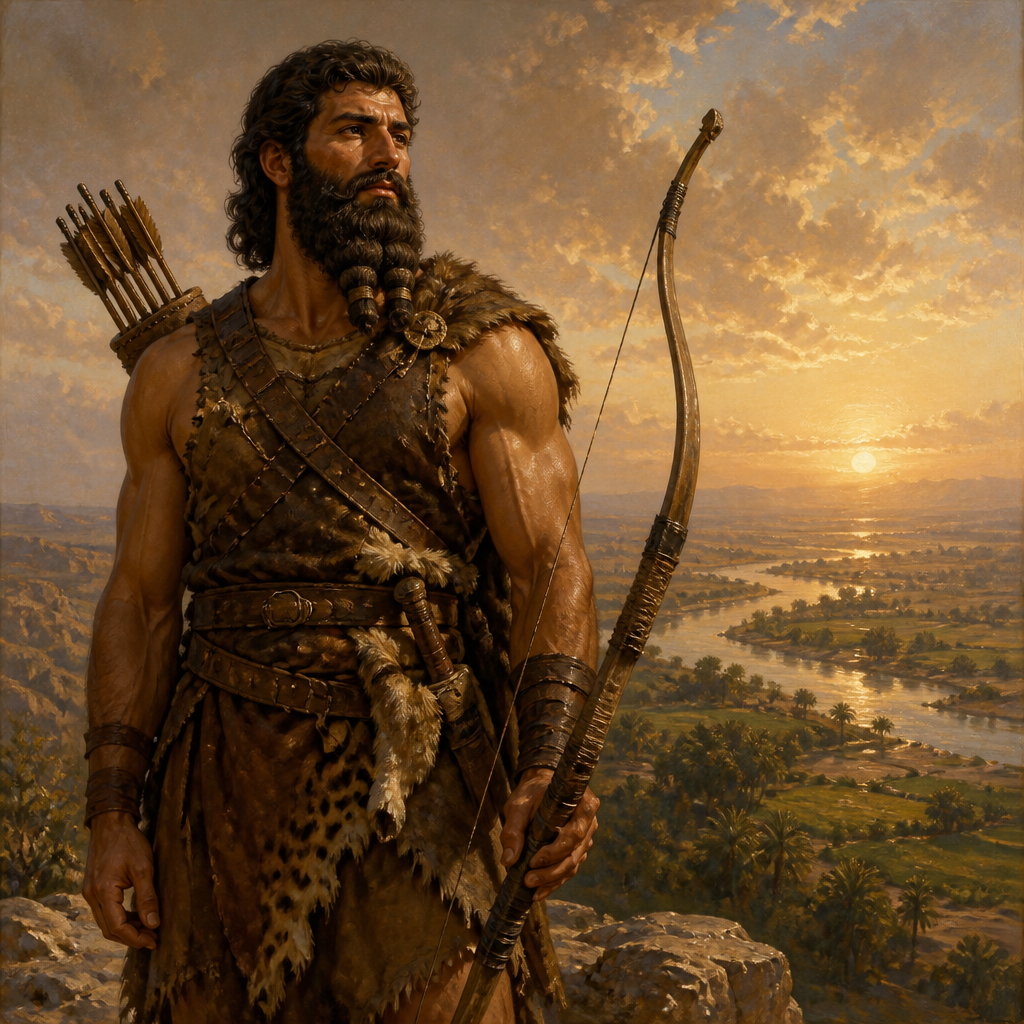
Nimrod
Patriarch described as a mighty hunter before the LORD
A descendant of Noah and son of Cush known as the first 'mighty one' on the earth and a legendary hunter before the LORD.
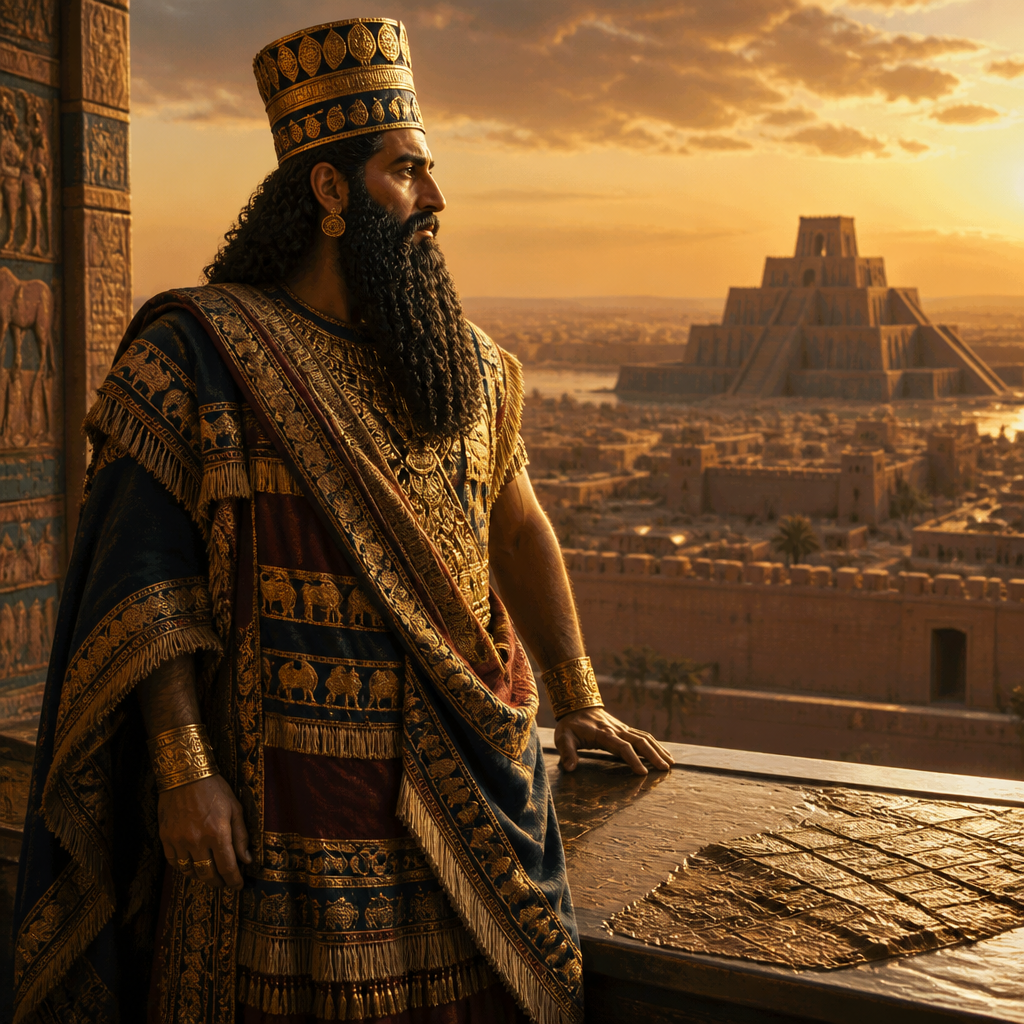
Amraphel
Leader of a Mesopotamian coalition in the Battle of the Siddim Valley
Amraphel was the King of Shinar who spearheaded a coalition of four eastern kings in a military campaign against five cities in the Dead Sea region during the age of Abraham.
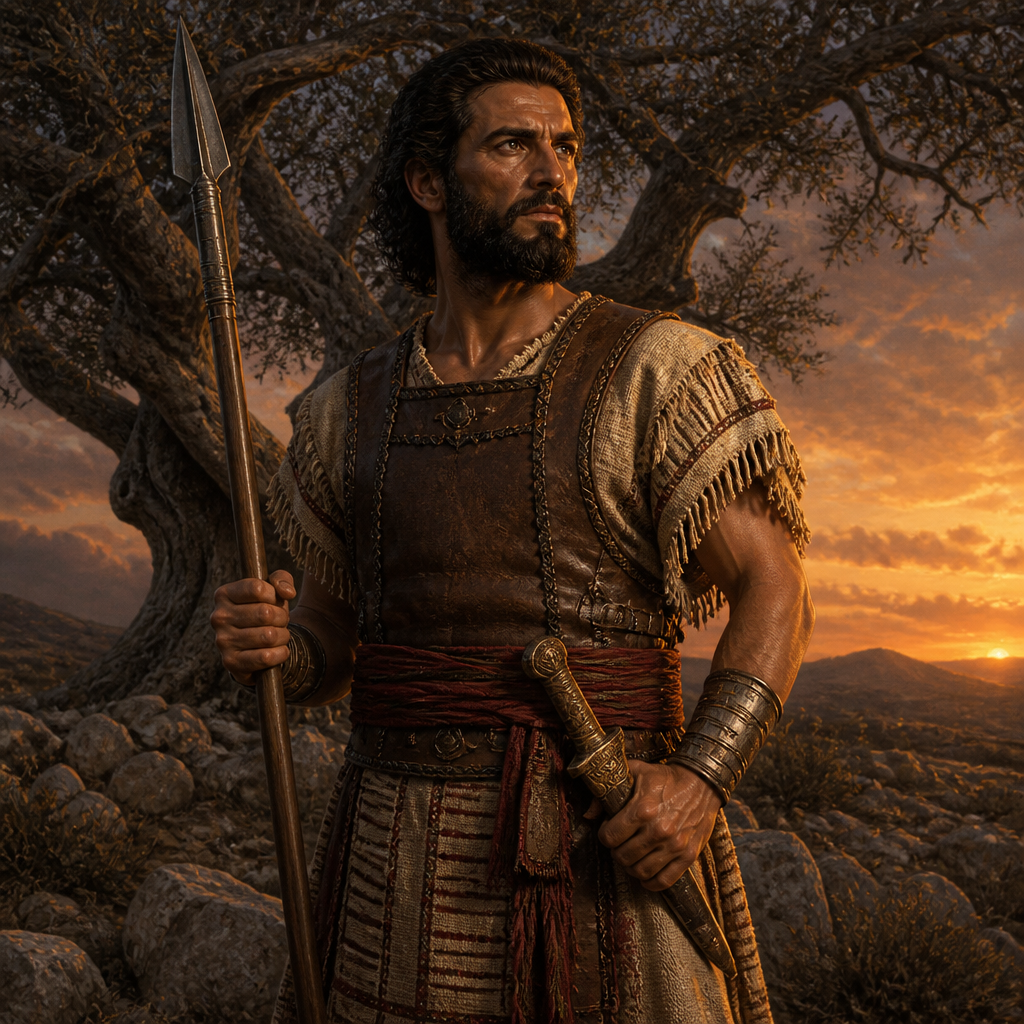
Aner
Amorite chieftain who allied with Abraham to rescue Lot
An Amorite ally of the patriarch Abram who participated in the rescue of Lot following the Battle of Siddim.
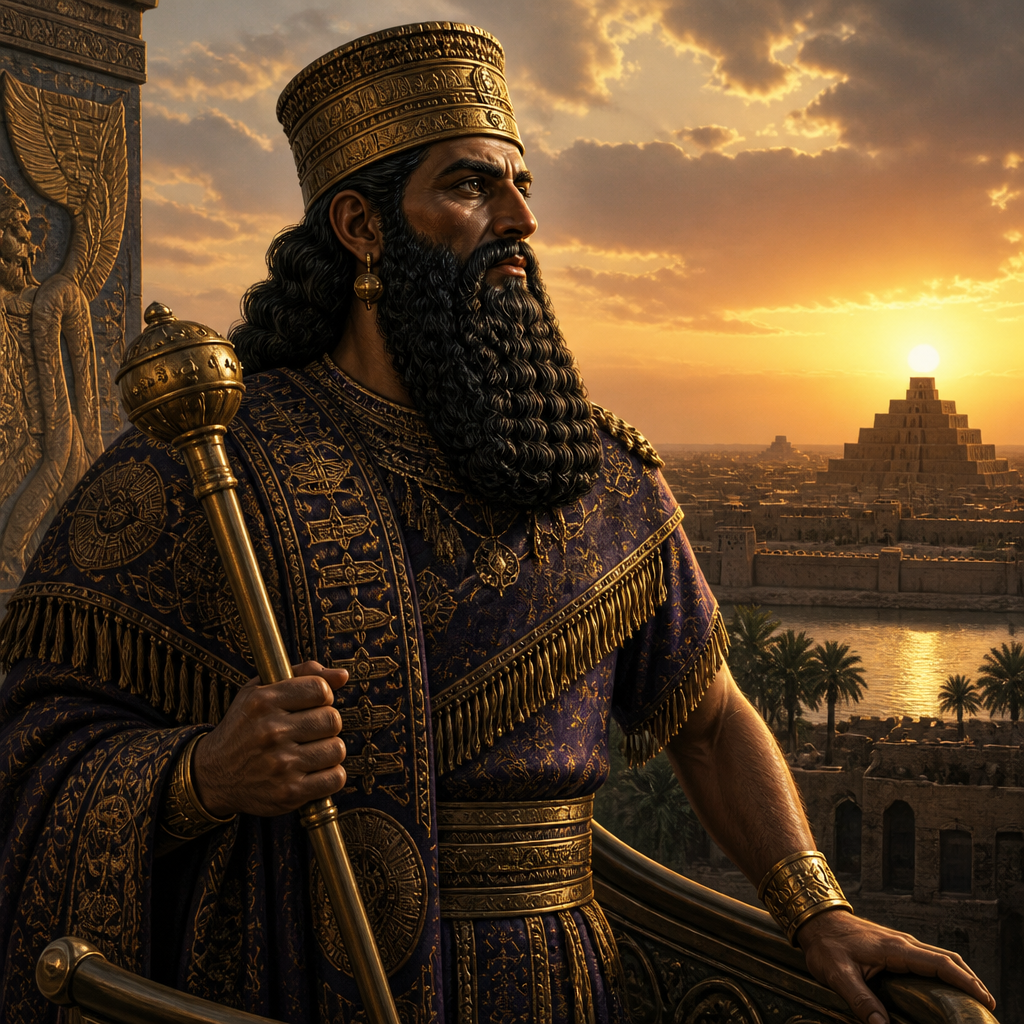
Arioch, King of Ellasar
King of Ellasar who joined the coalition against the kings of Sodom and Gomorrah
Arioch was the king of Ellasar and a prominent member of the four-king eastern coalition that invaded the Levant during the days of Abraham.