
Era 12 of 13
To the Ends of the Earth · Acts 13 – 28; the Letters
The biblical timeline
- Creation to BabelUndated (before Abraham)
- Patriarchal Periodc. 2100–1800 BC
- Egypt and Wildernessc. 1800–1400 BC
- Conquest and Judgesc. 1400–1050 BC
- United Monarchyc. 1050–930 BC
- Divided Monarchyc. 930–586 BC
- Exile and Returnc. 605–430 BC
- Intertestamental Periodc. 430–5 BC
- The Gospelsc. 6 BC – AD 30
- In Jerusalemc. AD 30–35
- In All Judea and Samariac. AD 35–44
- To the Ends of the Earthc. AD 46–95
- Revelationc. AD 95
The story of the ends of the earth
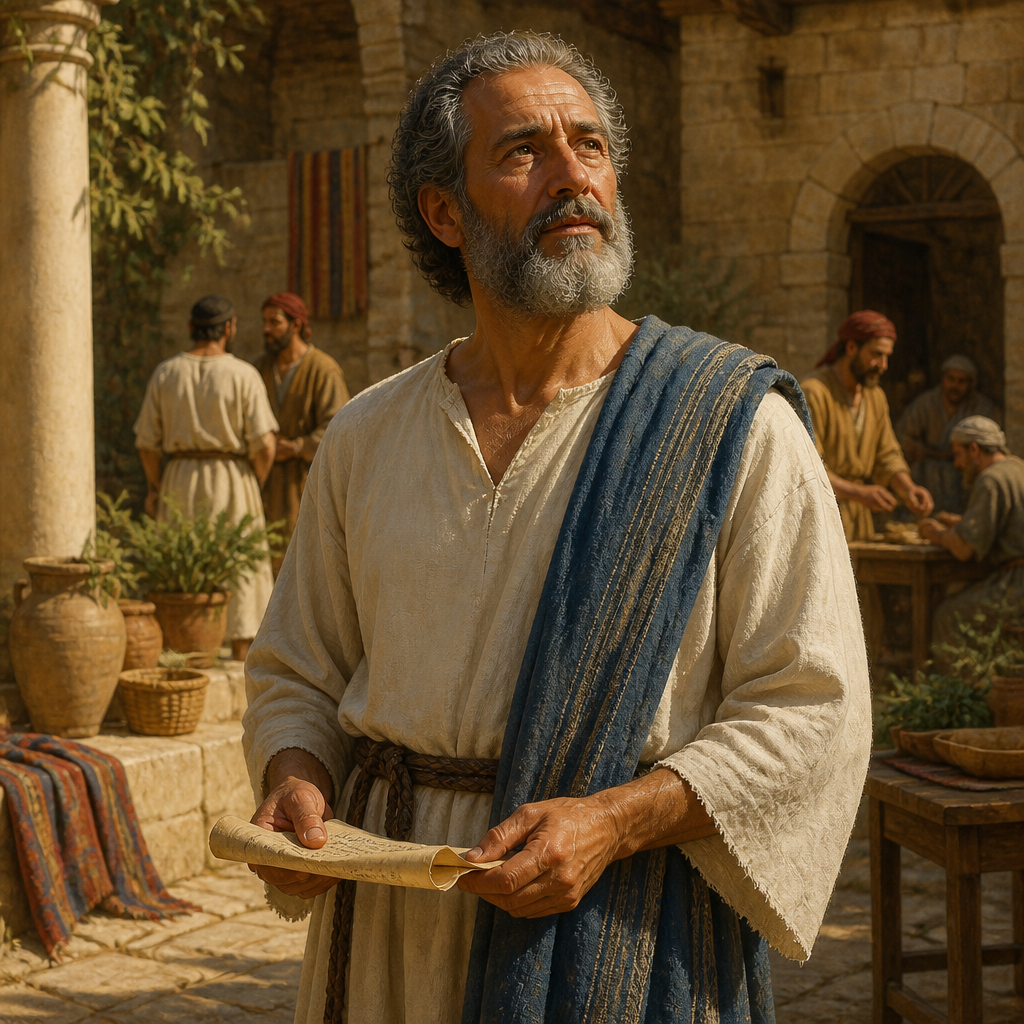
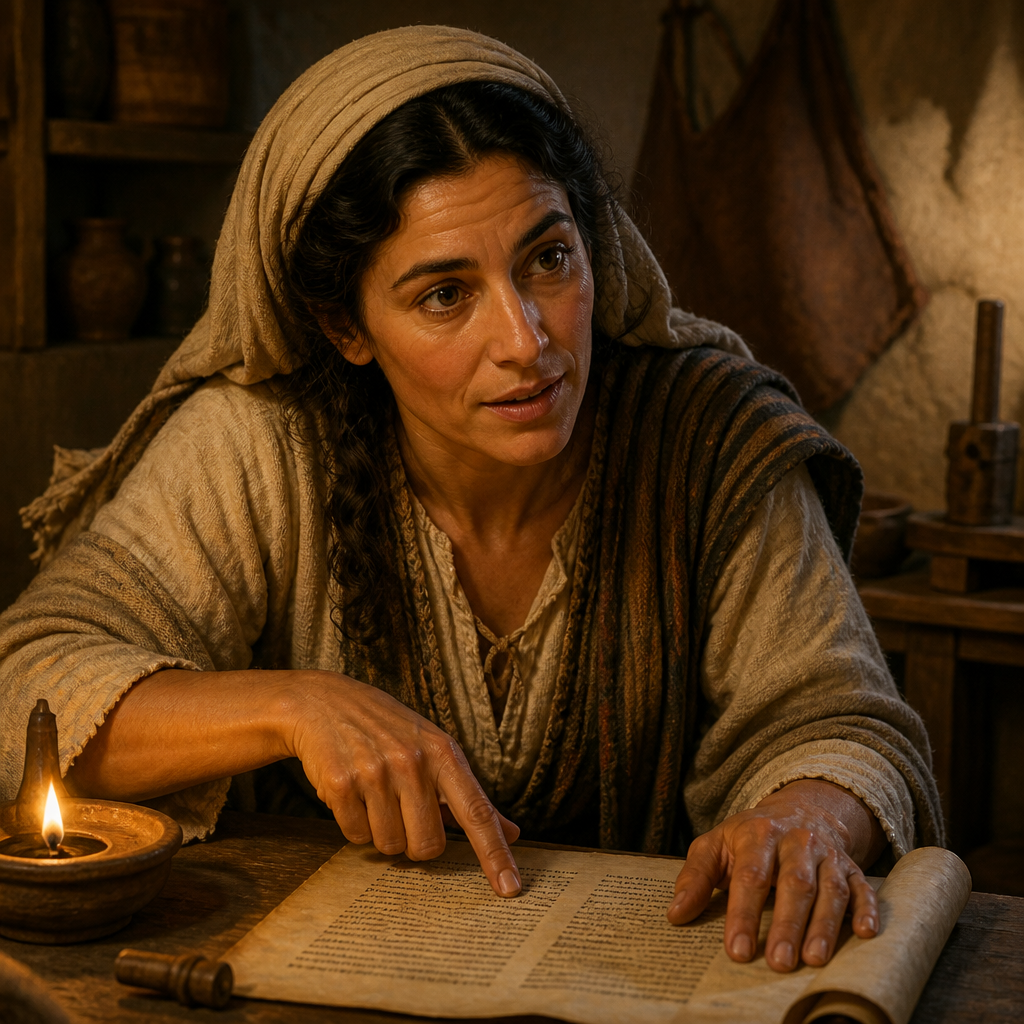
"Set apart for me Barnabas and Saul for the work to which I have called them" (Acts 13:2). With those words in Antioch the third stage begins, and the gospel leaves the land of Israel for good. On Cyprus the proconsul Sergius Paulus believes despite the opposition of Elymas the magician (Acts 13:6-12). In Lystra Paul heals a man lame from birth and has to stop the crowd from sacrificing to him and Barnabas as Zeus and Hermes (Acts 14:8-18). In Philippi Lydia, a seller of purple goods from Thyatira, opens her house, a slave girl is freed from a spirit of divination, and a jailer washes the apostles' wounds and is baptized with all his household (Acts 16:14-34).
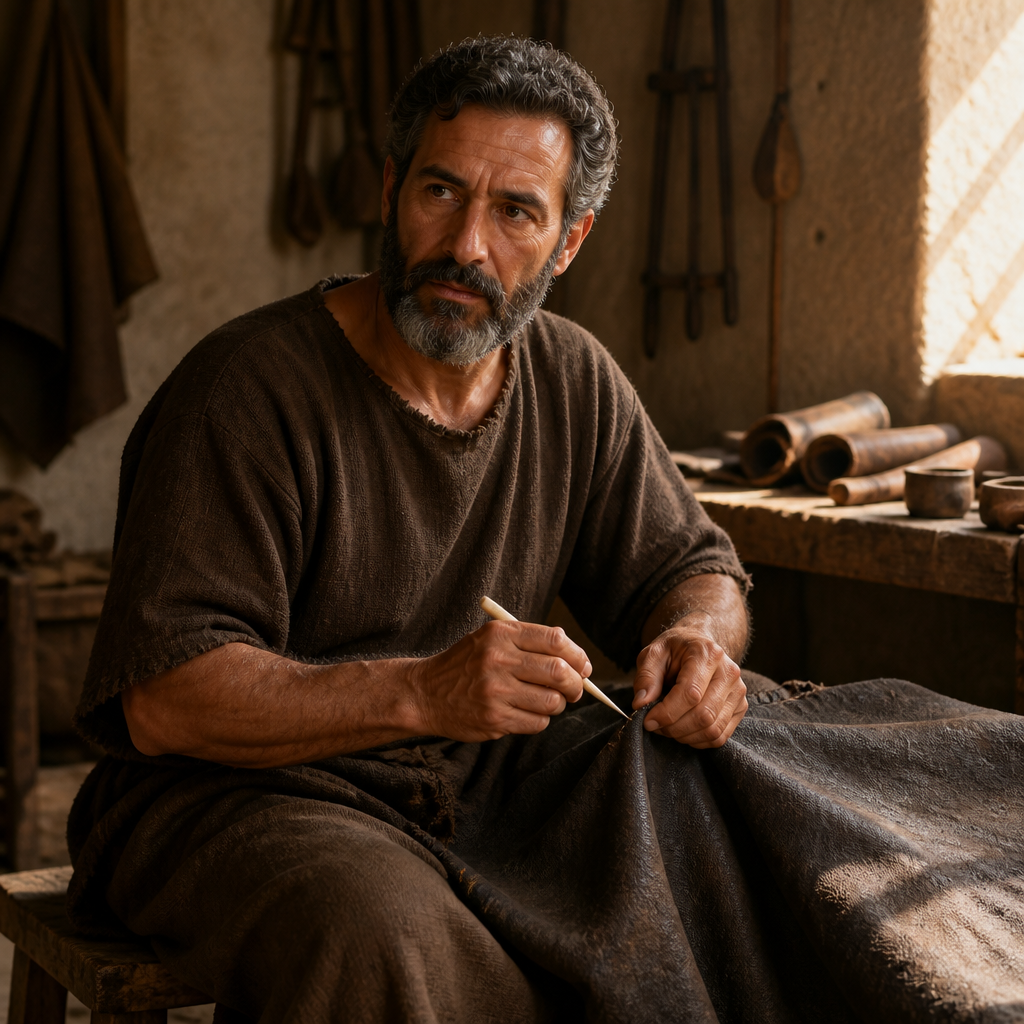
The question of who belongs is settled in Jerusalem, where Peter, Barnabas, Paul and James the Lord's brother agree that God has made no distinction, "having cleansed their hearts by faith" (Acts 15:7-19). From there the mission widens through named companions: Silas, Timothy of Lystra, Titus, Luke the beloved physician, Priscilla and Aquila who explain the way of God more accurately to Apollos (Acts 18:24-26), Erastus, Tychicus, Epaphras, Onesimus, and Phoebe, "a servant of the church at Cenchreae" (Romans 16:1).
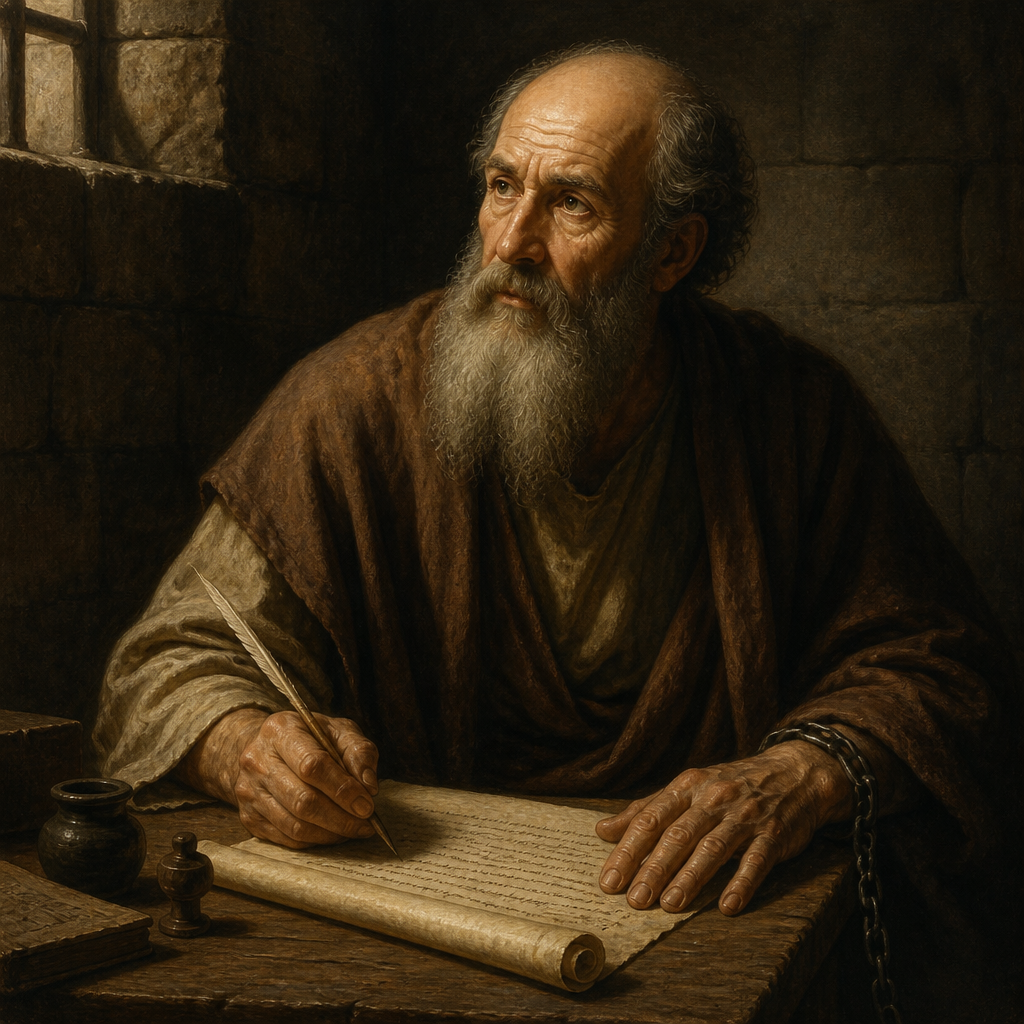
Paul is seized in the temple, rescued by the tribune Claudius Lysias, and tried before Felix, Festus and Herod Agrippa II, who says, "In a short time would you persuade me to be a Christian?" (Acts 26:28). Having appealed to Caesar, he sails for Rome, is shipwrecked at Malta under the guard of the centurion Julius, and arrives to live two whole years at his own expense, "proclaiming the kingdom of God and teaching about the Lord Jesus Christ with all boldness and without hindrance" (Acts 28:30-31).
The letters belong to this era too, and they are full of ordinary people: Philemon and his runaway slave, Timothy told to let no one despise him for his youth (1 Timothy 4:12), Demas who deserted Paul "in love with this present world" (2 Timothy 4:10), Diotrephes who liked to put himself first (3 John 9), and the readers of Jude, urged to "contend for the faith that was once for all delivered to the saints" (Jude 3). The commission of Acts 1:8 has reached Rome and the churches it planted are being taught by post. What follows it — the vision given to John on Patmos — is its own era.
Start here
Key figures of this era
Everyone in this era
Grouped by the book where each person first appears.
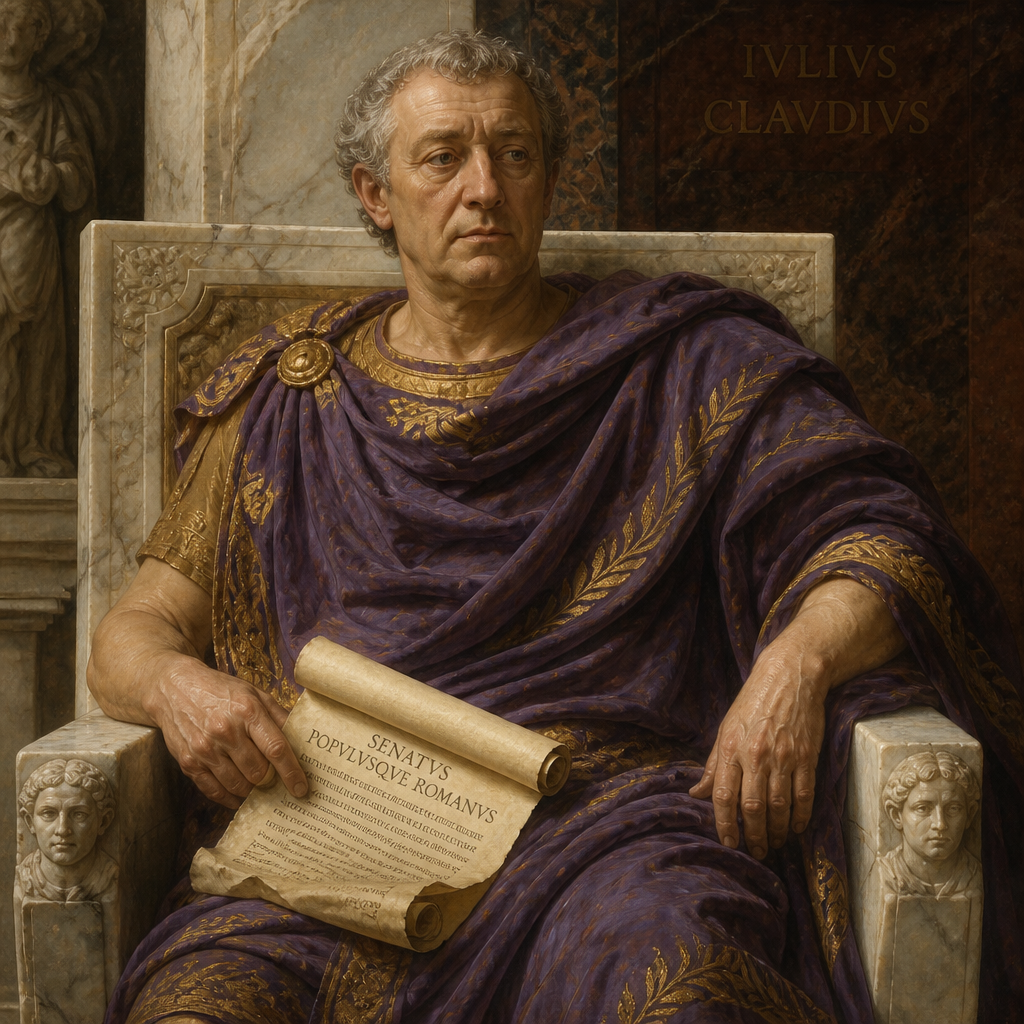
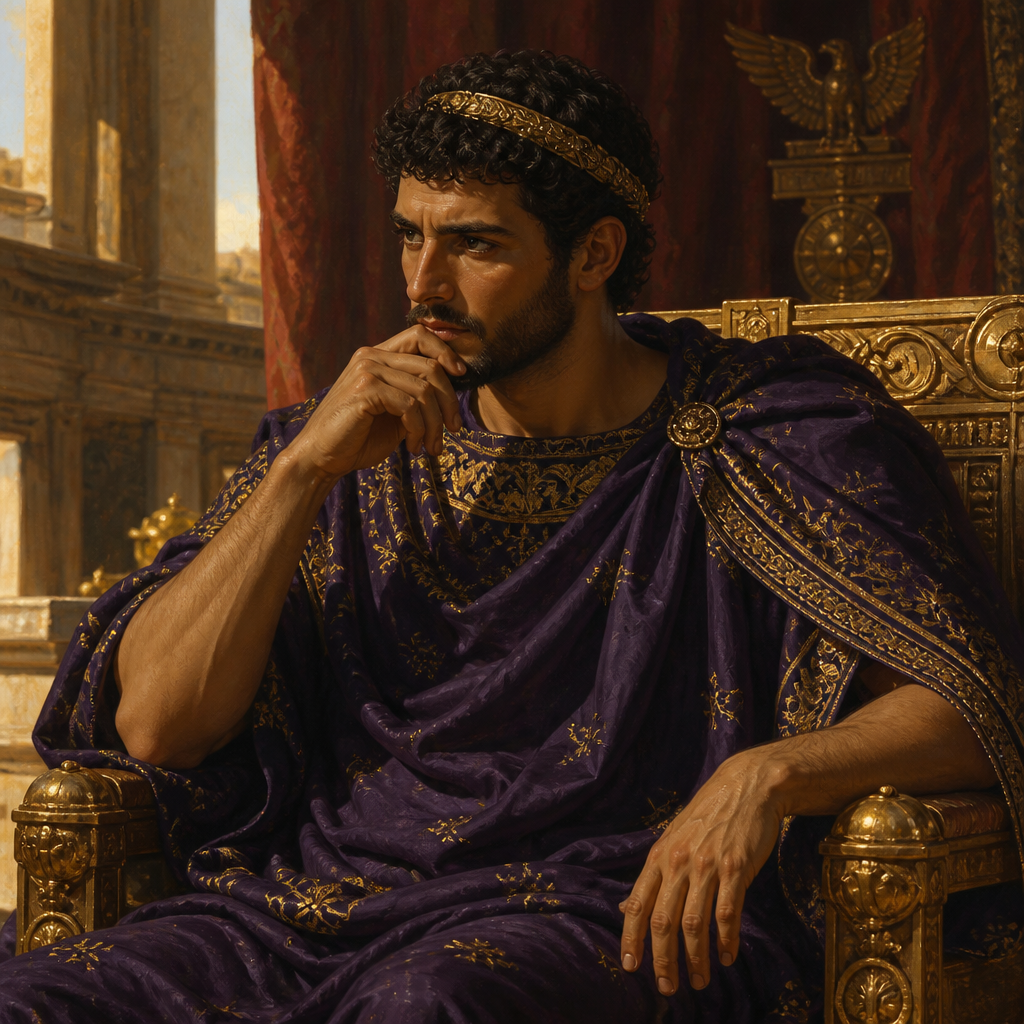
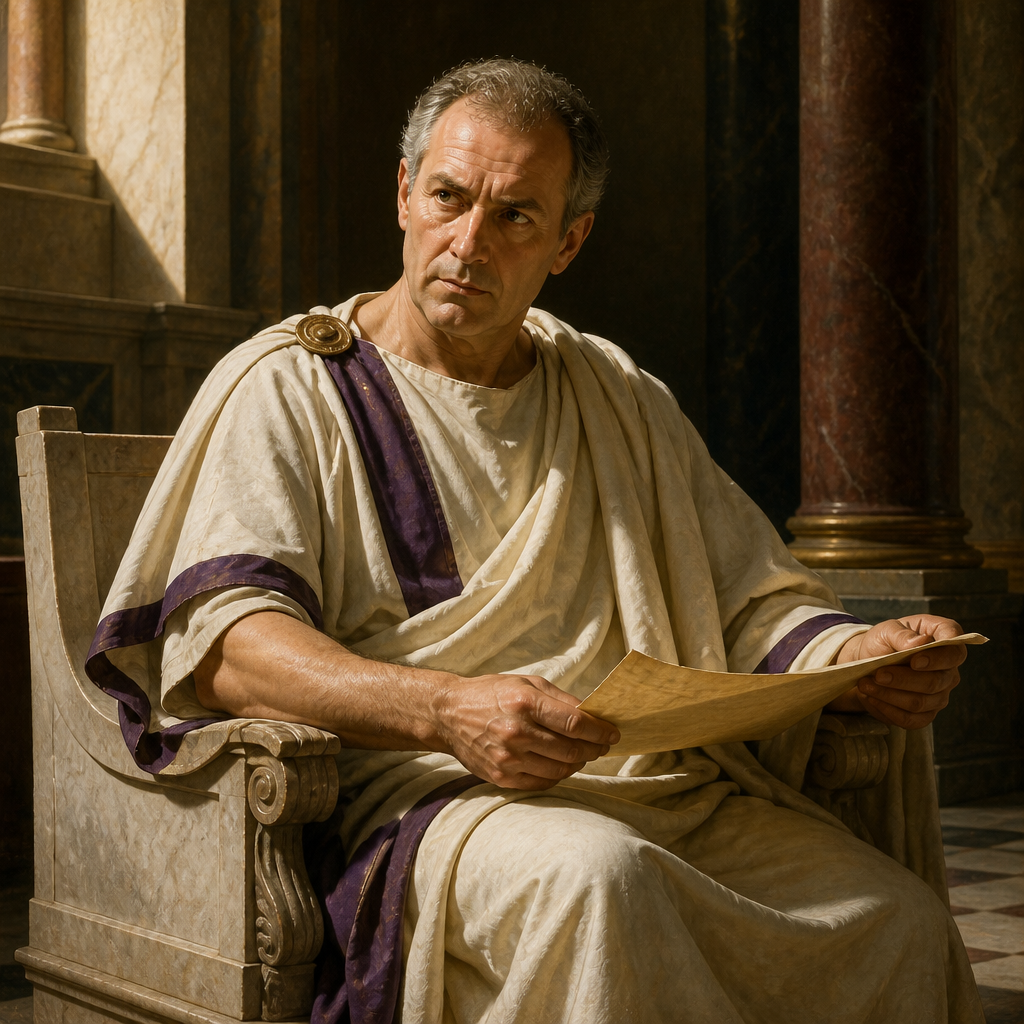
Claudius
Roman emperor who expelled the Jews from Rome and reigned during the early church’s growth
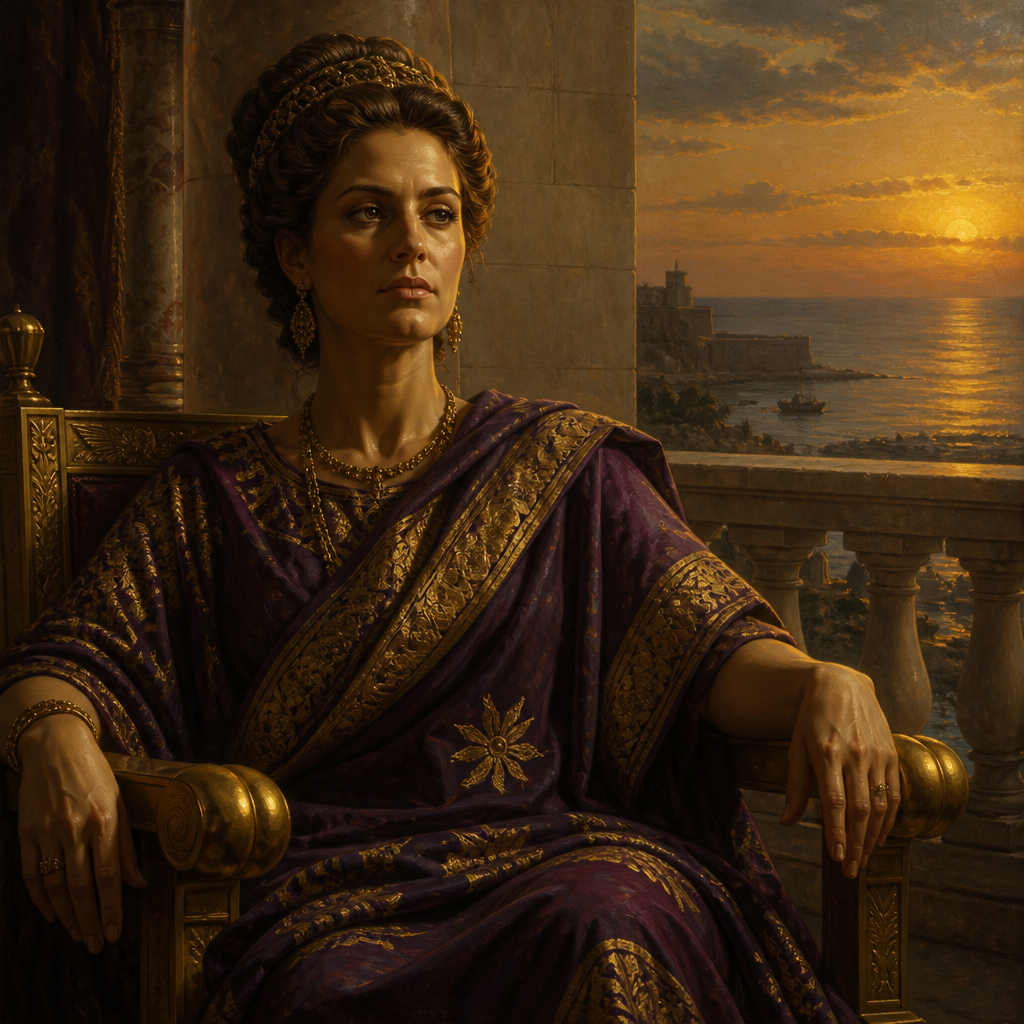
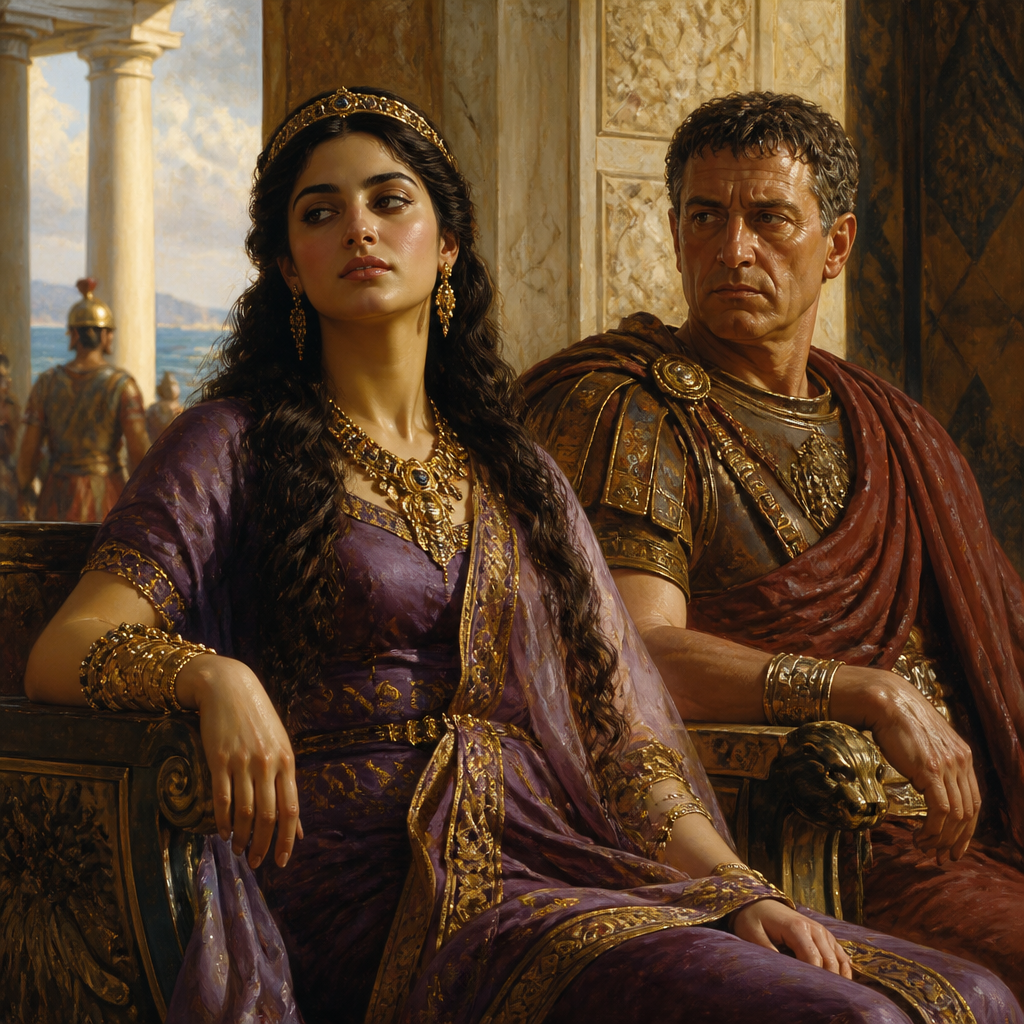
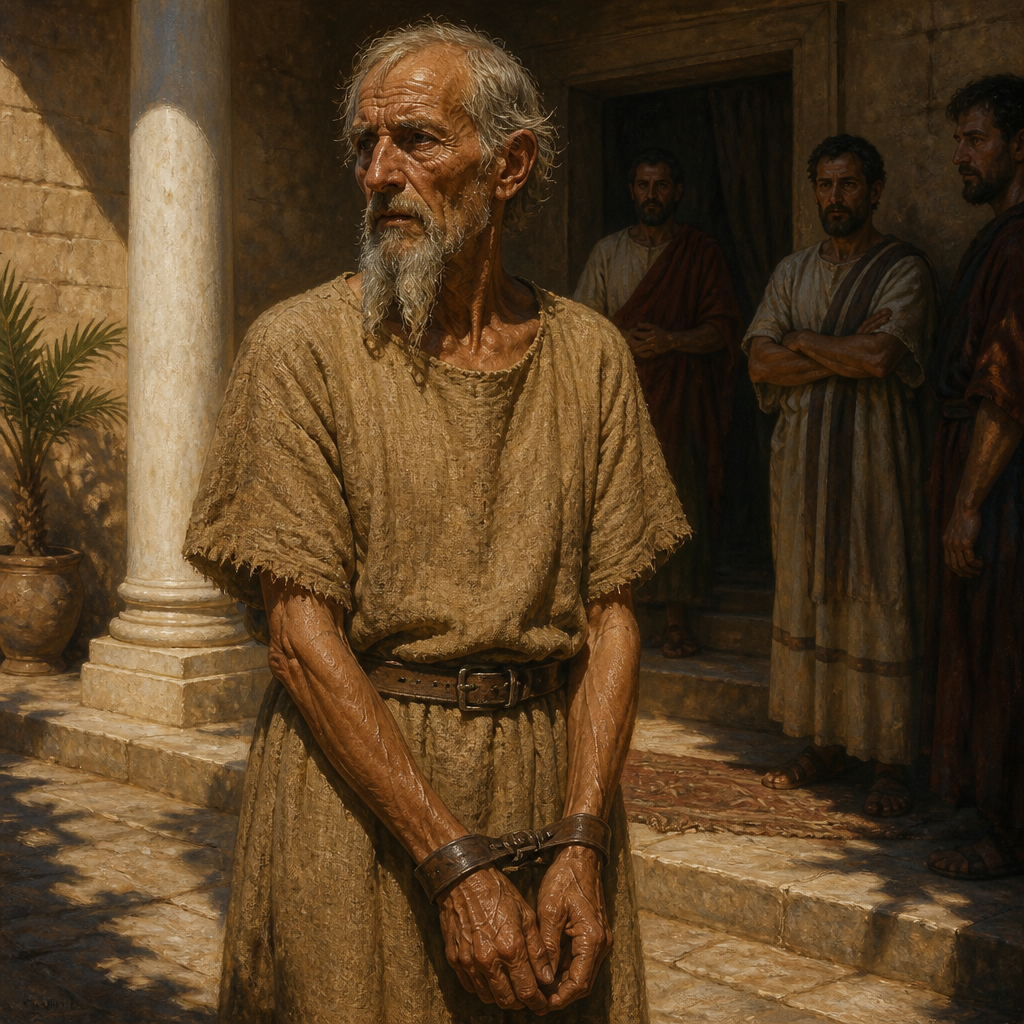
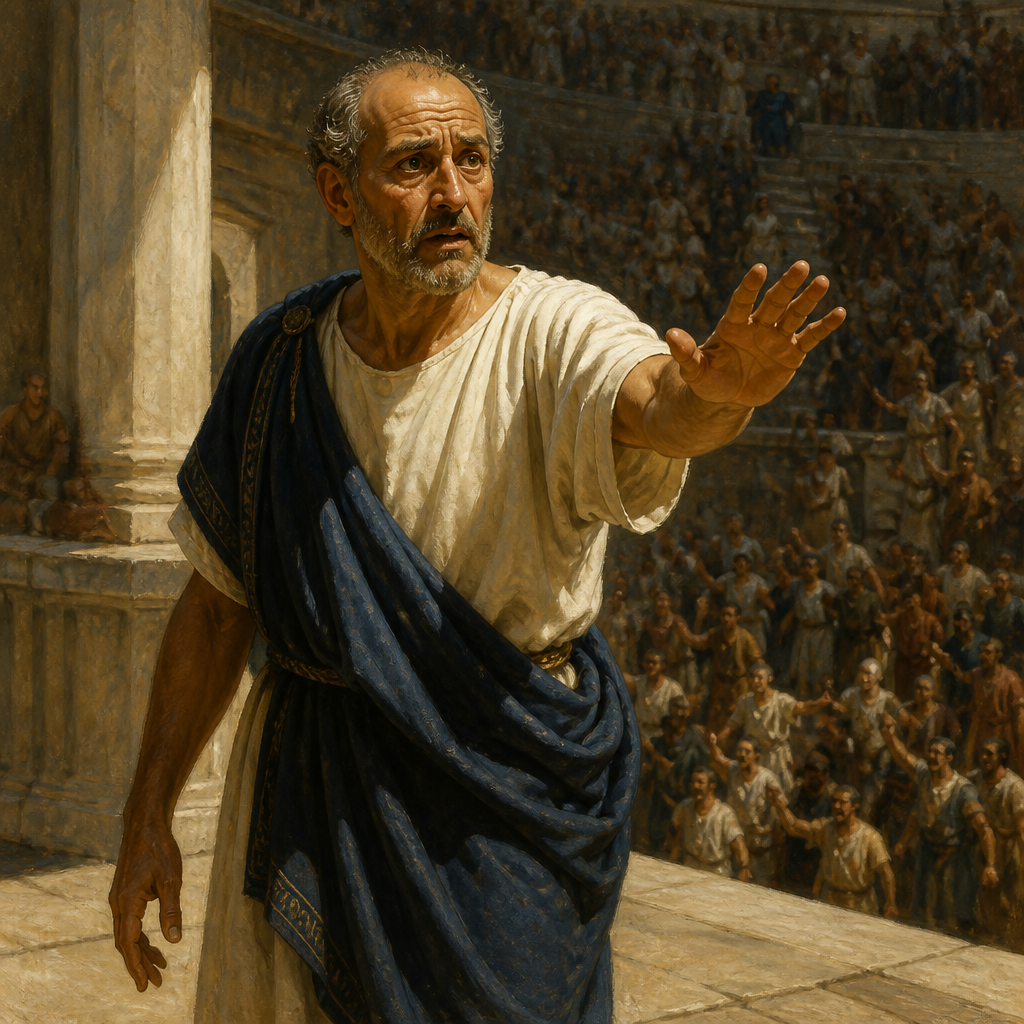
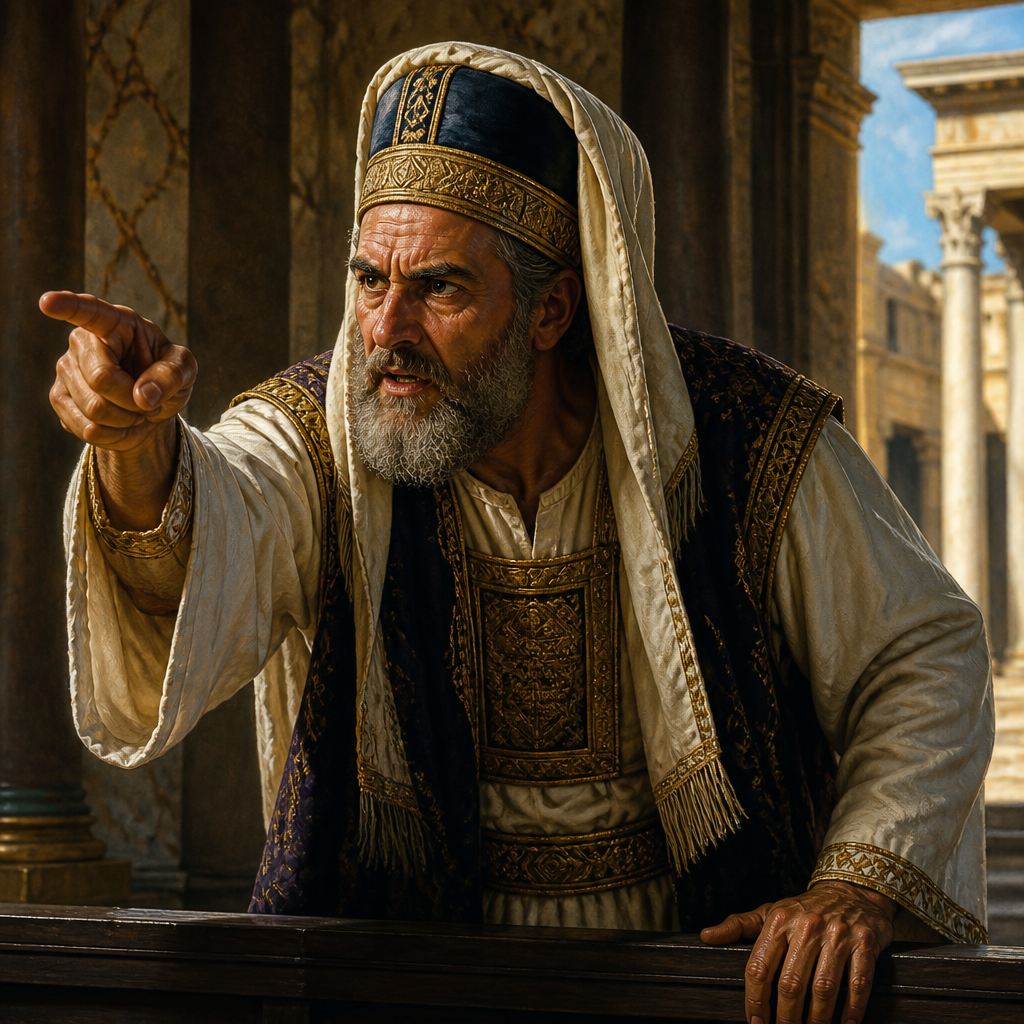
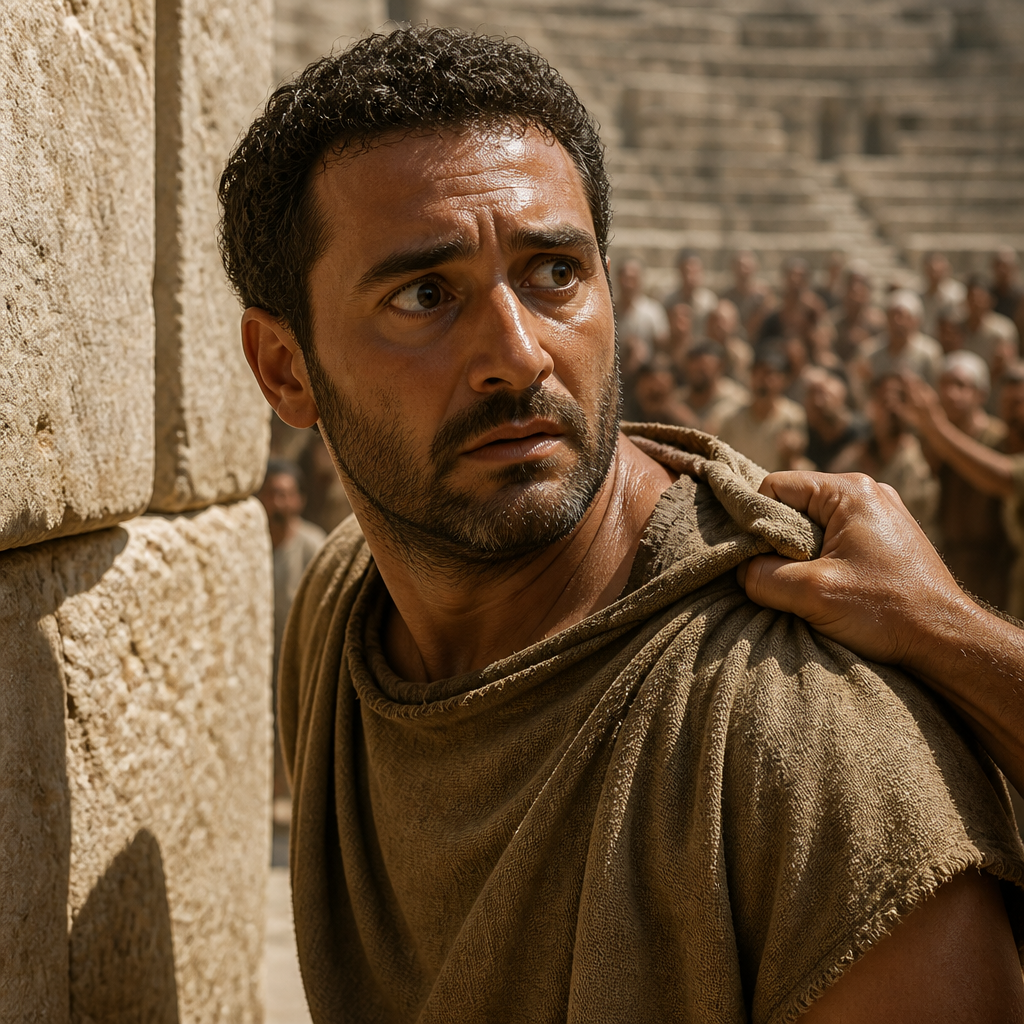
Alexander of the Ephesus Riot
Jewish spokesman who was shouted down by a riotous mob in the Ephesian theater
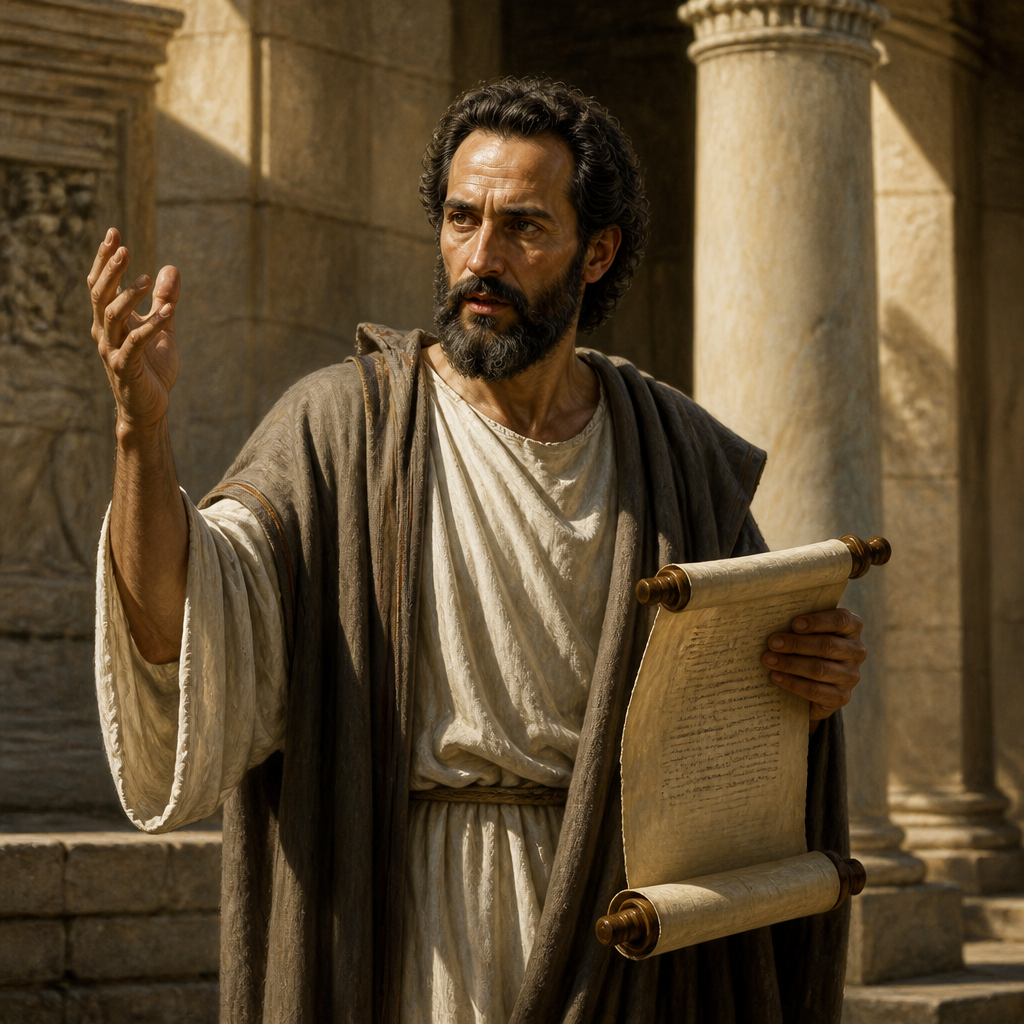
Aristarchus
Companion of Paul who was seized during the Ephesian riot and later became Paul's fellow prisoner in Rome
The Asiarchs
Elite provincial officials who befriended and protected the Apostle Paul during the riot at Ephesus
The Assassins
Militant Jewish group that utilized hidden daggers for political assassinations in first-century Judea
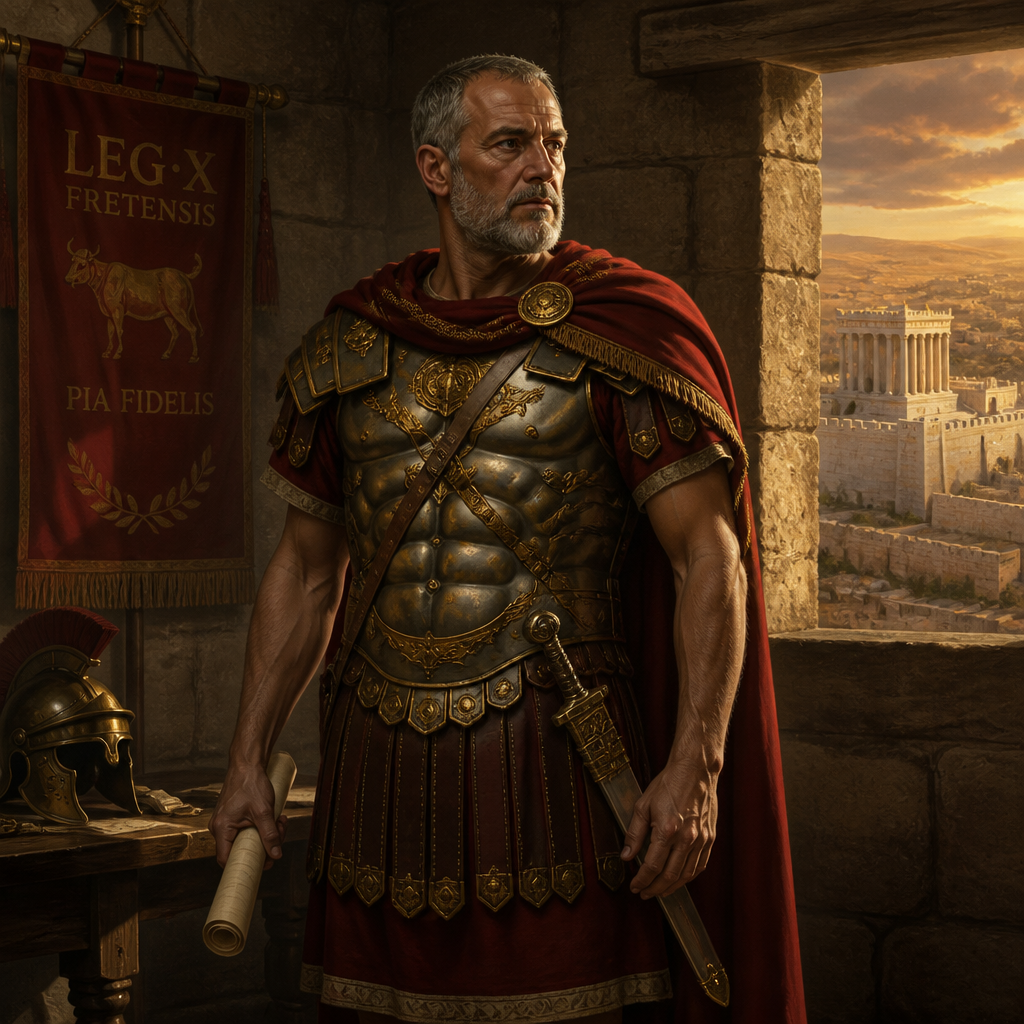
Claudius Lysias
Roman commander who rescued the Apostle Paul from a Jerusalem mob and sent him to Caesarea
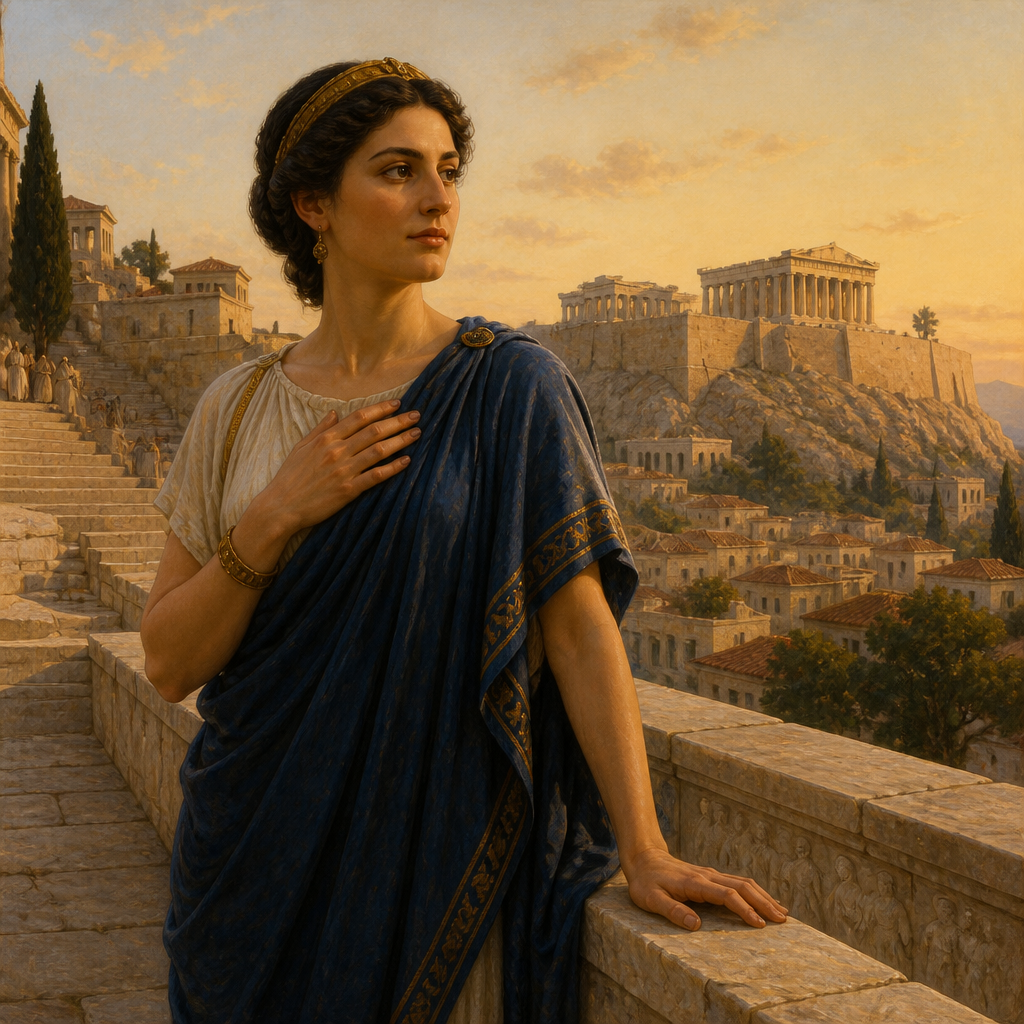
Damaris
Female convert who believed in Jesus after Paul's speech at the Areopagus in Athens
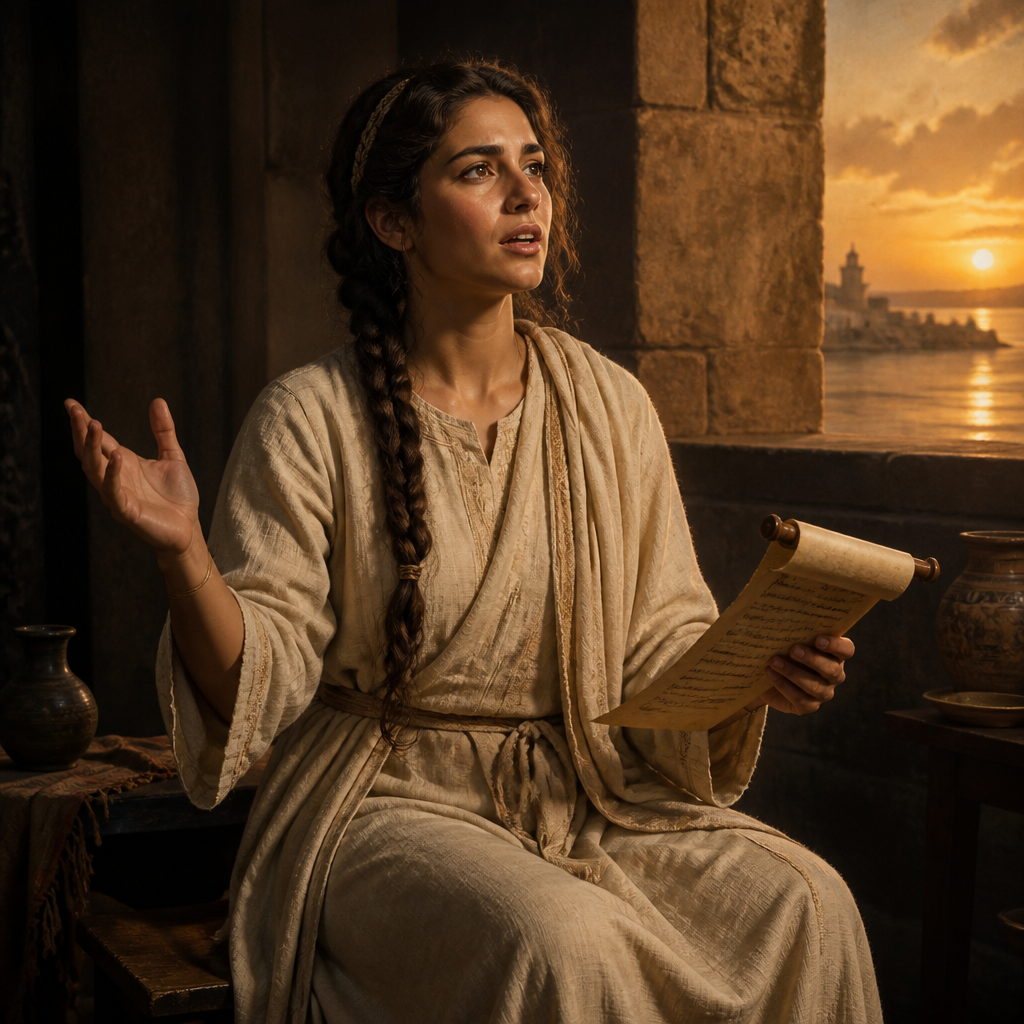
The Daughters of Philip
Four sisters who possessed the spiritual gift of prophecy in the early church
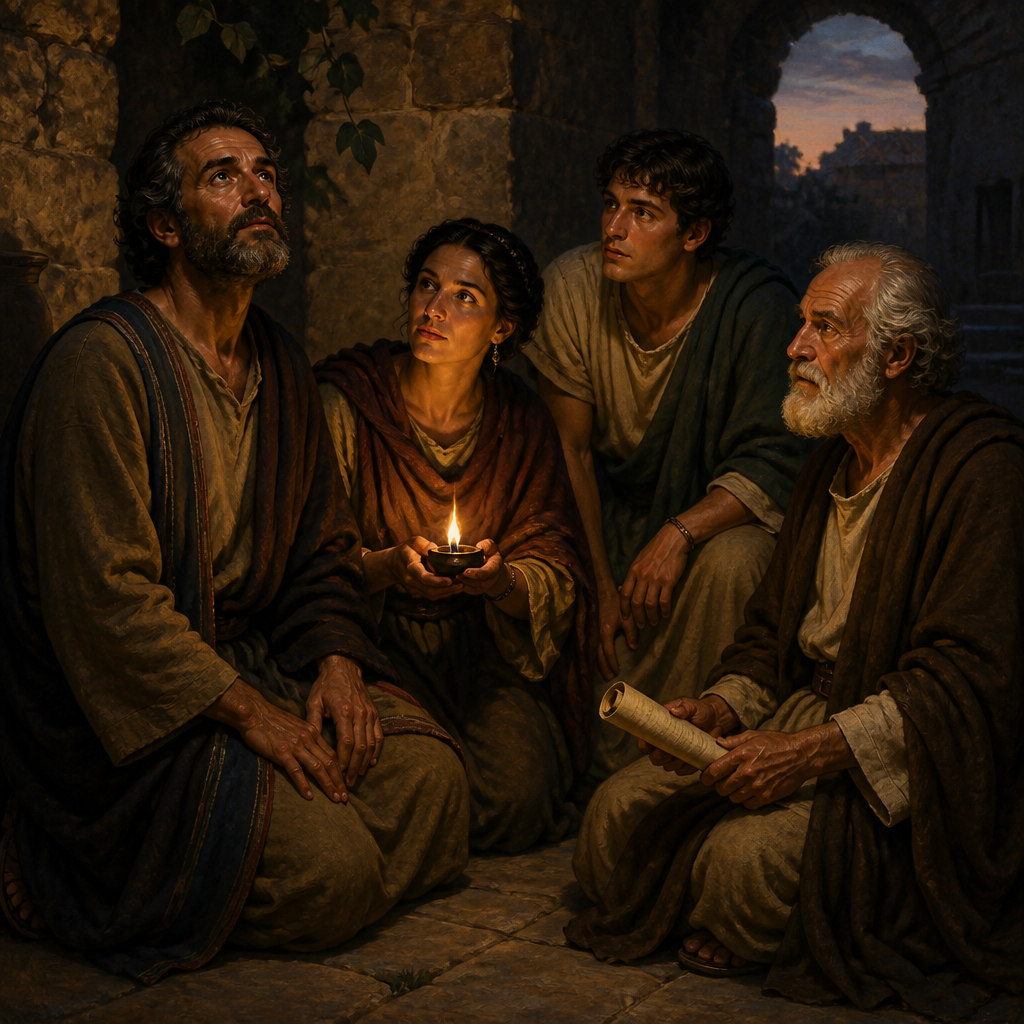
The Devout Thessalonian Greeks
Gentile converts who established a model church despite severe persecution
Dionysius
Athenian judge who converted to Christianity after hearing Paul's sermon on Mars Hill
The Diseased on Malta
Group of islanders cured of various ailments by the Apostle Paul after his shipwreck
The Egyptian
Insurrectionist who led four thousand assassins into the wilderness to revolt against Rome
The Ephesian Elders at Miletus
Group of church leaders who wept as they said a final goodbye to the Apostle Paul at the port of Miletus
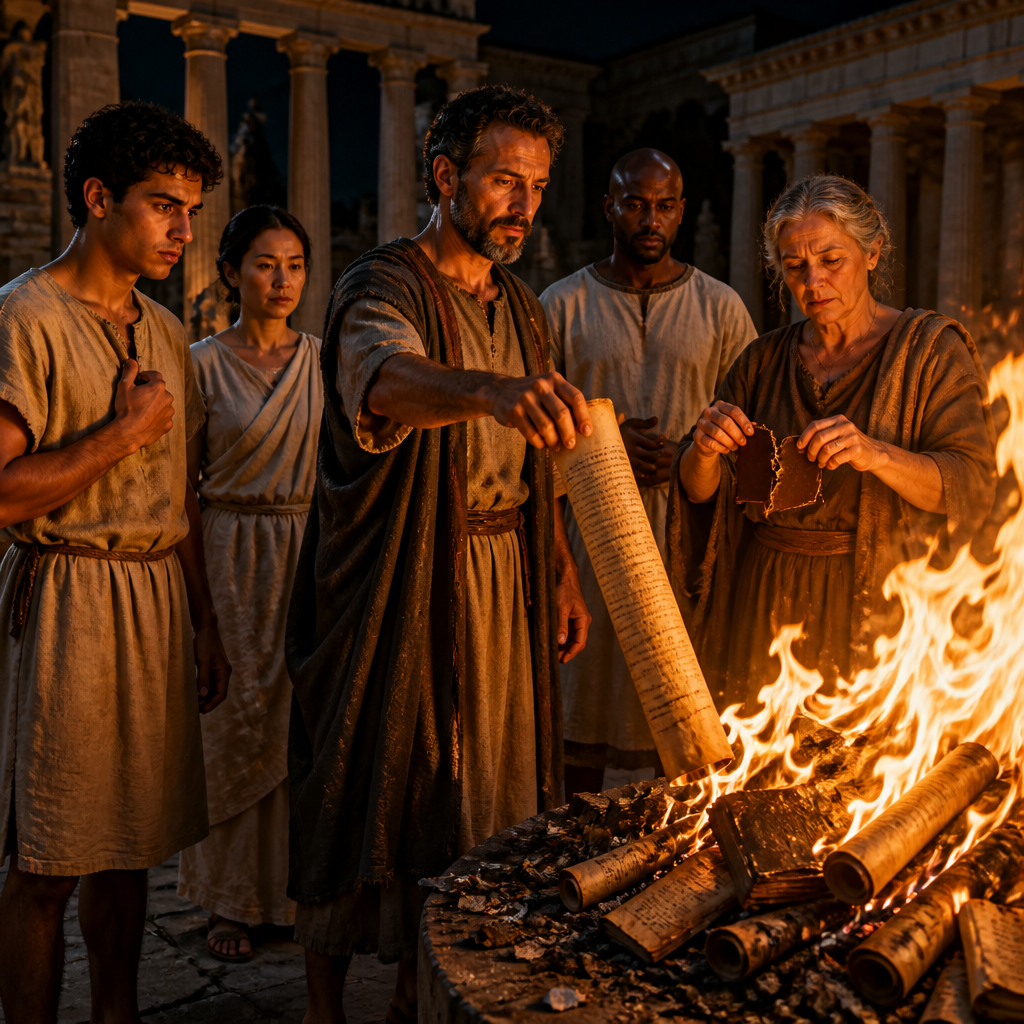
The Ephesians Who Burned Their Magic Books
Former sorcerers who publically burned their expensive occult scrolls worth 50,000 silver pieces
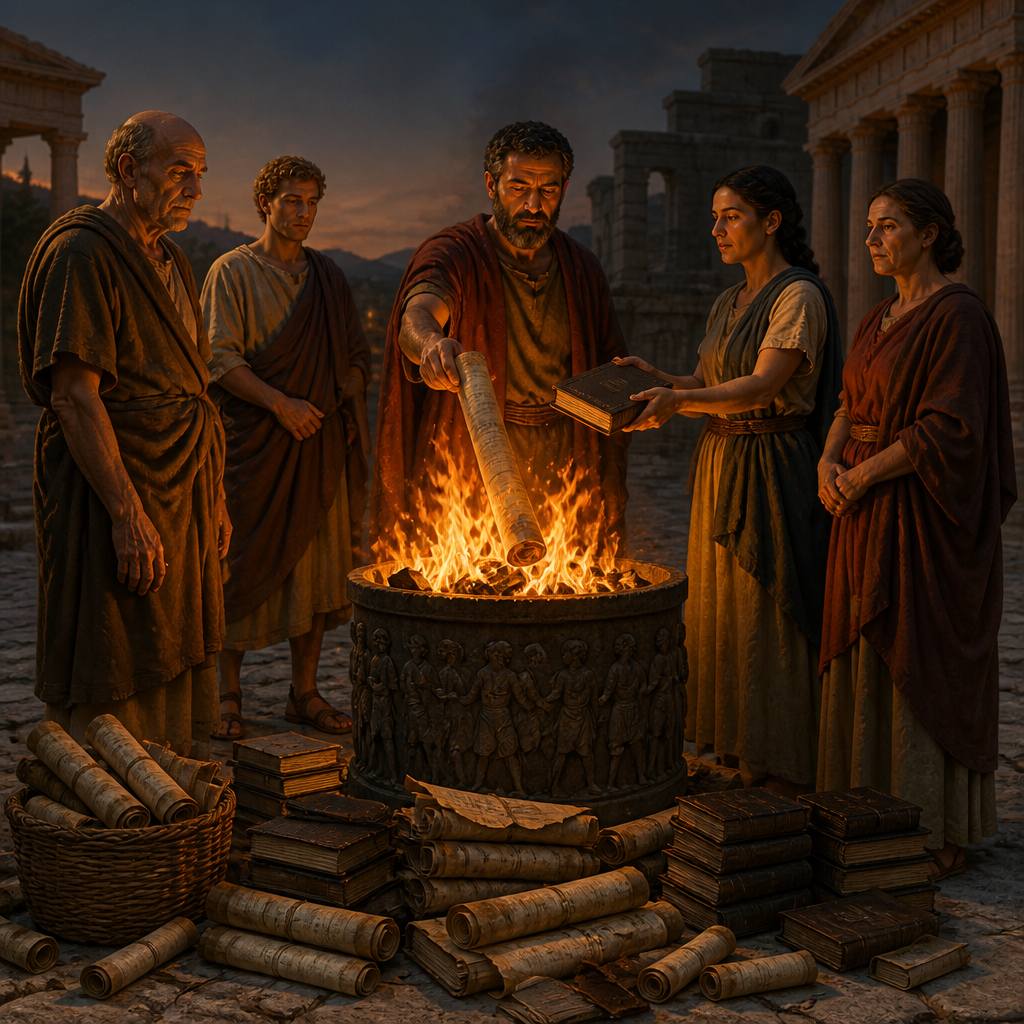
The Ephesians Who Confessed Their Practices
Group of converts who burned their expensive magic books

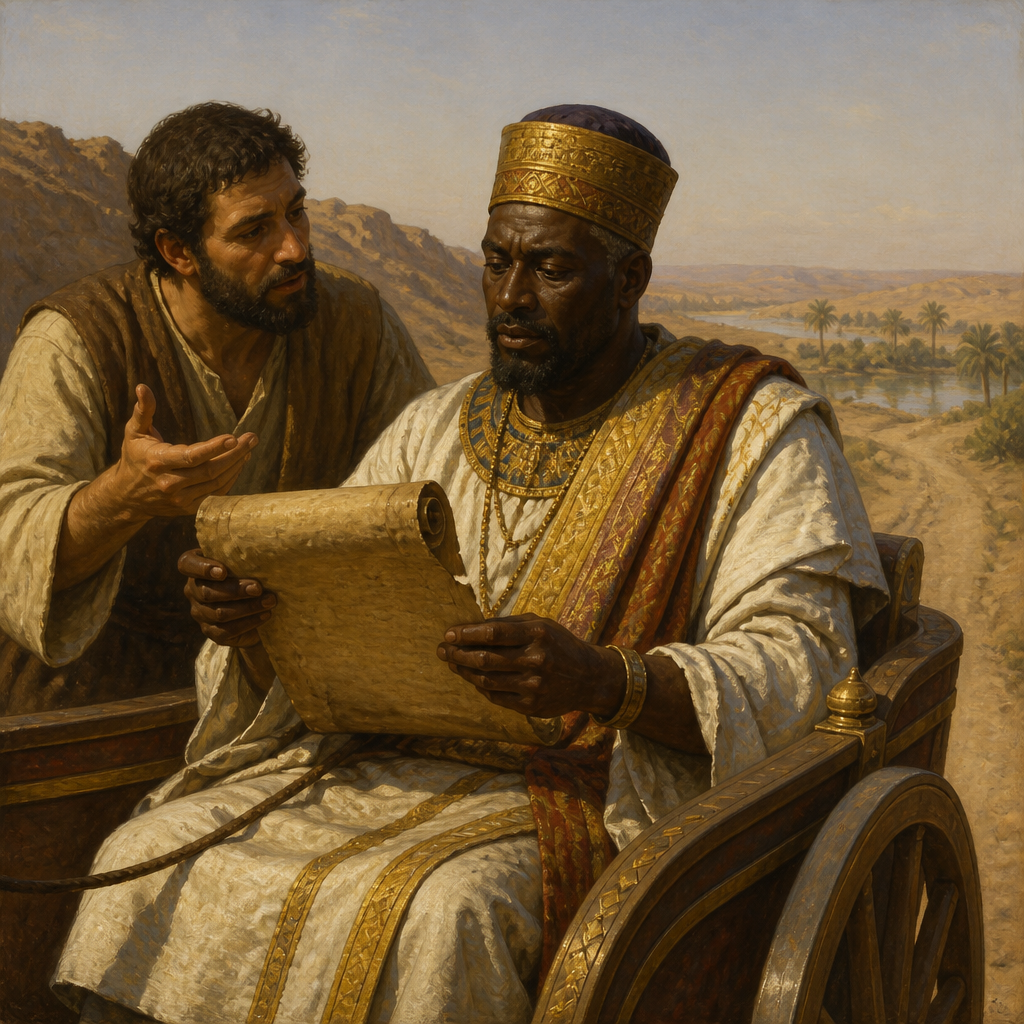
The Ethiopian Eunuch
Court official who was baptized by Philip the Evangelist after reading Isaiah
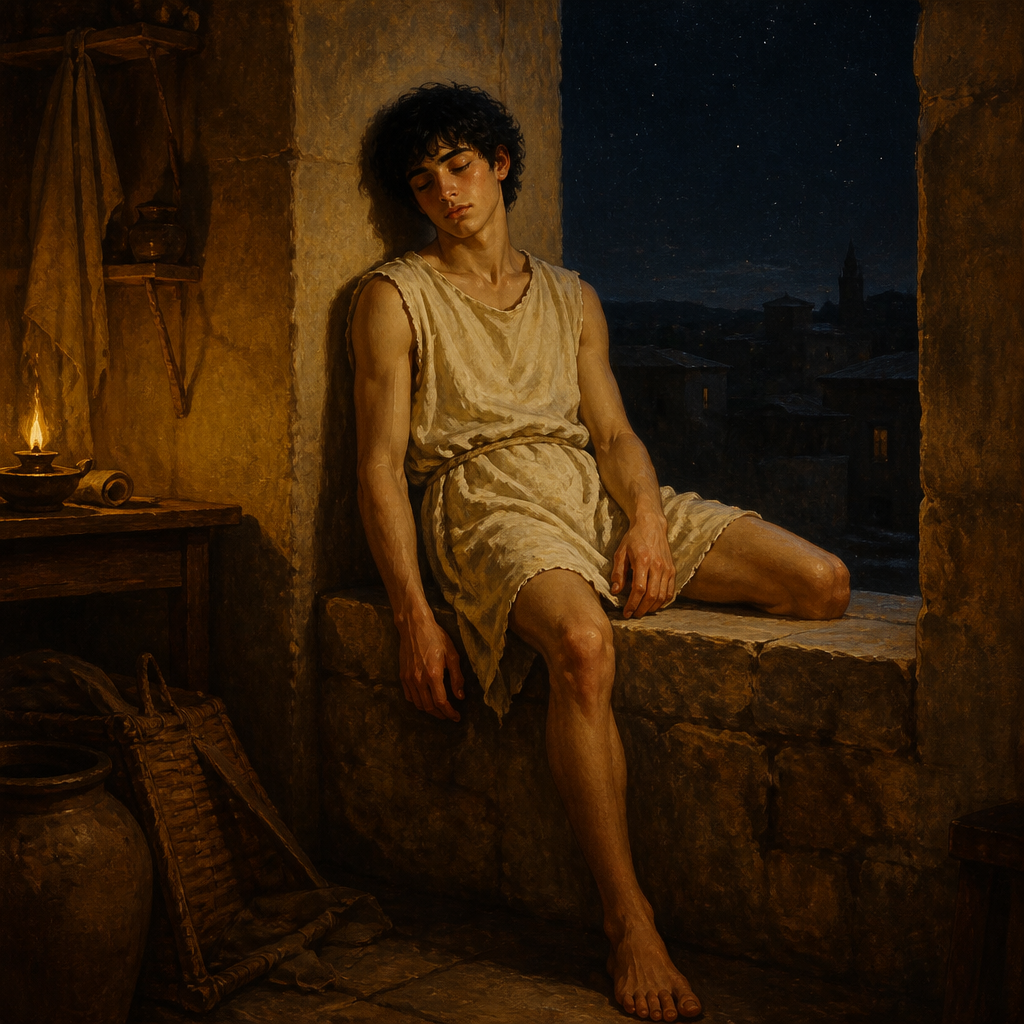
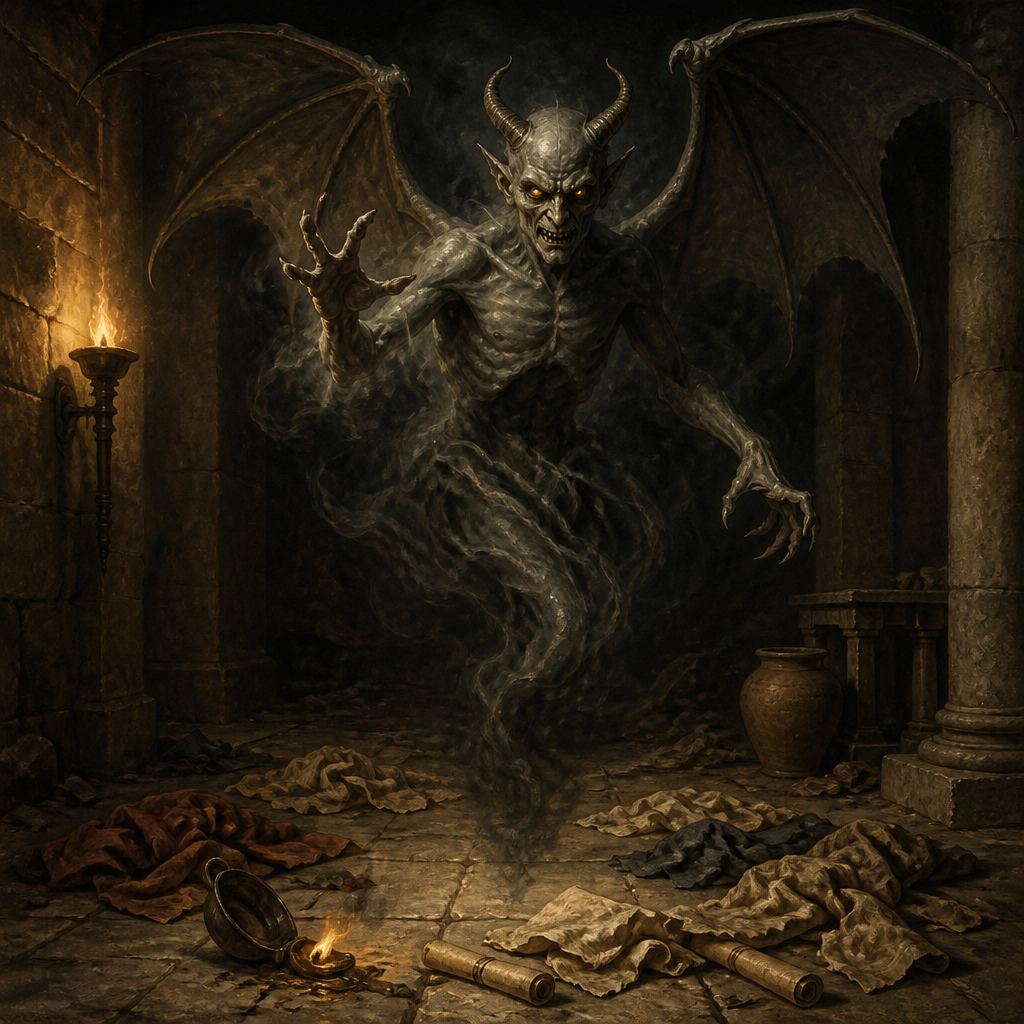
The Evil Spirit at Ephesus
Demon who overpowered the seven sons of Sceva after questioning their authority
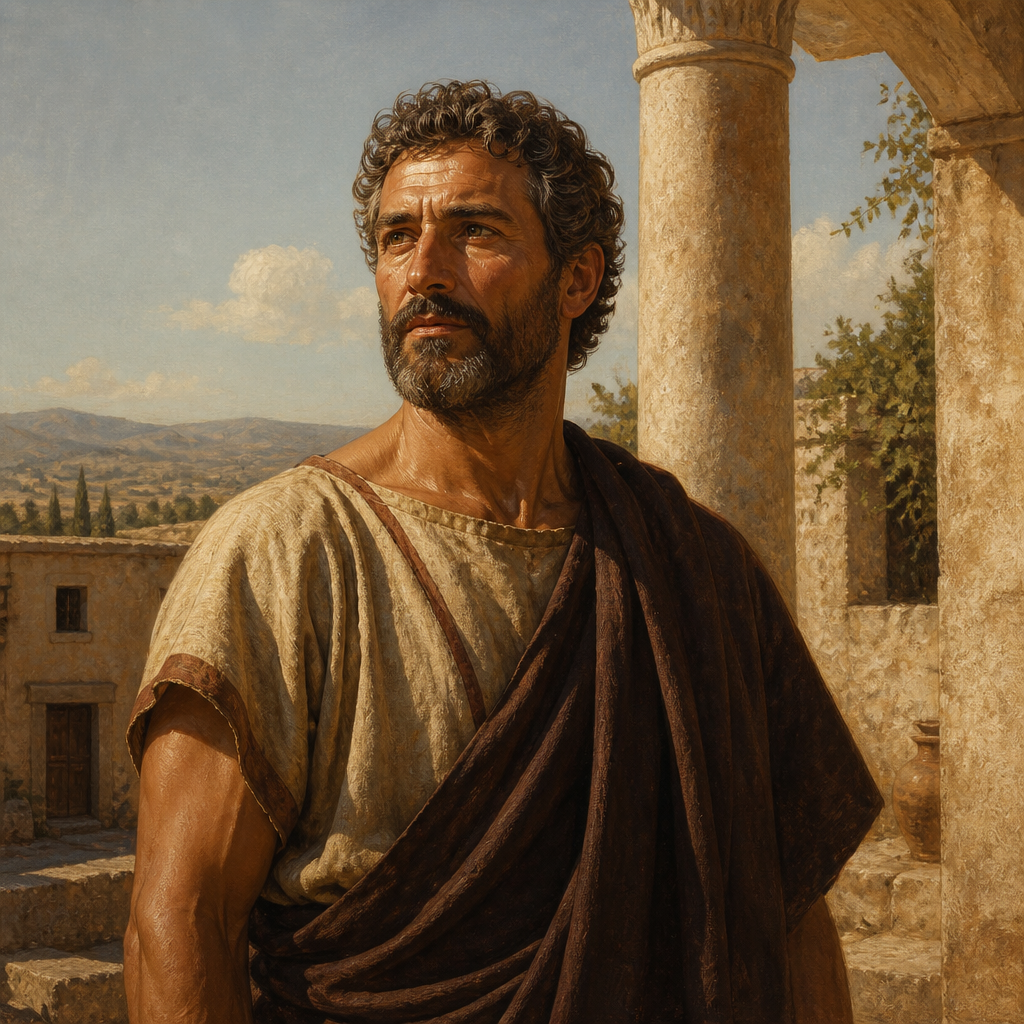
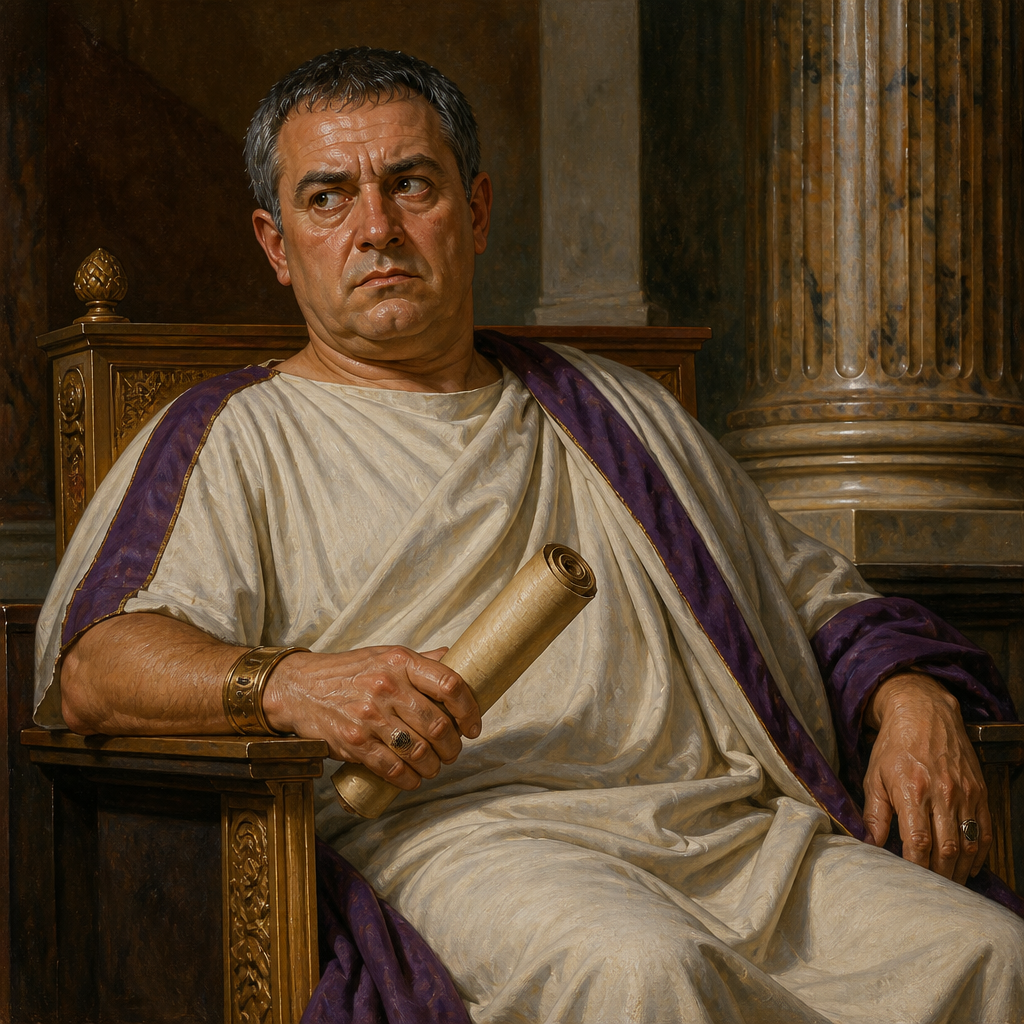
Gaius, Traveling Companion of Paul from Macedonia
Macedonian companion of Paul who was seized during the riot in Ephesus
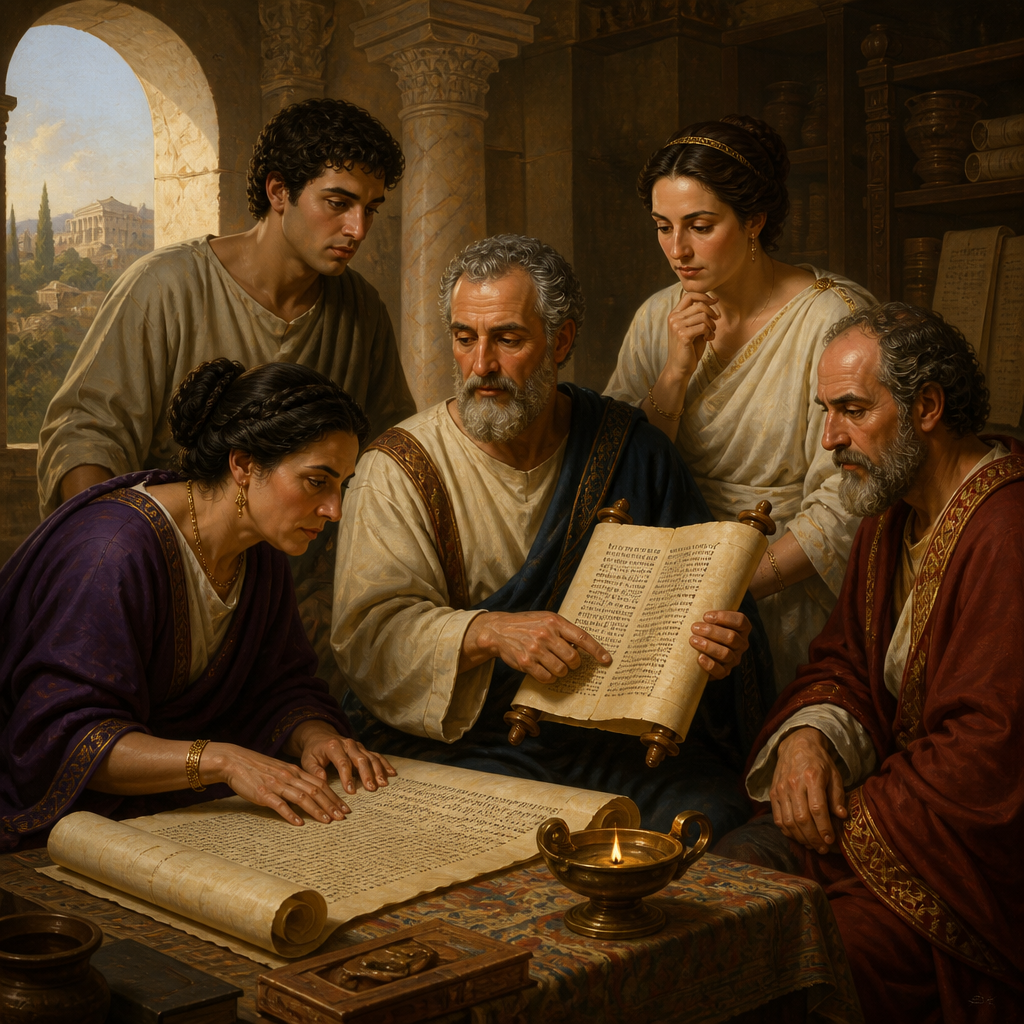
High Standing Greeks of Berea
Greek citizens of high social status who converted after studying the Scriptures daily
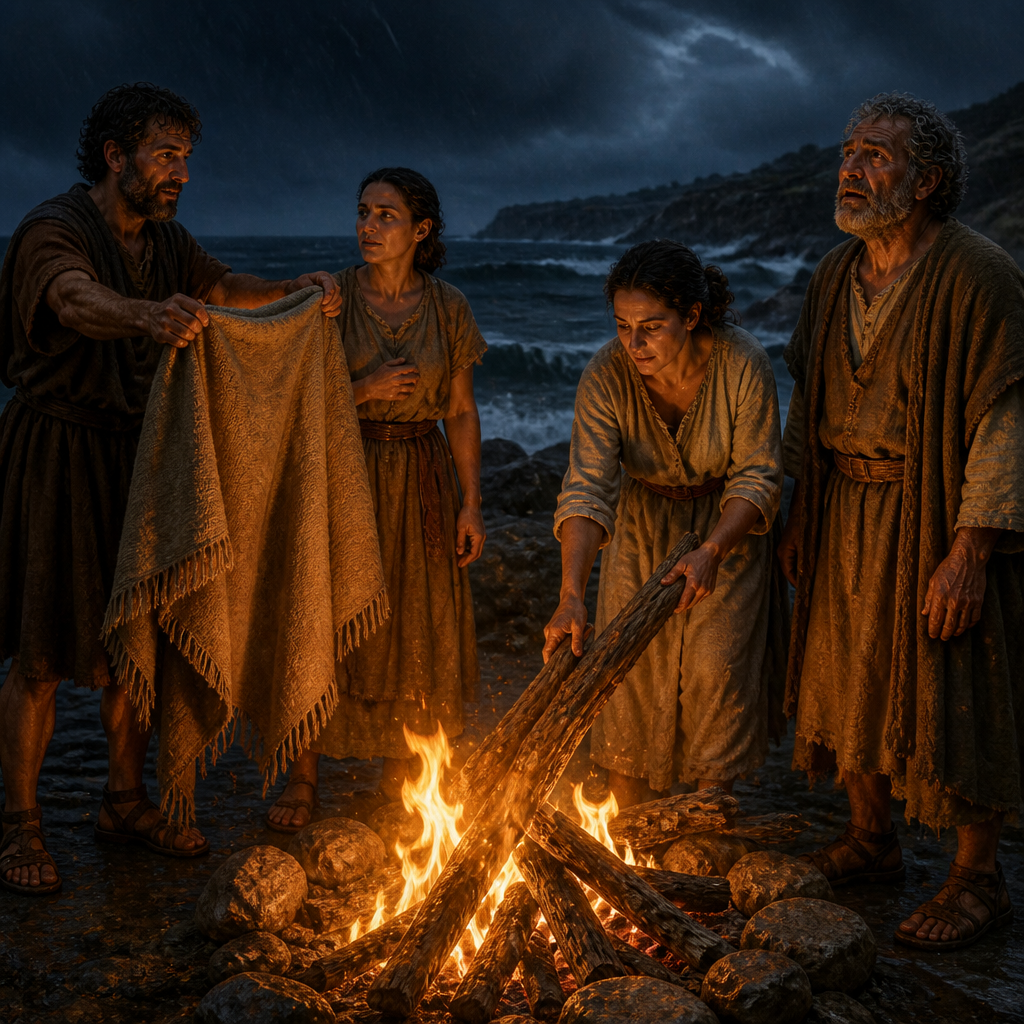
The Islanders of Malta
Islanders who showed extraordinary kindness and hospitality to the Apostle Paul after his shipwreck
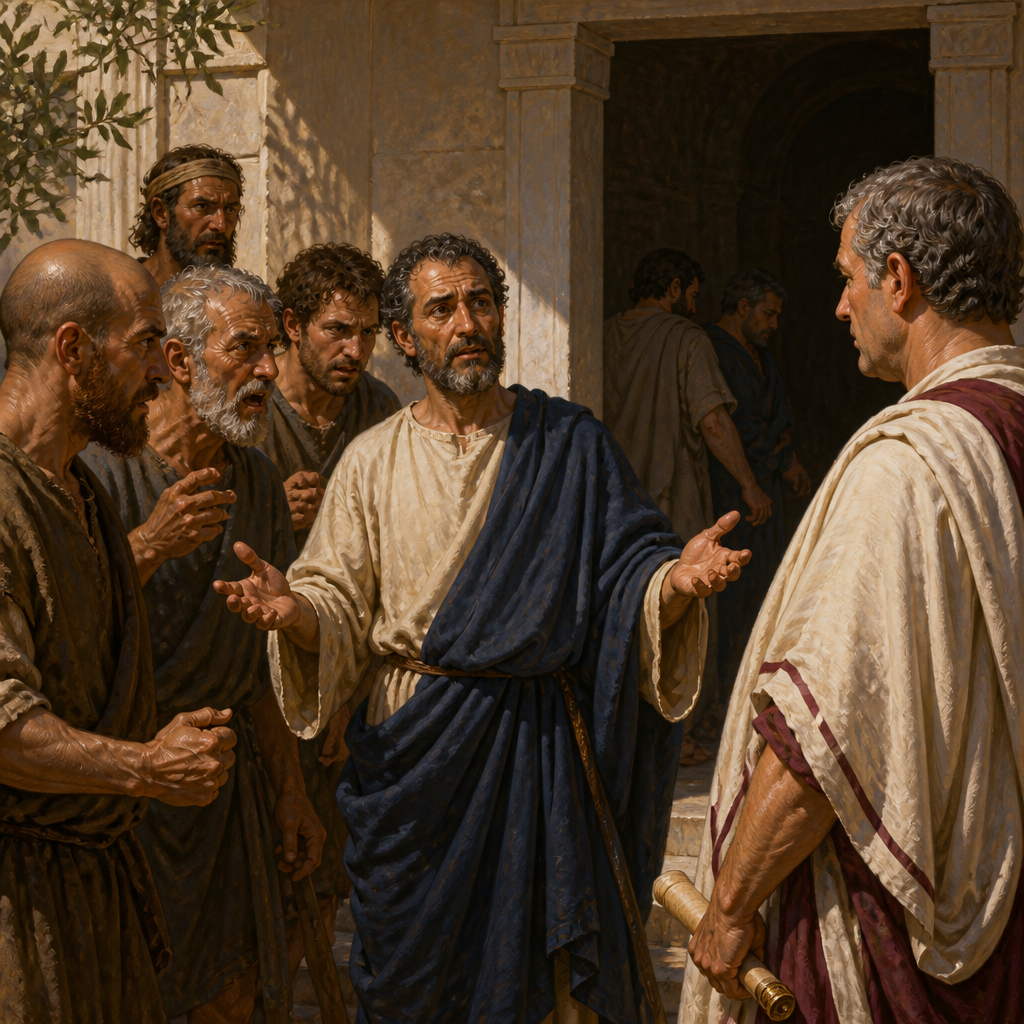
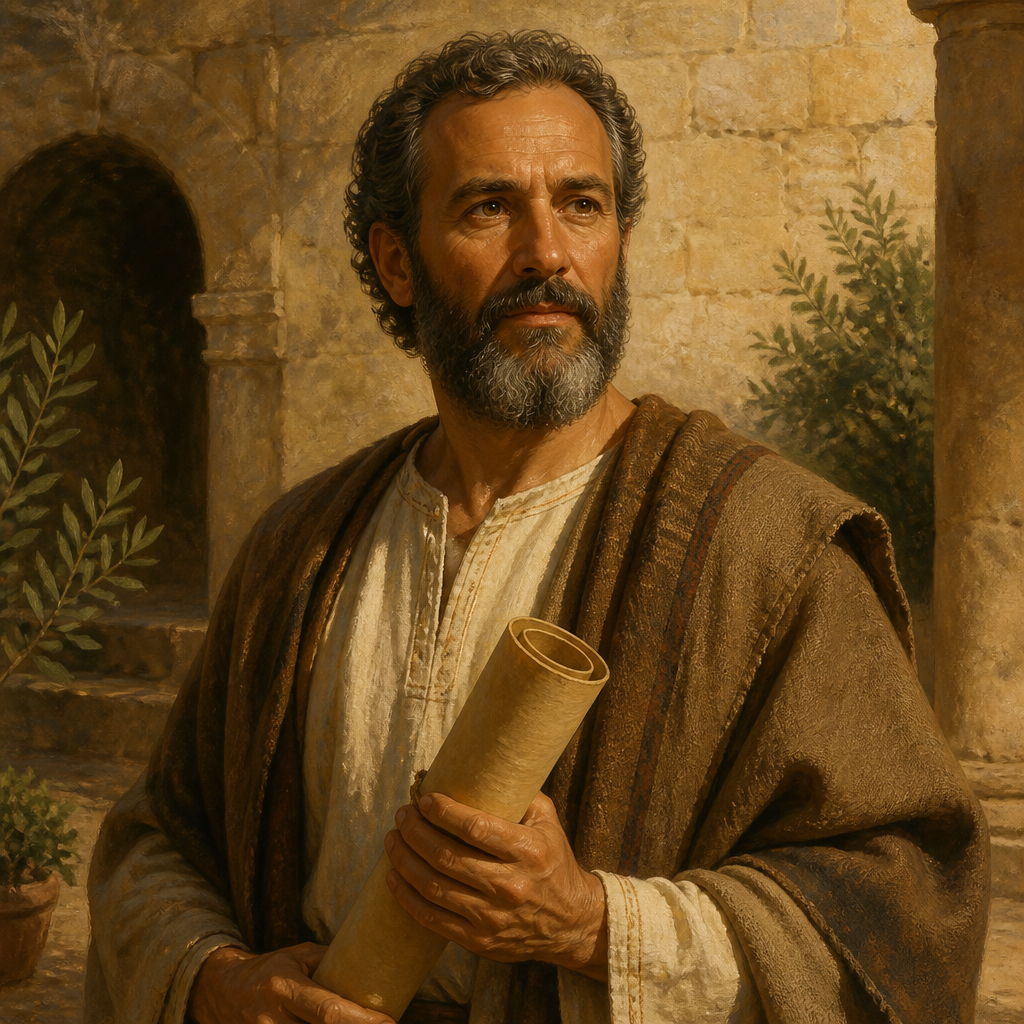
Judas called Barsabbas
Prophet and leader who delivered the Jerusalem Council's decree to Antioch
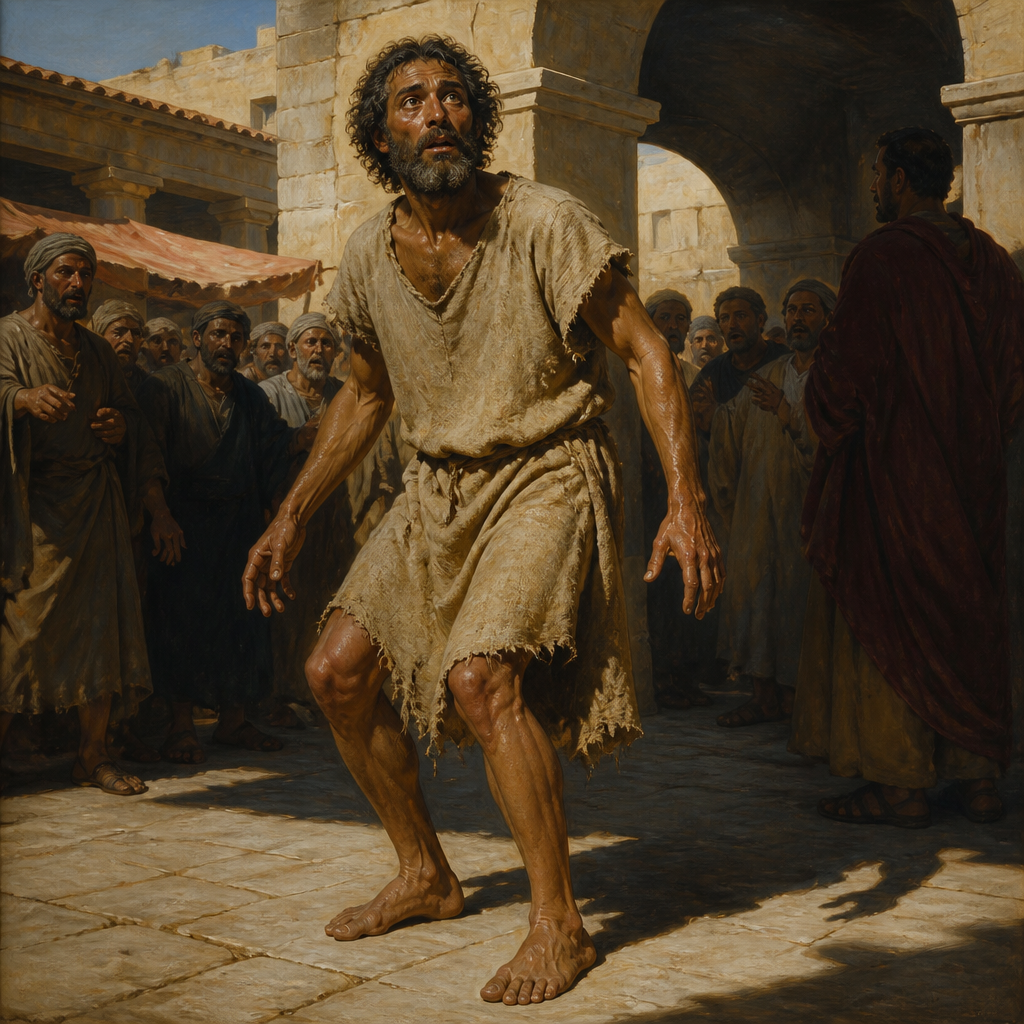
The Lame Man at Lystra
Man born crippled who was healed by the Apostle Paul in the city of Lystra
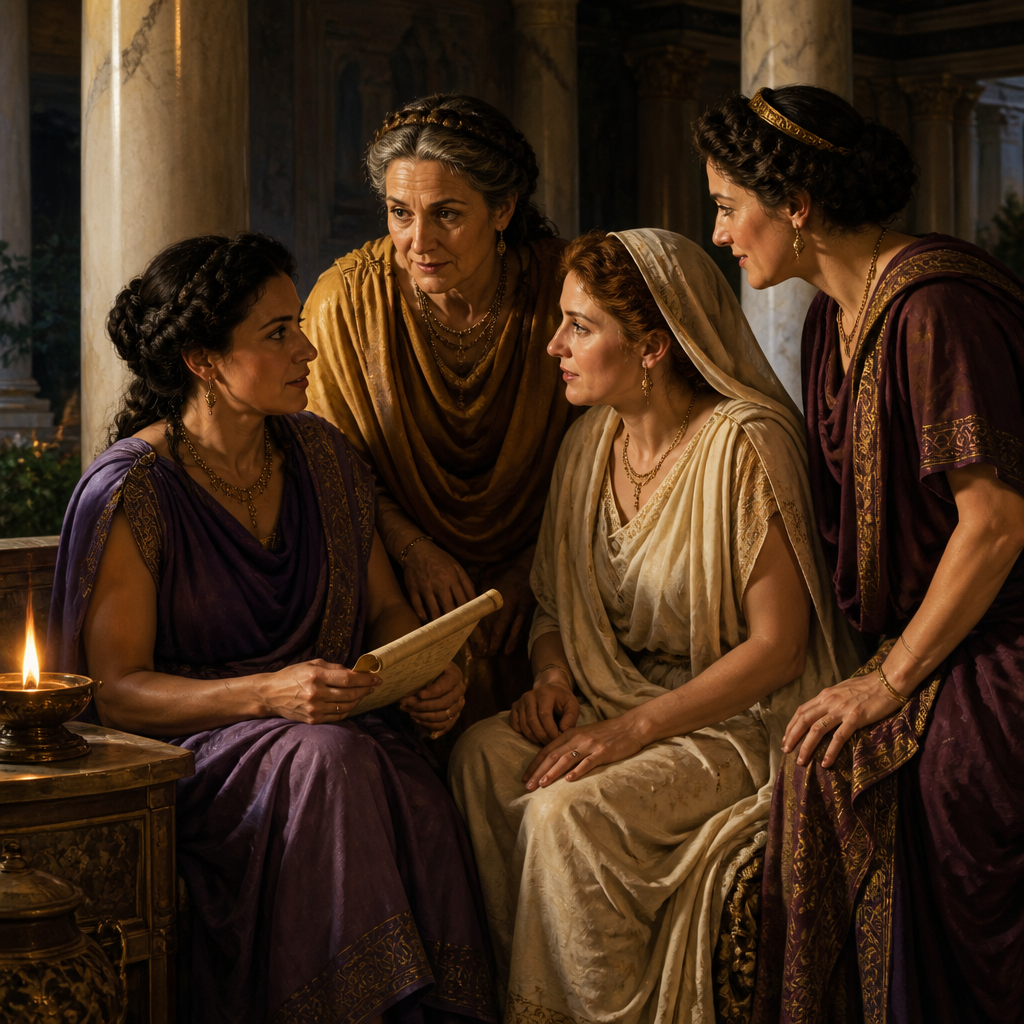
The Leading Thessalonian Women
Prominent noblewomen who converted during Paul’s mission to Thessalonica
Lucius of Cyrene
Prophet and teacher in Antioch who helped commission the first missionary journey of Paul and Barnabas
The Man of Macedonia
Visionary figure who pleaded with the Apostle Paul to bring the gospel to Europe
Mark
Missionary companion of Paul and Barnabas whose departure caused a rift between the two leaders
The Nephew of Paul
Young man who thwarted an assassination plot against his uncle, the Apostle Paul
The Noble Jews of Berea
Jewish community that verified Apostolic teaching through daily scripture study
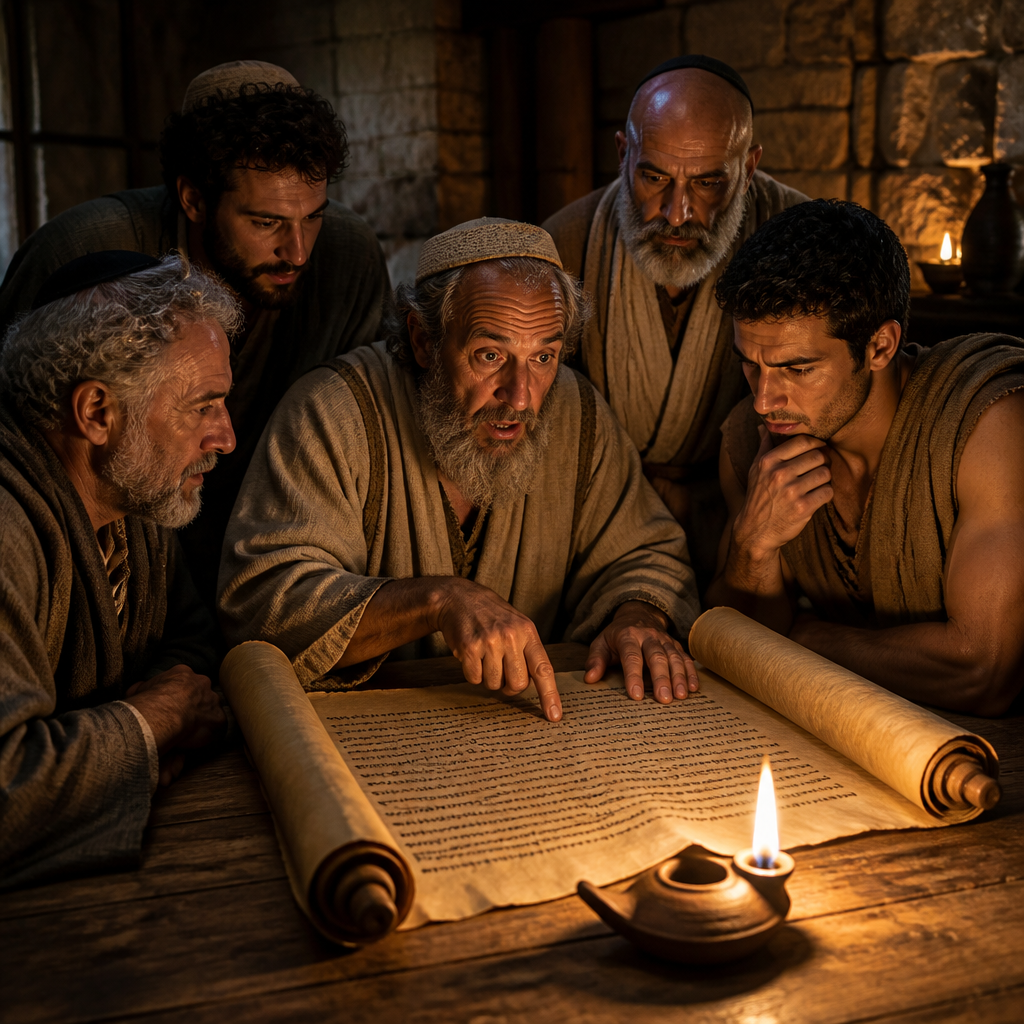
The Persuaded Thessalonian Jews
Jewish converts in Thessalonica who joined Paul after his synagogue preaching
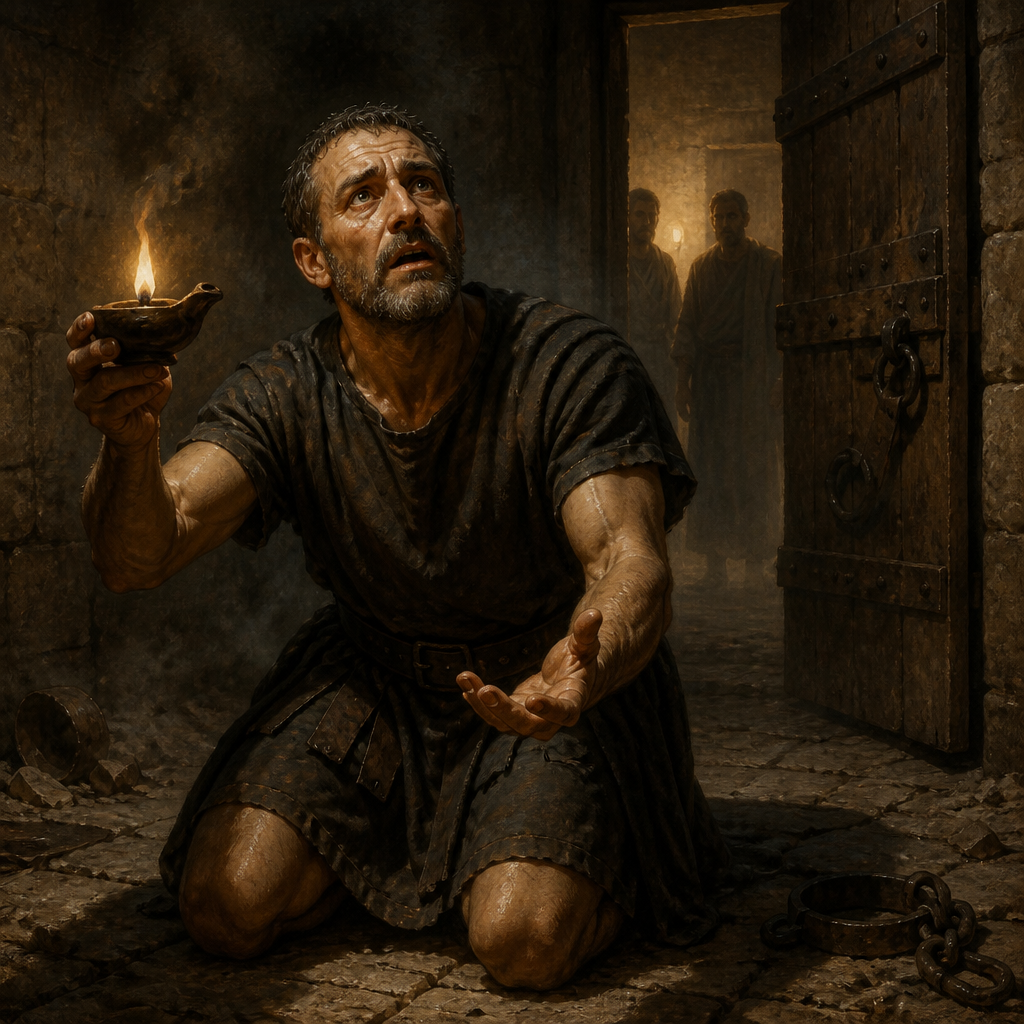
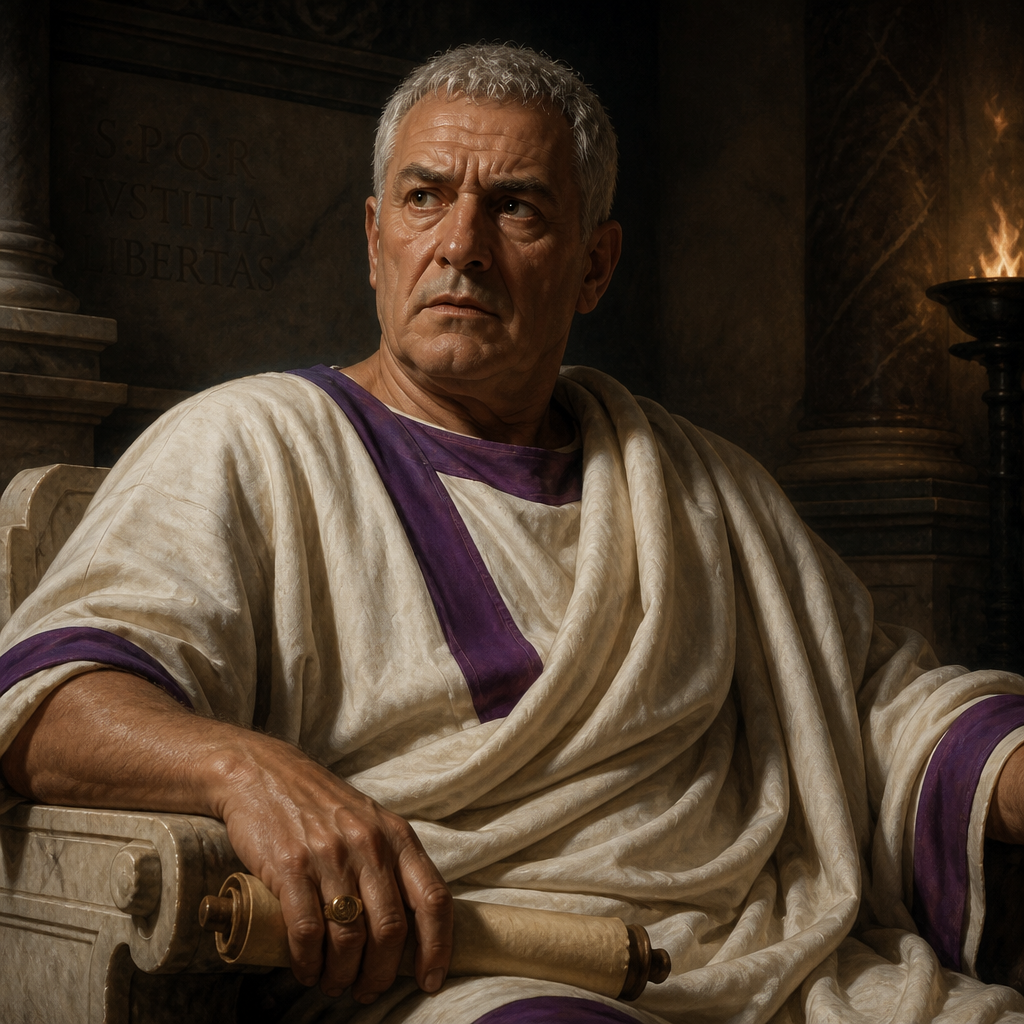
The Philippian Magistrates
Local officials who ordered the unlawful beating and imprisonment of Paul and Silas
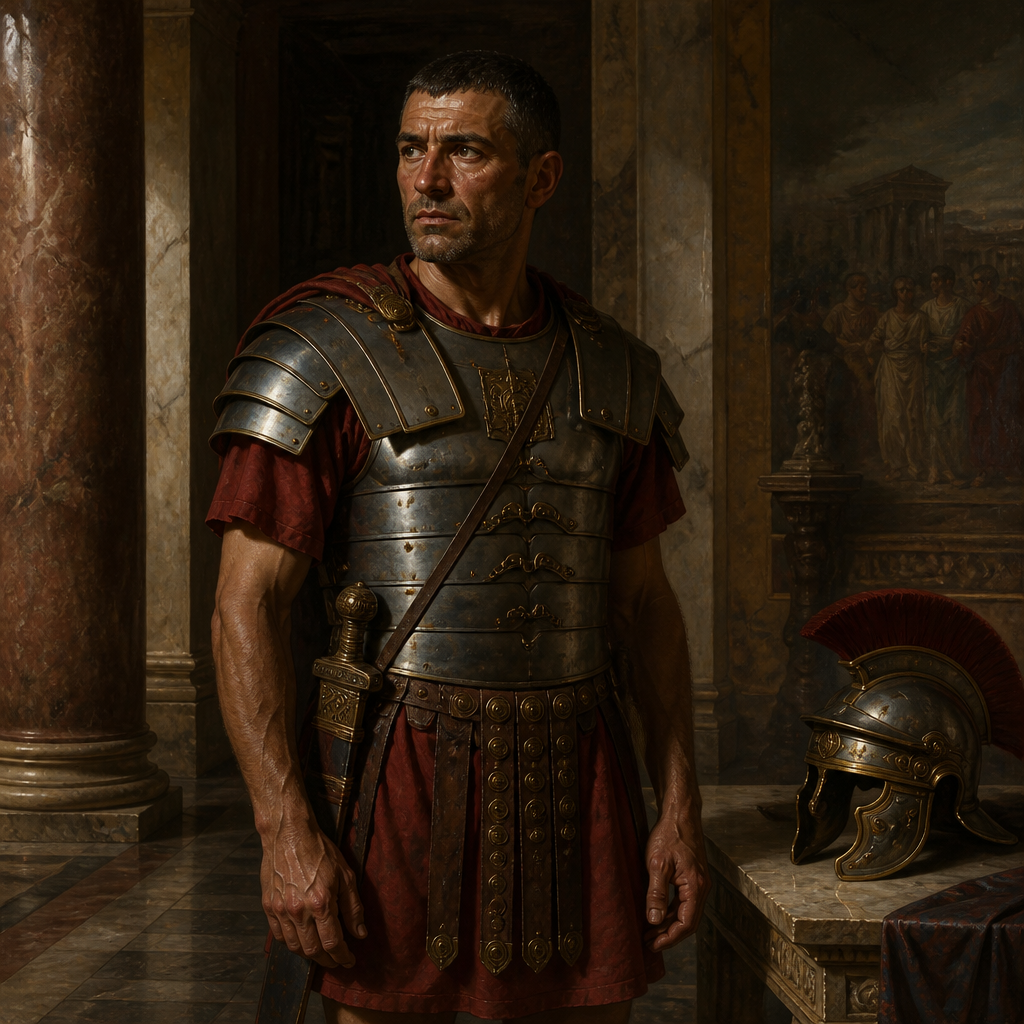
The Praetorian Guard
Elite group of Roman soldiers who guarded the Apostle Paul during his Roman imprisonment

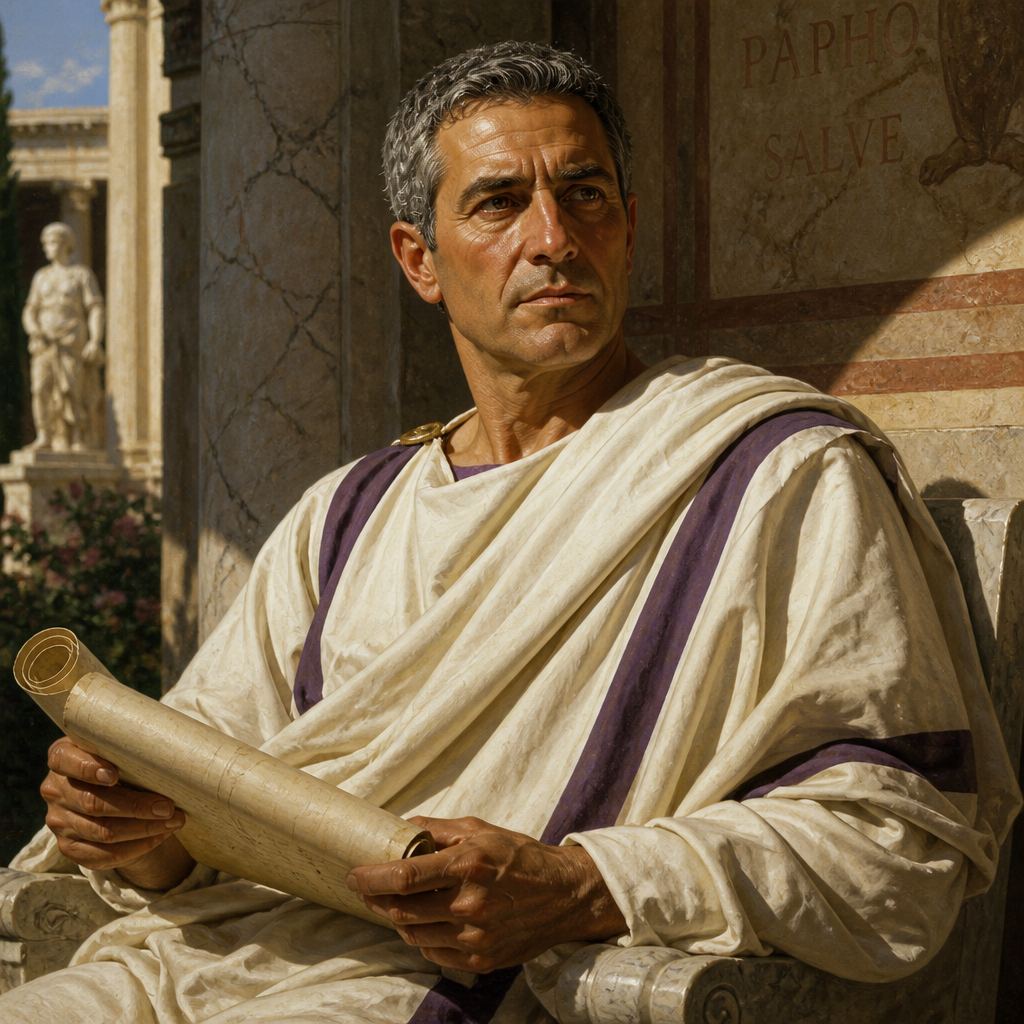
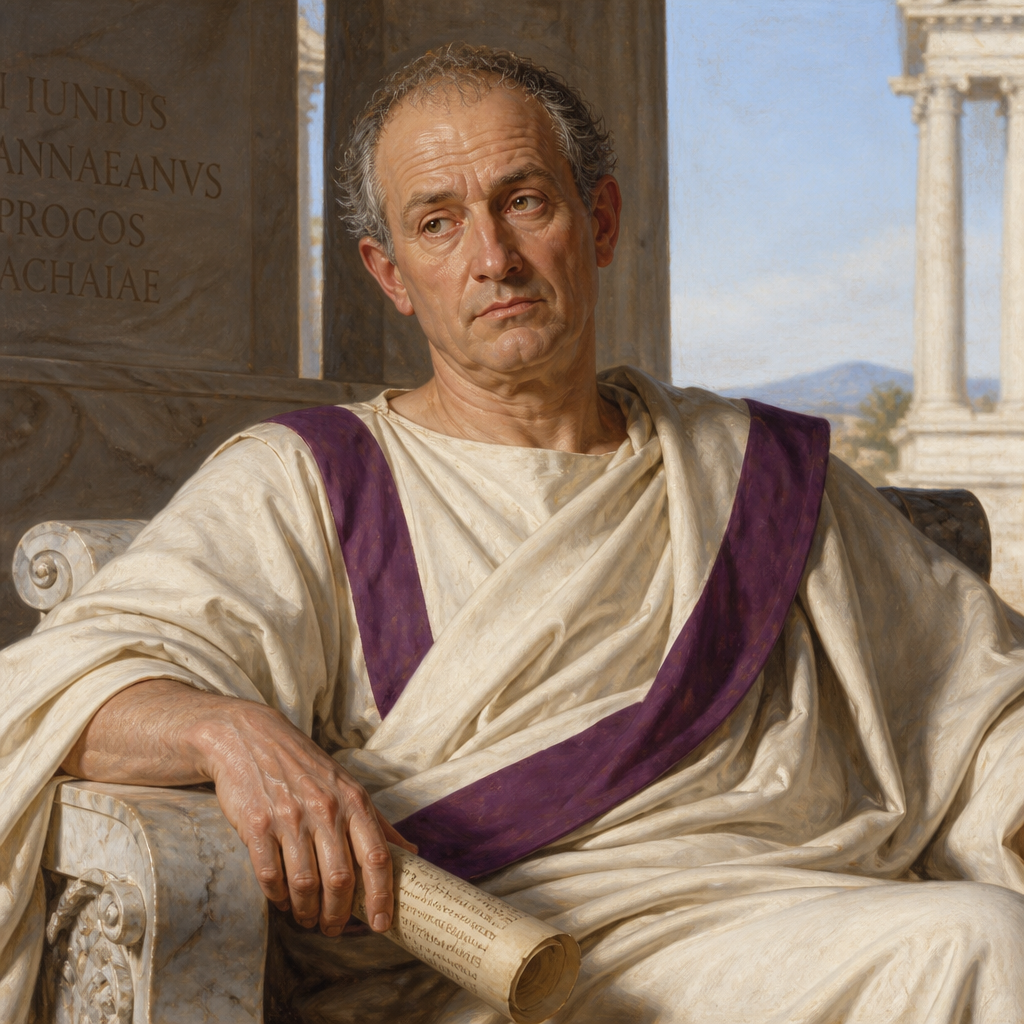
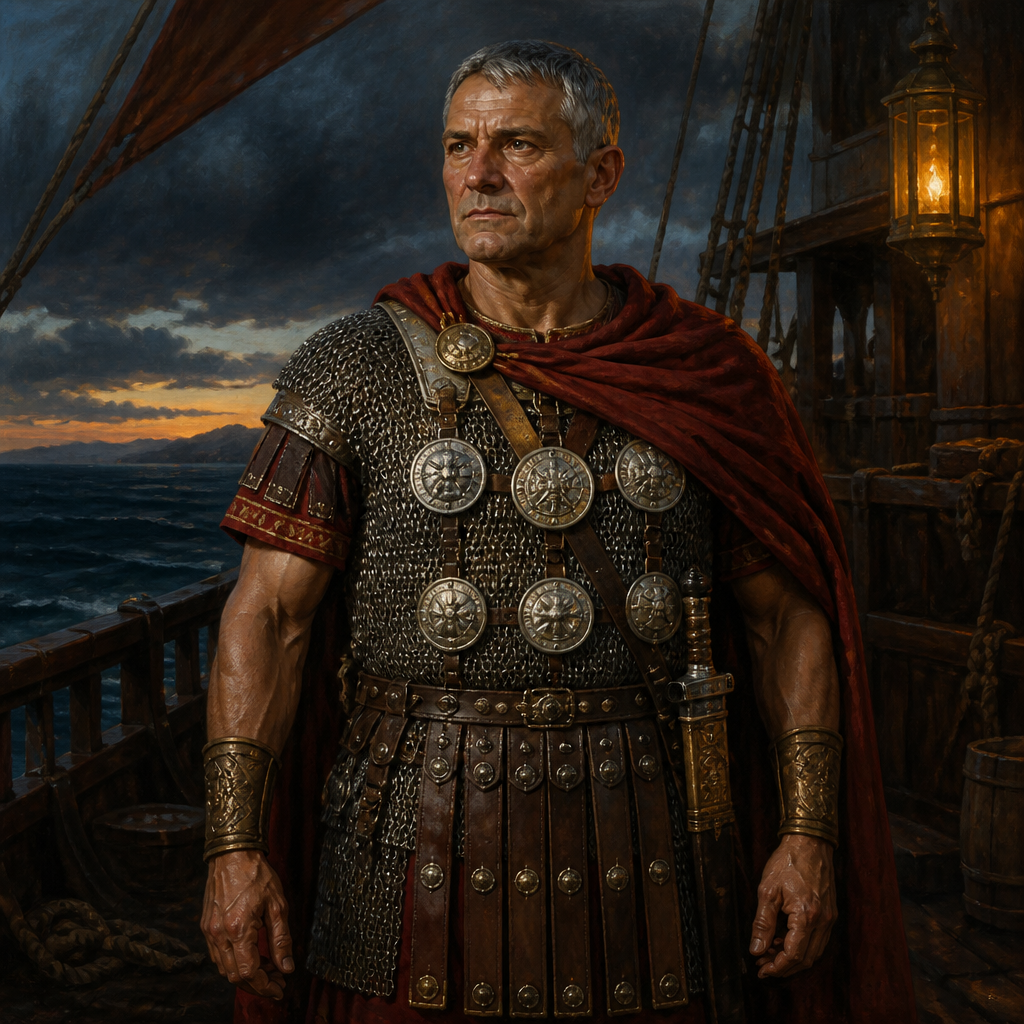
Sergius Paulus
Roman Proconsul of Cyprus who converted to the faith after seeing Paul defeat a sorcerer
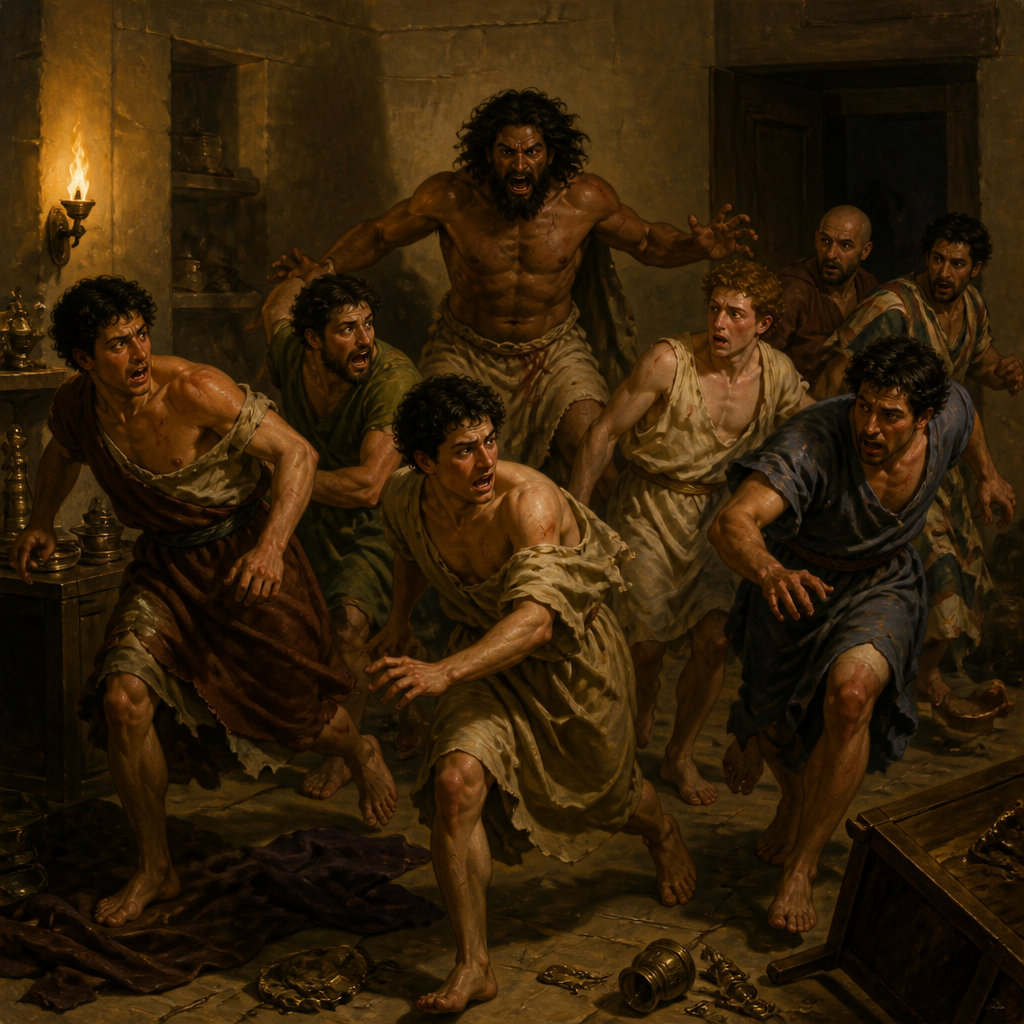
The Seven Sons of Sceva
Seven brothers who were attacked by a demon after trying to use the name of Jesus without faith
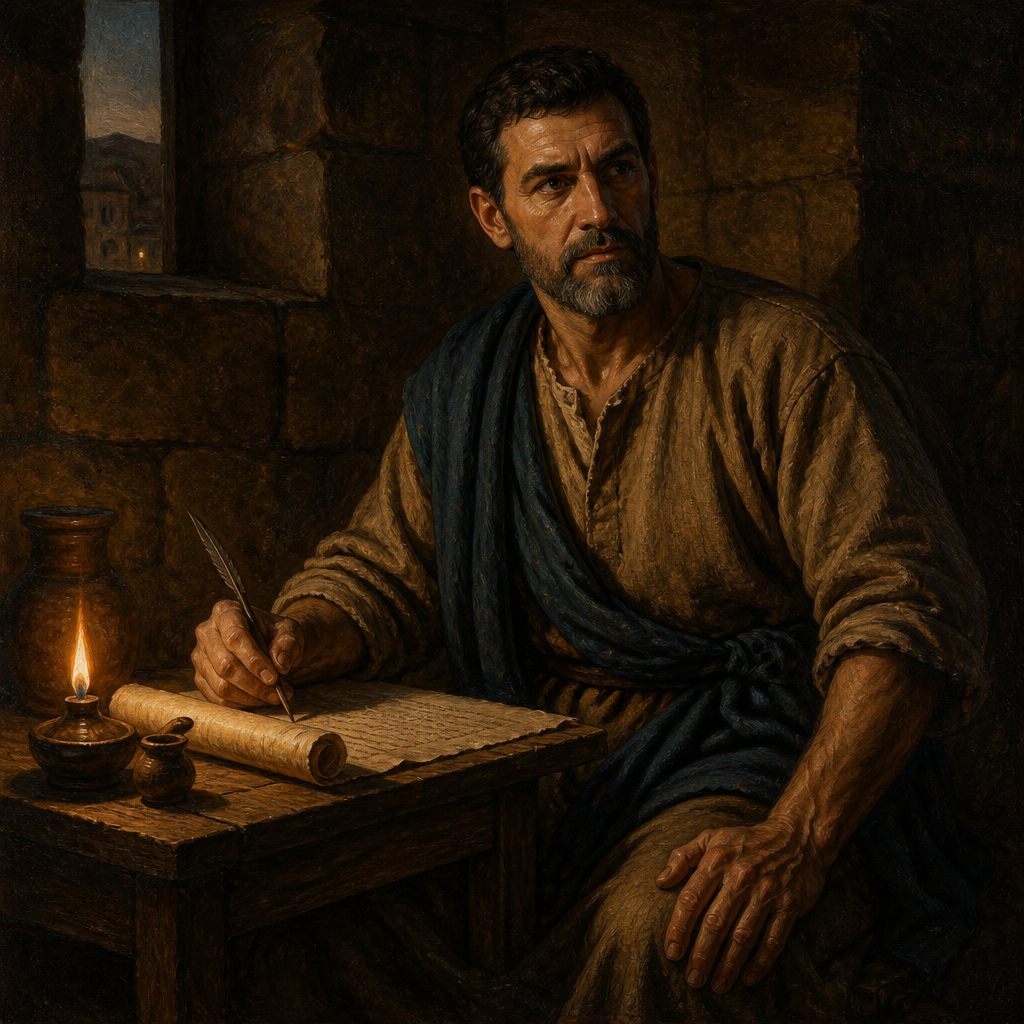
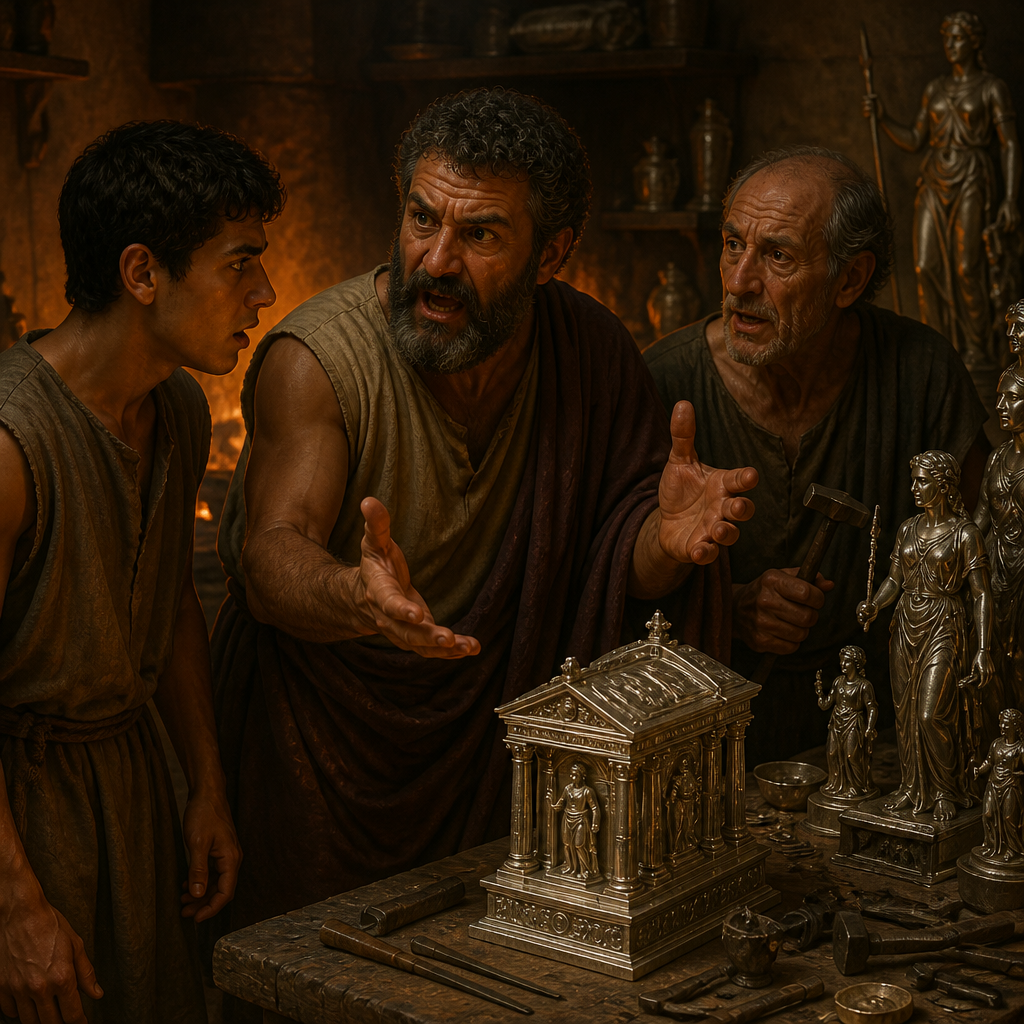
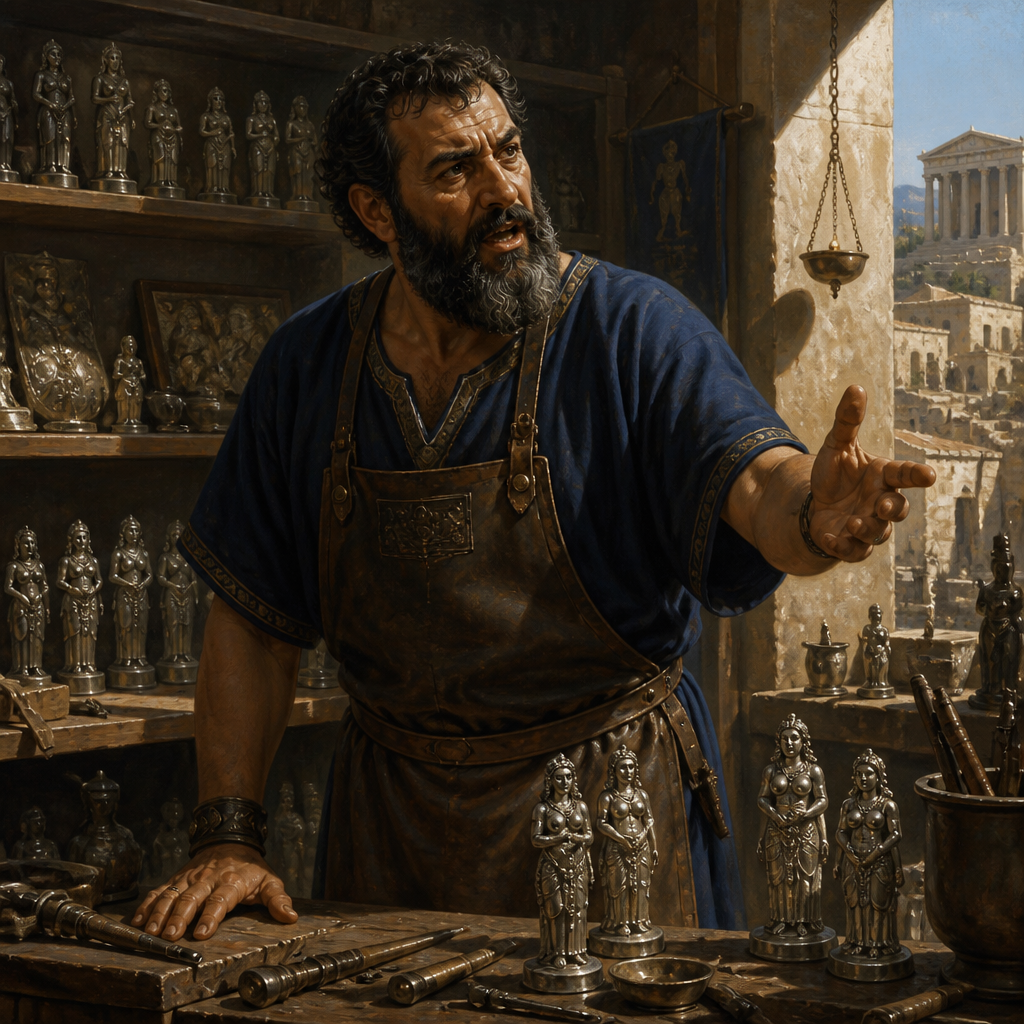
The Silversmiths of Ephesus
Guild of craftsmen who incited a riot against the Apostle Paul in Ephesus
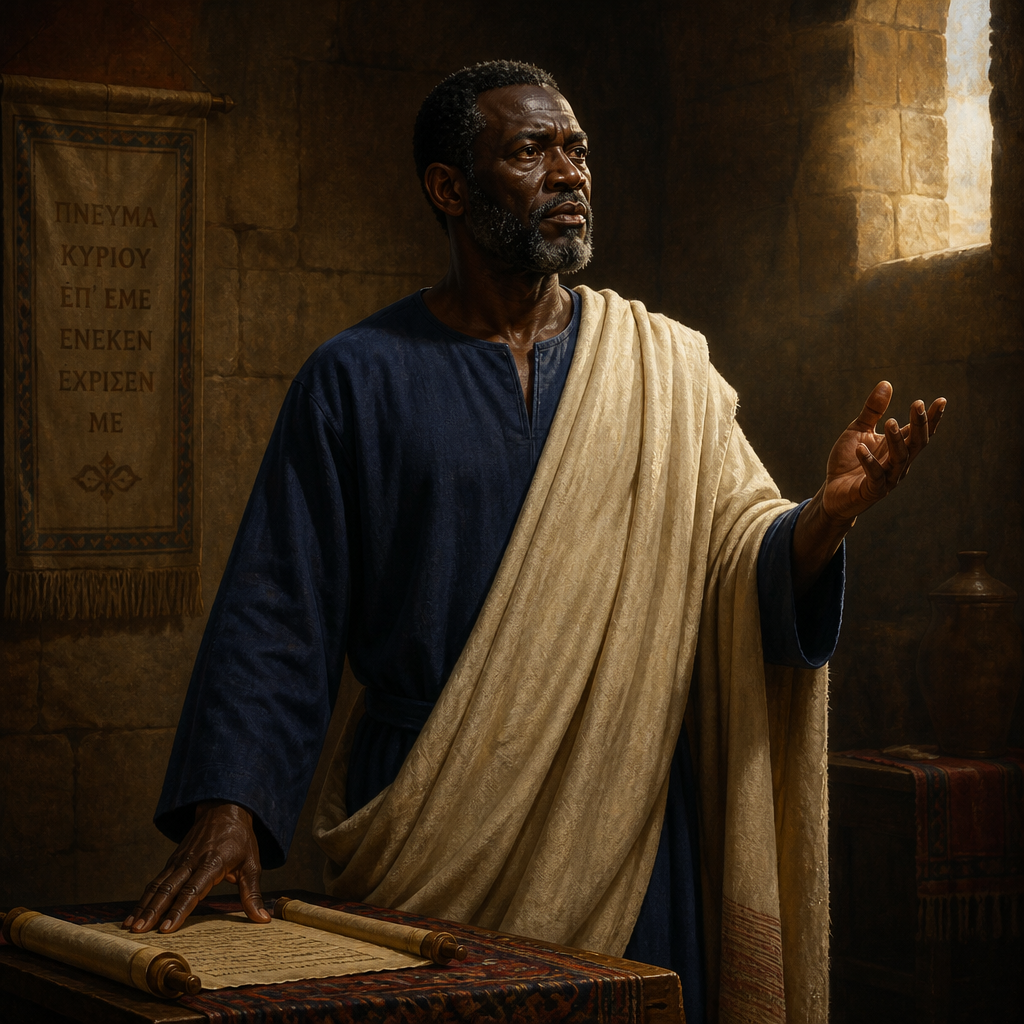
Simeon Called Niger
Prophet in the church at Antioch who helped commission the first missionary journey of Paul and Barnabas
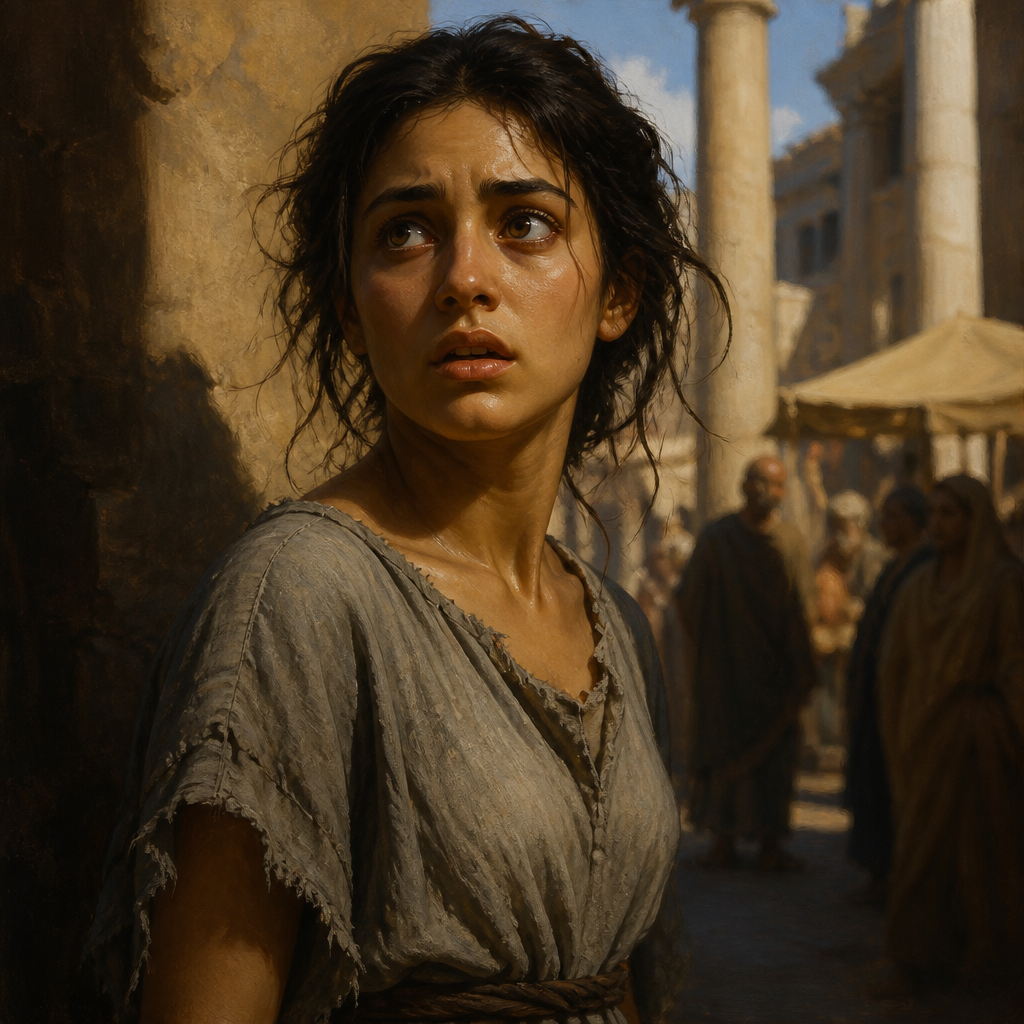
The Slave Girl with a Spirit of Divination
Slave girl in Philippi delivered by Paul from a spirit of divination
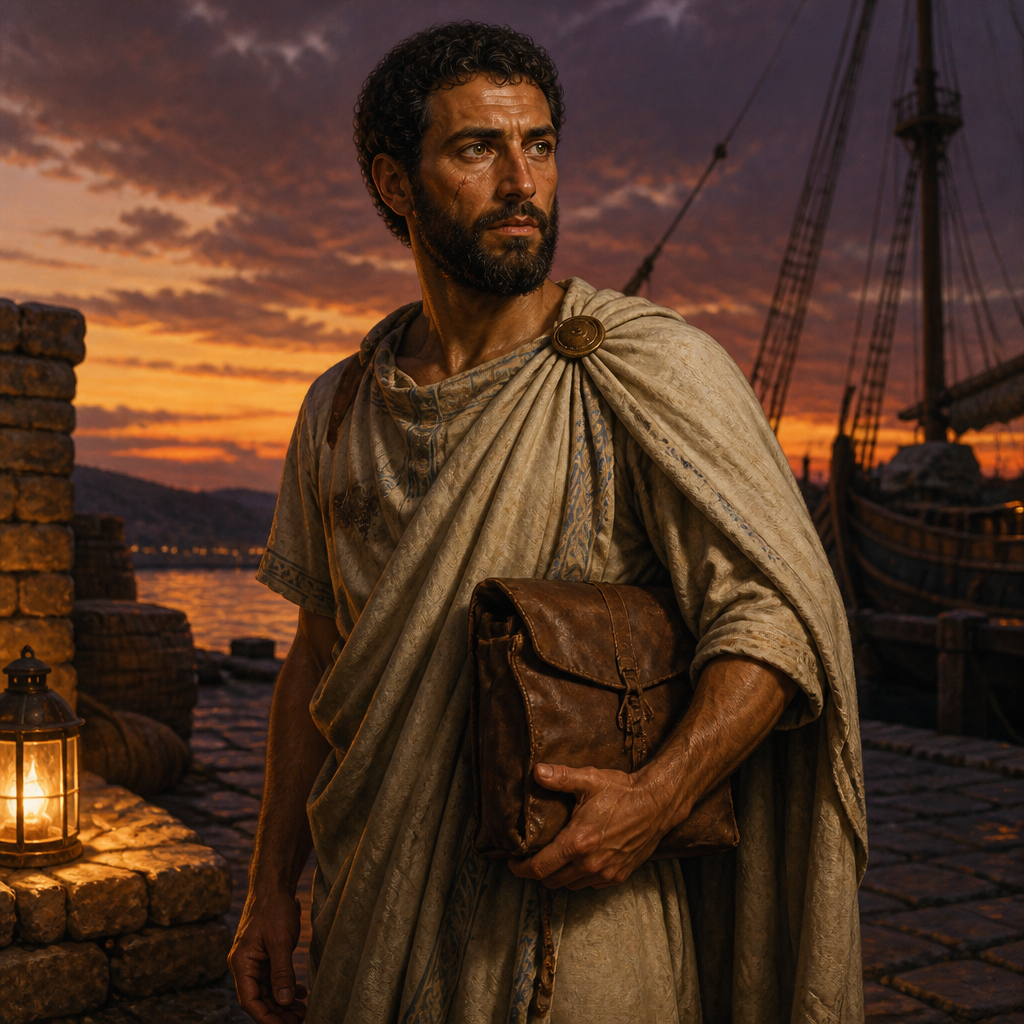
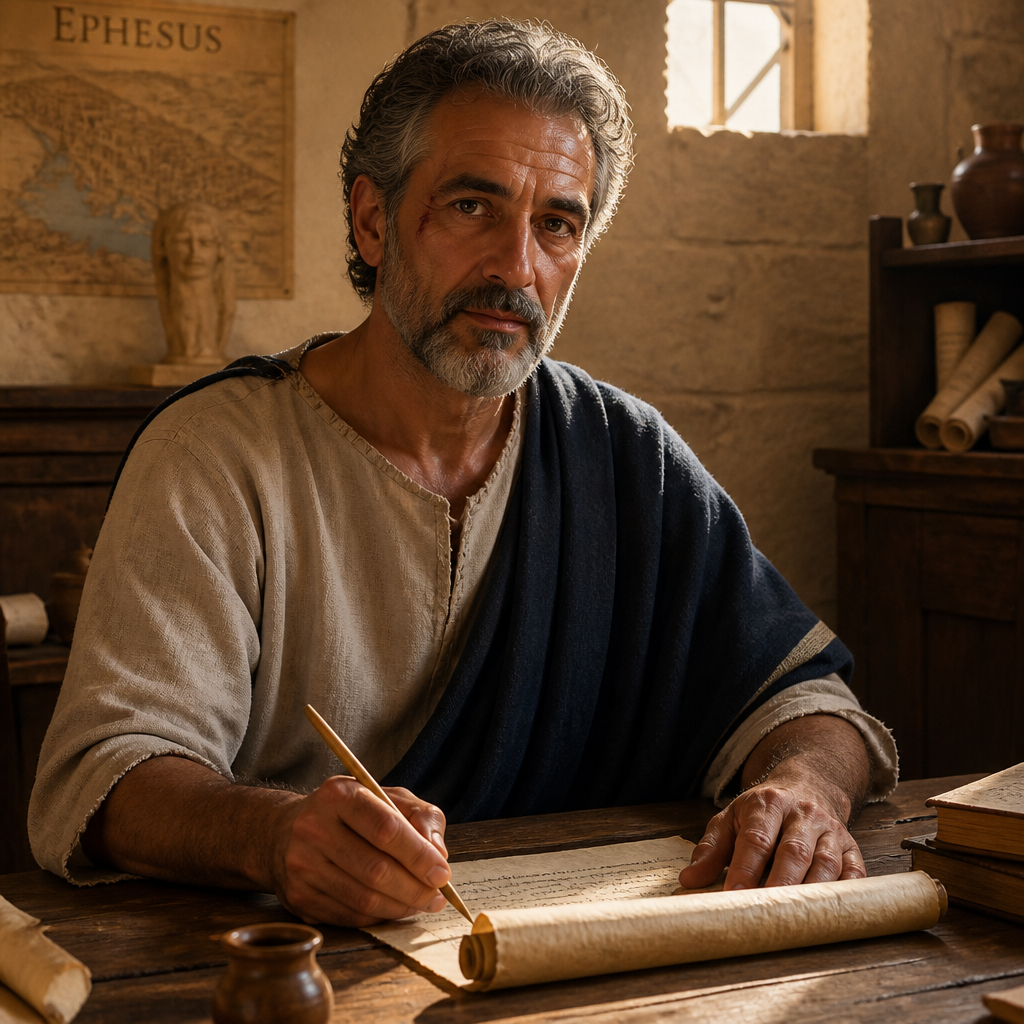
Sosthenes
Synagogue leader in Corinth who was beaten by a crowd and later became Paul's co-author
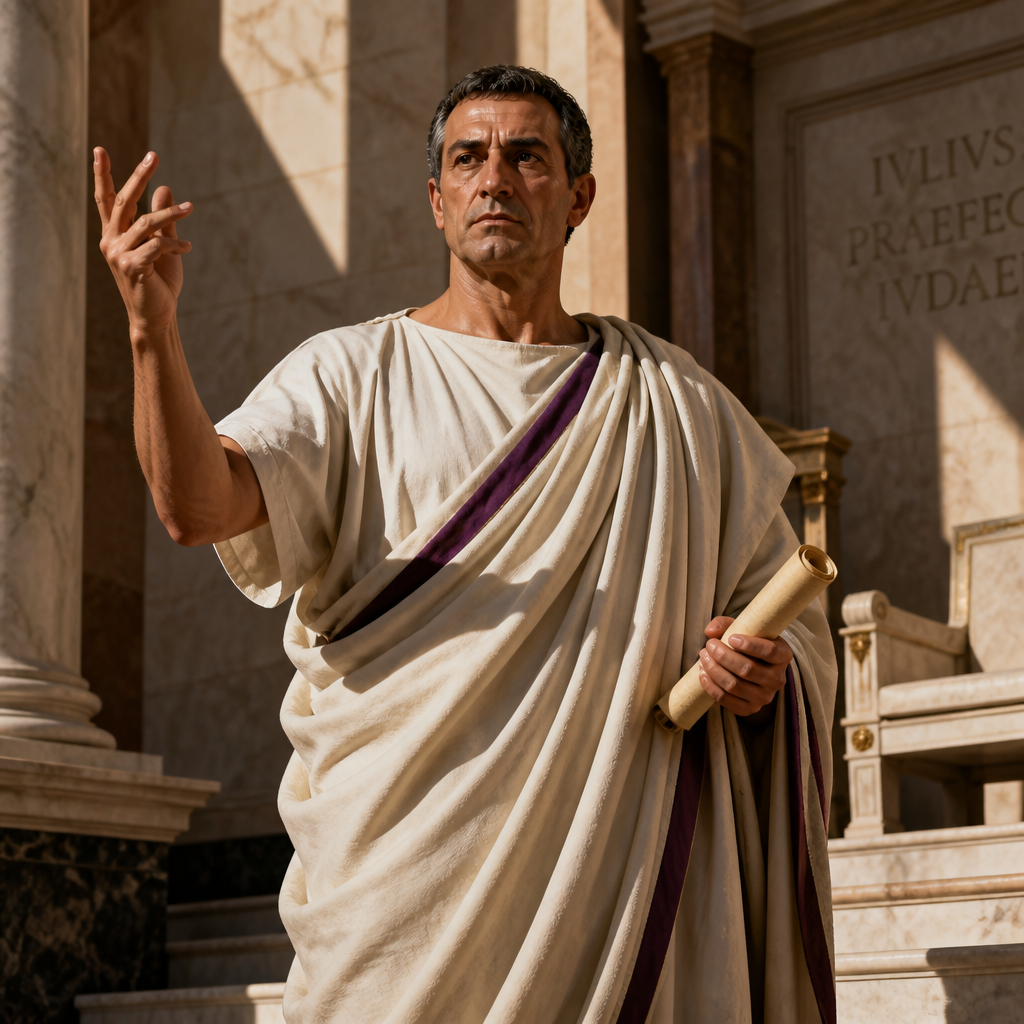
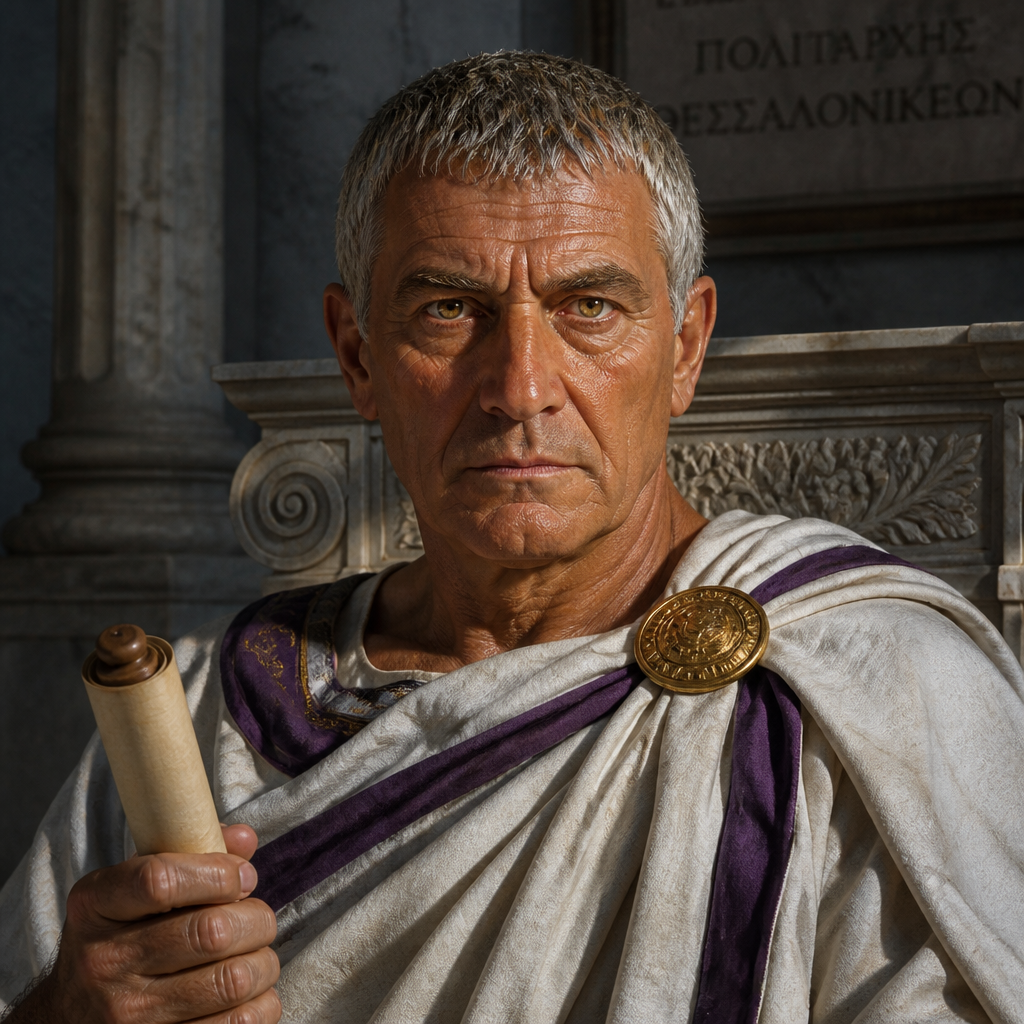
The Thessalonian Authorities
Officials who adjudicated the riot against Paul and Jason in Thessalonica
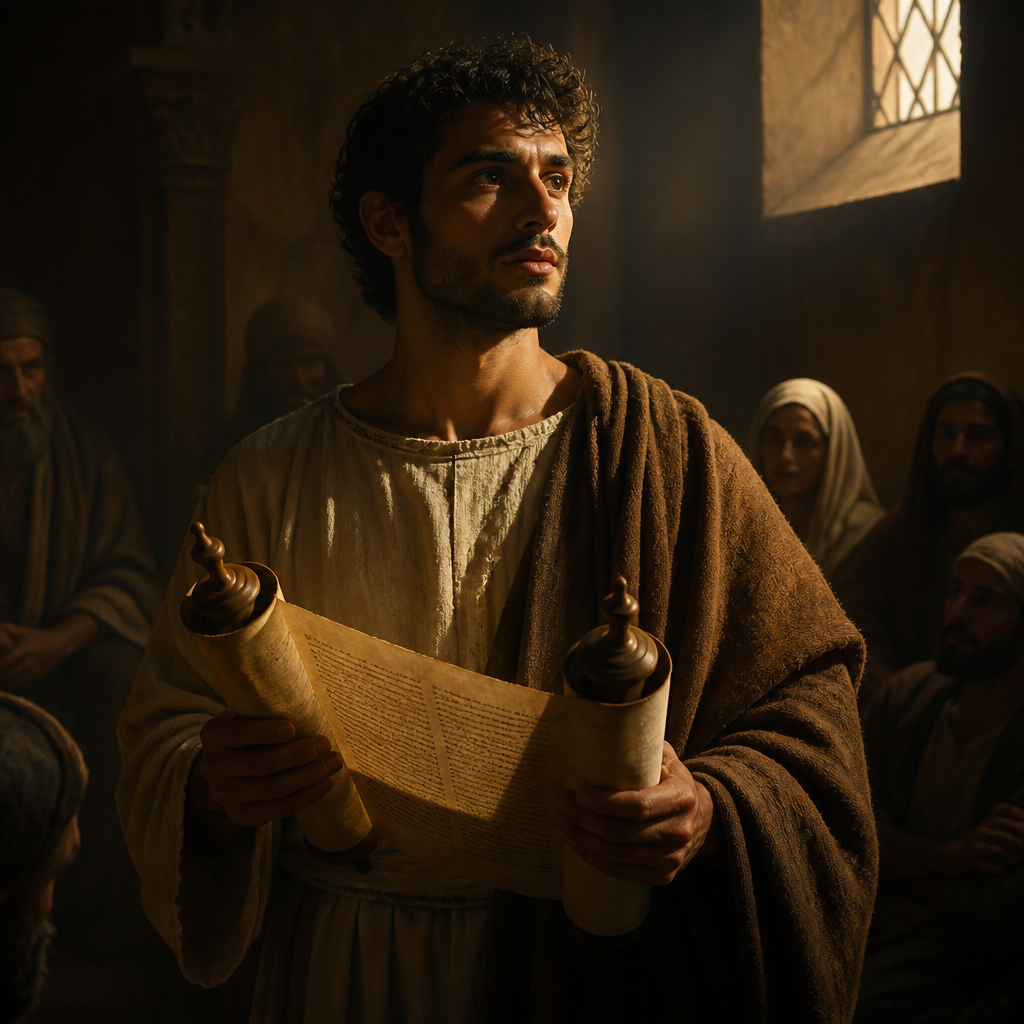
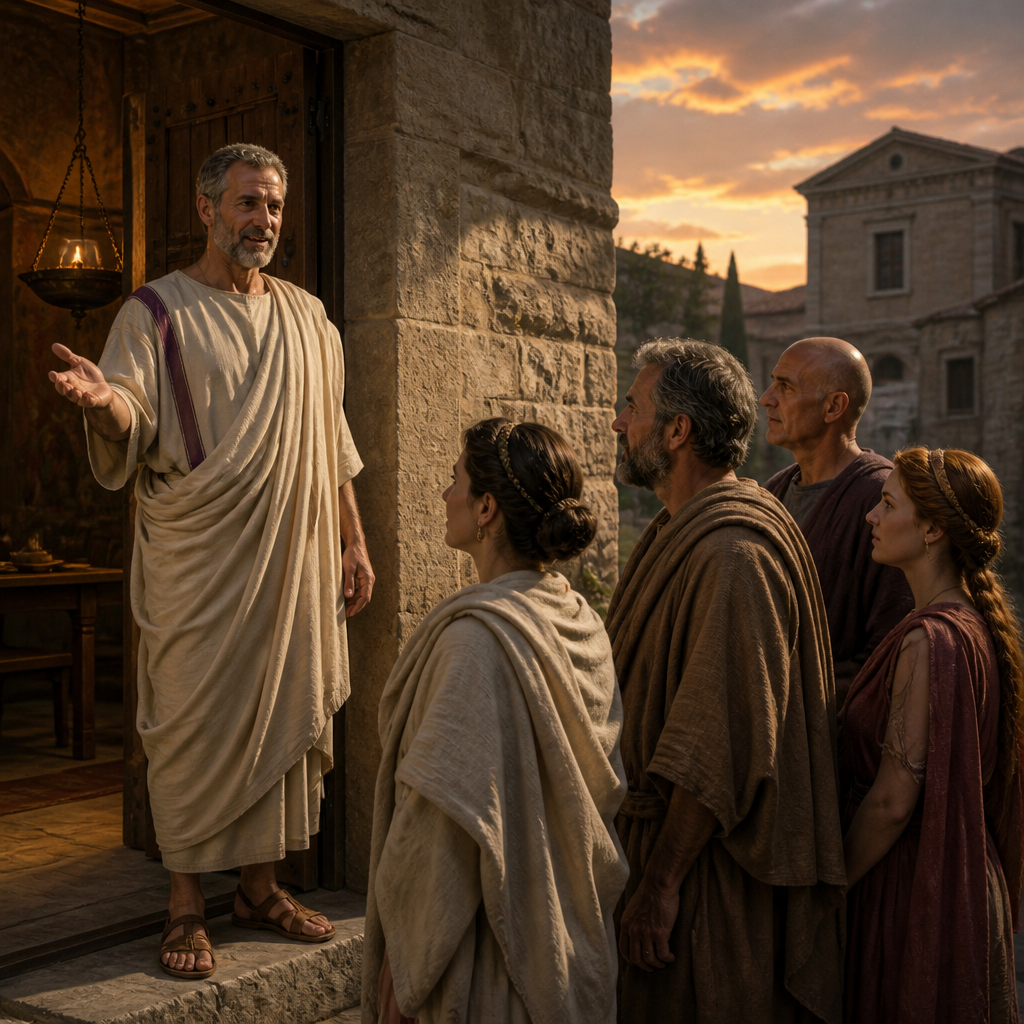
The Tribunal Pharisees
Jewish leaders who defended Paul the Apostle's belief in the resurrection during his trial before the Sanhedrin
Andronicus
Jewish Christian in Rome whom Paul calls a fellow prisoner and outstanding among the apostles
Hermas
Christian believer in Rome greeted by the Apostle Paul in the Epistle to the Romans
Herodion
Jewish Christian in Rome greeted by the Apostle Paul in his letter to the Romans
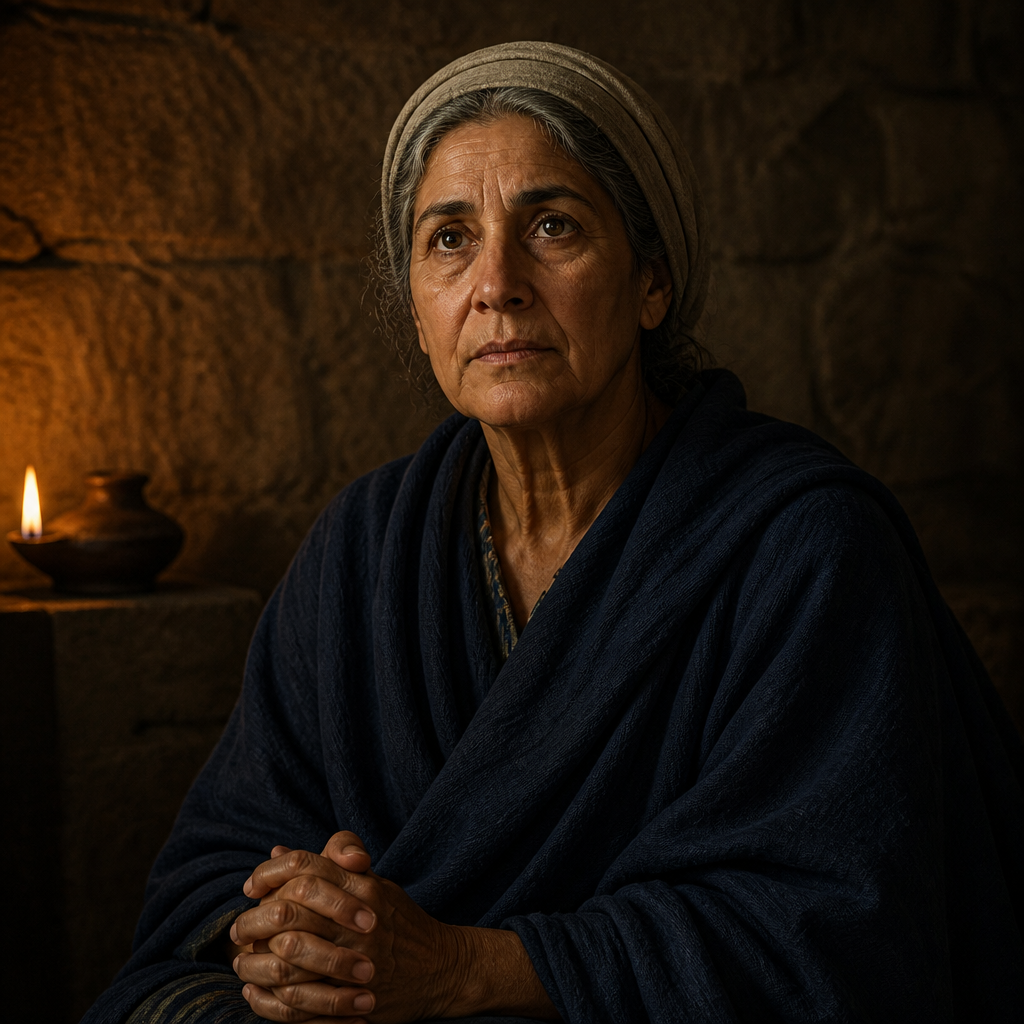
Junia
Jewish Christian woman described as outstanding among the apostles and a fellow prisoner of Paul
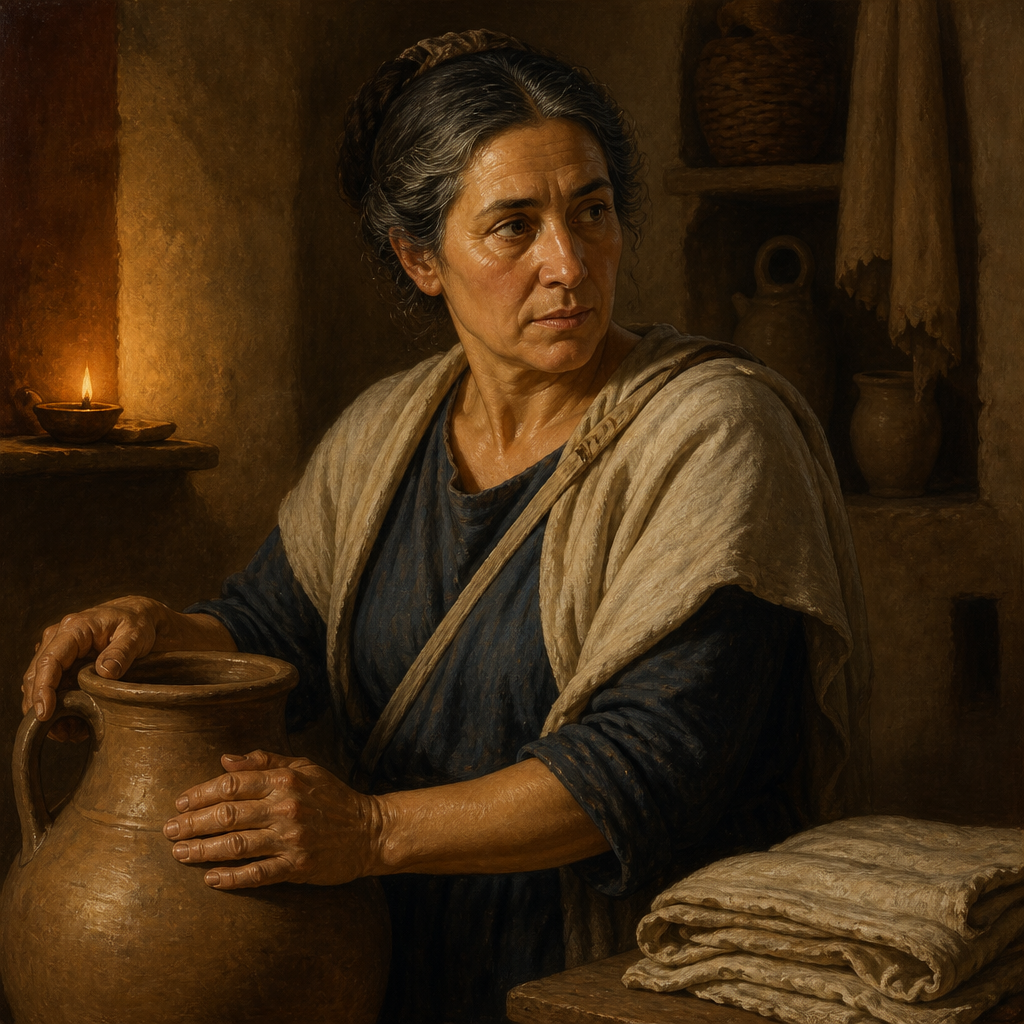
Mary, Hard Worker of Rome
Hard worker in the Roman church who earned a specific commendation from the Apostle Paul
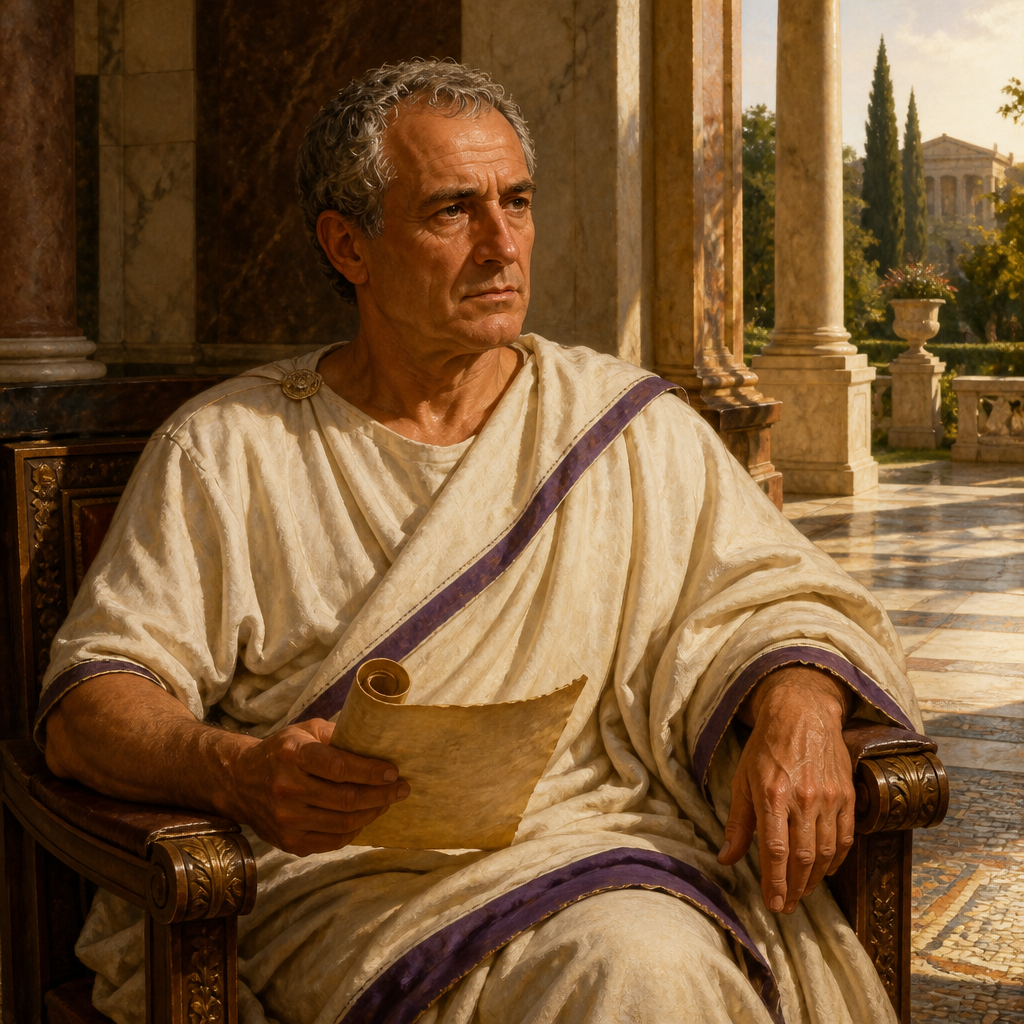

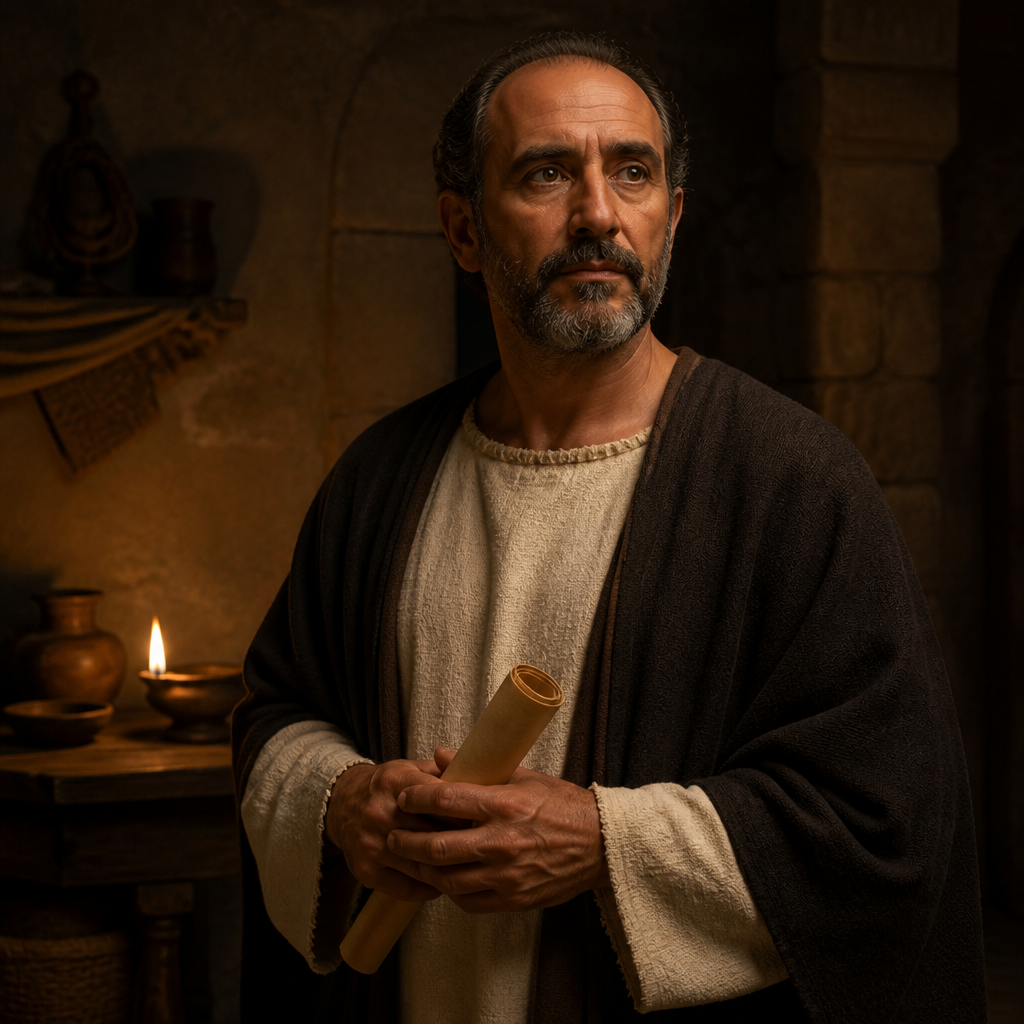
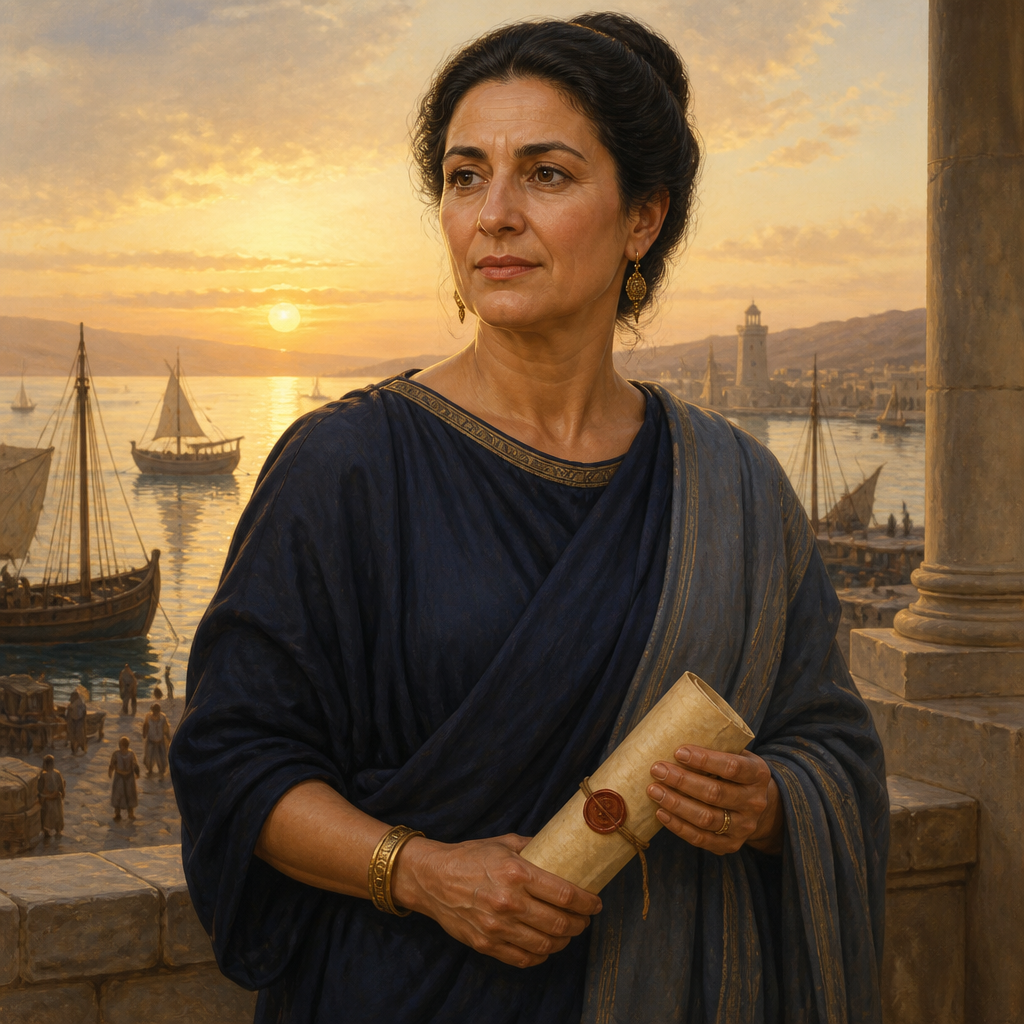
Phoebe
Servant of the church in Cenchrea and patron of the apostle Paul who delivered the Epistle to the Romans
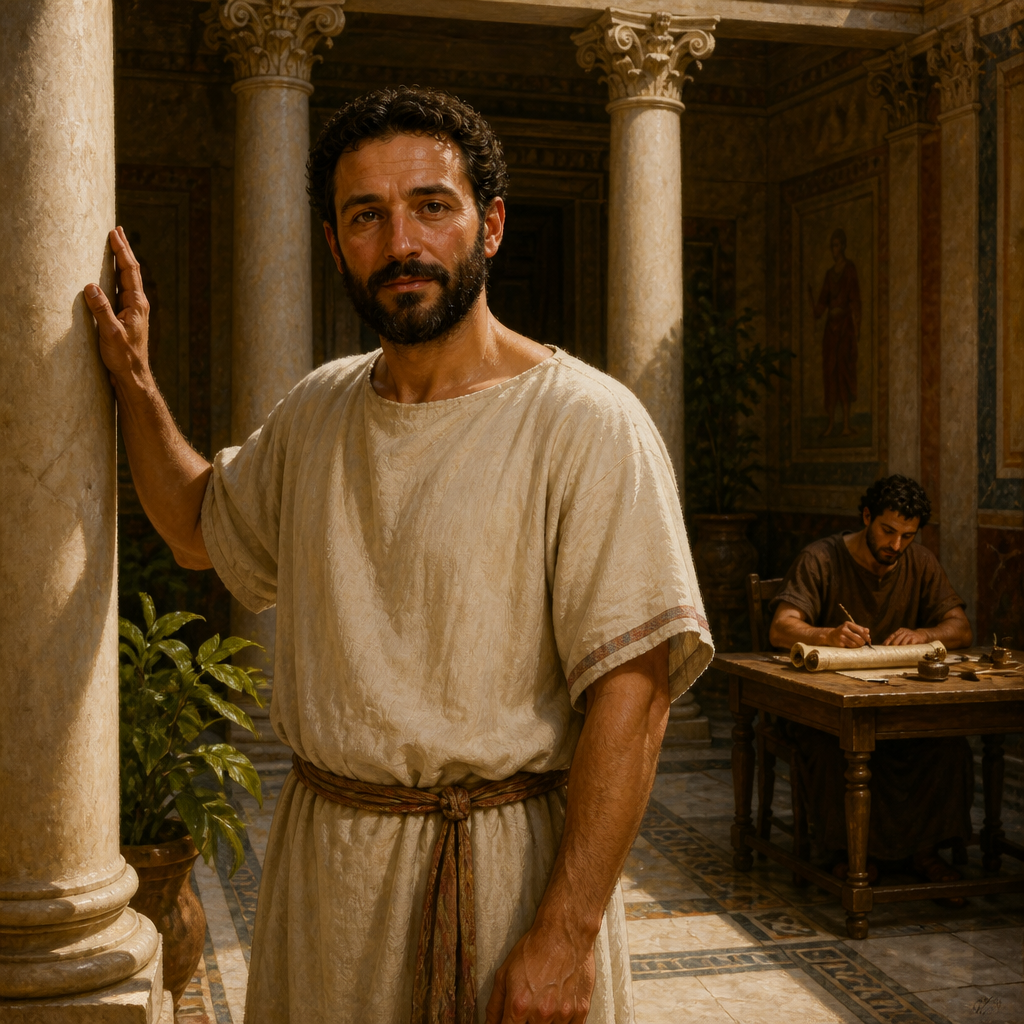
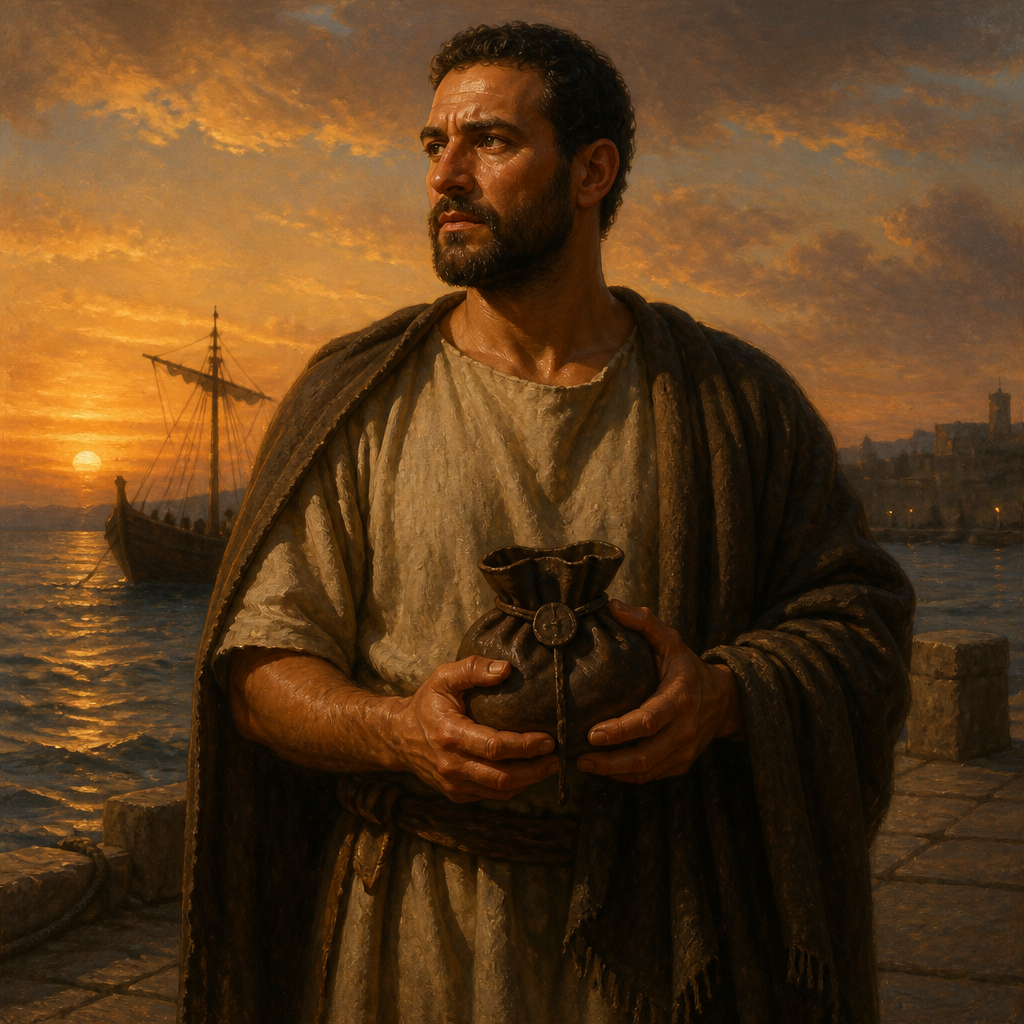
Quartus
Christian brother in Corinth who sent greetings to the Roman church in Paul's epistle
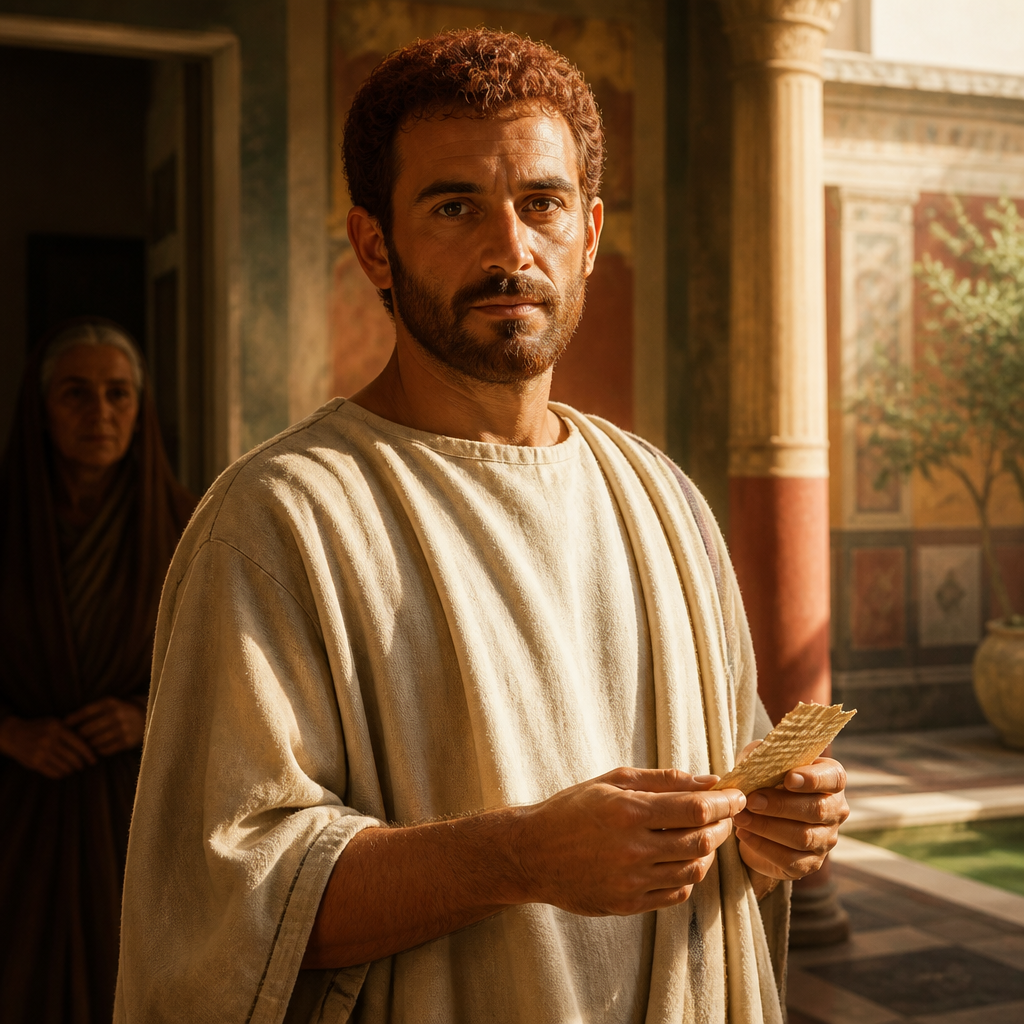
Rufus, Member of the Roman Church
Christian in Rome described by Paul as chosen in the Lord
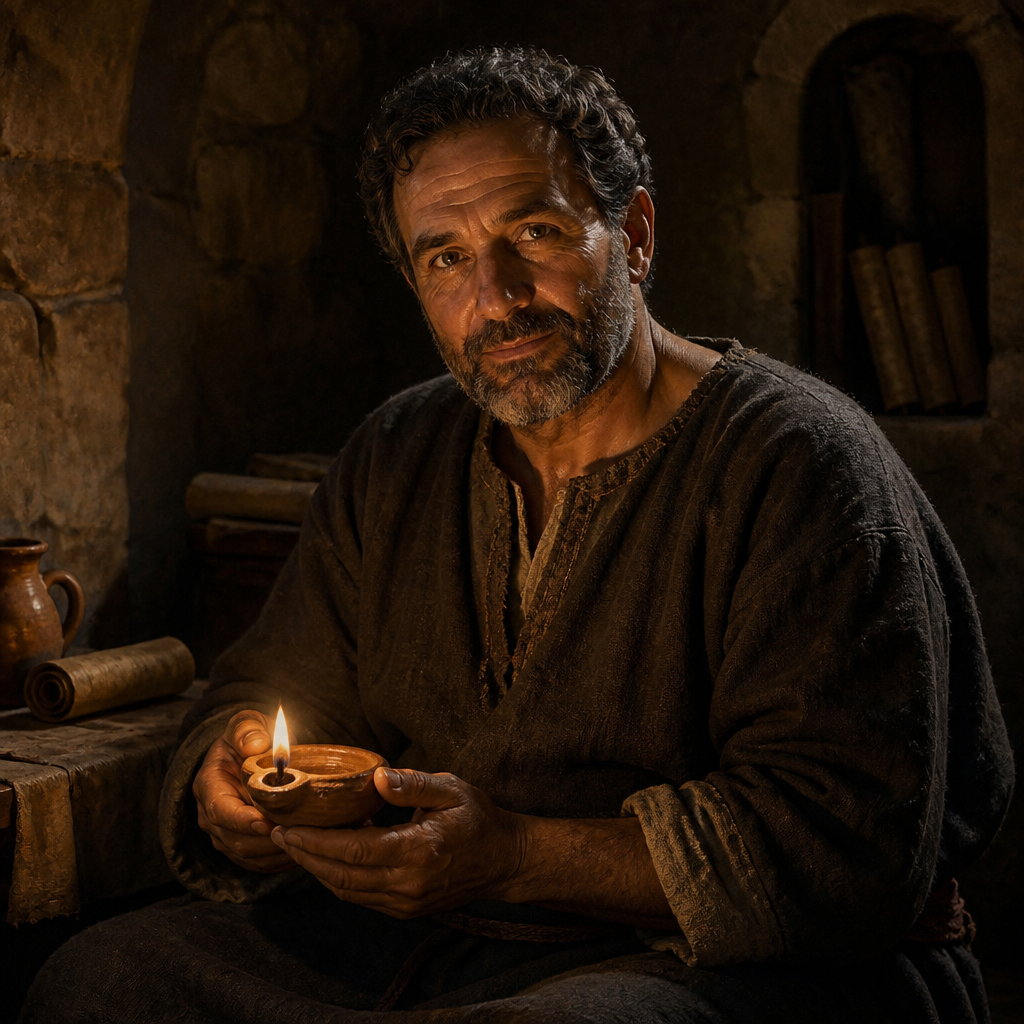
Chloe
Christian woman whose household reported the divisions in the Corinthian church to the Apostle Paul

The Man Who Had His Father's Wife
Man mentioned by Paul for an incestuous relationship with his stepmother
Stephanas
First convert in Achaia who ministered to the Apostle Paul and led the Corinthian church
Titus
Greek companion of Paul who organized the church in Crete and mediated the Corinthian crisis
Nero
Architect of the first imperial persecution of Christians and the figure associated with the number 666
Epaphroditus
Messenger of the Philippian church who nearly died serving the Apostle Paul

The Preachers of Envy and Rivalry
Preachers in Rome who sought to harm Paul’s reputation through competitive ministry
Archippus
Minister in the Colossian church who was exhorted by Paul to fulfill his service
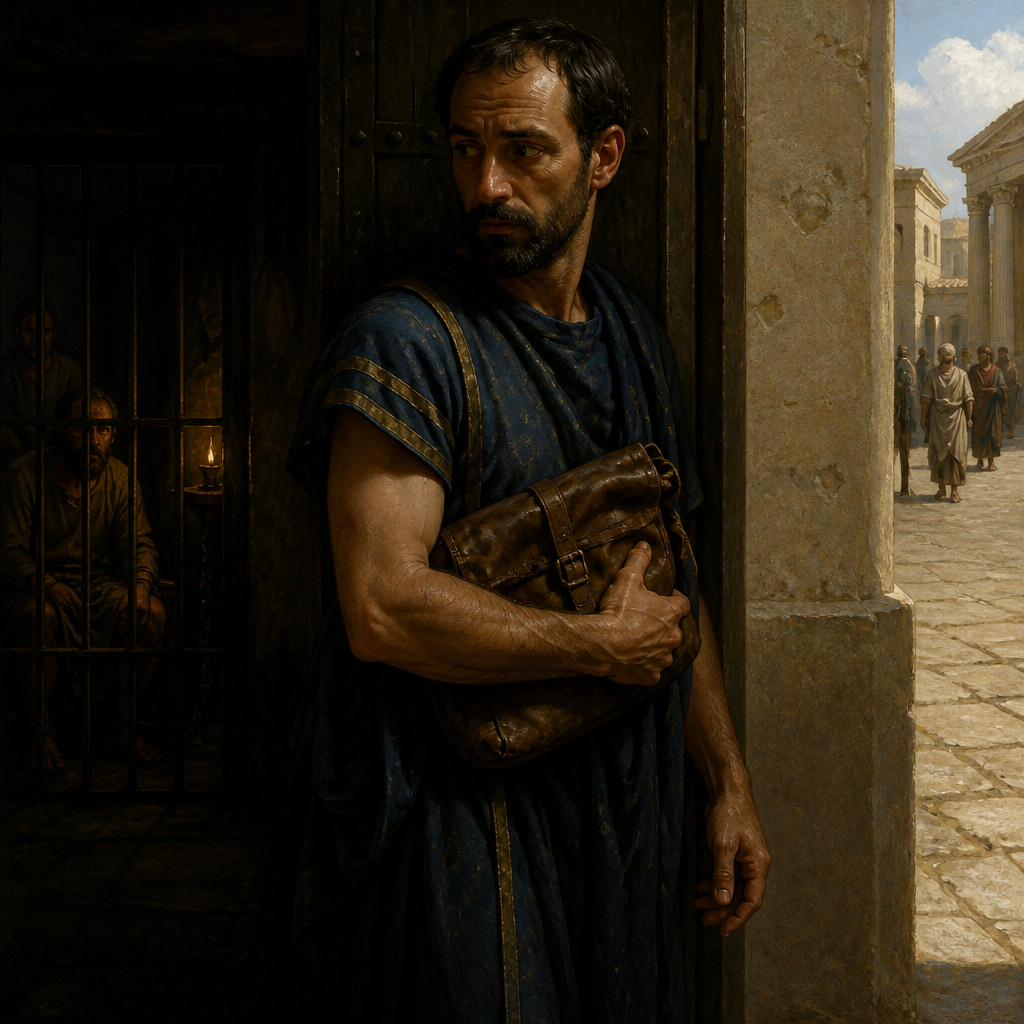
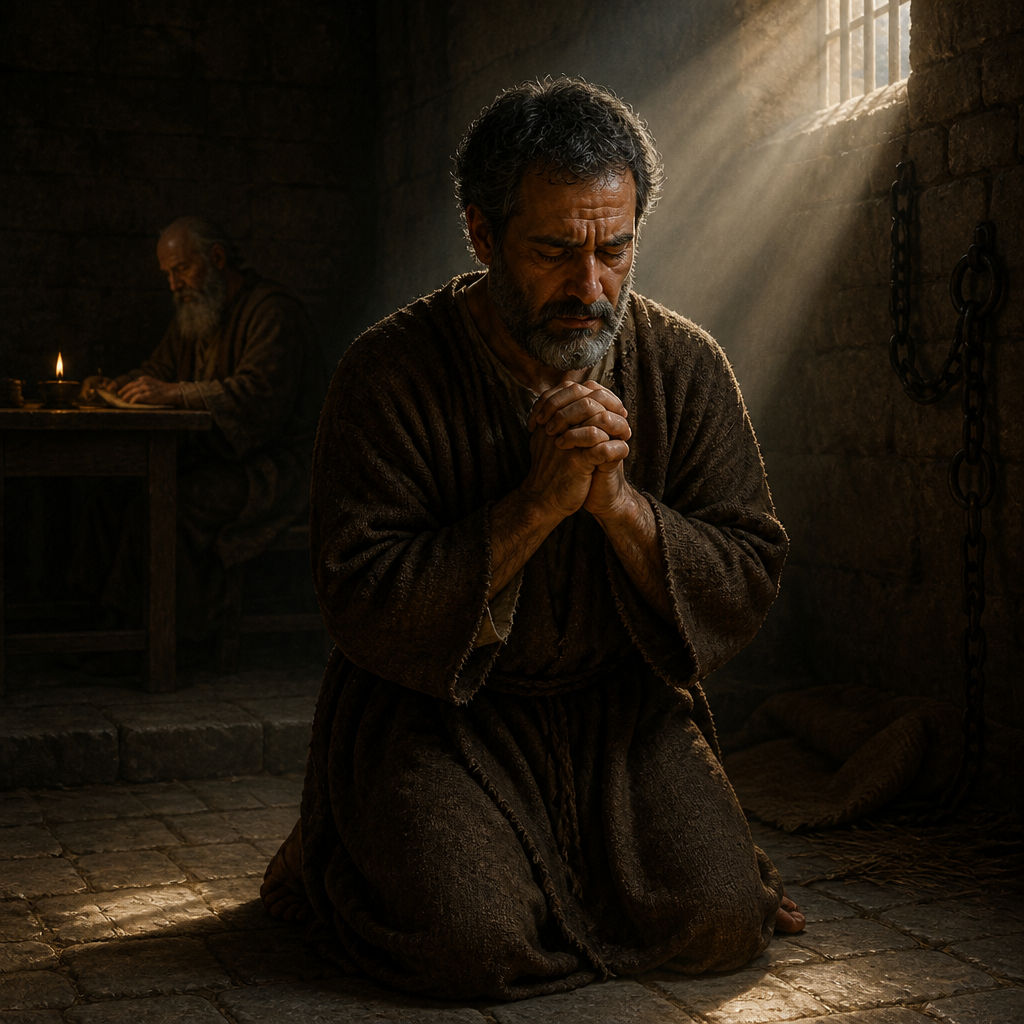
Epaphras
Minister who founded the church at Colossae and served as a fellow prisoner with Paul
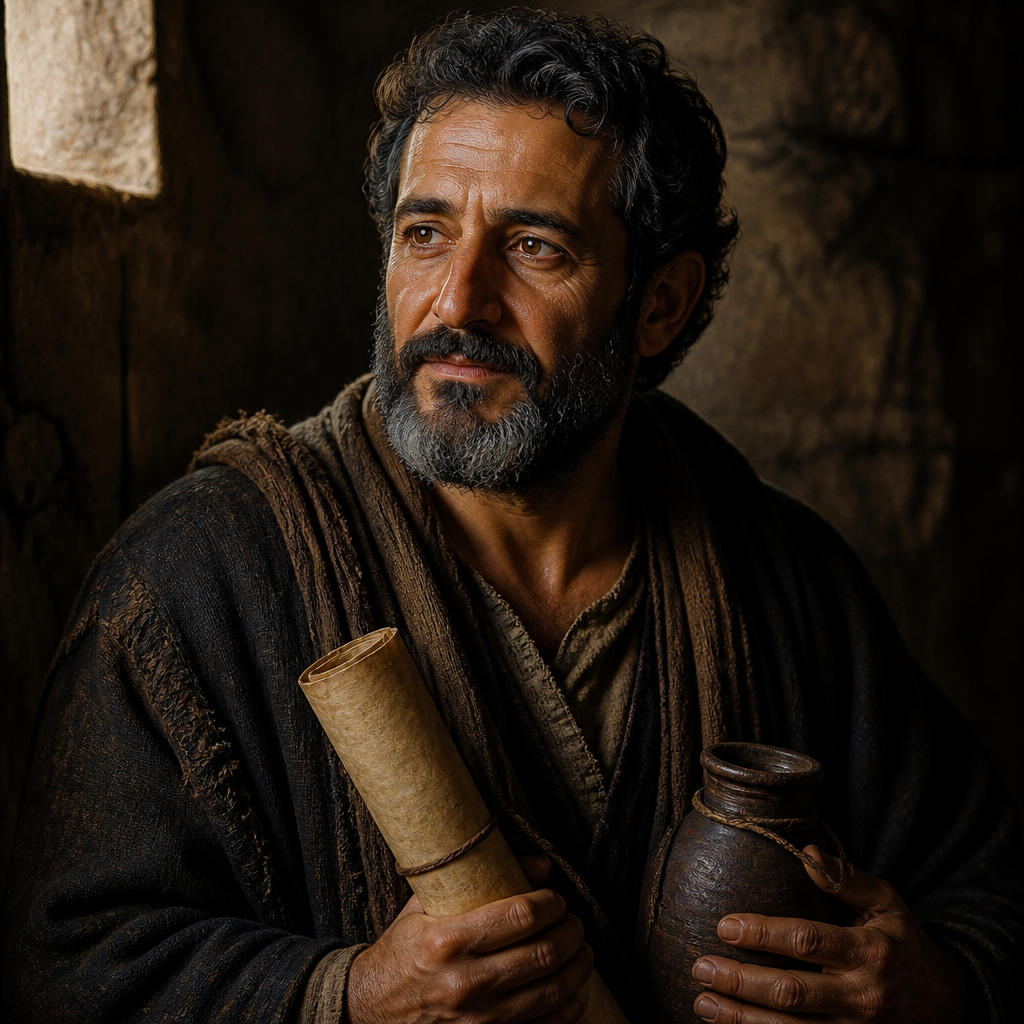
Jesus, also called Justus
Jewish Christian worker who assisted Paul during his Roman imprisonment
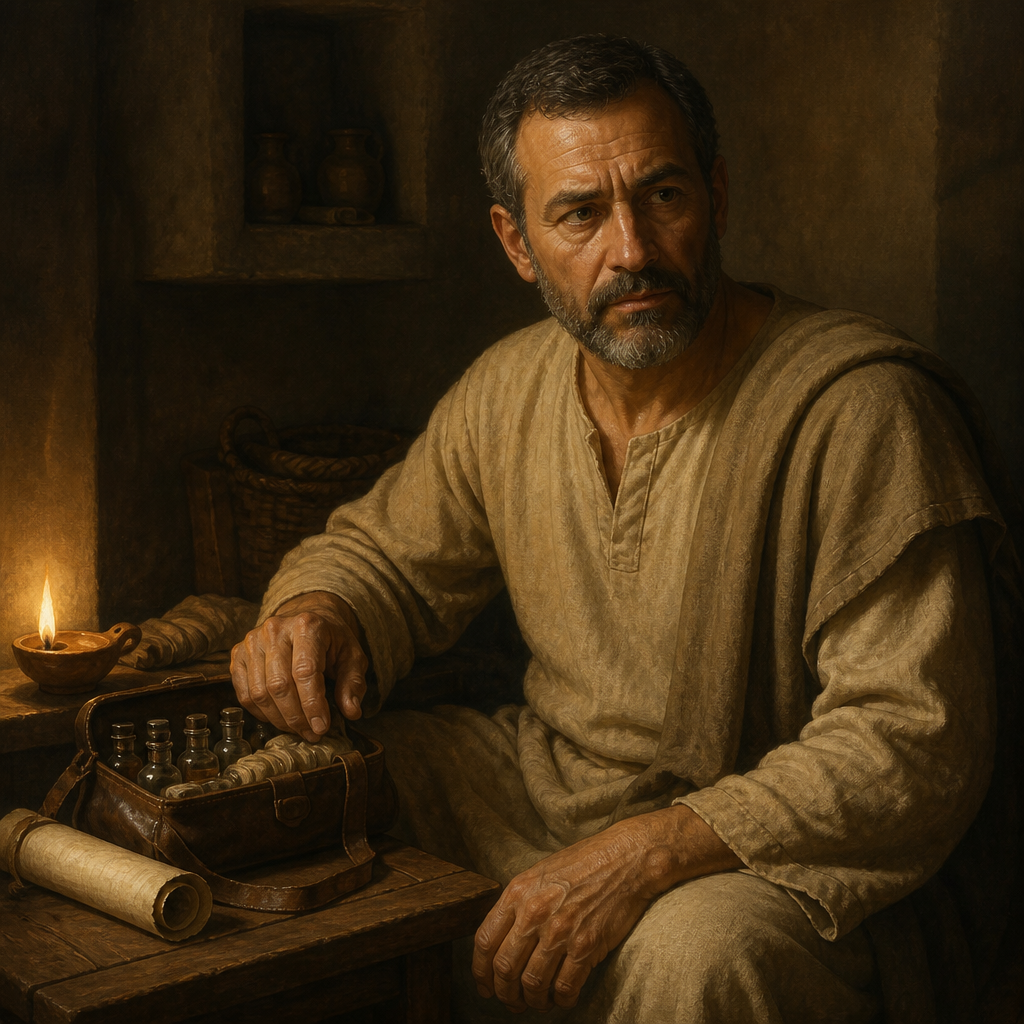
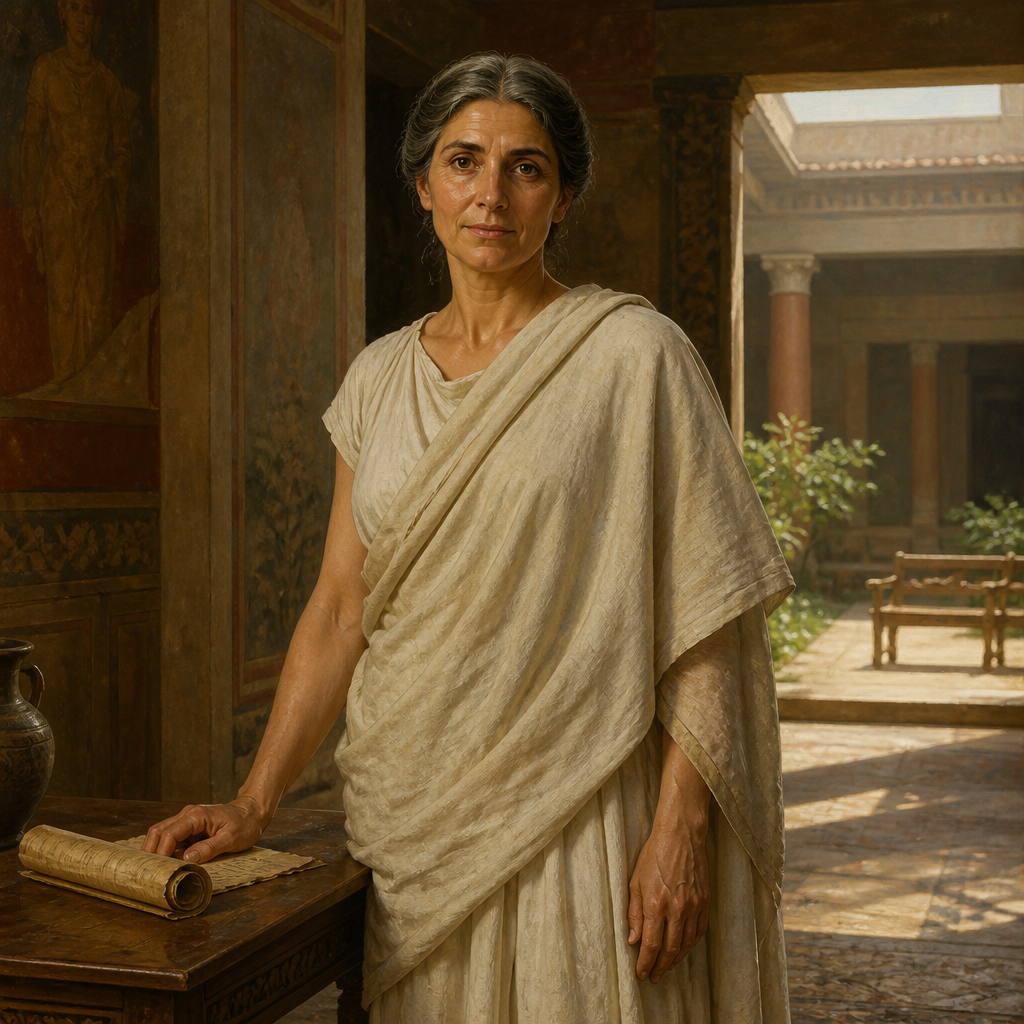
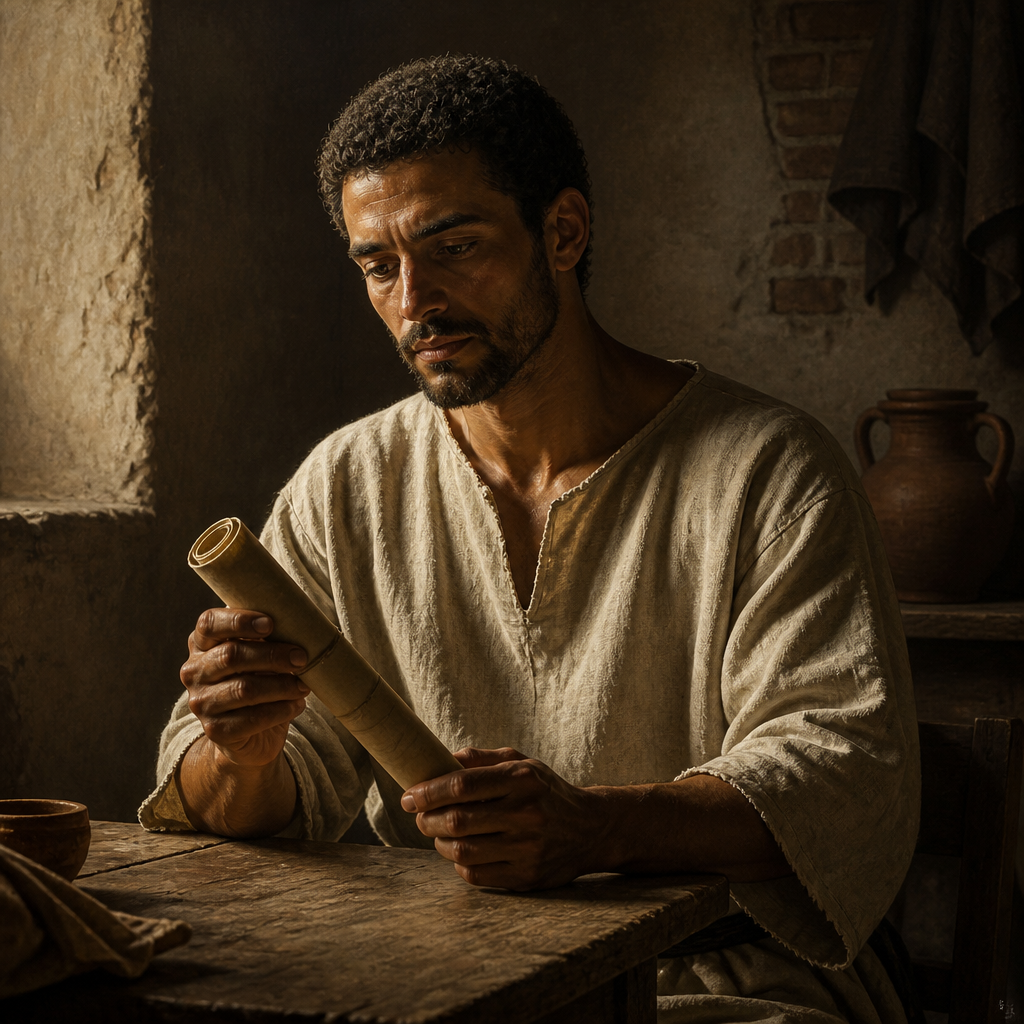
Onesimus
Runaway slave whose reconciliation with his master Philemon is the subject of a New Testament epistle
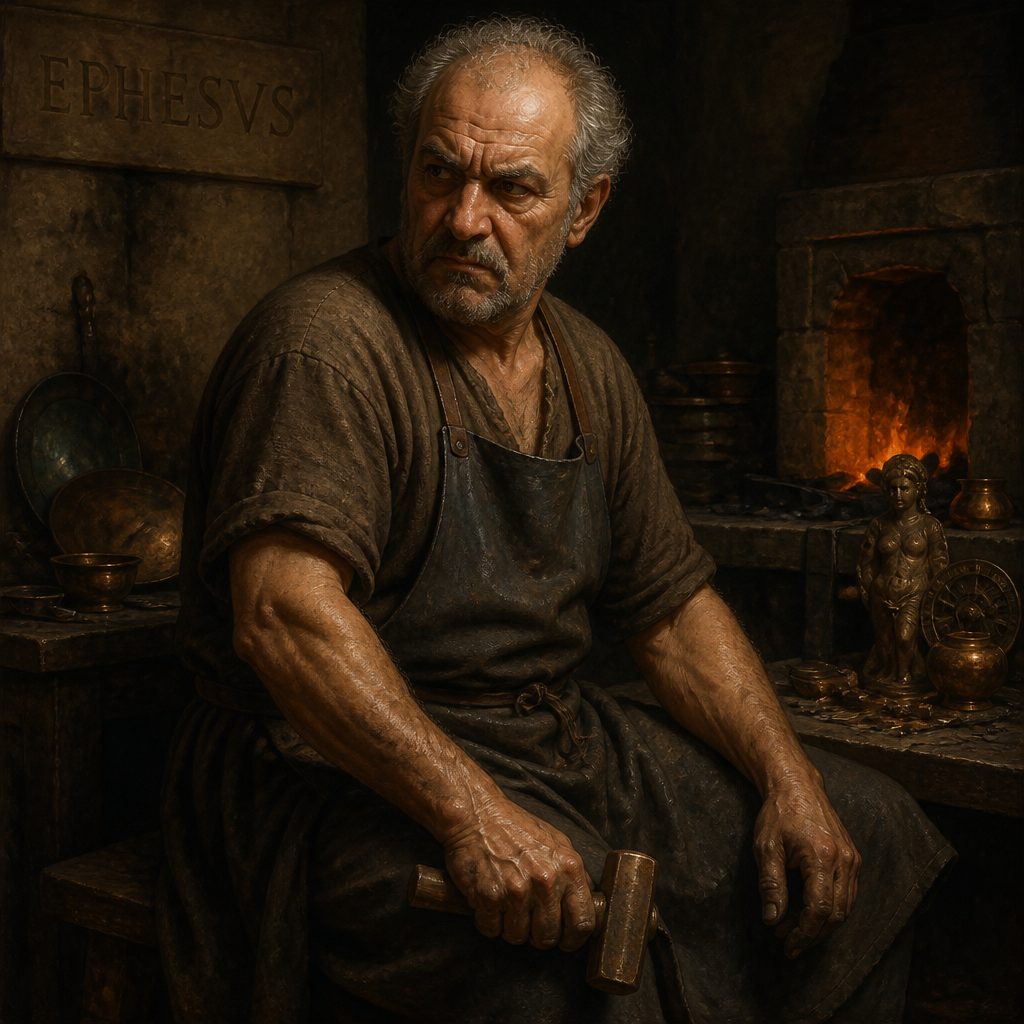
Alexander the Coppersmith
Apostate who caused the Apostle Paul great harm and opposed the gospel
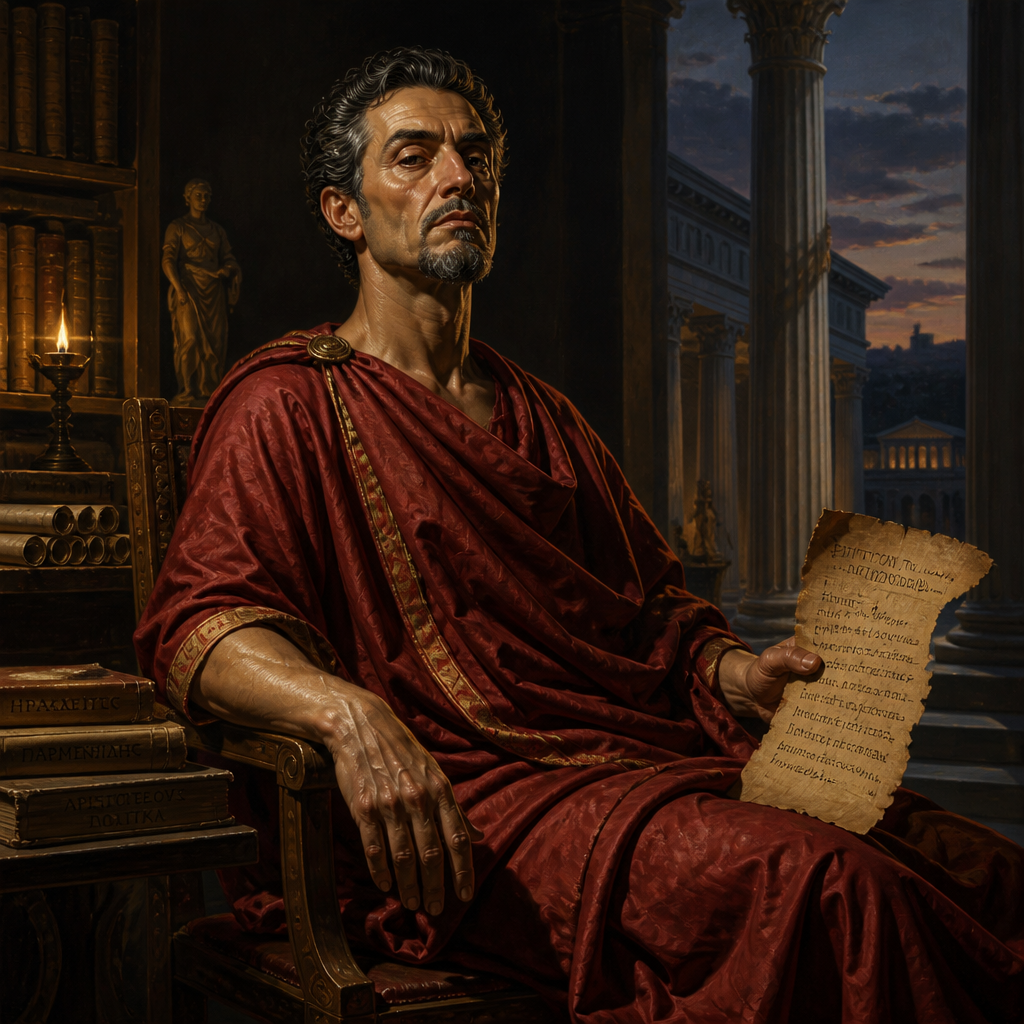
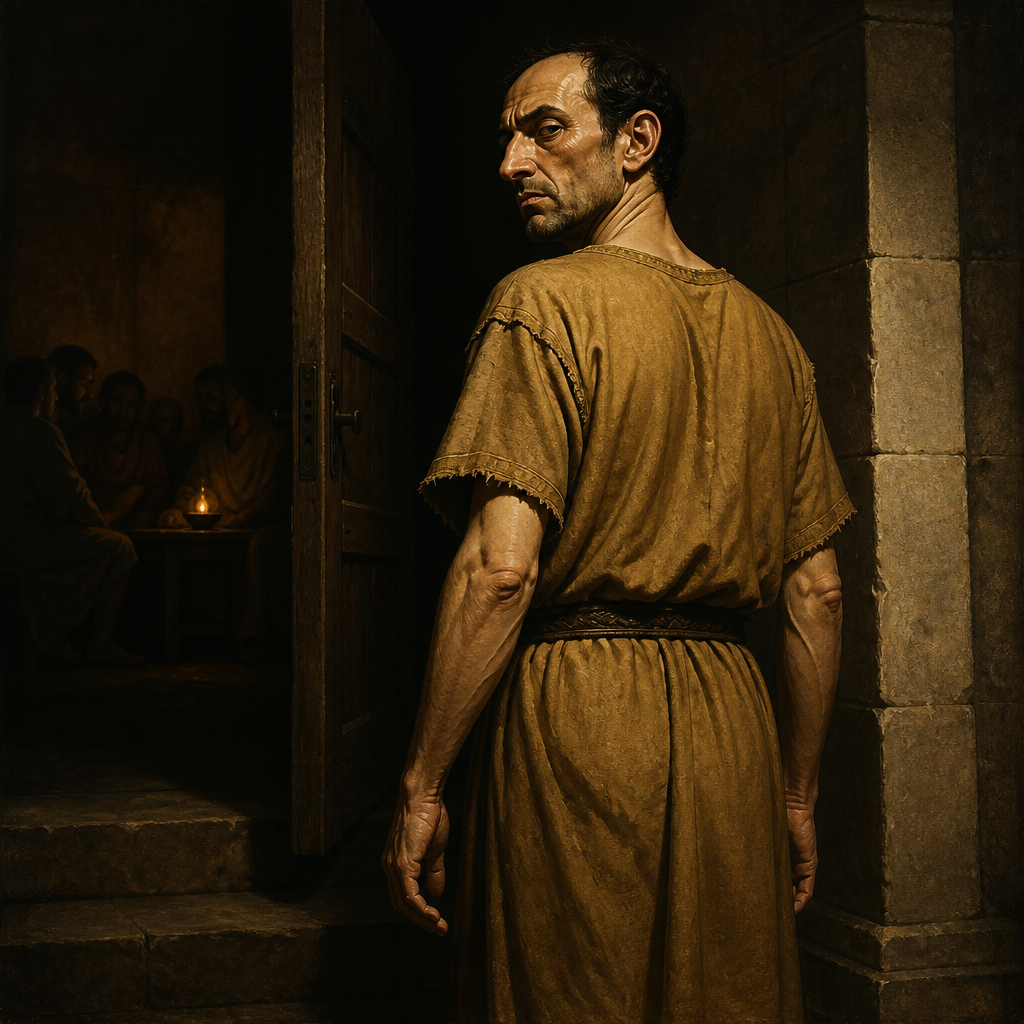
Antichrists
Apostates who abandoned the early church to deny the incarnation of Jesus Christ

The Children of the Elect Lady
Early Christian community members commended by the Apostle John for walking in the truth
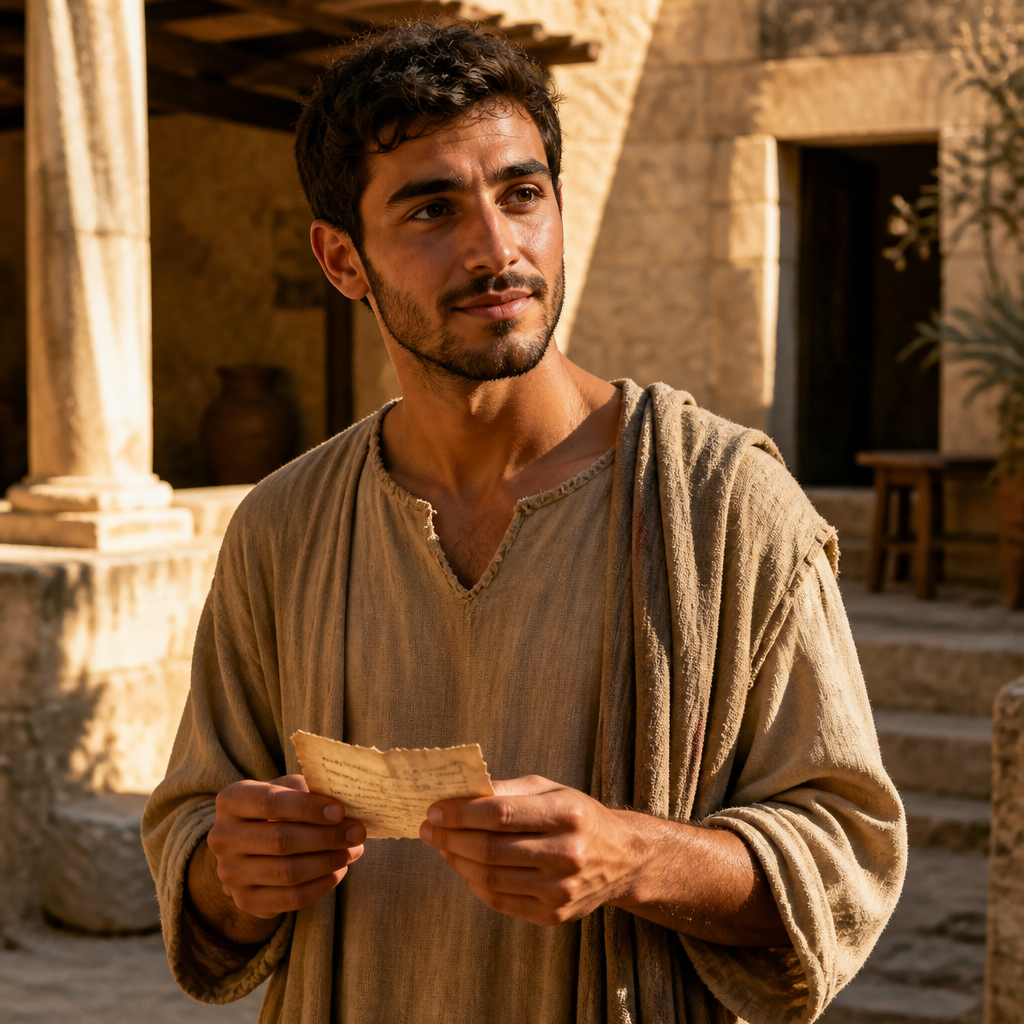
The Children of the Elect Lady's Elect Sister
group of early believers who sent greetings in the Second Epistle of John
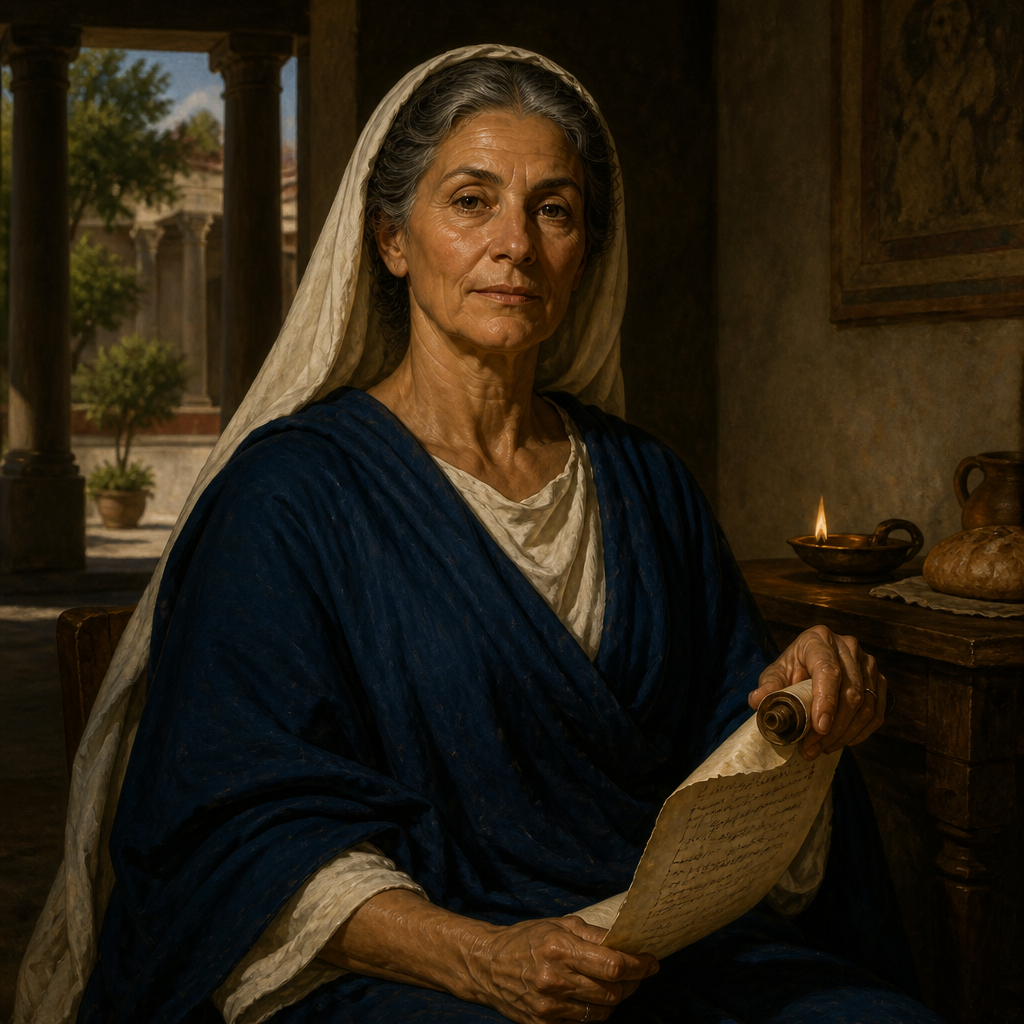
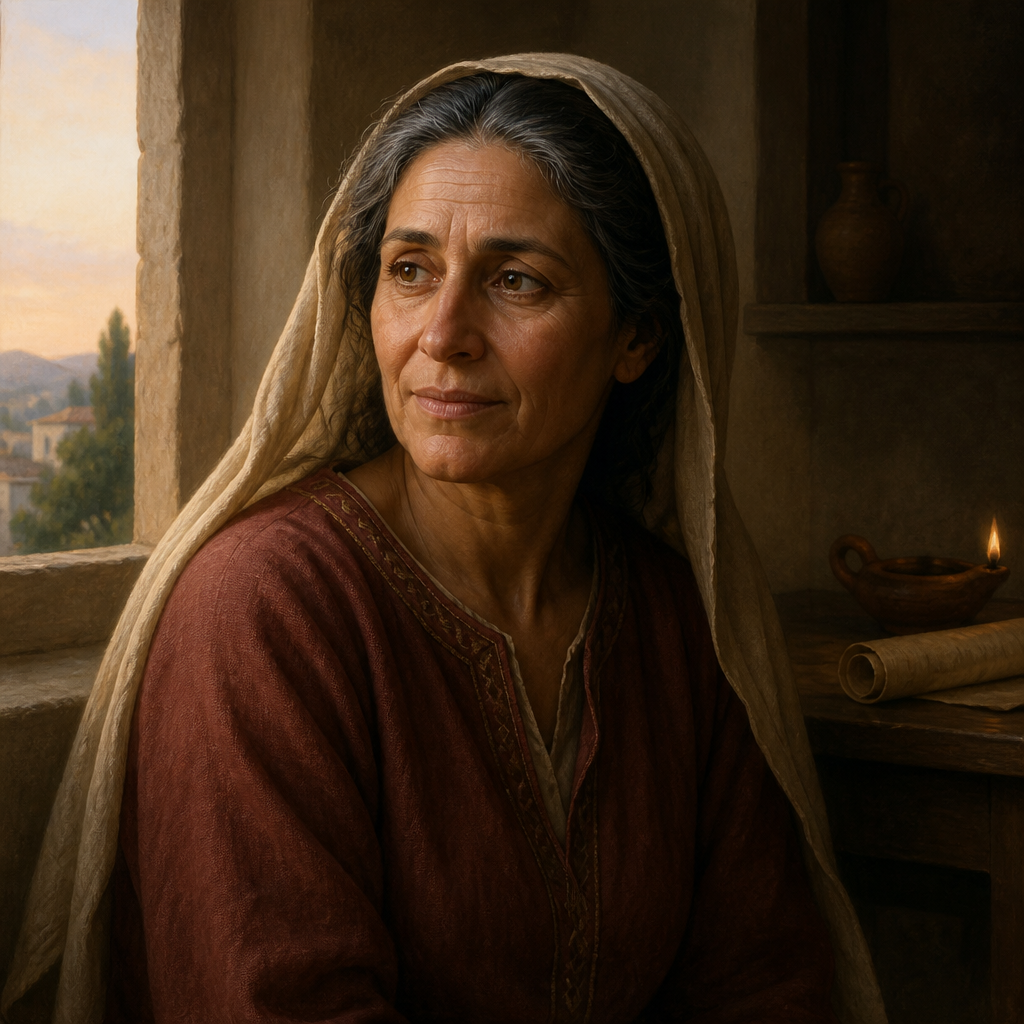
The Elect Lady's Sister
Symmetric figure to the Elect Lady whose children's greetings conclude the Second Epistle of John
The Brothers
Traveling missionaries associated with the Elder who were given testimony of their faithfulness
Demetrius
Christian messenger praised by the Apostle John for his integrity and good report
Diotrephes
Local church leader who pridefully rejected the Apostle John's authority and excommunicated faithful believers
The Friends (Johannine Network)
Network of early Christians who supported the Apostle John and practiced radical hospitality
Gaius, Recipient of 3 John
Christian host commended by the Apostle John for his hospitality and faithfulness to the truth
These names come from genealogies and lists that give no anchor in time. They are placed here by genealogical position, not by a dated event, so they are listed apart from the people the text dates directly.