
People of Ezekiel
Every person who appears in the book of Ezekiel, ordered by how often they are mentioned there.
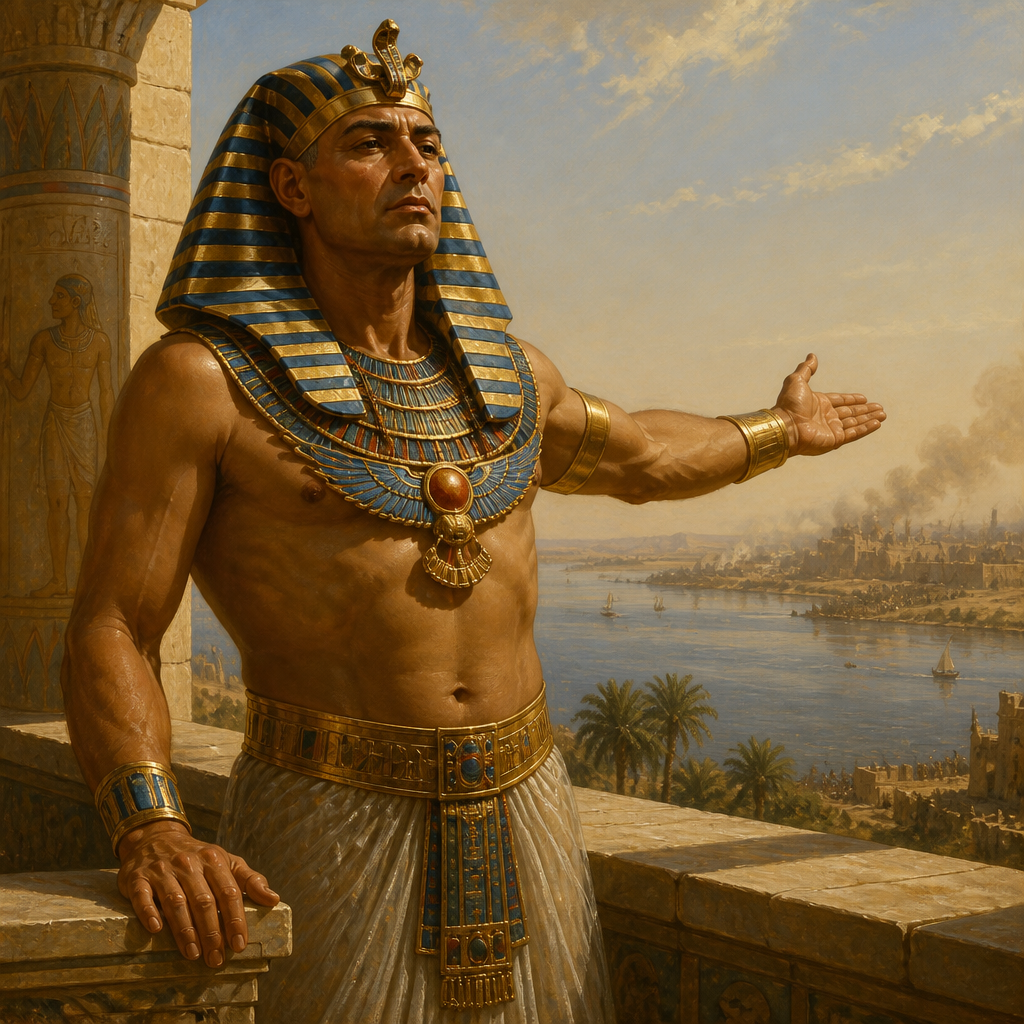
The People of Ezekiel appear throughout the prophetic record of the Babylonian exile, beginning with the prophet Ezekiel himself, who is identified as the son of Buzi (Ezekiel 1:3). The narrative opens during the fifth year of the captivity of Jehoiachin, the king of Judah taken to Babylon (Ezekiel 1:2). As the prophet receives visions of the corruption in Jerusalem, he identifies specific leaders such as Jaazaniah, son of Shaphan, who is seen practicing idolatry among the elders (Ezekiel 8:11). In a subsequent vision at the east gate of the temple, the prophet sees Jaazaniah, son of Azzur, and Pelatiah son of Benaiah, whom the text describes as men giving wicked counsel to the city (Ezekiel 11:1). When the prophet speaks against these leaders, Pelatiah son of Benaiah dies suddenly, serving as a sign of the coming judgment (Ezekiel 11:13).
The text uses both historical and symbolic figures to illustrate the spiritual condition of the nation. The prophet mentions Noah, along with Daniel, and Job as three examples of righteous men who could not save a land from judgment by their own merit (Ezekiel 14:14). To describe the history of infidelity in Israel and Judah, the text introduces two sisters: Oholah, who represents Samaria, and Oholibah, who represents Jerusalem (Ezekiel 23:4). The personal life of the prophet is also used as a divine sign when Ezekiel’s Wife dies, and he is commanded not to mourn publicly to demonstrate how the sanctuary of Israel will be profaned (Ezekiel 24:18).
Foreign entities and ancient ancestors are cited to contextualize the fall of nations and the eventual restoration of the people. The text mentions Nebuchadnezzar as the instrument of divine wrath against Jerusalem and Tyre (Ezekiel 26:7), while Hophra is identified as the Pharaoh whose failure would leave Israel without support (Ezekiel 29:19). The book concludes with a vision of a restored land organized by the tribes of Israel. This future geography assigns specific gates and territories to the descendants of the patriarchs, including Reuben, Judah, and Levi (Ezekiel 48:31). The final division of the land ensures an inheritance for all the tribes, including Joseph, Benjamin, and Gad signaling a definitive end to the exile (Ezekiel 48:32–34).
Everyone in this list
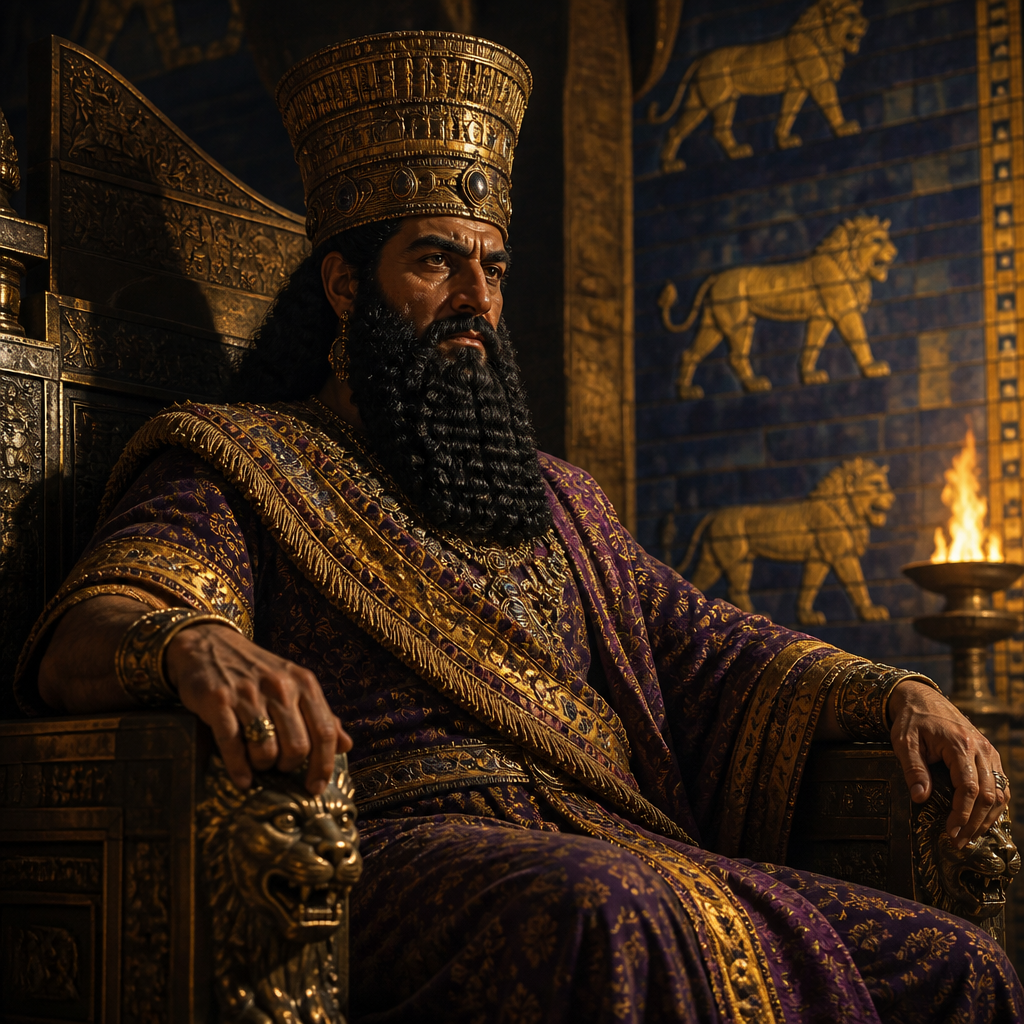
Nebuchadnezzar
King of Babylon who conquered Jerusalem and was humbled by God
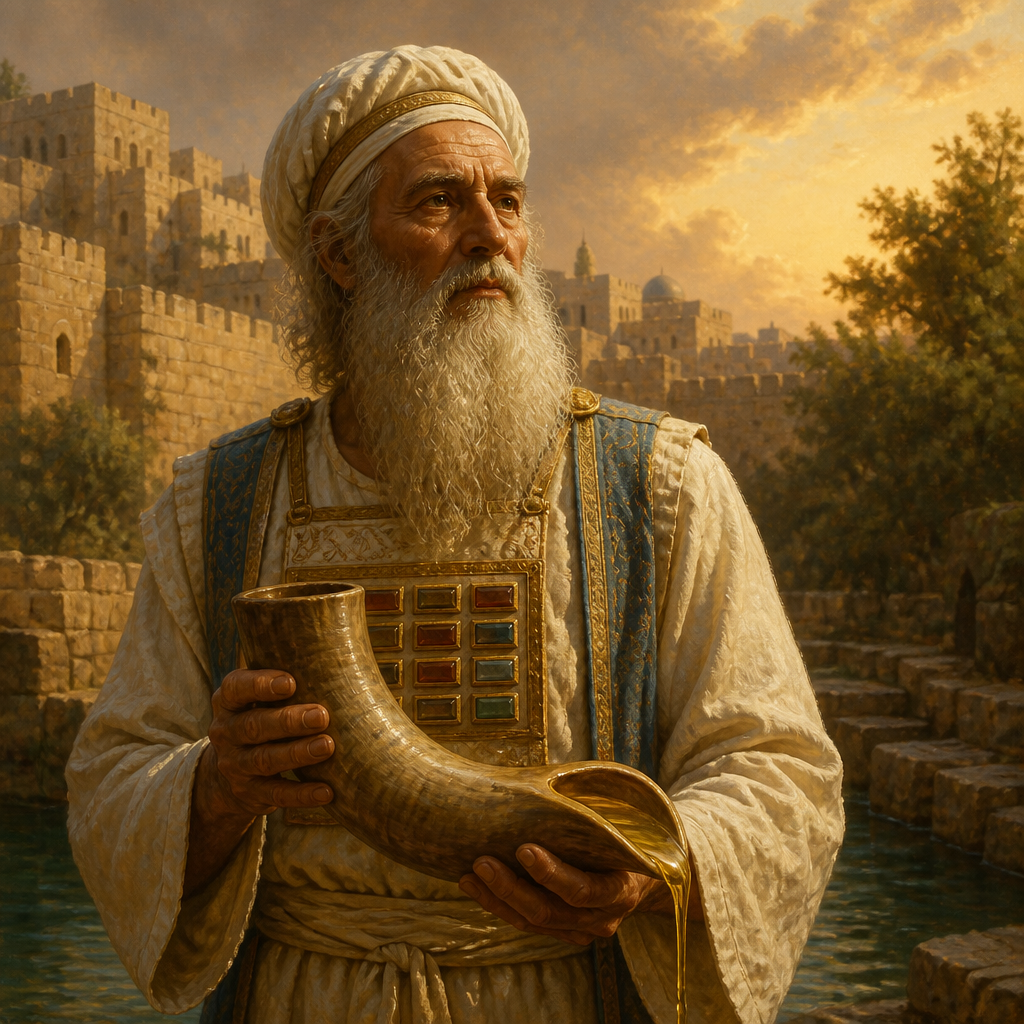
Zadok, High Priest under David and Solomon
High priest who anointed King Solomon and established a faithful priestly dynasty
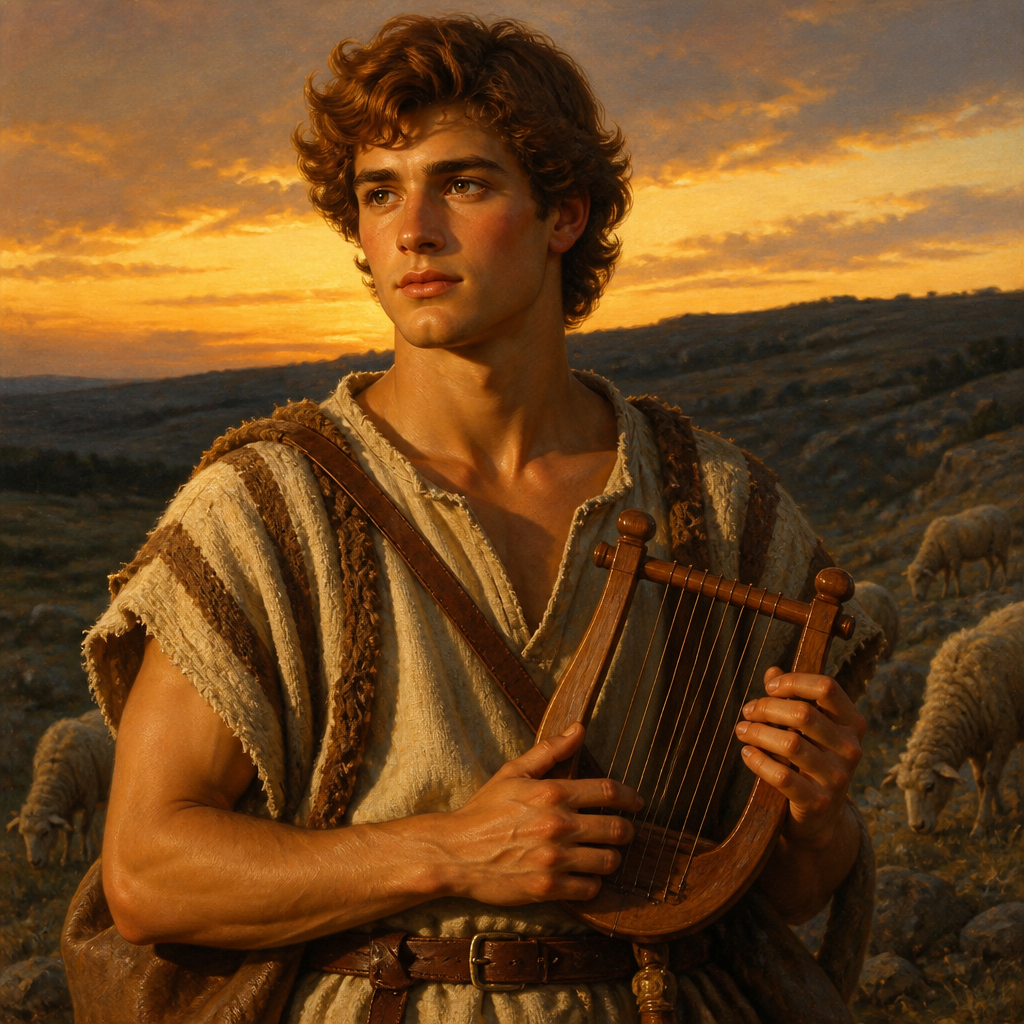
David
King of Israel who defeated Goliath and established the Davidic dynasty
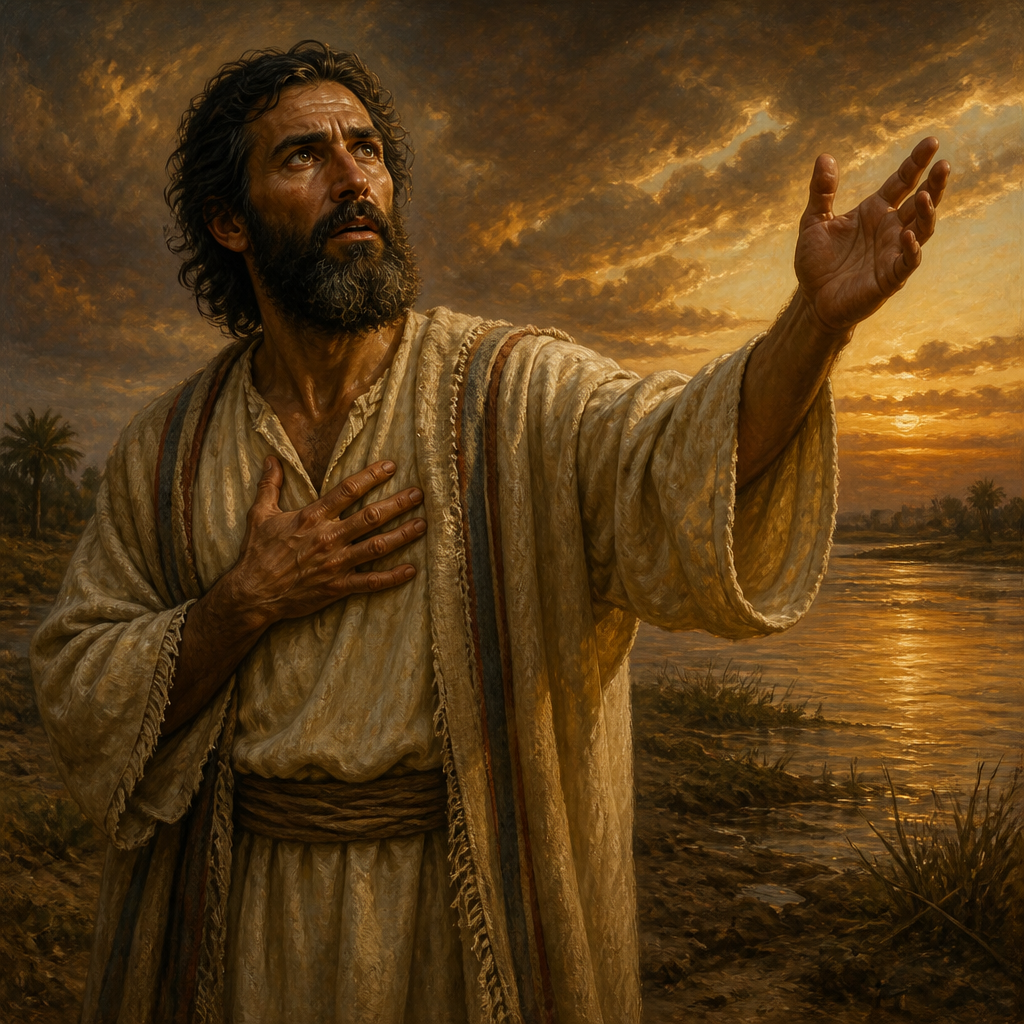
Ezekiel
Prophet who served as a sign to Israel during the Babylonian Exile
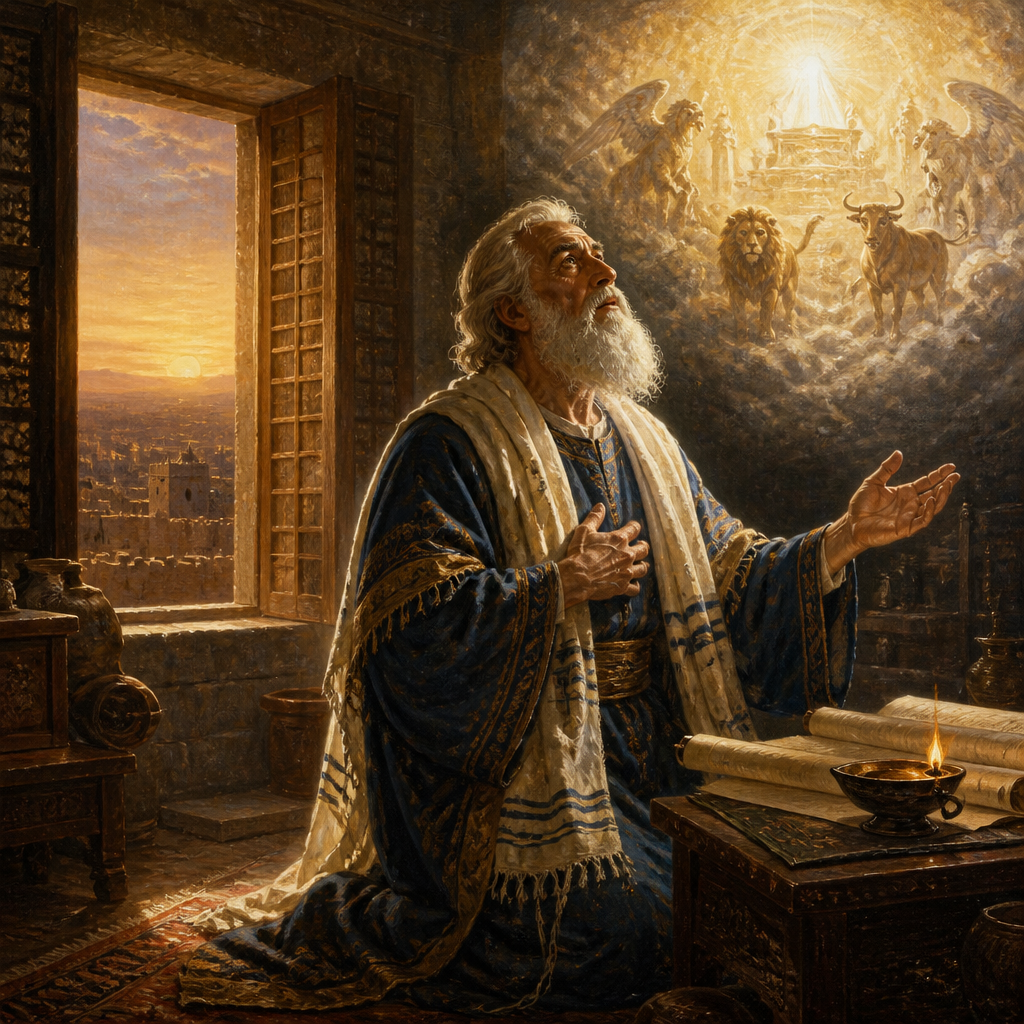
Daniel, Prophet of the Exile
Prophet who survived the lions' den and interpreted the handwriting on the wall
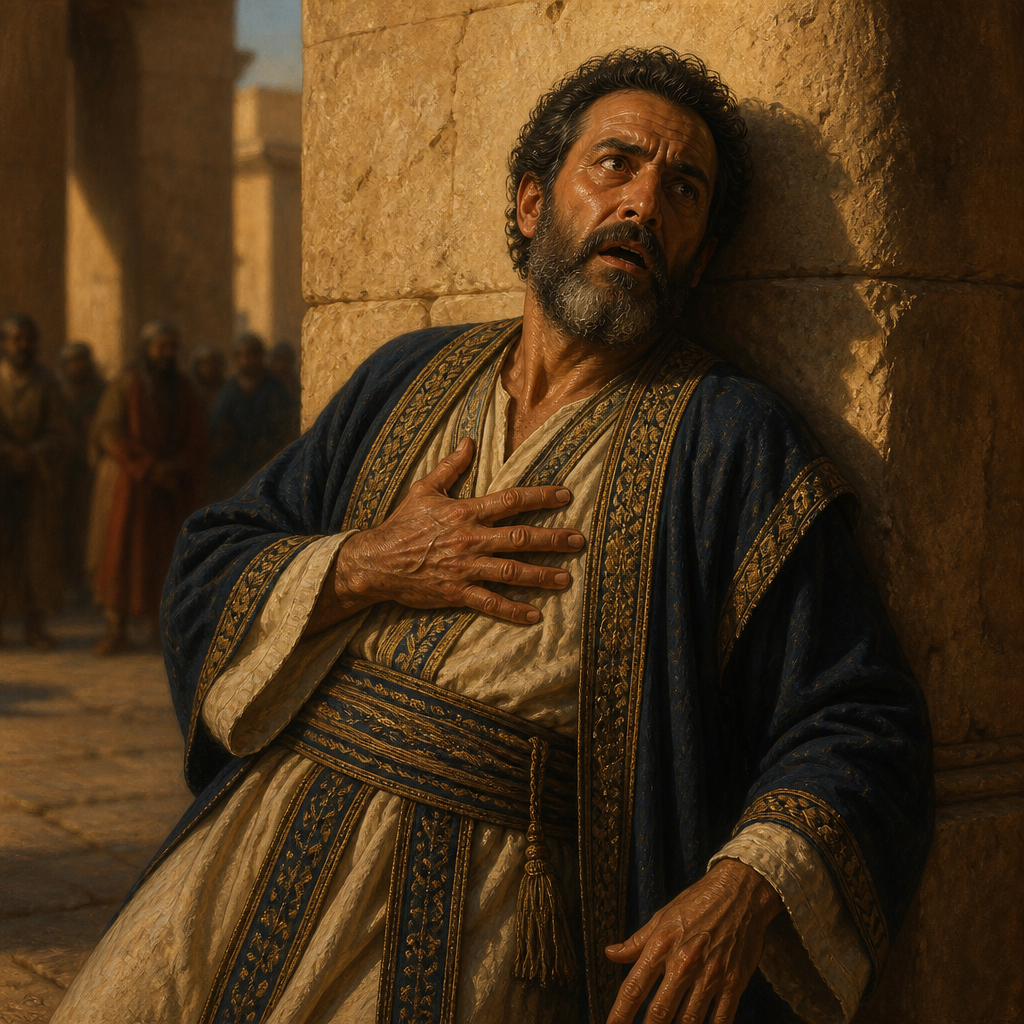
Pelatiah son of Benaiah
Leader of Jerusalem whose sudden death occurred during Ezekiel's prophecy
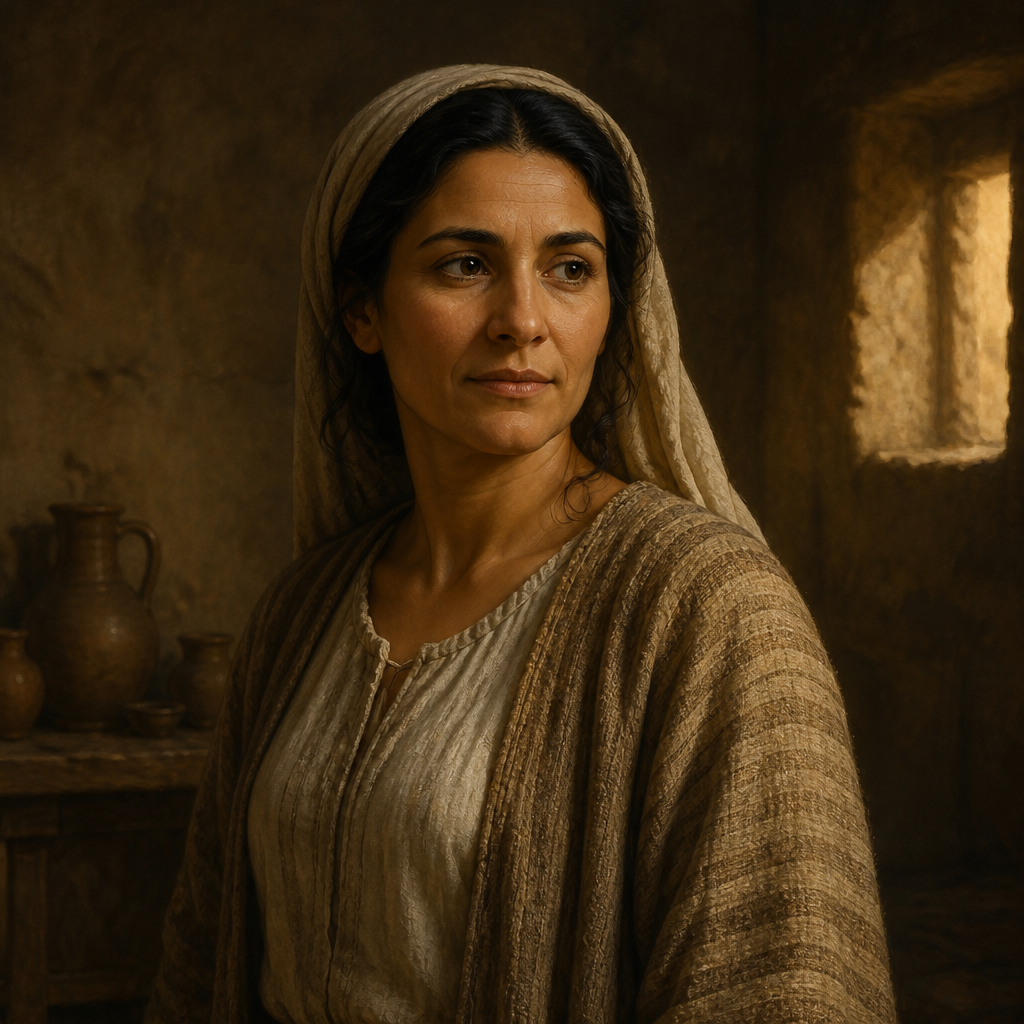
Ezekiel's Wife
Wife of the prophet Ezekiel whose death was a sign to Israel
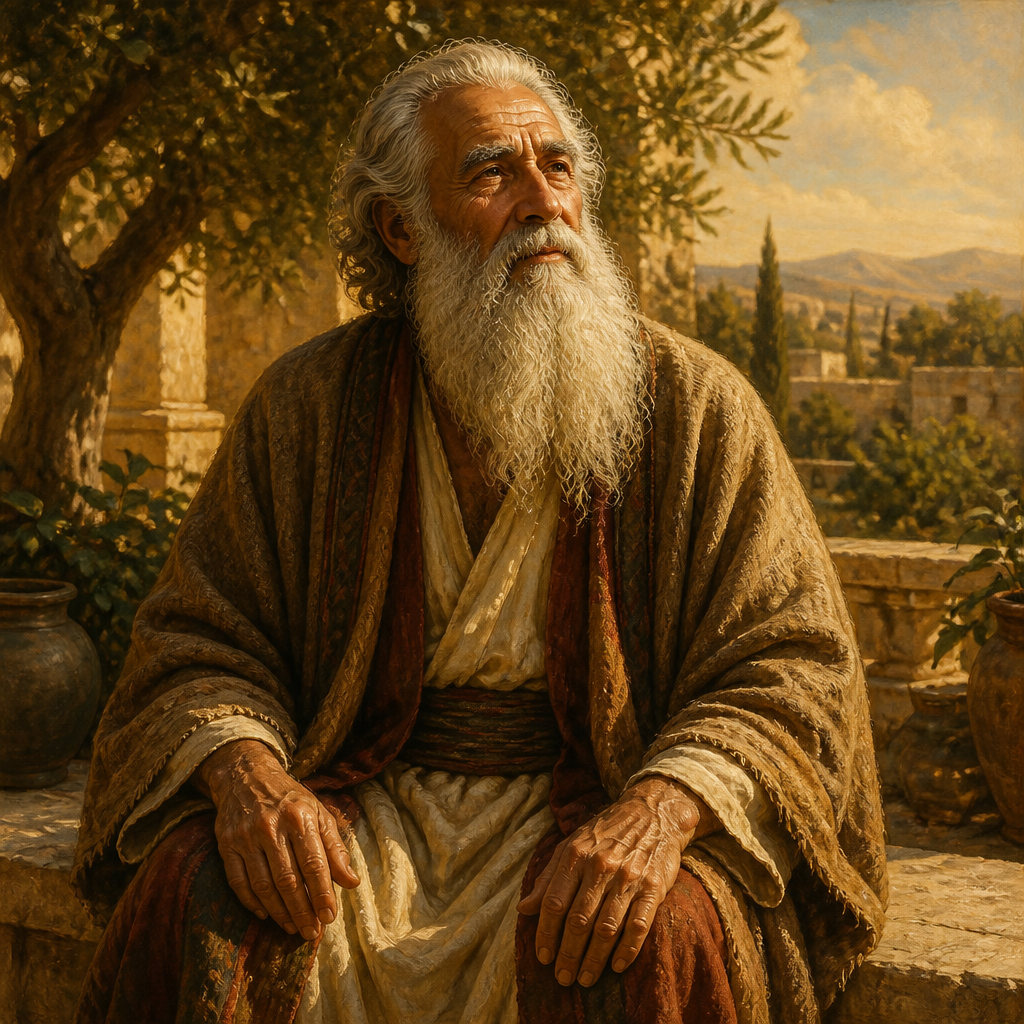
Job
Patriarch who remained faithful to God despite losing his wealth, children, and health
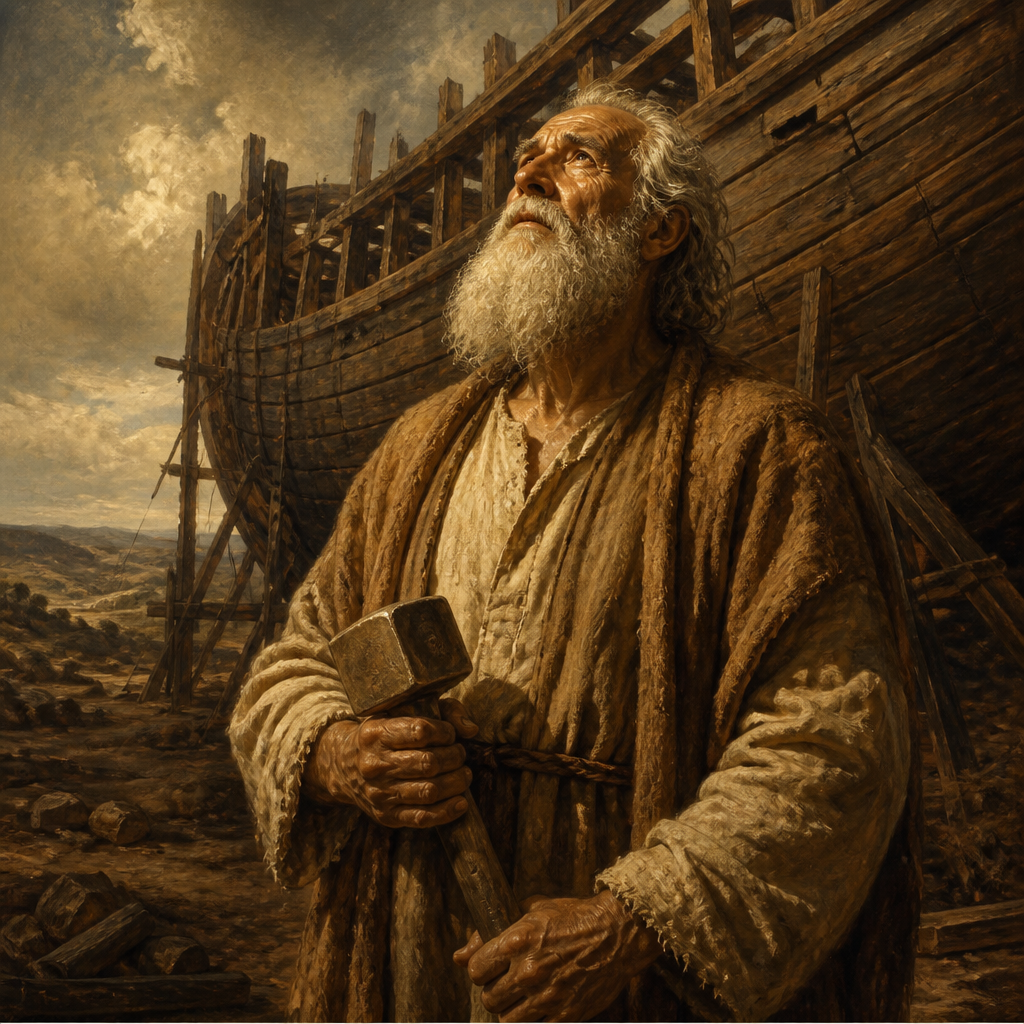
Noah
Patriarch and ark builder who survived the Great Flood and established the rainbow covenant
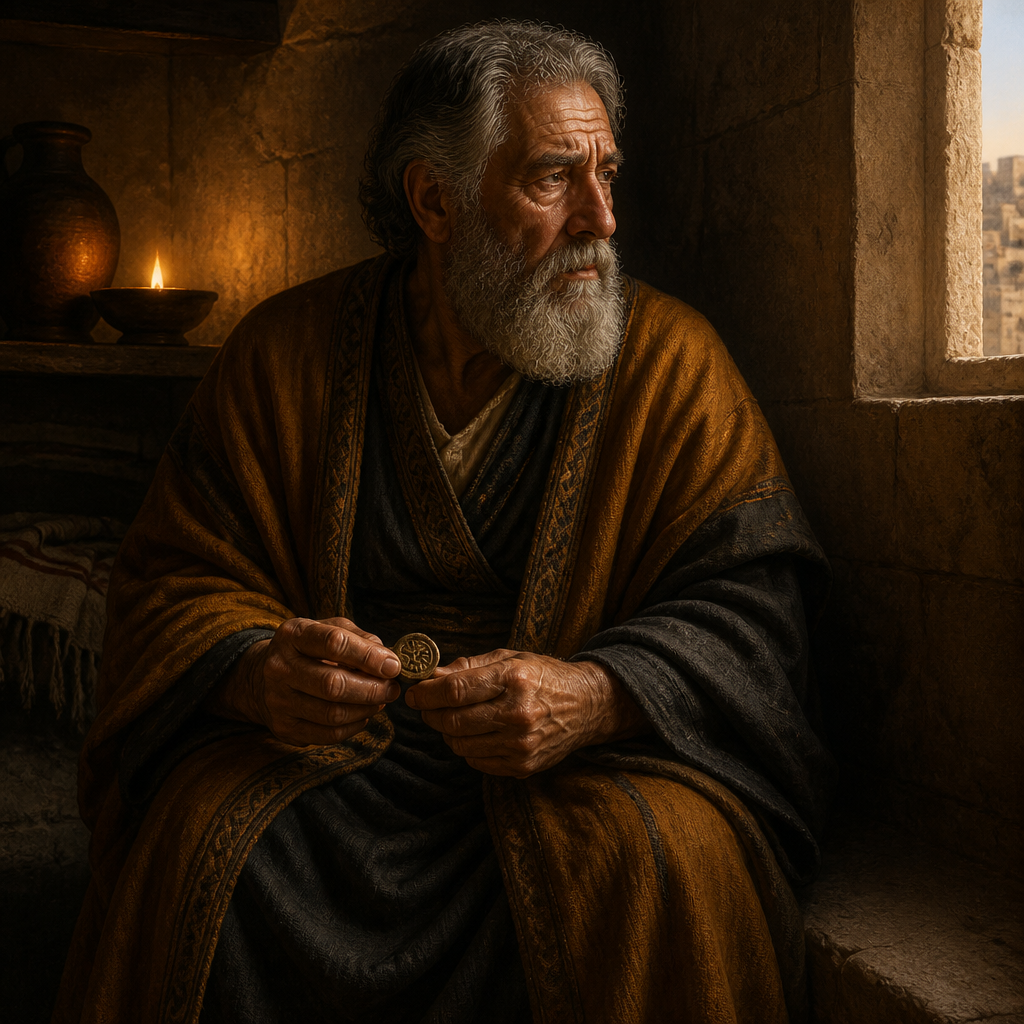
Benaiah, Father of Pelatiah
Father of Pelatiah, a leader of Jerusalem whose death was witnessed by Ezekiel in a vision
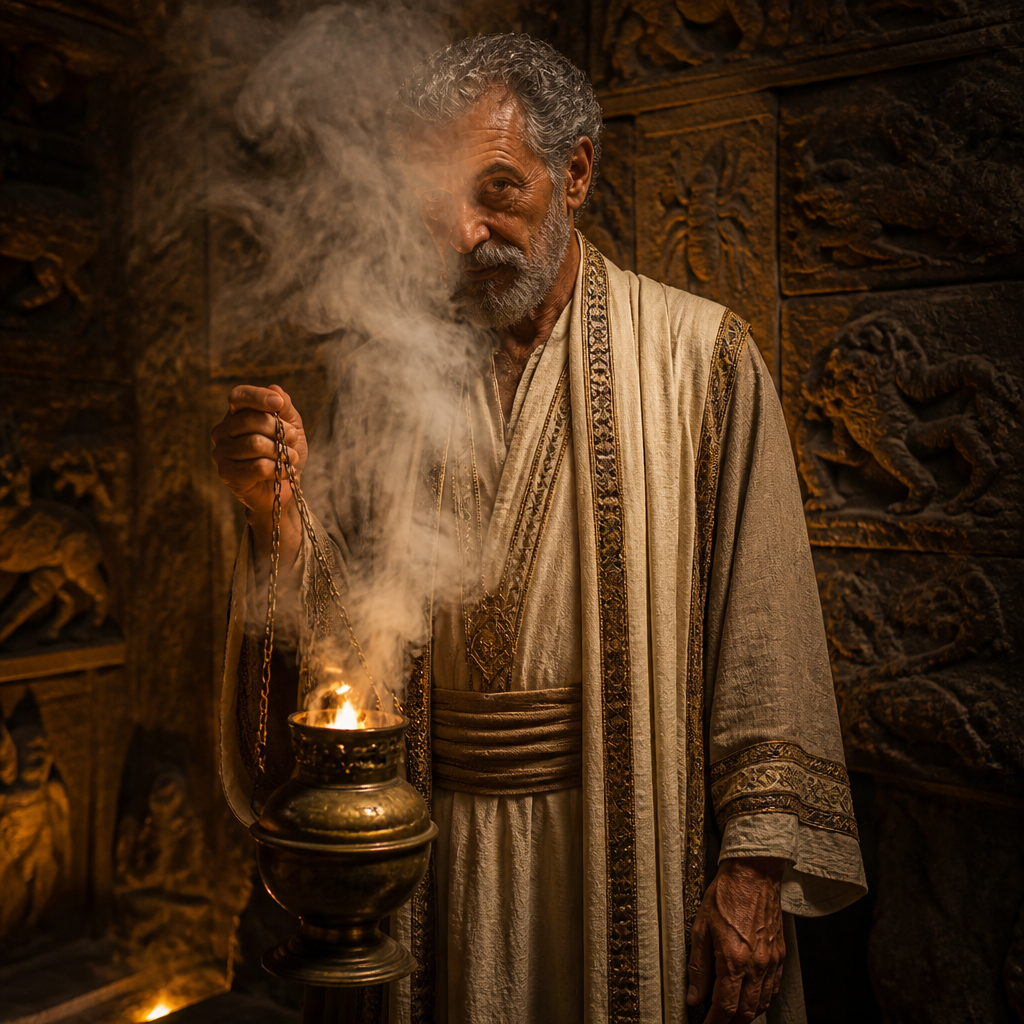
Jaazaniah, Son of Shaphan
Elder of Israel seen by Ezekiel in a vision of Temple idolatry
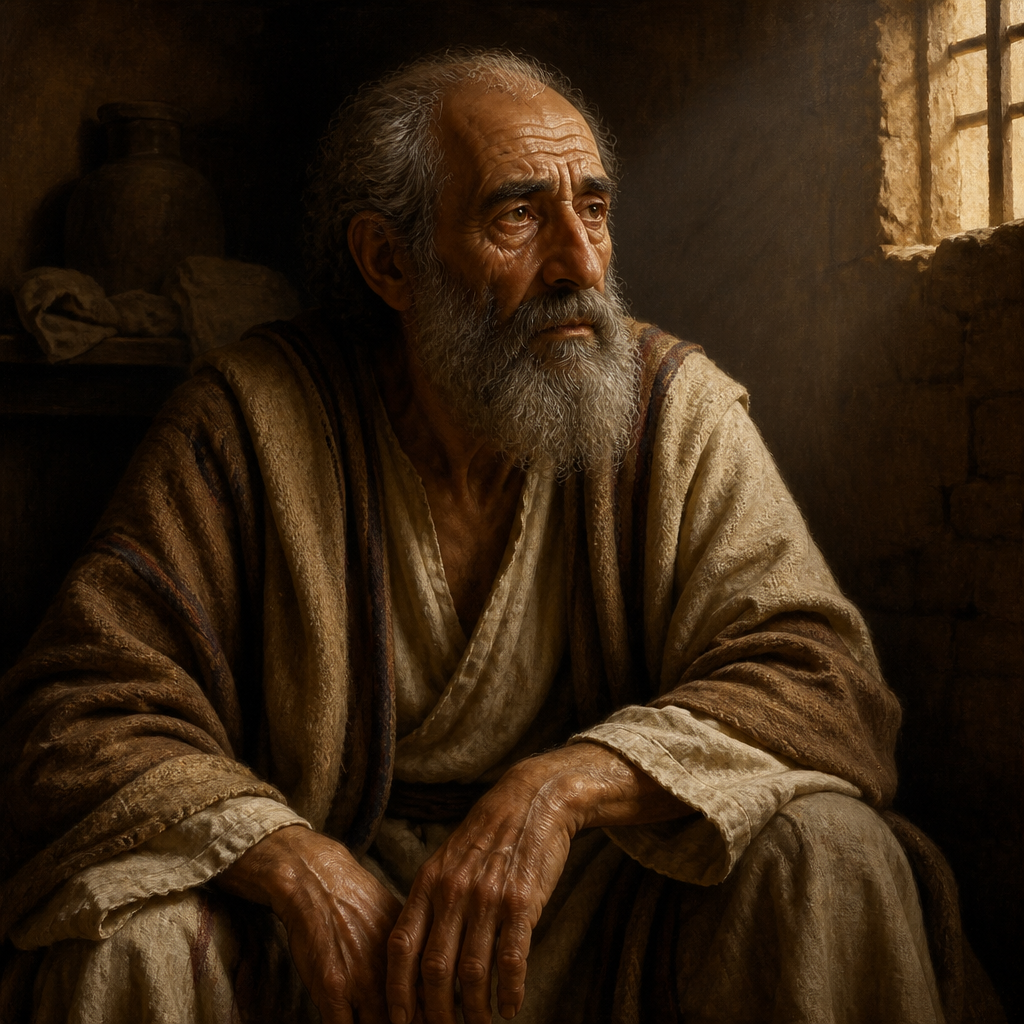
Shaphan, Father of Jaazaniah
father of Jaazaniah who was one of the seventy elders in Ezekiel's vision
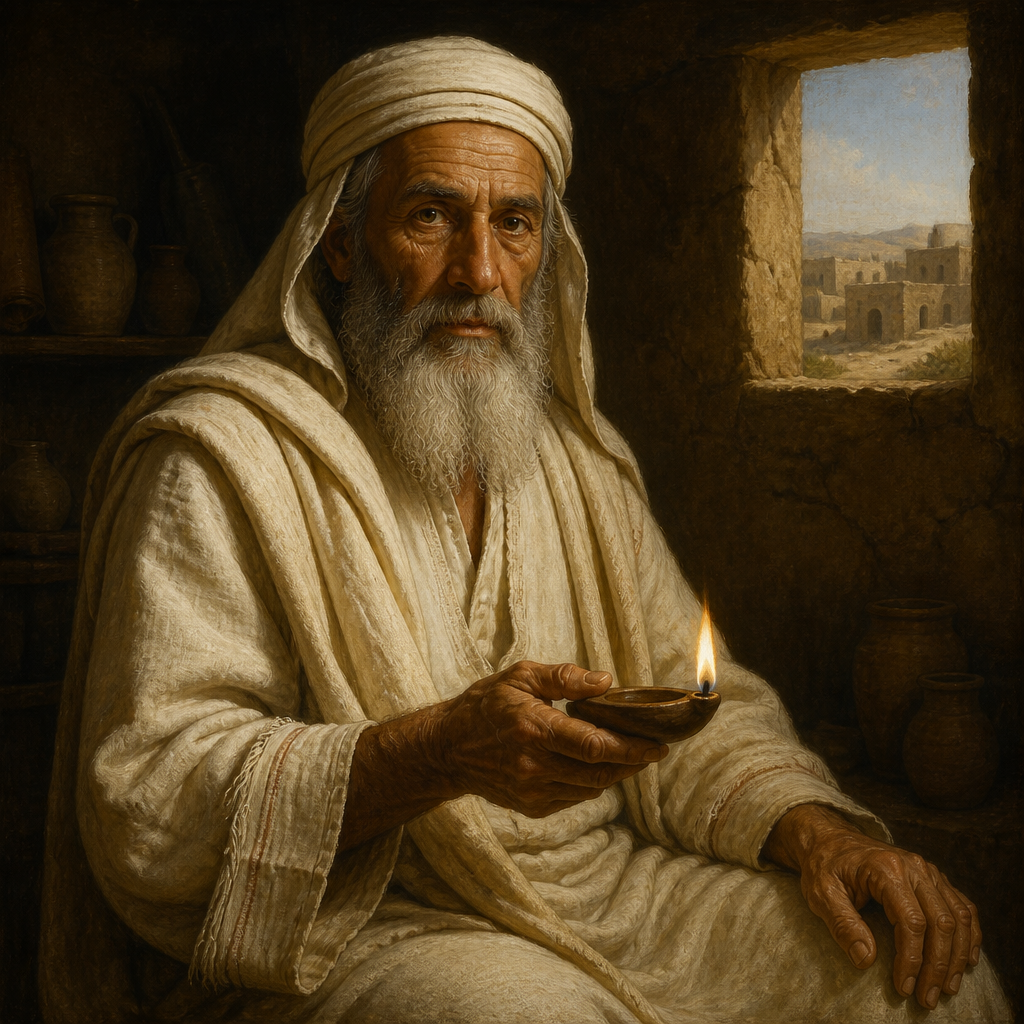
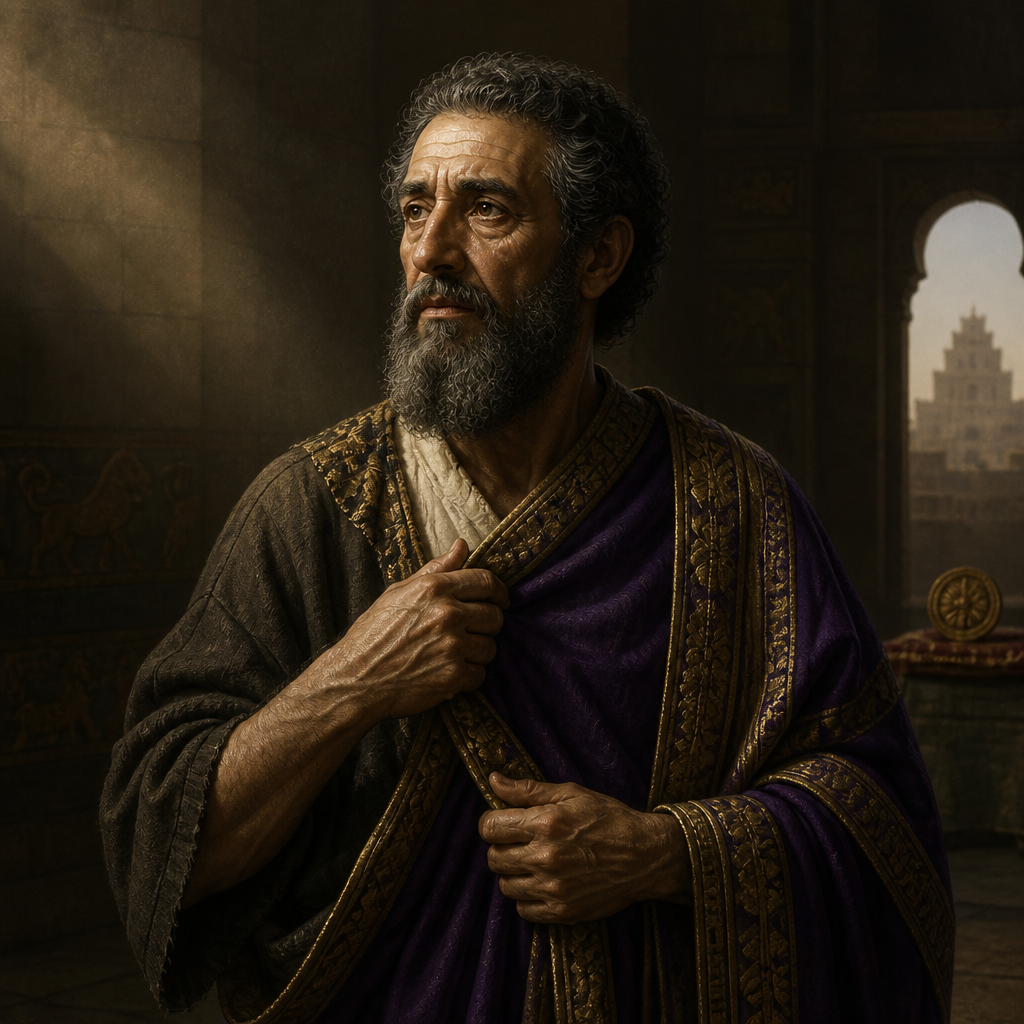
Jehoiachin
King of Judah who was taken captive to Babylon and later released from prison
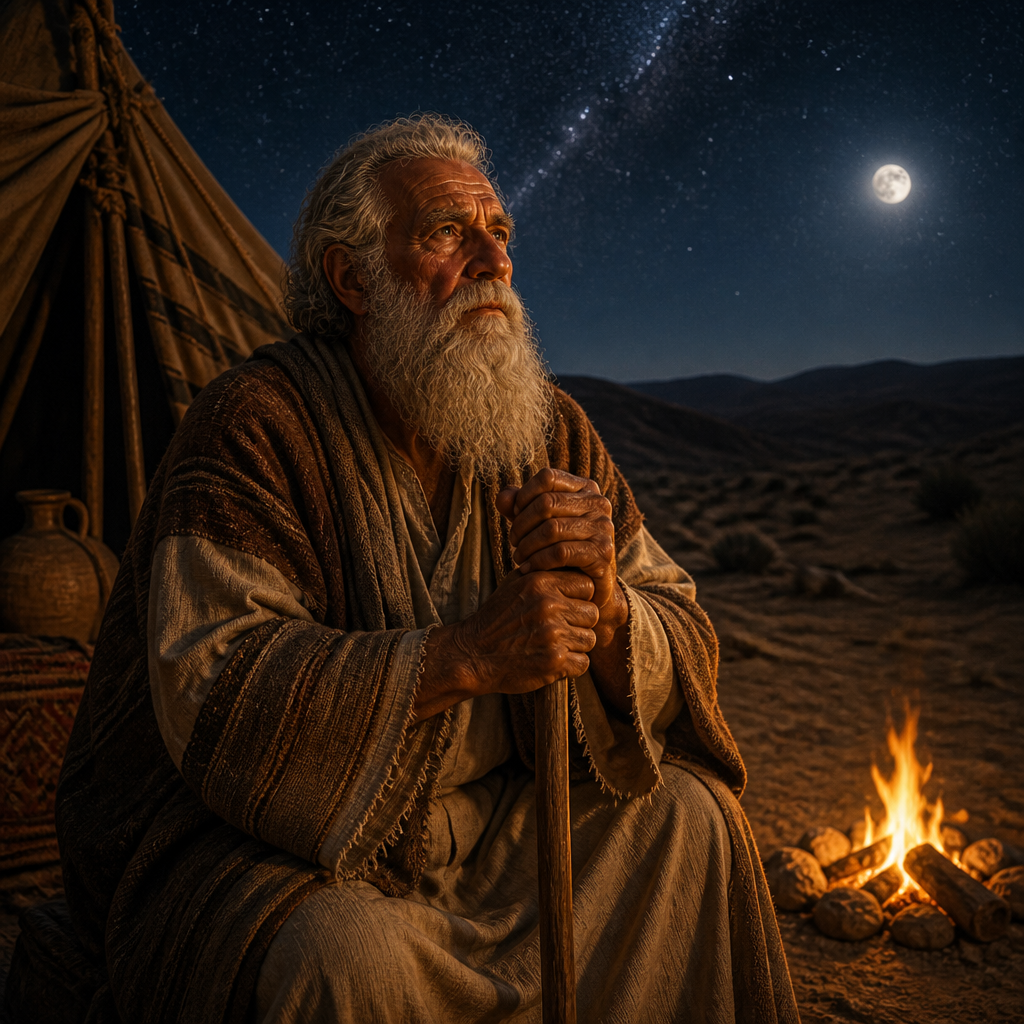
Abraham
Patriarch who is the father of the nation of Israel and an exemplar of faith
Jaazaniah, Son of Azzur
Leader in Jerusalem who gave wicked counsel during Ezekiel's vision
Azzur, Father of Jaazaniah
father of Jaazaniah who was a corrupt leader in Jerusalem during Ezekiel's vision