
People of Hosea
Every person who appears in the book of Hosea, ordered by how often they are mentioned there.
The People of Hosea appear within a prophetic narrative that uses a family’s domestic life to illustrate the political and spiritual condition of the divided kingdoms. The text identifies Hosea as the son of Beeri, who receives divine instructions to marry a woman of whoredom (Hosea 1:1–2). Hosea marries Gomer, daughter of Diblaim, who conceives and bears three children whose names serve as public signs of impending judgment (Hosea 1:3). The first son is named Jezreel, son of Hosea, to signify that God will punish the house of Jehu, king of Israel, for the bloodshed at the valley of Jezreel (Hosea 1:4). The second child is a daughter named Lo-ruhamah, whose name indicates that God will no longer have mercy on the house of Israel (Hosea 1:6). The third child is a son named Lo-ammi, whose name declares that the people are no longer God’s people (Hosea 1:9).
The book frames these events during the reigns of several Judean monarchs, including Uzziah, king of Judah, Jotham, king of Judah, Ahaz, king of Judah, and Hezekiah, king of Judah (Hosea 1:1). During this same period, Jeroboam son of Jehoash, king of Israel rules the northern territory (Hosea 1:1). The prophecy frequently addresses the northern tribes collectively as Ephraim accusing them of pride and reliance on foreign powers (Hosea 5:3–5). The text also mentions Benjamin, son of Jacob, in the context of an alarm sounded at Gibeah during a time of war (Hosea 5:8). While the northern kingdom faces destruction, the text notes that God will have mercy on Judah, son of Jacob, though not through military strength (Hosea 1:7).
Historical figures and ancestors are cited to contrast current failures with past events. The text mentions Adam to describe how the people have transgressed their covenant (Hosea 6:7). It recalls the history of Israel, the patriarch who strove with God and fled to the land of Aram (Hosea 12:3–12). The prophecy warns of foreign intervention, noting that the people’s wealth will be carried off to the great king, a reference to the Assyrian threat involving figures like Shalmaneser (Hosea 10:6–14). Ultimately, the book looks toward a future restoration where the people will return to seek their God and David their king (Hosea 3:5).
Everyone in this list
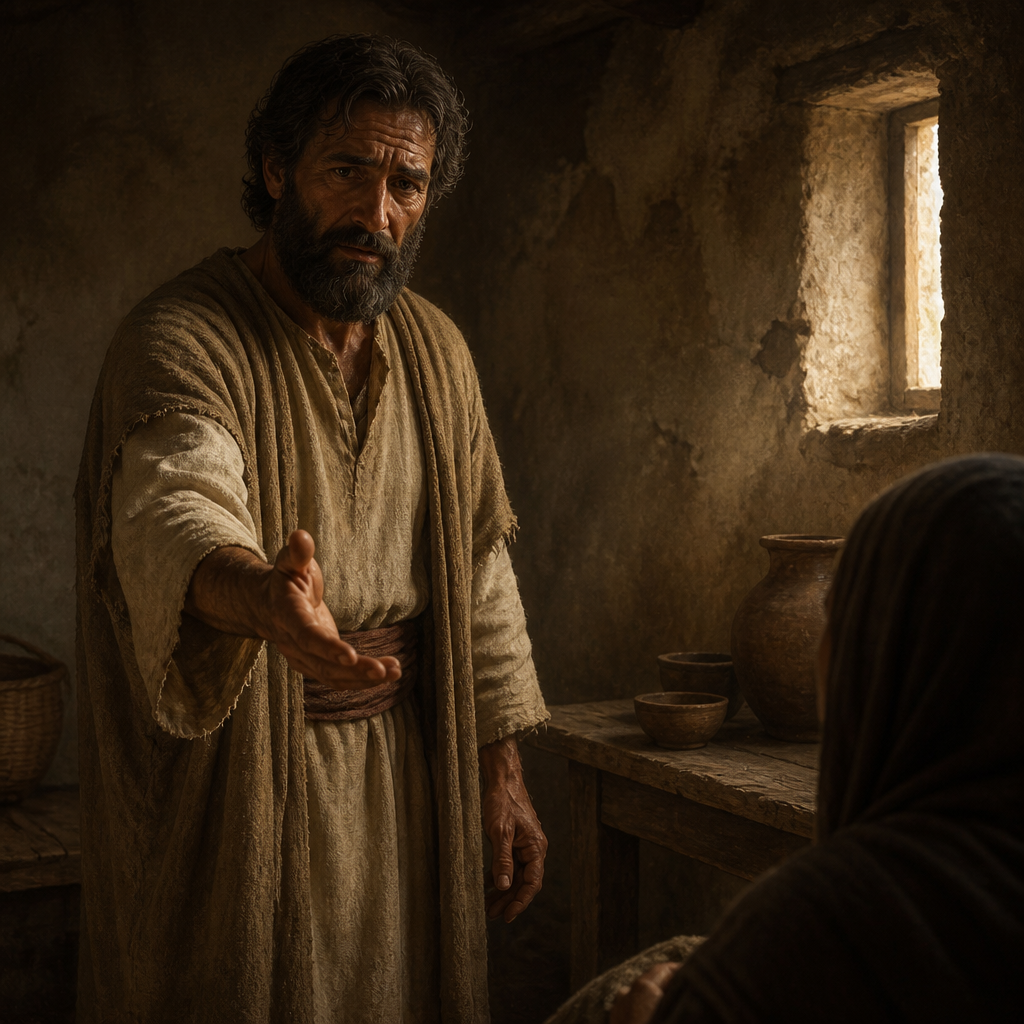
Hosea
Prophet who married an unfaithful woman to symbolize Israel's relationship with God
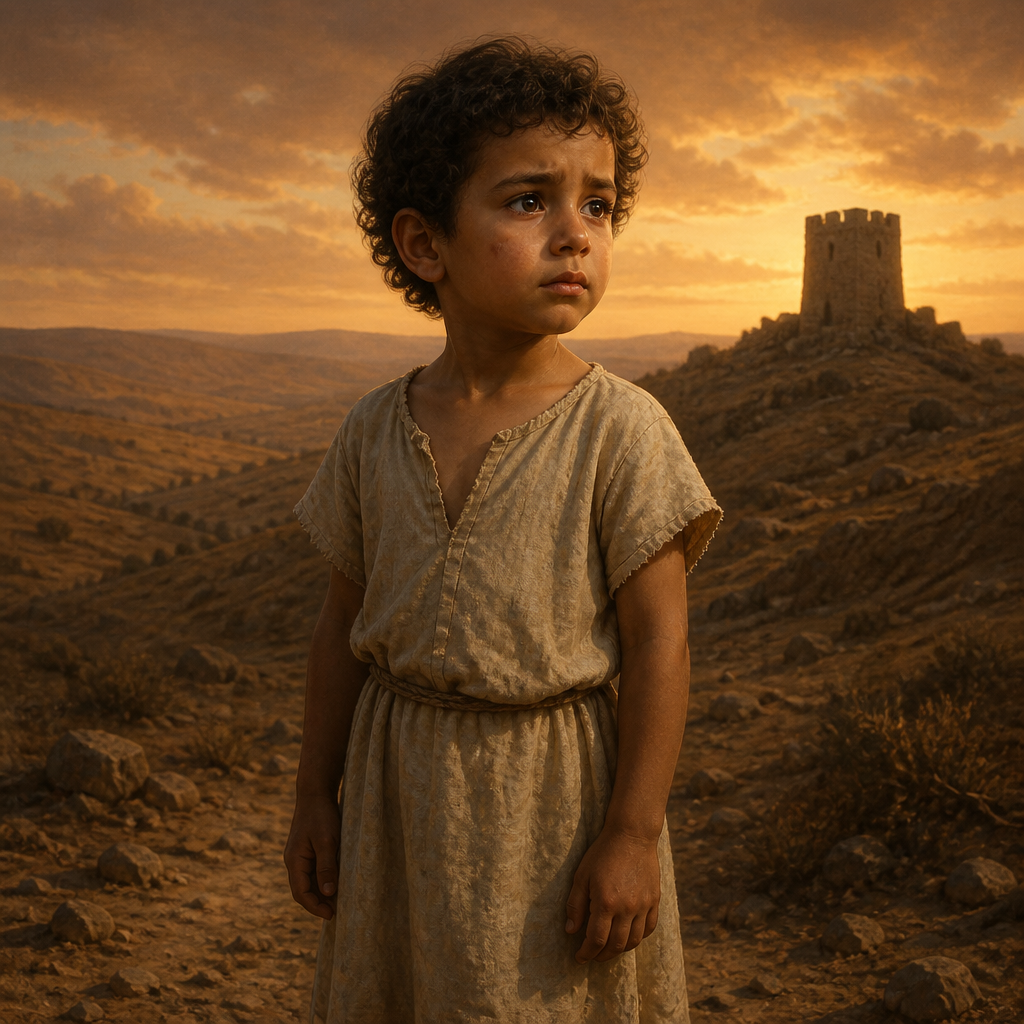
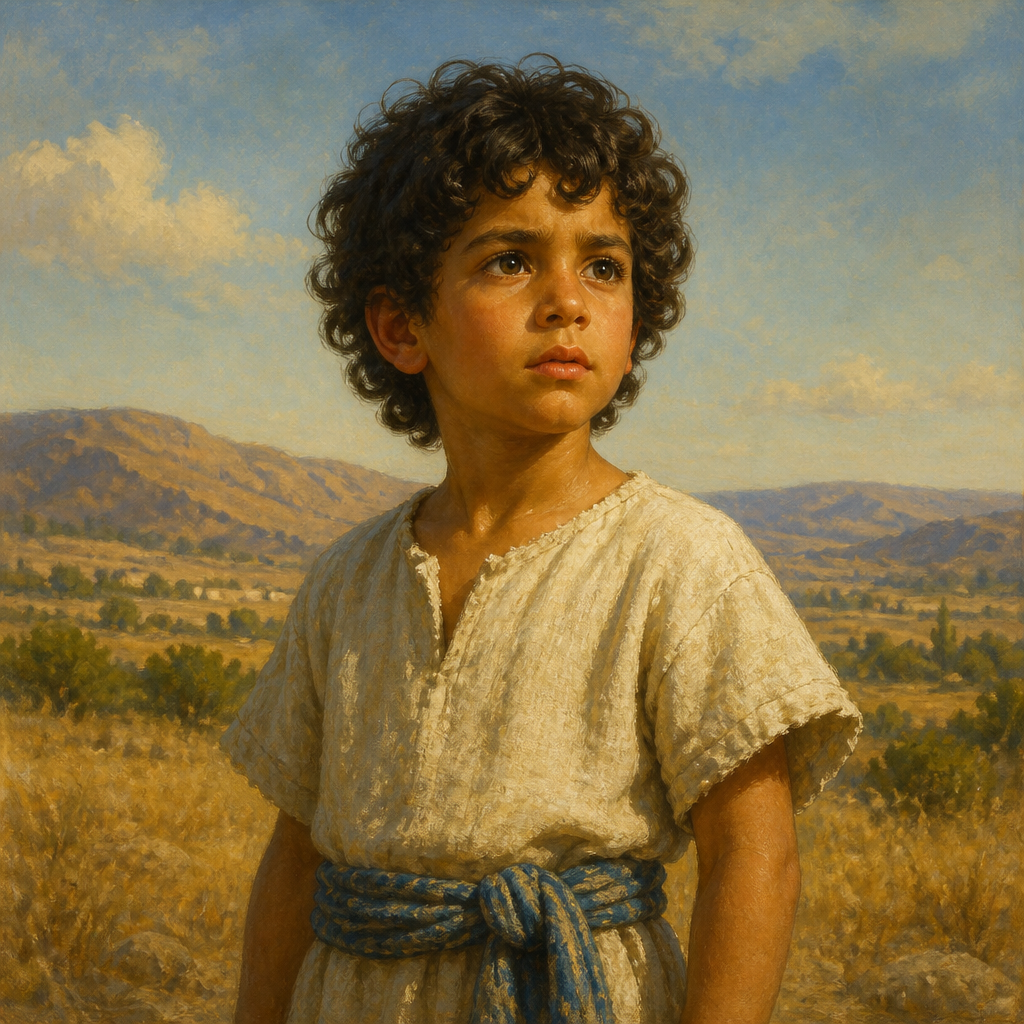
Jezreel, Son of Hosea
Firstborn son of Hosea whose name symbolized the coming judgment on the house of Jehu
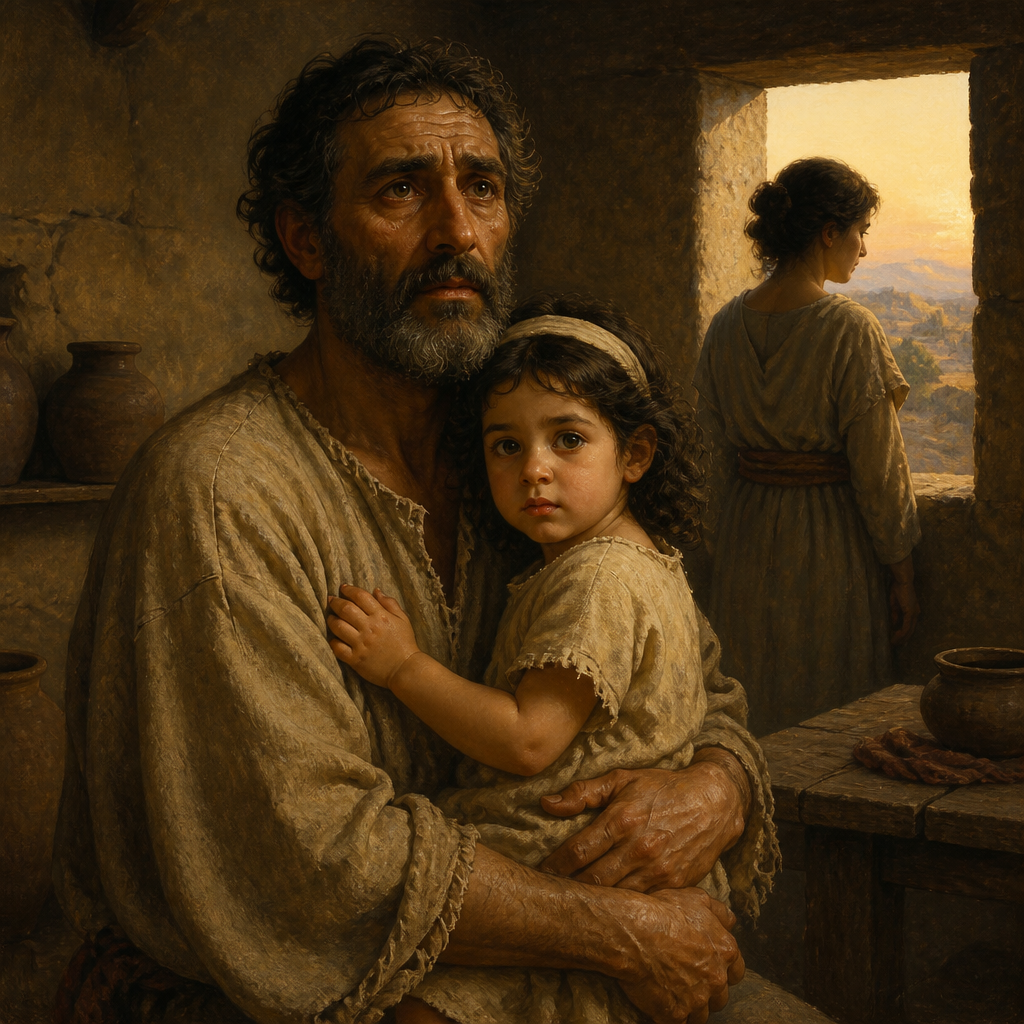
Lo-ruhamah
Daughter of Hosea whose name symbolized God's withdrawal of mercy from Israel
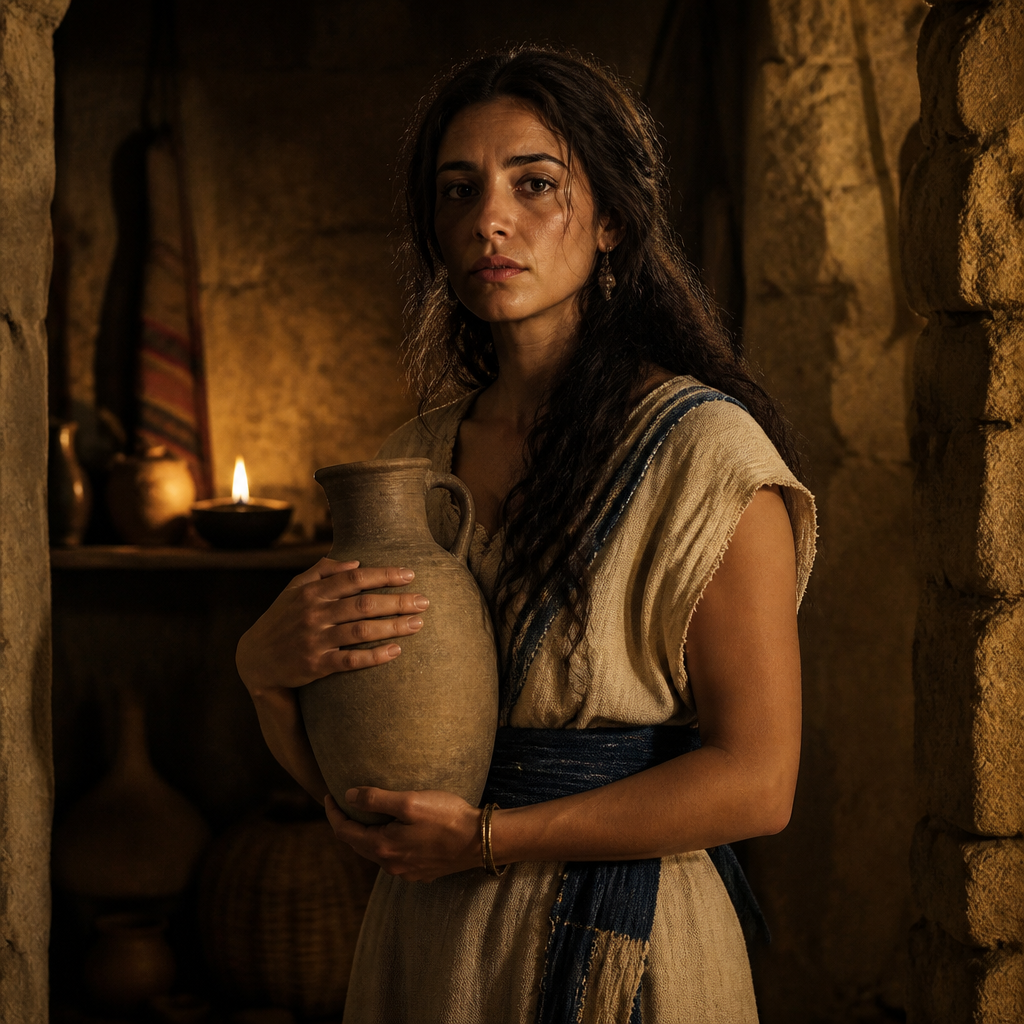
Gomer, Daughter of Diblaim
Wife of the prophet Hosea whose marriage symbolized Israel's unfaithfulness
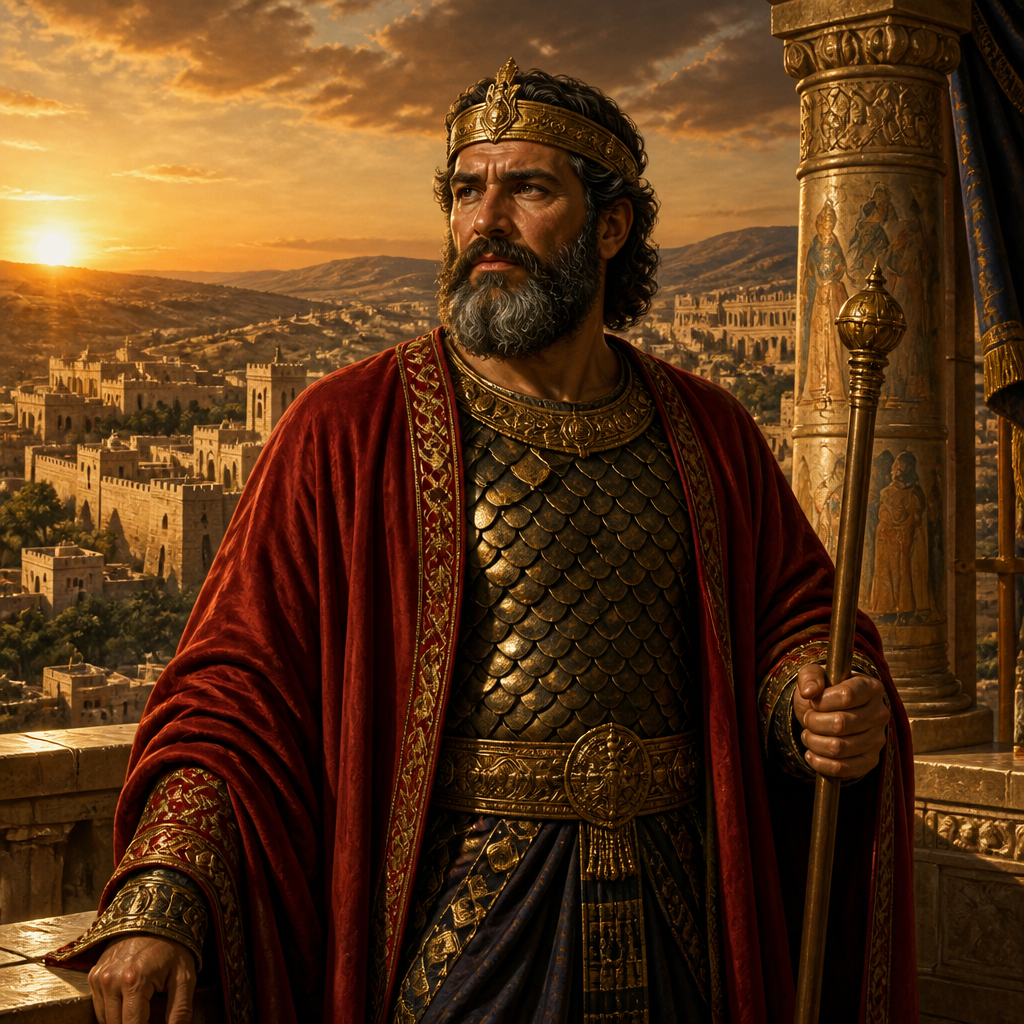
Jeroboam son of Jehoash, King of Israel
King of Israel who restored the borders from Hamath to the Sea of the Arabah
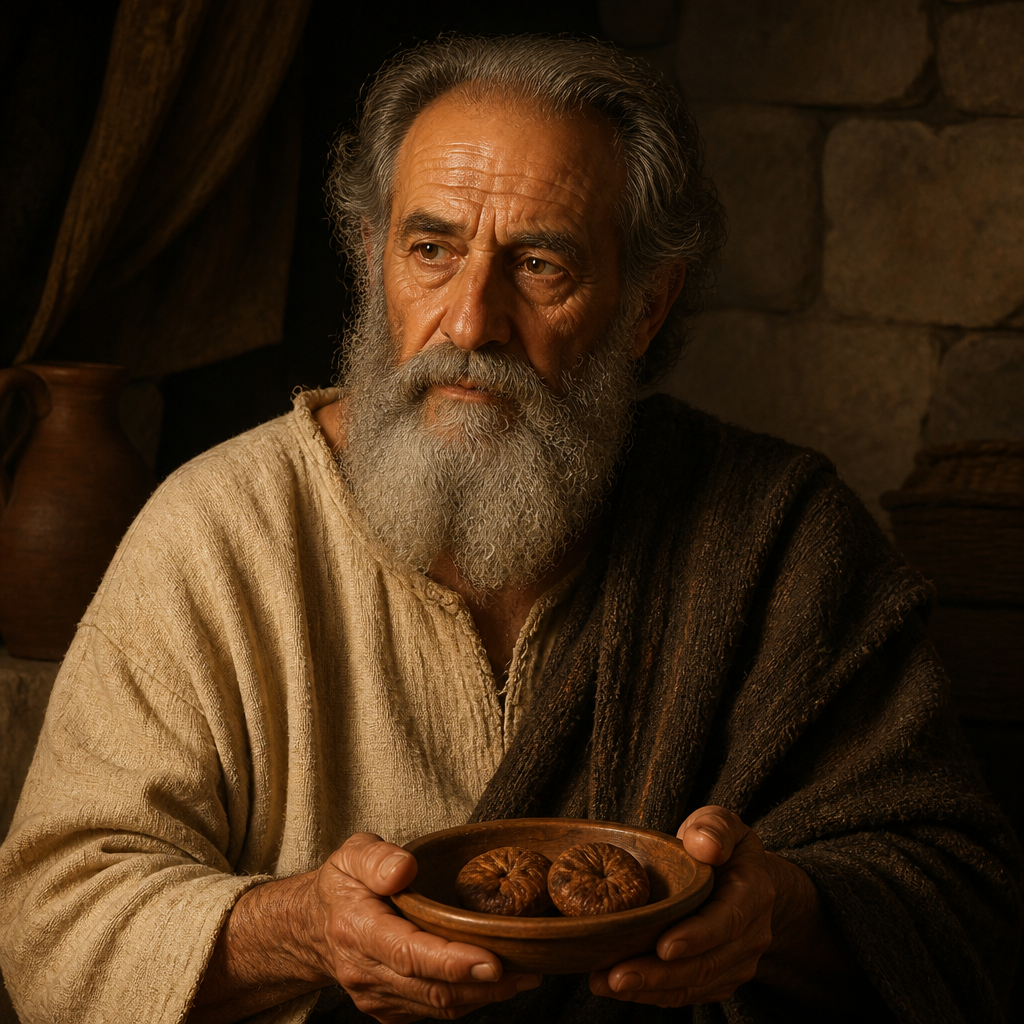
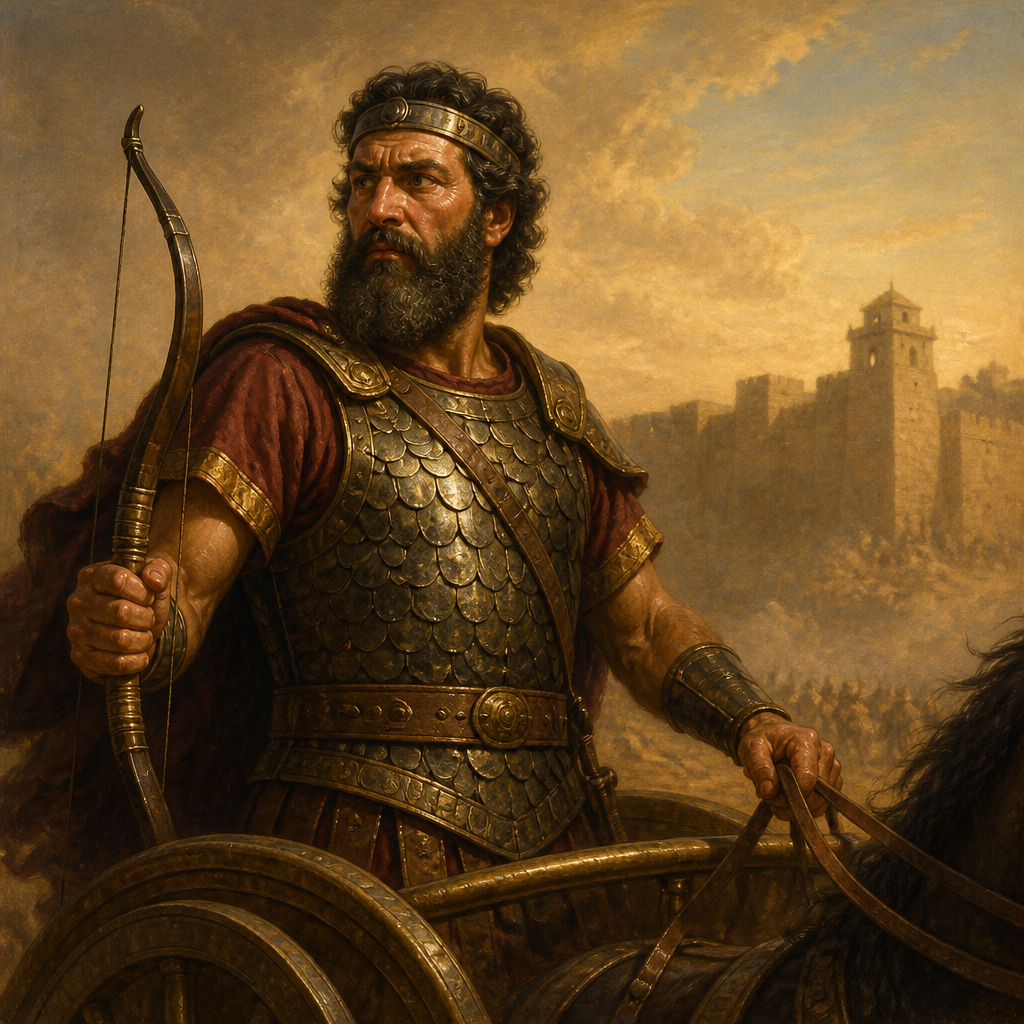
Jehu, King of Israel
King of Israel who executed the house of Ahab and destroyed the temple of Baal
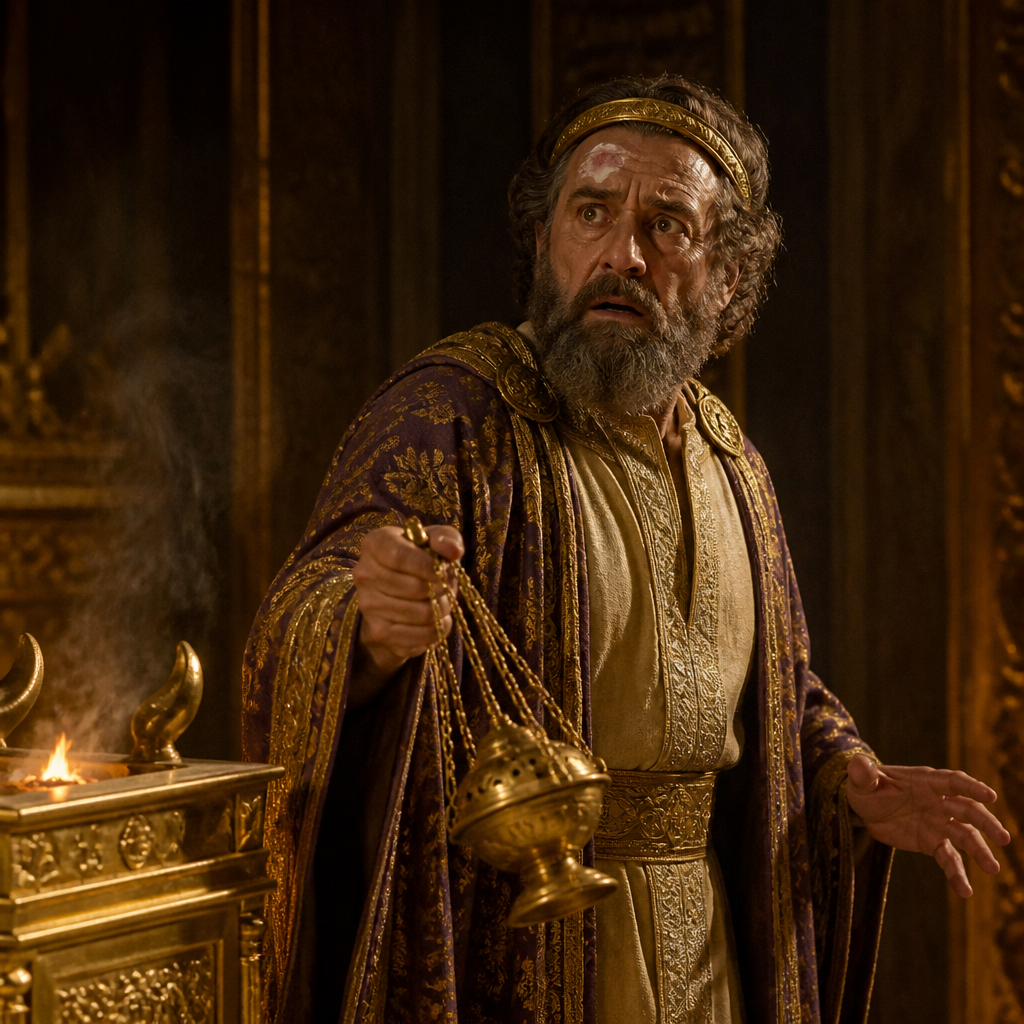
Uzziah, King of Judah
King of Judah struck with leprosy for attempting to burn incense in the Temple
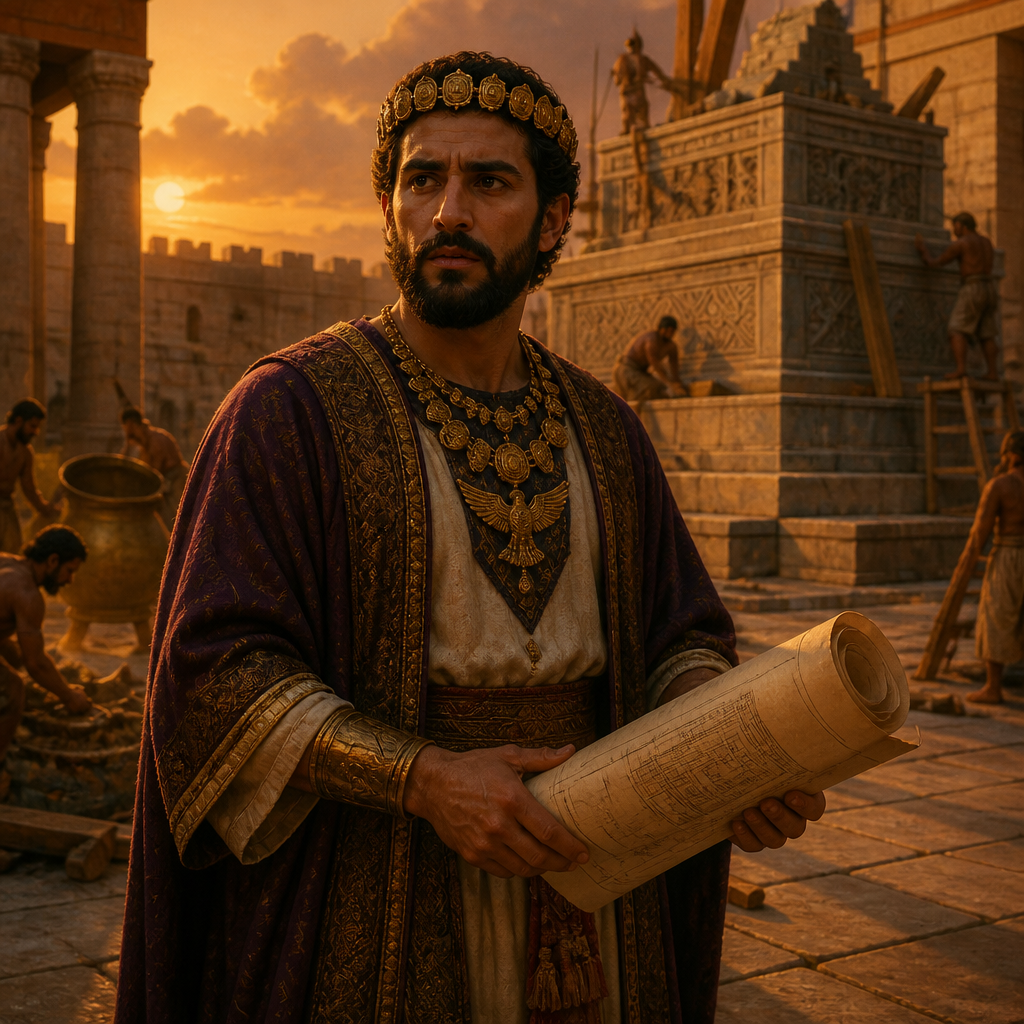
Ahaz, King of Judah
King of Judah who practiced child sacrifice and replaced the Temple altar with a pagan design
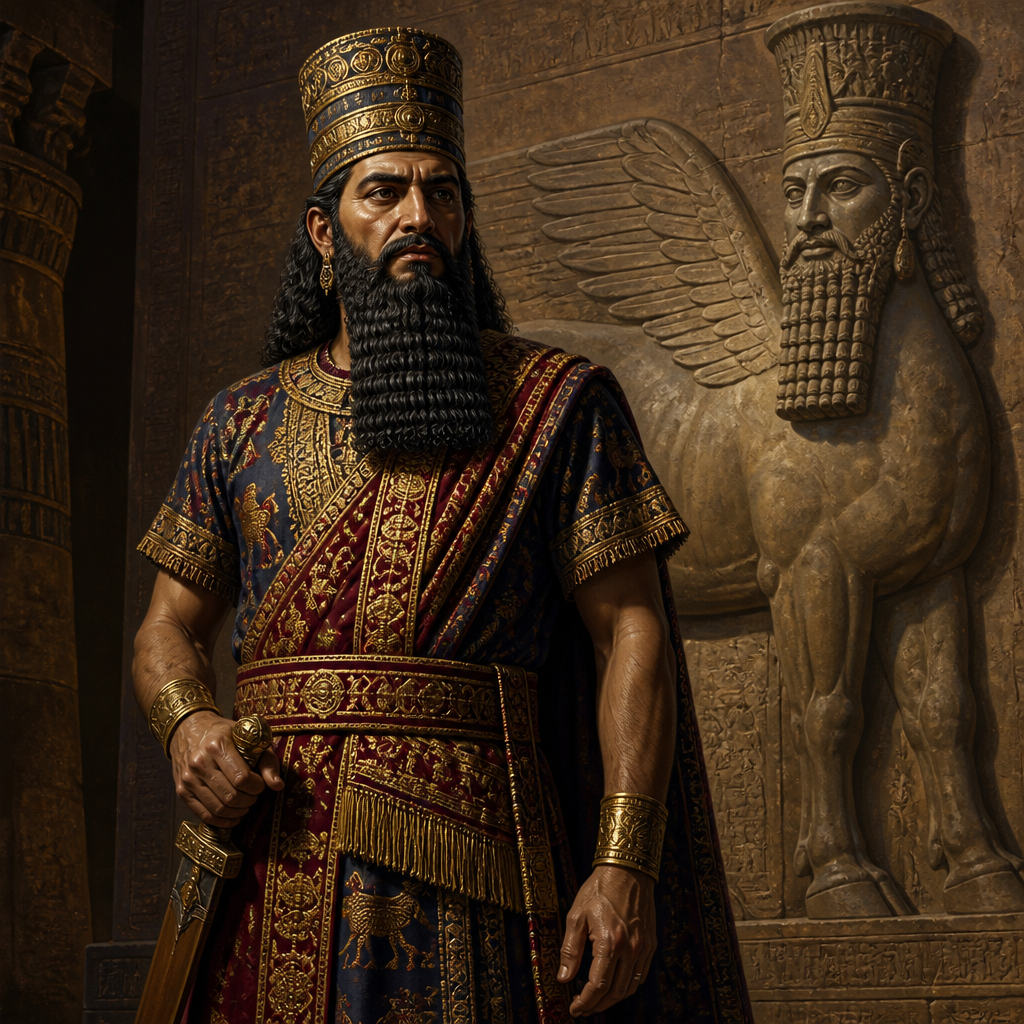
Shalmaneser
King of Assyria who besieged Samaria and ended the Northern Kingdom of Israel
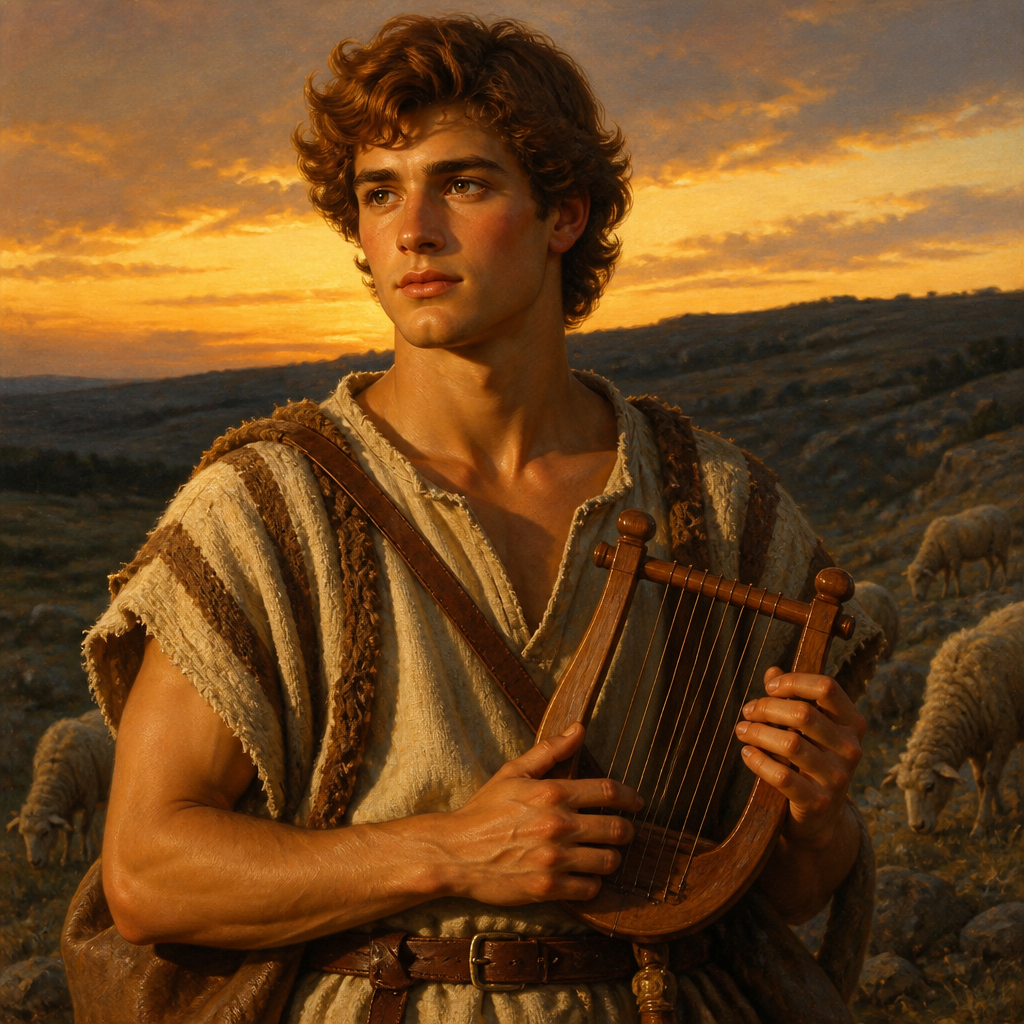
David
King of Israel who defeated Goliath and established the Davidic dynasty
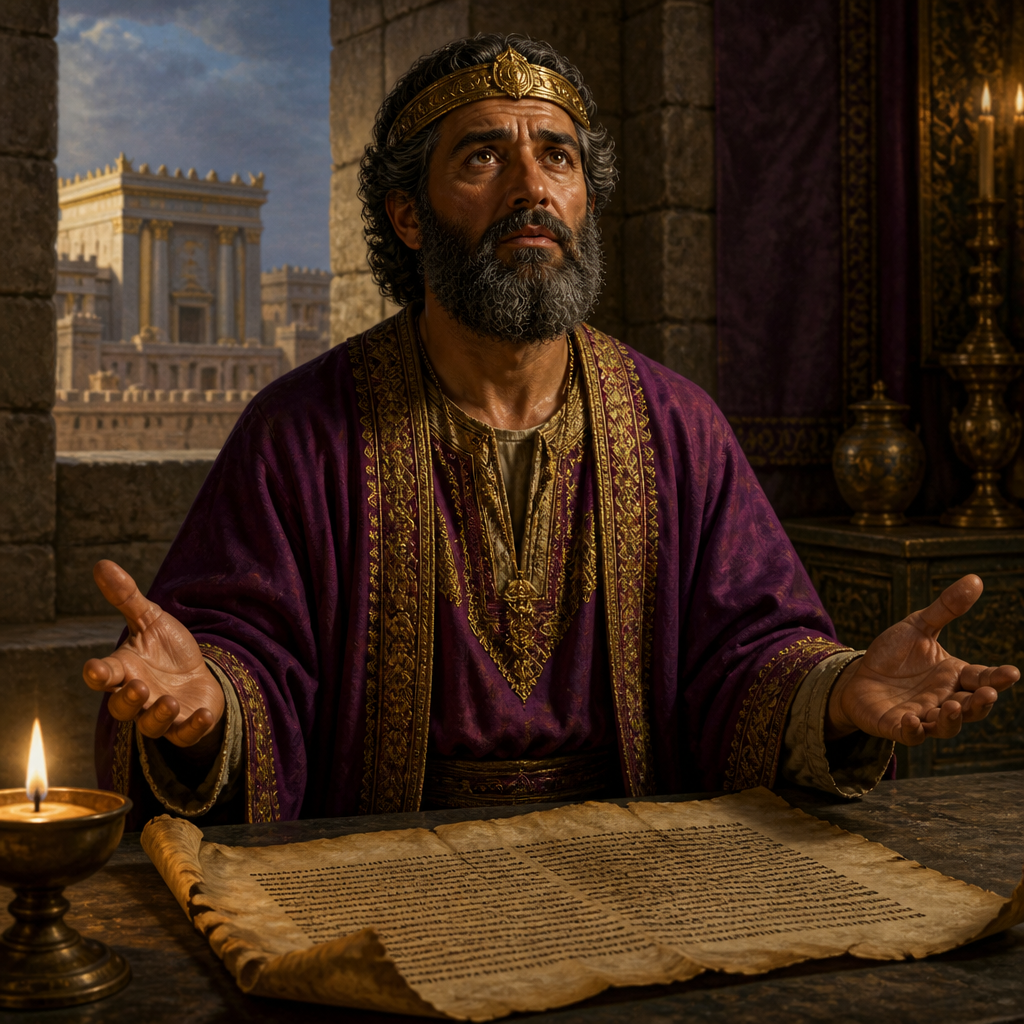
Hezekiah, King of Judah
King of Judah who reformed the Temple and survived the Assyrian siege of Jerusalem
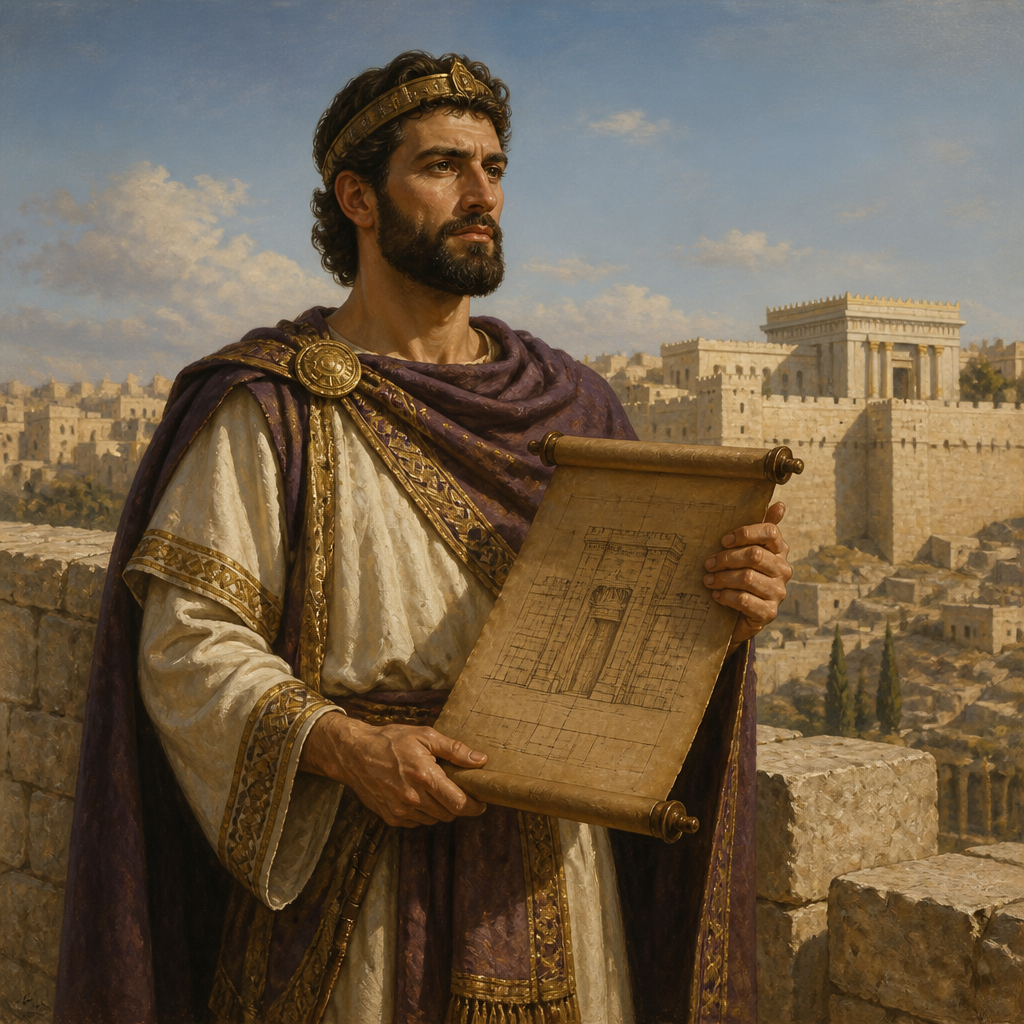
Jotham, King of Judah
King of Judah who grew powerful by ordering his ways before the LORD
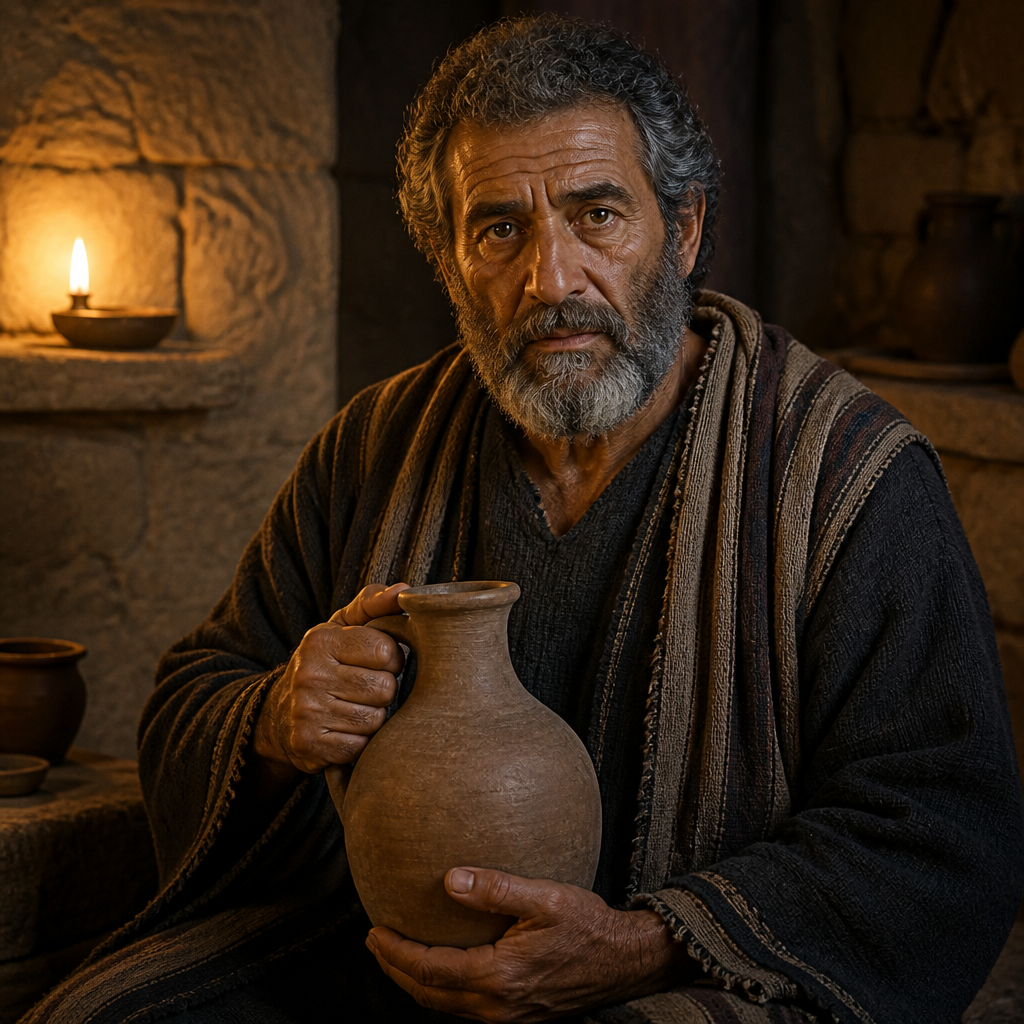
Beeri, Father of Hosea
Father of the prophet Hosea who served during the Divided Monarchy