
People of Micah
Every person who appears in the book of Micah, ordered by how often they are mentioned there.
The People of Micah are identified throughout the prophetic oracles of the book of Micah, which records the word of the Lord concerning Samaria and Jerusalem. The text begins by situating the prophet Micah the Moreshite within a specific historical timeline, noting that he received these visions during the reigns of three successive Judean monarchs (Micah 1:1). These kings include Jotham, who ruled during the initial period of the prophecy, followed by Ahaz, whose reign is associated with the spiritual decline of the nation, and finally Hezekiah during whose time the prophet continued his work (Micah 1:1).
The book organizes its message by contrasting the current failures of the leadership with the foundational history of the nation. The prophet addresses the collective identity of the people by speaking to Israel representing the northern kingdom, and Judah representing the southern kingdom (Micah 1:5). In his rebukes, the prophet cites the wicked precedents set by earlier rulers, specifically mentioning the statutes of Omri, and the works of the house of Ahab, as examples of the corruption the people have adopted (Micah 6:16). To remind the people of their origins, the text looks back to the Exodus, naming Moses, Aaron, and Miriam as the leaders sent by God to bring the people out of Egypt (Micah 6:4).
The narrative also recalls specific historical interactions during the wilderness wanderings to illustrate God’s faithfulness. The text mentions Balak, the king of Moab, who consulted against the people, and Balaam, the son of Beor, who answered him (Micah 6:5). In a vision of future restoration and military strength, the prophet refers to the land of Nimrod describing a time when leaders will be raised to waste the land of Assyria with the sword (Micah 5:6). The book concludes by appealing to the ancient covenants, asking God to show the truth and mercy promised long ago to the patriarchs Abraham and Jacob (Micah 7:20).
These figures serve as the framework for a message that moves from judgment to the hope of a future ruler. By citing the failures of kings like Ahaz and the faithfulness of ancestors like Abraham, the book establishes a legal and historical case against the current generation. The text does not say how these specific individuals reacted to the prophecy, but it uses their legacies to define the moral state of the nation. Ultimately, the book links the identity of the people to the enduring promises made to their fathers from the days of old (Micah 7:20).
Everyone in this list
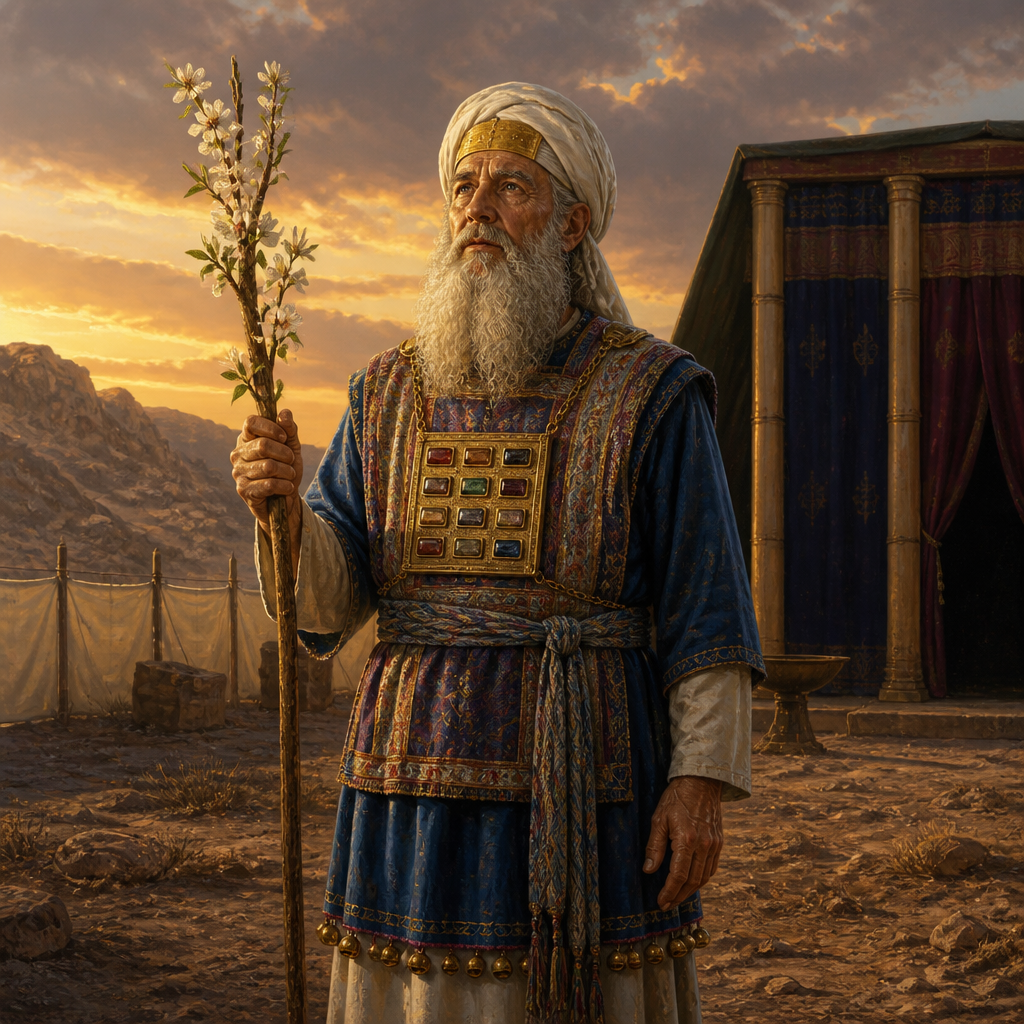
Aaron
First High Priest of Israel who served as the spokesman for Moses during the Exodus
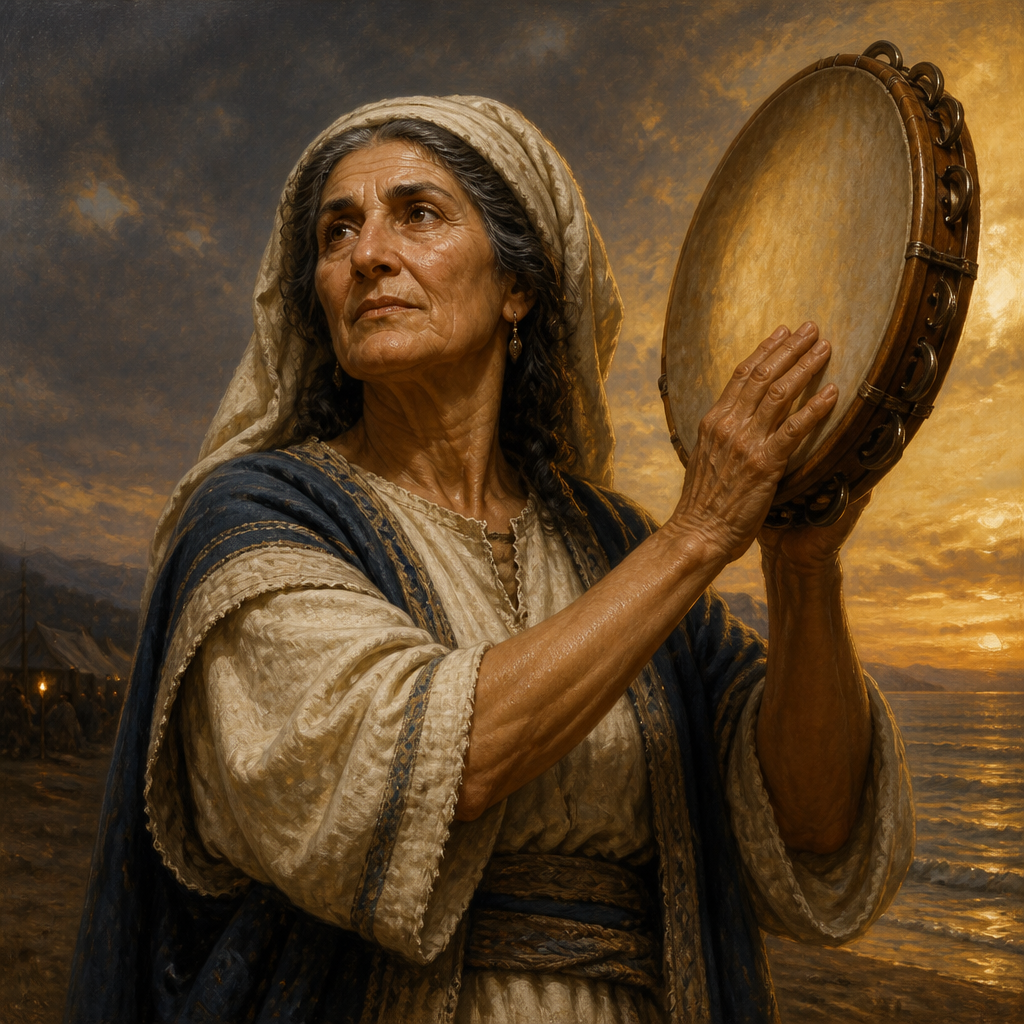
Miriam, Prophetess and Sister of Moses
Prophetess and sister of Moses who led the Israelites in song after the Red Sea crossing
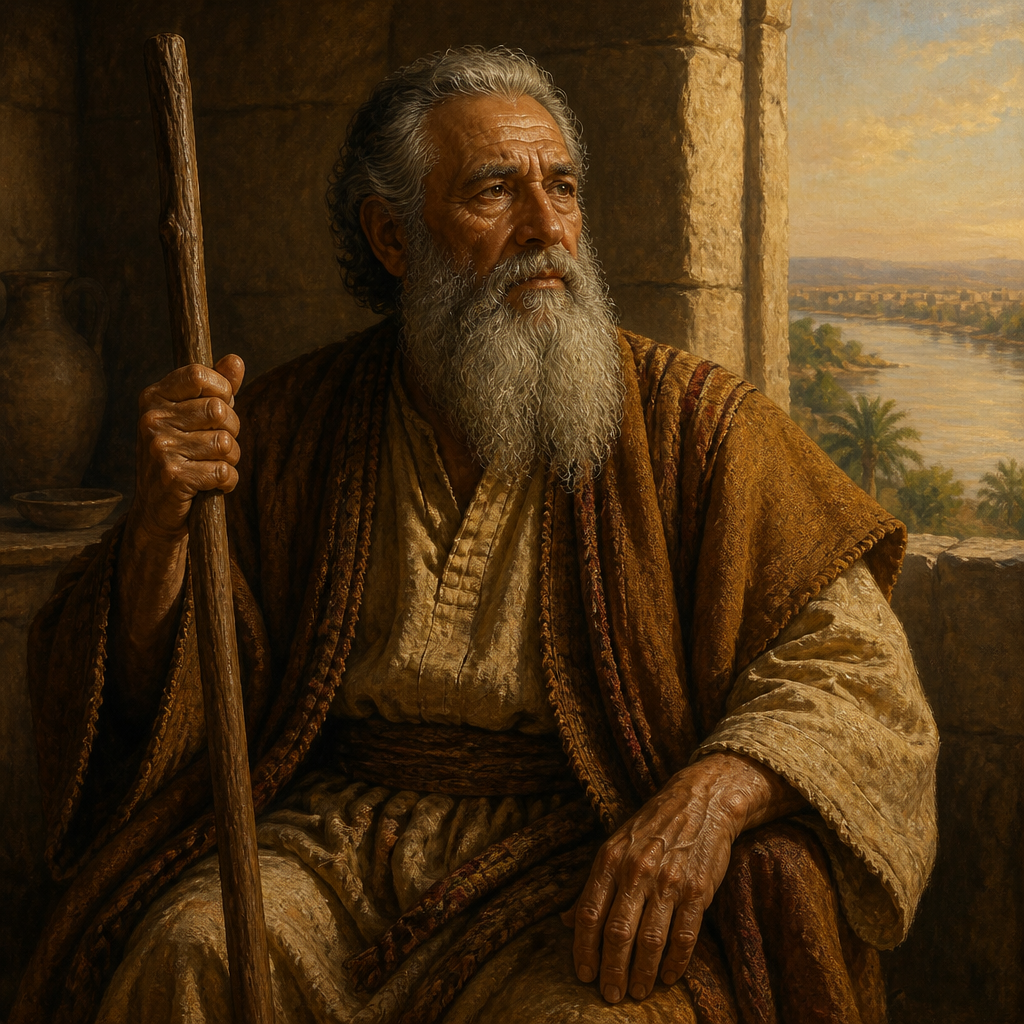
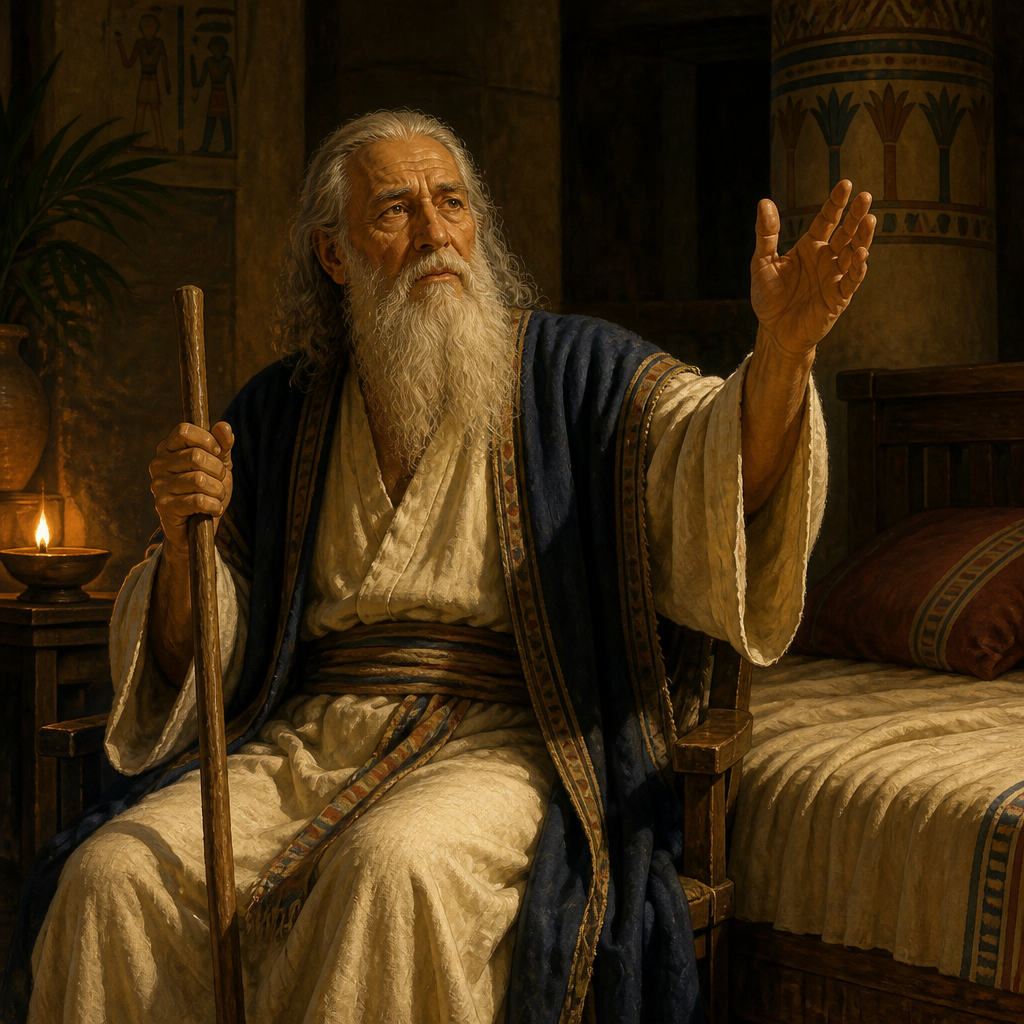
Beor, Father of Balaam
father of the prophet Balaam during the Israelite wilderness journey
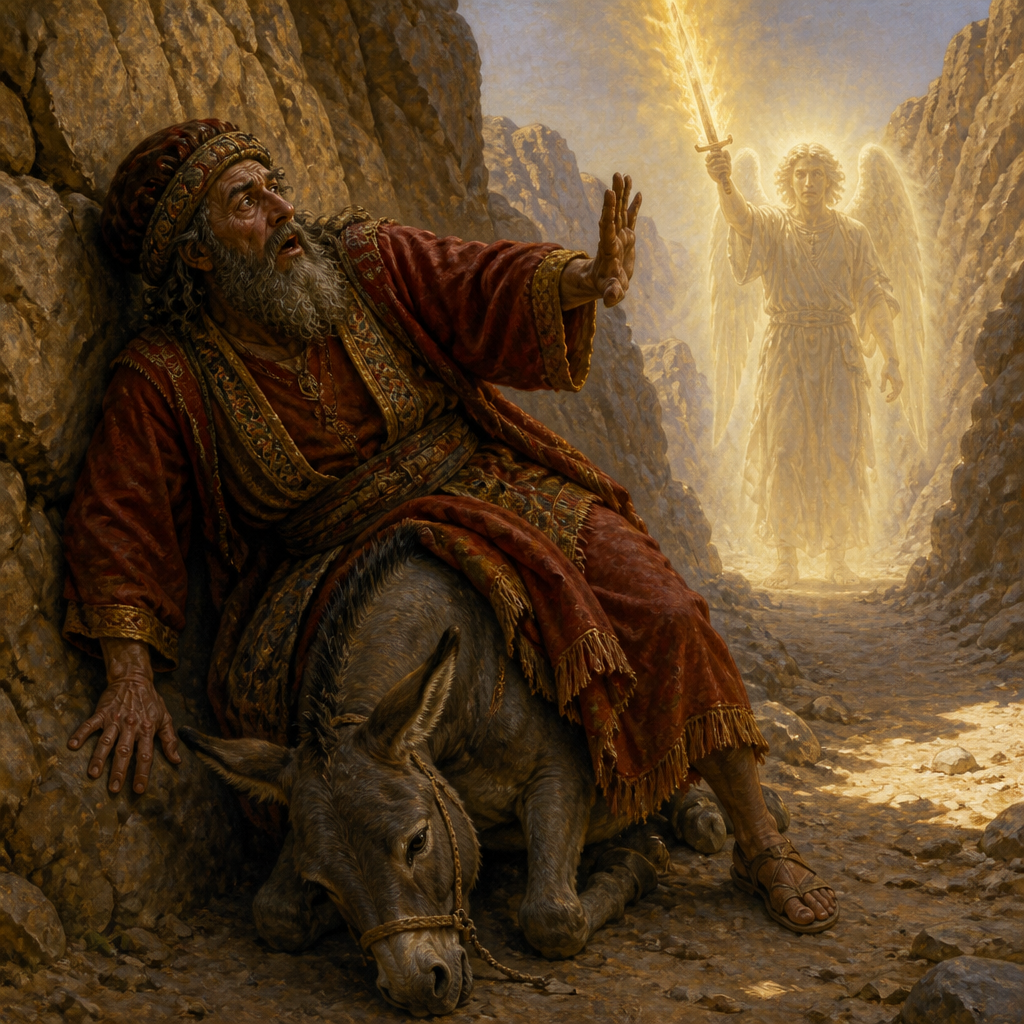
Balaam
Diviner who was hired to curse Israel but blessed them instead
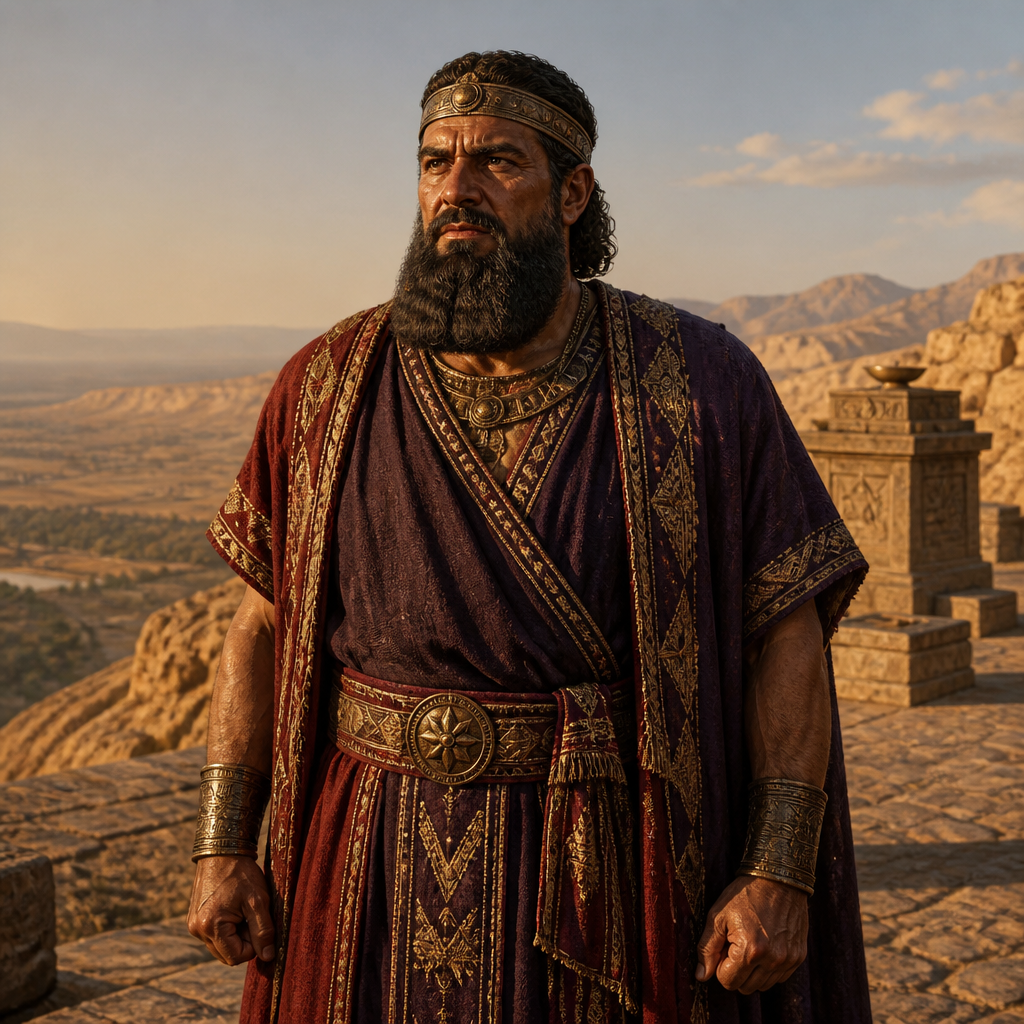
Balak
King of Moab who hired Balaam to curse the Israelites during their wilderness wanderings
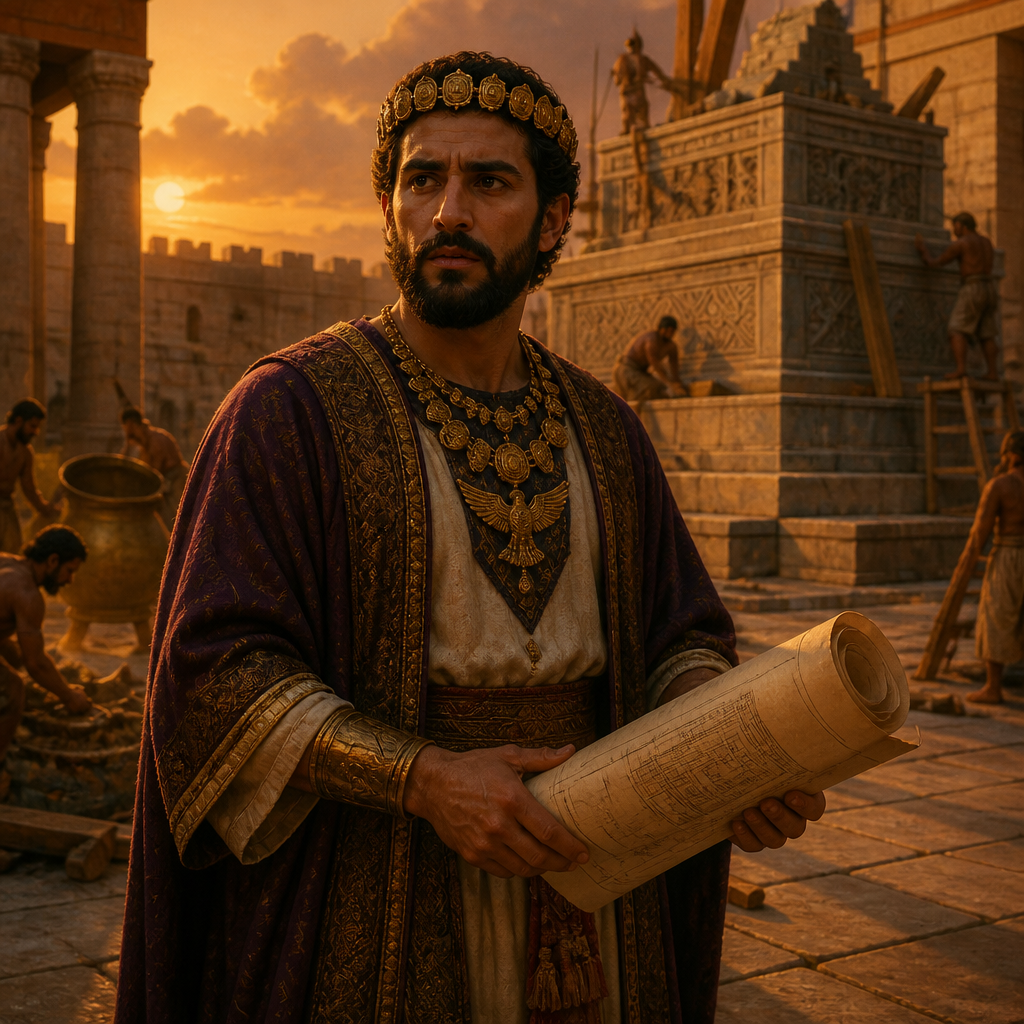
Ahaz, King of Judah
King of Judah who practiced child sacrifice and replaced the Temple altar with a pagan design
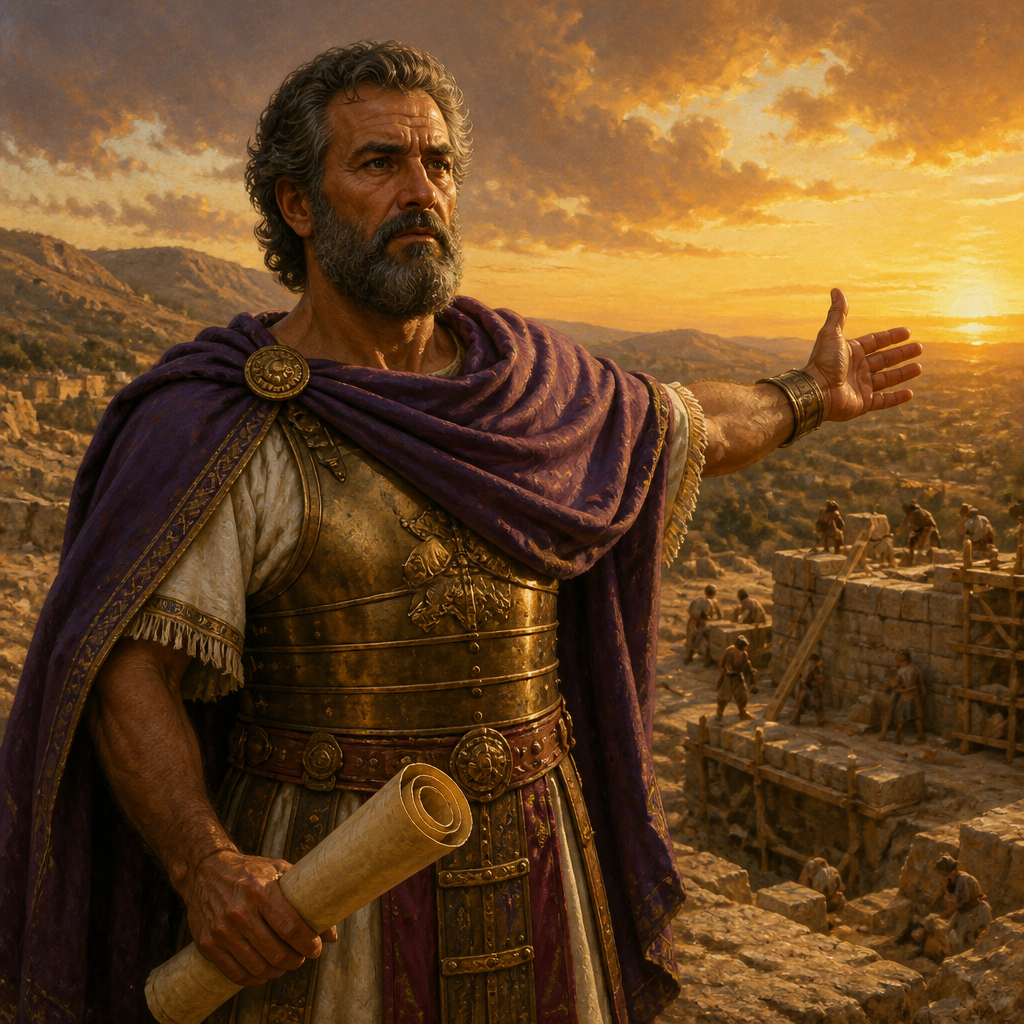
Omri, King of Israel
King of Israel who founded the city of Samaria and established a powerful but wicked dynasty
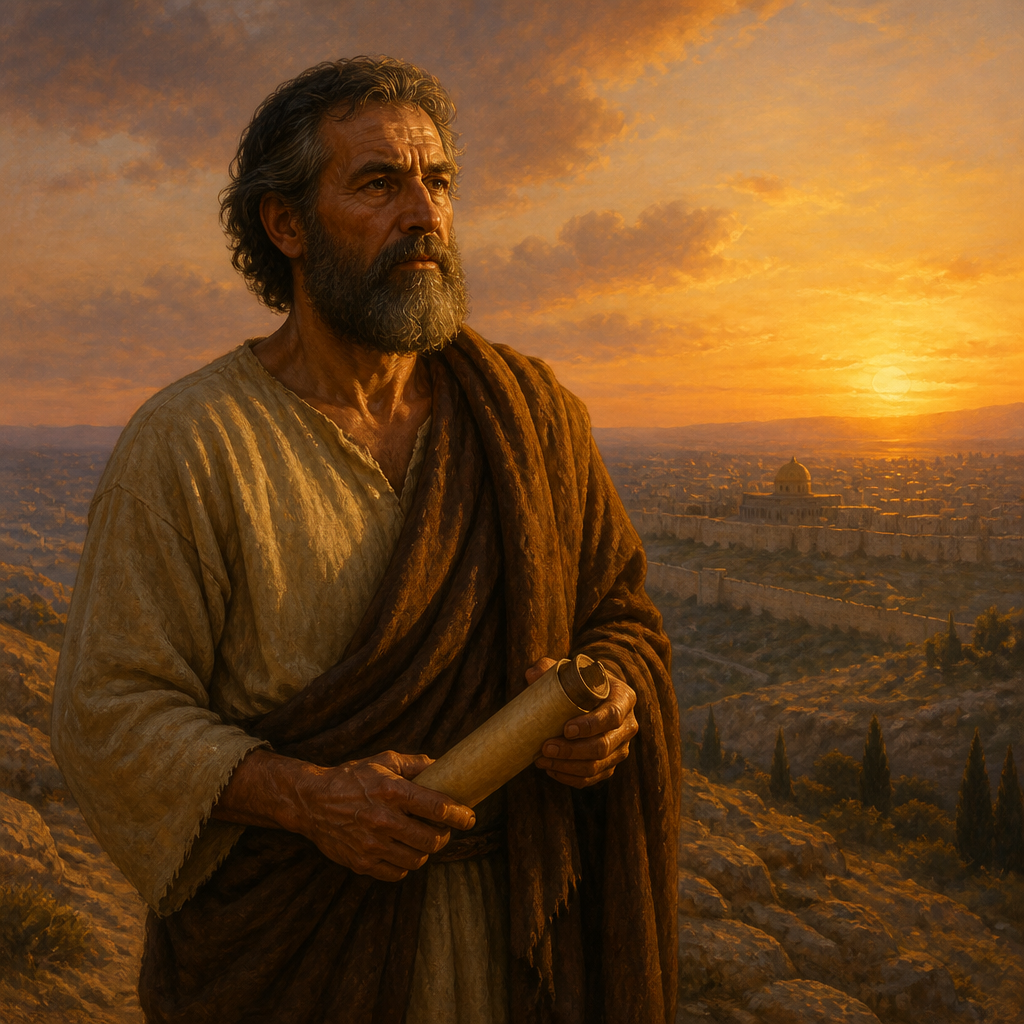
Micah the Moreshite
Prophet who predicted the destruction of Jerusalem and the Temple during the reign of Hezekiah
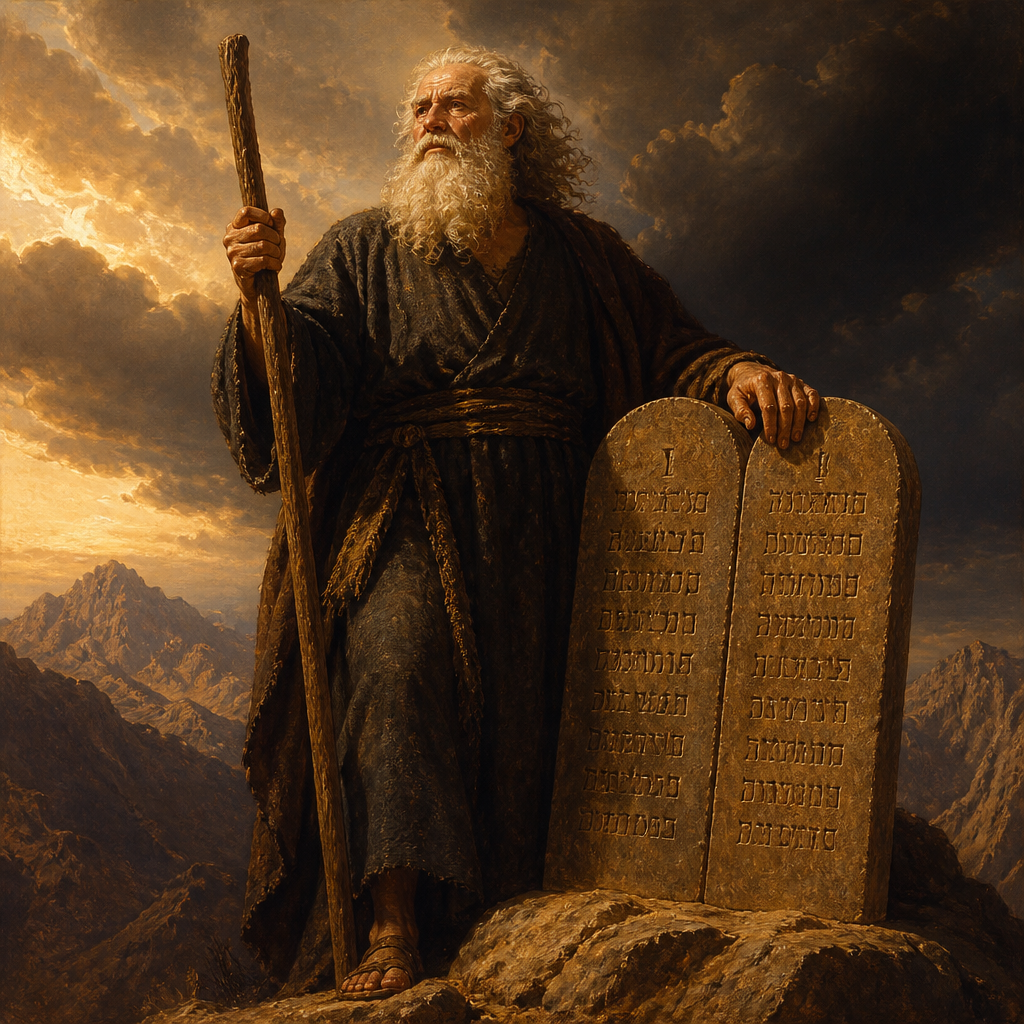
Moses
Prophet who led the Israelites out of Egypt and received the Ten Commandments
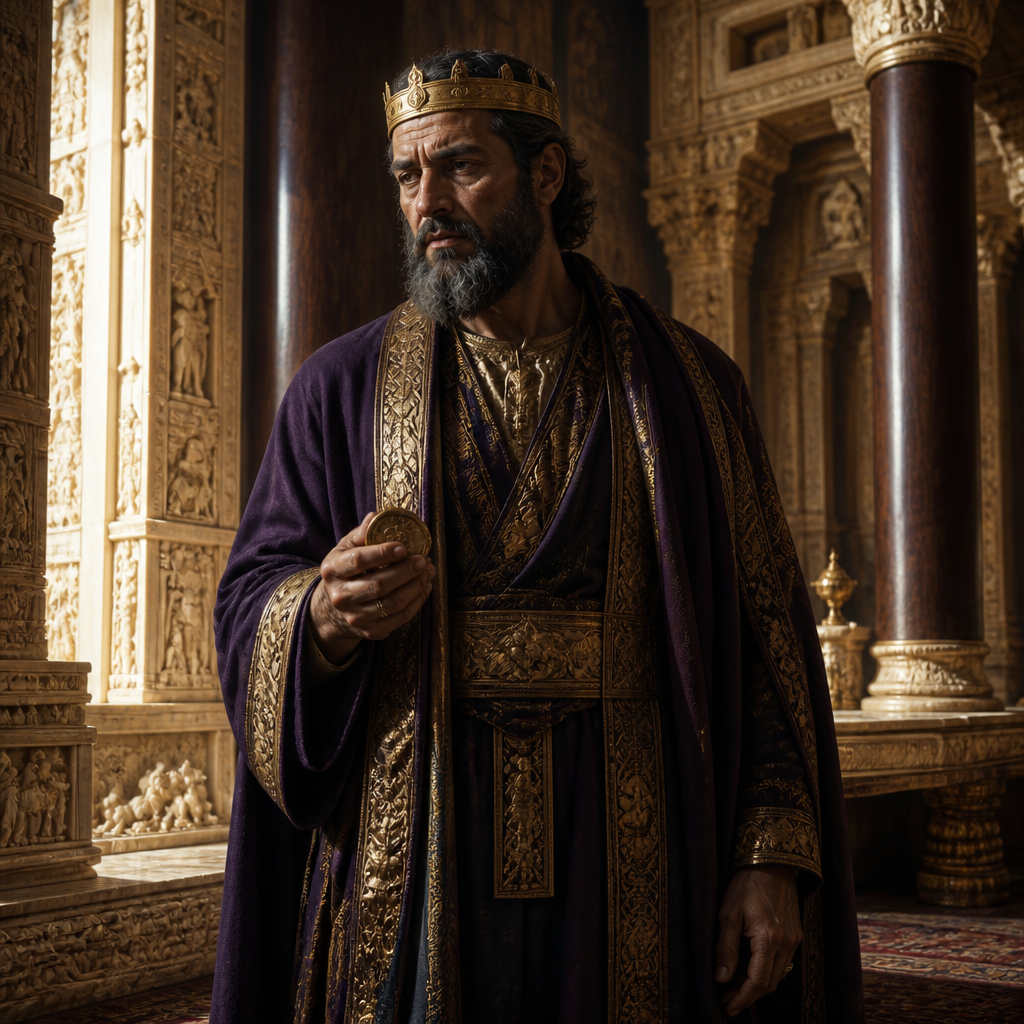
Ahab, King of Israel
King of Israel who married Jezebel and promoted the worship of Baal
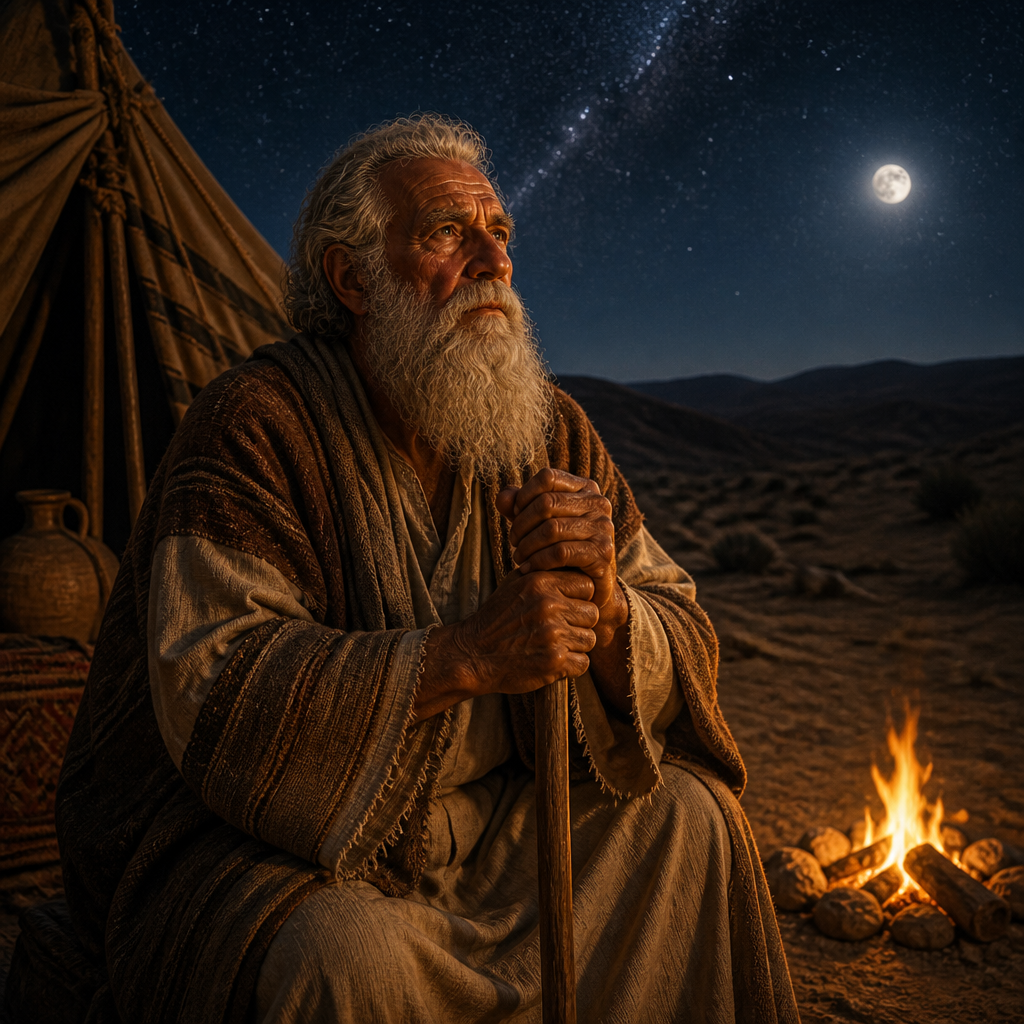
Abraham
Patriarch who is the father of the nation of Israel and an exemplar of faith
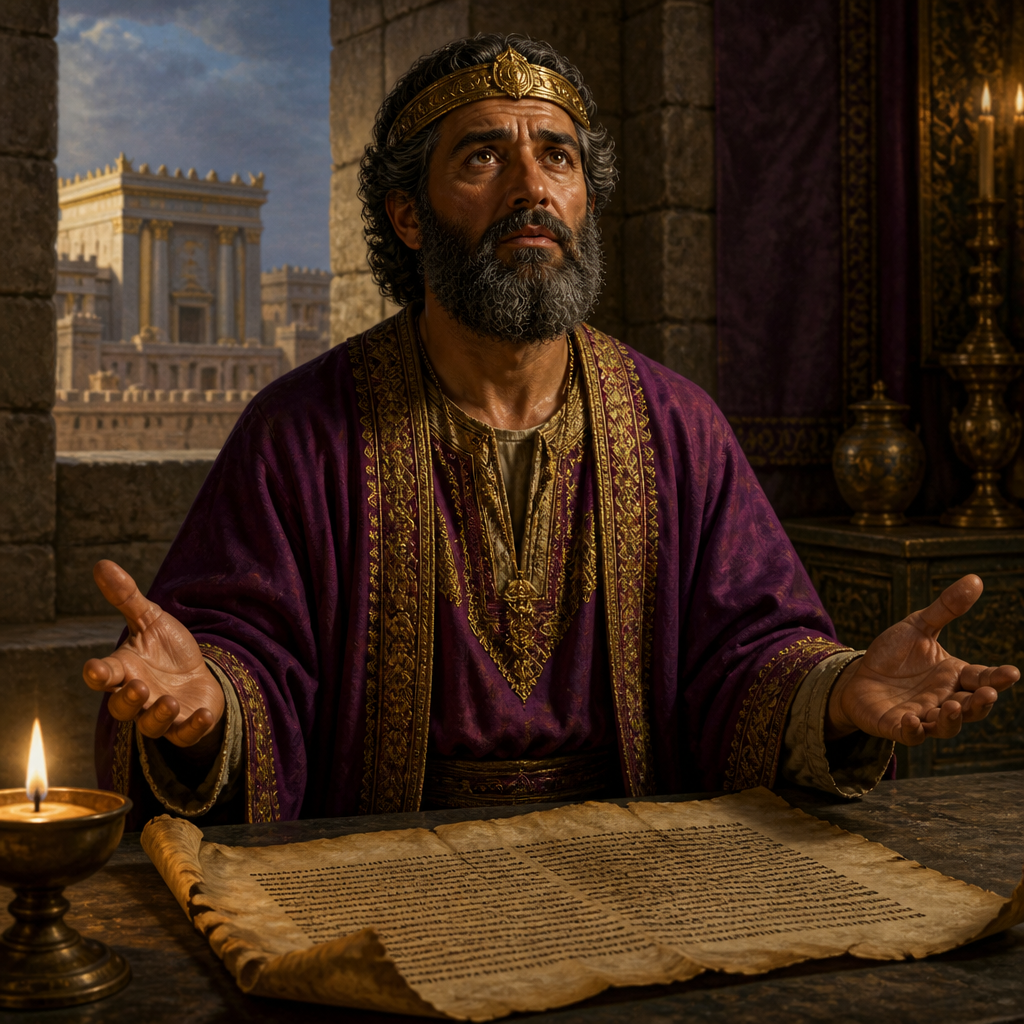
Hezekiah, King of Judah
King of Judah who reformed the Temple and survived the Assyrian siege of Jerusalem
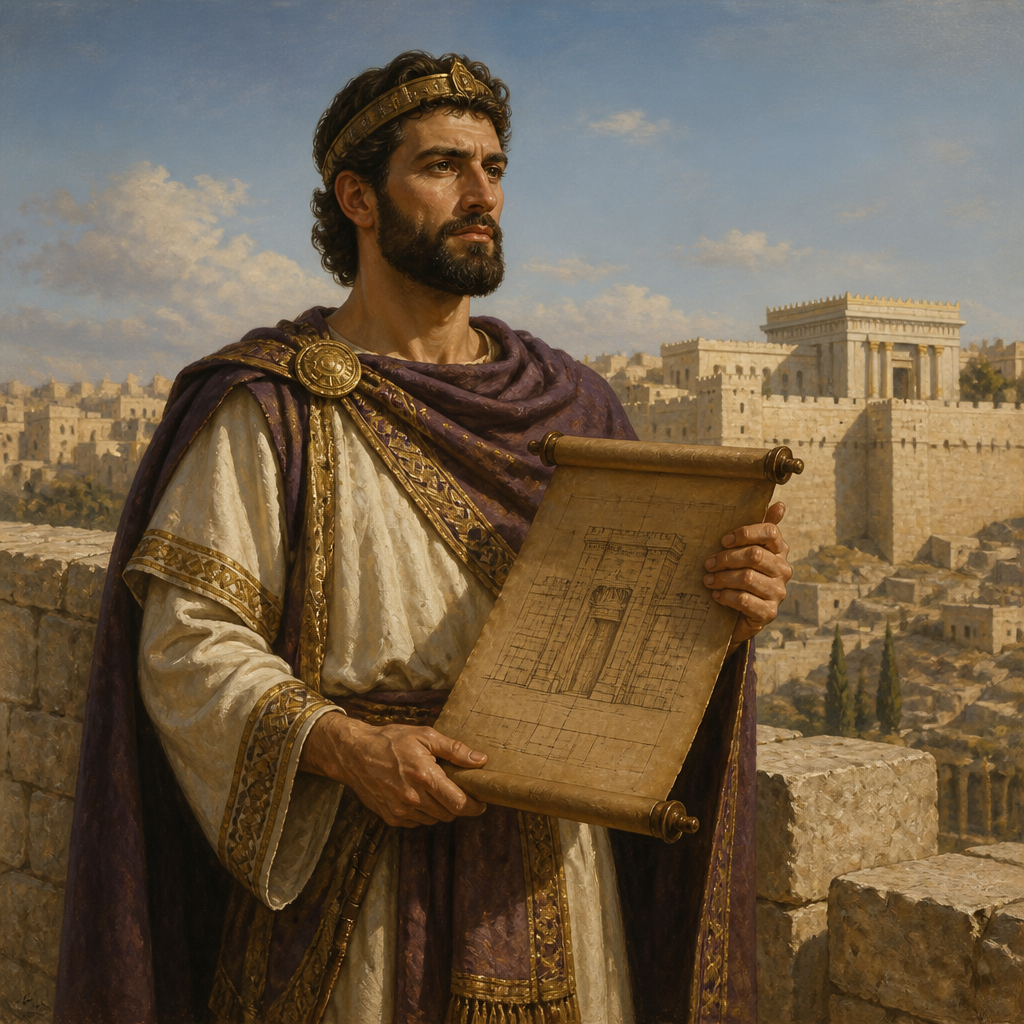
Jotham, King of Judah
King of Judah who grew powerful by ordering his ways before the LORD