People of Isaiah
Every person who appears in the book of Isaiah, ordered by how often they are mentioned there.
54 profiles tagged People of Isaiah.
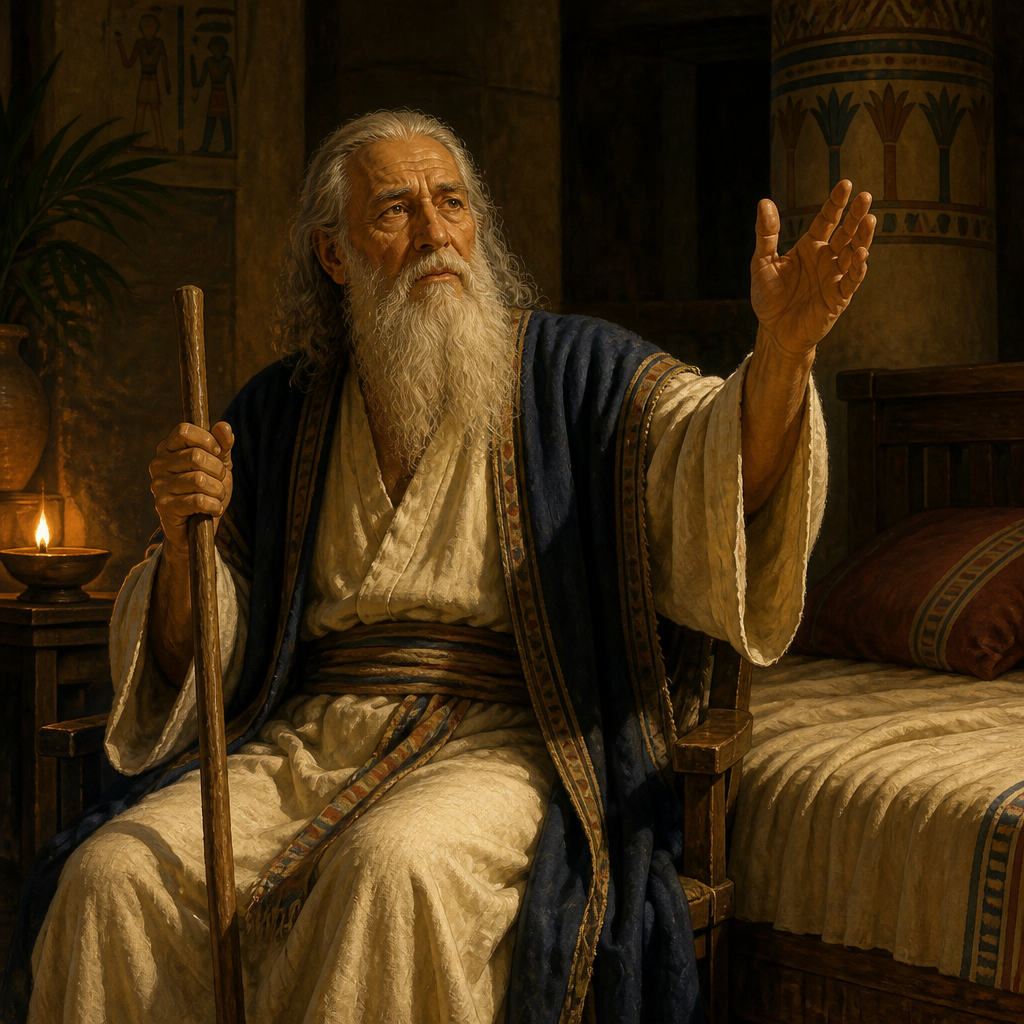
Israel
Patriarch who wrestled with God and fathered the twelve tribes
The third patriarch of the covenant, formerly known as Jacob, who received his name after wrestling with God and became the father of the twelve tribes.
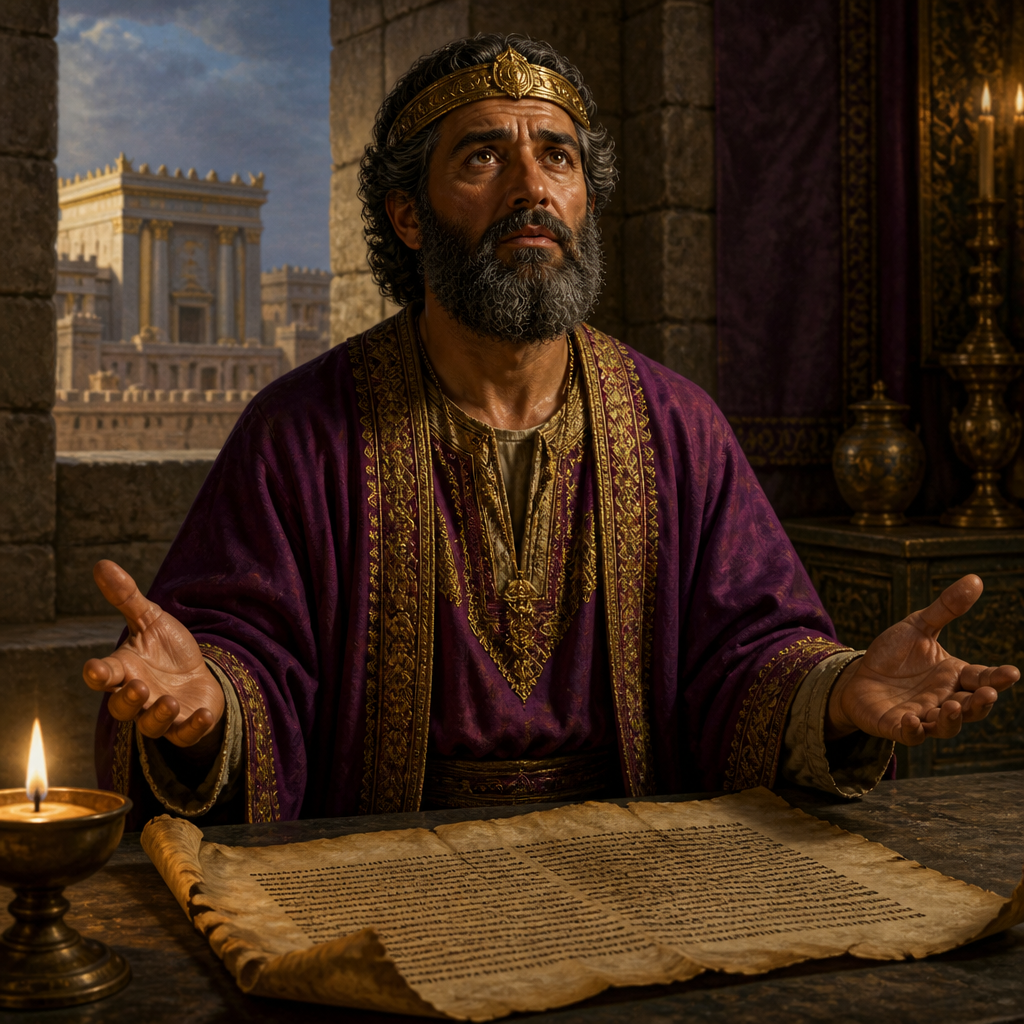
Hezekiah, King of Judah
King of Judah who reformed the Temple and survived the Assyrian siege of Jerusalem
The 13th king of Judah, known for his sweeping religious reforms, the miraculous defense of Jerusalem against Assyria, and his restoration of the Passover.
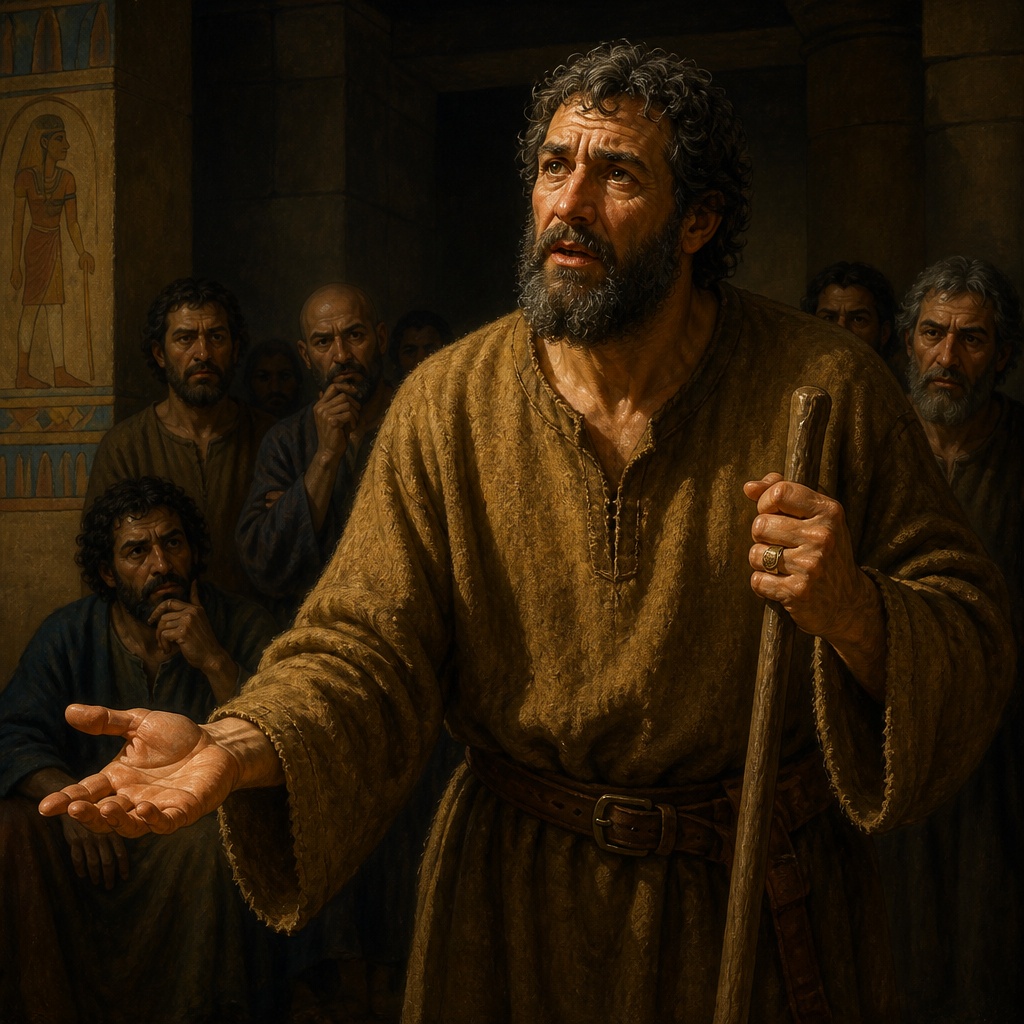
Judah, Son of Jacob
Patriarch who received the blessing of the scepter and whose lineage produced King David and Jesus Christ
The fourth son of Jacob and Leah, ancestor of the Tribe of Judah and the Davidic line, known for his leadership and pivotal role in the preservation of his family.
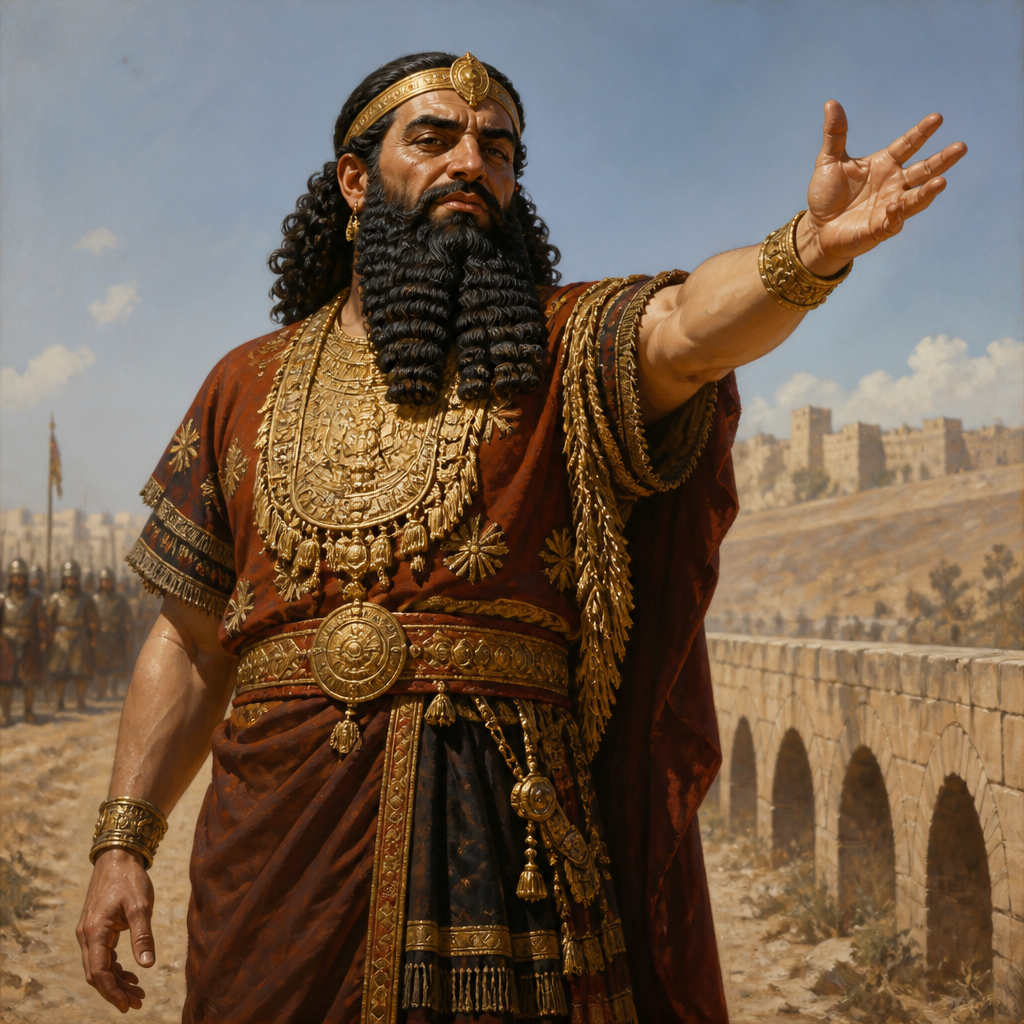
The Rabshakeh
Assyrian official who mocked God and threatened Jerusalem during Hezekiah's reign
The high-ranking Assyrian official and psychological warfare strategist who delivered Sennacherib's ultimatum to King Hezekiah during the siege of Jerusalem.
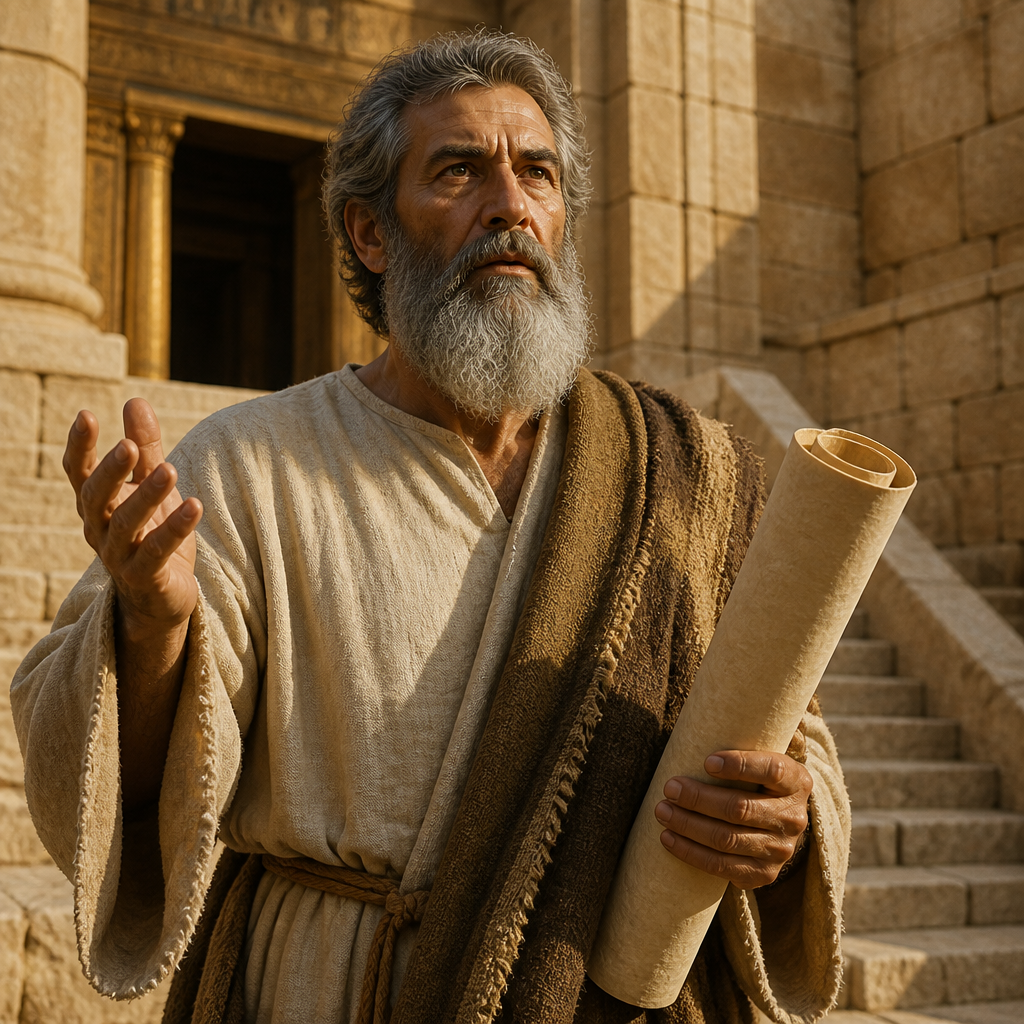
Isaiah
Prophet who advised King Hezekiah and foretold the coming of the Messiah
Isaiah, the son of Amoz, was a major prophet in Judah whose ministry spanned the reigns of four kings and who is widely quoted in the New Testament for his messianic and redemptive visions.
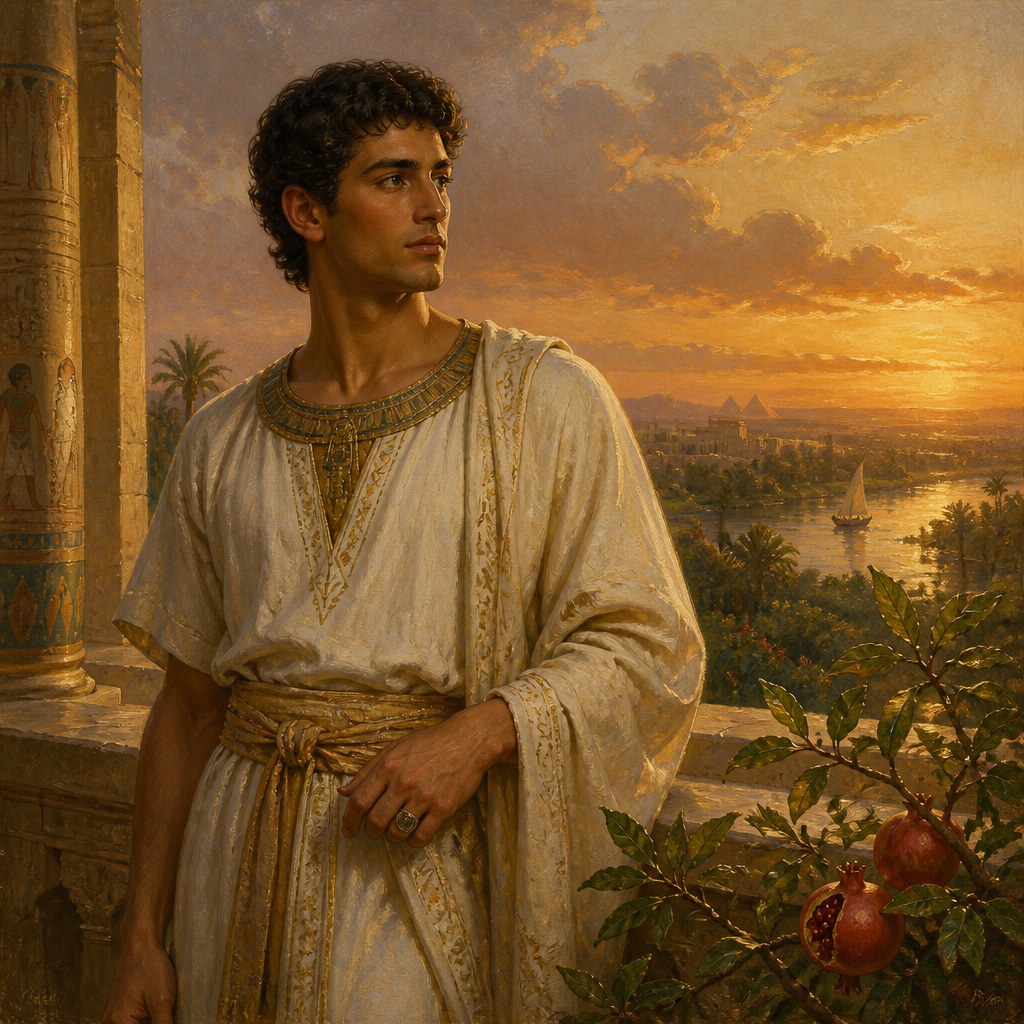
Ephraim
Son of Joseph who received the firstborn blessing from Jacob
The second son of Joseph and Asenath, Ephraim was adopted by his grandfather Jacob and received the primary blessing of the firstborn, becoming the progenitor of a dominant tribe in Israel.
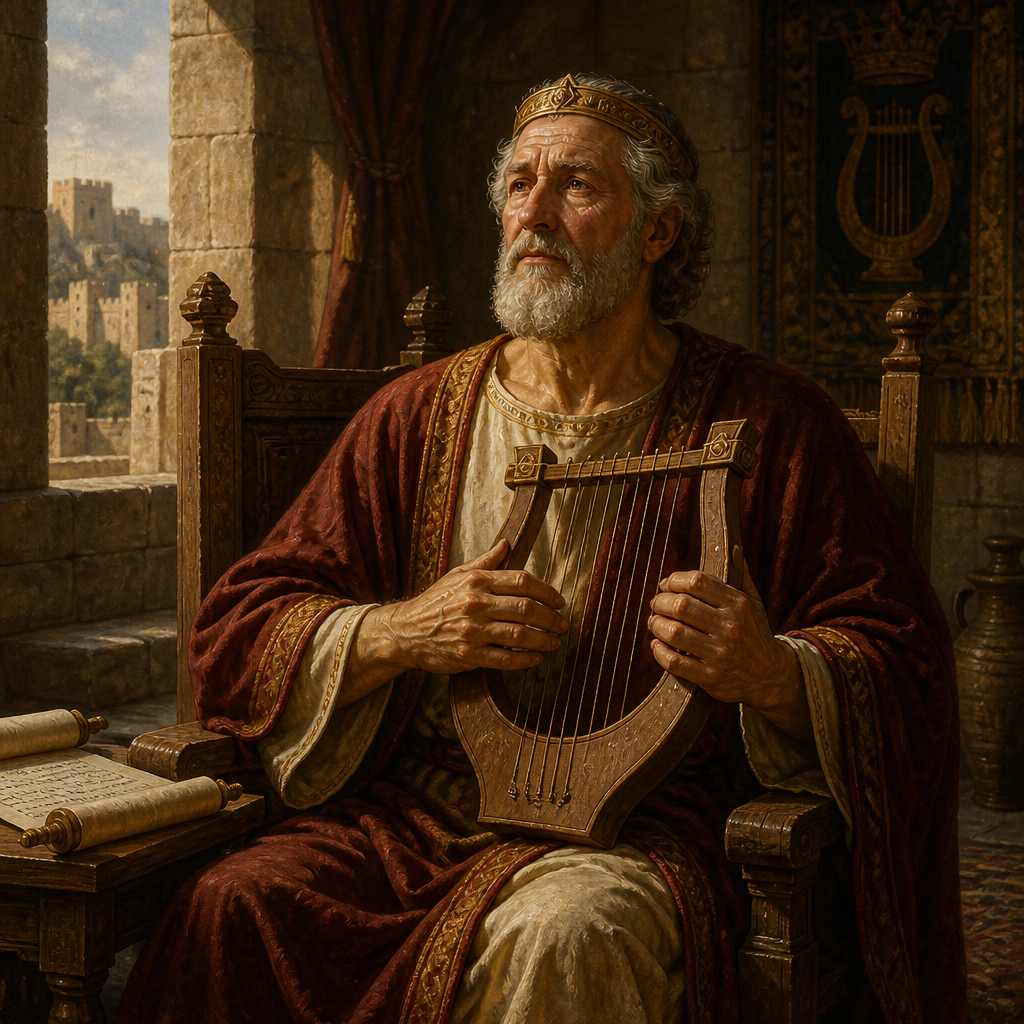
David
King of Israel who defeated Goliath and established the Davidic dynasty
The second king of the United Monarchy of Israel, a shepherd-warrior and psalmist known as a man after God's own heart.
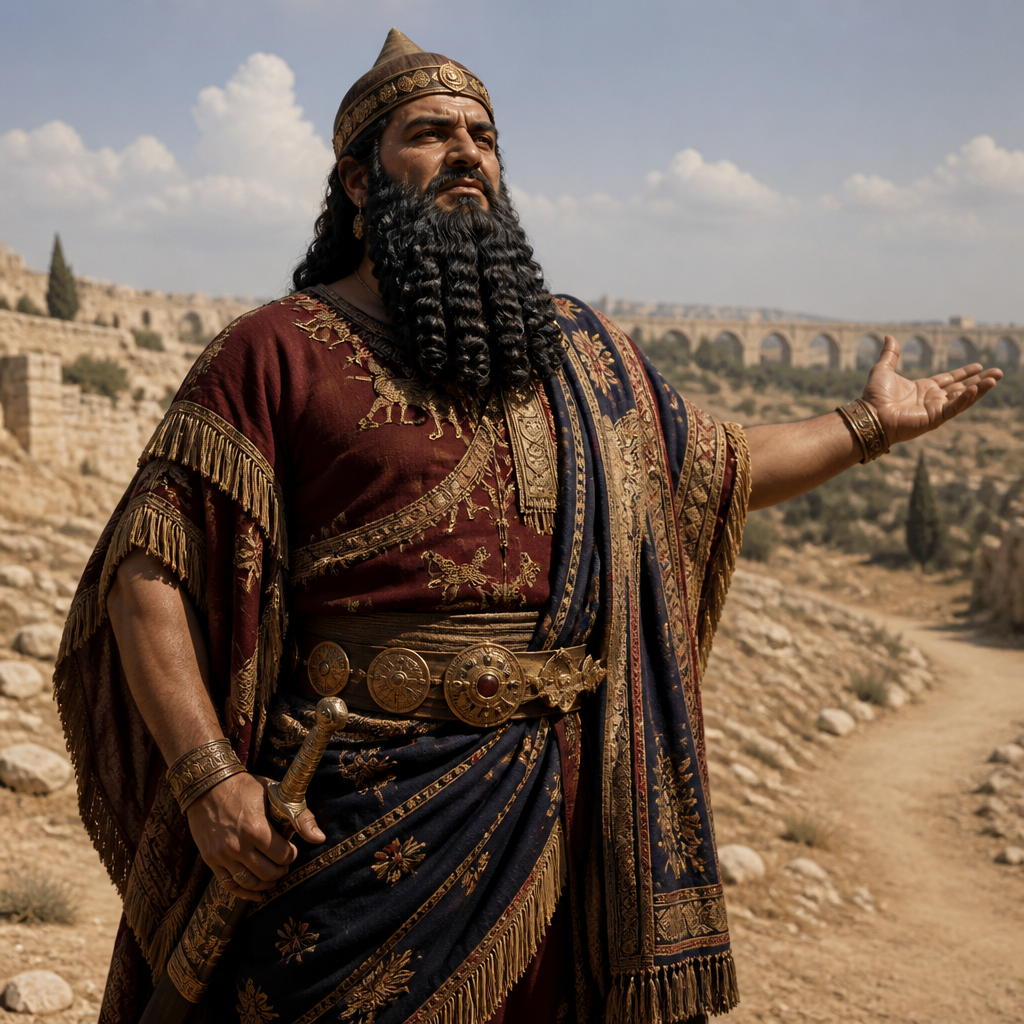
Rabshakeh
Assyrian official who mocked King Hezekiah and defied God during the siege of Jerusalem
A high-ranking Assyrian military official and psychological warfare strategist who served King Sennacherib during the siege of Jerusalem around 701 BC.
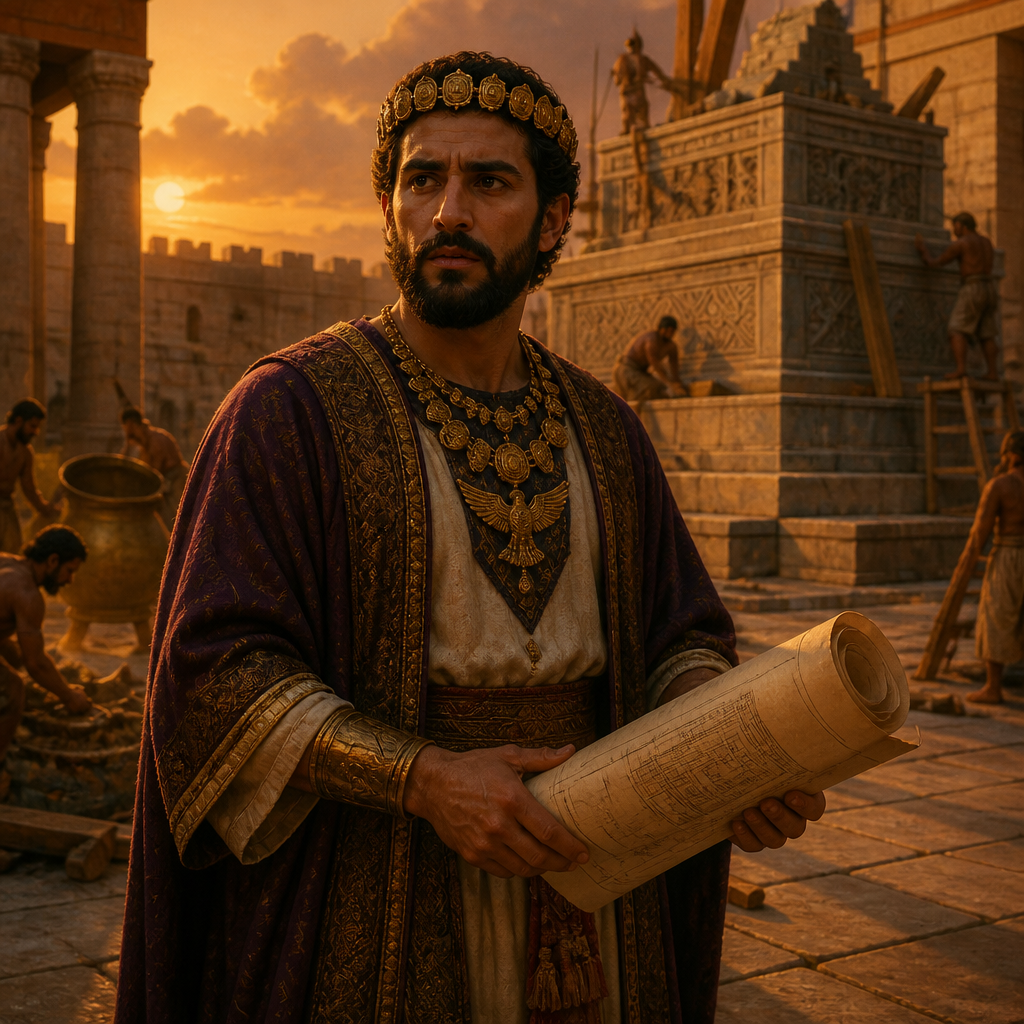
Ahaz, King of Judah
King of Judah who practiced child sacrifice and replaced the Temple altar with a pagan design
The twelfth king of Judah, known for his catastrophic alliance with Assyria, widespread idolatry, and the desecration of the Temple in Jerusalem during the Divided Monarchy.
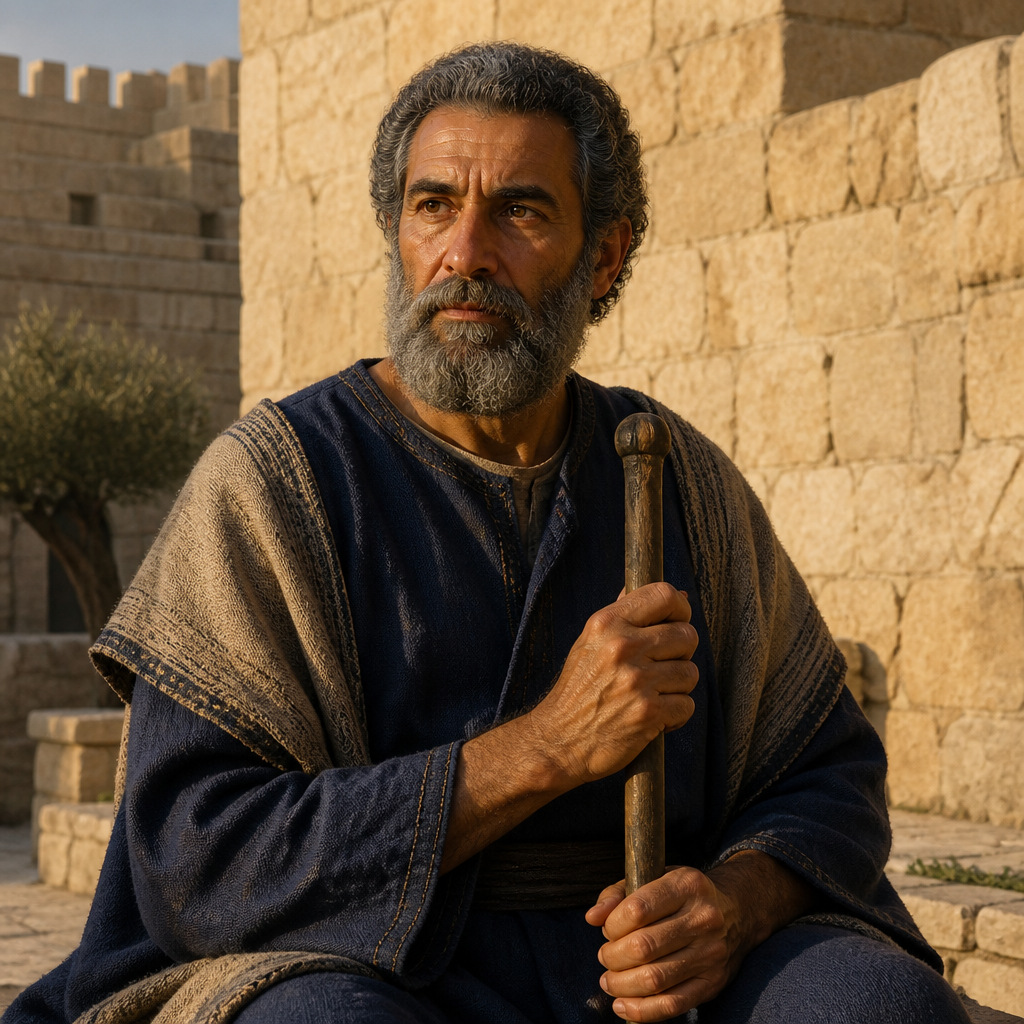
Amoz
Father of the prophet Isaiah
The father of the prophet Isaiah, serving as a vital genealogical identifier for the prophet during the era of the Divided Monarchy in Judah.
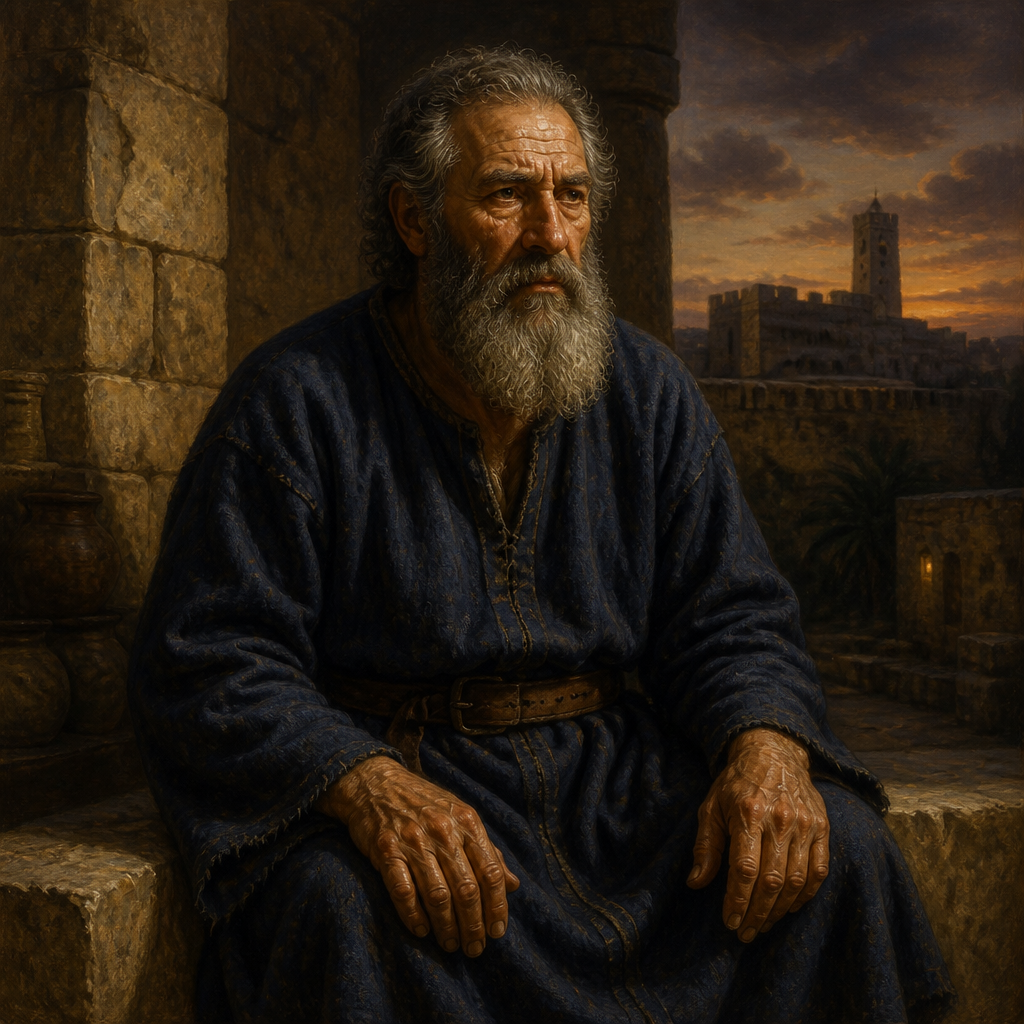
Remaliah
father of King Pekah of Israel
Remaliah was an Israelite of the Northern Kingdom, known solely as the father of King Pekah, who assassinated Pekahiah to seize the throne during the Divided Monarchy.
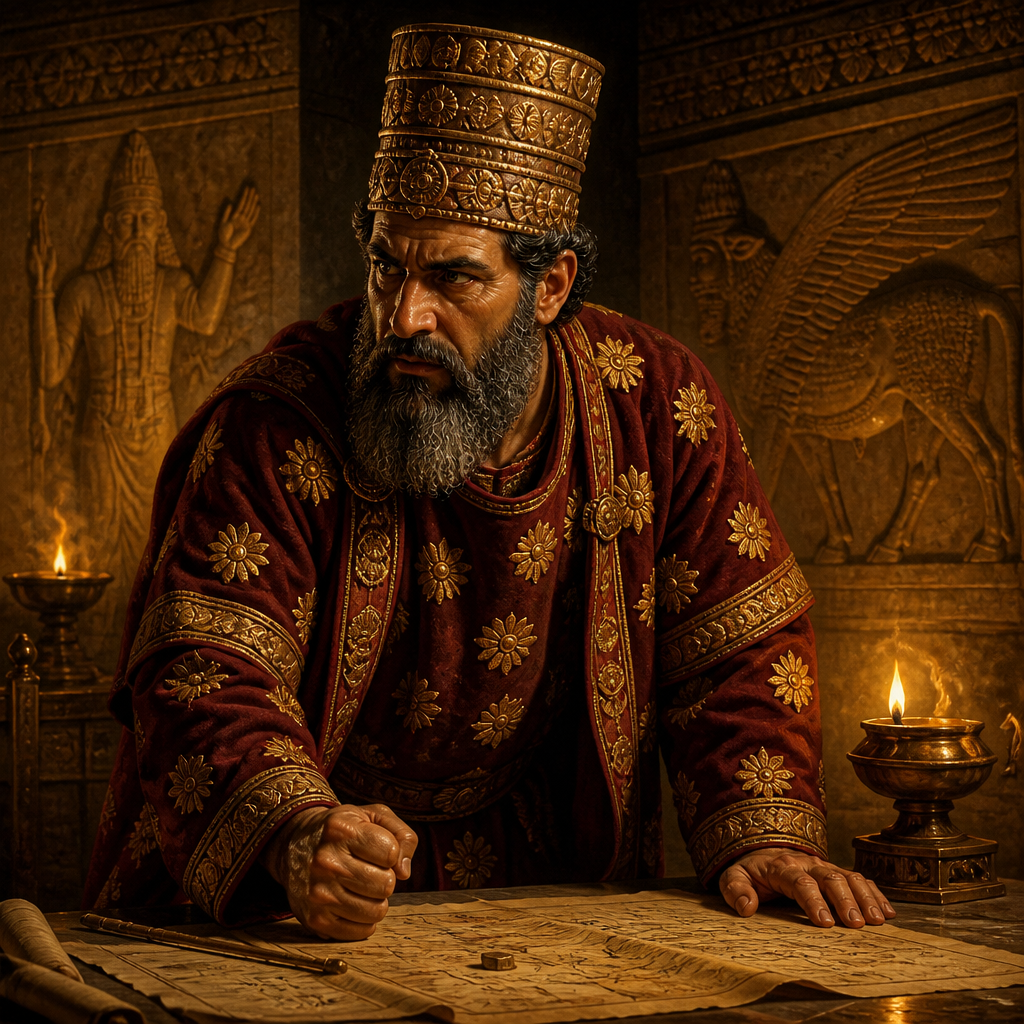
Rezin, King of Aram
King of Aram who besieged Jerusalem and was killed by the Assyrians
The last king of Aram-Damascus who formed a coalition with Israel to besiege Jerusalem during the reign of King Ahaz.
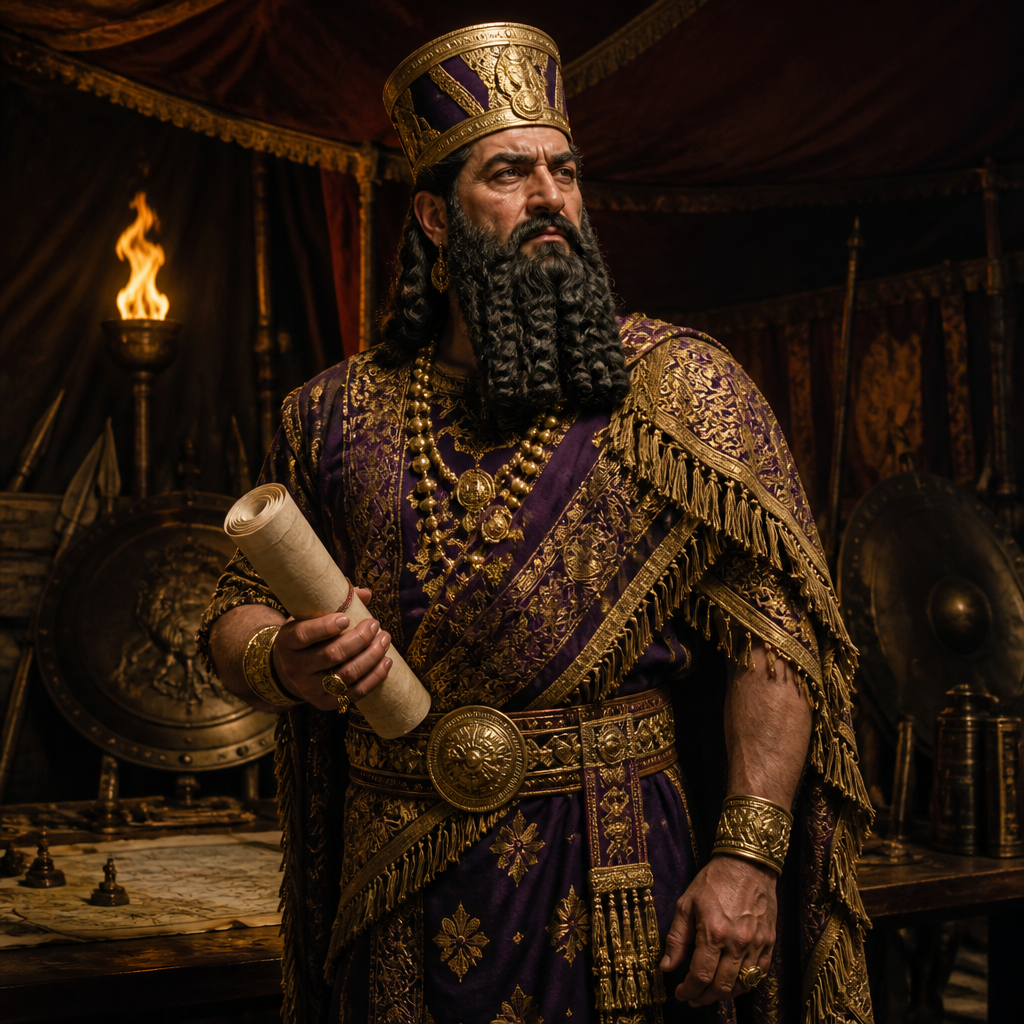
Sennacherib
King of Assyria who invaded Judah and was defeated by divine intervention before Jerusalem
The powerful King of Assyria during the Divided Monarchy who invaded Judah, besieged Jerusalem, and was ultimately assassinated by his own sons.
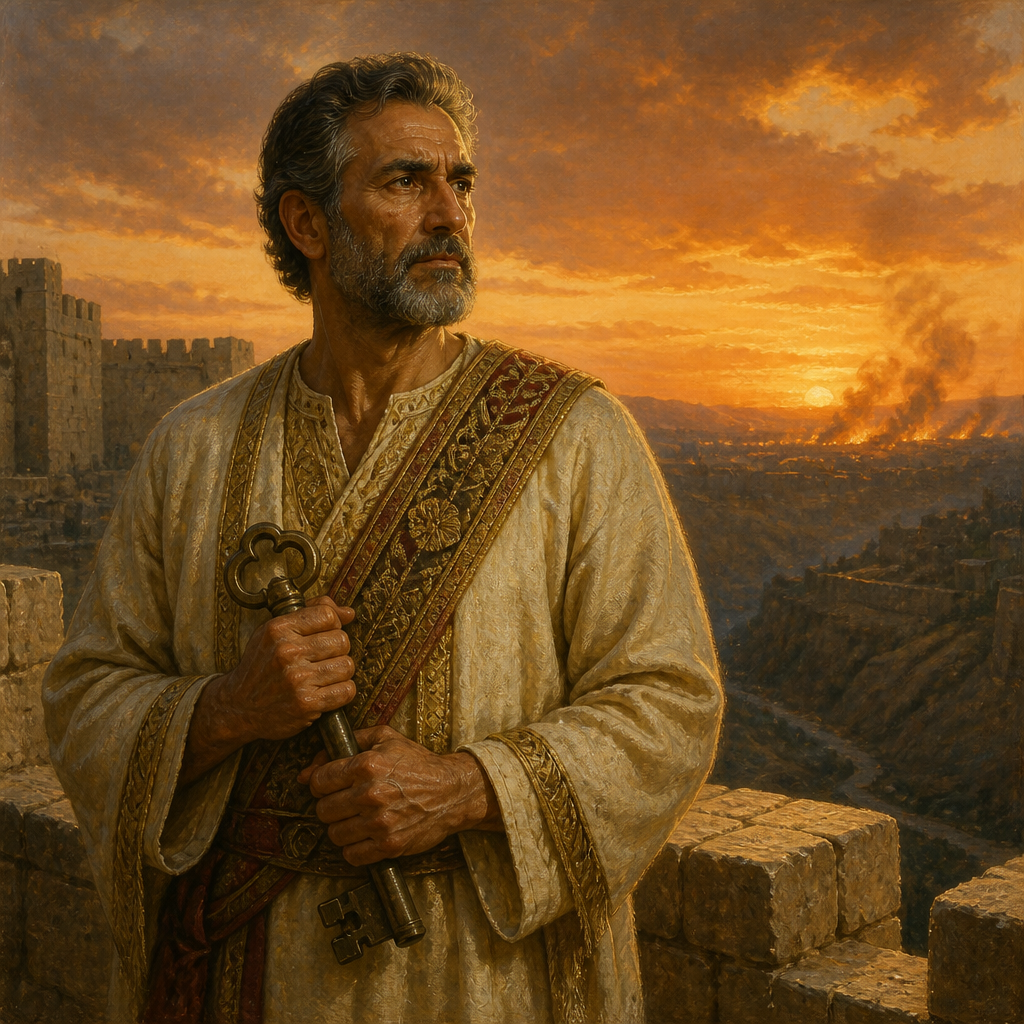
Eliakim son of Hilkiah
Palace administrator for King Hezekiah who represented Judah during the Assyrian siege
A high-ranking official and palace administrator under King Hezekiah during the Assyrian invasion of Judah.
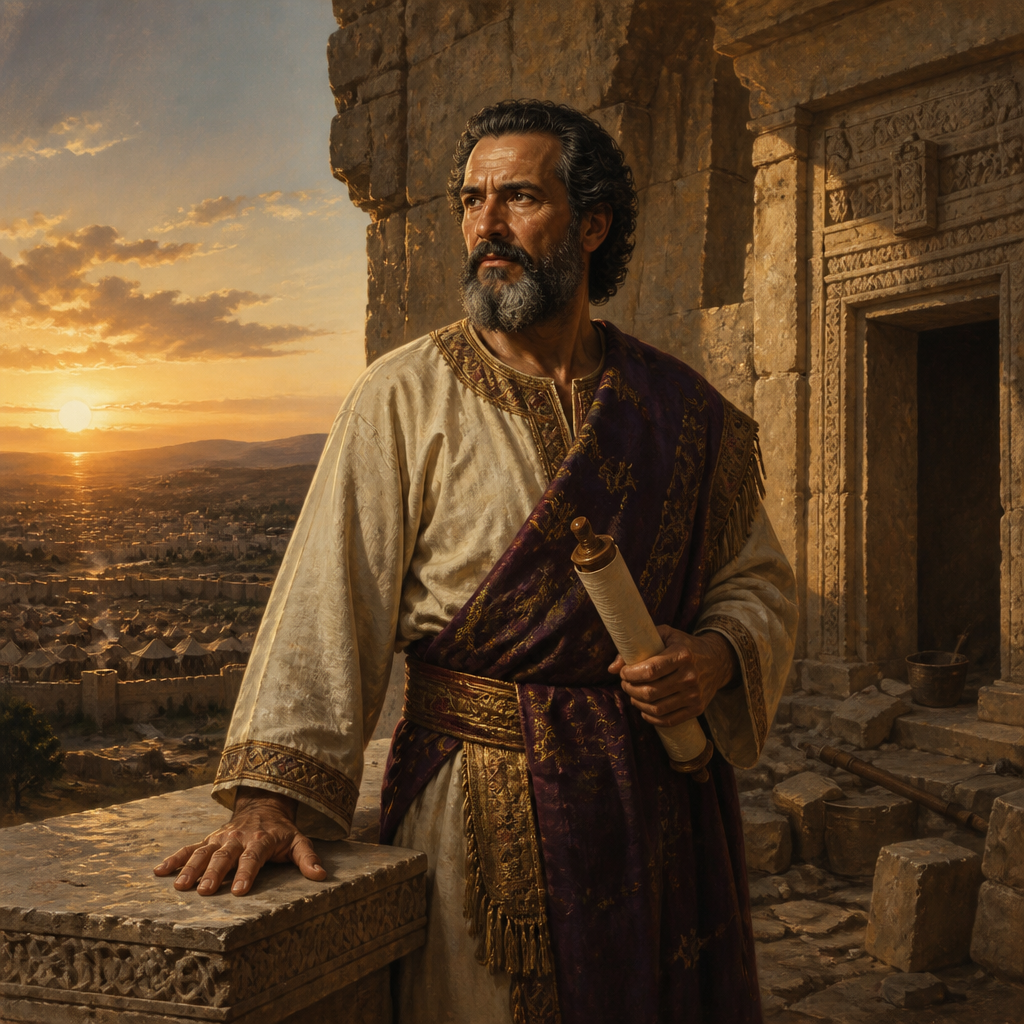
Shebna
Royal official who was rebuked by Isaiah for his pride and served during the Assyrian siege
A high-ranking official under King Hezekiah of Judah who served as royal steward and scribe during the Assyrian crisis.
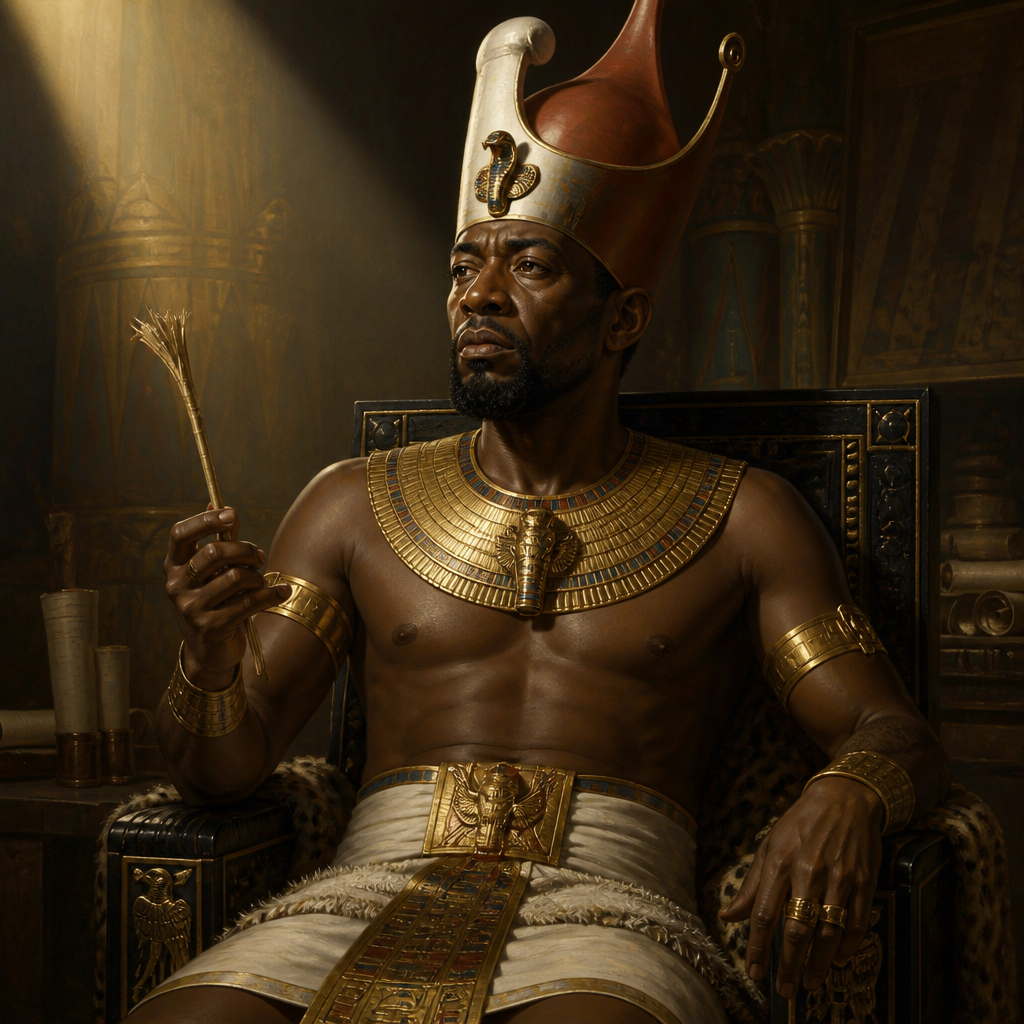
Pharaoh, unreliable ally of Hezekiah
Egyptian monarch whose failed military alliance with King Hezekiah was compared to a splintered reed
An Egyptian monarch during the Divided Monarchy whom Judah mistakenly trusted for military protection against the Assyrian Empire.
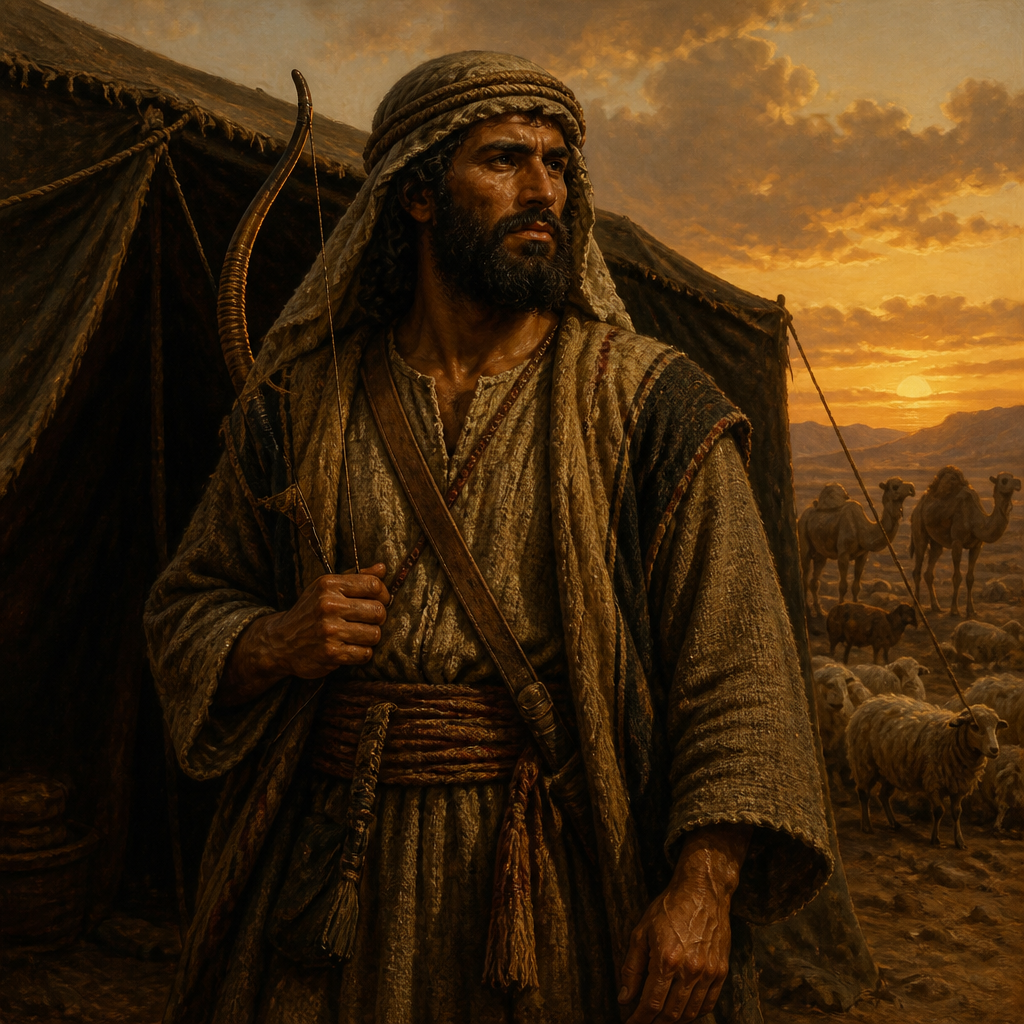
Kedar
Patriarch of a major Arabian nomadic tribe known for their black tents and skilled archers
Kedar was the second son of Ishmael and a foundational patriarch of a major nomadic tribal confederation in the Arabian desert.
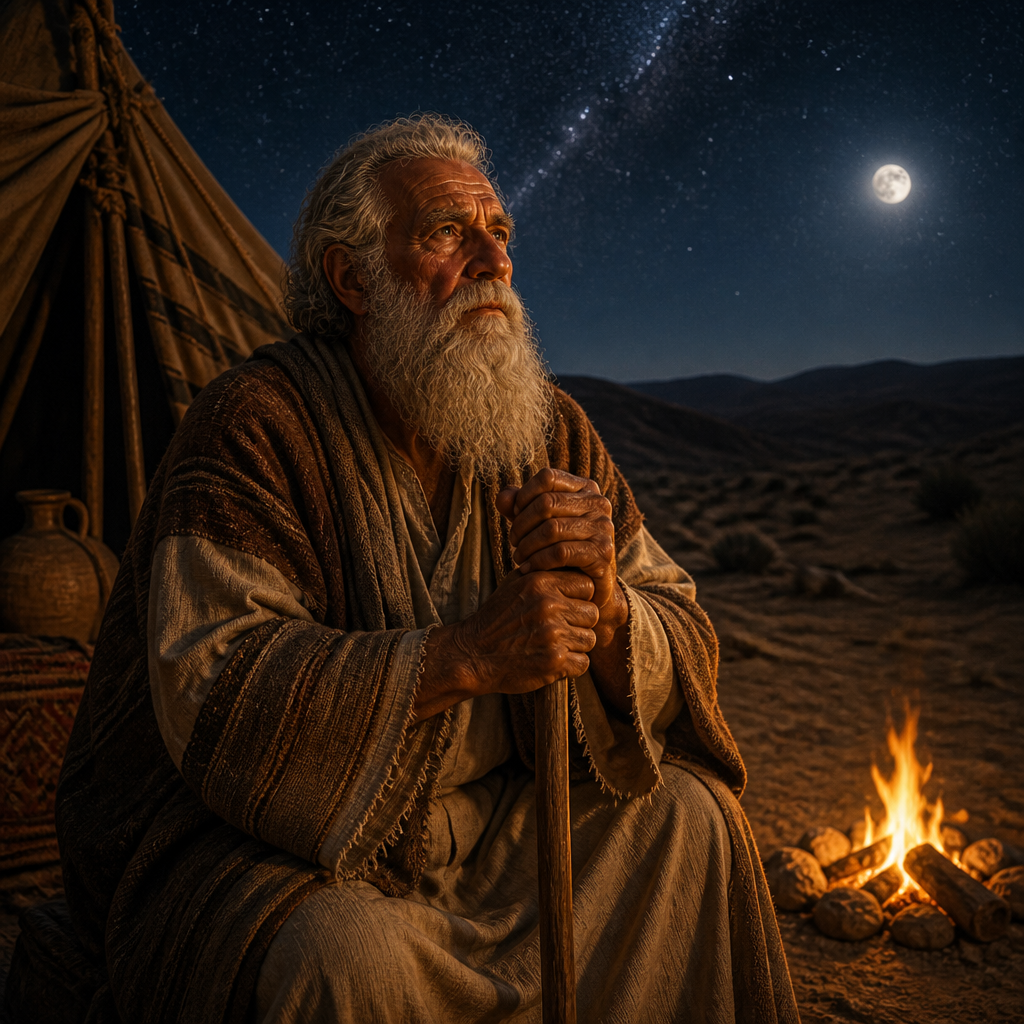
Abraham
Patriarch who is the father of the nation of Israel and an exemplar of faith
The first of the three biblical patriarchs and the father of the nation of Israel, known for his unwavering faith and his covenant relationship with God.
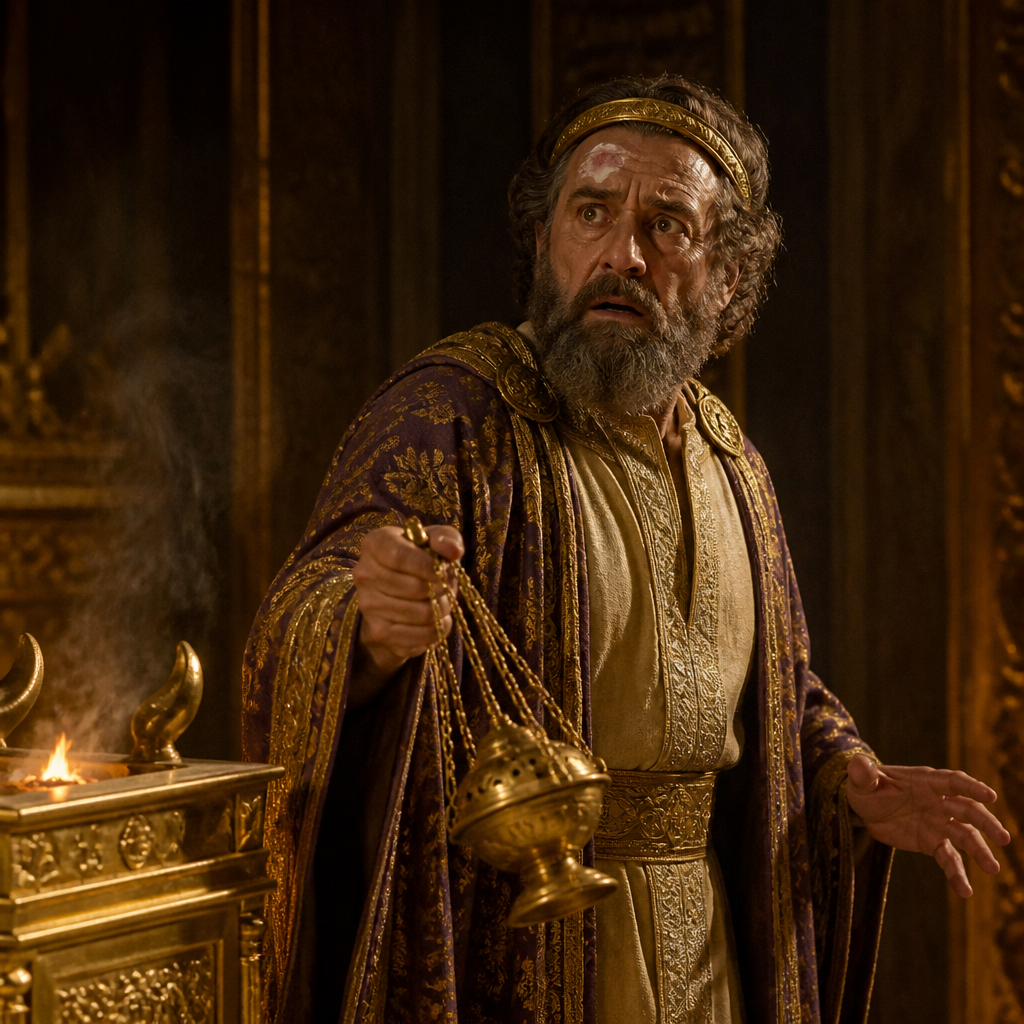
Uzziah, King of Judah
King of Judah struck with leprosy for attempting to burn incense in the Temple
The tenth king of Judah who enjoyed a long, prosperous reign marked by military success and agricultural growth, ended by his divine punishment with leprosy for usurping priestly duties.
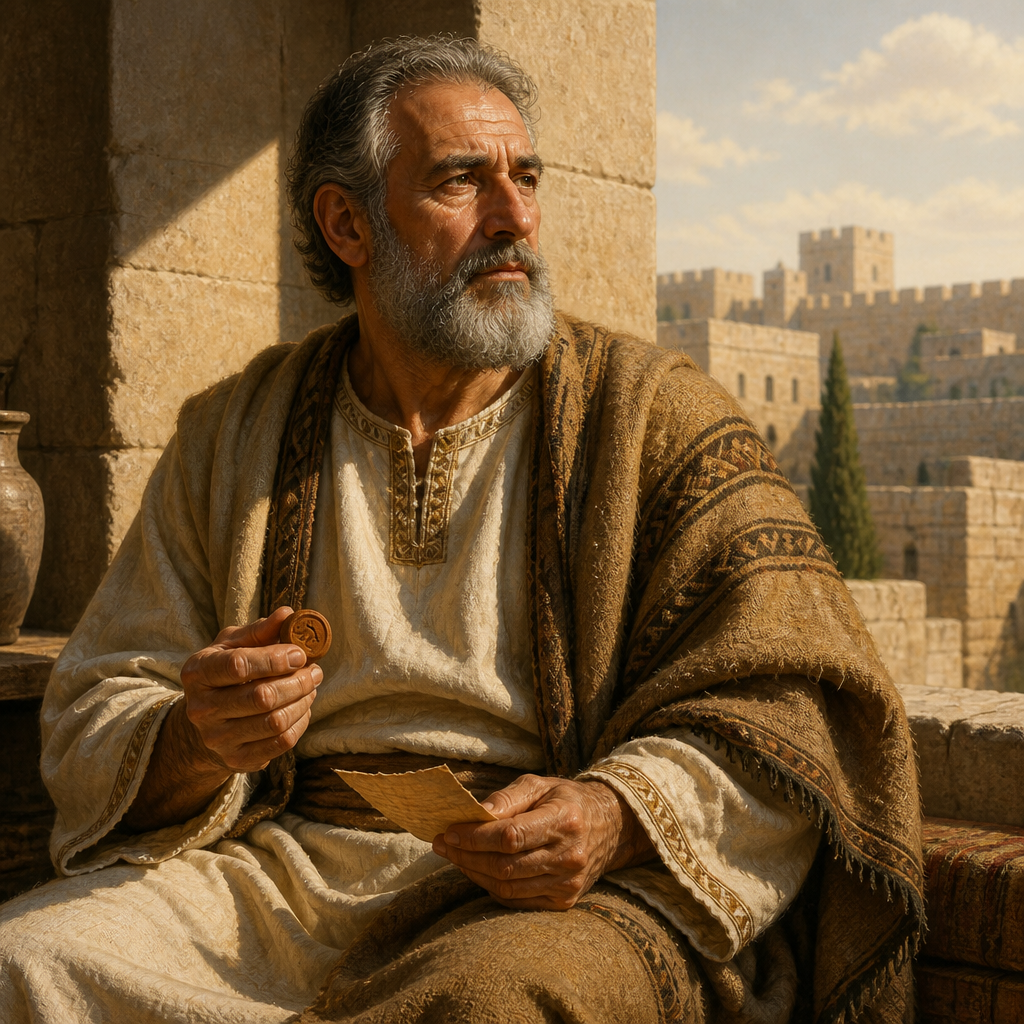
Hilkiah, Father of Eliakim
father of Eliakim the palace administrator
A high-ranking official during the Divided Monarchy and the father of King Hezekiah’s palace administrator, Eliakim.
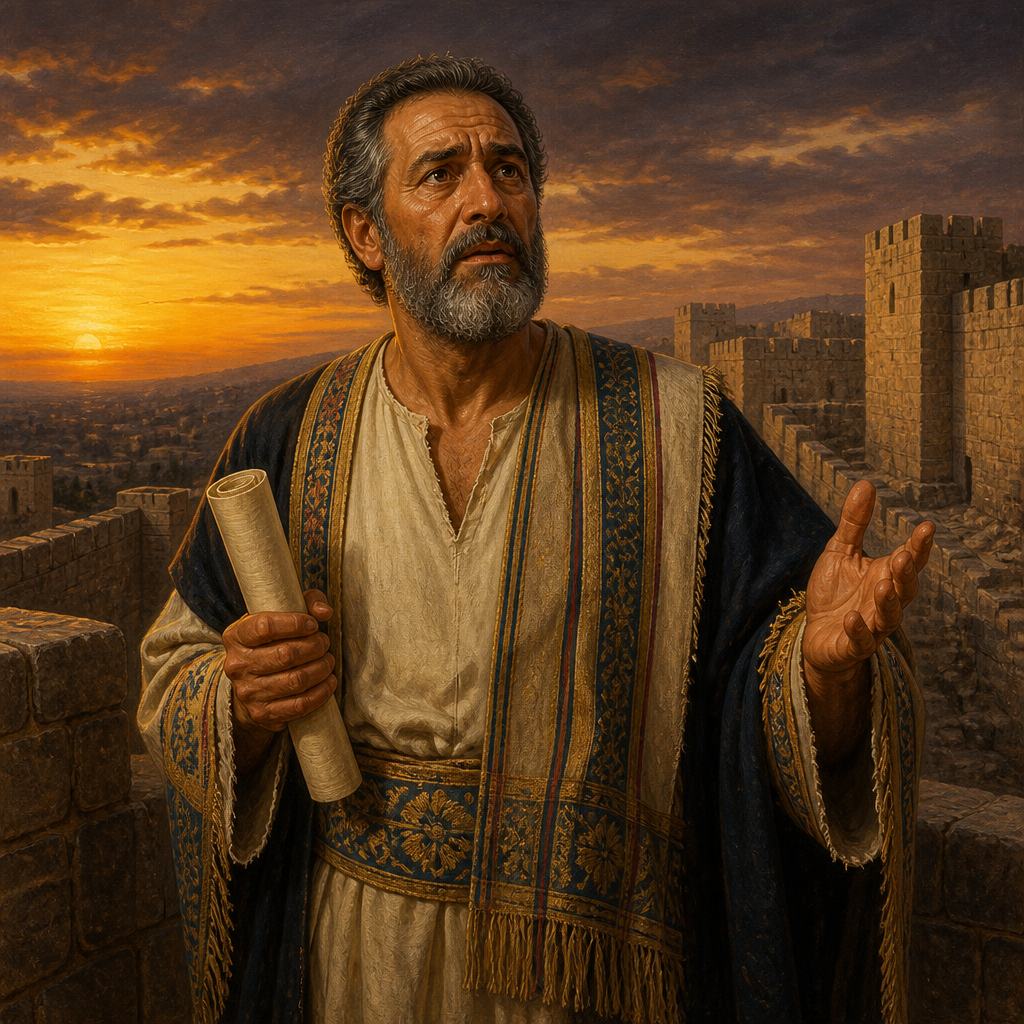
Joah, Recorder to King Hezekiah
Recorder for King Hezekiah who stood against the Rabshakeh during the Assyrian siege of Jerusalem
A high-ranking royal official and 'recorder' who served King Hezekiah during the Assyrian siege of Jerusalem in the 8th century BC.
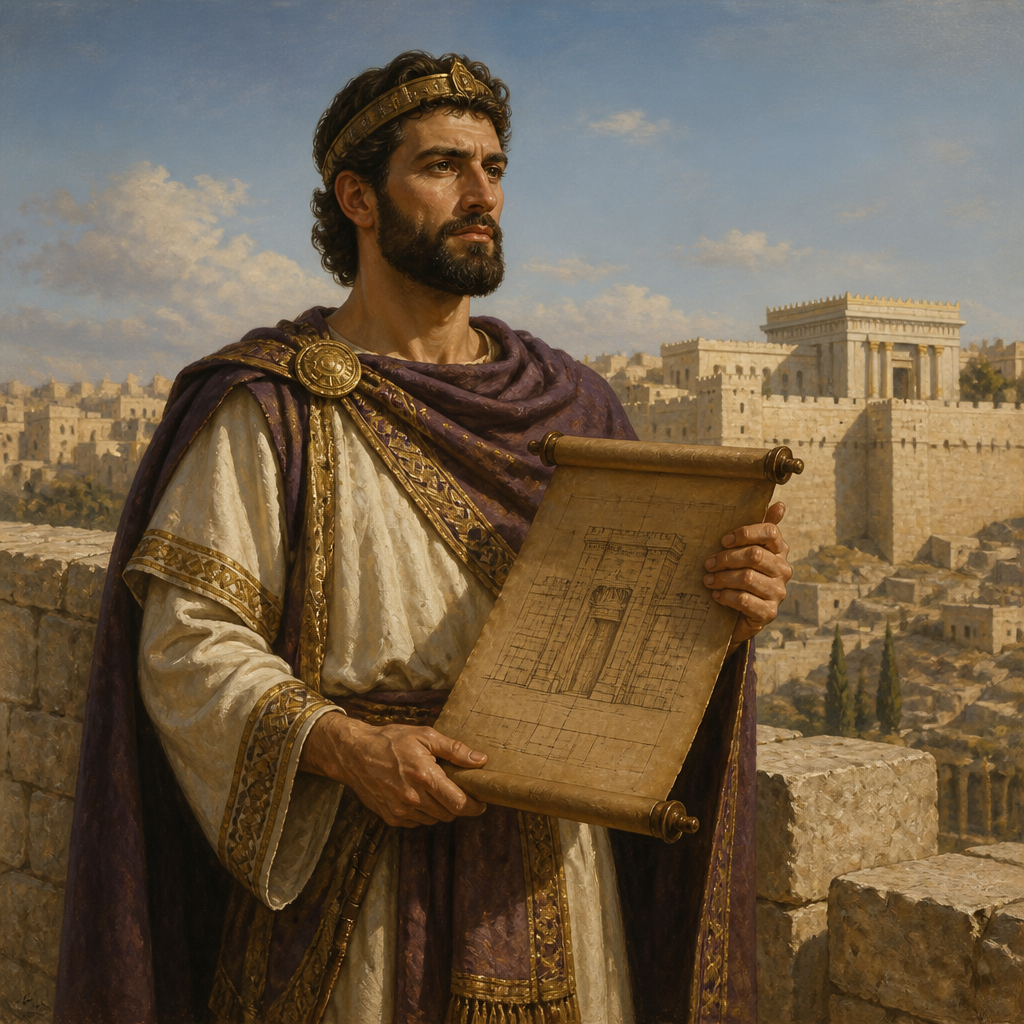
Jotham, King of Judah
King of Judah who grew powerful by ordering his ways before the LORD
A righteous king of Judah who reigned for sixteen years, known for his building projects and for growing powerful by ordering his ways before the LORD.
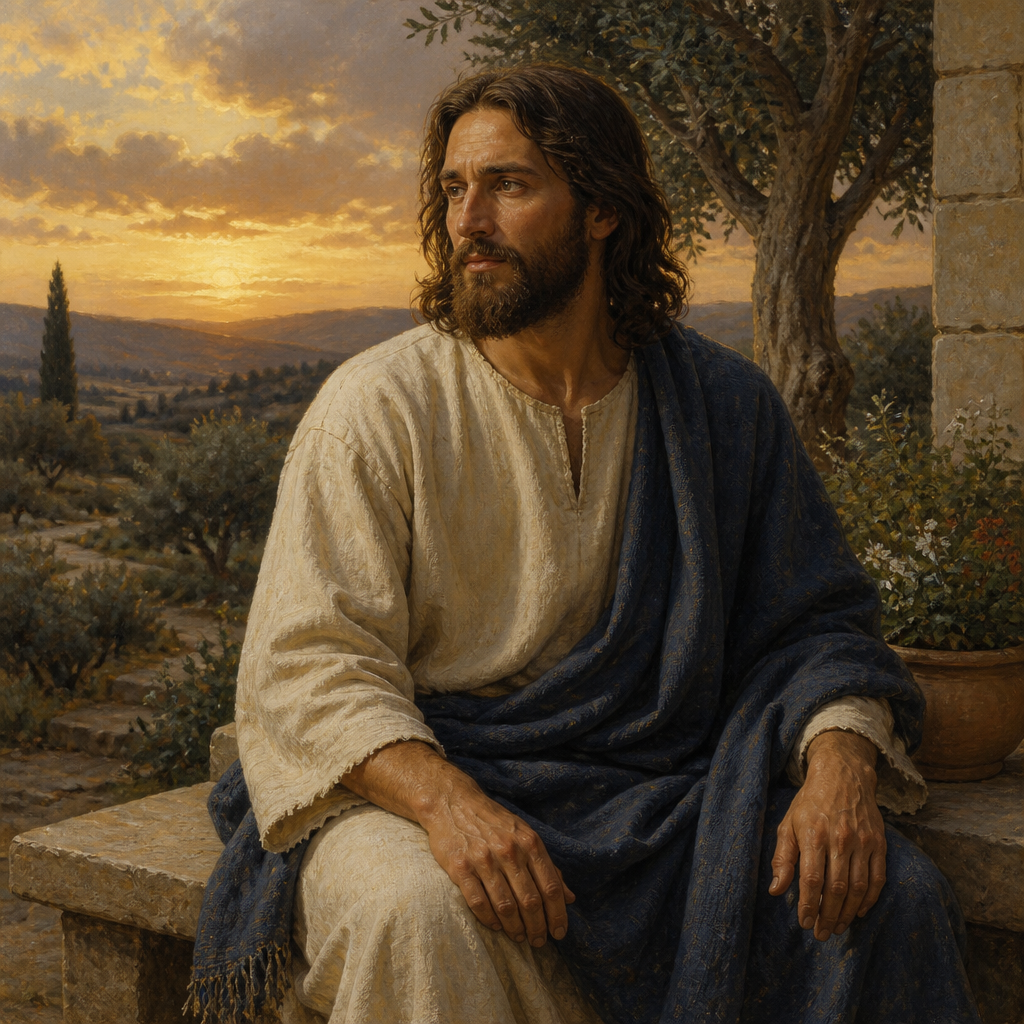
Jesus
Messiah and central figure of the New Testament whose life, death, and resurrection form the basis of the Christian faith
The central figure of the New Testament, Jesus was born of Mary in Bethlehem, performed numerous miracles, and was crucified under Pontius Pilate before rising from the dead.
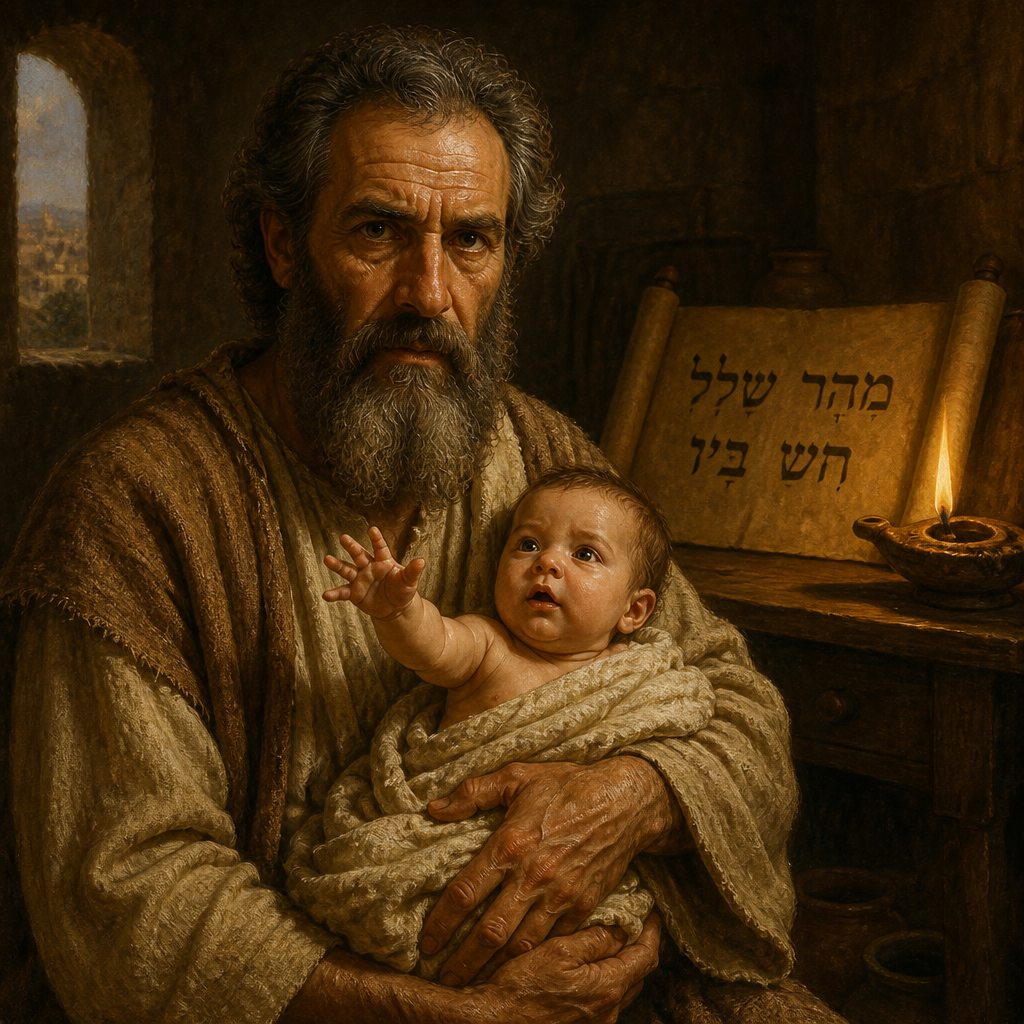
Maher-shalal-hash-baz
Son of Isaiah with the longest name in the Bible
The second son of the prophet Isaiah whose symbolic name predicted the imminent plunder of Damascus and Samaria by the Assyrian Empire.
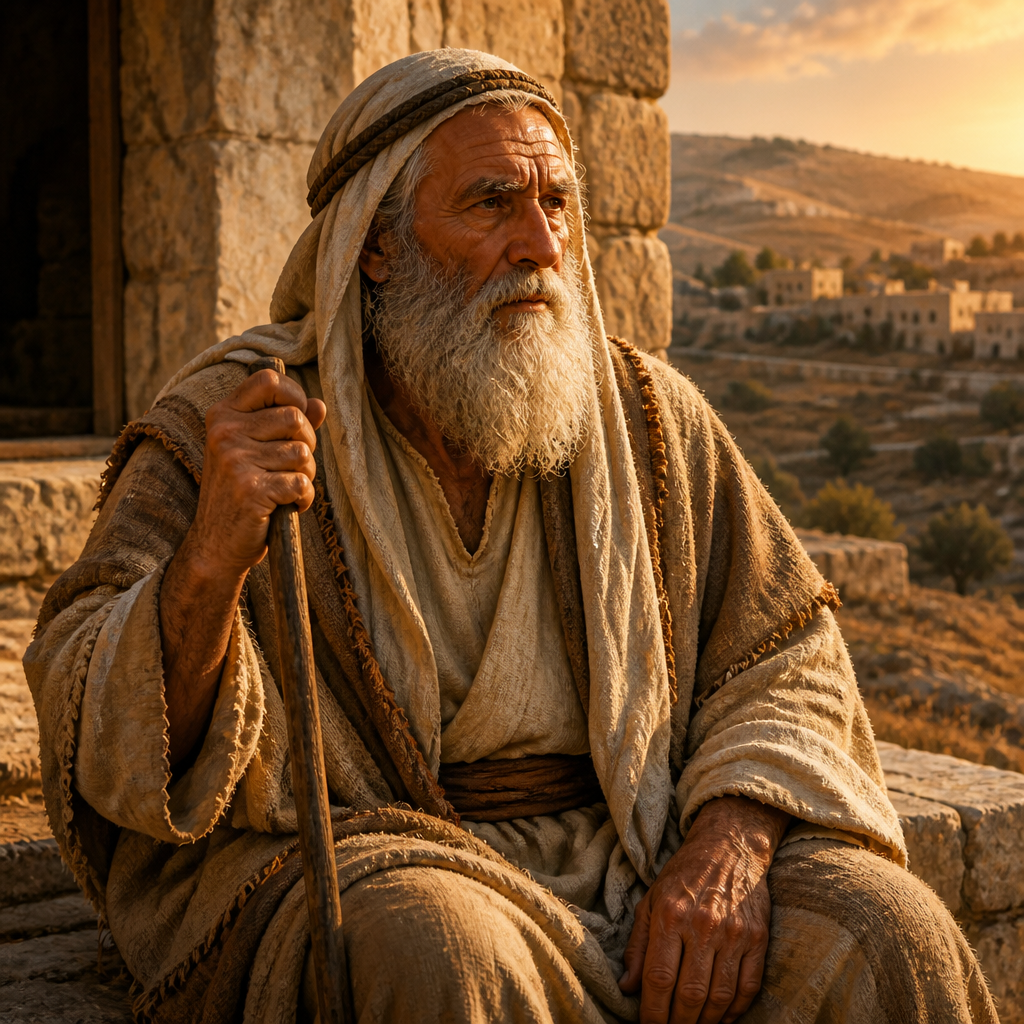
Jesse
Patriarch of the house of David and ancestor of Jesus Christ
The father of King David and a resident of Bethlehem, Jesse is a pivotal link in the genealogy of the Davidic dynasty and the Messianic line.
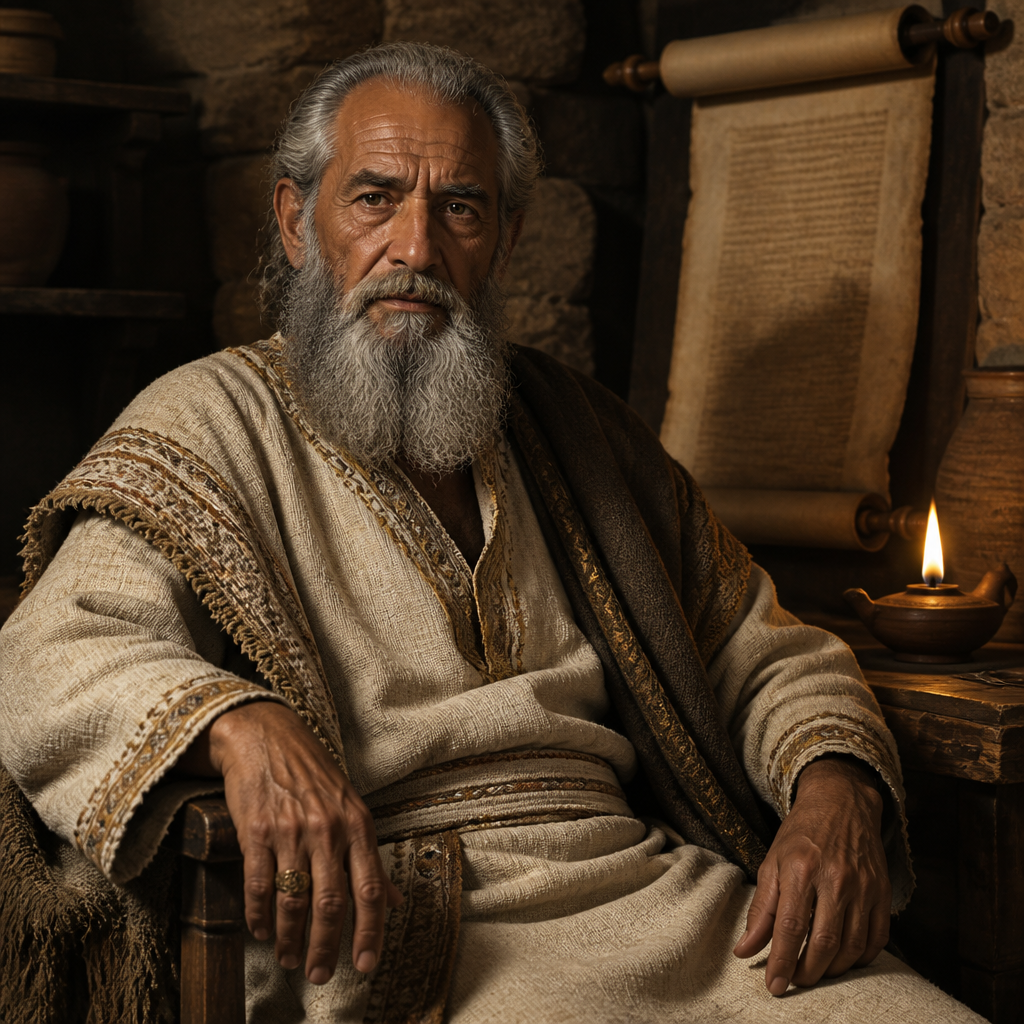
Asaph, Father of Joah the Recorder
Father of Joah the recorder during the reign of King Hezekiah
Asaph was a high-ranking official's father during the reign of King Hezekiah, whose lineage was recorded amidst the Assyrian siege of Jerusalem.
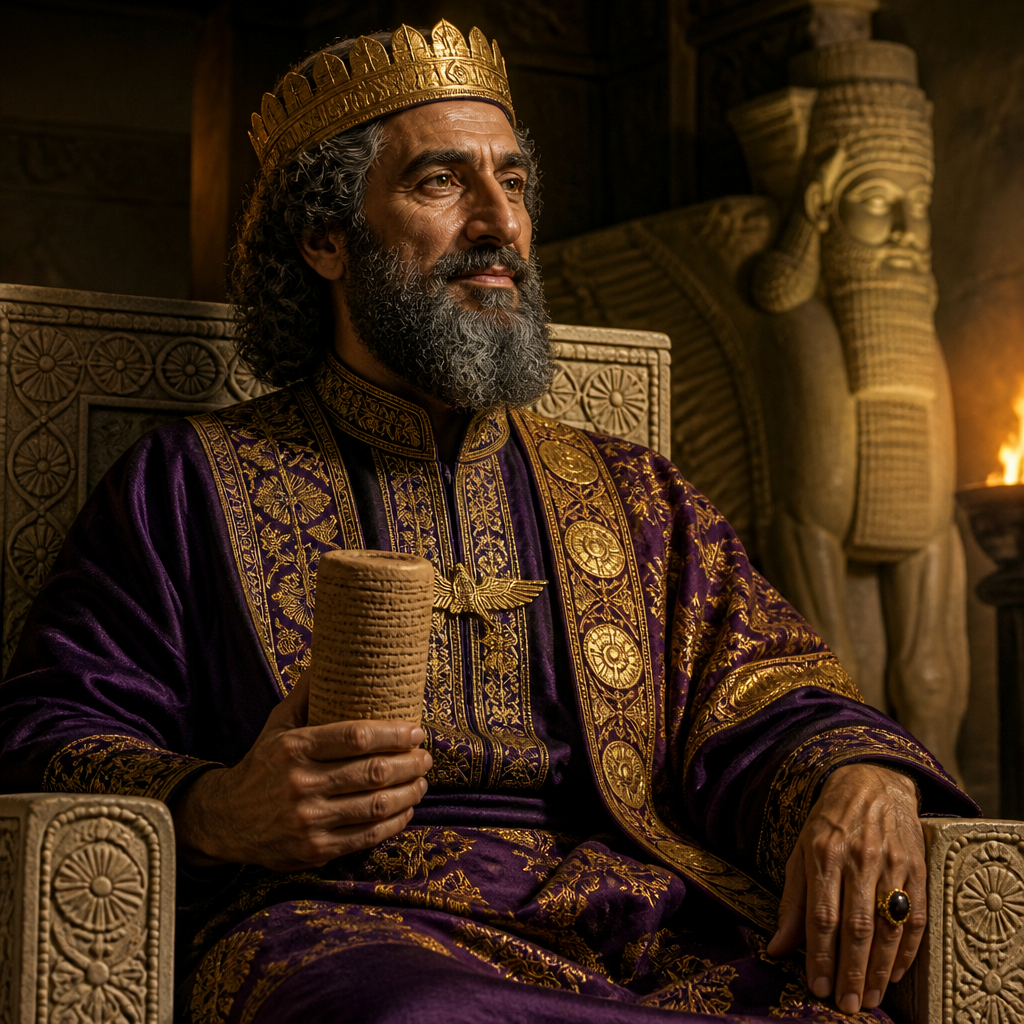
Cyrus
Persian king who issued the decree allowing the Jews to return from exile and rebuild the Temple
The Persian king who ended the Babylonian exile by decreeing the reconstruction of the Temple in Jerusalem and returning its sacred vessels to the Jewish people.
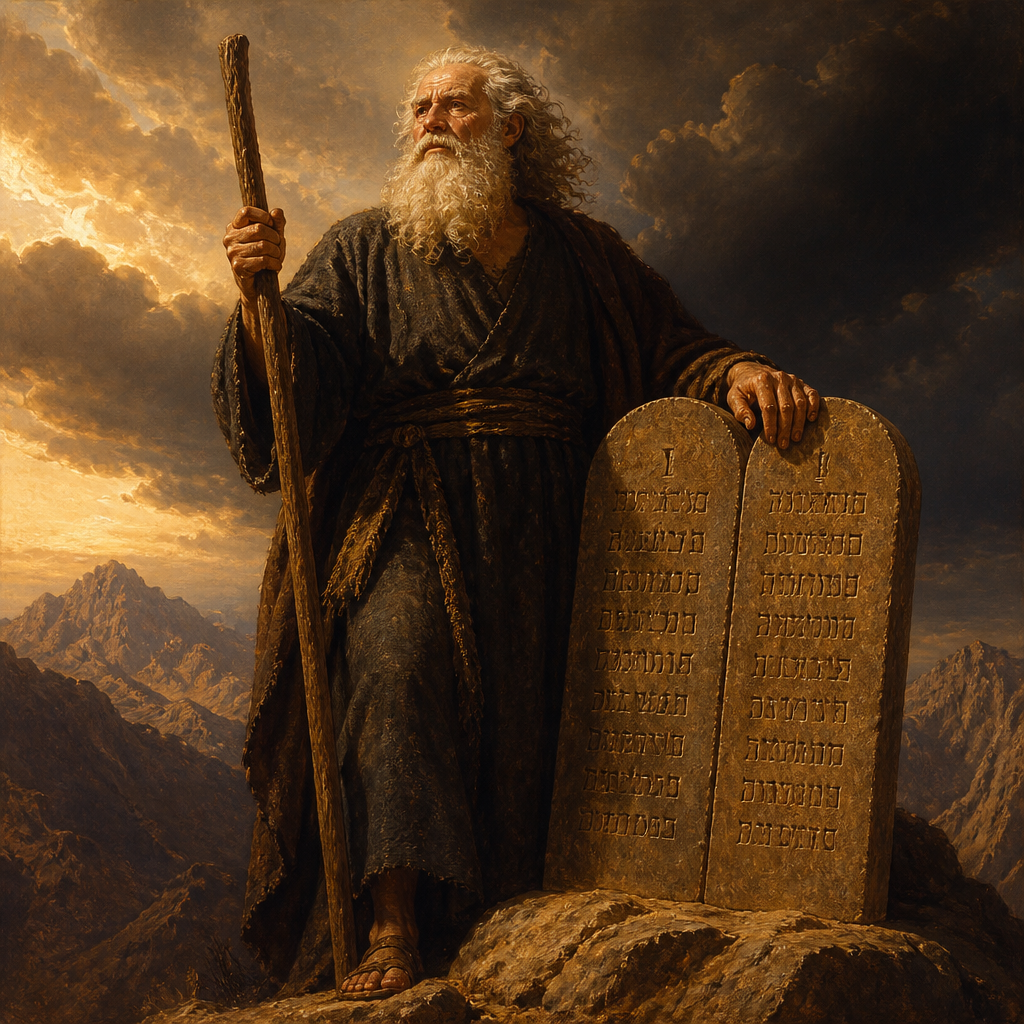
Moses
Prophet who led the Israelites out of Egypt and received the Ten Commandments
The preeminent prophet and lawgiver of Israel who led the Hebrews out of Egyptian bondage and mediated the Covenant at Mount Sinai.
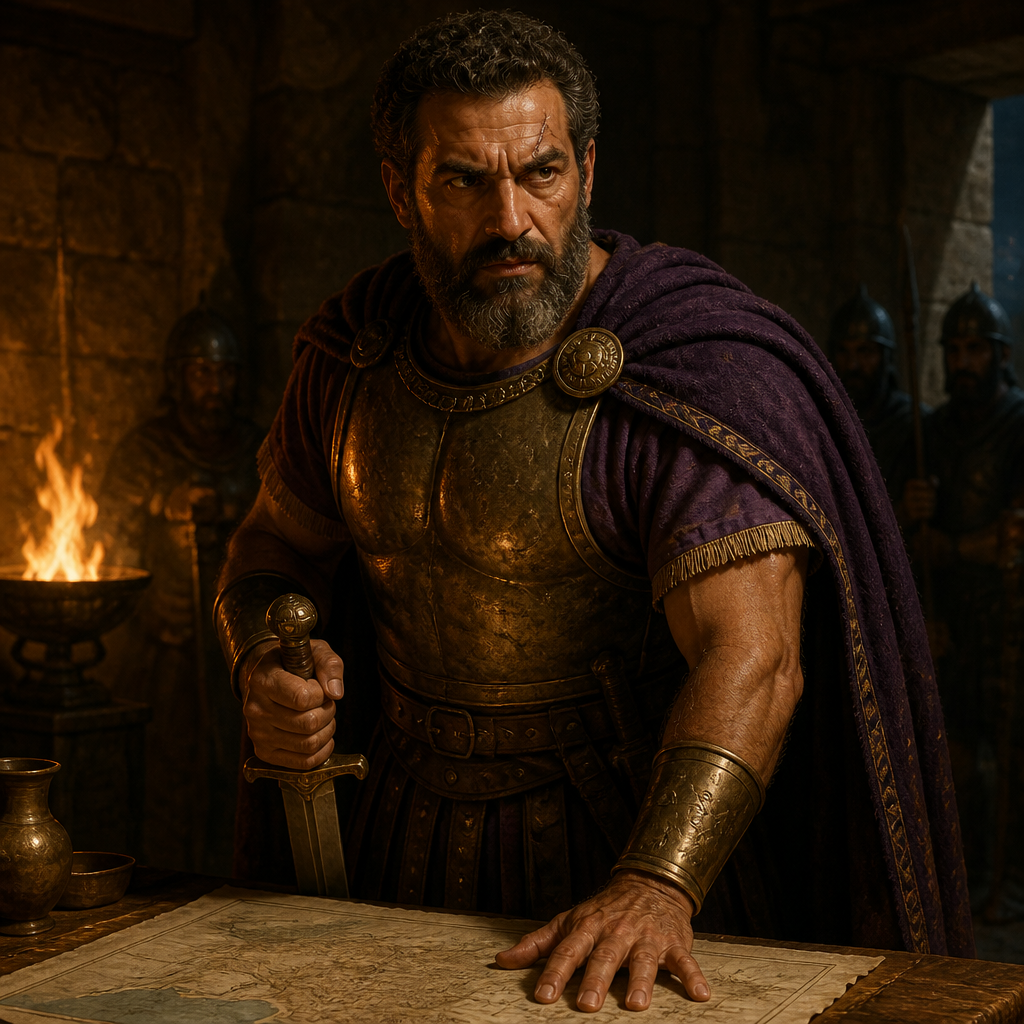
Pekah
King of Israel who allied with Rezin of Aram and lost northern territories to Assyria
Pekah, the son of Remaliah, was the second-to-last king of the northern kingdom of Israel who seized the throne through assassination during the mid-8th century BC.
Shear-jashub
Man living at the time of Divided Monarchy
View profile →Tabeal
Man living at the time of Divided Monarchy
View profile →Jeberechiah
Man living at the time of Divided Monarchy
View profile →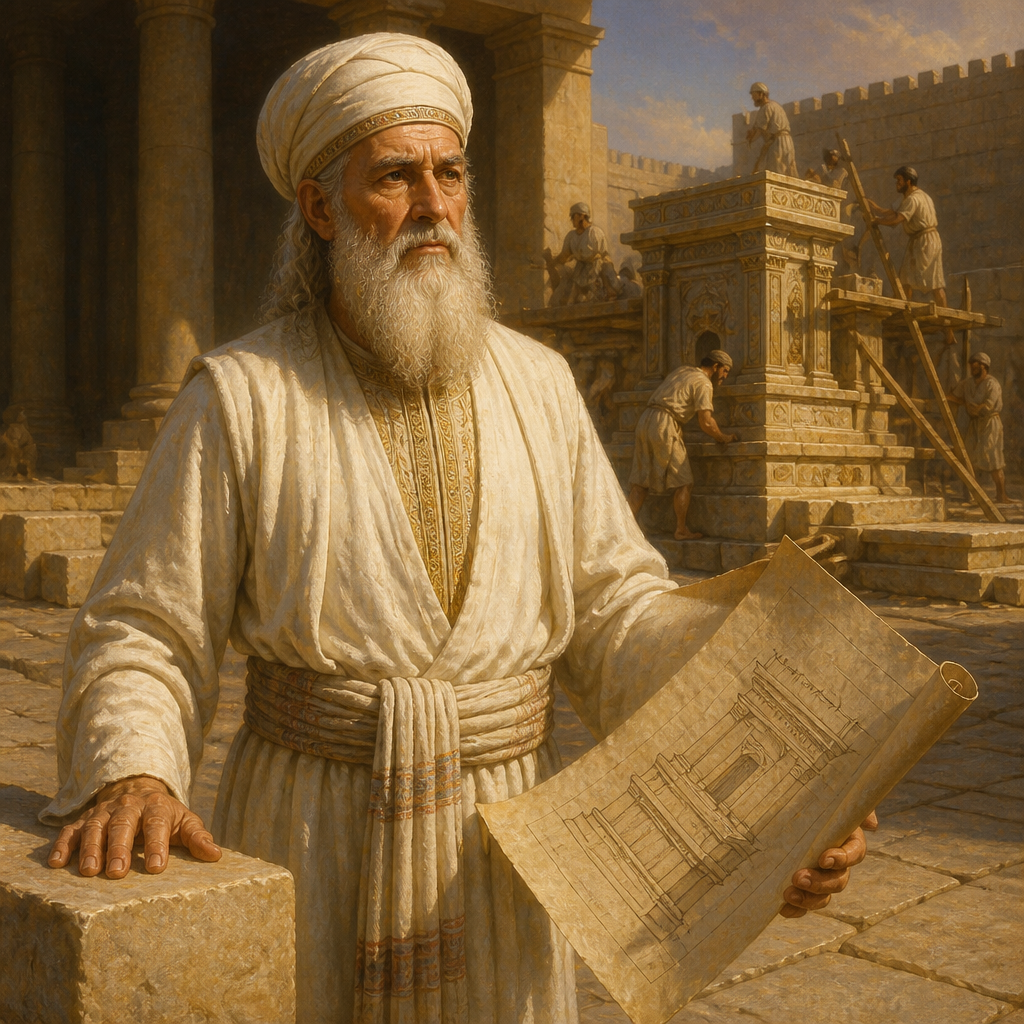
Uriah the Priest
Priest who built a foreign altar in the Temple of Jerusalem at the request of King Ahaz
A high priest in Jerusalem during the reign of King Ahaz who facilitated the introduction of a foreign Syrian-style altar into the Temple of the LORD.
Zechariah
Man living at the time of Divided Monarchy
View profile →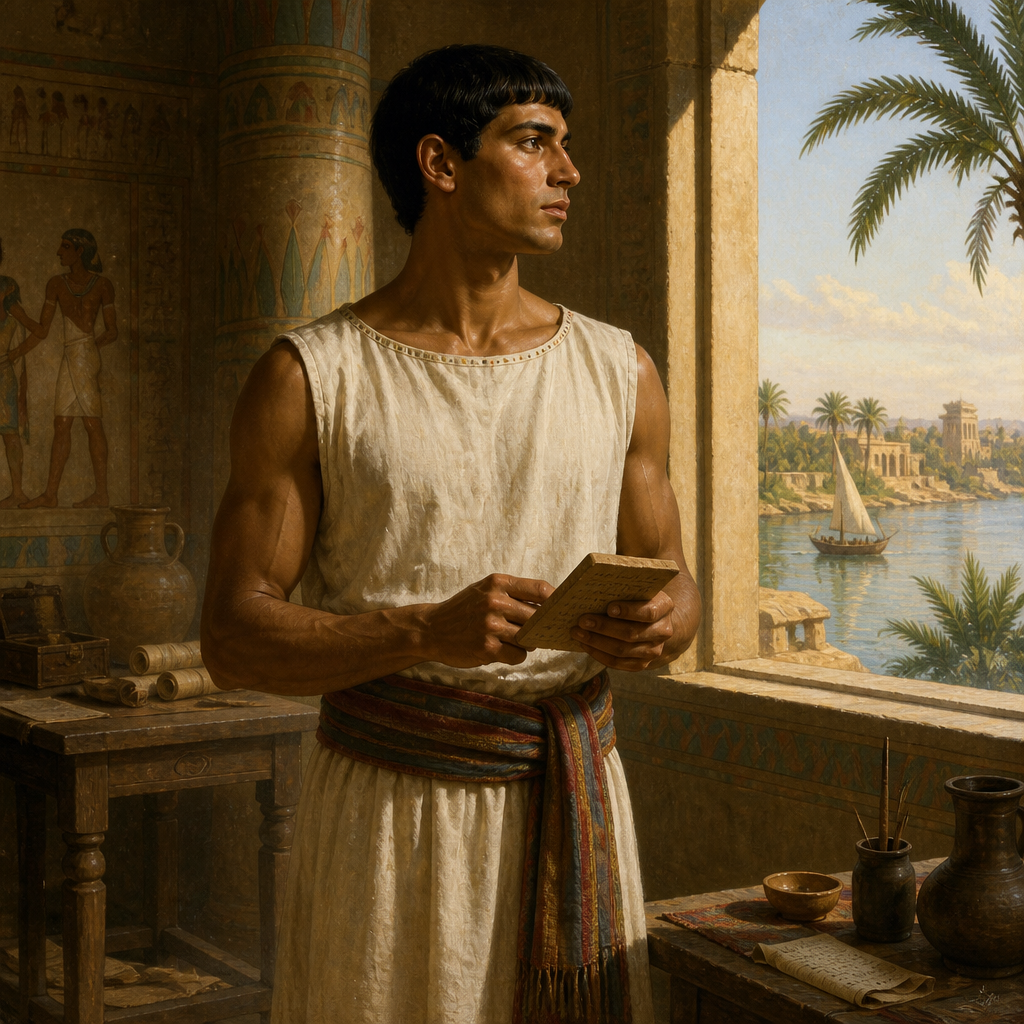
Manasseh, Son of Joseph
Firstborn son of Joseph whose grandfather Jacob crossed his hands to give the younger brother the primary blessing
The firstborn son of Joseph and Asenath, Manasseh became the progenitor of one of the largest and most strategically positioned tribes of Israel.
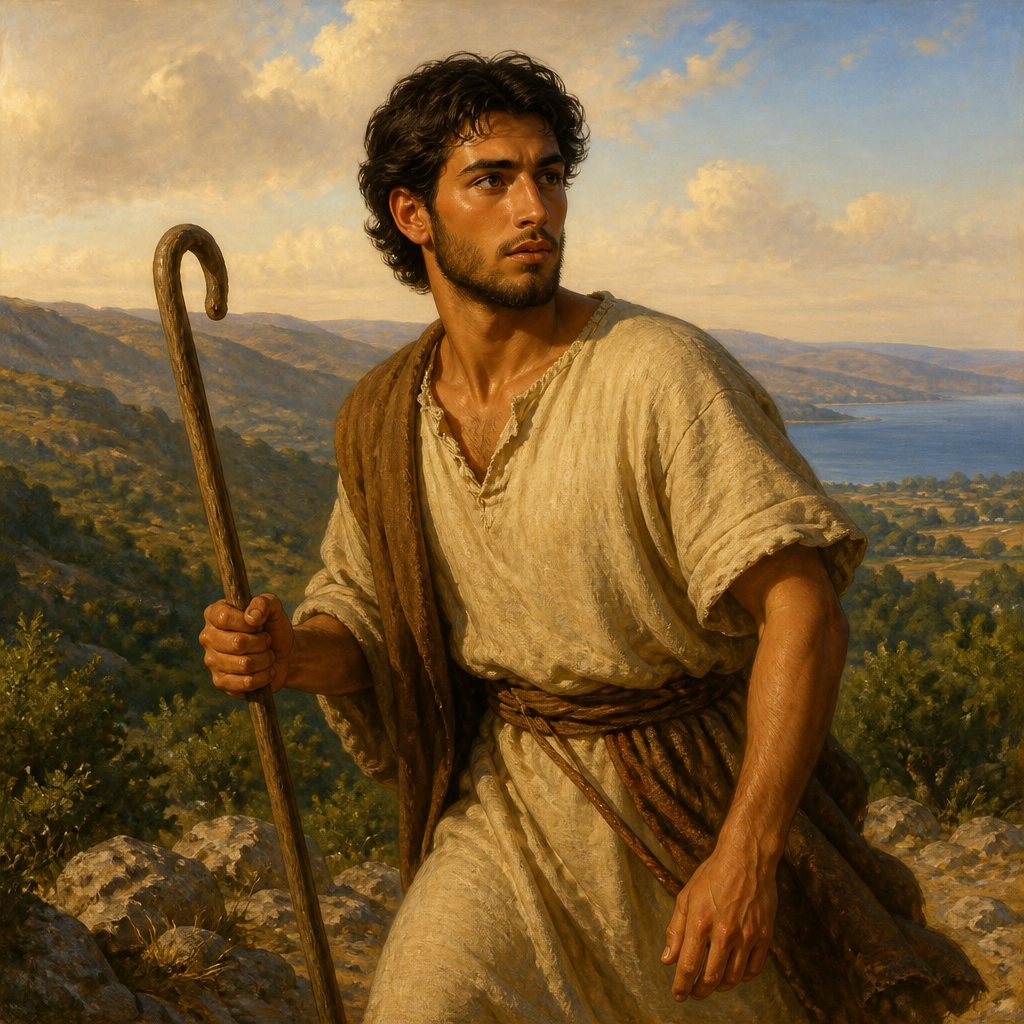
Naphtali
Patriarch of one of the twelve tribes of Israel and sixth son of Jacob
The sixth son of Jacob and second son of Bilhah, whose descendants formed one of the twelve tribes of Israel in the fertile northern Galilee region.
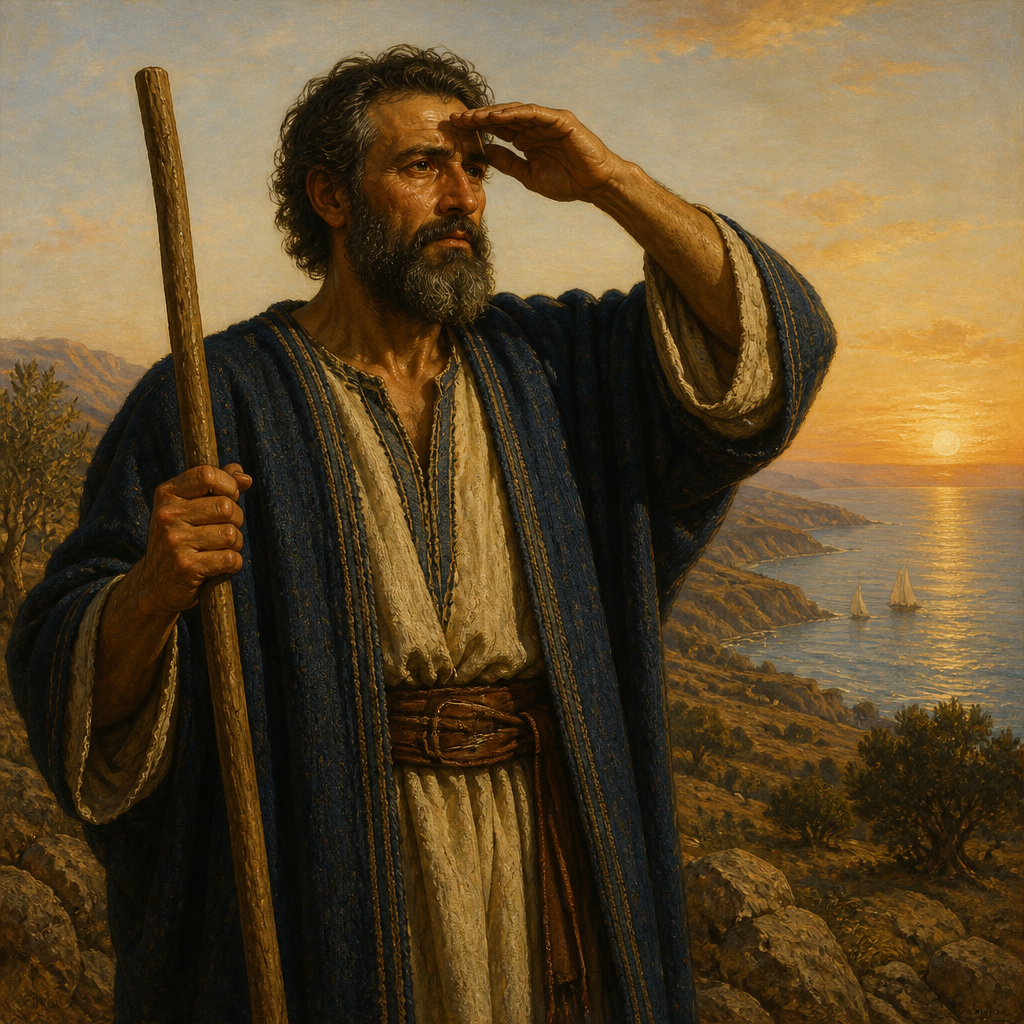
Zebulun
Tenth son of Jacob and founder of the tribe associated with maritime commerce and the region of Galilee
Zebulun was the tenth son of Jacob and the sixth and final son born to Leah, serving as the eponymous patriarch of one of the twelve tribes of Israel.
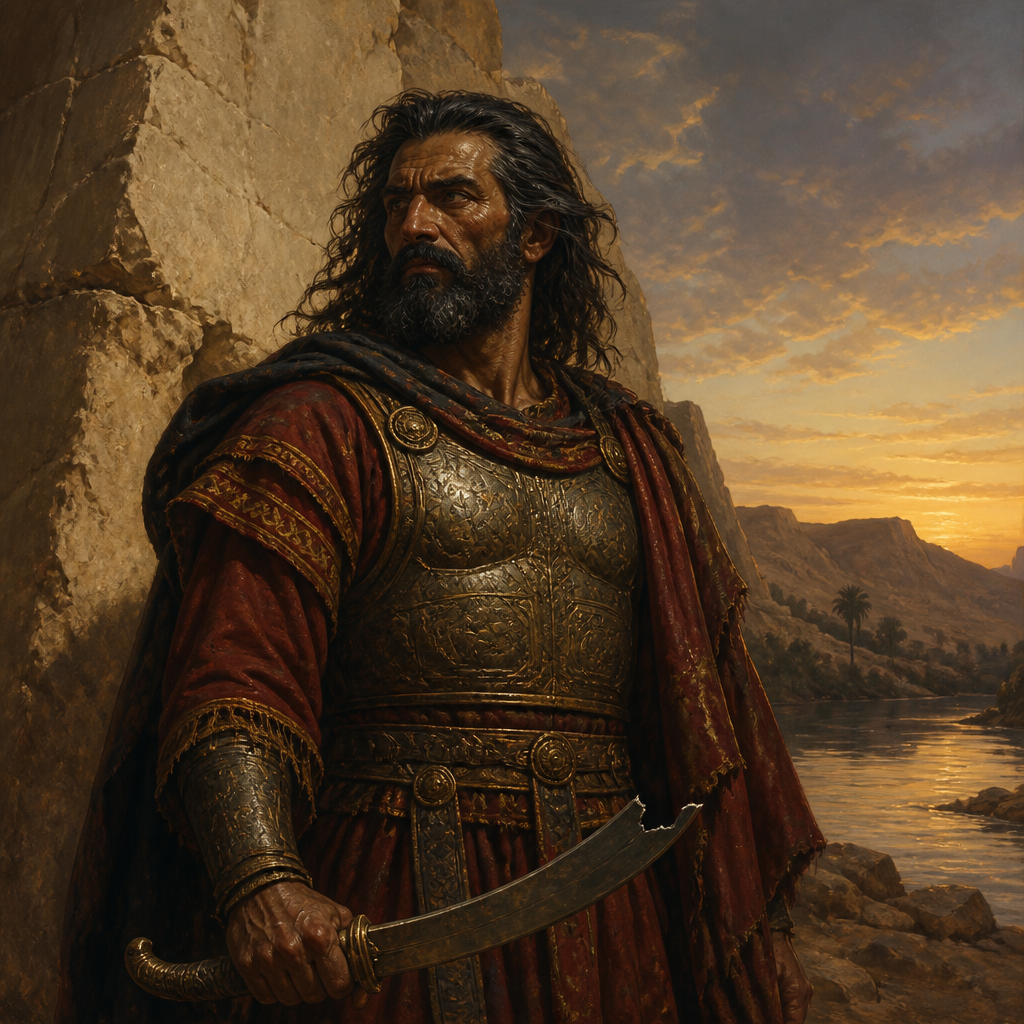
Oreb
Midianite prince captured and executed at a rock that was subsequently named after him
A high-ranking prince of Midian who was defeated and executed by the Ephraimites during the judgeship of Gideon.
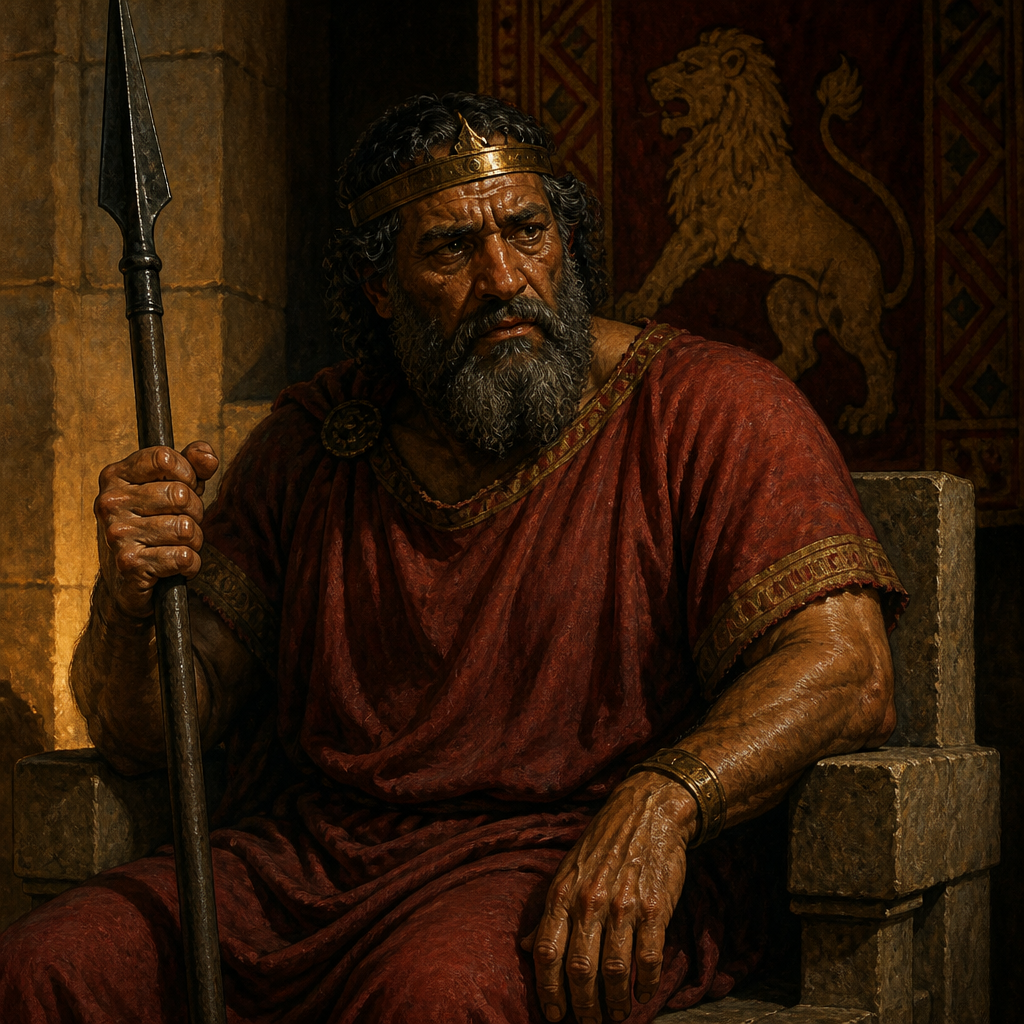
Saul
King of Israel who was the first to rule the United Monarchy before being rejected by God
Saul was the first king of Israel, anointed by Samuel from the tribe of Benjamin to lead the United Monarchy against the Philistine threat.
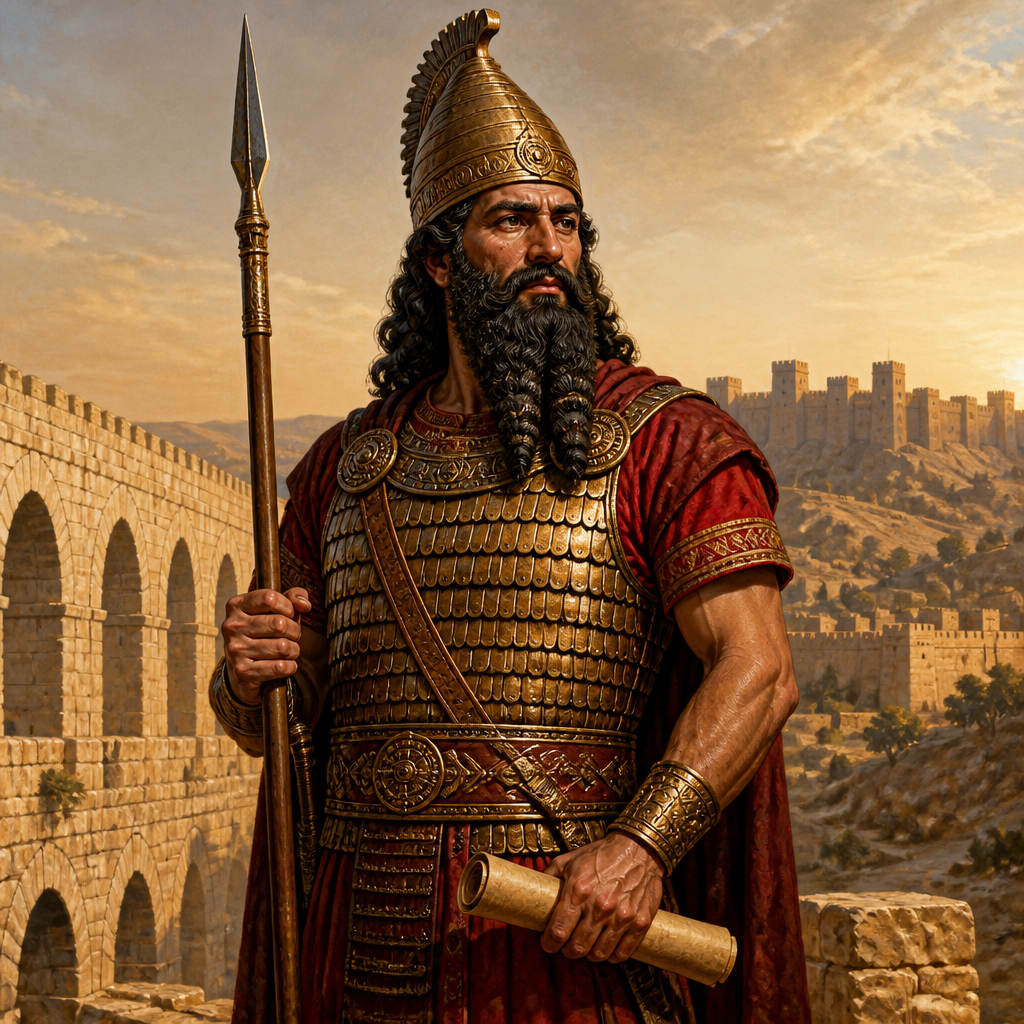
Tartan
Chief commander of the Assyrian army who led the siege of Ashdod and intimidated Jerusalem during the reign of Hezekiah
A high-ranking Assyrian military official and chief commander who served during the reigns of Sargon II and Sennacherib.
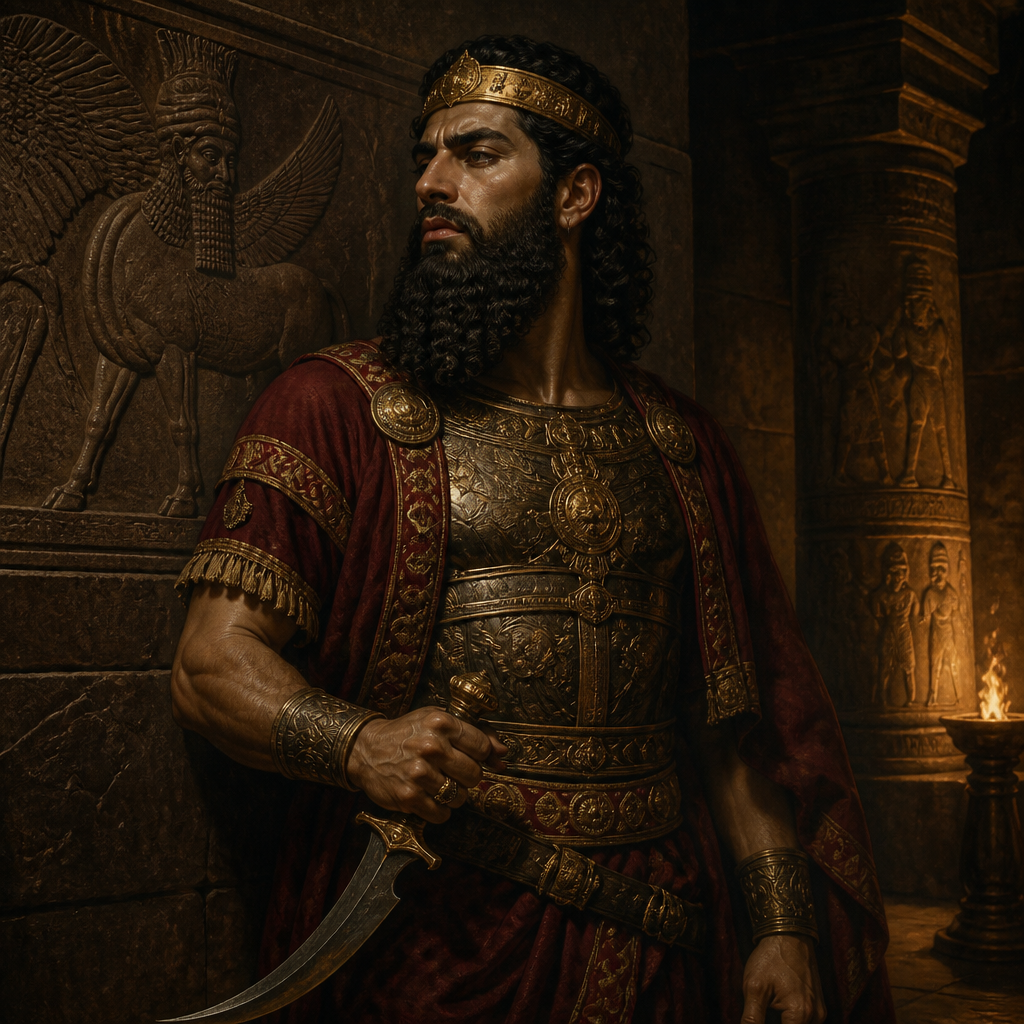
Adrammelech, Son of Sennacherib
Prince who assassinated his father King Sennacherib
An Assyrian prince of the Divided Monarchy period who, along with his brother Sharezer, assassinated their father, King Sennacherib, while he was worshiping in a temple.
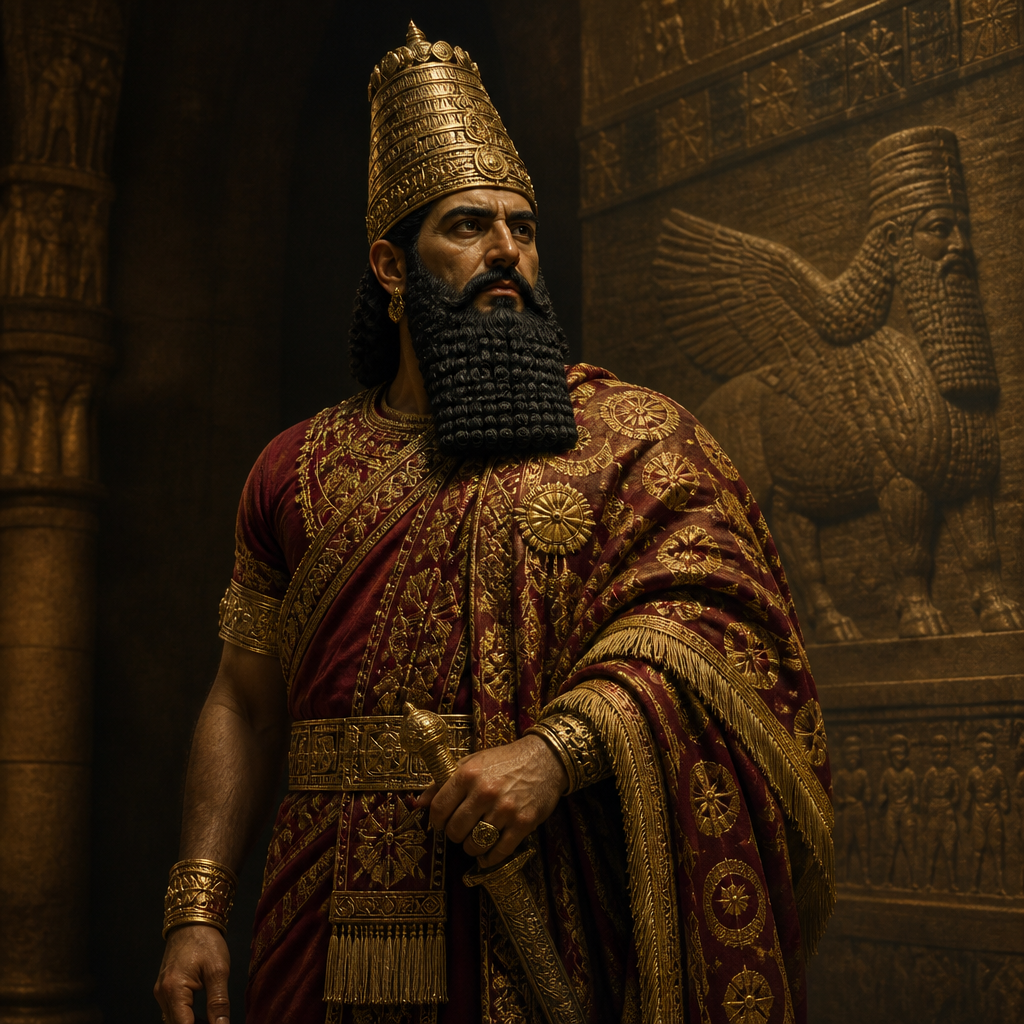
Esarhaddon
King of Assyria who succeeded Sennacherib after his assassination
King of Assyria who succeeded his father Sennacherib and participated in the resettlement of foreign peoples into the northern kingdom of Israel.
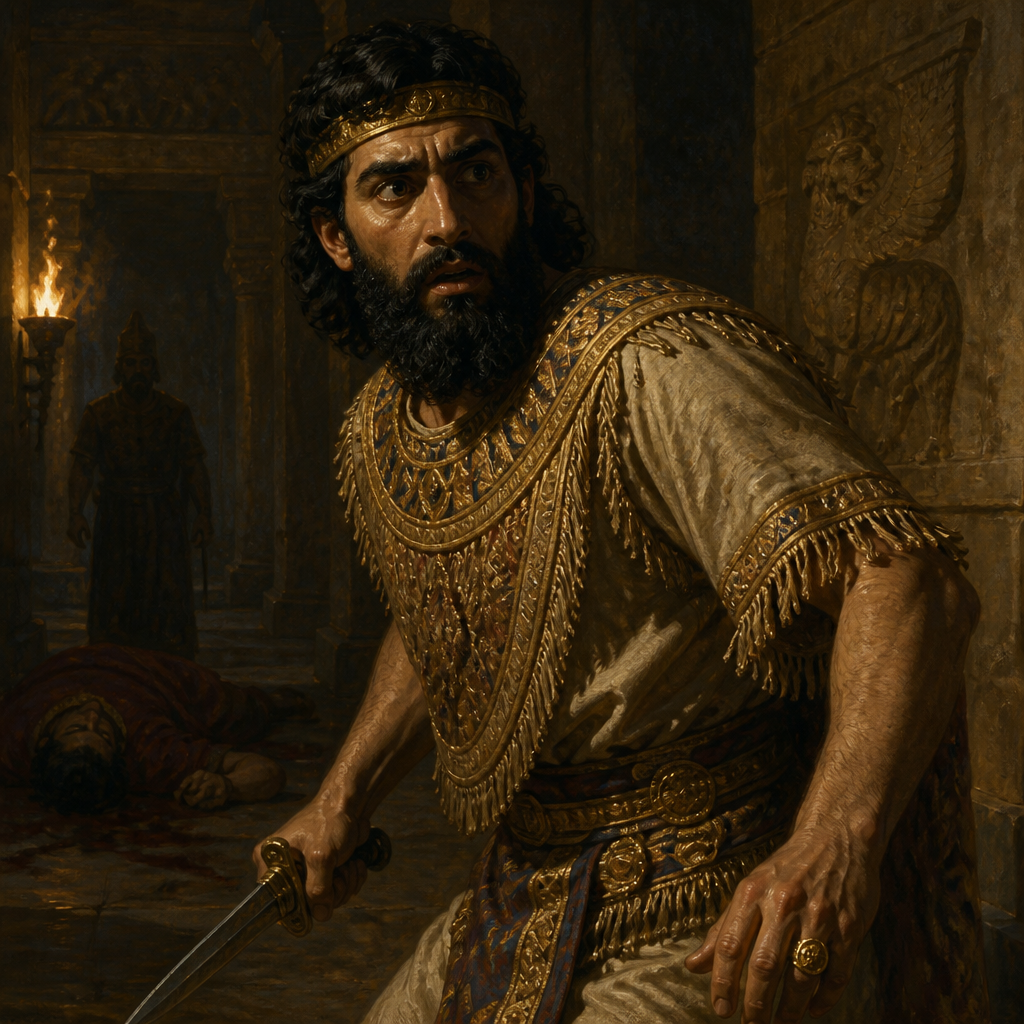
Sharezer, Son of Sennacherib
Assyrian prince who assassinated his father King Sennacherib
An Assyrian prince during the Divided Monarchy who, alongside his brother Adrammelech, assassinated their father King Sennacherib while he worshiped in the temple of Nisroch.
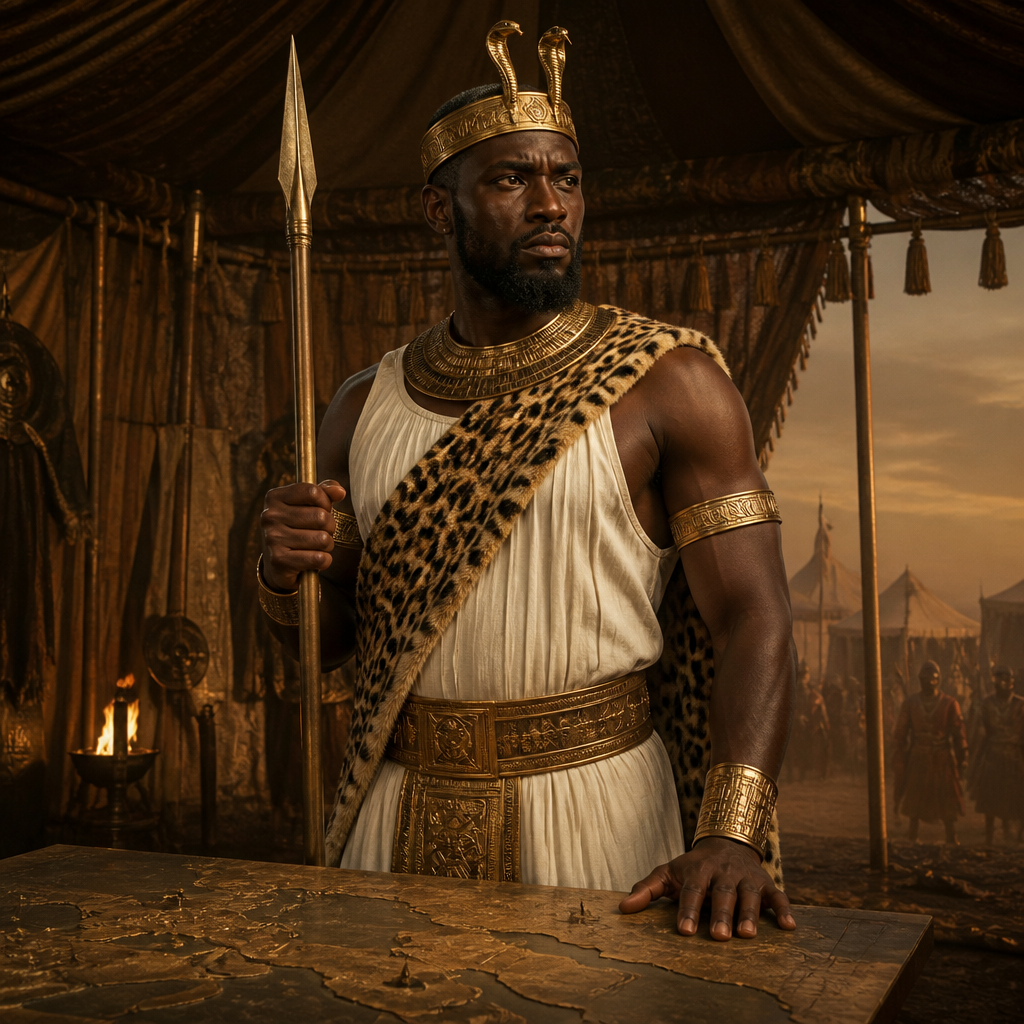
Tirhakah
King of Cush who mobilized against Sennacherib during the siege of Jerusalem
Tirhakah was a king of Cush who marched to oppose Sennacherib of Assyria during the reign of Hezekiah of Judah.
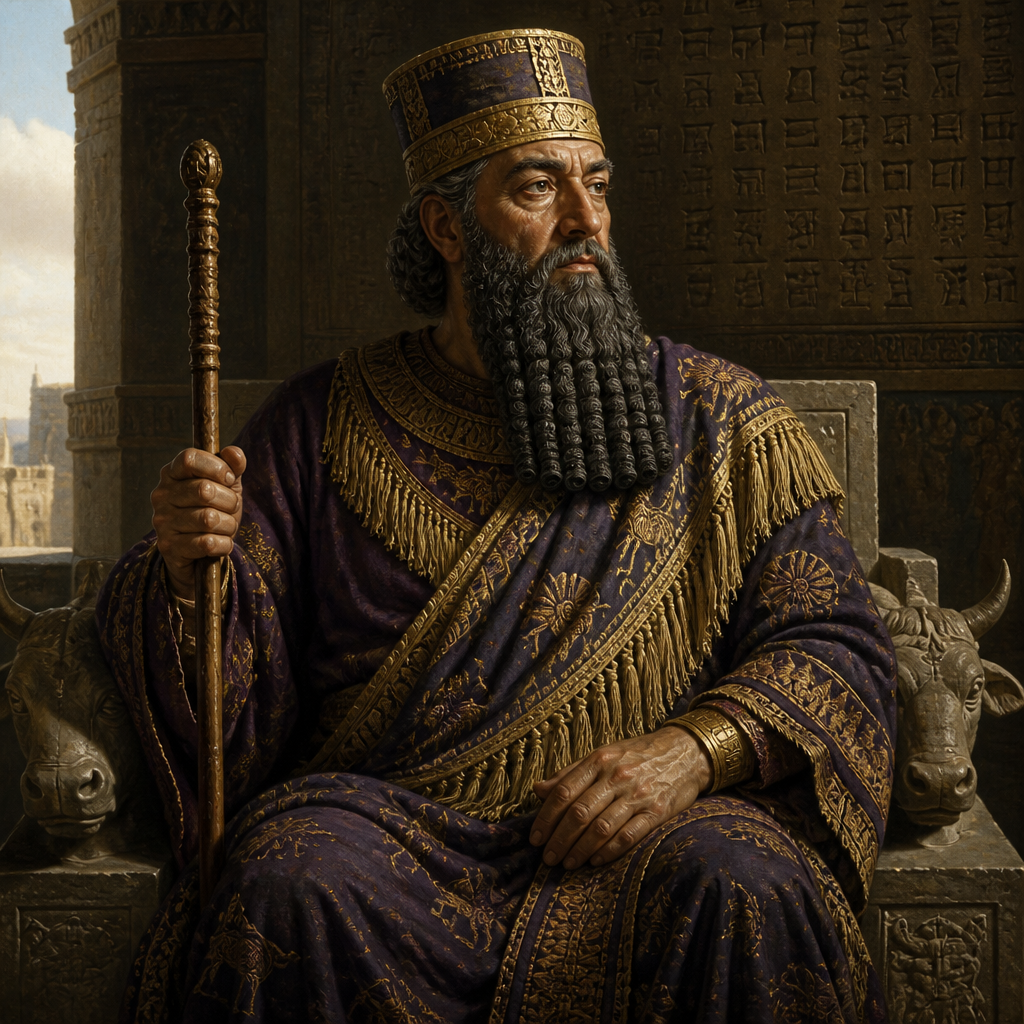
Baladan
Father of King Merodach-baladan of Babylon
Baladan was a Babylonian figure of the 8th century BC, recognized in the biblical record as the father of King Merodach-baladan.
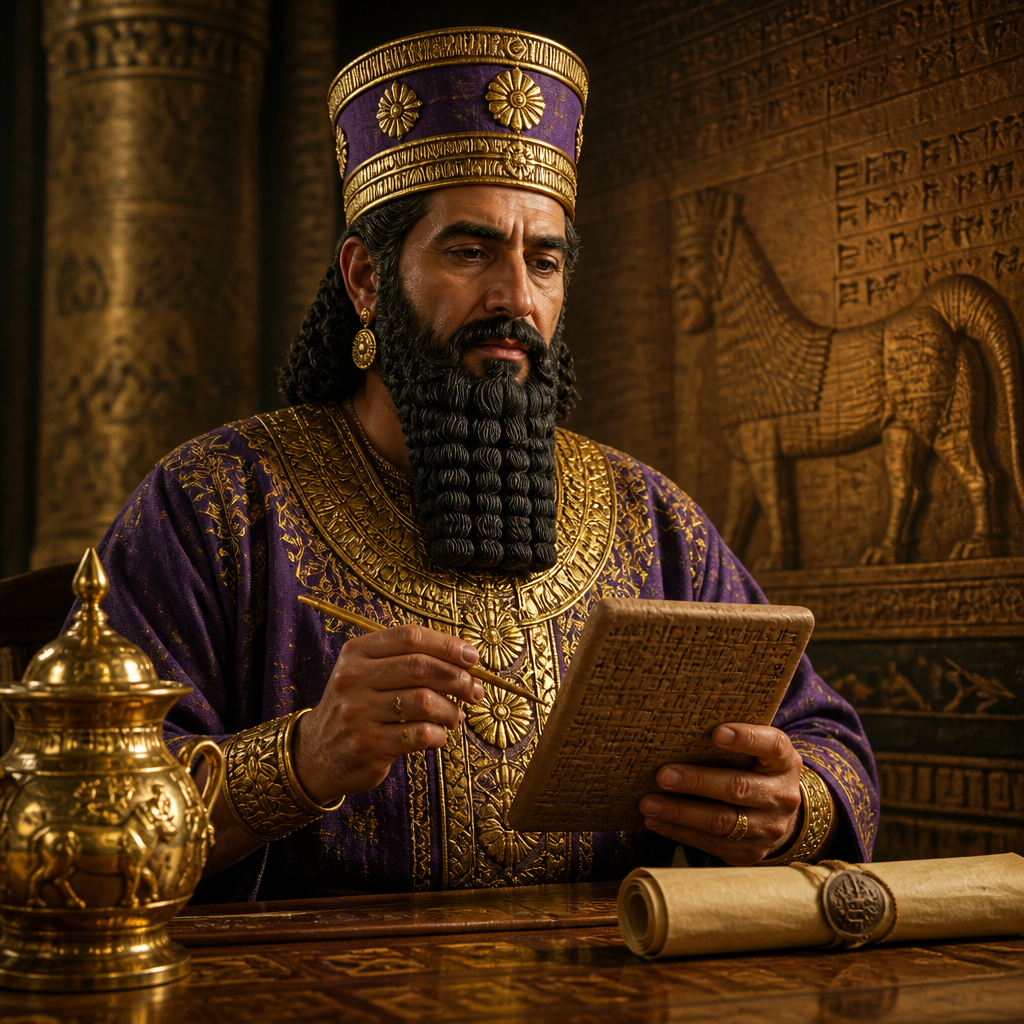
Merodach-baladan
King of Babylon who sent an embassy to Hezekiah
Merodach-baladan was a King of Babylon during the Divided Monarchy who sent an embassy to King Hezekiah of Judah following the latter's miraculous recovery from illness.
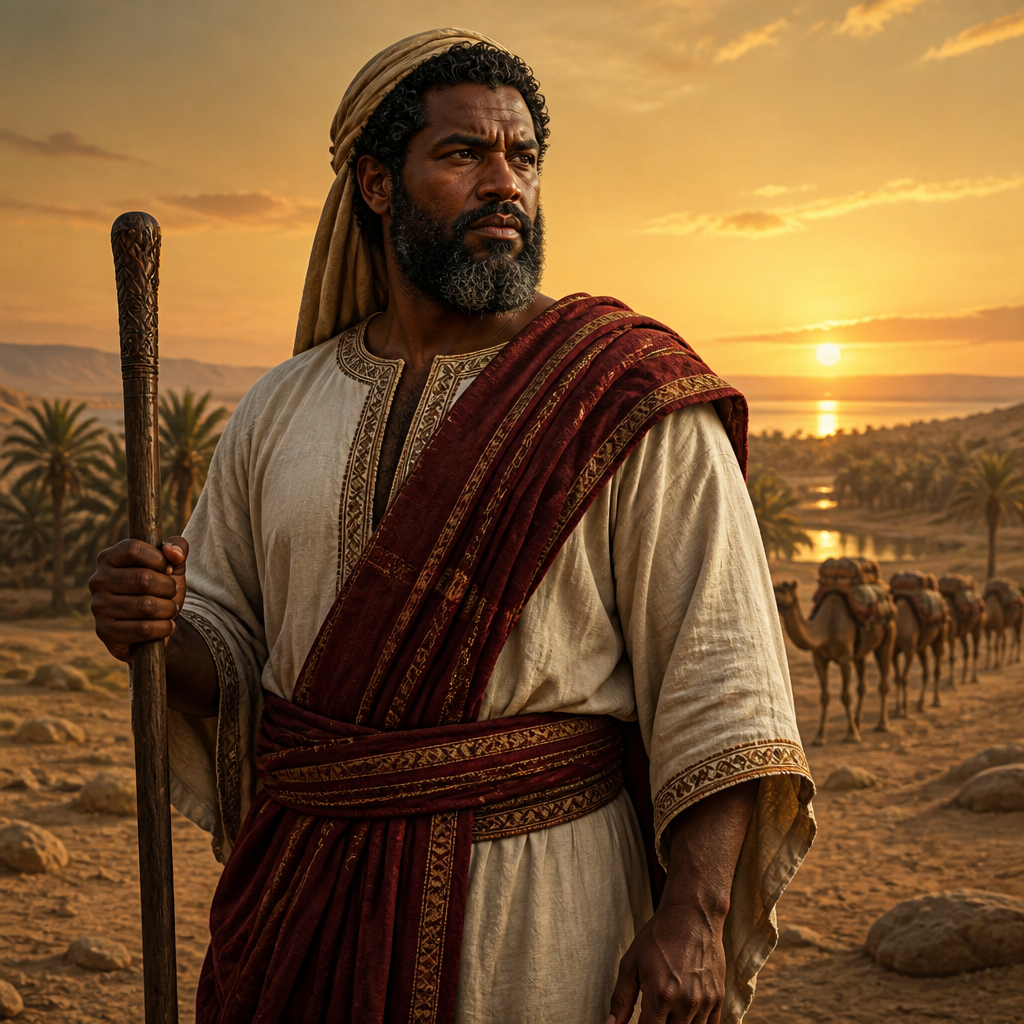
Sheba, Grandson of Cush
Patriarch of the Sabean people and son of Raamah within the Hamitic line
A patriarch and descendant of Ham who founded a wealthy merchant nation known for trade and stature in the ancient Near East.
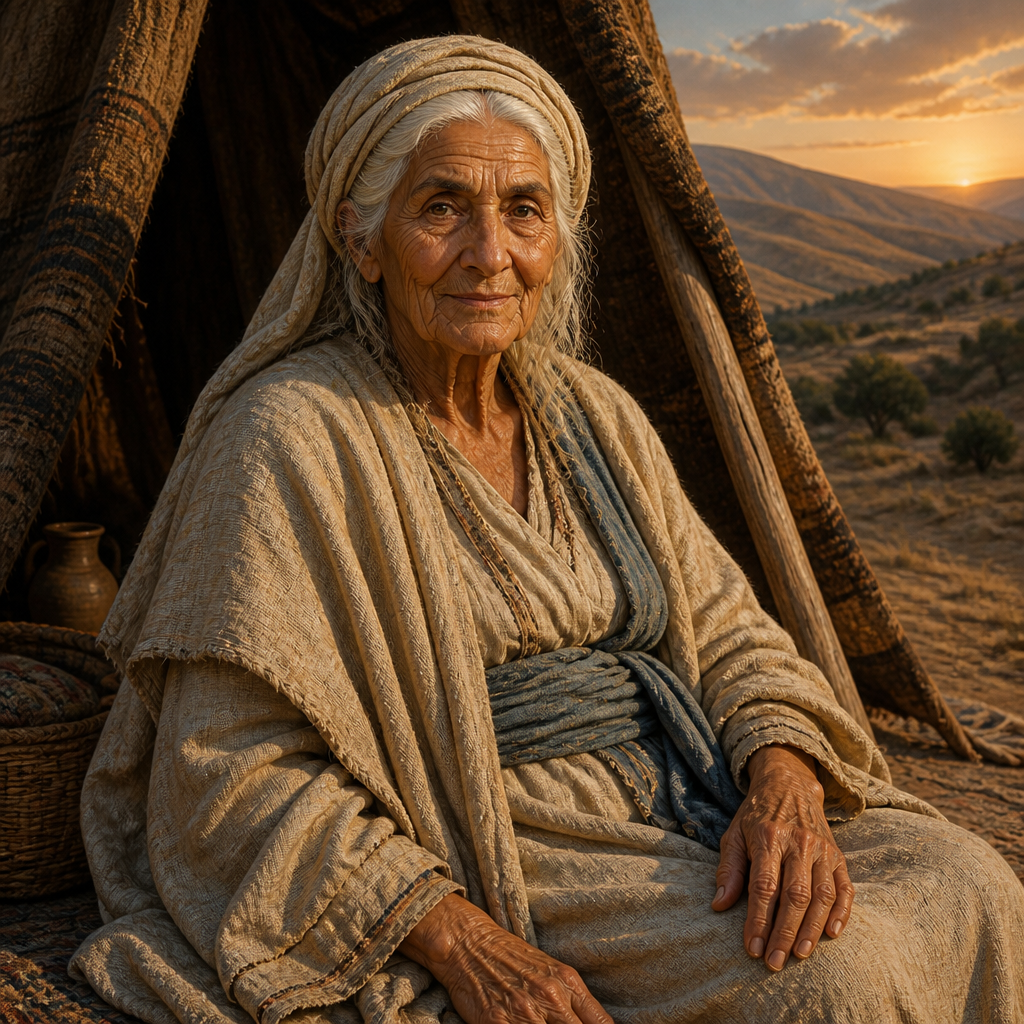
Sarah
Matriarch of Israel and mother of Isaac who conceived in her old age
The wife of Abraham and mother of Isaac, recognized as the primary matriarch of the Hebrew people and a recipient of God's covenantal promise.
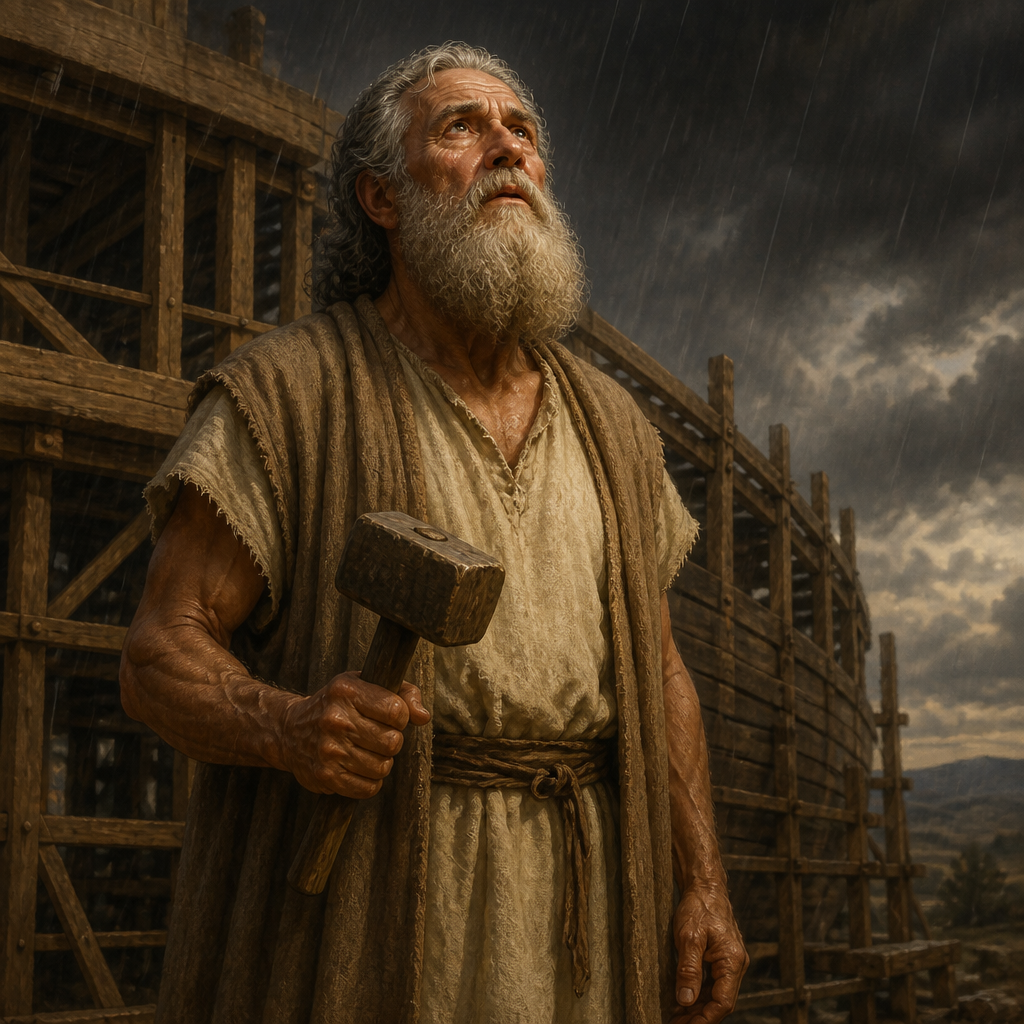
Noah, the Antediluvian Patriarch
Patriarch who built the ark to survive the Great Flood
A righteous patriarch who built an ark to save his family and animal life from a global flood, becoming the second father of the human race.
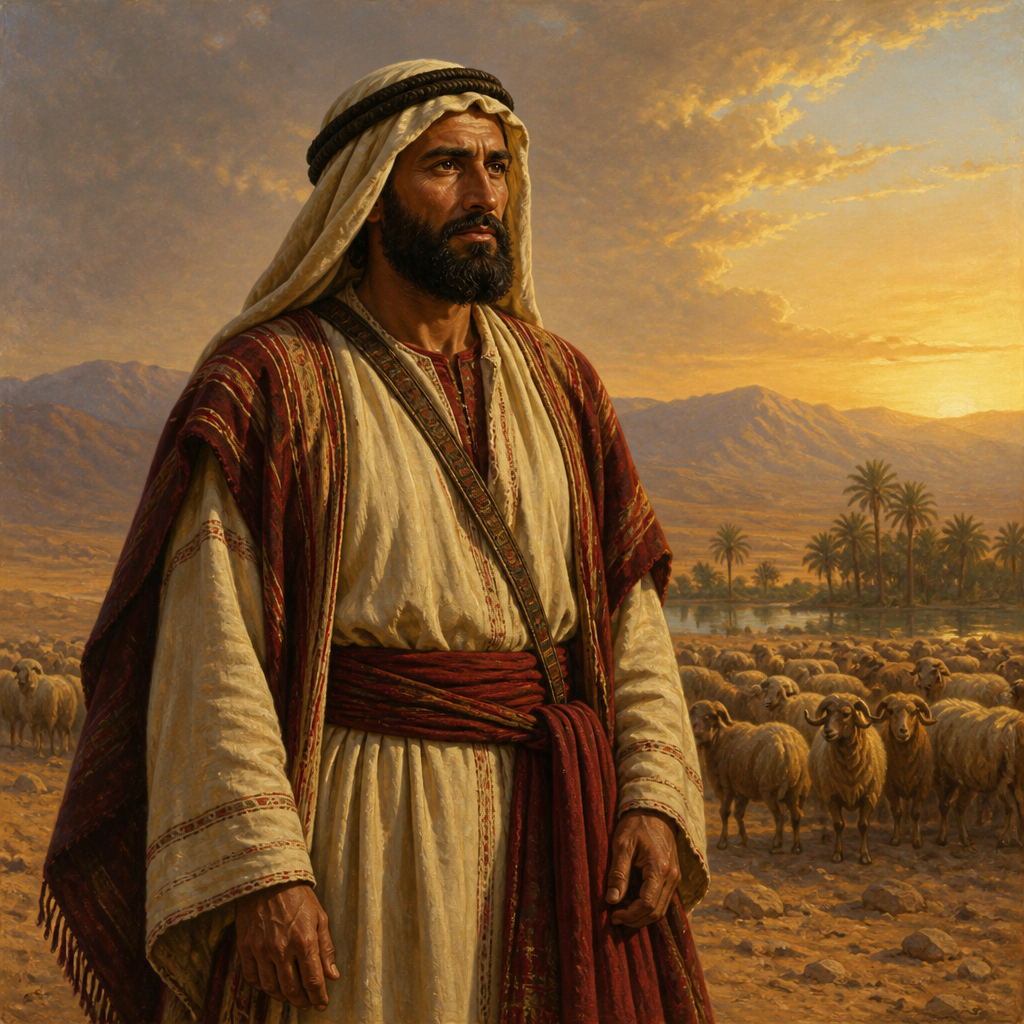
Nebaioth
Firstborn son of Ishmael and patriarch of an Arabian tribal nation
Nebaioth was the firstborn son of Ishmael, a grandson of Abraham, and a patriarch of a prominent Arabian tribe identified with pastoral wealth.
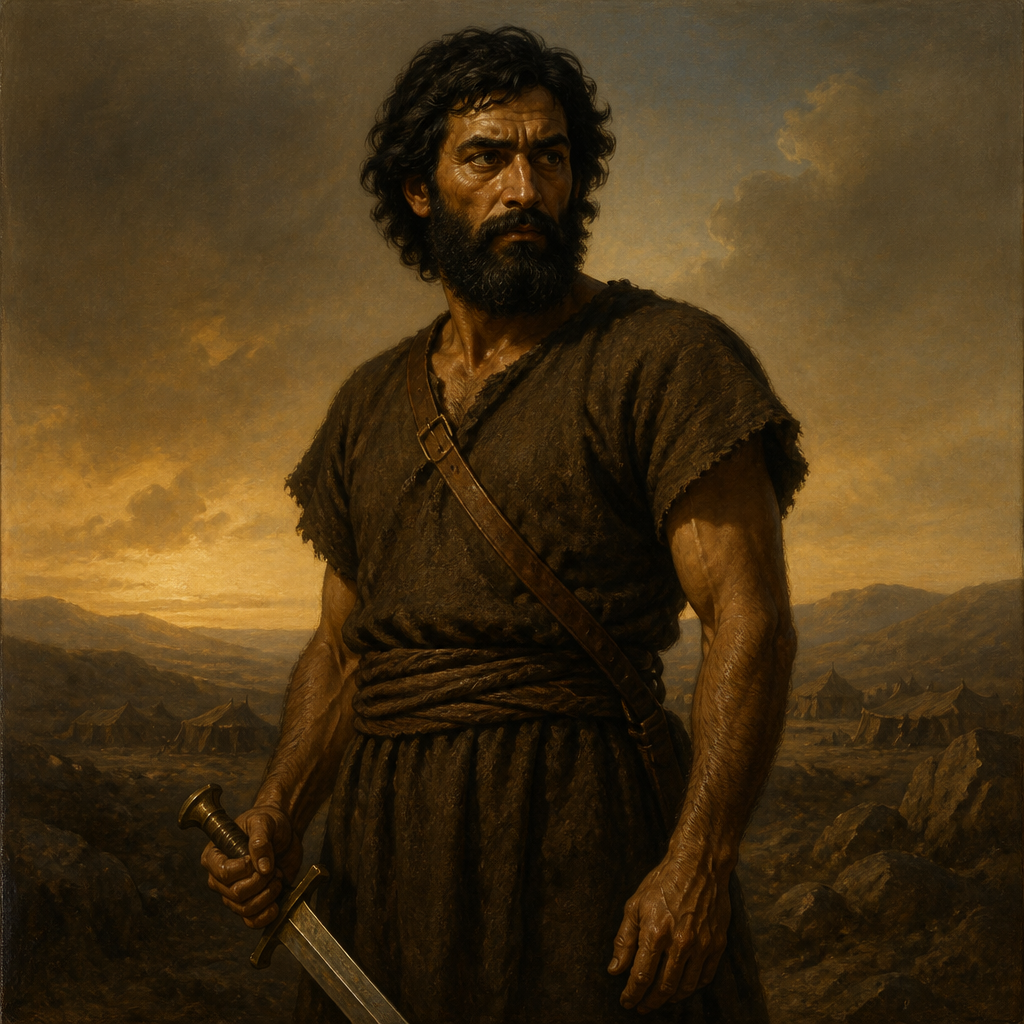
Levi, Son of Jacob
Patriarch of the priestly tribe and participant in the massacre at Shechem
The third son of Jacob and Leah, a patriarch whose descendants were set apart as the priestly and ministerial class for the nation of Israel.
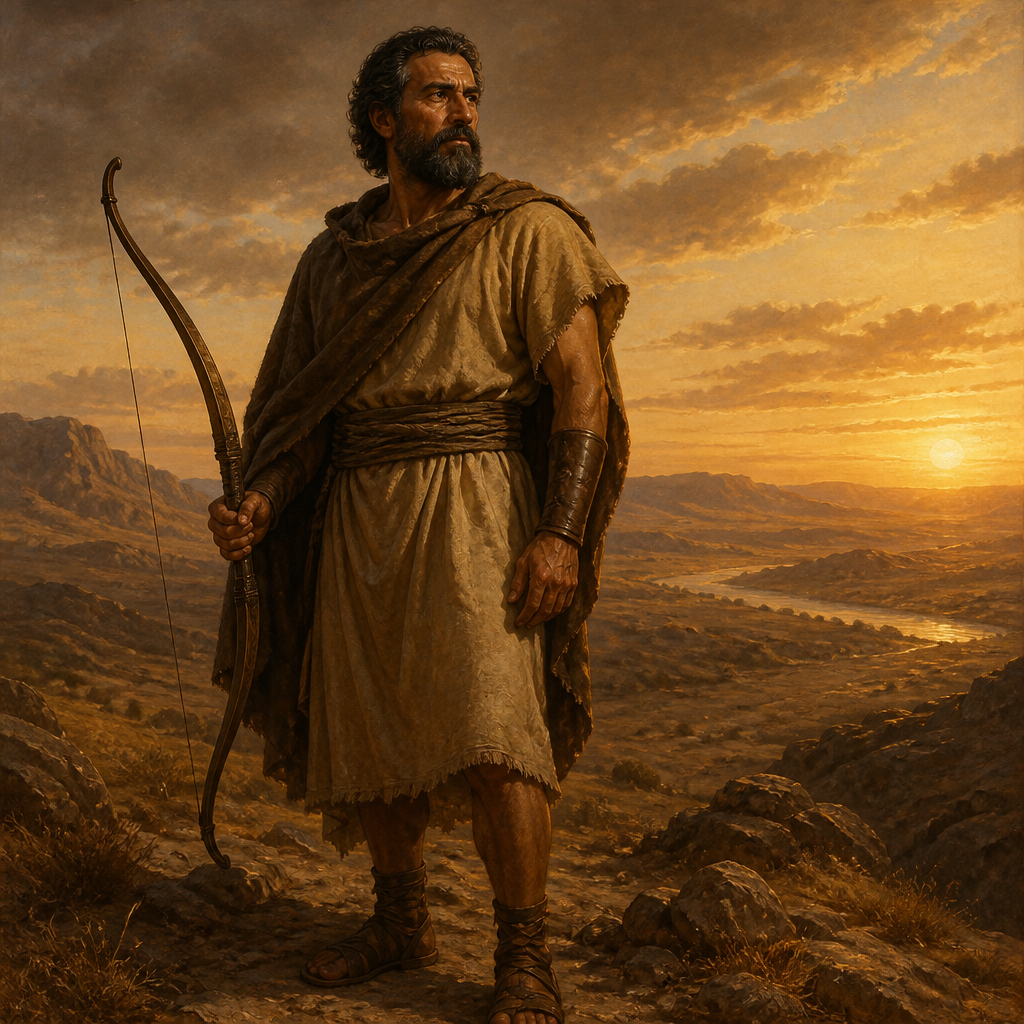
Lud
Son of Shem and ancestor of the Lydian people
Lud was the fourth son of Shem and a grandson of Noah, traditionally identified as the eponymous ancestor of the Lydian people.
The Prophetess, Wife of Isaiah
The wife of Isaiah, called 'the prophetess,' mother of Maher-shalal-hash-baz
View profile →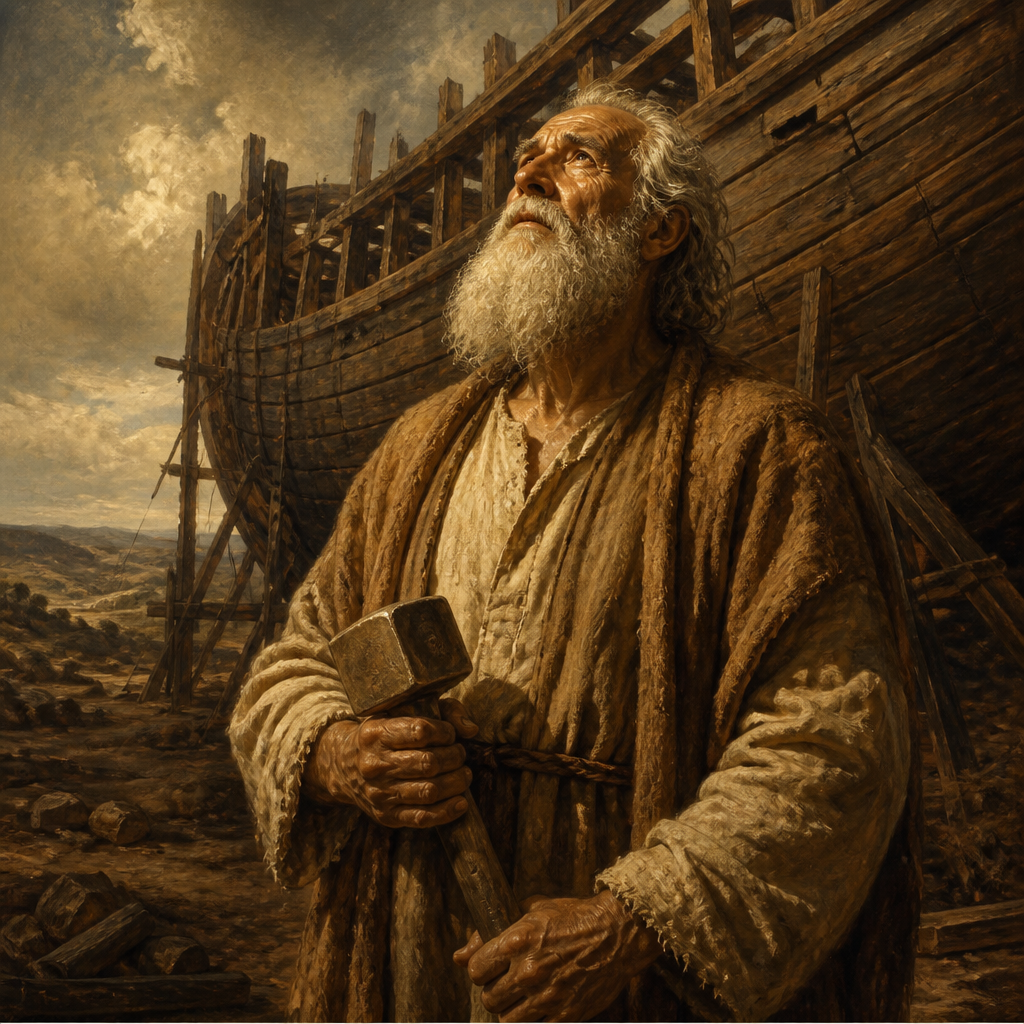
Noah
Patriarch and ark builder who survived the Great Flood and established the rainbow covenant
A righteous patriarch who built an ark to preserve humanity and animals from a divine global flood, becoming the second father of the human race.