Shemaiah the Prophet of the United Monarchy
A prophet during the reign of Rehoboam who prevented a civil war and later prophesied during the invasion of Pharaoh Shishak.
Shemaiah, frequently designated as the "man of God," was a prominent prophet active in the southern Kingdom of Judah during the late 10th century BC. His ministry coincided with the turbulent transition from the United Monarchy to the Divided Monarchy following the death of King Solomon. Shemaiah functioned as a vital spiritual advisor to King Rehoboam, Solomon's son, providing divine direction at critical junctures of national crisis.
He is best known for two significant interventions recorded in the books of Kings and Chronicles. First, he successfully dissuaded Rehoboam from attempting to forcibly reunite the northern tribes under Jerusalem’s rule. Second, he interpreted the theological significance of the Egyptian invasion led by Pharaoh Shishak, leading the Judean leadership to a state of repentance that averted the total destruction of Jerusalem.
Background and Family
The biblical record provides no genealogical data or tribal affiliation for Shemaiah. He is introduced abruptly in the narrative of 1 Kings 12 as the "man of God" (Hebrew: ish ha-Elohim), a title that emphasizes his status as a direct conduit for divine communication rather than his social or familial standing. While the text does not name his parents or children, his authority is established solely by the efficacy of his message and his recognized status as a prophet within the Judean court.
Major Life Events
Prevention of Civil War
Following the death of Solomon, the ten northern tribes of Israel rebelled against Rehoboam’s heavy-handed policies and installed Jeroboam I as their king. Rehoboam responded by mobilizing a massive army—180,000 chosen men from the tribes of Judah and Benjamin—with the intent of restoring the United Monarchy through military force.
Before the campaign could begin, the word of God came to Shemaiah. He was commanded to address the king and the people, declaring that the division of the kingdom was "from Me" (1 Kings 12:24). Remarkably, Rehoboam and the people obeyed Shemaiah’s word and abandoned their military plans, thereby preventing a bloody civil war at the very inception of the two kingdoms.
The Invasion of Shishak
Five years into Rehoboam's reign, Pharaoh Shishak of Egypt invaded Judah, capturing fortified cities and advancing toward Jerusalem. According to 2 Chronicles 12, Shemaiah confronted Rehoboam and the leaders of Judah, who had gathered in the capital out of fear. He delivered a blunt message of judgment: because they had forsaken the Lord, the Lord had forsaken them into the hand of Shishak.
In response to this prophetic indictment, the king and the leaders humbled themselves. Recognizing their contrition, the Lord spoke again through Shemaiah, promising that Jerusalem would not be completely destroyed, though they would become subjects of Shishak to learn the difference between serving God and serving foreign kings.
Relationship to Other Biblical Figures
Shemaiah’s primary interactions were with King Rehoboam. Unlike the adversarial relationship sometimes seen between prophets and kings (such as Elijah and Ahab), Rehoboam appears to have been largely responsive to Shemaiah’s warnings. Shemaiah also collaborated with, or at least shared a historical context with, Iddo the Seer. The biblical text notes that the acts of Rehoboam were recorded in the chronicles of both Shemaiah and Iddo, suggesting that Shemaiah served as a court historian or that his prophetic utterances were archived for future generations.
Spiritual Significance
Shemaiah represents the continuity of the prophetic office during the fracture of the Davidic kingdom. His ministry highlights the sovereignty of God over political shifts; by declaring that the schism was divinely ordained, he forced the Judean monarchy to accept a diminished territory as a consequence of their spiritual failures. His role during Shishak’s invasion underscores the theme of repentance (Hebrew: kanah—to humble oneself) as the primary means of securing divine deliverance, even after judgment has been decreed.
Spiritual Significance
Shemaiah is significant for establishing the prophetic precedent of checking royal power in the early days of the Divided Monarchy. He successfully navigated the transition from a unified empire to a fractured state, ensuring that the Davidic line remained responsive to divine word. His writings, though no longer extant as independent documents, served as primary sources for the chroniclers who compiled the history of Judah.
Theologically, Shemaiah’s message emphasized that the survival of Jerusalem was not dependent on military might, but on spiritual humility. His intervention during Shishak's raid serves as a template for the prophetic call to repentance throughout the rest of the Old Testament.
Frequently Asked Questions
What title is most frequently given to Shemaiah?
He is most frequently referred to as the 'man of God' and also as 'the prophet.'
How did Shemaiah stop Rehoboam from attacking the northern tribes?
He delivered a word from God stating that the division of the kingdom was God's doing and that they should not fight their fellow Israelites.
What historical records did Shemaiah write?
According to 2 Chronicles 12:15, he wrote records of the acts of King Rehoboam, which included genealogies.
What was Shemaiah's message during the invasion of Shishak?
He told the leaders of Judah that God had forsaken them to Shishak because they had forsaken God, but later announced that they would be spared from total destruction because they humbled themselves.
Connected Figures
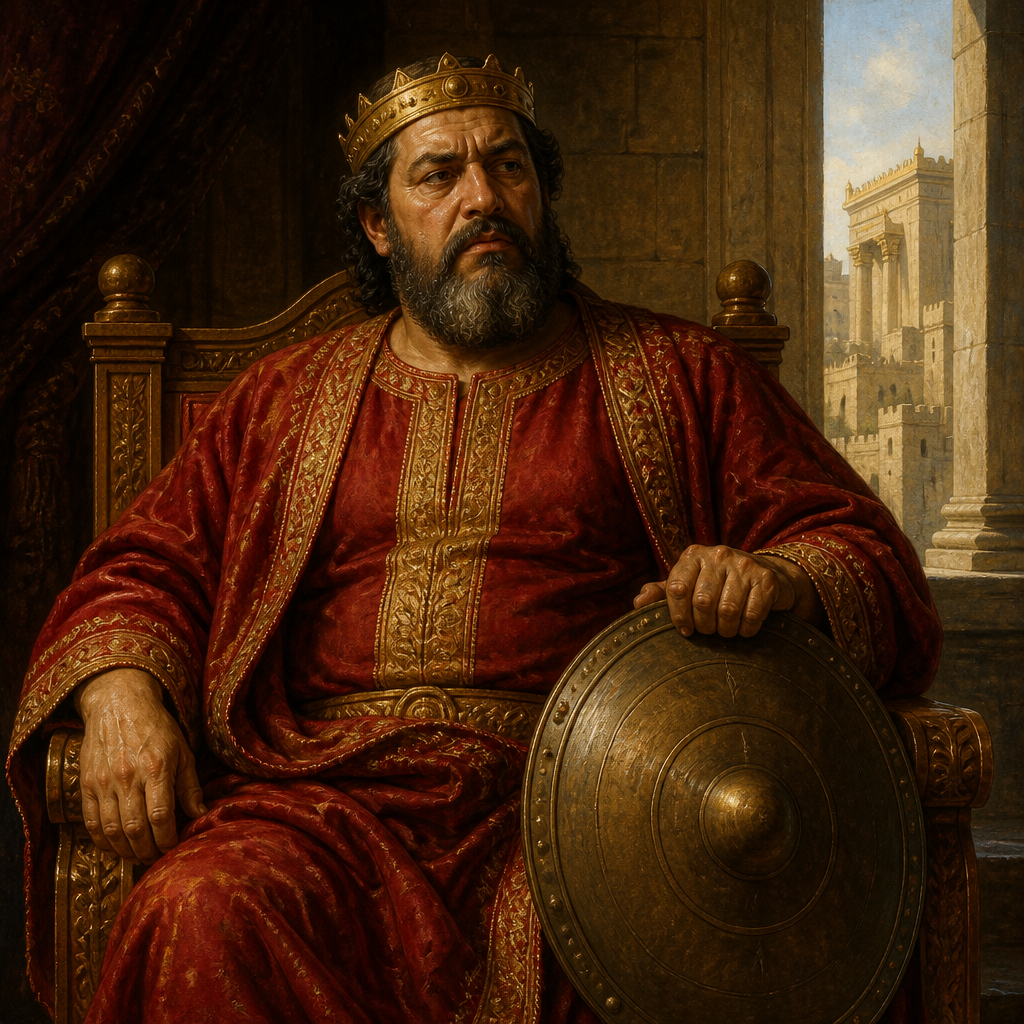
Rehoboam
King of Judah whom he advised
Iddo
Contemporary seer and fellow chronicler
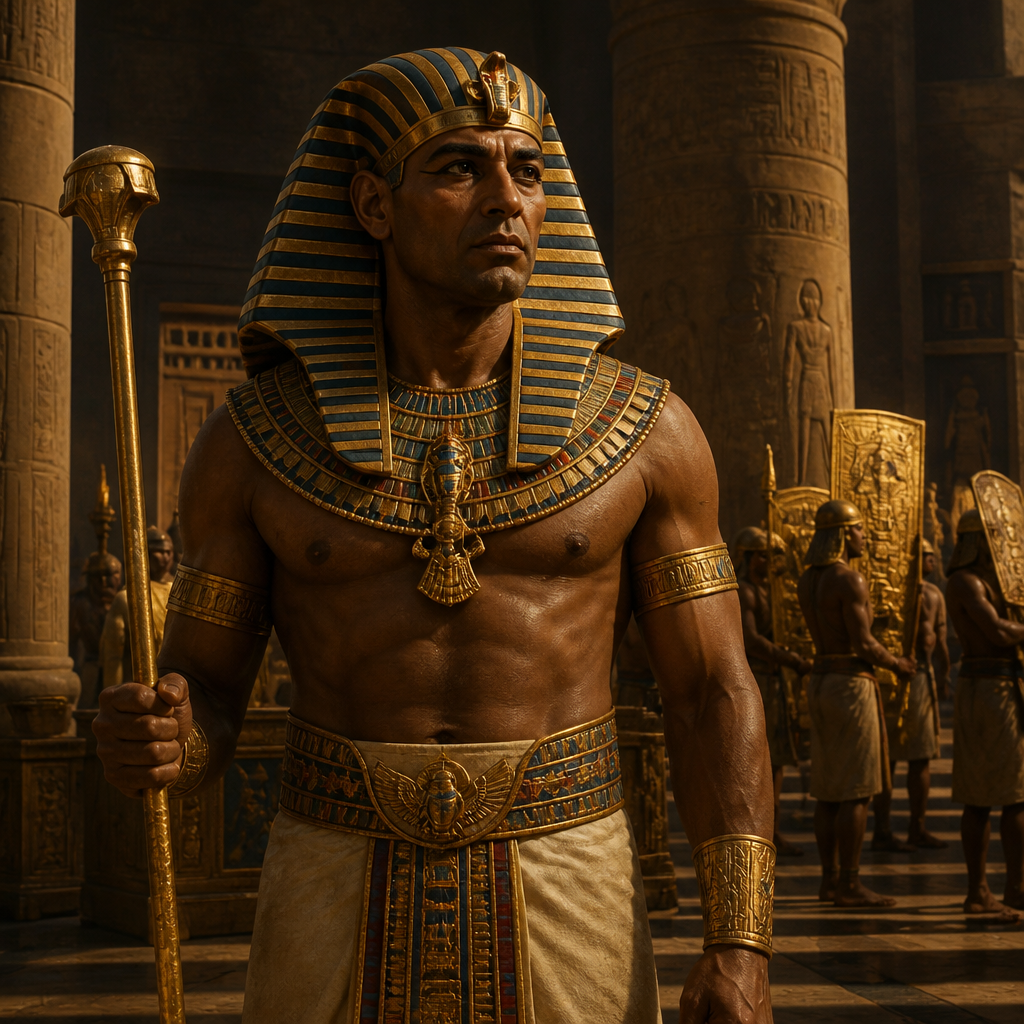
Shishak
Egyptian Pharaoh who invaded during his ministry
Categories
Mentions by Book
- 2 Chronicles4
- 1 Kings1
Others Named Shemaiah the Prophet of the United Monarchy
Shemaiah, Descendant of HarimEzra 10:21
A descendant of Harim who was among those recorded during the post-exilic reforms led by Ezra.
Shemaiah, Levite of the Post-Exilic Period1 Chronicles 9:14
A descendant of Merari and son of Hasshub, Shemaiah was a prominent Levite who resettled in Jerusalem during the post-exilic restoration.
Shemaiah, Levite of the Josiah Passover2 Chronicles 35:9
A prominent Levite officer during the Divided Monarchy who provided thousands of livestock for King Josiah’s historic Passover celebration.
Shemaiah, Leader of the ReturnEzra 8:16
A Jewish leader summoned by Ezra during the journey from Babylon to Jerusalem to help secure ministers for the house of God.
Shemaiah, Son of DelaiahNehemiah 6:10
A false prophet and conspirator who attempted to intimidate Nehemiah into violating the sanctity of the Temple during the restoration of Jerusalem.
Shemaiah, Chief of the Elizaphanites1 Chronicles 15:8
A Levite leader and chief of the Elizaphanites who assisted King David in transporting the Ark of the Covenant to Jerusalem.
Shemaiah, Descendant of HarimEzra 10:31
Shemaiah was a Judean returnee from the Babylonian exile who is listed among the descendants of Harim in the genealogical records of Ezra 10.
Shemaiah, Descendant of Joel1 Chronicles 5:4
A member of the tribe of Reuben and a descendant of Joel, Shemaiah was the father of Gog in the line of Reubenite tribal leadership.
Shemaiah, Descendant of Jeduthun1 Chronicles 9:16
A Levite of the post-exilic period and a descendant of Jeduthun, recognized as the father of Obadiah (also known as Abda) who returned to Jerusalem.
Shemaiah, Guard of the East GateNehemiah 3:29
A faithful Levite or official who served as the guard of the East Gate and assisted in repairing the walls of Jerusalem under Nehemiah.
Shemaiah, Father of Uriah the ProphetJeremiah 26:20
A resident of Kiriath-jearim during the Divided Monarchy and the father of the martyr-prophet Uriah.
Shemaiah the NehelamiteJeremiah 29:24
A false prophet among the Judean exiles in Babylon who opposed Jeremiah and was condemned by God for preaching rebellion.
Shemaiah, Levite of the Hezekian Reforms2 Chronicles 31:15
A faithful Levite assistant who managed the distribution of consecrated offerings to priestly families during the religious reforms of King Hezekiah.
Shemaiah, Simeonite of the Divided Monarchy1 Chronicles 4:37
A member of the tribe of Simeon and the father of Shimri, identified in the post-conquest genealogical records of 1 Chronicles.
Shemaiah, Son of Obed-edom1 Chronicles 26:4
The firstborn son of Obed-edom and a Levite gatekeeper known for his great strength and the leadership of his capable family during the United Monarchy.
Shemaiah, Priest of the ReturnNehemiah 10:8
A prominent priest who returned from the Babylonian exile and signed the renewed covenant under Nehemiah.
Shemaiah, Descendant of David1 Chronicles 3:22
A member of the Davidic royal line and the father of six sons listed in the post-exilic genealogies of Judah.
Shemaiah, Levite of the Jeduthunites2 Chronicles 29:14
A Levite descendant of Jeduthun who participated in the sanctification of the temple during the reforms of King Hezekiah.
Shemaiah, Father of DelaiahJeremiah 36:12
A prominent man of the late Divided Monarchy whose son served as a high-ranking official in the court of King Jehoiakim of Judah.
Shemaiah, Father of Jonathan the PriestNehemiah 12:35
A Levite priest of the post-exilic period and the father of Jonathan, serving as a vital link in the lineage of the Asaphite singers during the restoration of Jerusalem.
Shemaiah, Musician of the Post-Exilic PeriodNehemiah 12:36
A Levite musician and associate of Ezra who participated in the joyful dedication of the rebuilt walls of Jerusalem.
Shemaiah, Post-Exilic SingerNehemiah 12:42
A singer and member of the musical ensembles that participated in the formal dedication of the rebuilt walls of Jerusalem during the time of Nehemiah.
Shemaiah, Levite of the Teaching Mission2 Chronicles 17:8
A Levite commissioned by King Jehoshaphat to travel throughout the cities of Judah and teach the Book of the Law to the people.
Shemaiah, Levite Scribe of the Divided Monarchy1 Chronicles 24:6
A Levite scribe during the Divided Monarchy responsible for recording the official divisions and assignments of the priesthood under the administration of King David.
Shemaiah, Descendant of AdonikamEzra 8:13
A descendant of Adonikam who was among the third group of his family to return from the Babylonian exile under the leadership of Ezra.