Shemaiah, Post-Exilic Singer
A singer and member of the musical ensembles that participated in the formal dedication of the rebuilt walls of Jerusalem during the time of Nehemiah.
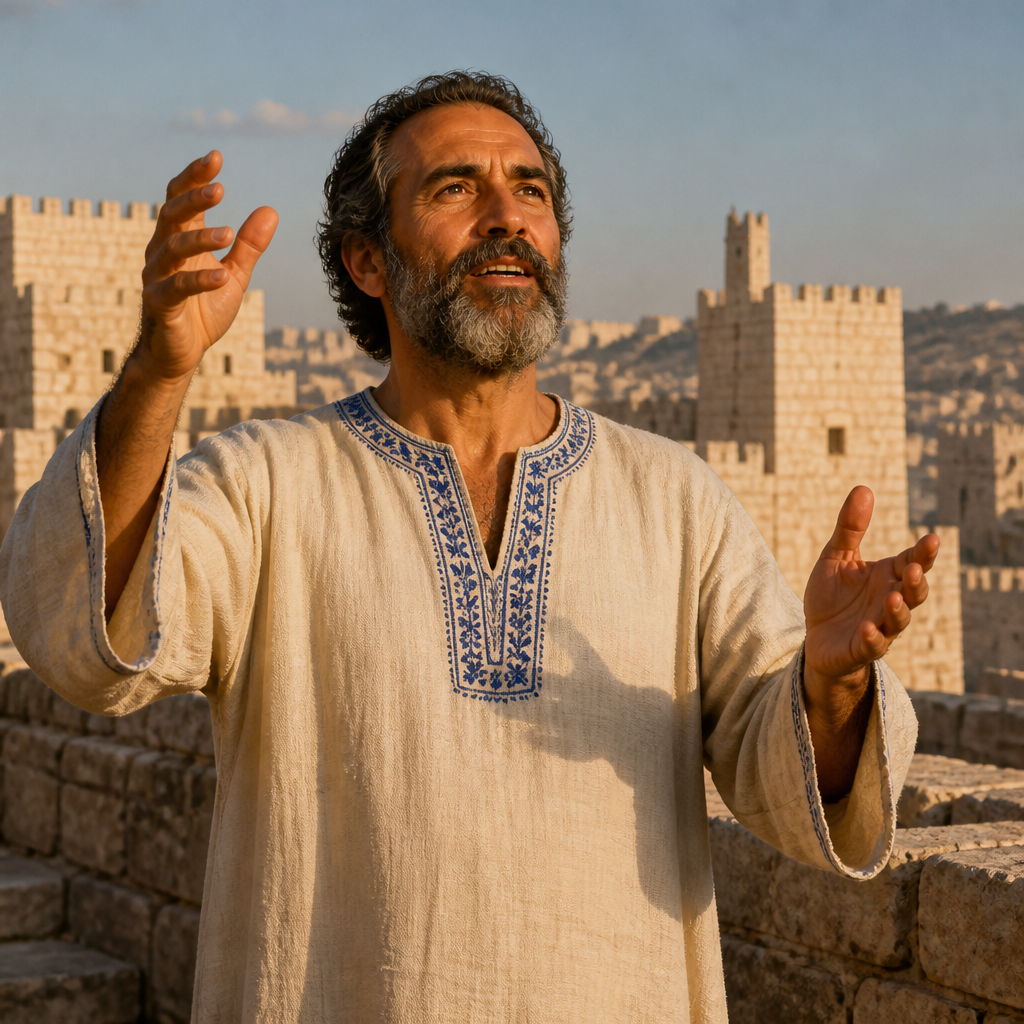
Shemaiah was a post-exilic musician who played a role in the religious and civic restoration of Jerusalem. Following the return of the Jewish people from the Babylonian captivity and the subsequent reconstruction of the city's defenses, Shemaiah is listed as one of the individuals who participated in the grand processional and choral celebration that marked the completion of the walls under Nehemiah's leadership.
His participation is recorded within the context of the purification rites and the festive dedication ceremony. As a member of the choir, Shemaiah represents the restoration of liturgical music and the re-establishment of the temple-related duties that were central to the identity of the community in the Post-Exilic Period.
Background and Family
The biblical record concerning Shemaiah is remarkably brief, appearing within the specific context of the genealogical and procedural lists found in the book of Nehemiah. He is mentioned during the era of the Exile and Return, a period characterized by the efforts of the Jewish remnant to rebuild their national and spiritual life in Judah after decades of displacement in Babylon. While his specific tribe is not explicitly named in the verse, his association with the choirs and the liturgical direction of Jezrahiah strongly suggests a Levite background, as the oversight of music and singing in the second temple era was strictly a Levitical prerogative.
Major Life Events
The single recorded event in Shemaiah's life occurs in Nehemiah 12:42. This chapter describes the joyous dedication of the wall of Jerusalem. To mark this occasion, Nehemiah organized two large thanksgiving choirs to walk in procession atop the walls. Shemaiah is listed among a group of eight individuals—including Maaseiah, Eleazar, Uzzi, Jehohanan, Malchijah, Elam, and Ezer—who sang under the direction of Jezrahiah.
This event was not merely a musical performance but a significant political and spiritual declaration. The singing was so loud that the "joy of Jerusalem was heard far away" (Nehemiah 12:43). Shemaiah’s contribution was part of this collective testimony, asserting that the God of Israel had successfully restored his people to their holy city and provided them with security against their enemies.
Relationship to Other Biblical Figures
Shemaiah is identified as a peer and collaborator of several other post-exilic figures. He worked directly under Jezrahiah, the leader of the choirs. His presence in the text alongside Nehemiah and Ezra indicates he was part of the dedicated group of returnees who were committed to the legal and structural reforms of the mid-5th century BC. He operated within a cohort of musicians who were responsible for maintaining the continuity of the Davidic musical tradition in a newly rebuilt Jerusalem.
Spiritual Significance
The inclusion of Shemaiah in the biblical text, despite the brevity of the mention, underscores the importance of corporate worship in the restoration of Israel. His role highlights that the rebuilding of the walls was incomplete without the consecration of the city through praise. Shemaiah represents the 'unsung' faithful whose specific duties in the choir helped facilitate the spiritual revival of the nation. In the post-exilic theology of Nehemiah, the singer was as vital to the city’s defense as the soldier, for the joy of the Lord was considered the people's true strength.
Spiritual Significance
Shemaiah's significance lies in his role as a restorer of the liturgical life of Israel. By participating in the dedication of the Jerusalem walls, he helped fulfill the prophetic vision of a restored Zion where the sounds of joy and thanksgiving would once again be heard. His presence in the sacred record serves as a testament to the organizational success of the returnees in re-establishing the formal worship structures established by King David centuries earlier.
Furthermore, he illustrates the collaborative nature of the Nehemianic reforms. The text emphasizes that the choirs functioned 'under the direction' of their leaders, showing a community in harmonious submission to God’s order. Shemaiah stands as a representative of the dedicated workforce that prioritized the glory of God during a time of significant national hardship.
Frequently Asked Questions
What was Shemaiah's role in the Bible?
He was a singer who participated in the dedication of the rebuilt walls of Jerusalem during the time of Nehemiah.
When did Shemaiah live?
He lived during the Post-Exilic Period, specifically during the governorship of Nehemiah in the mid-5th century BC.
Which book of the Bible mentions this Shemaiah?
This specific Shemaiah is mentioned only in the book of Nehemiah, specifically in chapter 12, verse 42.
Was Shemaiah a priest?
The Bible does not explicitly label him a priest, but because he was a choir member involved in the temple-related dedication ceremonies, it is highly likely he was a Levite.
Who was Shemaiah's leader?
According to Nehemiah 12:42, Shemaiah and his fellow singers performed under the direction of Jezrahiah.
Connected Figures
Nehemiah
Governor and organizer of the wall dedication
Jezrahiah
Musical director/leader of the choir
Maaseiah
Fellow singer and associate
Ezra
Contemporary priest and scribe
Categories
Mentions by Book
- Nehemiah1
Others Named Shemaiah
Shemaiah, Descendant of HarimEzra 10:21
A descendant of Harim who was among those recorded during the post-exilic reforms led by Ezra.
Shemaiah, Levite of the Post-Exilic Period1 Chronicles 9:14
A descendant of Merari and son of Hasshub, Shemaiah was a prominent Levite who resettled in Jerusalem during the post-exilic restoration.
Shemaiah, Levite of the Josiah Passover2 Chronicles 35:9
A prominent Levite officer during the Divided Monarchy who provided thousands of livestock for King Josiah’s historic Passover celebration.
Shemaiah, Leader of the ReturnEzra 8:16
A Jewish leader summoned by Ezra during the journey from Babylon to Jerusalem to help secure ministers for the house of God.
Shemaiah, Son of DelaiahNehemiah 6:10
A false prophet and conspirator who attempted to intimidate Nehemiah into violating the sanctity of the Temple during the restoration of Jerusalem.
Shemaiah, Chief of the Elizaphanites1 Chronicles 15:8
A Levite leader and chief of the Elizaphanites who assisted King David in transporting the Ark of the Covenant to Jerusalem.
Shemaiah, Descendant of HarimEzra 10:31
Shemaiah was a Judean returnee from the Babylonian exile who is listed among the descendants of Harim in the genealogical records of Ezra 10.
Shemaiah, Descendant of Joel1 Chronicles 5:4
A member of the tribe of Reuben and a descendant of Joel, Shemaiah was the father of Gog in the line of Reubenite tribal leadership.
Shemaiah, Descendant of Jeduthun1 Chronicles 9:16
A Levite of the post-exilic period and a descendant of Jeduthun, recognized as the father of Obadiah (also known as Abda) who returned to Jerusalem.
Shemaiah, Guard of the East GateNehemiah 3:29
A faithful Levite or official who served as the guard of the East Gate and assisted in repairing the walls of Jerusalem under Nehemiah.
Shemaiah, Father of Uriah the ProphetJeremiah 26:20
A resident of Kiriath-jearim during the Divided Monarchy and the father of the martyr-prophet Uriah.
Shemaiah the NehelamiteJeremiah 29:24
A false prophet among the Judean exiles in Babylon who opposed Jeremiah and was condemned by God for preaching rebellion.
Shemaiah, Levite of the Hezekian Reforms2 Chronicles 31:15
A faithful Levite assistant who managed the distribution of consecrated offerings to priestly families during the religious reforms of King Hezekiah.
Shemaiah, Simeonite of the Divided Monarchy1 Chronicles 4:37
A member of the tribe of Simeon and the father of Shimri, identified in the post-conquest genealogical records of 1 Chronicles.
Shemaiah, Son of Obed-edom1 Chronicles 26:4
The firstborn son of Obed-edom and a Levite gatekeeper known for his great strength and the leadership of his capable family during the United Monarchy.
Shemaiah, Priest of the ReturnNehemiah 10:8
A prominent priest who returned from the Babylonian exile and signed the renewed covenant under Nehemiah.
Shemaiah, Descendant of David1 Chronicles 3:22
A member of the Davidic royal line and the father of six sons listed in the post-exilic genealogies of Judah.
Shemaiah, Levite of the Jeduthunites2 Chronicles 29:14
A Levite descendant of Jeduthun who participated in the sanctification of the temple during the reforms of King Hezekiah.
Shemaiah, Father of DelaiahJeremiah 36:12
A prominent man of the late Divided Monarchy whose son served as a high-ranking official in the court of King Jehoiakim of Judah.
Shemaiah, Father of Jonathan the PriestNehemiah 12:35
A Levite priest of the post-exilic period and the father of Jonathan, serving as a vital link in the lineage of the Asaphite singers during the restoration of Jerusalem.
Shemaiah, Musician of the Post-Exilic PeriodNehemiah 12:36
A Levite musician and associate of Ezra who participated in the joyful dedication of the rebuilt walls of Jerusalem.
Shemaiah, Levite of the Teaching Mission2 Chronicles 17:8
A Levite commissioned by King Jehoshaphat to travel throughout the cities of Judah and teach the Book of the Law to the people.
Shemaiah, Levite Scribe of the Divided Monarchy1 Chronicles 24:6
A Levite scribe during the Divided Monarchy responsible for recording the official divisions and assignments of the priesthood under the administration of King David.
Shemaiah, Descendant of AdonikamEzra 8:13
A descendant of Adonikam who was among the third group of his family to return from the Babylonian exile under the leadership of Ezra.
Shemaiah the Prophet of the United Monarchy1 Kings 12:22
A prophet during the reign of Rehoboam who prevented a civil war and later prophesied during the invasion of Pharaoh Shishak.