Shemaiah, Levite of the Josiah Passover
A prominent Levite officer during the Divided Monarchy who provided thousands of livestock for King Josiah’s historic Passover celebration.
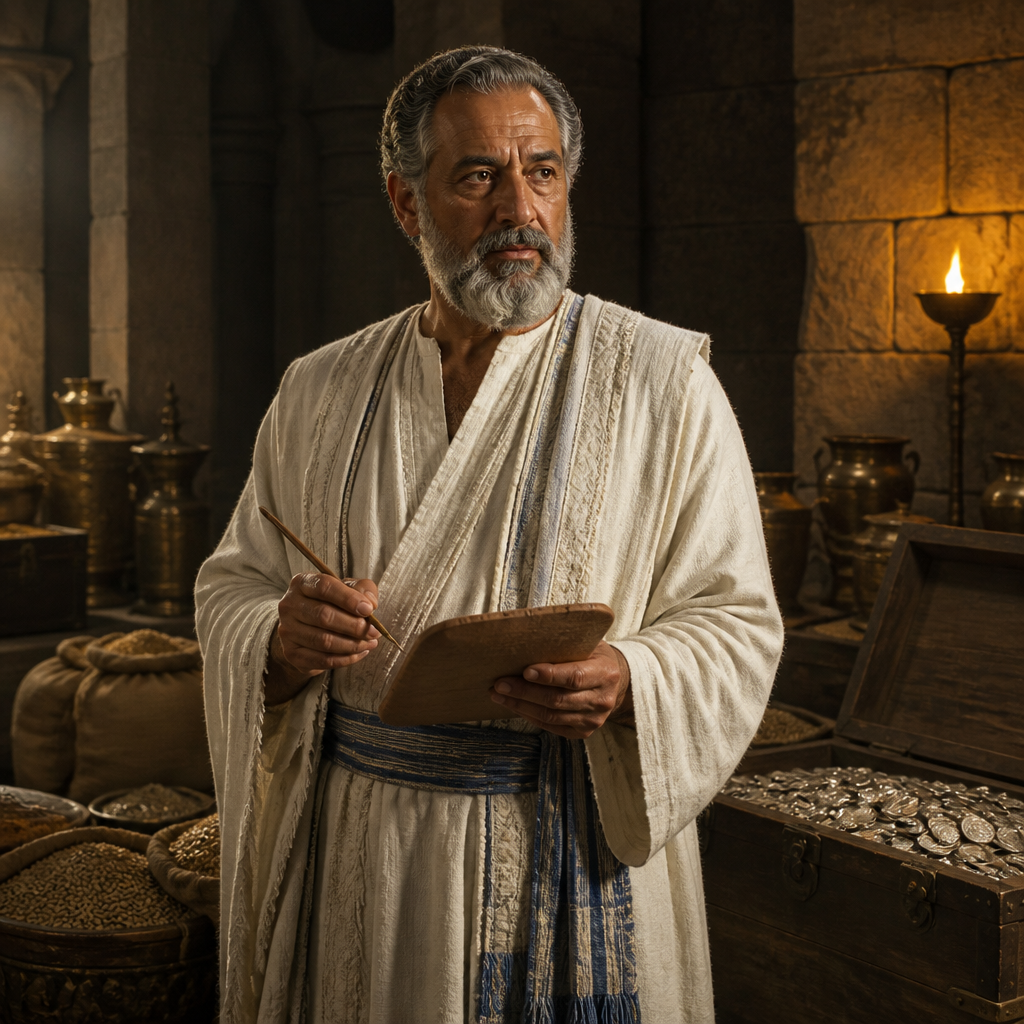
Shemaiah was a high-ranking official among the Levites during the late Divided Monarchy, specifically serving during the reign of King Josiah of Judah (c. 640–609 BC). He is identified as one of the 'officers of the Levites' who played a crucial administrative and philanthropic role in facilitating one of the most significant religious observances in Judah's history. His contribution was essential to the massive sacrificial requirements of the Great Passover, an event that marked a spiritual turning point for the nation before the Babylonian exile.
While his individual biography is not detailed extensively in the biblical narrative, Shemaiah represents the organized leadership of the Levitical order during a period of intense religious reform. His inclusion in the records of 2 Chronicles highlights the collaborative effort between the monarchy and the religious bureaucracy to restore the Mosaic Law and the sacrificial system in Jerusalem.
Background and Family
Shemaiah lived during the seventh century BC, a pivotal era in the history of the Kingdom of Judah. Following decades of spiritual decline under previous monarchs, the ascension of King Josiah led to a sweeping national reformation. As a Levite, Shemaiah belonged to the tribe set apart for the service of the Tabernacle and later the Temple. The biblical record specifically identifies him as the brother of Conaniah and Nethanel (2 Chronicles 35:9).
As an 'officer' (or chief) of the Levites, Shemaiah held a position of significant authority and wealth. This suggests that he was part of an established Levitical family that had maintained its standing despite the fluctuating religious environment of the Divided Monarchy. His ability to contribute substantial livestock from his own holdings indicates the economic influence of the Levitical leadership during Josiah’s tenure.
Major Life Events
The defining moment of Shemaiah’s biblical record occurs in the eighteenth year of King Josiah’s reign. Following the discovery of the Book of the Law in the Temple, Josiah ordered a national celebration of the Passover that surpassed any held since the days of the prophet Samuel. The sheer scale of the event required thousands of animals for sacrifice and communal meals.
Shemaiah, alongside his brothers and other Levitical chiefs like Hashabiah, Jeiel, and Jozabad, acted as a primary benefactor for the common Levites. The text records that this group of leaders donated 5,000 Passover offerings (lambs and goats) and 500 bulls. These contributions ensured that the rank-and-file Levites, who might not have possessed the means to provide their own sacrifices while performing their duties, could participate fully in the sacred rites. Shemaiah’s logistical and financial support was a cornerstone of the festival's success.
Relationship to Other Biblical Figures
Shemaiah served under the ultimate authority of King Josiah, but he worked most closely with his fellow Levitical officers. He is listed as a brother to Conaniah, who appears to have been the lead administrator among them. He also collaborated with Nethanel, Hashabiah, Jeiel, and Jozabad. This team of six men represented the executive leadership of the Levites, coordinating with the priests and the king to execute the complex rituals of the Passover. There are no recorded interactions between Shemaiah and the high priest Hilkiah, though their roles would have necessitated close coordination in the Temple courts.
Spiritual Significance
Shemaiah’s role in the Divided Monarchy illustrates the importance of administrative faithfulness and generosity in the life of Israel. While the prophets often focused on the heart's intent, the Chronicler emphasizes the practical necessity of leaders like Shemaiah who provided the material resources for worship. His actions reflect a heart aligned with the Josianic reforms—moving beyond mere ritual to active participation in the restoration of the covenant. By providing for his subordinates, Shemaiah modeled the biblical principle of communal support, ensuring that no member of the tribe of Levi was excluded from the national celebration due to poverty.
Spiritual Significance
Theologically, Shemaiah represents the restoration of the Levitical order and the practical fulfillment of the Law. His contribution to the 5,000 offerings and 500 bulls signifies the 'extravagance of grace' during the Josiah reforms, where leaders gave generously to enable the worship of the entire community. He stands as a historical witness to the final great revival of the southern kingdom before the fall of Jerusalem in 586 BC.
Furthermore, his presence in the genealogical and administrative lists of 2 Chronicles serves to validate the continuity of the Levitical service. By recording his name and his specific contribution, the biblical author emphasizes that the success of Judah’s spiritual life was dependent not only on the king’s decrees but also on the willing sacrifice and organizational competence of the Levitical leadership.
Frequently Asked Questions
Which king did Shemaiah serve under?
Shemaiah served during the reign of King Josiah, specifically assisting during the great Passover celebration in the eighteenth year of Josiah’s reign.
What was Shemaiah’s specific contribution to the Passover?
Along with five other Levitical officers, he donated 5,000 Passover offerings (small livestock) and 500 bulls to the Levites.
Who were Shemaiah's brothers?
According to 2 Chronicles 35:9, his brothers were Conaniah and Nethanel, both of whom were also officers of the Levites.
What was Shemaiah’s tribe and occupation?
Shemaiah belonged to the tribe of Levi and served as an officer or chief administrator among the Levites.
How many verses mention this specific Shemaiah?
This Shemaiah is mentioned in exactly one verse: 2 Chronicles 35:9.
Connected Figures
Josiah
King of Judah under whom he served
Conaniah
Brother and fellow Levitical officer
Nethanel
Brother and fellow Levitical officer
Categories
Mentions by Book
- 2 Chronicles1
Others Named Shemaiah
Shemaiah, Descendant of HarimEzra 10:21
A descendant of Harim who was among those recorded during the post-exilic reforms led by Ezra.
Shemaiah, Levite of the Post-Exilic Period1 Chronicles 9:14
A descendant of Merari and son of Hasshub, Shemaiah was a prominent Levite who resettled in Jerusalem during the post-exilic restoration.
Shemaiah, Leader of the ReturnEzra 8:16
A Jewish leader summoned by Ezra during the journey from Babylon to Jerusalem to help secure ministers for the house of God.
Shemaiah, Son of DelaiahNehemiah 6:10
A false prophet and conspirator who attempted to intimidate Nehemiah into violating the sanctity of the Temple during the restoration of Jerusalem.
Shemaiah, Chief of the Elizaphanites1 Chronicles 15:8
A Levite leader and chief of the Elizaphanites who assisted King David in transporting the Ark of the Covenant to Jerusalem.
Shemaiah, Descendant of HarimEzra 10:31
Shemaiah was a Judean returnee from the Babylonian exile who is listed among the descendants of Harim in the genealogical records of Ezra 10.
Shemaiah, Descendant of Joel1 Chronicles 5:4
A member of the tribe of Reuben and a descendant of Joel, Shemaiah was the father of Gog in the line of Reubenite tribal leadership.
Shemaiah, Descendant of Jeduthun1 Chronicles 9:16
A Levite of the post-exilic period and a descendant of Jeduthun, recognized as the father of Obadiah (also known as Abda) who returned to Jerusalem.
Shemaiah, Guard of the East GateNehemiah 3:29
A faithful Levite or official who served as the guard of the East Gate and assisted in repairing the walls of Jerusalem under Nehemiah.
Shemaiah, Father of Uriah the ProphetJeremiah 26:20
A resident of Kiriath-jearim during the Divided Monarchy and the father of the martyr-prophet Uriah.
Shemaiah the NehelamiteJeremiah 29:24
A false prophet among the Judean exiles in Babylon who opposed Jeremiah and was condemned by God for preaching rebellion.
Shemaiah, Levite of the Hezekian Reforms2 Chronicles 31:15
A faithful Levite assistant who managed the distribution of consecrated offerings to priestly families during the religious reforms of King Hezekiah.
Shemaiah, Simeonite of the Divided Monarchy1 Chronicles 4:37
A member of the tribe of Simeon and the father of Shimri, identified in the post-conquest genealogical records of 1 Chronicles.
Shemaiah, Son of Obed-edom1 Chronicles 26:4
The firstborn son of Obed-edom and a Levite gatekeeper known for his great strength and the leadership of his capable family during the United Monarchy.
Shemaiah, Priest of the ReturnNehemiah 10:8
A prominent priest who returned from the Babylonian exile and signed the renewed covenant under Nehemiah.
Shemaiah, Descendant of David1 Chronicles 3:22
A member of the Davidic royal line and the father of six sons listed in the post-exilic genealogies of Judah.
Shemaiah, Levite of the Jeduthunites2 Chronicles 29:14
A Levite descendant of Jeduthun who participated in the sanctification of the temple during the reforms of King Hezekiah.
Shemaiah, Father of DelaiahJeremiah 36:12
A prominent man of the late Divided Monarchy whose son served as a high-ranking official in the court of King Jehoiakim of Judah.
Shemaiah, Father of Jonathan the PriestNehemiah 12:35
A Levite priest of the post-exilic period and the father of Jonathan, serving as a vital link in the lineage of the Asaphite singers during the restoration of Jerusalem.
Shemaiah, Musician of the Post-Exilic PeriodNehemiah 12:36
A Levite musician and associate of Ezra who participated in the joyful dedication of the rebuilt walls of Jerusalem.
Shemaiah, Post-Exilic SingerNehemiah 12:42
A singer and member of the musical ensembles that participated in the formal dedication of the rebuilt walls of Jerusalem during the time of Nehemiah.
Shemaiah, Levite of the Teaching Mission2 Chronicles 17:8
A Levite commissioned by King Jehoshaphat to travel throughout the cities of Judah and teach the Book of the Law to the people.
Shemaiah, Levite Scribe of the Divided Monarchy1 Chronicles 24:6
A Levite scribe during the Divided Monarchy responsible for recording the official divisions and assignments of the priesthood under the administration of King David.
Shemaiah, Descendant of AdonikamEzra 8:13
A descendant of Adonikam who was among the third group of his family to return from the Babylonian exile under the leadership of Ezra.
Shemaiah the Prophet of the United Monarchy1 Kings 12:22
A prophet during the reign of Rehoboam who prevented a civil war and later prophesied during the invasion of Pharaoh Shishak.