Shemaiah, Guard of the East Gate
A faithful Levite or official who served as the guard of the East Gate and assisted in repairing the walls of Jerusalem under Nehemiah.
Shemaiah, son of Shecaniah, was a prominent figure during the post-exilic restoration of Jerusalem. As the guard of the East Gate, he held a position of significant responsibility, overseeing one of the primary entrances to the Temple precinct and the city itself. His involvement in the physical reconstruction of Jerusalem’s defenses underscores his commitment to the security and spiritual revival of the Jewish remnant.
He is specifically identified in the records of Nehemiah as one who labored alongside the priests and other leaders to fortify the city against surrounding adversaries. His lineage traces back to Shecaniah, the son of Jehiel the Elamite, connecting him to a family that had returned from the Babylonian captivity to reclaim their ancestral heritage in Judah.
Background and Family
Shemaiah was the son of Shecaniah and the grandson of Jehiel the Elamite. His family was part of the Golah—the community of exiles who returned from Babylon to Jerusalem. The mention of his father, Shecaniah, suggests a family of some standing within the community of returnees. Although his specific tribe is not explicitly stated in the immediate context of Nehemiah 3, his role as the "guard of the East Gate" strongly implies a Levite or priestly background, as these positions were historically reserved for those consecrated to the service of the Temple and its gates (cf. 1 Chronicles 26).
Major Life Events
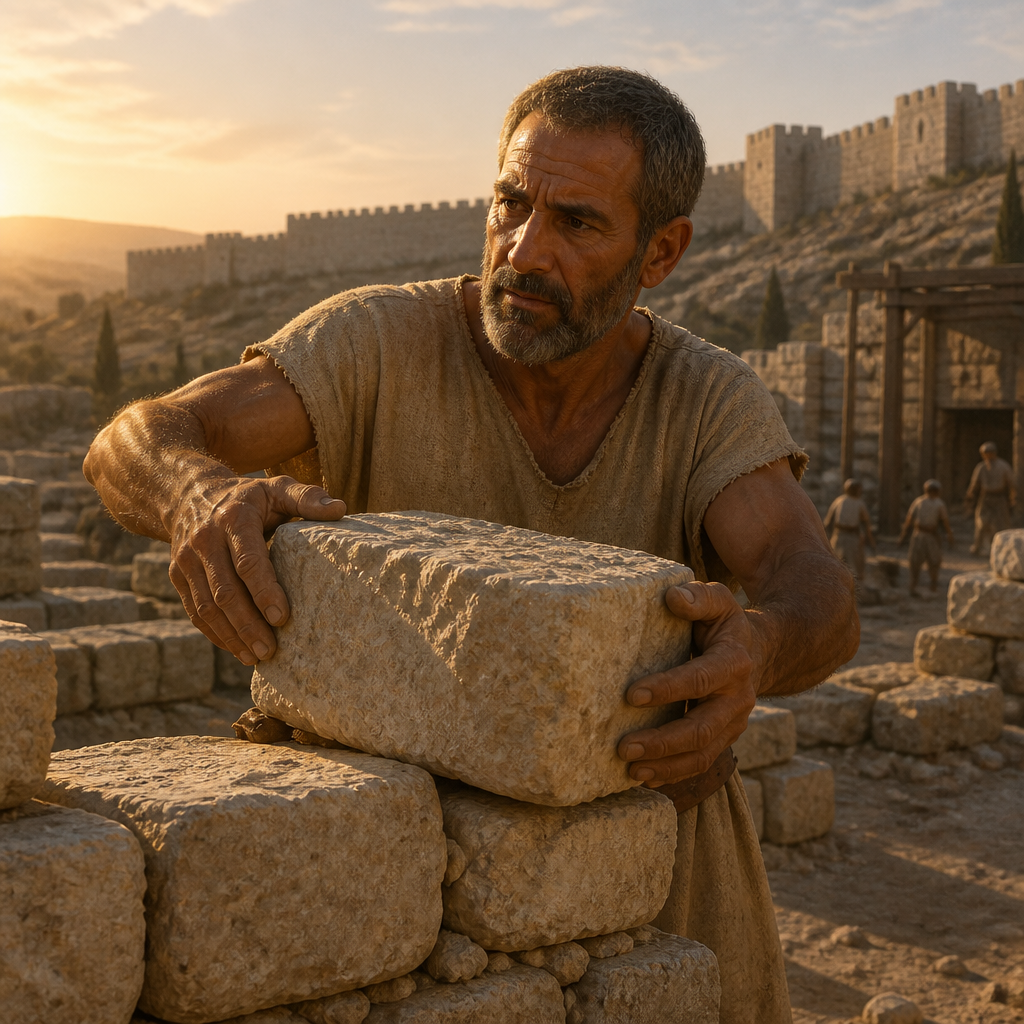
During the mid-5th century BC, the governor Nehemiah arrived in Jerusalem with a mandate from the Persian King Artaxerxes I to rebuild the city's broken walls. Shemaiah is recorded as a key participant in this massive civil and spiritual undertaking. According to Nehemiah 3:29, Shemaiah worked on the section of the wall adjacent to his post at the East Gate.
"Next to them, Zadok son of Immer made repairs opposite his house, and next to him, Shemaiah son of Shecaniah, the guard of the East Gate, made repairs."
His task was unique because he was repairing the area most closely associated with his daily professional duties. The East Gate (Miphkad Gate) was of vital importance, leading directly toward the Mount of Olives and serving as a focal point for Temple processions. By securing this section, Shemaiah provided both physical protection and ceremonial integrity to the holy site.
Relationship to Other Biblical Figures
Shemaiah worked in close proximity to Zadok, the son of Immer. The text places their work side-by-side, indicating a coordinated effort among the leaders of the return. He operated under the direct oversight of Nehemiah, contributing to the fulfillment of the governor's vision for a restored Zion. His father, Shecaniah, is noted as the son of Jehiel the Elamite, providing a genealogical link to the wider community of returnees who prioritized the restoration of the covenant community.
Spiritual Significance
The service of Shemaiah represents the intersection of labor and liturgy. As a gatekeeper, his life was defined by vigilance and the protection of that which is holy. By taking up the tools of a builder, he demonstrated that the restoration of Jerusalem required more than just religious devotion; it required physical grit and the willingness to defend the community's boundaries. His inclusion in the list of builders serves as a testament to the fact that every individual, regardless of their specific office, had a stake in the survival and sanctification of the city of God during the Post-Exilic Period.
Spiritual Significance
Shemaiah serves as an example of the 'remnant' theology, illustrating how specific individuals were mobilized to restore Jerusalem's physical and spiritual infrastructure. His role as a gatekeeper highlights the biblical theme of stewardship and the necessity of guarding the 'gates' of the community against external corruption and physical threats.
Theological reflection on Shemaiah emphasizes the dignity of service. Whether standing watch or laying stones, his contribution was essential to the safety of the Temple. His presence in the biblical record ensures that the names of those who performed the hard, manual labor of the restoration are preserved alongside the names of high priests and governors.
Frequently Asked Questions
What was the role of the East Gate guard?
The guard of the East Gate was responsible for overseeing entry to the Temple area and the city from the east. This was a position of high trust, often held by Levites, ensuring that only those who were ritually clean or authorized could enter the sacred precincts.
Who was Shemaiah's father?
Shemaiah was the son of Shecaniah, who is identified as the son of Jehiel the Elamite.
What part of Jerusalem did Shemaiah help rebuild?
Shemaiah repaired the section of the wall near the East Gate, which was the area he was assigned to guard.
In which book of the Bible is this Shemaiah mentioned?
This specific Shemaiah is mentioned in the Book of Nehemiah, chapter 3, verse 29.
Is this the same Shemaiah who was a prophet to King Rehoboam?
No. This Shemaiah lived during the Post-Exilic Period (Exile and Return) in the 5th century BC, centuries after the prophet Shemaiah who lived during the United Monarchy.
Connected Figures
Nehemiah
Governor and leader of the wall reconstruction
Shecaniah
Father
Zadok son of Immer
Co-worker on the wall repairs
Categories
Mentions by Book
- Nehemiah1
Family & Relationships
Parent
Shecaniah, son of Jehiel the Elamite
Ezra 10:2
Others Named Shemaiah
Shemaiah, Descendant of HarimEzra 10:21
A descendant of Harim who was among those recorded during the post-exilic reforms led by Ezra.
Shemaiah, Levite of the Post-Exilic Period1 Chronicles 9:14
A descendant of Merari and son of Hasshub, Shemaiah was a prominent Levite who resettled in Jerusalem during the post-exilic restoration.
Shemaiah, Levite of the Josiah Passover2 Chronicles 35:9
A prominent Levite officer during the Divided Monarchy who provided thousands of livestock for King Josiah’s historic Passover celebration.
Shemaiah, Leader of the ReturnEzra 8:16
A Jewish leader summoned by Ezra during the journey from Babylon to Jerusalem to help secure ministers for the house of God.
Shemaiah, Son of DelaiahNehemiah 6:10
A false prophet and conspirator who attempted to intimidate Nehemiah into violating the sanctity of the Temple during the restoration of Jerusalem.
Shemaiah, Chief of the Elizaphanites1 Chronicles 15:8
A Levite leader and chief of the Elizaphanites who assisted King David in transporting the Ark of the Covenant to Jerusalem.
Shemaiah, Descendant of HarimEzra 10:31
Shemaiah was a Judean returnee from the Babylonian exile who is listed among the descendants of Harim in the genealogical records of Ezra 10.
Shemaiah, Descendant of Joel1 Chronicles 5:4
A member of the tribe of Reuben and a descendant of Joel, Shemaiah was the father of Gog in the line of Reubenite tribal leadership.
Shemaiah, Descendant of Jeduthun1 Chronicles 9:16
A Levite of the post-exilic period and a descendant of Jeduthun, recognized as the father of Obadiah (also known as Abda) who returned to Jerusalem.
Shemaiah, Father of Uriah the ProphetJeremiah 26:20
A resident of Kiriath-jearim during the Divided Monarchy and the father of the martyr-prophet Uriah.
Shemaiah the NehelamiteJeremiah 29:24
A false prophet among the Judean exiles in Babylon who opposed Jeremiah and was condemned by God for preaching rebellion.
Shemaiah, Levite of the Hezekian Reforms2 Chronicles 31:15
A faithful Levite assistant who managed the distribution of consecrated offerings to priestly families during the religious reforms of King Hezekiah.
Shemaiah, Simeonite of the Divided Monarchy1 Chronicles 4:37
A member of the tribe of Simeon and the father of Shimri, identified in the post-conquest genealogical records of 1 Chronicles.
Shemaiah, Son of Obed-edom1 Chronicles 26:4
The firstborn son of Obed-edom and a Levite gatekeeper known for his great strength and the leadership of his capable family during the United Monarchy.
Shemaiah, Priest of the ReturnNehemiah 10:8
A prominent priest who returned from the Babylonian exile and signed the renewed covenant under Nehemiah.
Shemaiah, Descendant of David1 Chronicles 3:22
A member of the Davidic royal line and the father of six sons listed in the post-exilic genealogies of Judah.
Shemaiah, Levite of the Jeduthunites2 Chronicles 29:14
A Levite descendant of Jeduthun who participated in the sanctification of the temple during the reforms of King Hezekiah.
Shemaiah, Father of DelaiahJeremiah 36:12
A prominent man of the late Divided Monarchy whose son served as a high-ranking official in the court of King Jehoiakim of Judah.
Shemaiah, Father of Jonathan the PriestNehemiah 12:35
A Levite priest of the post-exilic period and the father of Jonathan, serving as a vital link in the lineage of the Asaphite singers during the restoration of Jerusalem.
Shemaiah, Musician of the Post-Exilic PeriodNehemiah 12:36
A Levite musician and associate of Ezra who participated in the joyful dedication of the rebuilt walls of Jerusalem.
Shemaiah, Post-Exilic SingerNehemiah 12:42
A singer and member of the musical ensembles that participated in the formal dedication of the rebuilt walls of Jerusalem during the time of Nehemiah.
Shemaiah, Levite of the Teaching Mission2 Chronicles 17:8
A Levite commissioned by King Jehoshaphat to travel throughout the cities of Judah and teach the Book of the Law to the people.
Shemaiah, Levite Scribe of the Divided Monarchy1 Chronicles 24:6
A Levite scribe during the Divided Monarchy responsible for recording the official divisions and assignments of the priesthood under the administration of King David.
Shemaiah, Descendant of AdonikamEzra 8:13
A descendant of Adonikam who was among the third group of his family to return from the Babylonian exile under the leadership of Ezra.
Shemaiah the Prophet of the United Monarchy1 Kings 12:22
A prophet during the reign of Rehoboam who prevented a civil war and later prophesied during the invasion of Pharaoh Shishak.