Ibhar
Who was Ibhar in the Bible?
Ibhar was a son of King David, born in Jerusalem during the era of the United Monarchy.
Ibhar was one of the sons of King David, born after the monarch moved his capital from Hebron to Jerusalem. As a member of the royal household during the United Monarchy, Ibhar represents the expansion of David’s dynasty following the consolidation of his rule over all Israel. His name, derived from the Hebrew root meaning 'to choose,' translates as 'He [God] chooses' or 'The Chosen One.'
While Ibhar does not participate in the narrative dramas involving the throne succession or military campaigns recorded in the books of Samuel and Kings, his inclusion in three separate genealogical lists underscores his legitimacy as a prince of Judah. He is listed among the children born specifically to David's wives in Jerusalem, distinguishing him from the elder sons born during David’s earlier years of struggle and his seven-year reign in Hebron.
Background and Family
Ibhar appears in the biblical record as a son of David, the second king of the United Monarchy of Israel. His birth occurred during a pivotal transition in Israelite history—the establishment of Jerusalem as the religious and political center of the nation. According to 2 Samuel 5:13-16, after David left Hebron and took up residence in the stronghold of Zion, he took more concubines and wives, leading to the birth of several more sons and daughters. Ibhar is consistently listed as the first of this specific group of Jerusalem-born sons.
His mother is not named individually in the text, but he is categorized under the collective heading of children born to David’s 'wives and concubines' in Jerusalem (1 Chronicles 3:9, 14:3). As a member of the Tribe of Judah, Ibhar was part of the royal line that the biblical narrative identifies as the chosen lineage for the perpetual throne of Israel.
Major Life Events
The biblical record for Ibhar is strictly genealogical. There are no recorded military exploits, political appointments, or personal dialogues attributed to him. In the three passages where he is mentioned (2 Samuel 5, 1 Chronicles 3, and 1 Chronicles 14), he serves as a marker of David’s growing household and divine favor. In the Ancient Near East, a large number of healthy sons was viewed as a sign of God's blessing and the stability of a dynasty. Ibhar’s presence in the list, positioned before siblings like Elishua and Nepheg, suggests he may have been the eldest of this particular set of Jerusalem-born children.
Relationship to Other Biblical Figures
Ibhar was a brother or half-brother to the most prominent figures of the Davidic era. His siblings included the ill-fated Amnon (David’s firstborn), the rebellious Absalom, and the eventual successor to the throne, Solomon. He was also a brother to Nathan, whose name appears in the Messianic genealogy of Jesus in the New Testament. Among his direct peers—those born in Jerusalem—he is frequently grouped with Elishua, Elpelet (or Eliphelet), and Nogah.
Because he is not mentioned in the accounts of the rebellions of Absalom or Adonijah, it is impossible to determine his political alignments or his ultimate fate during the tumultuous transition of power from David to Solomon. He remains a silent figure in the shadow of his more famous brothers.
Spiritual Significance
Though a minor figure, Ibhar’s name—'Whom God Chooses'—carries significant theological weight within the context of the Davidic Covenant. The inclusion of his name in the official records of the Kings and Chronicles serves to validate the historical reality of David’s family and the fulfillment of the promise that David’s offspring would be numerous. In a broader biblical-theological sense, Ibhar is a link in the physical lineage of the house of David from which the Messiah would eventually emerge. His existence contributes to the portrait of the United Monarchy as a golden age of growth and divine selection.
Ibhar’s significance lies in his placement within the Davidic genealogy. By being recorded in three separate instances across the historical books, his status as a legitimate son of David is firmly established. This serves a dual purpose: it demonstrates the fulfillment of God's blessing on David’s household and provides a comprehensive record of the royal line during the United Monarchy.
Theologically, Ibhar represents the 'chosen' nature of David's house. Even though he did not ascend to the throne, he was a part of the family through which the promise of an eternal kingdom was funneled. His presence in the text ensures that the historical record of the Tribe of Judah remains precise and complete for later generations studying the ancestry of the kings of Israel.
Frequently Asked Questions
Who was Ibhar's father?
Ibhar was the son of King David, born after David established his capital in Jerusalem.
What does the name Ibhar mean?
The name Ibhar (יִבְחָר) comes from a Hebrew root meaning 'to choose' and translates to 'He [God] chooses' or 'The Chosen One'.
In which books of the Bible is Ibhar mentioned?
Ibhar is mentioned in three places: 2 Samuel 5:15, 1 Chronicles 3:6, and 1 Chronicles 14:5.
Was Ibhar born in Hebron or Jerusalem?
Ibhar was born in Jerusalem, as he is listed among the sons born to David after he moved his reign from Hebron to the new capital.
Did Ibhar ever become king?
No, there is no record of Ibhar reigning as king. His younger half-brother Solomon succeeded David as the king of Israel.
Family & Relationships
Parents
 DavidFather1 Chronicles 3:5–6Stated
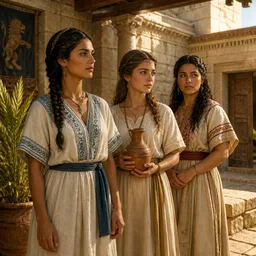 Jerusalem Wives of DavidMother2 Samuel 5:15
Inferred
No verse names Ibhar and Jerusalem Wives together; the mother link is carried from the surrounding genealogy and is not stated in Scripture.Evidence: 2 Samuel 5:15
 IbharThis page
 AbsalomBrother2 Samuel 13:1
Inferred
Reconstructed through David: 2 Samuel 13:1 ties Absalom to David; 1 Chronicles 3:6 ties David to Ibhar. No verse states the brother link between Absalom and Ibhar directly.Evidence: 2 Samuel 13:1; 1 Chronicles 3:6
 Adonijah, Son of DavidBrother2 Samuel 3:4
Inferred
Reconstructed through David and Solomon: 1 Chronicles 3:6 ties Ibhar to David; 2 Samuel 12:24 ties David to Solomon; 1 Kings 2:22 ties Solomon to Adonijah. No verse states the brother link between Ibhar and Adonijah directly.Evidence: 2 Samuel 3:4; 1 Chronicles 3:6
 Amnon, Firstborn Son of DavidBrother2 Samuel 13:1
Inferred
Reconstructed through David: 1 Chronicles 3:6 ties Ibhar to David; 2 Samuel 3:2 ties David to Amnon. No verse states the brother link between Ibhar and Amnon directly.Evidence: 2 Samuel 13:1; 1 Chronicles 3:6
 ChileabBrother2 Samuel 3:2
Inferred
Reconstructed through Abigail and David: 2 Samuel 3:3 ties Chileab to Abigail (itself an inferred link); 1 Samuel 25:39 ties Abigail to David; 1 Chronicles 3:6 ties David to Ibhar. No verse states the brother link between Chileab and Ibhar directly.Evidence: 2 Samuel 3:2; 1 Chronicles 3:6
 Eliada, Son of DavidBrother1 Chronicles 3:6–8Stated
 Eliphelet, Son of DavidBrother1 Chronicles 3:6Stated
 Elishama, Son of DavidBrother1 Chronicles 3:6–8Stated
 ElishuaBrother1 Chronicles 3:6Stated
 IthreamBrother2 Samuel 3:5
Inferred
Reconstructed through David: 2 Samuel 3:5 ties Ithream to David; 1 Chronicles 3:6 ties David to Ibhar. No verse states the brother link between Ithream and Ibhar directly.Evidence: 2 Samuel 3:5; 1 Chronicles 3:6
 Japhia, Son of DavidBrother1 Chronicles 3:6–7Stated
 Nathan, Son of DavidBrother1 Chronicles 3:5–6Stated
 Nepheg, Son of DavidBrother1 Chronicles 3:6–7Stated
 Shammua, Son of DavidBrother2 Samuel 5:14
Inferred
Reconstructed through Nathan and David: 2 Samuel 5:14 ties Shammua to Nathan (itself an inferred link); Luke 3:31 ties Nathan to David; 1 Chronicles 3:6 ties David to Ibhar. No verse states the brother link between Shammua and Ibhar directly.Evidence: 2 Samuel 5:14
 Shephatiah, Son of DavidBrother2 Samuel 3:4
Inferred
No verse names Ibhar and Shephatiah together; the brother link is carried from the surrounding genealogy and is not stated in Scripture.Evidence: 2 Samuel 3:4; 1 Chronicles 3:6
 Shobab, Son of DavidBrother1 Chronicles 3:5–6Stated
 SolomonBrother1 Chronicles 3:5–6Stated
 Tamar, Daughter of DavidSister1 Chronicles 3:6–9Stated
 ElpeletBrother2 Samuel 5:15
Inferred
No verse names Elpelet and Ibhar together; the brother link is carried from the surrounding genealogy and is not stated in Scripture.Evidence: 2 Samuel 5:15
 NogahBrother1 Chronicles 3:6–7Stated
 Jerimoth, Son of DavidBrother1 Chronicles 3:6
Inferred
Reconstructed through David: 2 Chronicles 11:18 ties Jerimoth to David; 1 Chronicles 3:6 ties David to Ibhar. No verse states the brother link between Jerimoth and Ibhar directly.Evidence: 1 Chronicles 3:6; 2 Chronicles 11:18
Connected Figures
Family
Father · 1 Chronicles 3:5–6
The second king of the United Monarchy of Israel, a shepherd-warrior and psalmist known as a man after God's own heart.
United MonarchyFirst: Ruth 4:17998 versesKing of Israel, Shepherd, Musician, WarriorJudah
Mother · 2 Samuel 5:15
A group of women from the tribe of Judah who married King David after his move to Jerusalem, mothering several of his sons.
United MonarchyFirst: 2 Samuel 5:136 versesRoyal ConsortsJudah
Brother · 2 Samuel 13:1
The third son of King David, Absalom was a charismatic prince who staged a major rebellion against his father and was ultimately killed in battle by Joab.
United MonarchyFirst: 2 Samuel 3:3104 versesPrince / Rebel LeaderJudah
Brother · 2 Samuel 3:4
The fourth son of King David, Adonijah attempted to seize the throne of Israel during his father's final days, ultimately failing and meeting his execution under King Solomon.
United MonarchyFirst: 2 Samuel 3:434 versesPrince of IsraelJudah
Brother · 2 Samuel 13:1
The firstborn son of King David, Amnon is primarily known for the violation of his half-sister Tamar, an act that triggered a bloody cycle of revenge within the royal family.
United MonarchyFirst: 2 Samuel 3:232 versesPrince and heir apparentJudah
Brother · 2 Samuel 3:2
Chileab was the second son of King David, born in Hebron to Abigail the widow of Nabal of Carmel during the United Monarchy.
United MonarchyFirst: 2 Samuel 3:313 versesPrince of IsraelJudah
Brother · 1 Chronicles 3:6–8
Eliada was a son of King David born in Jerusalem, listed among the children of the United Monarchy period.
United MonarchyFirst: 2 Samuel 5:1616 versesPrince of IsraelJudah
Brother · 1 Chronicles 3:6
Eliphelet was a son of King David, born in Jerusalem during the United Monarchy, and is listed among the royal children in the books of Samuel and Chronicles.
United MonarchyFirst: 2 Samuel 5:1615 versesPrince of IsraelJudah
Brother · 1 Chronicles 3:6–8
A son of King David born in Jerusalem during the United Monarchy and listed among the royal descendants in the books of Samuel and Chronicles.
United MonarchyFirst: 2 Samuel 5:1616 versesPrince of IsraelJudah
Brother · 1 Chronicles 3:6
A son of King David born in Jerusalem during the early years of the United Monarchy.
United MonarchyFirst: 2 Samuel 5:1514 versesPrince of IsraelJudah
Brother · 2 Samuel 3:5
The sixth son of King David, born to his wife Eglah during David's seven-year reign in Hebron.
United MonarchyFirst: 2 Samuel 3:512 versesPrince of IsraelJudah
Brother · 1 Chronicles 3:6–7
Japhia was a son of King David born in Jerusalem, listed among the children born to David after he established his throne in the holy city.
United MonarchyFirst: 2 Samuel 5:1515 versesPrince of IsraelJudah
Categories
Mentions by Book
- 2 Samuel7
- 1 Chronicles6
- 2 Chronicles1
Scripture References
All 14 indexed verses, in canonical order, from the Berean Standard Bible.
2 Samuel · 7
- 2 Samuel 3:2Partial
And sons were born to David in Hebron: His firstborn was Amnon, by Ahinoam of Jezreel;
Cited as evidence on a family card; added so References, Key Verses and Mentions by Book share one index.
- 2 Samuel 3:4Partial
his fourth was Adonijah, the son of Haggith; his fifth was Shephatiah, the son of Abital;
Cited as evidence on a family card; added so References, Key Verses and Mentions by Book share one index.
- 2 Samuel 3:5Partial
and his sixth was Ithream, by David’s wife Eglah. These sons were born to David in Hebron.
Cited as evidence on a family card; added so References, Key Verses and Mentions by Book share one index.
- 2 Samuel 5:13Partial
After he had arrived from Hebron, David took more concubines and wives from Jerusalem, and more sons and daughters were born to him.
Cited as evidence on a family card; added so References, Key Verses and Mentions by Book share one index.
- 2 Samuel 5:14Partial
These are the names of the children born to him in Jerusalem: Shammua, Shobab, Nathan, Solomon,
Cited as evidence on a family card; added so References, Key Verses and Mentions by Book share one index.
- 2 Samuel 5:15
Ibhar, Elishua, Nepheg, Japhia,
- 2 Samuel 13:1Partial
After some time, David’s son Amnon fell in love with Tamar, the beautiful sister of David’s son Absalom.
Cited as evidence on a family card; added so References, Key Verses and Mentions by Book share one index.
1 Chronicles · 6
- 1 Chronicles 3:5Partial
and these sons were born to him in Jerusalem: Shimea, Shobab, Nathan, and Solomon. These four were born to him by Bathsheba daughter of Ammiel.
Cited as evidence on a family card; added so References, Key Verses and Mentions by Book share one index.
- 1 Chronicles 3:6
David’s other sons were Ibhar, Elishua, Eliphelet,
- 1 Chronicles 3:7Partial
Nogah, Nepheg, Japhia,
Cited as evidence on a family card; added so References, Key Verses and Mentions by Book share one index.
- 1 Chronicles 3:8Partial
Elishama, Eliada, and Eliphelet—nine in all.
Cited as evidence on a family card; added so References, Key Verses and Mentions by Book share one index.
- 1 Chronicles 3:9Partial
These were all the sons of David, besides the sons by his concubines. And Tamar was their sister.
Cited as evidence on a family card; added so References, Key Verses and Mentions by Book share one index.
- 1 Chronicles 14:5
Ibhar, Elishua, Elpelet,
2 Chronicles · 1
- 2 Chronicles 11:18Partial
And Rehoboam married Mahalath, who was the daughter of David’s son Jerimoth and of Abihail, the daughter of Jesse’s son Eliab.
Cited as evidence on a family card; added so References, Key Verses and Mentions by Book share one index.