Elpelet
Who was Elpelet in the Bible?
Elpelet was a son of King David, born in Jerusalem during the United Monarchy, and is listed among the royal children in the Davidic genealogies.
Elpelet was a prince of Israel during the United Monarchy, serving as one of the numerous sons born to King David after he established his capital in Jerusalem. His name, derived from the Hebrew root meaning 'God is deliverance' or 'God is escape,' reflects the theological orientation of the Davidic house during a period of significant military and political expansion.
Though his personal life and specific deeds are not detailed in the biblical narrative, his inclusion in the formal genealogies of the Tribe of Judah serves to underscore the dynastic stability and fruitfulness of the Davidic line. He is primarily identified through his position within the lists of David’s offspring, situated alongside brothers who would later become pivotal figures in Israel's history, such as Solomon and Nathan.
Background and Family
Elpelet appears within the context of the Davidic dynasty’s consolidation in Jerusalem. Following David’s transition from ruling in Hebron to conquering the Jebusite stronghold of Jerusalem, the biblical text notes a significant increase in the king’s household. 1 Chronicles 14:5 explicitly lists Elpelet among the sons born to David in this new capital. As a member of the Tribe of Judah, Elpelet was part of the royal lineage that held the promise of an enduring throne.
His immediate family included some of the most prominent figures in the Old Testament. He was a younger brother to David’s earlier sons like Amnon and Absalom, and a sibling to the future King Solomon. While the names of the mothers for David's earlier children (born in Hebron) are often specified, Elpelet is grouped among the children born to the 'wives and concubines' David took in Jerusalem. This distinction marks him as part of the 'Jerusalem generation' of the royal family, a group that came of age while Israel was becoming a regional power.
Major Life Events
The biblical record for Elpelet is strictly genealogical. There are no recorded military exploits, political maneuvers, or personal dialogues attributed to him. In the ancient Near Eastern context, the primary 'event' of a prince's life recorded in such chronicles was his birth and his relative position in the line of succession. Elpelet is listed after Elishua and before Nogah or Ibhar in the sequences provided in 1 Chronicles.
His presence in the text signifies the fulfillment of the divine blessing of descendants for David. During the United Monarchy, the size of a king's household was often a marker of prestige and divine favor. Therefore, even without a narrative arc, Elpelet’s inclusion in the record serves a functional purpose in the historiography of 1 Chronicles, affirming the legitimacy and breadth of David’s house.
Relationship to Other Biblical Figures
Elpelet’s identity is defined almost entirely by his relationships. As a child of David, he occupied a tier of the Judean aristocracy. He shared a father with the primary claimant to the throne, Solomon, and the ill-fated usurper, Adonijah. The lists in 1 Chronicles 3 and 14 place him in a cluster of siblings including Elishama, Eliada, and Eliphelet.
Interestingly, the list in 1 Chronicles 3:6 mentions a son named 'Eliphelet' in a position similar to where 'Elpelet' appears in 1 Chronicles 14:5. While some scholars suggest these are variants of the same name, the biblical record treats them as distinct entries within the specific genealogical lists provided for the Jerusalem period. He remained a silent witness to the various internal struggles of the Davidic court, though he is never implicated in the rebellions of his older brothers, Absalom or Adonijah.
Spiritual Significance
In biblical theology, names often convey a message. Elpelet (אֶלְפָּֽלֶט) translates to "God is Deliverance." This name choice by David likely reflects the king's own experiences of being delivered from Saul and his various enemies. By naming a son Elpelet, David projected a public testimony of his reliance on the LORD for safety and survival.
Furthermore, Elpelet’s inclusion in the Chronicler’s genealogy is spiritually significant because 1 Chronicles was written for a post-exilic audience. For the returning exiles, every name in David’s family tree was a reminder of the 'sure mercies of David' and the hope of a restored monarchy. Elpelet represents one branch of the tree that, while not the primary trunk (the line leading to the Messiah), contributed to the overall vitality and preservation of the house of Judah.
Elpelet’s significance lies in his role as a legal and biological representative of the Davidic line during its zenith. His name, meaning 'God is escape' or 'God is deliverance,' serves as a linguistic monument to David’s personal history of divine protection. In the broader scope of the Chronicler's work, Elpelet helps establish the sheer scale of David’s household, reinforcing the idea that the United Monarchy was a period of extraordinary divine blessing and population growth within the royal house.
From a textual standpoint, Elpelet is a part of the formal registers that ensured the genealogical purity of the Tribe of Judah. For the original Hebrew readers, he was not a minor character but a prince of the blood, a reminder of the time when the house of David was numerous and prosperous. His presence in the scripture confirms that God’s covenant with David involved not just one successor, but a flourishing family that ensured the continuity of the tribe.
Frequently Asked Questions
Who was Elpelet's father?
Elpelet was the son of King David, the second king of the United Monarchy of Israel.
Where was Elpelet born?
According to 1 Chronicles 14:3-5, Elpelet was among the sons born to David after he had moved his capital to Jerusalem.
What does the name Elpelet mean?
The name Elpelet is Hebrew for 'God is deliverance' or 'God is escape'.
In which books of the Bible is Elpelet mentioned?
Elpelet is mentioned in the book of 1 Chronicles, specifically in chapters 3 and 14.
Was Elpelet a king of Israel?
No, Elpelet was a prince of Israel and a son of David, but he did not succeed his father as king; his brother Solomon took the throne.
Family & Relationships
Parents
 DavidFather2 Samuel 3:2
Inferred
No verse names Elpelet and David together; the father link is carried from the surrounding genealogy and is not stated in Scripture.Evidence: 2 Samuel 3:2
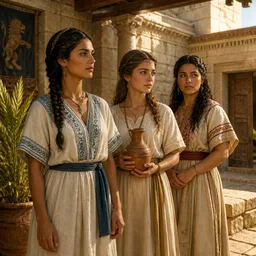 Jerusalem Wives of DavidMother2 Samuel 5:13
Inferred
No verse names Jerusalem Wives and Elpelet together; the son link is carried from the surrounding genealogy and is not stated in Scripture.Evidence: 2 Samuel 5:13; 1 Chronicles 3:6
 ElpeletThis page
 AbsalomBrother2 Samuel 3:3
Inferred
No verse names Absalom and Elpelet together; the brother link is carried from the surrounding genealogy and is not stated in Scripture.Evidence: 2 Samuel 3:3
 Adonijah, Son of DavidBrother2 Samuel 3:4
Inferred
No verse names Elpelet and Adonijah together; the brother link is carried from the surrounding genealogy and is not stated in Scripture.Evidence: 2 Samuel 3:4
 Amnon, Firstborn Son of DavidBrother2 Samuel 3:2
Inferred
No verse names Amnon and Elpelet together; the brother link is carried from the surrounding genealogy and is not stated in Scripture.Evidence: 2 Samuel 3:2
 ChileabBrother2 Samuel 3:3
Inferred
No verse names Chileab and Elpelet together; the brother link is carried from the surrounding genealogy and is not stated in Scripture.Evidence: 2 Samuel 3:3
 Eliada, Son of DavidBrother2 Samuel 5:16
Inferred
No verse names Elpelet and Eliada together; the brother link is carried from the surrounding genealogy and is not stated in Scripture.Evidence: 2 Samuel 5:16
 Eliphelet, Son of DavidBrother2 Samuel 5:16
Inferred
No verse names Elpelet and Eliphelet together; the brother link is carried from the surrounding genealogy and is not stated in Scripture.Evidence: 2 Samuel 5:16
 Elishama, Son of DavidBrother2 Samuel 5:15
Inferred
No verse names Elpelet and Elishama together; the brother link is carried from the surrounding genealogy and is not stated in Scripture.Evidence: 2 Samuel 5:15
 ElishuaBrother2 Samuel 5:15
Inferred
No verse names Elpelet and Elishua together; the brother link is carried from the surrounding genealogy and is not stated in Scripture.Evidence: 2 Samuel 5:15
 IbharBrother2 Samuel 5:15
Inferred
No verse names Ibhar and Elpelet together; the brother link is carried from the surrounding genealogy and is not stated in Scripture.Evidence: 2 Samuel 5:15
 IthreamBrother2 Samuel 3:5
Inferred
No verse names Elpelet and Ithream together; the brother link is carried from the surrounding genealogy and is not stated in Scripture.Evidence: 2 Samuel 3:5
 Japhia, Son of DavidBrother2 Samuel 5:15
Inferred
No verse names Japhia and Elpelet together; the brother link is carried from the surrounding genealogy and is not stated in Scripture.Evidence: 2 Samuel 5:15
 Nathan, Son of DavidBrother2 Samuel 5:14
Inferred
No verse names Nathan and Elpelet together; the brother link is carried from the surrounding genealogy and is not stated in Scripture.Evidence: 2 Samuel 5:14
 Nepheg, Son of DavidBrother2 Samuel 5:15
Inferred
No verse names Nepheg and Elpelet together; the brother link is carried from the surrounding genealogy and is not stated in Scripture.Evidence: 2 Samuel 5:15
 Shammua, Son of DavidBrother2 Samuel 5:14
Inferred
No verse names Elpelet and Shammua together; the brother link is carried from the surrounding genealogy and is not stated in Scripture.Evidence: 2 Samuel 5:14
 Shephatiah, Son of DavidBrother2 Samuel 3:4
Inferred
No verse names Shephatiah and Elpelet together; the brother link is carried from the surrounding genealogy and is not stated in Scripture.Evidence: 2 Samuel 3:4
 Shobab, Son of DavidBrother2 Samuel 5:14
Inferred
No verse names Elpelet and Shobab together; the brother link is carried from the surrounding genealogy and is not stated in Scripture.Evidence: 2 Samuel 5:14
 SolomonBrother2 Samuel 5:14
Inferred
No verse names Solomon and Elpelet together; the brother link is carried from the surrounding genealogy and is not stated in Scripture.Evidence: 2 Samuel 5:14
 Tamar, Daughter of DavidSister2 Samuel 13:1
Inferred
No verse names Elpelet and Tamar together; the sister link is carried from the surrounding genealogy and is not stated in Scripture.Evidence: 2 Samuel 13:1
 NogahBrother1 Chronicles 3:7
Inferred
No verse names Nogah and Elpelet together; the brother link is carried from the surrounding genealogy and is not stated in Scripture.Evidence: 1 Chronicles 3:7
 Jerimoth, Son of DavidBrother2 Chronicles 11:18
Inferred
No verse names Jerimoth and Elpelet together; the brother link is carried from the surrounding genealogy and is not stated in Scripture.Evidence: 2 Chronicles 11:18
Connected Figures
Family
Father · 2 Samuel 3:2
The second king of the United Monarchy of Israel, a shepherd-warrior and psalmist known as a man after God's own heart.
United MonarchyFirst: Ruth 4:17998 versesKing of Israel, Shepherd, Musician, WarriorJudah
Mother · 2 Samuel 5:13
A group of women from the tribe of Judah who married King David after his move to Jerusalem, mothering several of his sons.
United MonarchyFirst: 2 Samuel 5:136 versesRoyal ConsortsJudah
Brother · 2 Samuel 3:3
The third son of King David, Absalom was a charismatic prince who staged a major rebellion against his father and was ultimately killed in battle by Joab.
United MonarchyFirst: 2 Samuel 3:3104 versesPrince / Rebel LeaderJudah
Brother · 2 Samuel 3:4
The fourth son of King David, Adonijah attempted to seize the throne of Israel during his father's final days, ultimately failing and meeting his execution under King Solomon.
United MonarchyFirst: 2 Samuel 3:434 versesPrince of IsraelJudah
Brother · 2 Samuel 3:2
The firstborn son of King David, Amnon is primarily known for the violation of his half-sister Tamar, an act that triggered a bloody cycle of revenge within the royal family.
United MonarchyFirst: 2 Samuel 3:232 versesPrince and heir apparentJudah
Brother · 2 Samuel 3:3
Chileab was the second son of King David, born in Hebron to Abigail the widow of Nabal of Carmel during the United Monarchy.
United MonarchyFirst: 2 Samuel 3:313 versesPrince of IsraelJudah
Brother · 2 Samuel 5:16
Eliada was a son of King David born in Jerusalem, listed among the children of the United Monarchy period.
United MonarchyFirst: 2 Samuel 5:1616 versesPrince of IsraelJudah
Brother · 2 Samuel 5:16
Eliphelet was a son of King David, born in Jerusalem during the United Monarchy, and is listed among the royal children in the books of Samuel and Chronicles.
United MonarchyFirst: 2 Samuel 5:1615 versesPrince of IsraelJudah
Brother · 2 Samuel 5:15
A son of King David born in Jerusalem during the United Monarchy and listed among the royal descendants in the books of Samuel and Chronicles.
United MonarchyFirst: 2 Samuel 5:1616 versesPrince of IsraelJudah
Brother · 2 Samuel 5:15
A son of King David born in Jerusalem during the early years of the United Monarchy.
United MonarchyFirst: 2 Samuel 5:1514 versesPrince of IsraelJudah
Brother · 2 Samuel 5:15
Ibhar was a son of King David, born in Jerusalem during the era of the United Monarchy.
United MonarchyFirst: 2 Samuel 5:1514 versesPrince of IsraelJudah
Brother · 2 Samuel 3:5
The sixth son of King David, born to his wife Eglah during David's seven-year reign in Hebron.
United MonarchyFirst: 2 Samuel 3:512 versesPrince of IsraelJudah
Categories
Mentions by Book
- 2 Samuel9
- 1 Chronicles3
- 2 Chronicles1
Scripture References
All 13 indexed verses, in canonical order, from the Berean Standard Bible.
2 Samuel · 9
- 2 Samuel 3:2Partial
And sons were born to David in Hebron: His firstborn was Amnon, by Ahinoam of Jezreel;
Cited as evidence on a family card; added so References, Key Verses and Mentions by Book share one index.
- 2 Samuel 3:3Partial
his second was Chileab, by Abigail the widow of Nabal of Carmel; his third was Absalom, the son of Maacah daughter of King Talmai of Geshur;
Cited as evidence on a family card; added so References, Key Verses and Mentions by Book share one index.
- 2 Samuel 3:4Partial
his fourth was Adonijah, the son of Haggith; his fifth was Shephatiah, the son of Abital;
Cited as evidence on a family card; added so References, Key Verses and Mentions by Book share one index.
- 2 Samuel 3:5Partial
and his sixth was Ithream, by David’s wife Eglah. These sons were born to David in Hebron.
Cited as evidence on a family card; added so References, Key Verses and Mentions by Book share one index.
- 2 Samuel 5:13Partial
After he had arrived from Hebron, David took more concubines and wives from Jerusalem, and more sons and daughters were born to him.
Cited as evidence on a family card; added so References, Key Verses and Mentions by Book share one index.
- 2 Samuel 5:14Partial
These are the names of the children born to him in Jerusalem: Shammua, Shobab, Nathan, Solomon,
Cited as evidence on a family card; added so References, Key Verses and Mentions by Book share one index.
- 2 Samuel 5:15Partial
Ibhar, Elishua, Nepheg, Japhia,
Cited as evidence on a family card; added so References, Key Verses and Mentions by Book share one index.
- 2 Samuel 5:16Partial
Elishama, Eliada, and Eliphelet.
Cited as evidence on a family card; added so References, Key Verses and Mentions by Book share one index.
- 2 Samuel 13:1Partial
After some time, David’s son Amnon fell in love with Tamar, the beautiful sister of David’s son Absalom.
Cited as evidence on a family card; added so References, Key Verses and Mentions by Book share one index.
1 Chronicles · 3
- 1 Chronicles 3:6
David’s other sons were Ibhar, Elishua, Eliphelet,
- 1 Chronicles 3:7Partial
Nogah, Nepheg, Japhia,
Cited as evidence on a family card; added so References, Key Verses and Mentions by Book share one index.
- 1 Chronicles 14:5
Ibhar, Elishua, Elpelet,
2 Chronicles · 1
- 2 Chronicles 11:18Partial
And Rehoboam married Mahalath, who was the daughter of David’s son Jerimoth and of Abihail, the daughter of Jesse’s son Eliab.
Cited as evidence on a family card; added so References, Key Verses and Mentions by Book share one index.