Eliada, Son of David
Eliada was a son of King David born in Jerusalem, listed among the children of the United Monarchy period.
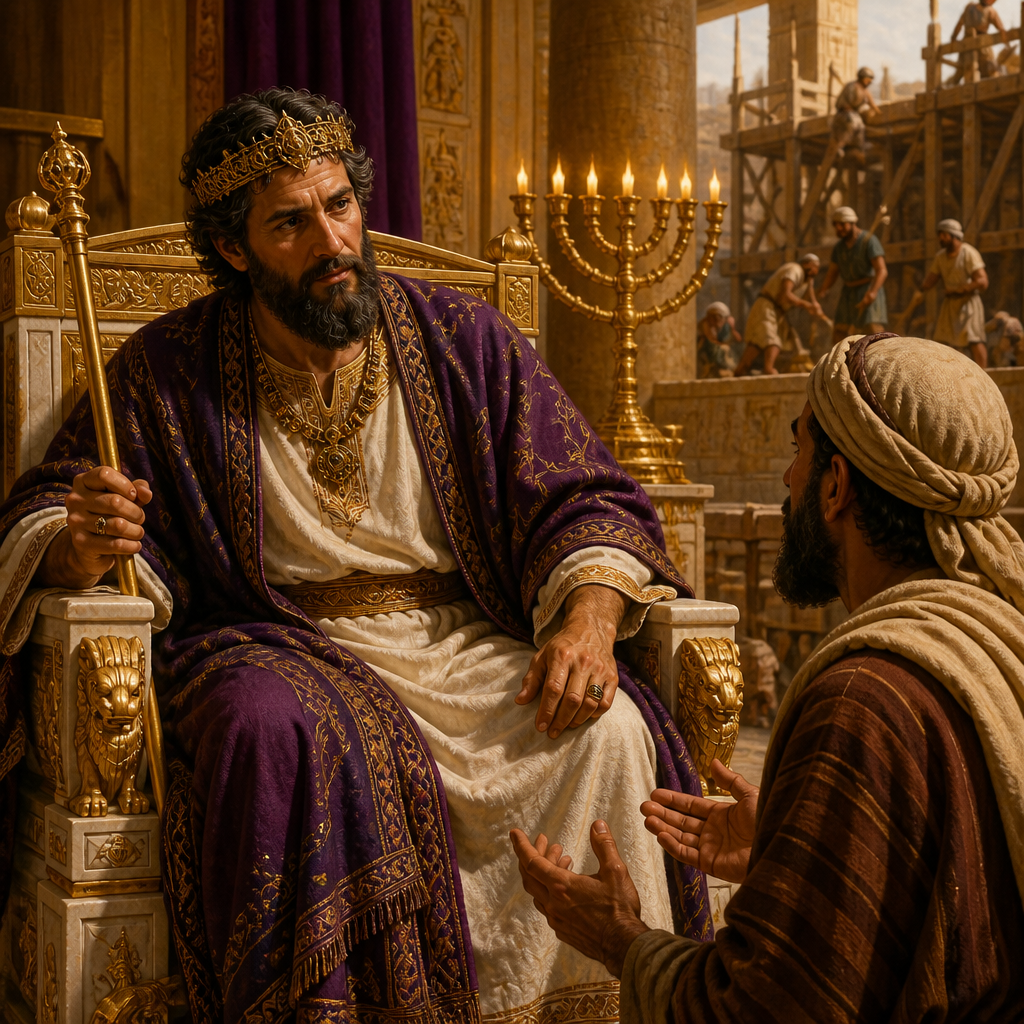
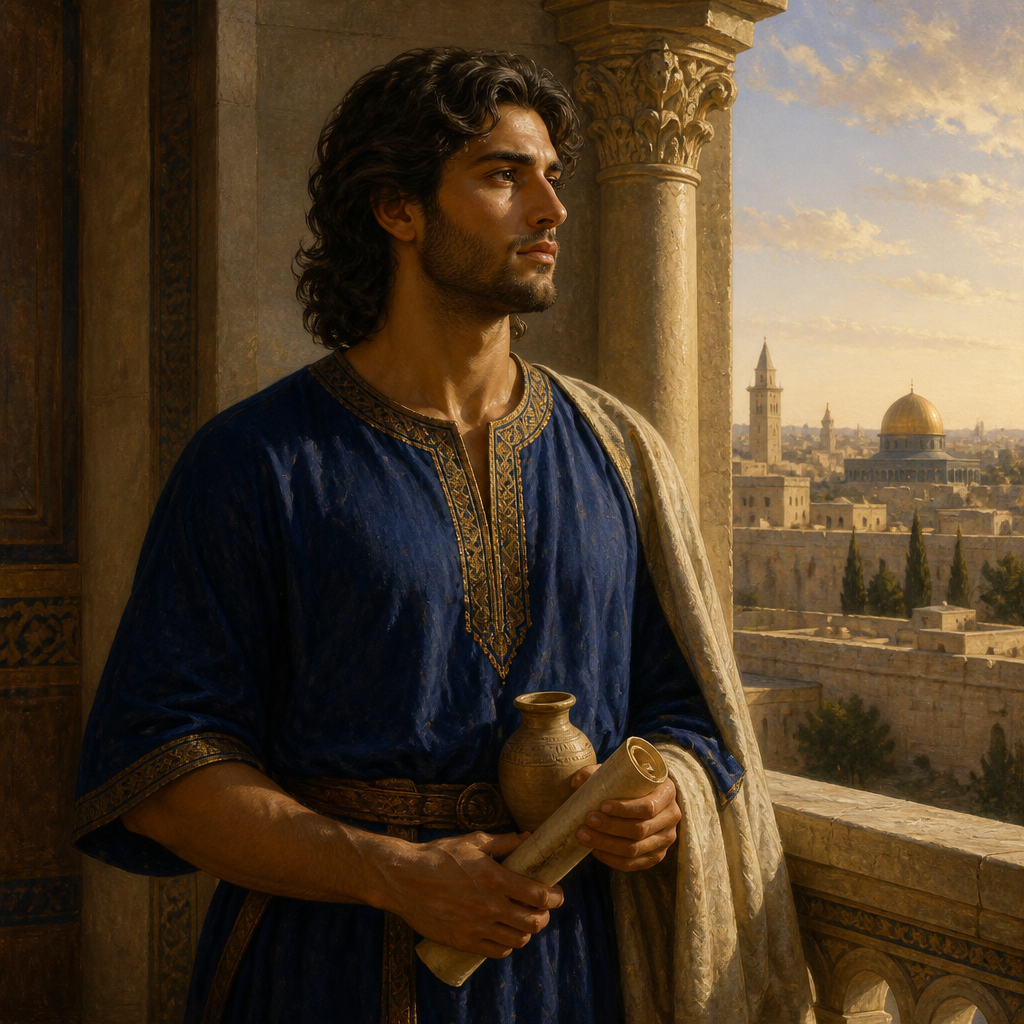
Eliada was a prince of Israel during the United Monarchy, specifically one of the younger sons of King David born after the king had established his throne in Jerusalem. His name, of Hebrew origin, is traditionally interpreted to mean "God knows" or "God has known," reflecting a common theophoric naming convention in the Davidic line. Although his personal life and specific deeds are not detailed in the biblical narrative, his inclusion in the royal genealogies serves as a testament to the expansion and solidification of David’s house during a period of significant national growth.
Eliada appears in the official registers of David's children recorded in the books of 2 Samuel and 1 Chronicles. While he was not the heir to the throne, his status as a son of the king born in the capital city distinguishes him from David’s earlier children born in Hebron. His presence in the biblical text is primarily genealogical, anchoring the historical reality of the Davidic dynasty.
Background and Family
Eliada was born in Jerusalem during the height of the United Monarchy, a time when King David had successfully united the tribes of Israel and moved the capital from Hebron to the strategic stronghold of Jerusalem. According to 2 Samuel 5:13-16, after David moved to Jerusalem, he took more concubines and wives, resulting in the birth of several more sons and daughters. Eliada is listed among these children.
He was the sibling of several prominent biblical figures, including Solomon, who would eventually succeed David as king, and Nathan, through whom the messianic line is traced in the Gospel of Luke. Other siblings listed in the same grouping include Elishama and Eliphelet. His mother is not named individually but is categorized among the "wives of Jerusalem" who joined David’s household after his ascension to the throne of all Israel.
Major Life Events
The biblical record for Eliada is strictly genealogical. He appears in three specific passages that catalog David's descendants. In 2 Samuel 5:16 and 1 Chronicles 3:8, he is explicitly named as Eliada. However, in 1 Chronicles 14:7, the name appears as "Beeliada." Scholars generally agree that these refer to the same individual. The variation "Beeliada" (meaning "Baal knows" or "The Lord knows") likely reflects an older naming tradition where "Baal" was used as a generic title for "Lord" before it became exclusively associated with the Canaanite deity. As the name Baal became synonymous with idolatry, the name was likely edited in other records to "Eliada" to replace the problematic element with "El" (God).
Beyond these listings, there are no recorded military exploits, political involvements, or personal anecdotes associated with Eliada. He lived during a transitional era where the tribal confederacy of Israel was becoming a centralized Mediterranean power.
Relationship to Other Biblical Figures
Eliada occupied a middle-to-lower position in the birth order of David's Jerusalem-born sons. He was a half-brother to the eldest sons of David, such as Amnon, Absalom, and Adonijah. Unlike his older half-brothers who were embroiled in the violent succession crises that plagued David's later years, Eliada is never mentioned as a participant in the rebellions of Absalom or Adonijah. This silence suggests that he either died young, remained loyal to the crown, or occupied a private role within the royal court that did not intersect with the political turmoil of the era.
Spiritual Significance
While Eliada is a minor figure in terms of narrative action, his inclusion in the Word of God carries significance regarding the fulfillment of the Davidic Covenant. In 2 Samuel 7, God promised David that his house and kingdom would endure forever. The detailed preservation of the names of David’s sons, including Eliada, serves as historical evidence of the proliferation of David’s line. For the original readers of Chronicles—exiles returning to a devastated Jerusalem—these lists were a reminder of the former glory of the United Monarchy and the enduring nature of God’s promise to the house of David.
Spiritual Significance
Eliada's significance lies in his role as a witness to the historical expansion of the Davidic dynasty. As a son born in Jerusalem, he represents the transition of the monarchy from a nomadic or localized leadership to an established urban throne. The variation of his name (Eliada vs. Beeliada) also provides linguistic insight into the shifting religious vocabulary of ancient Israel as they sought to distinguish their worship of Yahweh from surrounding pagan influences.
Theologically, he belongs to the lineage that ancient Israelites looked toward as the source of the promised Messiah. Though he was not the direct ancestor of Jesus in the primary royal line, his existence reinforces the legitimacy and reality of David’s household as a large, multifaceted royal family that existed in space and time, rather than in myth.
Frequently Asked Questions
Who was Eliada's father?
Eliada was the son of King David, the second king of the United Monarchy of Israel.
Was Eliada born in Hebron or Jerusalem?
Eliada was born in Jerusalem, as he is specifically listed among the children David had after moving his capital from Hebron.
Is Eliada and Beeliada the same person?
Yes, biblical scholars identify Eliada (2 Samuel 5:16) and Beeliada (1 Chronicles 14:7) as the same person, with the name likely changed to avoid association with the pagan god Baal.
Did Eliada ever become king?
No, Eliada did not become king. His half-brother Solomon succeeded their father David.
What tribe did Eliada belong to?
As a member of the house of David, Eliada belonged to the Tribe of Judah.
Connected Figures


Categories
Mentions by Book
- 1 Chronicles2
- 2 Samuel1
Family & Relationships
Sibling
2 Samuel 5:16
Sibling
2 Samuel 5:16
Sibling
2 Samuel 5:16
Sibling
2 Samuel 5:16
Sibling
2 Samuel 5:16
Sibling
2 Samuel 5:16
Sibling
2 Samuel 5:16
Sibling
2 Samuel 5:16
Sibling
2 Samuel 5:16
Sibling
2 Samuel 5:16
Sibling
2 Samuel 5:16
Sibling
2 Samuel 5:16
Sibling
2 Samuel 5:16
Sibling
2 Samuel 5:16
Sibling
2 Samuel 5:16
Sibling
2 Samuel 5:16
Sibling
2 Samuel 5:16
Sibling
2 Samuel 5:16
Sibling
2 Samuel 5:16
Sibling
2 Samuel 5:16
Sibling
2 Samuel 3:3
Sibling
2 Samuel 3:4
Sibling
2 Samuel 3:2
Sibling
2 Samuel 3:3
Parent
Ruth 4:17
Parent
2 Samuel 5:13
Sibling
2 Samuel 5:16
Sibling
2 Samuel 5:16
Sibling
2 Samuel 5:15
Sibling
1 Chronicles 3:6
Sibling
2 Samuel 5:15
Sibling
2 Samuel 3:5
Sibling
2 Samuel 5:15
Sibling
2 Chronicles 11:18
Sibling
2 Samuel 5:14
Sibling
2 Samuel 5:15
Sibling
1 Chronicles 3:7
Sibling
2 Samuel 5:14
Sibling
2 Samuel 3:4
Sibling
2 Samuel 5:14
Sibling
2 Samuel 5:14
Sibling
2 Samuel 13:1
Others Named Eliada
Eliada, Commander of the Divided Monarchy2 Chronicles 17:17
A high-ranking Benjamite military commander who led a force of 200,000 archers under King Jehoshaphat of Judah.
Eliada, Father of Rezon1 Kings 11:23
Eliada was a man during the United Monarchy whose son, Rezon, became a prominent adversary to King Solomon.