Pharaoh, Oppressor of the Israelites
The Egyptian monarch who enslaved the Israelites, ordered the infanticide of Hebrew male infants, and unsuccessfully sought to execute Moses.
The figure known simply as Pharaoh in the early chapters of Exodus represents the height of Egyptian imperial power during the era of Israelite bondage. Unlike later monarchs who entered into treaties or faced the plagues of the Exodus, this specific Pharaoh is defined by his domestic policies of oppression and systemic genocide. His reign is characterized by the construction of the store cities Pithom and Rameses, built through the forced labor of the Hebrew people.
Historically and biblically, this Pharaoh serves as the catalyst for the early life of Moses. By issuing an edict to drown Hebrew boys in the Nile, he unwittingly set the stage for his own daughter to rescue and adopt the very man who would eventually challenge the Egyptian throne. His character is portrayed as a suspicious and ruthless ruler who viewed the growing Israelite population as a national security threat, leading him to implement increasingly harsh measures of control.
Background and Family
The biblical record identifies this Pharaoh as a ruler of Egypt who rose to power after the generation of Joseph had passed away. His primary concern was the demographic shift within his borders, fearing that the Israelites would outnumber the Egyptians and potentially join foreign enemies in a time of war. Though his personal name is not provided in the text of Exodus, his household included at least one prominent member: his daughter.
This daughter of Pharaoh plays a pivotal role in the preservation of the Hebrew people. While her father ordered the death of all male Hebrew infants, she exhibited a contrasting compassion. According to Exodus 2, she discovered a Hebrew infant in a basket among the reeds of the Nile while bathing. Despite recognizing the child as one of the Hebrews—and therefore subject to her father's death decree—she adopted him into the royal household. This created a complex family dynamic where Moses, a Hebrew, was raised as the grandson of the man who sought to destroy his people.
Major Life Events
The Policy of Oppression
The reign of this Pharaoh began with a strategic shift in Egyptian policy toward the resident Hebrew population. He appointed taskmasters to afflict them with heavy burdens, transforming a once-favored guest population into a permanent underclass of state slaves. The biblical text notes that under his direction, the Israelites were forced to build the supply cities of Pithom and Rameses. When labor alone failed to curb the population growth, Pharaoh turned to more direct methods of population control.
The Decree of Infanticide
Pharaoh first attempted to co-opt the Hebrew midwives, Shiphrah and Puah, commanding them to kill male children at birth. When the midwives feared God and disobeyed him, Pharaoh issued a general command to all his people: "Every son born to the Hebrews you must throw into the Nile, but every daughter you may allow to live" (Exodus 1:22). This decree highlights the absolute and terrifying authority he exercised over both the Egyptian citizenry and the enslaved Hebrews.
The Conflict with Moses
After Moses grew to adulthood within the palace, he witnessed an Egyptian taskmaster beating a Hebrew and killed the Egyptian. When Pharaoh learned of this act, he sought to execute Moses. This marked the final break between the house of Pharaoh and the future liberator of Israel. Fearing the king's wrath, Moses fled from Pharaoh's jurisdiction into the land of Midian, remaining there until this particular Pharaoh died (Exodus 2:15, 2:23).
Relationship to Other Biblical Figures
This Pharaoh's primary relationships are defined by conflict and irony. His relationship with his daughter is one of unintended subversion; she used the resources of his own palace to protect the very child he wished to kill. His relationship with Moses was initially one of adoptive grandfather or guardian, but it soured into a legal pursuit of capital punishment. In the New Testament, the author of Hebrews highlights this relationship by noting that Moses eventually "refused to be called the son of Pharaoh’s daughter," choosing instead to suffer with his people than to enjoy the "passing pleasures of sin" in Pharaoh’s court (Hebrews 11:24-25).
Spiritual Significance
Theologically, this Pharaoh represents the archetypal worldly power that stands in opposition to the purposes of God. He is the first to systematically attempt the total destruction of the chosen people, making him a figure of profound enmity in the redemptive narrative. His failure to control the situation—symbolized by his own daughter undermining his edict—serves as a biblical motif of God’s sovereignty over even the most powerful earthly rulers. The Nile, which he intended to be a place of death for Hebrew boys, became the very place where the deliverer was safely found, demonstrating that human decrees cannot thwart divine providence.
Spiritual Significance
This Pharaoh is theologically significant as the architect of the first systematic persecution of the Israelites. His decrees of forced labor and infanticide set the stage for the narrative of the Exodus, establishing the 'house of bondage' from which God would eventually redeem His people. He represents the hardening of human authority against divine will, serving as a foil to the faithfulness of figures like the midwives and the daughter of Pharaoh.
In the New Testament, this Pharaoh's era is cited as a time of testing for Moses. Acts 7 and Hebrews 11 use the context of Pharaoh’s court to emphasize Moses’ choice to identify with the oppressed rather than the oppressor. The king’s pursuit of Moses into Midian is the final act of this specific ruler’s biography, signifying the total separation between the worldly power of Egypt and the burgeoning identity of the people of God.
Frequently Asked Questions
Which cities did the Israelites build for this Pharaoh?
The Israelites were forced to build the store cities (or supply cities) of Pithom and Rameses using forced labor.
What was Pharaoh's decree regarding Hebrew children?
He commanded that every Hebrew boy born must be thrown into the Nile River, while girls were allowed to live.
How did Pharaoh react when Moses killed an Egyptian?
When Pharaoh heard that Moses had killed an Egyptian taskmaster who was beating a Hebrew, he sought to have Moses killed, forcing Moses to flee to Midian.
Did this Pharaoh know Joseph?
No. Exodus 1:8 states that a 'new king arose over Egypt, who did not know Joseph,' marking the end of the favorable treatment the Israelites had previously enjoyed.
Who in Pharaoh's own family helped Moses?
Pharaoh's daughter found Moses in the Nile, took pity on him, and raised him as her own son in the royal palace.
Connected Figures
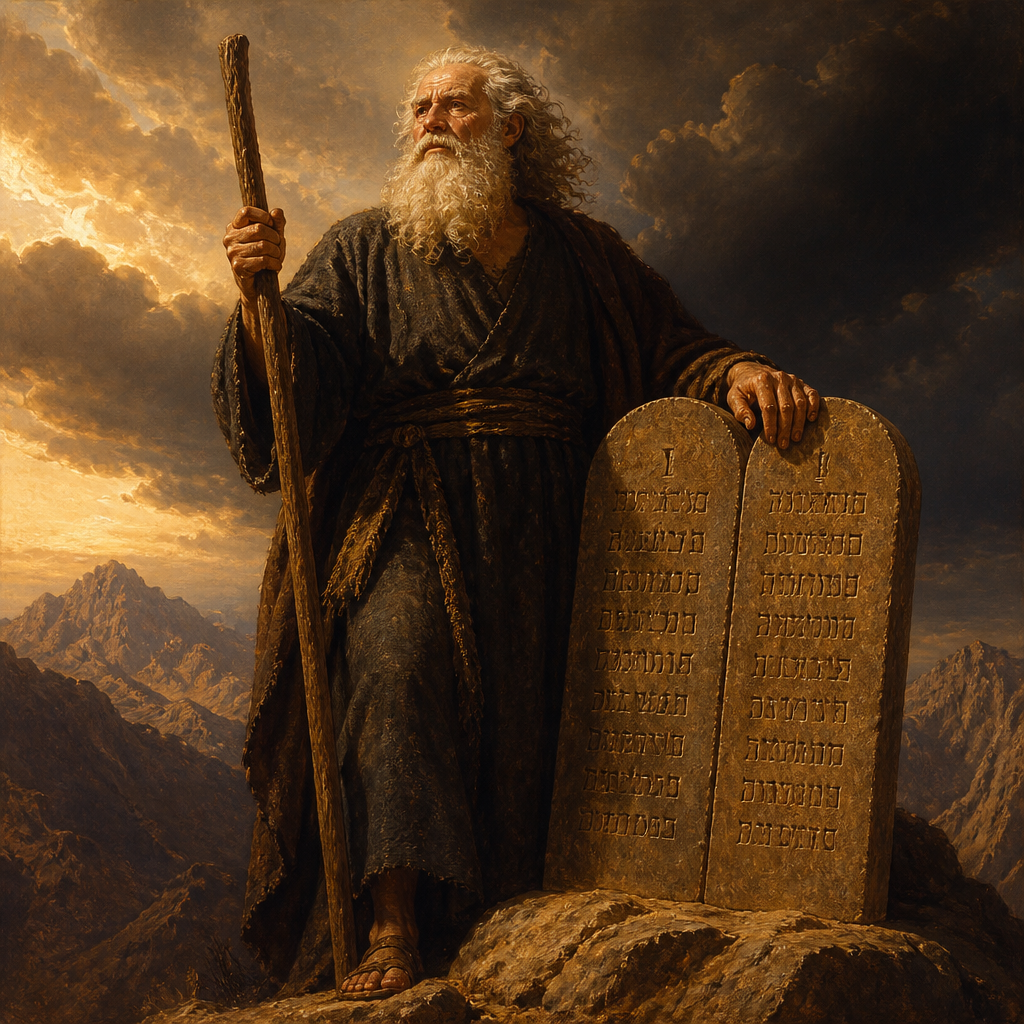
Moses
Adoptive grandson and target of his execution order
Daughter of Pharaoh
Daughter
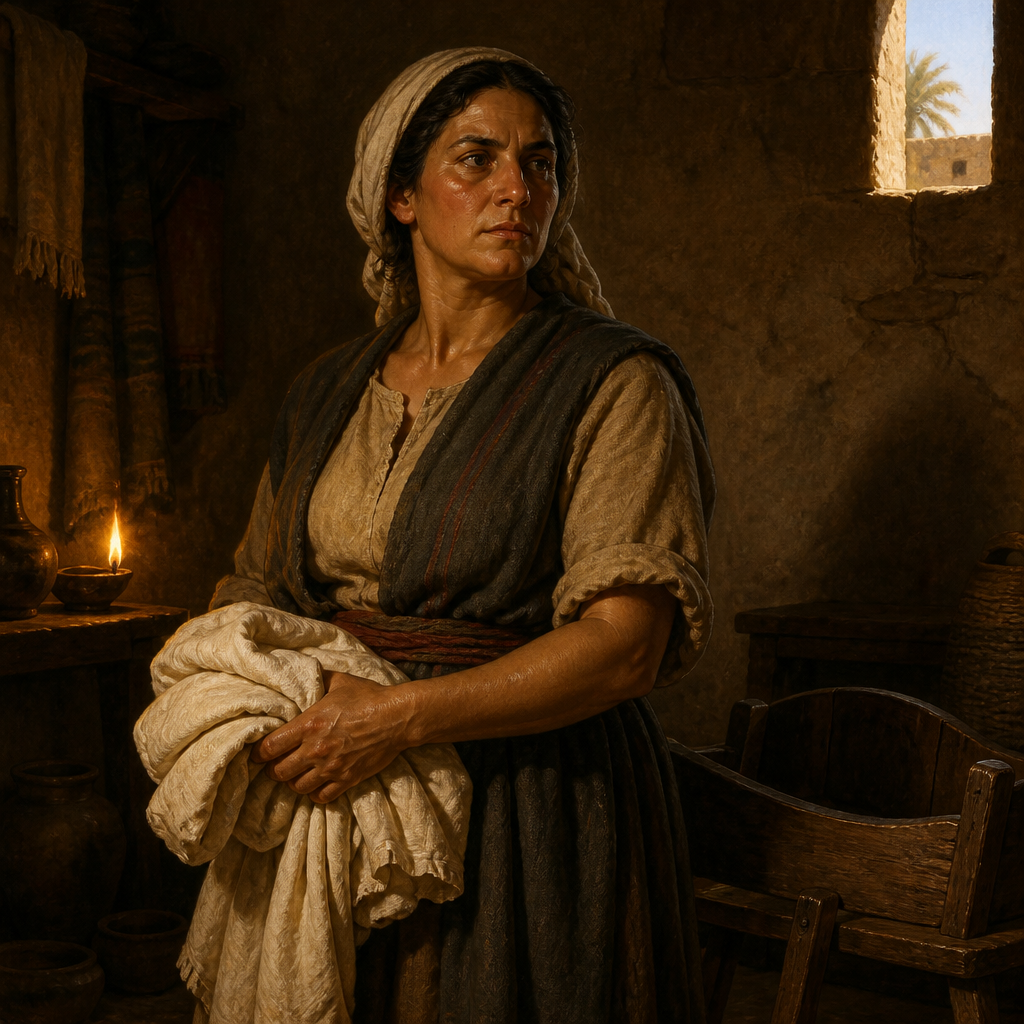
Shiphrah
Midwife who defied his command
Puah
Midwife who defied his command
Categories
Mentions by Book
- Exodus9
- Acts1
- Hebrews1
Family & Relationships
Child
Daughter of Pharaoh, Rescuer of Moses
Exodus 1:11
Others Named Pharaoh
Pharaoh, Father-in-law of Solomon1 Kings 3:1
An Egyptian monarch of the 21st Dynasty who forged a strategic political alliance with King Solomon through marriage and the conquest of Gezer.
Pharaoh, Contemporary of AbramGenesis 12:15
An Egyptian monarch during the Patriarchal Period who briefly took Sarai into his palace before being afflicted by divine plagues.
Pharaoh, Father of Bithiah1 Chronicles 4:18
An Egyptian monarch of the Divided Monarchy whose daughter, Bithiah, married Mered of the tribe of Judah.
Pharaoh, Subject of Divine JudgmentJeremiah 25:19
An Egyptian monarch during the Divided Monarchy named by the prophet Jeremiah as a recipient of the cup of God's wrath among the nations.
Pharaoh, unreliable ally of Hezekiah2 Kings 18:21
An Egyptian monarch during the Divided Monarchy whom Judah mistakenly trusted for military protection against the Assyrian Empire.
Pharaoh, Patron of JosephGenesis 37:36
The Egyptian monarch who elevated Joseph from a dungeon to the second-highest office in the land after receiving divine warnings through dreams of a coming famine.
Pharaoh, King of the ExodusExodus 3:10
The stubborn monarch of Egypt who resisted the divine command to release the Israelites, ultimately succumbing after ten plagues and the destruction of his army.