Daughter of Pharaoh, Rescuer of Moses
An Egyptian princess who discovered the infant Moses in the Nile and took him as her own, altering the course of Israelite history.
The daughter of Pharaoh is an unnamed royal figure in the book of Exodus who plays a pivotal role in the preservation of the life of Moses. During a period of intense persecution against the Hebrew people, she discovered a reed basket containing an infant while she was bathing in the Nile River. Despite the decree of her father, the Pharaoh, that all male Hebrew children be cast into the river, she chose to act with compassion and intervention.
Her brief appearance in the biblical narrative is confined to a single verse describing her discovery of the child. However, her actions are foundational to the Exodus account, as she provided the legal and social protection necessary for Moses to be raised within the Egyptian court. By sending her maidservant to retrieve the basket, she effectively subverted the genocidal policies of the Egyptian state.
Background and Family
The biblical text identifies this woman solely by her title and her relationship to the sovereign of Egypt, the "Oppressor of the Israelites." She is introduced in Exodus 2:5 as the daughter of Pharaoh. While the Bible does not provide her personal name or specify which Pharaoh she was related to, she is clearly a woman of significant status and authority. The text notes she was accompanied by a retinue of attendants and a specific maidservant, indicating her high station within the royal household during the era of the Egyptian Sojourn.
Major Life Events
The primary event recorded in the life of this individual occurs at the banks of the Nile. According to Exodus 2:5, she went down to the river to bathe while her attendants walked along the riverbank. Upon noticing a basket hidden among the reeds, she directed her maidservant to retrieve it. This singular act of curiosity and command led to the discovery of the infant Moses.
Soon the daughter of Pharaoh went down to bathe in the Nile, and her attendants were walking along the riverbank. And when she saw the basket among the reeds, she sent her maidservant to retrieve it. (Exodus 2:5)
Although the specific verse provided in the grounding data focuses on the moment of discovery, the narrative context implies a conscious choice to spare the child. By bringing the child into her sphere of influence, she provided him with the education and status of an Egyptian prince, which would later serve him during his confrontations with the royal court.
Relationship to Other Biblical Figures
Her most significant relationship is to her father, the Pharaoh, whose identity is synonymous with the oppression of the Hebrew tribes. Her actions stand in direct contrast to his commands. Through her discovery of the basket, she also enters into an unspoken partnership with Moses' biological family—his mother Jochebed and sister Miriam—who had placed the child in the river in a desperate bid for his survival.
Spiritual Significance
In the broader theological context of the Exodus, the daughter of Pharaoh represents divine providence operating through unlikely channels. As a member of the house of the oppressor, she becomes the instrument of the oppressor's eventual defeat by preserving the life of the future deliverer of Israel. Her presence in the text highlights the theme of God utilizing individuals from outside the covenant community to fulfill His purposes. Her compassion serves as the catalyst for the transition from the period of Israelite slavery toward the eventual liberation in the Wilderness.
Spiritual Significance
The daughter of Pharaoh is theologically significant as she represents the first instance of royal Egyptian intervention on behalf of the Israelites. Her refusal to ignore the child in the reeds demonstrates a moral autonomy that transcended the decrees of her father's regime. In the economy of the Exodus story, she is the human shield that protects the promise of Israel's redemption from early extinction.
Furthermore, her role establishes the irony that often characterizes biblical narratives: the very house that sought to destroy the Hebrews was the house that fed, clothed, and educated their greatest leader. Without her brief but decisive action at the riverbank, the human lineage of the Exodus leadership would have been severed.
Frequently Asked Questions
What was the name of the daughter of Pharaoh who found Moses?
The Bible does not provide a specific name for this woman, referring to her only by her title, 'daughter of Pharaoh,' in Exodus 2:5.
Did she know the baby was a Hebrew?
The biblical context suggests she recognized the child was one of the Hebrews, yet she chose to intervene and save him regardless of her father's decree.
What happened to her after she found Moses?
The biblical record in Exodus 2:5 concludes her specific mention at the moment she retrieves the basket; no further details regarding her life are provided in the text.
Who was her father?
She was the daughter of the Pharaoh who was the oppressor of the Israelites during their time in Egypt.
Connected Figures
Pharaoh
Father
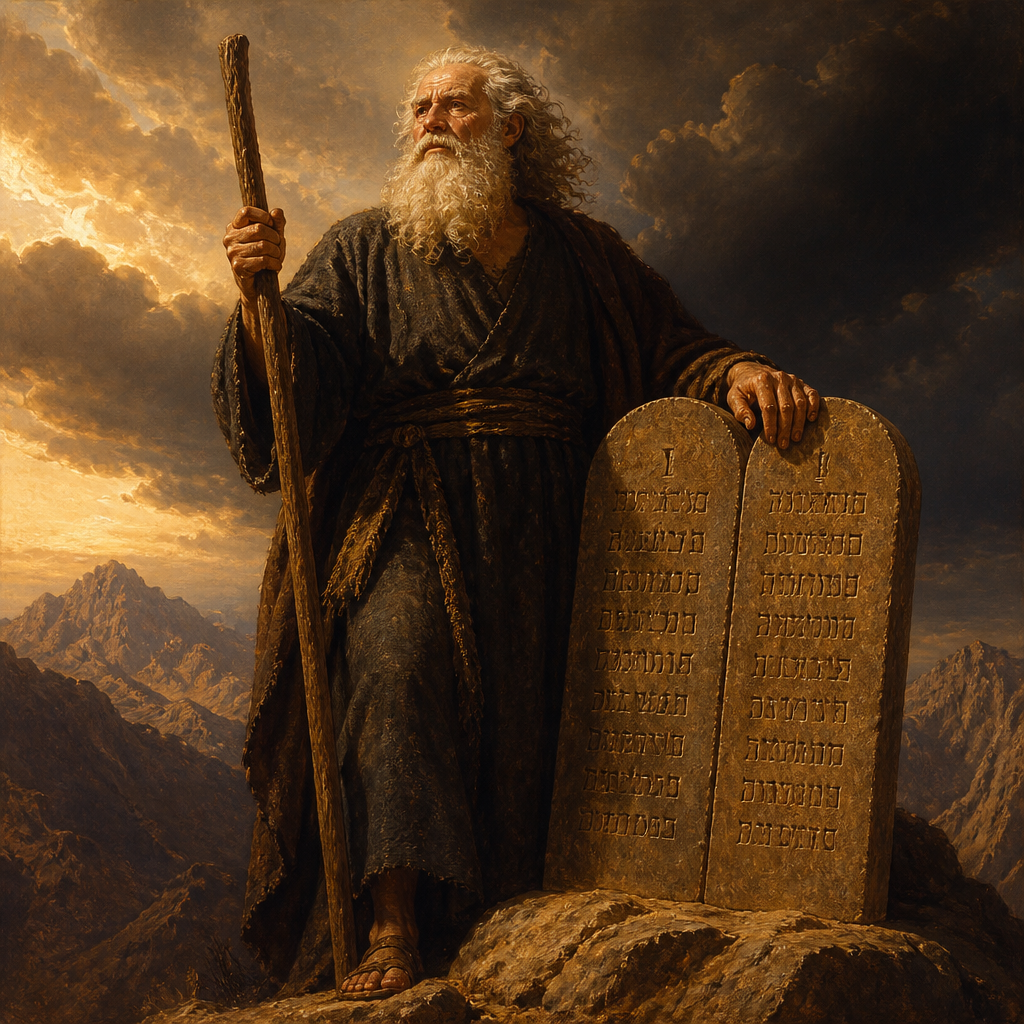
Moses
Adopted Son
Categories
Mentions by Book
- Exodus1
Family & Relationships
Parent
Pharaoh, Oppressor of the Israelites
Exodus 1:11
Others Named Daughter of Pharaoh
Daughter of Pharaoh, Wife of Solomon1 Kings 3:1
An Egyptian princess whose marriage to King Solomon formalized a strategic political alliance between Egypt and the United Monarchy of Israel.