Pharaoh, unreliable ally of Hezekiah
An Egyptian monarch during the Divided Monarchy whom Judah mistakenly trusted for military protection against the Assyrian Empire.
This Pharaoh, reigning during the late 8th century BC, appears in the biblical narrative as a central figure in the geopolitical crisis facing the Kingdom of Judah under King Hezekiah. During this era of the Divided Monarchy, the burgeoning Neo-Assyrian Empire threatened the sovereignty of smaller Levantine states. Pharaoh is characterized not by his own direct actions or recorded lineage, but by his role as a failed security guarantor for Judah.
The biblical record focuses on the diplomatic and spiritual consequences of Judah seeking an alliance with this Egyptian king. Rather than seeking divine counsel, the leadership in Jerusalem looked toward Egypt’s military prestige. Through the eyes of the prophets and the taunts of foreign enemies, this Pharaoh is presented as a symbol of worldly futility and a 'splintered reed' that offers no true support.
Background and Context
During the era of the Divided Monarchy, specifically the reign of King Hezekiah (c. 715–686 BC), the political landscape was dominated by the westward expansion of Assyria. The biblical text identifies Pharaoh as the ruler of Egypt to whom the Judeans looked for relief. In 2 Kings 18, the Assyrian Rabshakeh, a high-ranking official under Sennacherib, mocks Hezekiah’s reliance on Egyptian military aid. This Pharaoh represents the 25th (Nubian) or late 24th Dynasty, though the specific individual is not named in these particular passages.
The Failed Alliance
The primary biblical mention of this Pharaoh concerns his status as an unreliable ally. The Assyrian messenger delivers a biting critique of Egyptian military reliability, which the biblical authors preserve as a testament to the folly of trusting in secular powers over God:
"Look now, you are trusting in Egypt, that splintered reed of a staff that will pierce the hand of anyone who leans on it. Such is Pharaoh king of Egypt to all who trust in him." (2 Kings 18:21; Isaiah 36:6)
This metaphor suggests that this Pharaoh was not merely weak, but actively harmful to those who leaned upon his promises. The image of the reed piercing the hand indicates that an alliance with this monarch would result in self-inflicted injury rather than salvation from the Assyrian threat.
The Prophetic Critique in Isaiah
The prophet Isaiah provides further detail regarding the internal state of Pharaoh’s court. In Isaiah 19, the prophet describes the "princes of Zoan" and the "wise counselors" of Pharaoh as fools who offer senseless advice. This suggests a period of Egyptian instability or intellectual decay, where the leadership was unable to provide the strategic help Judah required.
Furthermore, Isaiah 30 records the divine displeasure with Judah's emissaries who "set out to go down to Egypt without asking My advice, to seek shelter under Pharaoh’s protection." The text explicitly warns that this Pharaoh’s protection would result in "shame" and "disgrace" for the people of Judah. The reliance on Pharaoh's "shade" was a spiritual betrayal of the covenant, as the people traded the shadow of the Almighty for the fleeting shadow of a foreign king.
Relationship to Other Biblical Figures
While the text does not record personal interactions between Pharaoh and Hezekiah, his influence on Hezekiah’s foreign policy is the central point of tension. The Rabshakeh uses Pharaoh's reputation as a rhetorical weapon to demoralize the defenders of Jerusalem. Unlike the Egyptian rulers who interacted with the patriarchs, this Pharaoh is a distant, political entity who fails to mobilize effectively on Judah's behalf during the Assyrian siege of Jerusalem.
Spiritual Significance
Theologically, this Pharaoh serves as a personification of 'the arm of flesh.' His presence in the narrative highlights the recurring temptation for the people of God to seek security in political alliances and military technology (represented by Egypt’s horses and chariots) rather than in their covenant relationship with Yahweh. The consistent prophetic labeling of Pharaoh as a 'splintered reed' serves as a warning against trusting in human institutions that appear strong but are fundamentally fragile.
Historically, these passages reflect the specific geopolitical tensions of the late 8th century BC. Pharaoh’s failure to protect Judah reinforced the message that Jerusalem's survival was a result of divine intervention rather than Egyptian diplomacy, a theme that reaches its climax when the Assyrian army is miraculously defeated without Egyptian help.
Frequently Asked Questions
Which Pharaoh is mentioned in 2 Kings 18?
While the Bible only calls him 'Pharaoh king of Egypt,' historical context suggests he was a ruler of the 25th Dynasty, likely Tirhakah (Taharqa) or his predecessor, whom Hezekiah hoped would help against Assyria.
Why is Pharaoh called a 'splintered reed'?
This was an Assyrian insult adopted into the biblical record to describe Pharaoh's inability to support his allies. Just as a dry reed breaks and cuts the hand of one who leans on it, Pharaoh's military support was expected to fail and cause harm to Judah.
What was the 'counsel' Pharaoh's advisors gave?
According to Isaiah 19:11, Pharaoh's wise counselors gave 'senseless advice.' The Bible portrays them as being spiritually blinded by God, making their strategic wisdom useless against the Assyrian threat.
Did Pharaoh actually help Judah during the Assyrian invasion?
The biblical account emphasizes that the protection Judah sought from Pharaoh resulted in shame and disgrace (Isaiah 30:3), indicating that Egyptian aid was either non-existent or completely ineffective.
Connected Figures
Hezekiah
King of Judah who sought Pharaoh's protection
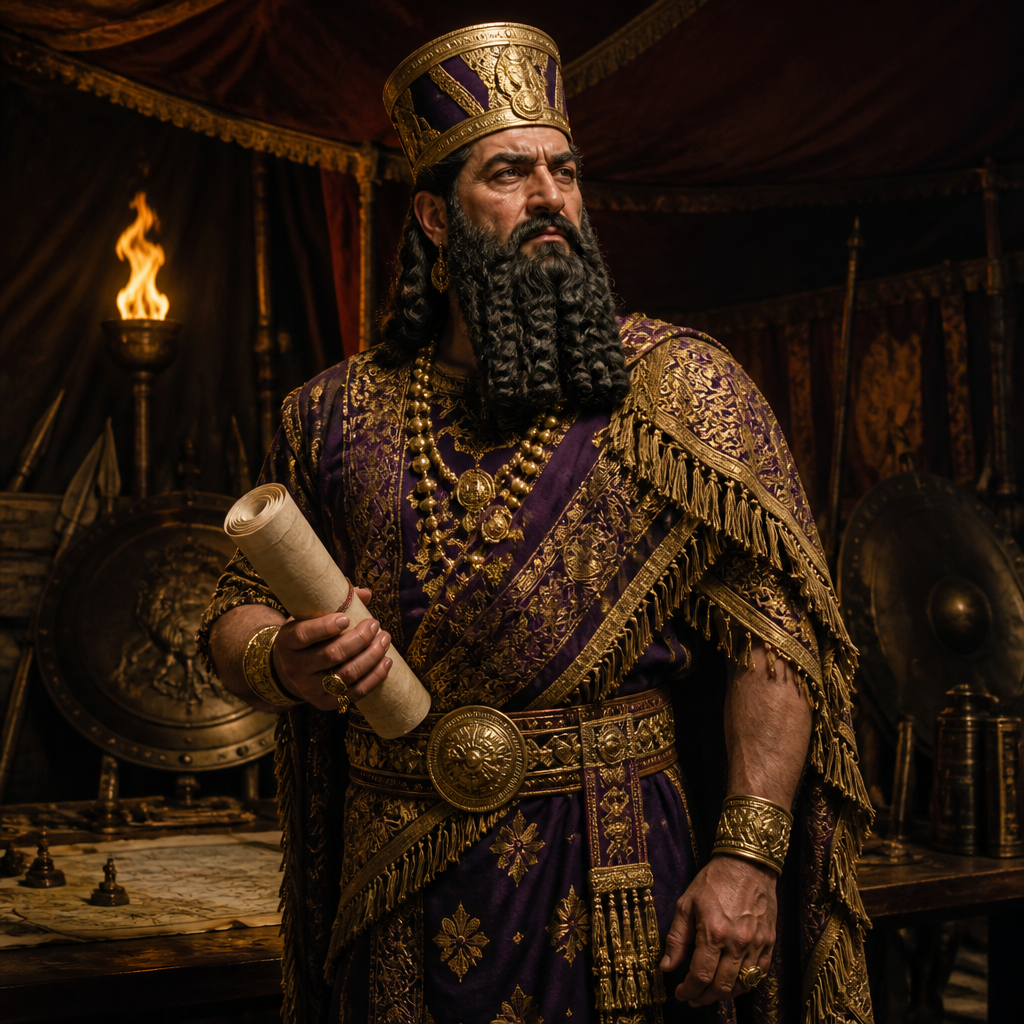
Sennacherib
Assyrian King who mocked the alliance with Pharaoh
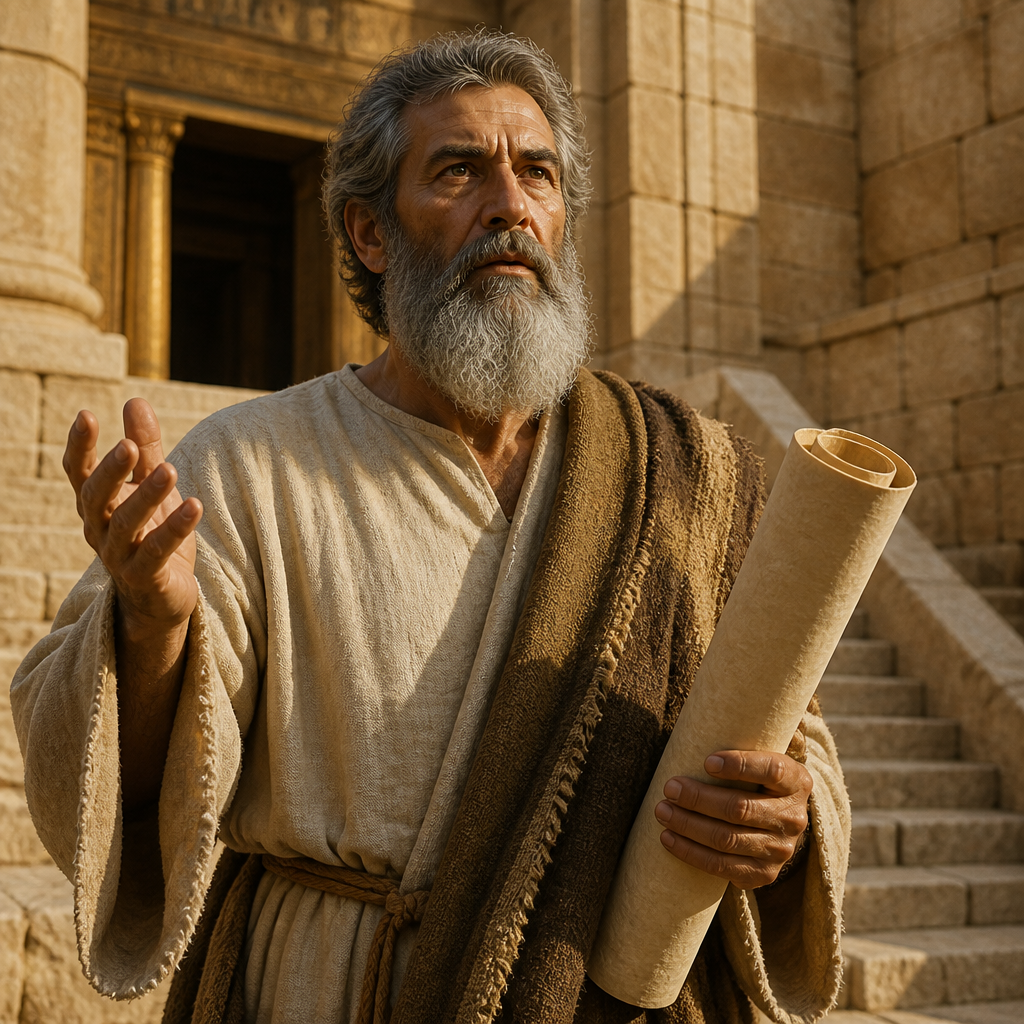
Isaiah
Prophet who warned against trusting Pharaoh
Categories
Mentions by Book
- Isaiah4
- 2 Kings1
Others Named Pharaoh
Pharaoh, Father-in-law of Solomon1 Kings 3:1
An Egyptian monarch of the 21st Dynasty who forged a strategic political alliance with King Solomon through marriage and the conquest of Gezer.
Pharaoh, Oppressor of the IsraelitesExodus 1:11
The Egyptian monarch who enslaved the Israelites, ordered the infanticide of Hebrew male infants, and unsuccessfully sought to execute Moses.
Pharaoh, Contemporary of AbramGenesis 12:15
An Egyptian monarch during the Patriarchal Period who briefly took Sarai into his palace before being afflicted by divine plagues.
Pharaoh, Father of Bithiah1 Chronicles 4:18
An Egyptian monarch of the Divided Monarchy whose daughter, Bithiah, married Mered of the tribe of Judah.
Pharaoh, Subject of Divine JudgmentJeremiah 25:19
An Egyptian monarch during the Divided Monarchy named by the prophet Jeremiah as a recipient of the cup of God's wrath among the nations.
Pharaoh, Patron of JosephGenesis 37:36
The Egyptian monarch who elevated Joseph from a dungeon to the second-highest office in the land after receiving divine warnings through dreams of a coming famine.
Pharaoh, King of the ExodusExodus 3:10
The stubborn monarch of Egypt who resisted the divine command to release the Israelites, ultimately succumbing after ten plagues and the destruction of his army.