Pharaoh, Patron of Joseph
The Egyptian monarch who elevated Joseph from a dungeon to the second-highest office in the land after receiving divine warnings through dreams of a coming famine.
This Pharaoh is a pivotal figure in the late Patriarchal Period, serving as the sovereign who facilitated the preservation of the nascent nation of Israel during a catastrophic regional famine. Unlike other Egyptian rulers mentioned in the biblical text, this Pharaoh is characterized by his openness to divine revelation, his wisdom in administration, and his profound generosity toward the family of Jacob. His reign marks the transition of the Hebrew patriarchs from nomadic shepherds in Canaan to settled residents in the Egyptian district of Goshen.
His interactions with Joseph, the son of Jacob, are defined by mutual respect and a recognition of the 'Spirit of God' (Genesis 41:38). By delegating near-absolute authority to Joseph, this Pharaoh not only saved Egypt from economic and social collapse but also provided the geographical and political sanctuary necessary for the descendants of Abraham to multiply into a great nation, as had been promised in the Abrahamic covenant.
Background and Royal Court
The biblical account of this Pharaoh begins during the late life of the patriarch Jacob. At the start of the narrative, Pharaoh is depicted as the head of a sophisticated bureaucratic state. His court included high-ranking officials such as Potiphar, the captain of the guard, as well as a chief cupbearer and a chief baker (Genesis 40:2). The presence of these specific roles suggests a highly structured domestic and political environment. Pharaoh’s authority was absolute; he possessed the power of life and death over his servants, demonstrated when he executed his chief baker while restoring his cupbearer during a royal birthday celebration (Genesis 40:20-22).
The Divine Dreams and Joseph’s Elevation
The central event of this Pharaoh’s life in the biblical record is a series of two troubling dreams. In the first, seven sickly cows devoured seven sleek cows by the Nile; in the second, seven thin heads of grain swallowed seven plump ones. When the magicians and wise men of Egypt failed to interpret these visions, the restored cupbearer remembered Joseph, who was then languishing in Pharaoh's prison.
Upon summoning Joseph, Pharaoh displayed a rare humility for a contemporary monarch. When Joseph insisted that God, not himself, would provide the interpretation, Pharaoh listened attentively. Joseph revealed that the dreams were a singular warning from God: seven years of unprecedented abundance would be followed by seven years of severe famine. Impressed by Joseph’s discernment and the 'Spirit of God' within him, Pharaoh performed a formal investiture. He gave Joseph his own signet ring, clothed him in fine linen and gold, and renamed him Zaphenath-paneah (Genesis 41:42-45). By decreeing that no one in Egypt could 'lift his hand or foot' without Joseph’s permission, Pharaoh effectively made Joseph the vizier of the empire.
The Famine and the House of Israel
As the predicted famine gripped the ancient Near East, Pharaoh’s trust in Joseph was absolute. When the Egyptian populace cried out for food, Pharaoh directed them: "Go to Joseph and do whatever he tells you" (Genesis 41:55). This administrative delegation allowed Joseph to implement a centralized grain-storage system that eventually led to Pharaoh acquiring all the land of Egypt, as the citizens sold their property and themselves into service in exchange for food (Genesis 47:20). Notably, Pharaoh maintained the social order by exempting the priests from this land acquisition, providing them with a direct ration.
When Joseph’s brothers arrived in Egypt, Pharaoh showed extraordinary hospitality. Upon learning of Joseph’s lineage, he personally invited the entire household of Jacob to settle in Egypt, promising them the "best of the land" (Genesis 45:18). He provided the royal wagons that transported the elderly Jacob and the children from Canaan to Egypt.
The Meeting with Jacob
A unique moment in the Patriarchal narrative occurs when Joseph presents his father, Jacob, to Pharaoh. In a reversal of typical court protocol, the elderly Jacob blessed Pharaoh (Genesis 47:7). Pharaoh questioned Jacob regarding his age, to which the patriarch responded with a reflection on his "few and hard" years. This interaction highlights Pharaoh as a respectful patron who honored the elderly father of his vizier, eventually granting the family the district of Rameses (Goshen) as their permanent possession.
Death of Jacob and Legacy
Pharaoh’s favor extended beyond Jacob’s life. When Jacob died, Pharaoh granted Joseph leave to return to Canaan to bury his father, even sending a massive retinue of Egyptian elders and royal officials to accompany the funeral procession (Genesis 50:7). This Pharaoh is remembered in the New Testament (Acts 7:10-13) as the ruler to whom God granted 'favor and wisdom' regarding Joseph, emphasizing his role as a vessel of divine providence for the preservation of the chosen line.
Spiritual Significance
Theologically, this Pharaoh represents the 'benevolent Gentile ruler' archetype. He is significant because he recognizes the presence of the Spirit of God in a Hebrew slave, thereby facilitating the fulfillment of God's promise to Abraham that his descendants would be a blessing to the nations and would eventually endure a period of sojourn in a foreign land. His willingness to submit to divine warnings through dreams underscores the biblical theme that God is the sovereign over all nations and their rulers.
Furthermore, his reign provides the historical and narrative bridge between the nomadic life of the Patriarchs and the eventual national identity of Israel. By providing Goshen to Jacob’s family, he created a 'nursery' where the Israelites could grow in number and strength, isolated from the cultural influences of Canaan. His relationship with Joseph serves as a primary example of how God uses secular political power to protect and provide for His people.
Frequently Asked Questions
Did this Pharaoh know Joseph personally?
Yes, they had a close professional relationship. Pharaoh personally interviewed Joseph, gave him his signet ring, and consulted with him on the governance of Egypt during the fourteen-year cycle of plenty and famine.
What dreams did this Pharaoh have?
He had two related dreams: seven lean cows eating seven fat cows, and seven thin ears of grain swallowing seven healthy ears of grain. Both signified seven years of famine following seven years of abundance.
How did Pharaoh treat Jacob, Joseph’s father?
Pharaoh treated Jacob with great respect, allowing the patriarch to bless him and providing his family with the best land in Egypt (Goshen/Rameses) to survive the famine.
Is this the same Pharaoh who oppressed the Israelites?
No. This Pharaoh was a friend and patron to the Israelites. The Bible notes that a later king arose who 'did not know Joseph' and began the period of oppression.
What name did Pharaoh give to Joseph?
Pharaoh gave Joseph the Egyptian name Zaphenath-paneah and provided him with a wife, Asenath, the daughter of a priest of On.
Connected Figures
Joseph
Vizier and trusted advisor
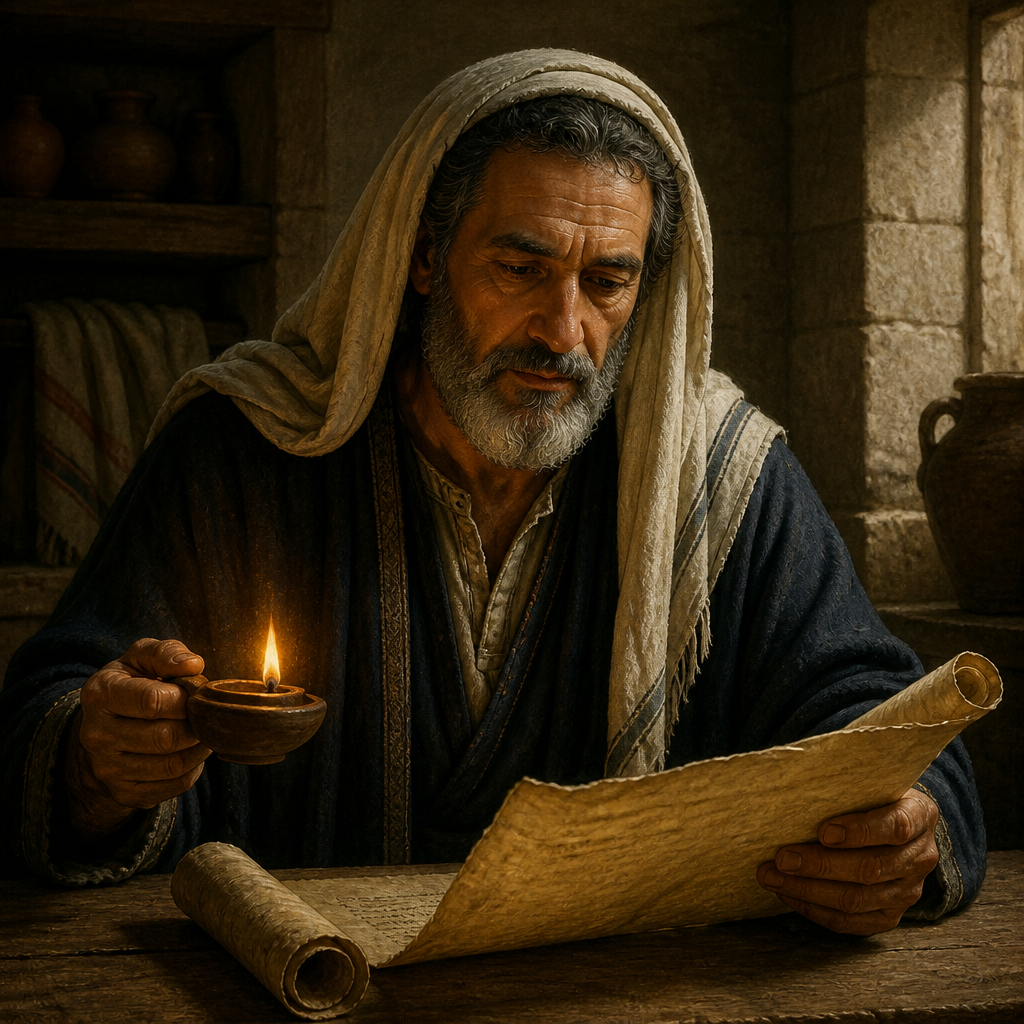
Jacob
Father of Joseph; guest whom Pharaoh settled in Goshen

Potiphar
Officer and captain of Pharaoh's guard
Categories
Mentions by Book
- Genesis68
- Acts2
Others Named Pharaoh
Pharaoh, Father-in-law of Solomon1 Kings 3:1
An Egyptian monarch of the 21st Dynasty who forged a strategic political alliance with King Solomon through marriage and the conquest of Gezer.
Pharaoh, Oppressor of the IsraelitesExodus 1:11
The Egyptian monarch who enslaved the Israelites, ordered the infanticide of Hebrew male infants, and unsuccessfully sought to execute Moses.
Pharaoh, Contemporary of AbramGenesis 12:15
An Egyptian monarch during the Patriarchal Period who briefly took Sarai into his palace before being afflicted by divine plagues.
Pharaoh, Father of Bithiah1 Chronicles 4:18
An Egyptian monarch of the Divided Monarchy whose daughter, Bithiah, married Mered of the tribe of Judah.
Pharaoh, Subject of Divine JudgmentJeremiah 25:19
An Egyptian monarch during the Divided Monarchy named by the prophet Jeremiah as a recipient of the cup of God's wrath among the nations.
Pharaoh, unreliable ally of Hezekiah2 Kings 18:21
An Egyptian monarch during the Divided Monarchy whom Judah mistakenly trusted for military protection against the Assyrian Empire.
Pharaoh, King of the ExodusExodus 3:10
The stubborn monarch of Egypt who resisted the divine command to release the Israelites, ultimately succumbing after ten plagues and the destruction of his army.