
People of Zechariah
Every person who appears in the book of Zechariah, ordered by how often they are mentioned there.
The People of Zechariah appear throughout a series of prophetic visions and historical accounts set during the second year of the reign of Darius, King of Persia (Zechariah 1:1). The text identifies Zechariah, as the son of Berechiah and the grandson of Iddo (Zechariah 1:1). These figures represent the leadership of the Jewish community returning to Jerusalem following the Babylonian exile. The narrative focuses on the restoration of the religious and civil structures of the community, specifically the rebuilding of the temple and the reestablishment of the priesthood.
The organization of the community is depicted through specific administrative and symbolic roles. Zerubbabel is identified as the figure who laid the foundation of the temple and is promised the strength to complete it (Zechariah 4:9). Joshua is the son of Jehozadak and appears in a vision where he is cleansed of filthy garments and given a clean turban (Zechariah 3:1–5). During the visit of a delegation from Babylon, individuals such as Heldai, Tobijah, and Jedaiah provide silver and gold to be fashioned into a crown (Zechariah 6:10–11). This crown is placed on the head of the high priest in the house of Josiah, son of Zephaniah (Zechariah 6:10–11). Later, men named Sharezer and Regem-melech are sent from Bethel to inquire of the priests and prophets regarding the necessity of ritual fasting (Zechariah 7:2–3).
The text connects these contemporary figures to the broader history of the nation by referencing ancestral tribes and royal lineages. It mentions the house of David and the house of Nathan, son of David, in the context of a future period of mourning and purification (Zechariah 12:12). The priestly line is represented by the house of Levi and the family of Shimei (Zechariah 12:13). The book also recalls the geographical upheaval that occurred during the days of Uzziah specifically a great earthquake (Zechariah 14:5). The text frequently groups the people under the collective names of Judah, Israel, and Joseph or Ephraim to signal the intended reunification of the scattered tribes (Zechariah 9:13, 10:6).
These individuals and lineages serve to validate the continuity of the covenant between the deity and the survivors of the exile. By naming specific contributors like Tobijah and Jedaiah, the text anchors the prophetic visions in the physical reconstruction of the Jerusalem sanctuary. The mention of patriarchs such as Judah and Joseph emphasizes that the restoration under Darius, King of Persia, is viewed as a fulfillment of older promises made to the entire nation. The book concludes by envisioning a time when the distinctions between the sacred and the mundane are removed for all the people remaining in Jerusalem.
Everyone in this list
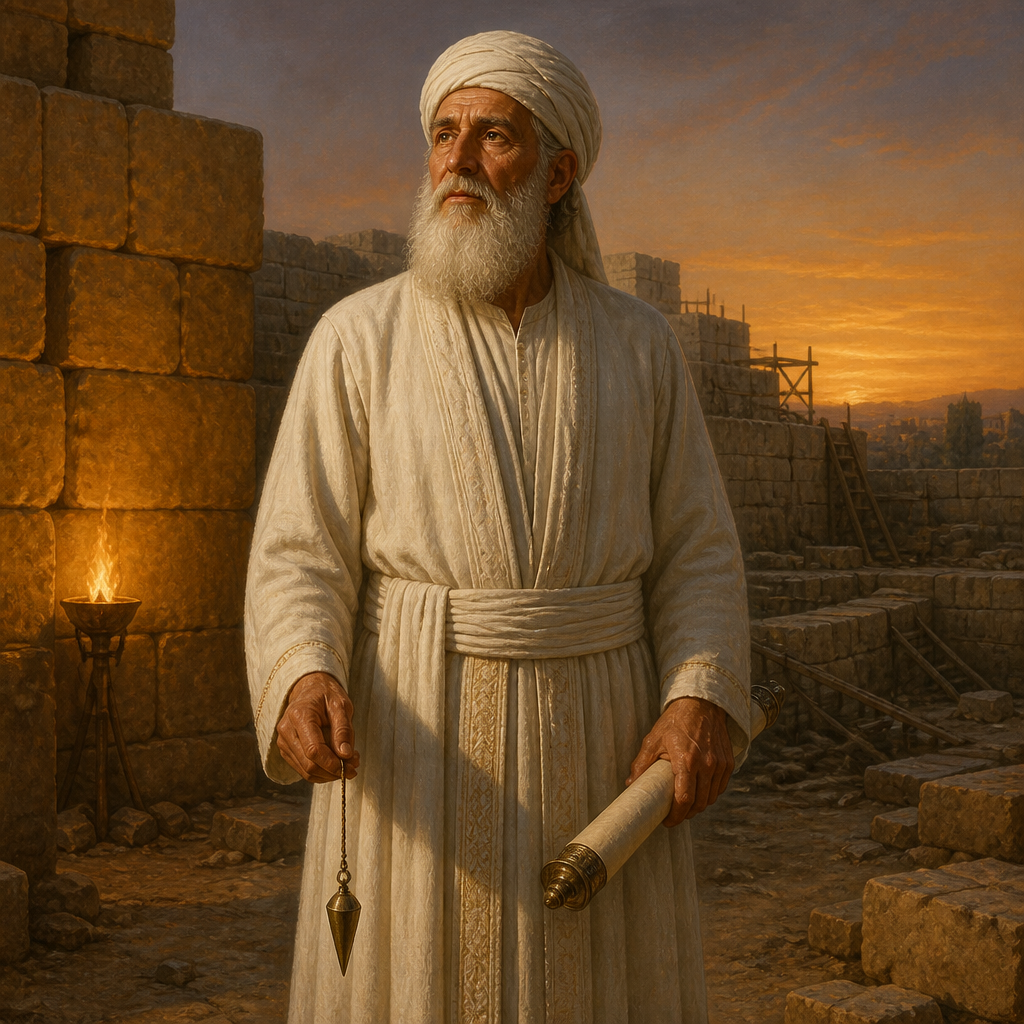
Joshua, High Priest of the Return
High Priest who led the return from Babylon and rebuilt the Second Temple
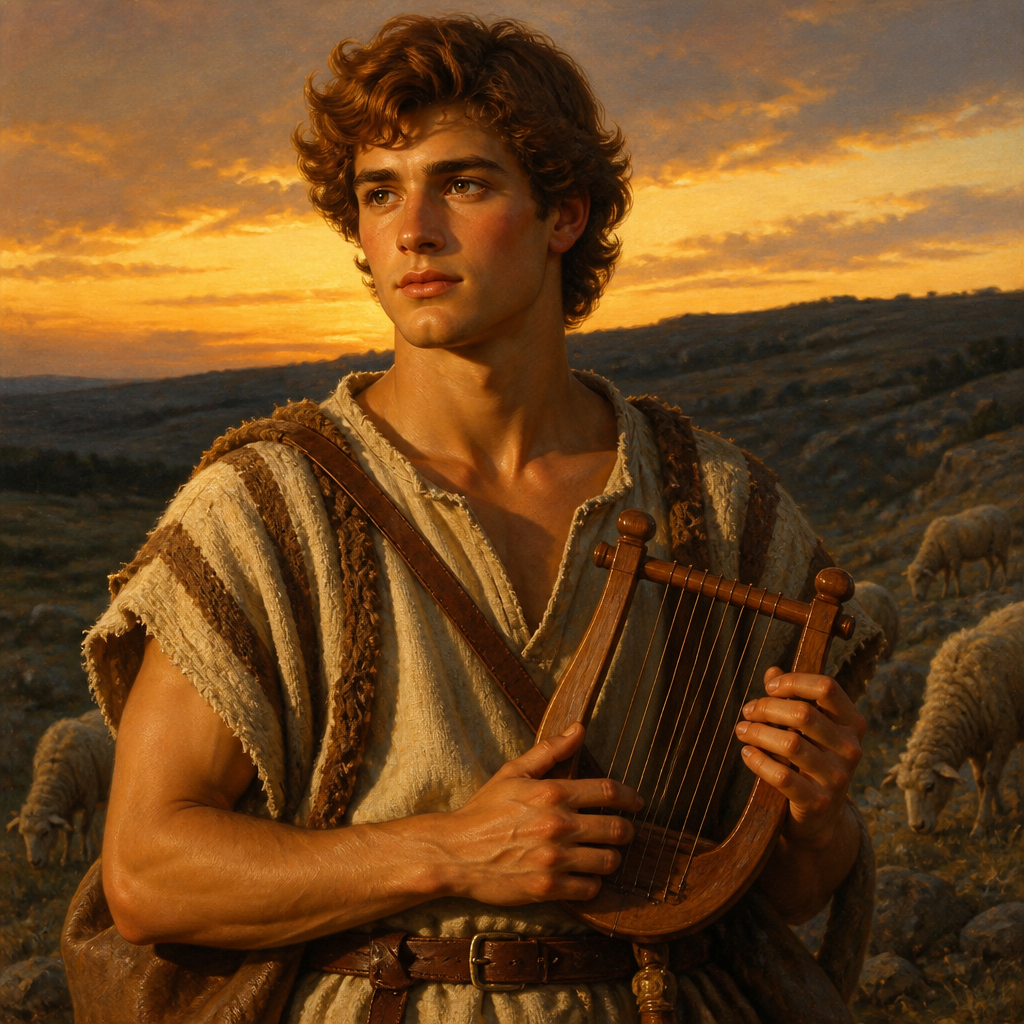
David
King of Israel who defeated Goliath and established the Davidic dynasty
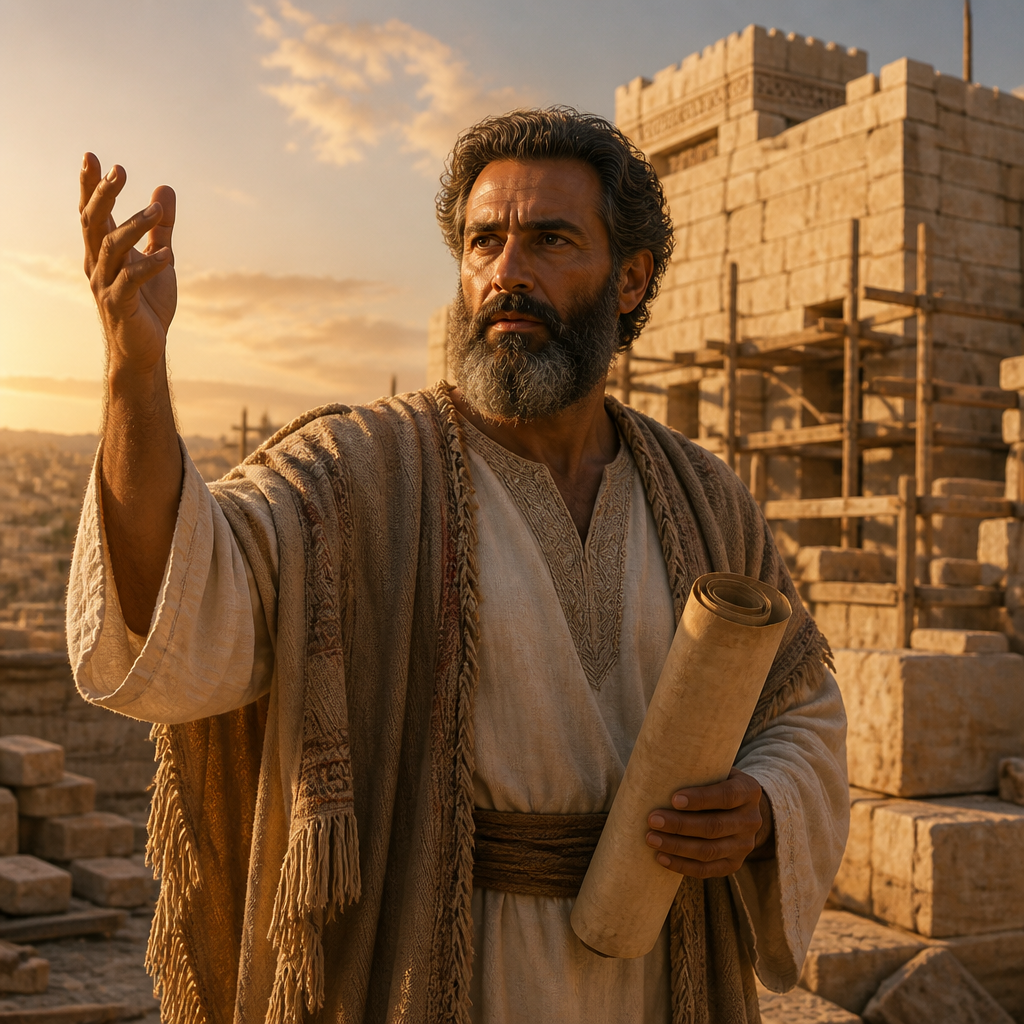
Zechariah, Prophet of the Return
Prophet who motivated the rebuilding of the Second Temple during the reign of Darius
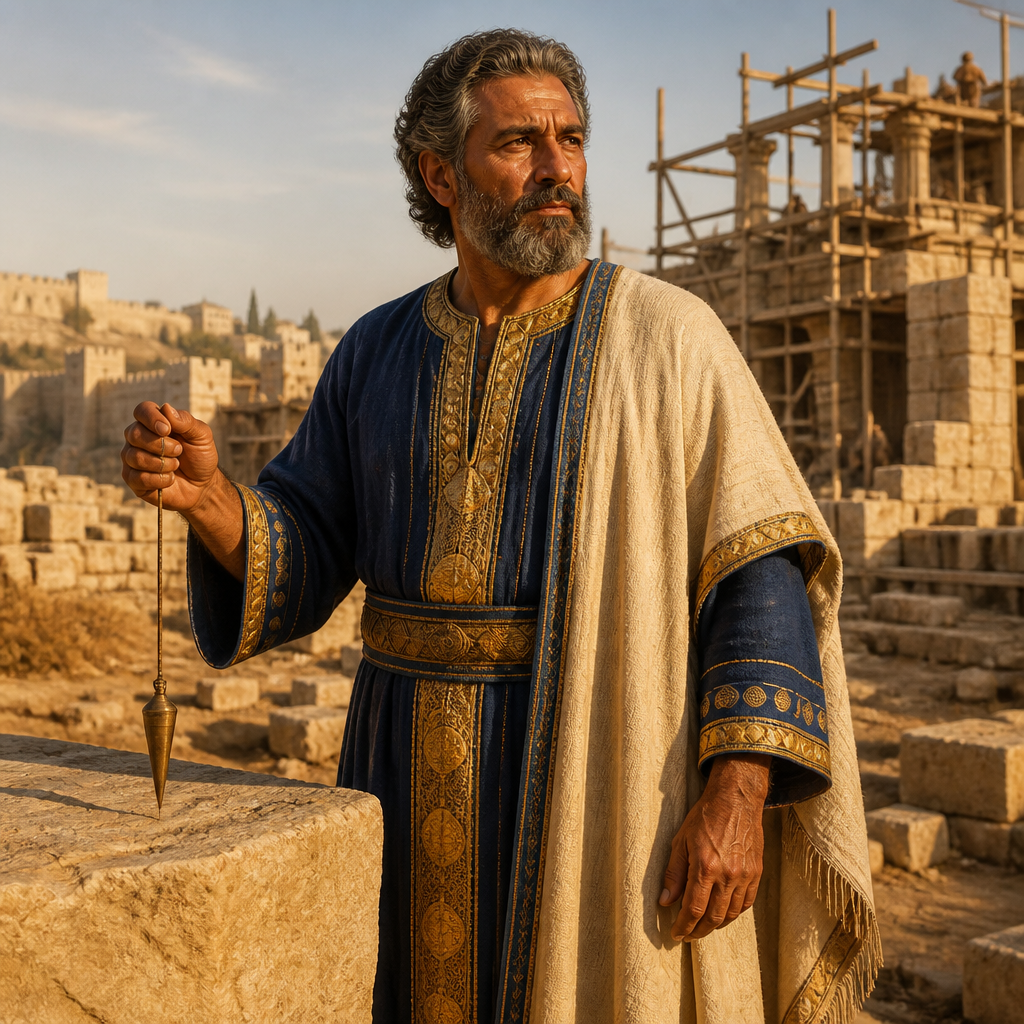
Zerubbabel, Governor of Judah
Governor who led the return from Babylon and rebuilt the Temple foundation
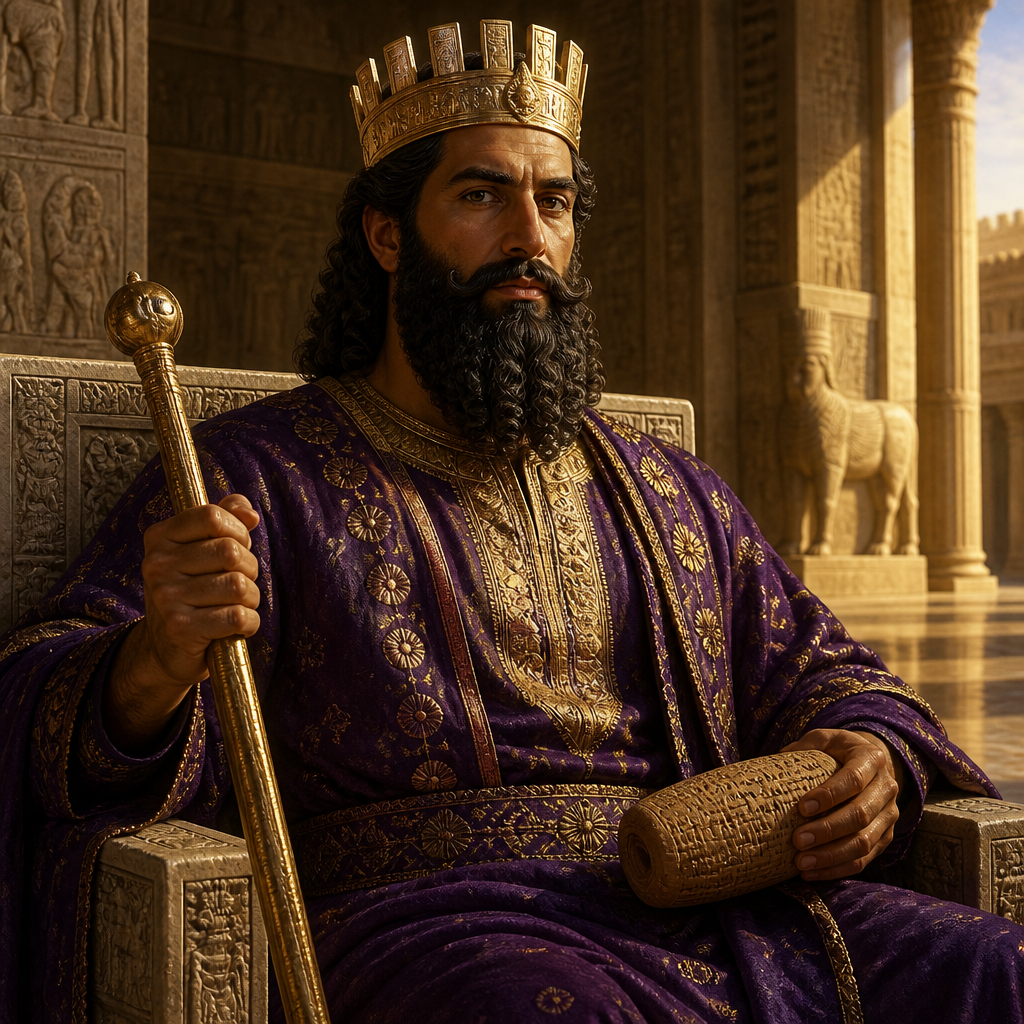
Darius, King of Persia (Ezra 4–6)
King of Persia who decreed the completion of the Second Temple
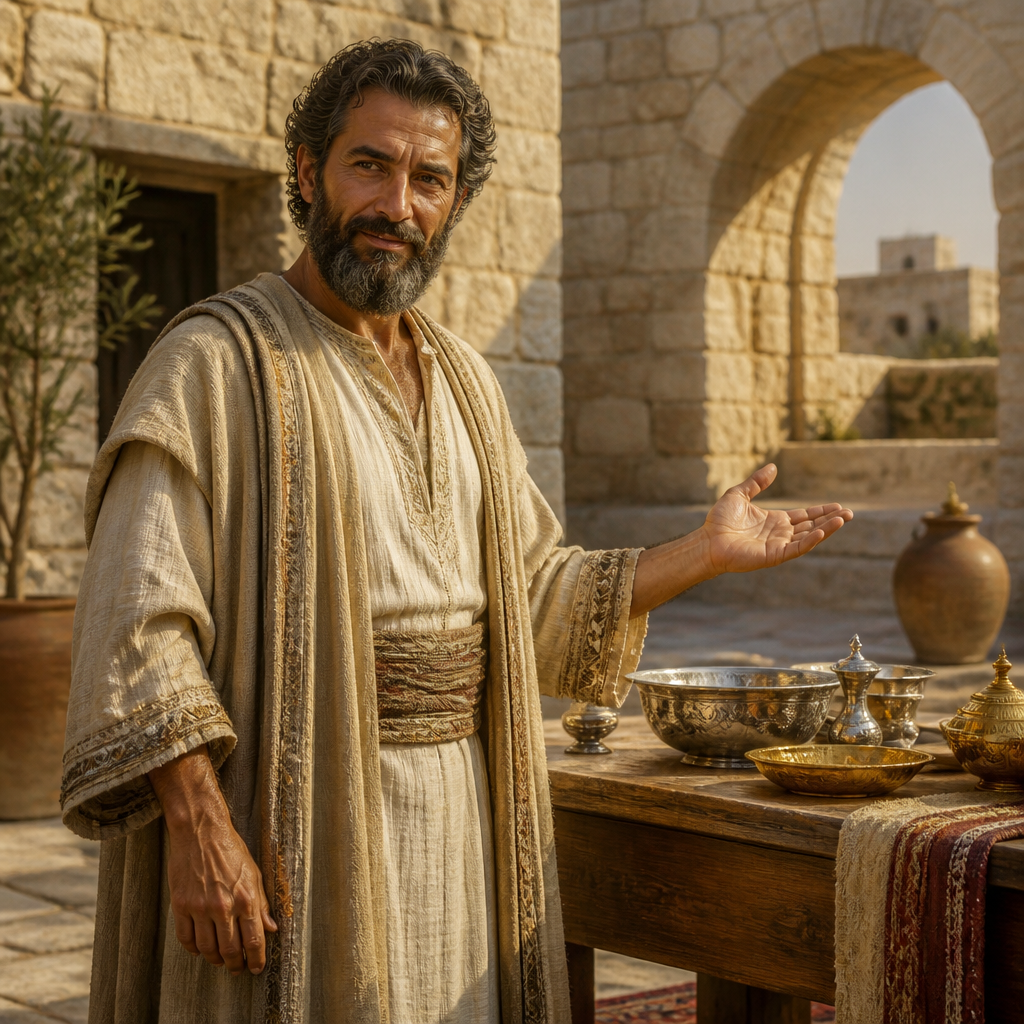
Josiah, Son of Zephaniah
Host of the prophet Zechariah and the Babylonian exiles during the symbolic crowning of the High Priest
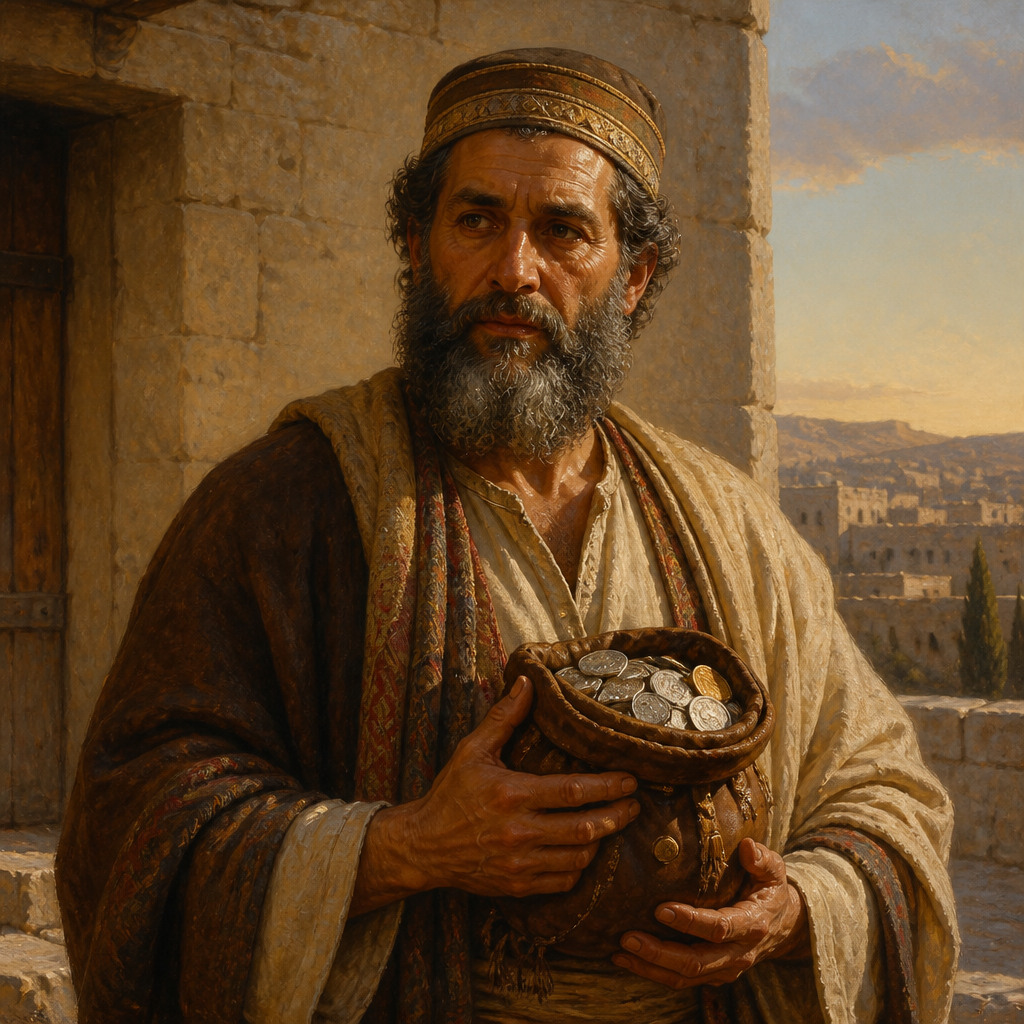
Heldai
Exile from Babylon who provided gold for the High Priest's memorial crown
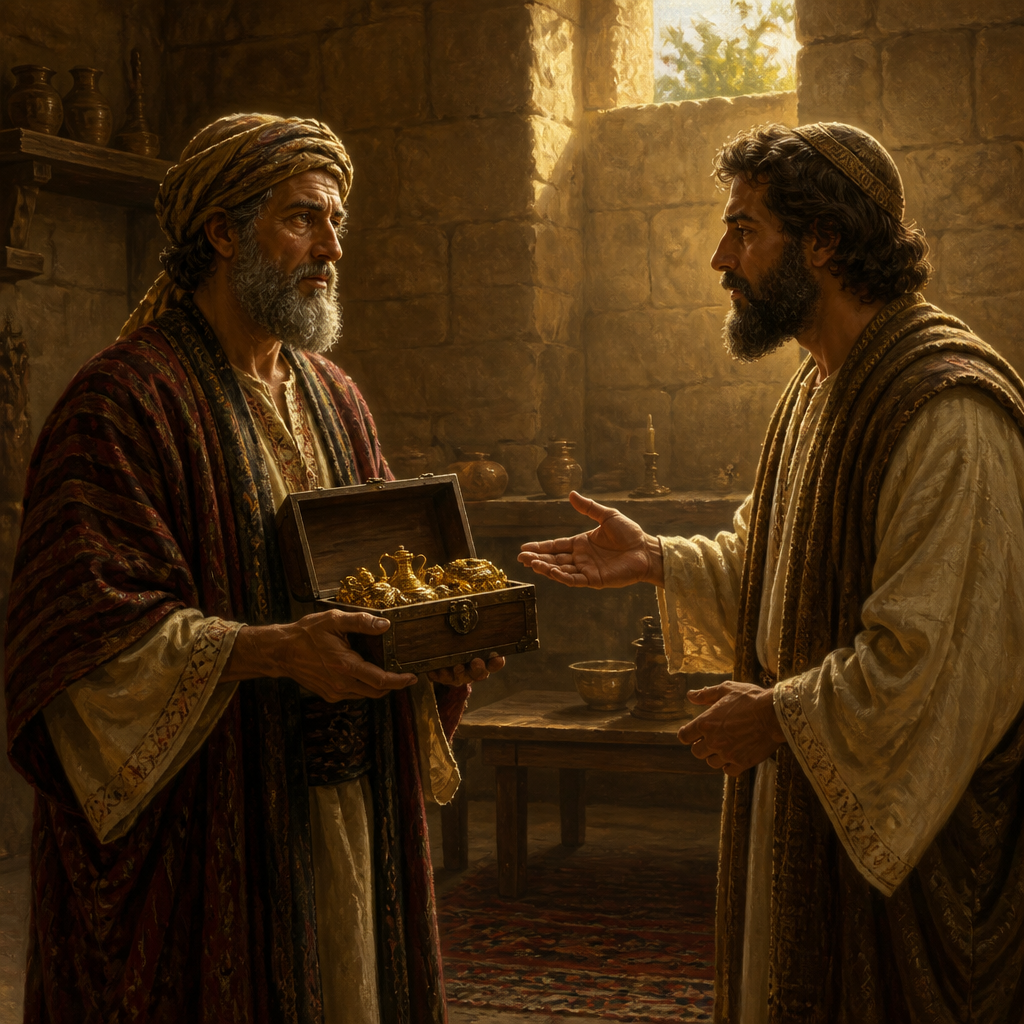
Tobijah of the Post-Exilic Return
Exile who provided silver and gold for the High Priest's crown
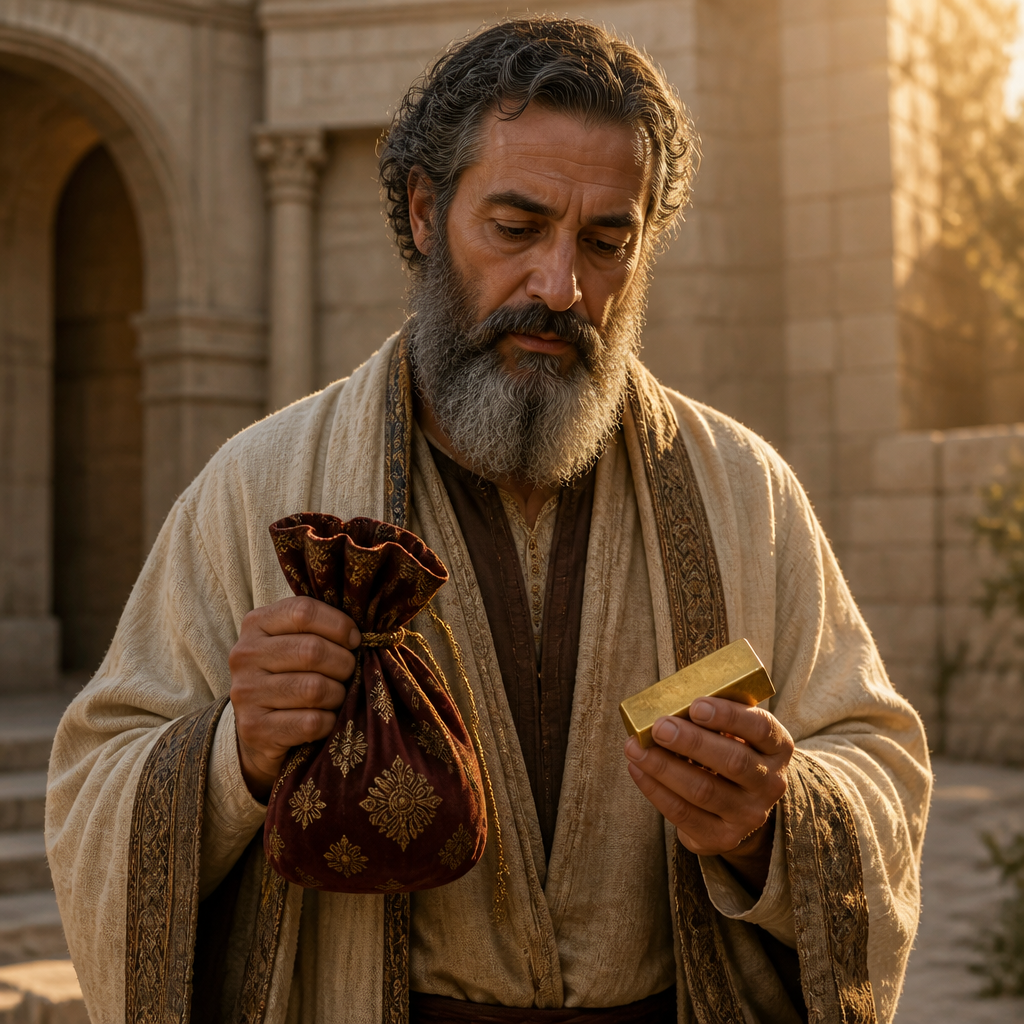
Jedaiah, Exile from Babylon
Exile who provided gold and silver for the crown of the High Priest Joshua
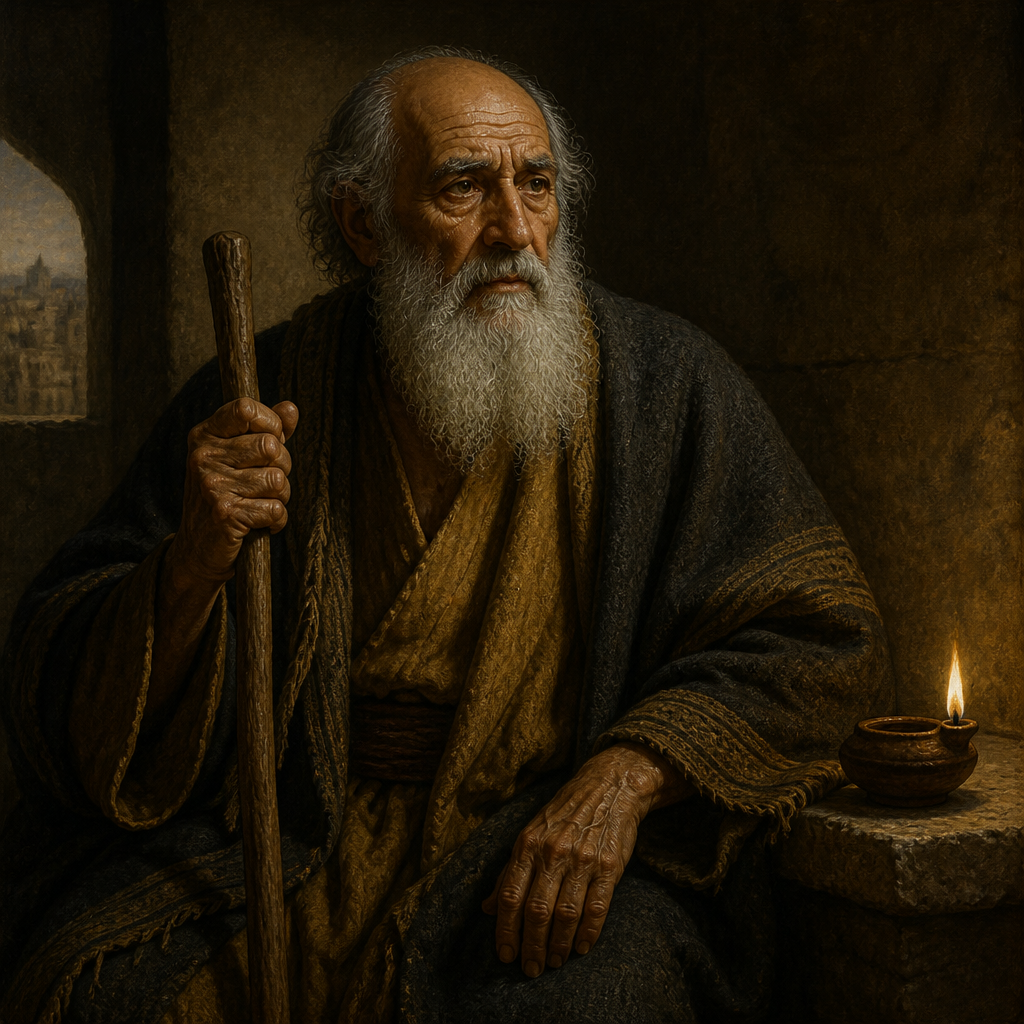
Iddo, Grandfather of Zechariah
Grandfather of the prophet Zechariah who returned from the Babylonian exile
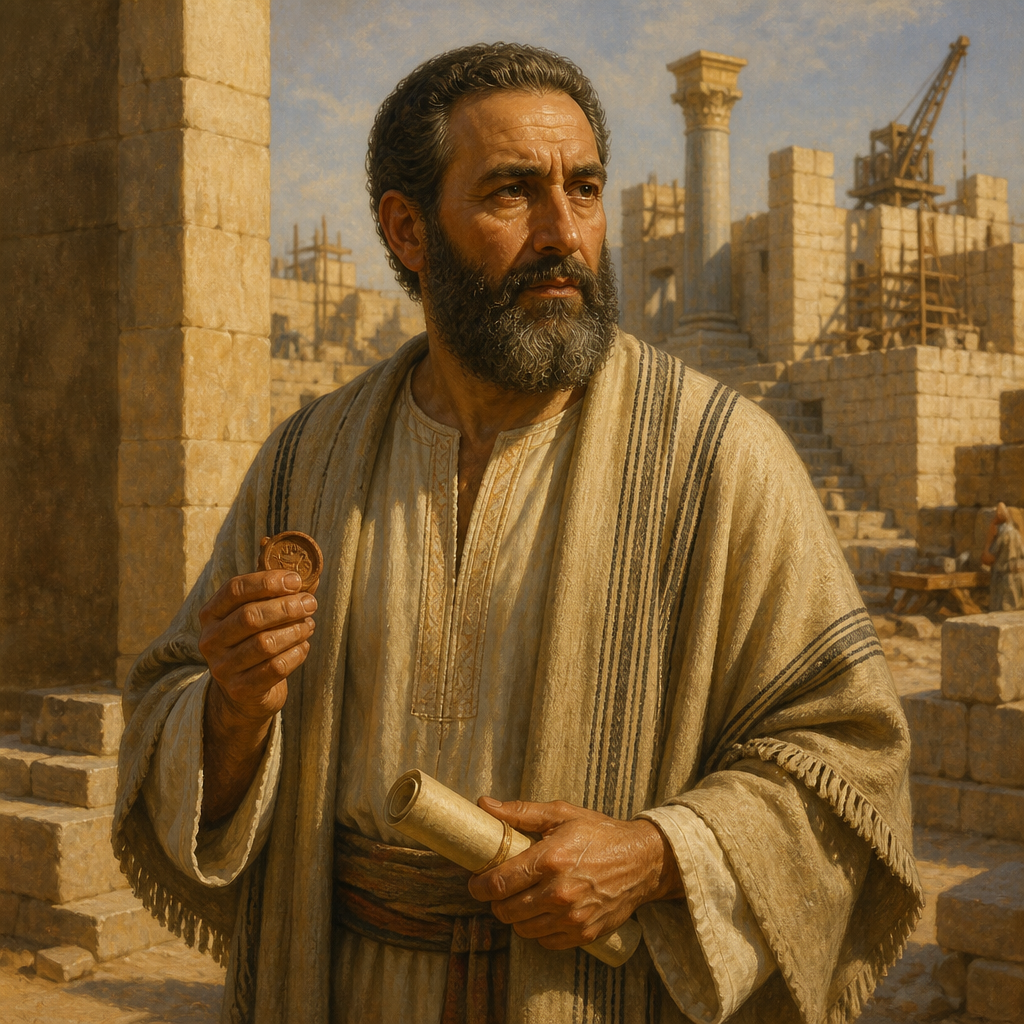
Berechiah, Father of Zechariah the Prophet
Father of the prophet Zechariah and son of Iddo
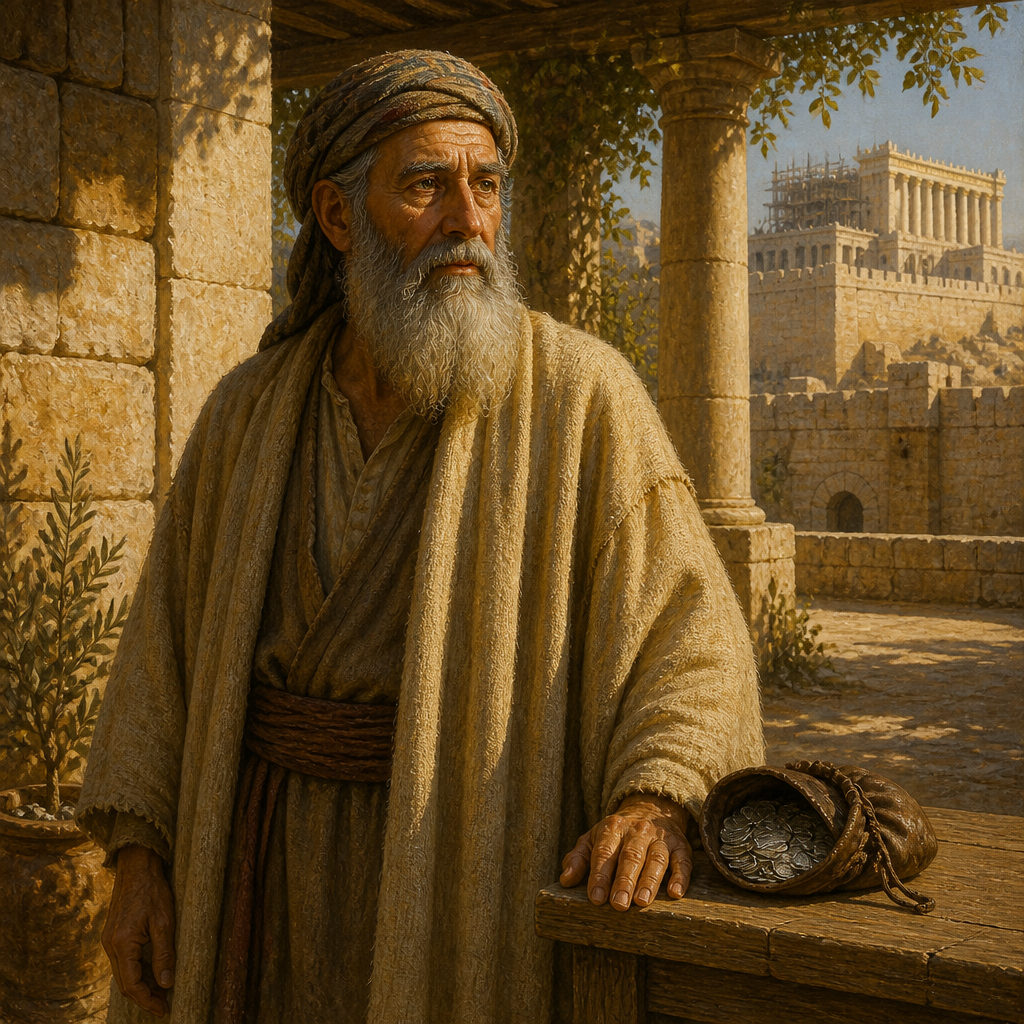
Zephaniah, Father of Josiah
father of Josiah whose house hosted the fashioning of the High Priest's crown
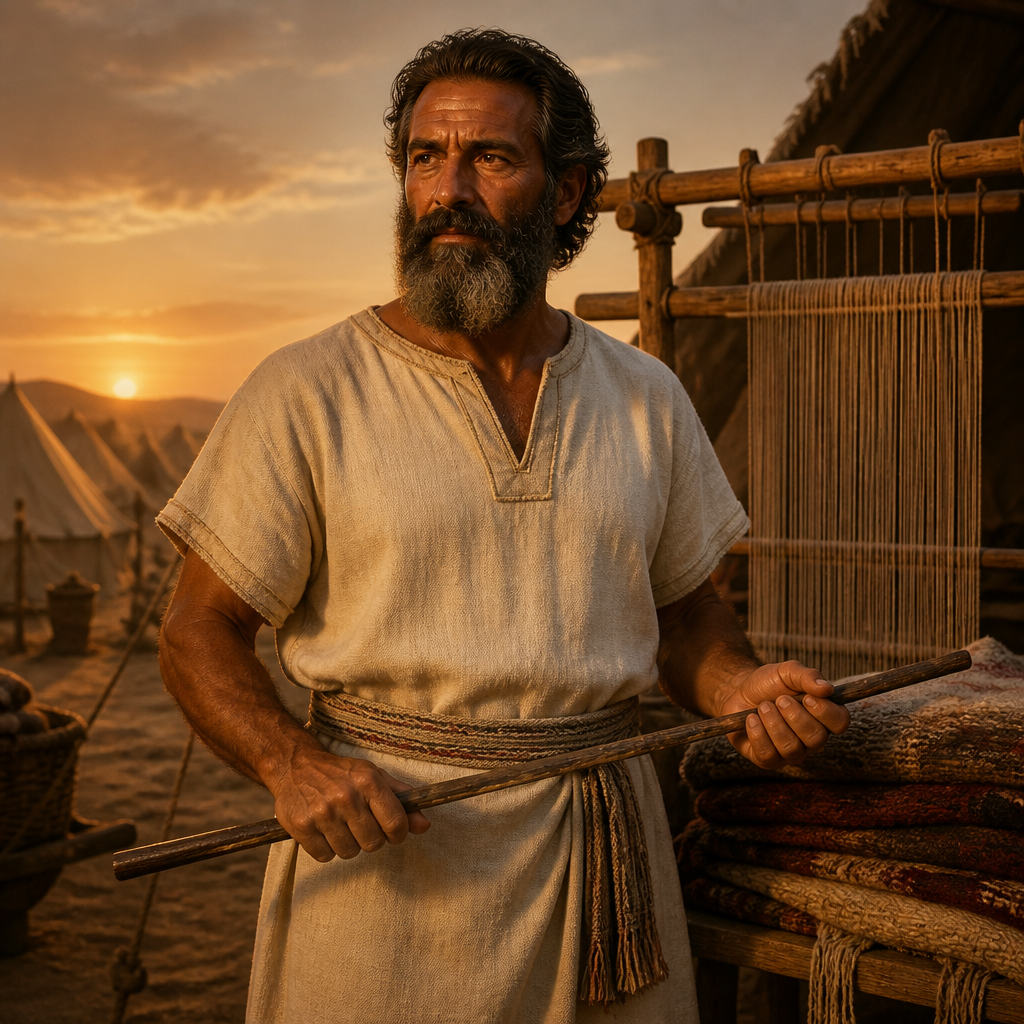
Shimei, Son of Gershon
Levite who founded the Shimeite clan and grandson of the patriarch Levi
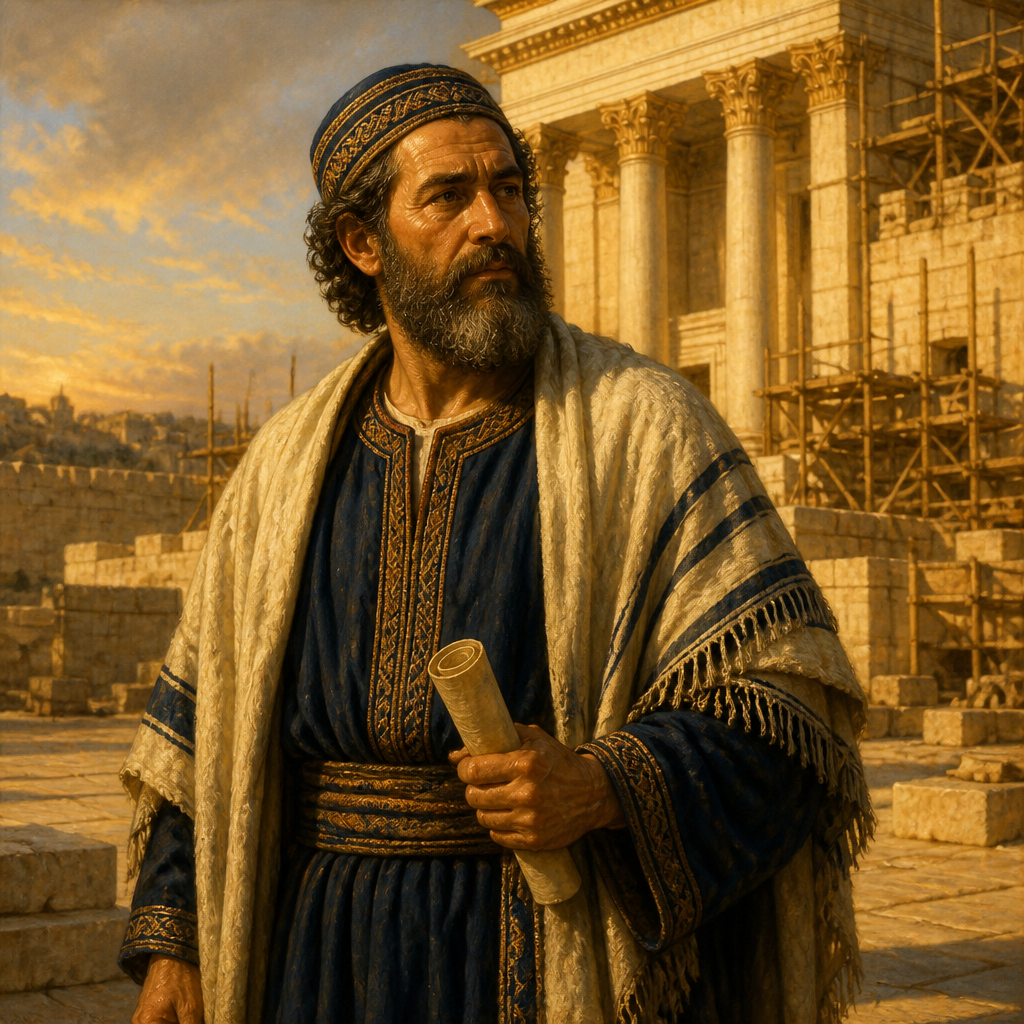
Regem-melech
Envoy from Bethel who questioned the prophet Zechariah about fasting
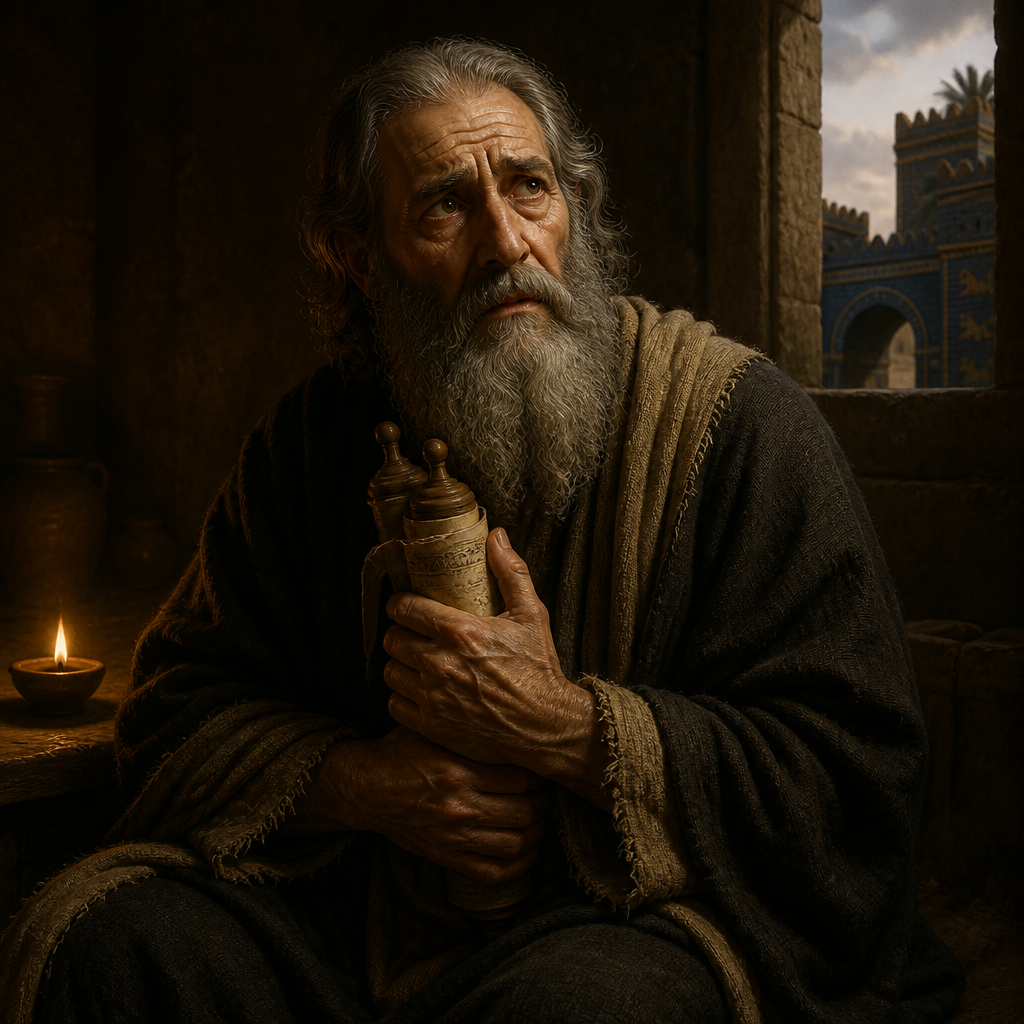
Jehozadak
Priestly bridge who was carried into Babylonian exile and fathered the High Priest of the Return
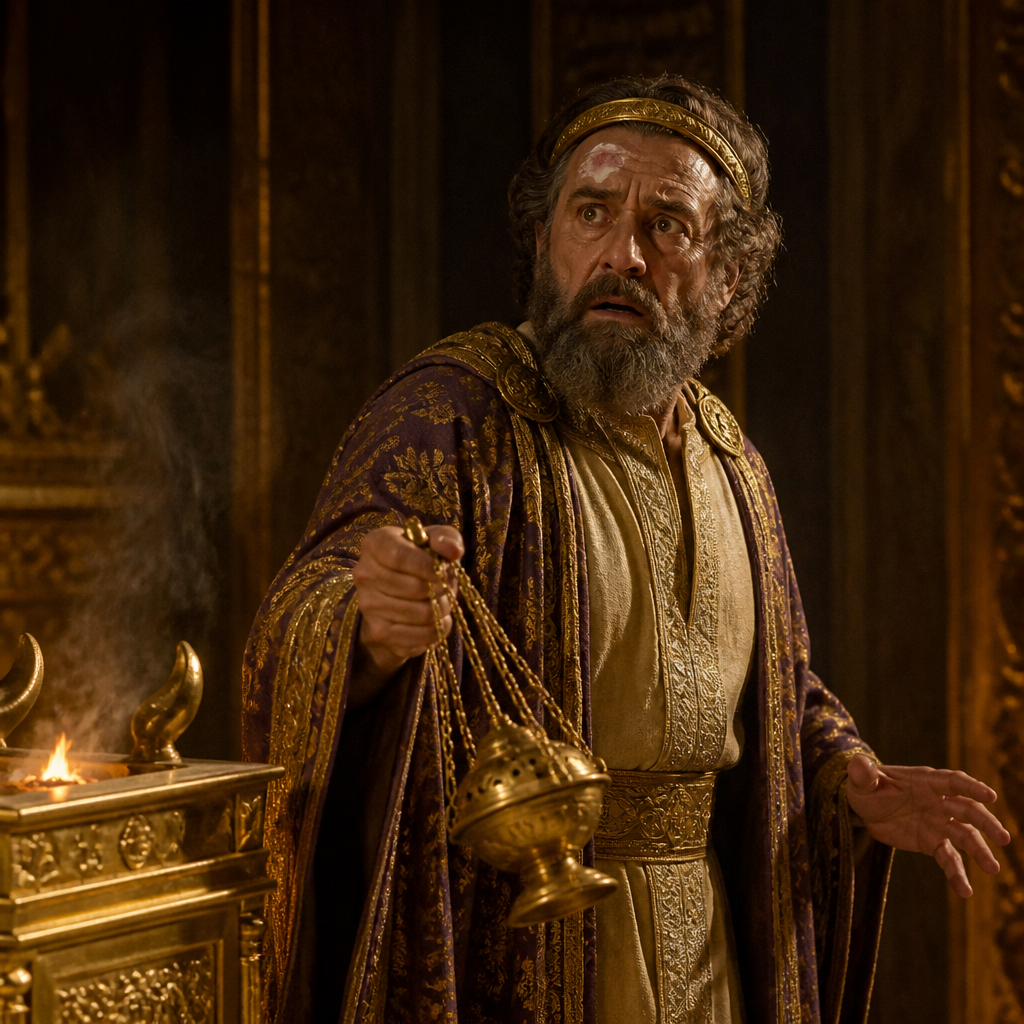
Uzziah, King of Judah
King of Judah struck with leprosy for attempting to burn incense in the Temple
Nathan, Son of David
son of David and Bathsheba who appears in the genealogy of Jesus in the Gospel of Luke
Sharezer of Bethel
Delegate from Bethel who inquired about ritual fasting in the Book of Zechariah