
Jacob and Esau
Birthright, blessing, and reconciliation (Genesis 25–33)
The story of Jacob and Esau is a narrative of fraternal rivalry and eventual reconciliation spanning from the birth of the twin brothers to their final meeting as heads of distinct nations (Genesis 25:19–33:20). The conflict begins before birth when the two struggle in the womb of Rebekah, who is told by God that the elder shall serve the younger (Genesis 25:22–23). Isaac favors his firstborn son, Esau, a skillful hunter, while Rebekah favors the younger son, Jacob (Genesis 25:27–28). The tension escalates when Esau sells his birthright to Jacob for a bowl of lentil stew (Genesis 25:29–34). Later, Rebekah helps Jacob deceive a blind and aging Isaac into giving him the primary patriarchal blessing intended for the firstborn (Genesis 27:5–29).
Following the deception, Jacob flees to the land of Haran to escape the wrath of Esau, who vows to kill him (Genesis 27:41–43). During this exile, Jacob works for his uncle Laban, who eventually gives him both his daughters, Leah and Rachel, as wives (Genesis 29:15–30). While Jacob builds a large family and great wealth, Esau marries Mahalath, the daughter of Ishmael, to please his parents after they express disapproval of his local Canaanite wives (Genesis 28:8–9). The text notes that Ishmael is the son of Abraham making Mahalath a cousin to the brothers (Genesis 28:9). After twenty years of service to Laban, Jacob departs for his homeland with his wives and children, including his young son Joseph (Genesis 30:24–25).
On the journey back to Canaan, Jacob experiences a transformative encounter where he wrestles with a man until daybreak and receives the new name Israel (Genesis 32:24–28). The narrative reaches its climax when Israel prepares to meet Esau fearing a violent confrontation (Genesis 32:6–8). However, when the brothers finally meet, Esau runs to greet Israel embracing him and weeping (Genesis 33:4). The two men reconcile, though they eventually settle in different regions; Esau departs for the hill country of Seir while Israel remains in the land of Canaan (Genesis 33:16–18).
This narrative serves as a foundational account of the origins of the nations of Israel and Edom. It establishes the lineage of the patriarchs, tracing the covenant promise from Abraham to Isaac and then specifically to Israel (Genesis 28:13–15). The story emphasizes the transition of the divine blessing to the younger brother and the survival of the family line through the twelve sons of Israel including Joseph, who would later play a central role in the preservation of the people (Genesis 30:24). The text concludes this cycle with the brothers at peace, having fulfilled the promise that both would become great nations (Genesis 25:23).
Everyone in this list
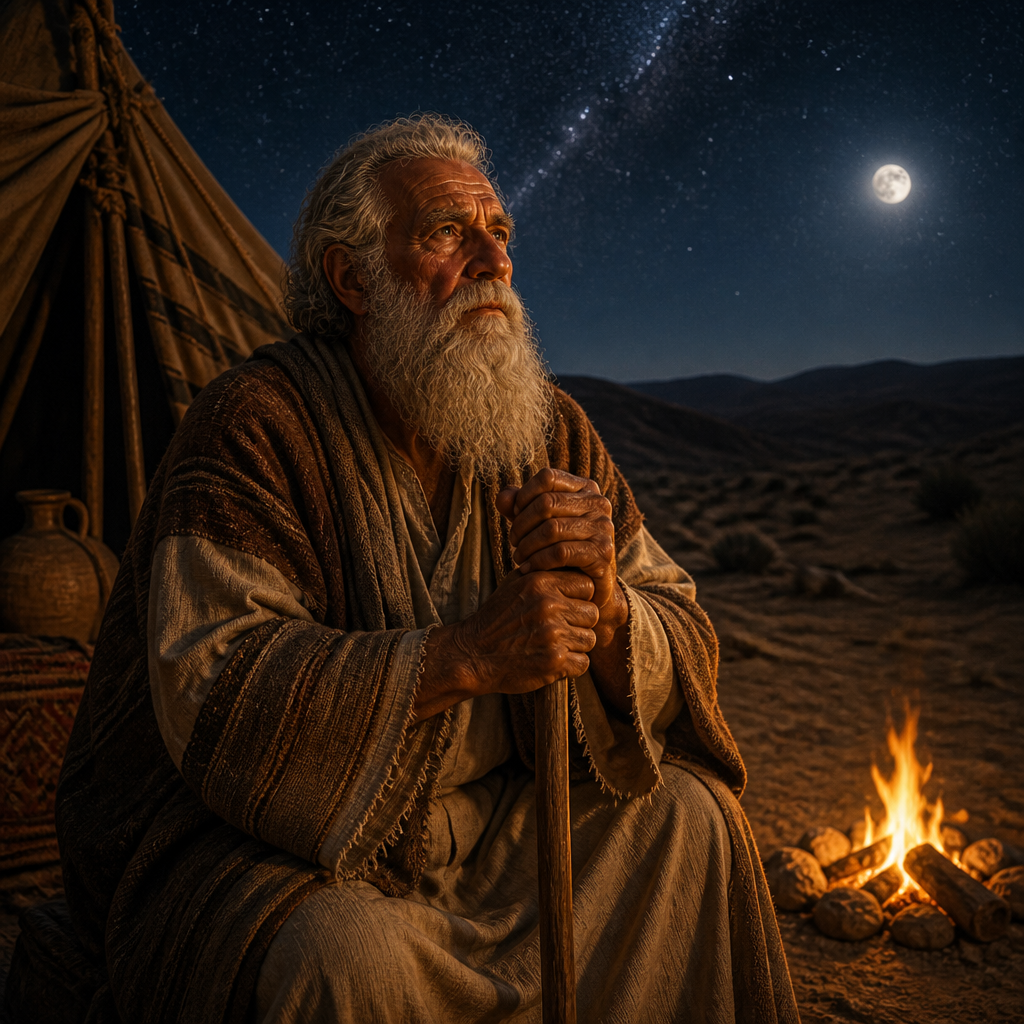
Abraham
Patriarch who is the father of the nation of Israel and an exemplar of faith
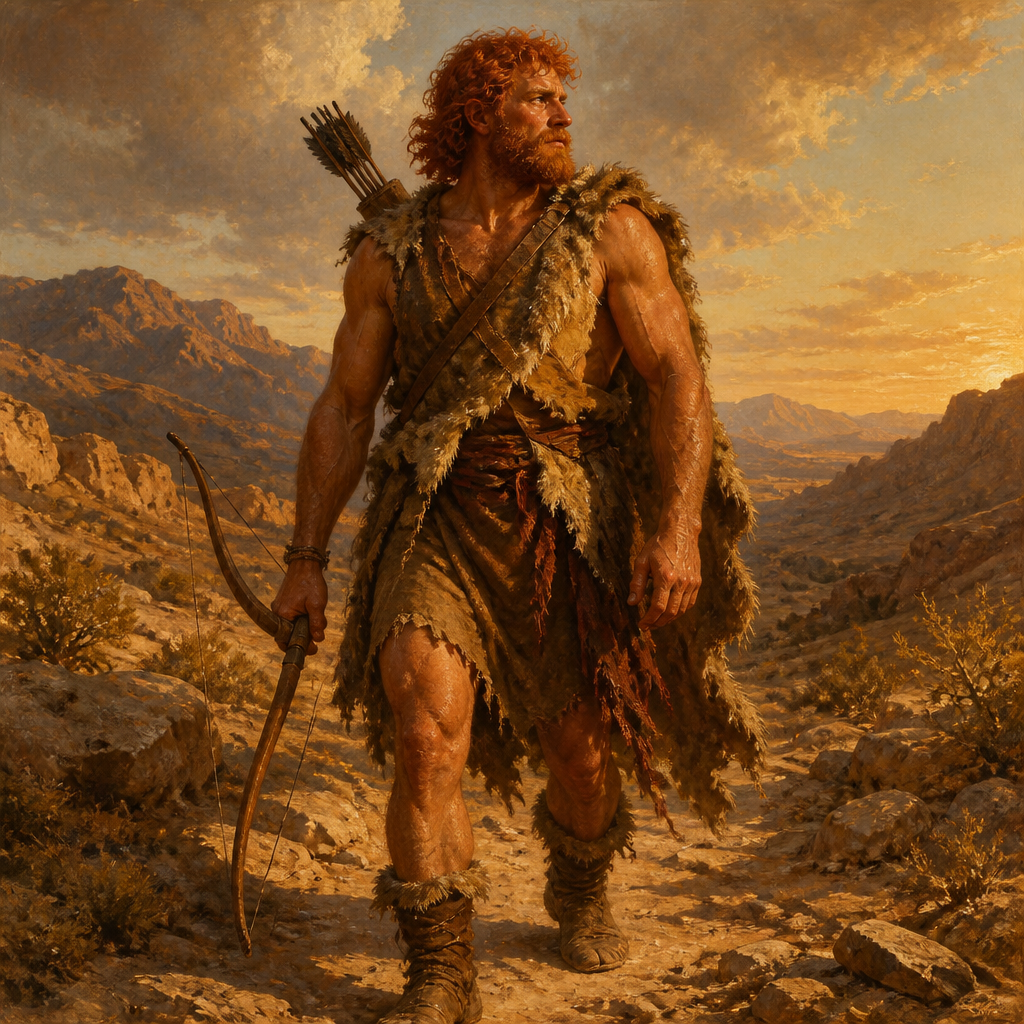
Esau
Patriarch who sold his birthright for lentil stew and founded the nation of Edom
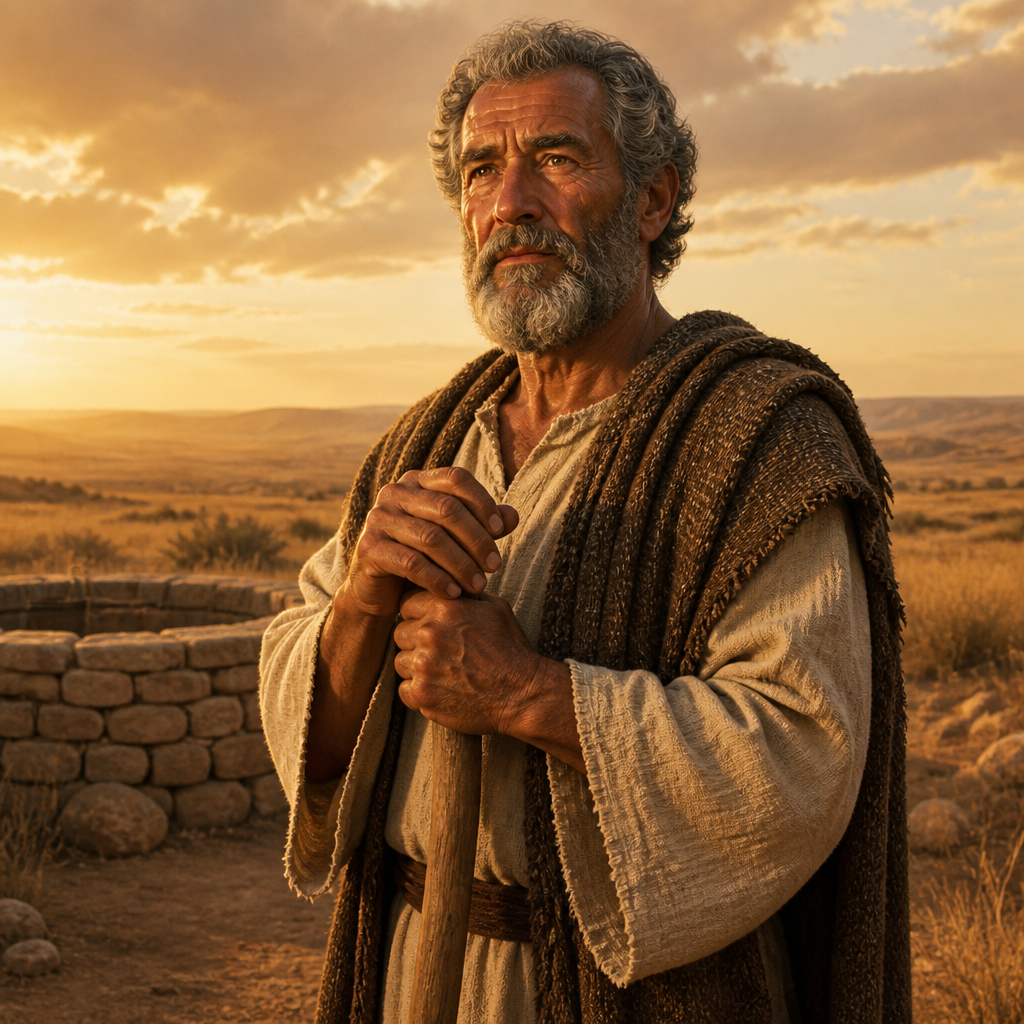
Isaac
Patriarch who was the son of Abraham and the father of Jacob and Esau
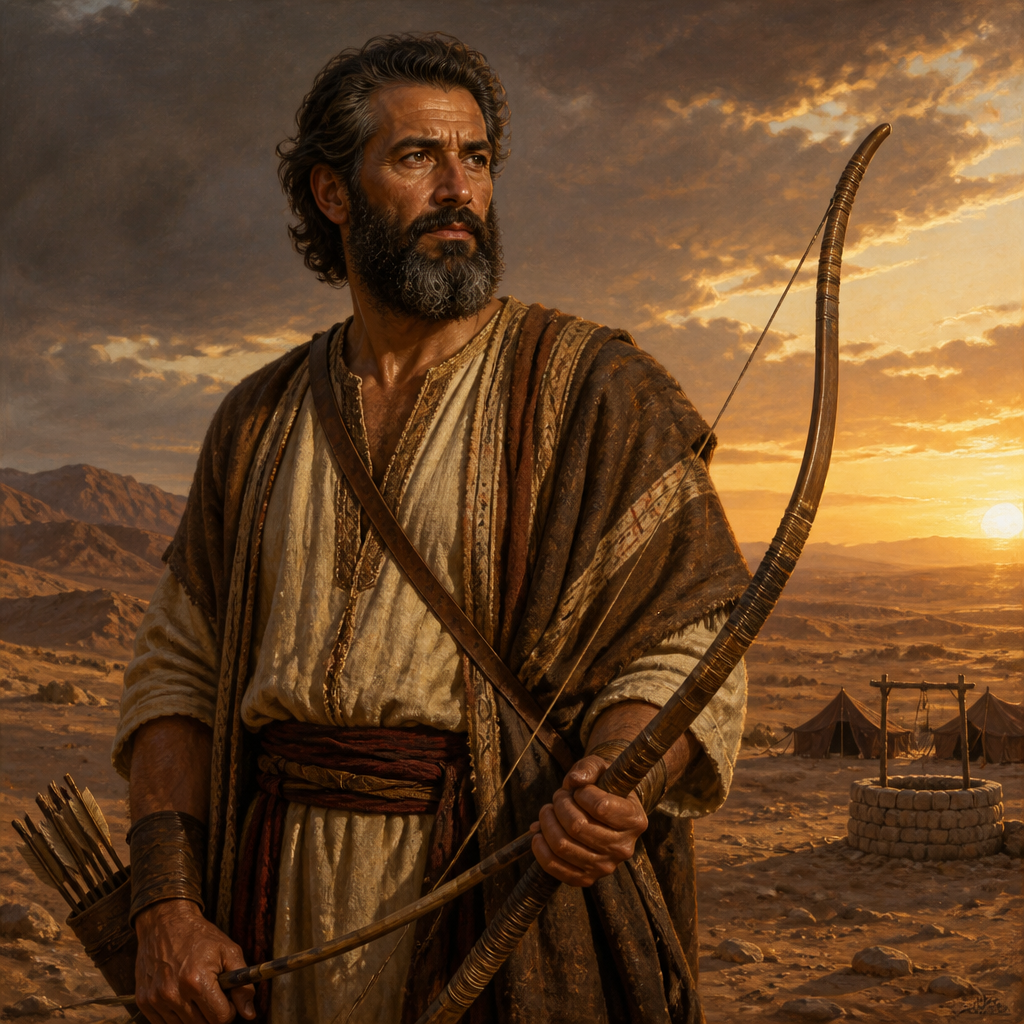
Ishmael, Son of Abraham
Firstborn son of Abraham and the father of twelve princes who became a great nation
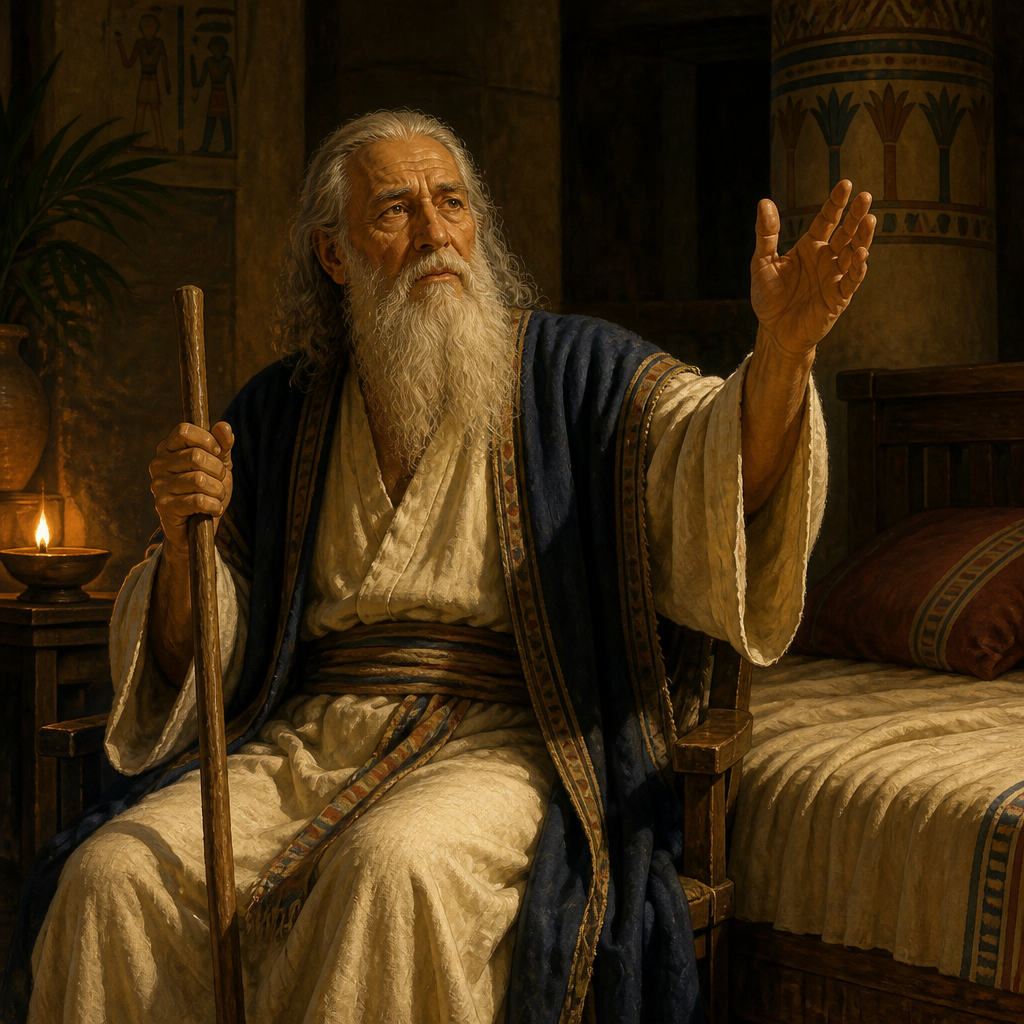
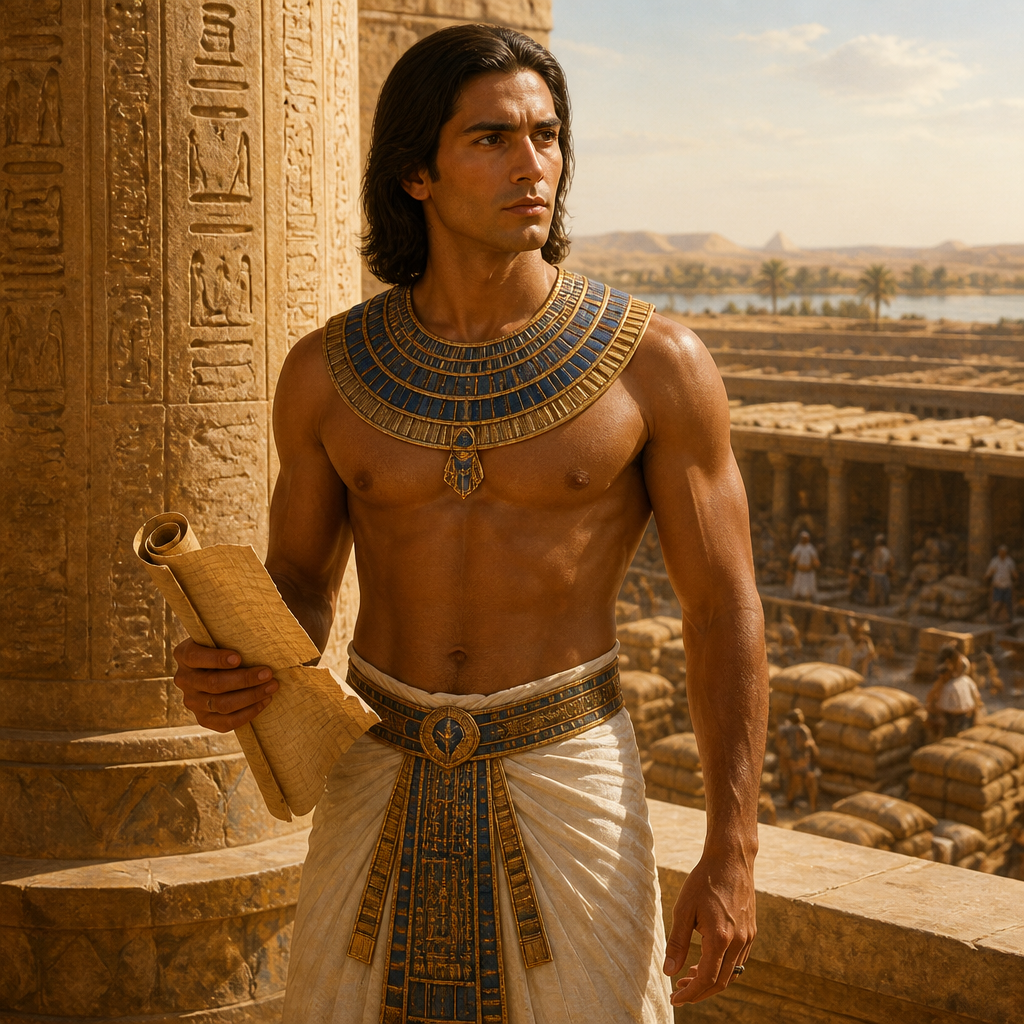
Joseph, Son of Jacob
Patriarch who was sold into slavery and rose to become the second most powerful man in Egypt
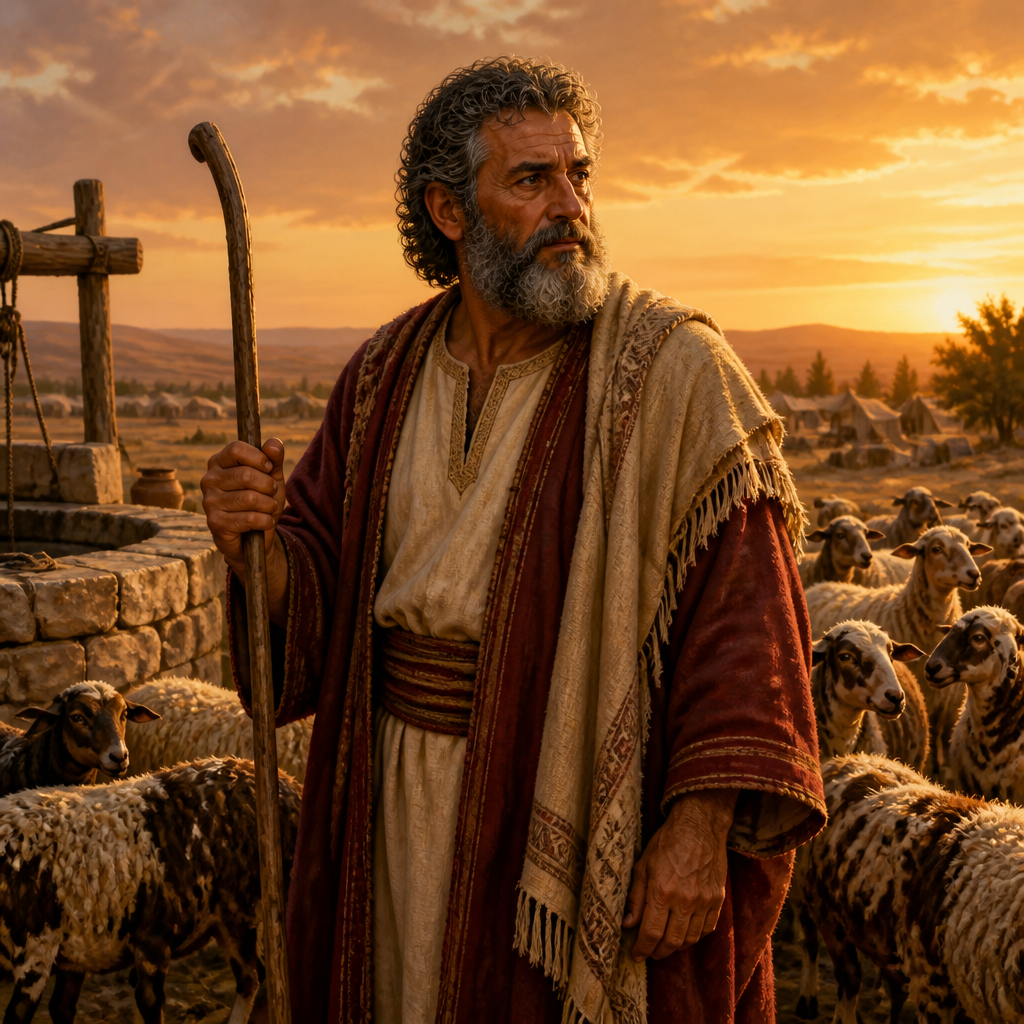
Laban
Uncle and father-in-law of Jacob who famously switched his daughters Leah and Rachel on Jacob's wedding night
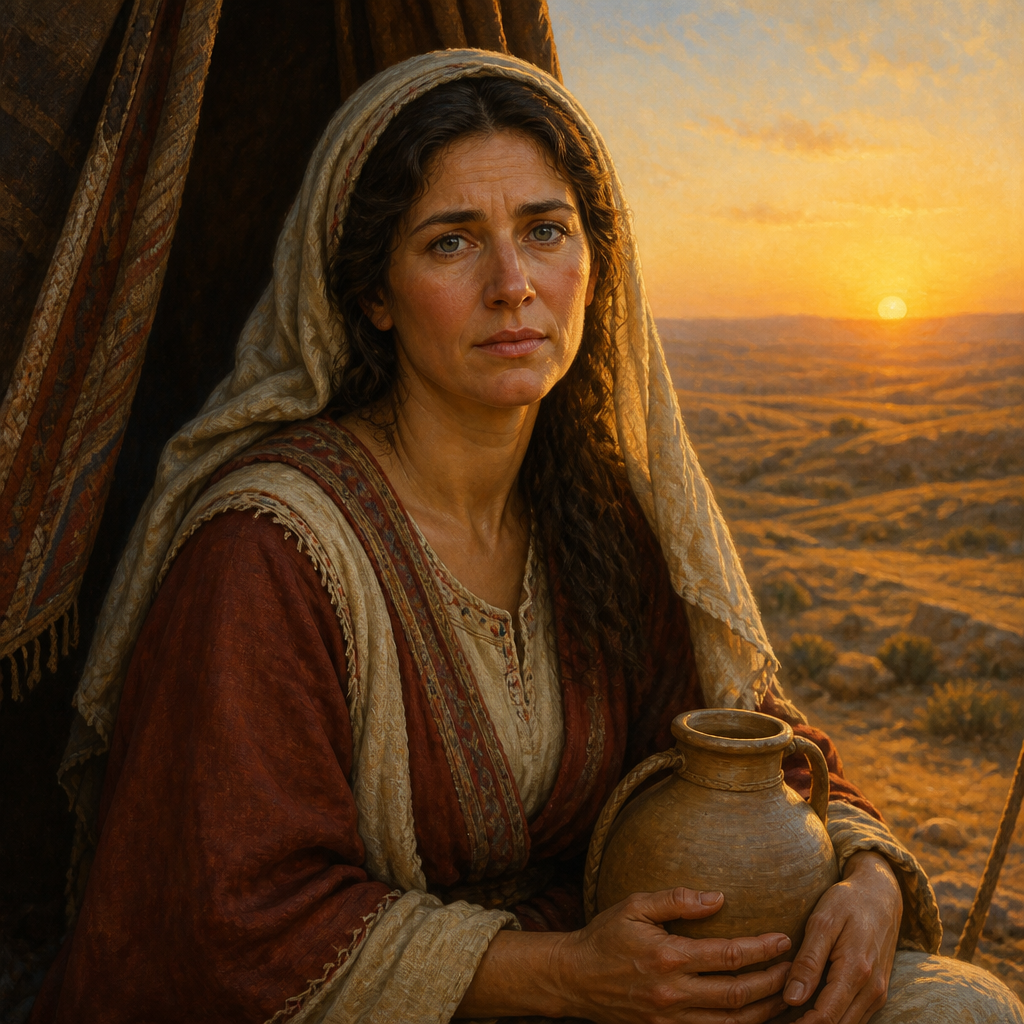
Leah
Matriarch who mothered six of the twelve tribes of Israel including the priestly and royal lines
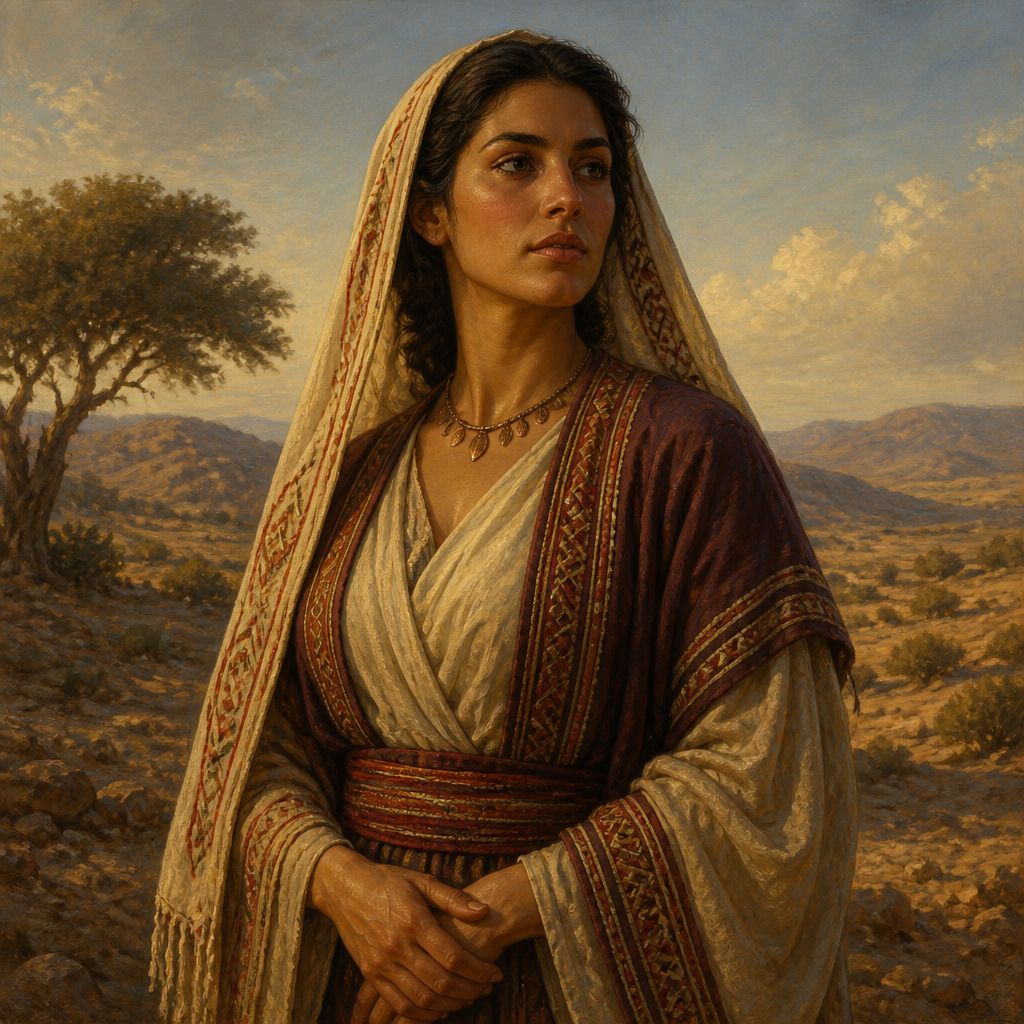
Mahalath, Wife of Esau
Daughter of Ishmael and wife of Esau who sought to bridge the families of Isaac and Ishmael
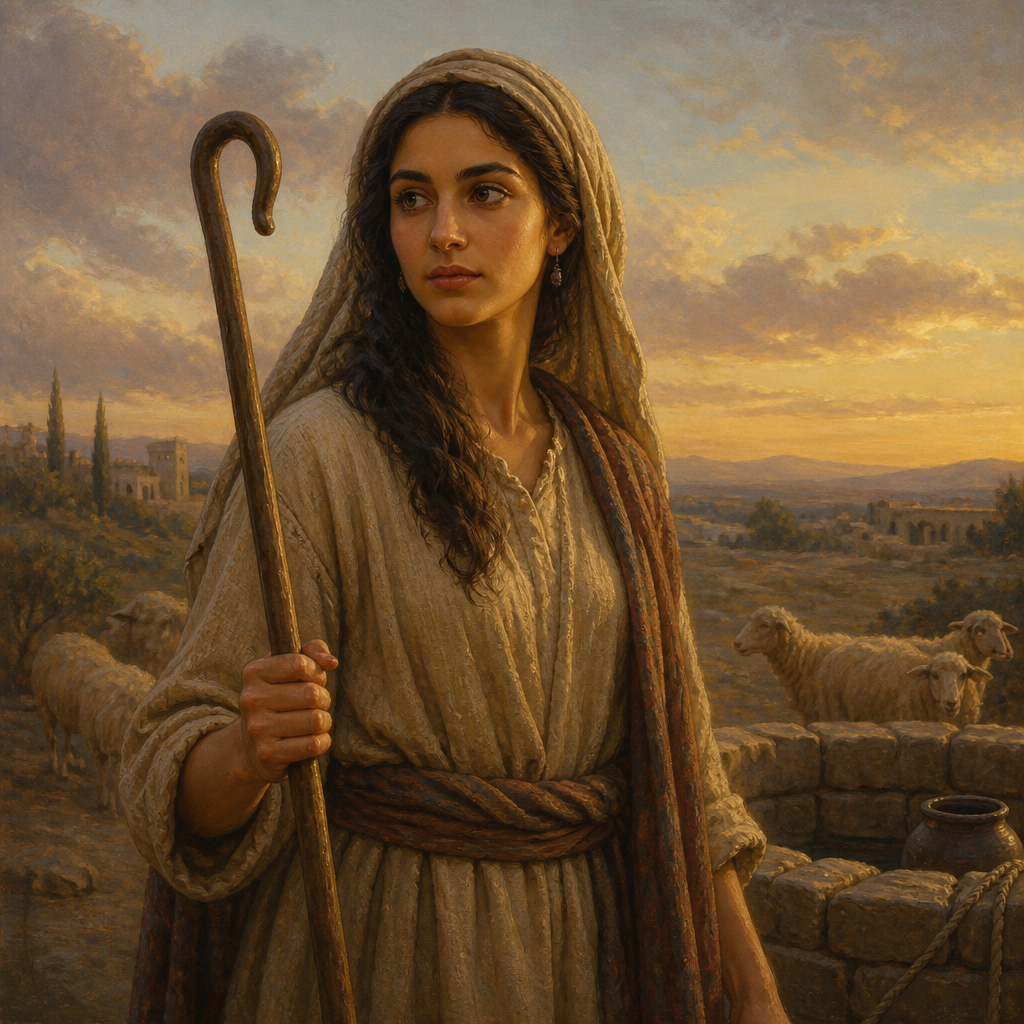
Rachel
Matriarch of Israel and the beloved wife of Jacob who died giving birth to Benjamin
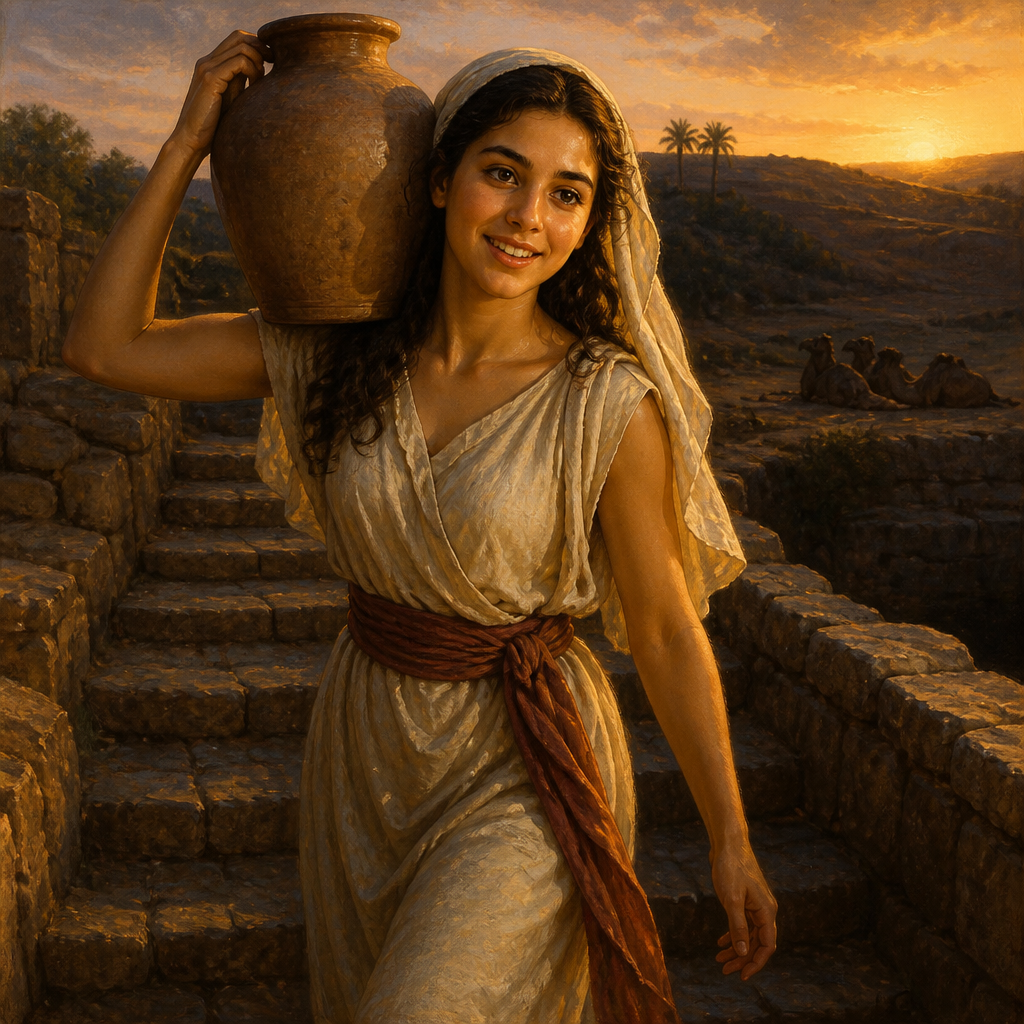
Rebekah
Matriarch of Israel and wife of Isaac who secured the patriarchal blessing for her son Jacob