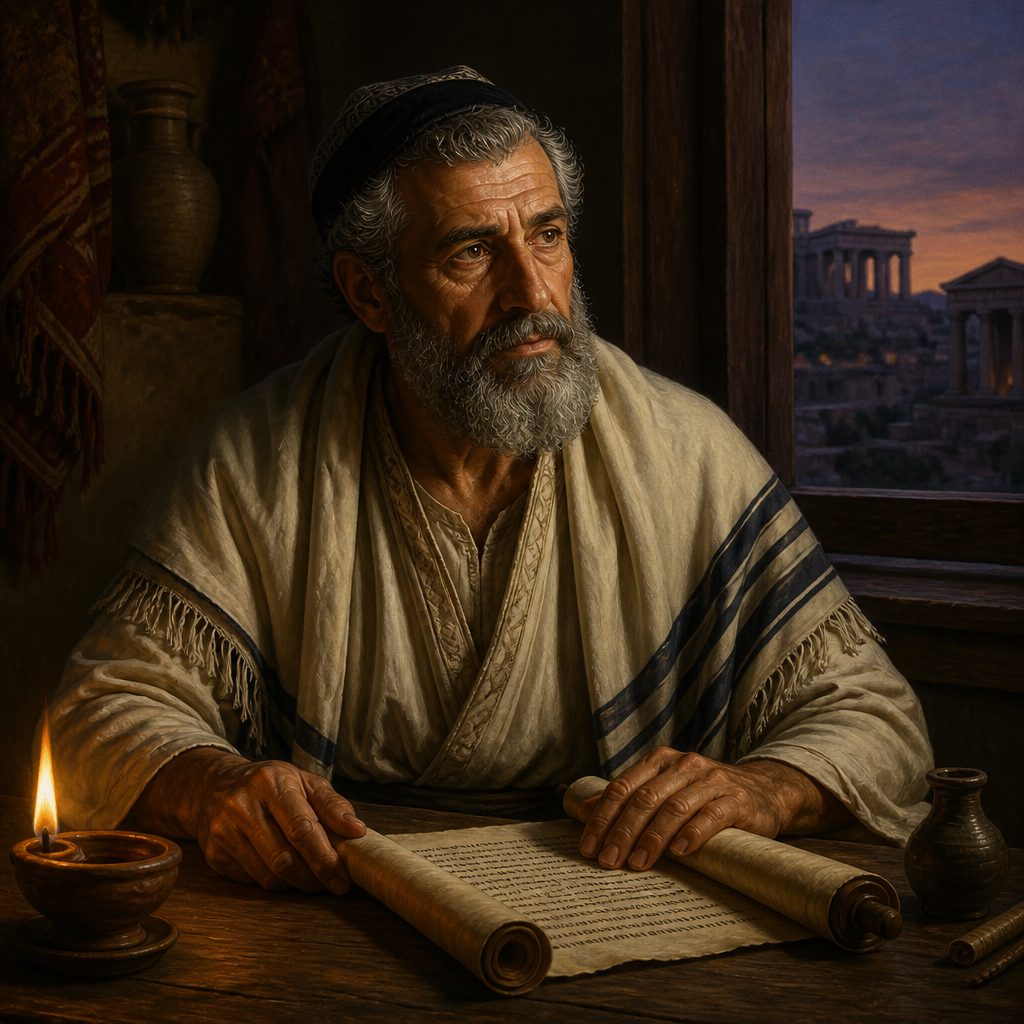
People of 1 Corinthians
Every person who appears in the book of 1 Corinthians, ordered by how often they are mentioned there.
The People of 1 Corinthians are identified throughout this Pauline epistle as members of a fractured early Christian community and figures from sacred history used to illustrate theological arguments. Paul identifies himself as the author alongside Sosthenes, a brother who joins in the opening greeting (1 Corinthians 1:1). The text describes a congregation divided by loyalties to different leaders, as reported to Paul by the household of Chloe (1 Corinthians 1:11). While some members claimed allegiance to Paul others identified with Apollos, an eloquent teacher, or Peter, the prominent apostle (1 Corinthians 1:12). Paul notes that he personally baptized only a few individuals in the city, including Crispus, a former synagogue ruler, and Gaius of Corinth, who hosted the assembly (1 Corinthians 1:14).
The letter organizes these individuals by their roles in the ministry and their relationship to the Corinthian church. Paul mentions Timothy as his beloved child in the Lord who was sent to remind the congregation of his ways (1 Corinthians 4:17). He defends the rights of apostles by referencing Barnabas, who worked alongside him, and the Wife of Peter, who traveled with her husband during his ministry (1 Corinthians 9:5–6). To address local leadership, Paul highlights Stephanas, whose household was the first convert in Achaia and who devoted himself to the service of the saints (1 Corinthians 16:15). Toward the end of the letter, Paul acknowledges the presence of Fortunatus and Achaicus, who arrived to supply what was lacking from the Corinthian congregation (1 Corinthians 16:17).
Beyond contemporary figures, the text invokes historical and symbolic individuals to explain the nature of the resurrection and the law. Paul contrasts Adam, the first man through whom death came, with Jesus, who is described as the last Adam and the source of life (1 Corinthians 15:21–22, 45). He references Moses to explain the spiritual history of the ancestors who were baptized into him in the cloud and the sea (1 Corinthians 10:2). The text also mentions Israel to provide a warning against idolatry based on their experiences in the wilderness (1 Corinthians 10:18).
The narrative of these people serves to define the identity of the church in relation to the gospel of Jesus. Paul concludes the letter by sending greetings from Aquila and Priscilla, who hosted a church in their home and worked closely with him (1 Corinthians 16:19). By naming specific individuals like James, as a witness to the resurrection, Paul anchors the faith of the Corinthians in a shared historical testimony (1 Corinthians 15:7). The interactions between these figures illustrate the transition from the old covenant to a new community composed of both Jews and Greeks.
Everyone in this list
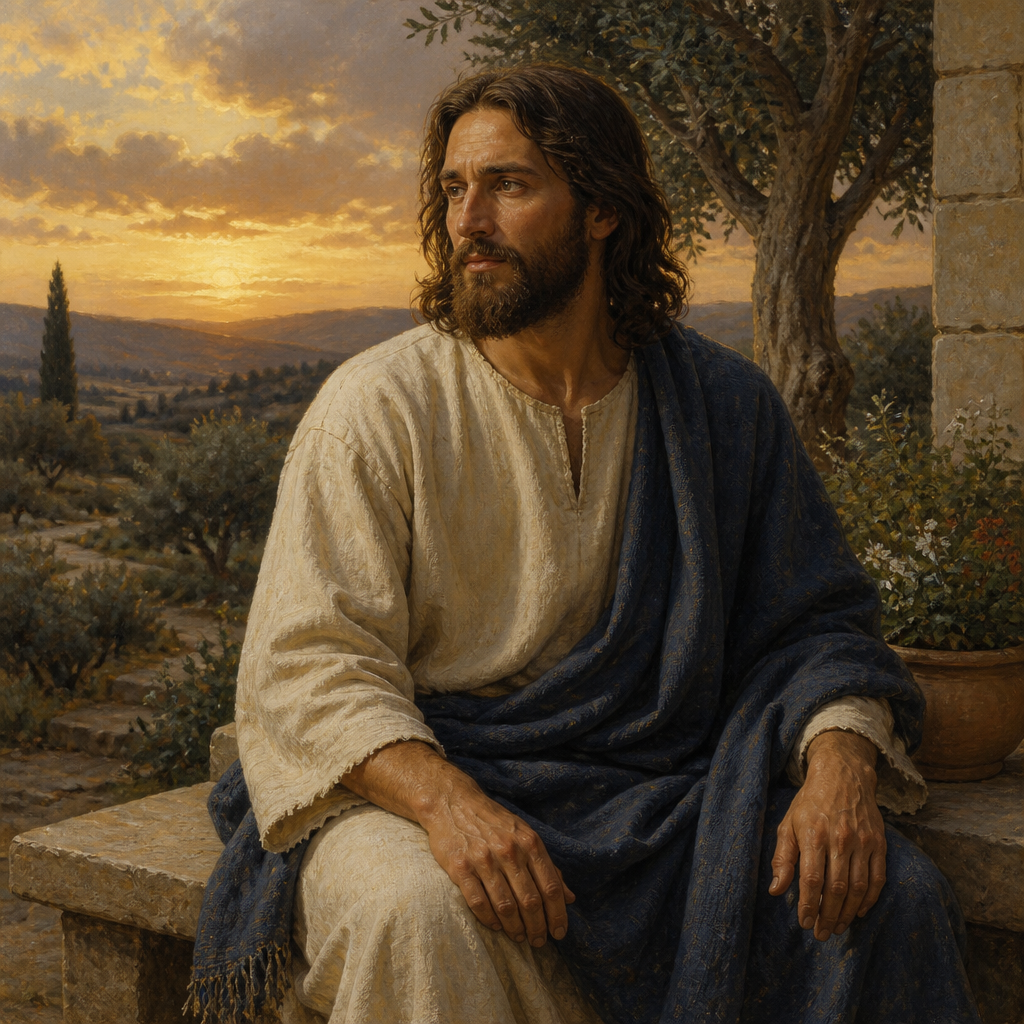
Jesus
Messiah and central figure of the New Testament whose life, death, and resurrection form the basis of the Christian faith

The Holy Spirit
The third person of the Trinity — hovering over the waters at creation, empowering judges, prophets and kings, poured out at Pentecost, indwelling believers
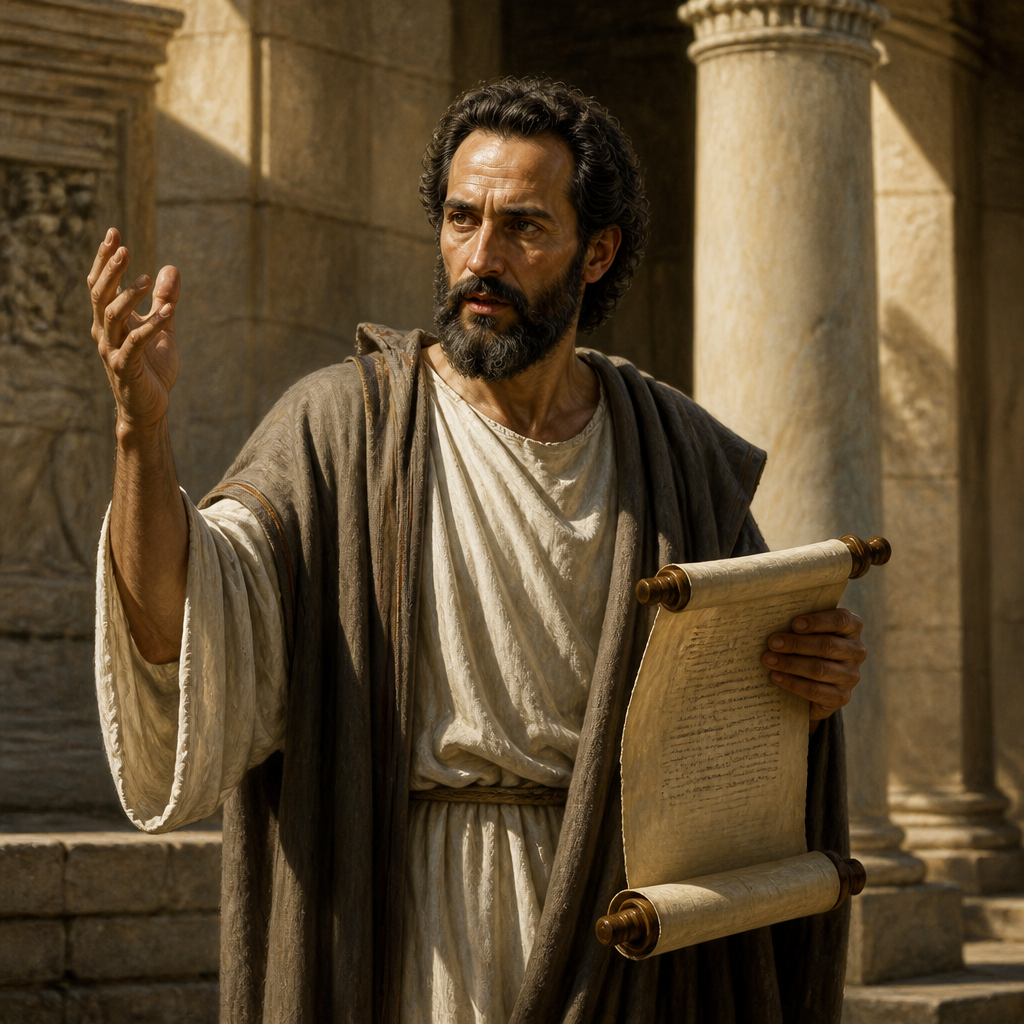
Apollos
Eloquent Alexandrian preacher and colleague of the Apostle Paul
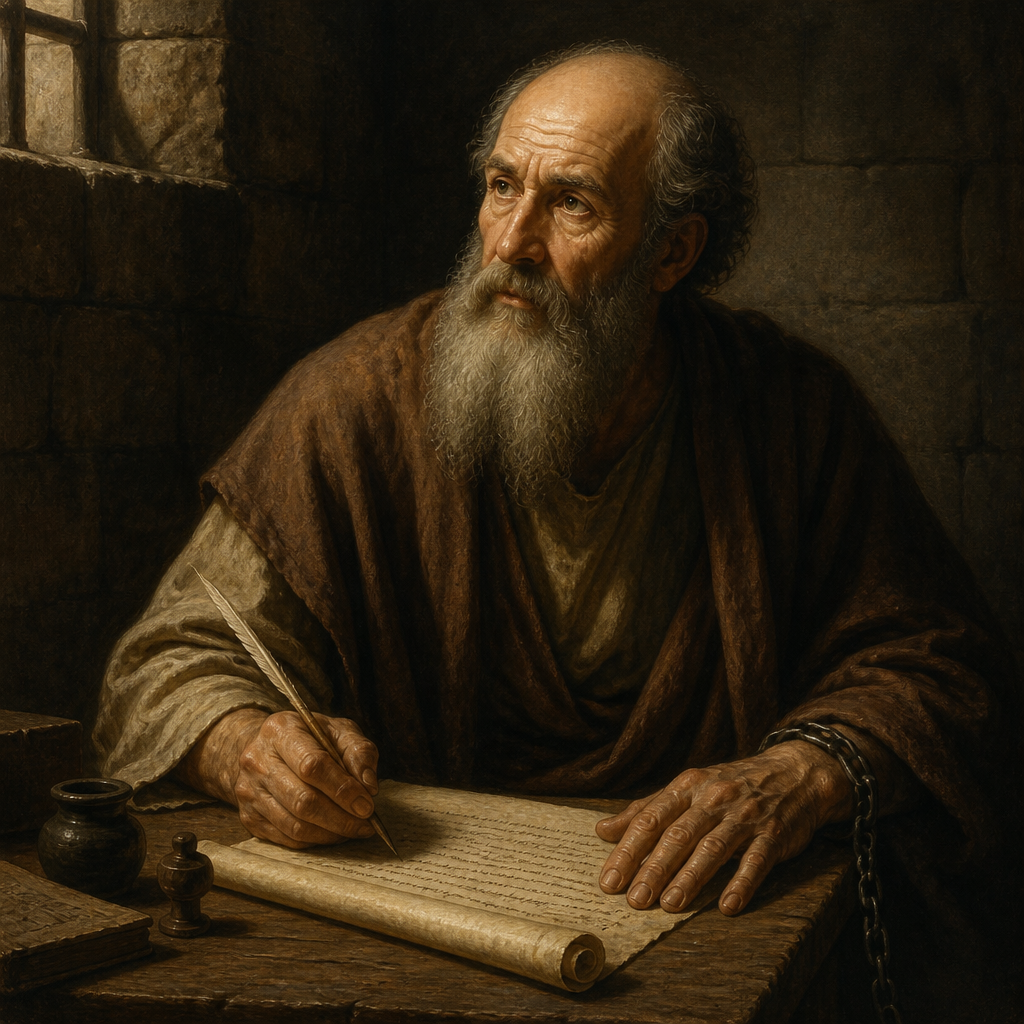
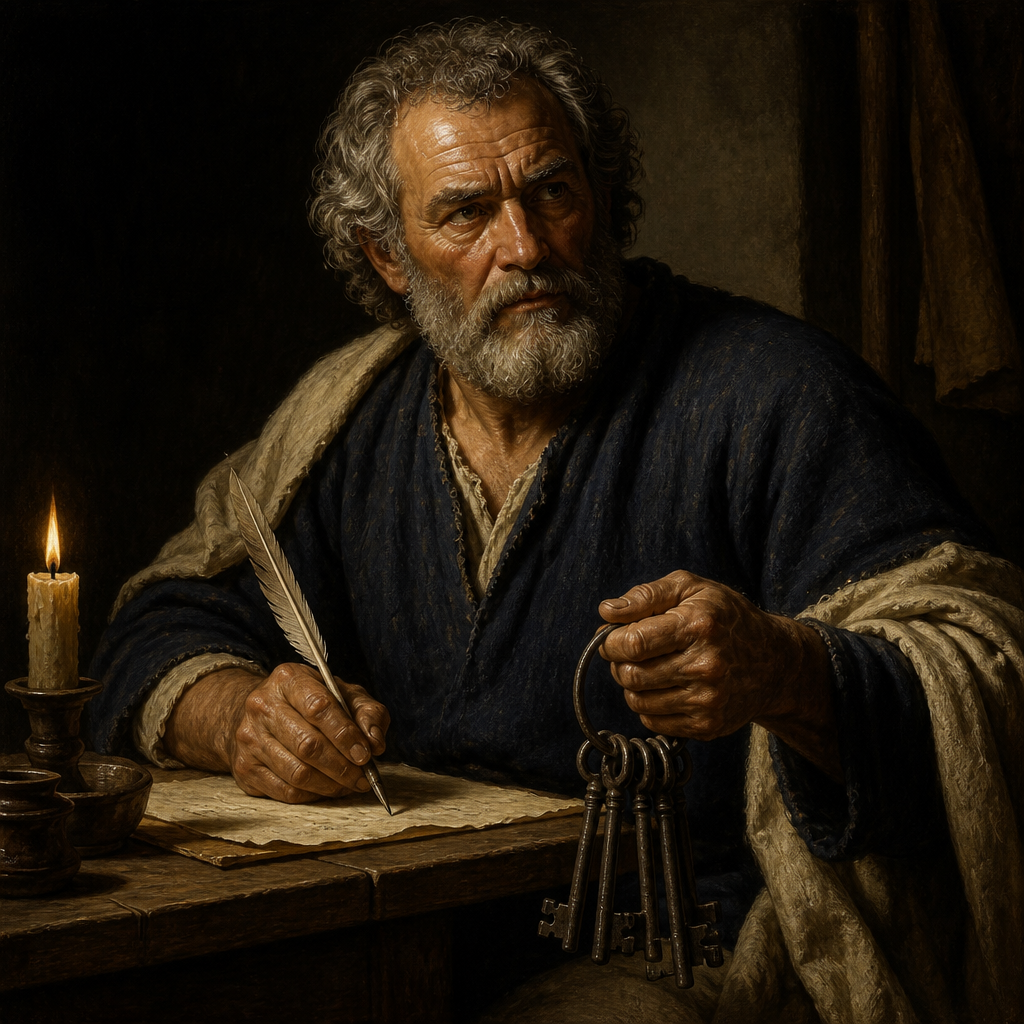
Peter
Apostle who served as the spokesman for the Twelve and the leader of the early Church in Jerusalem
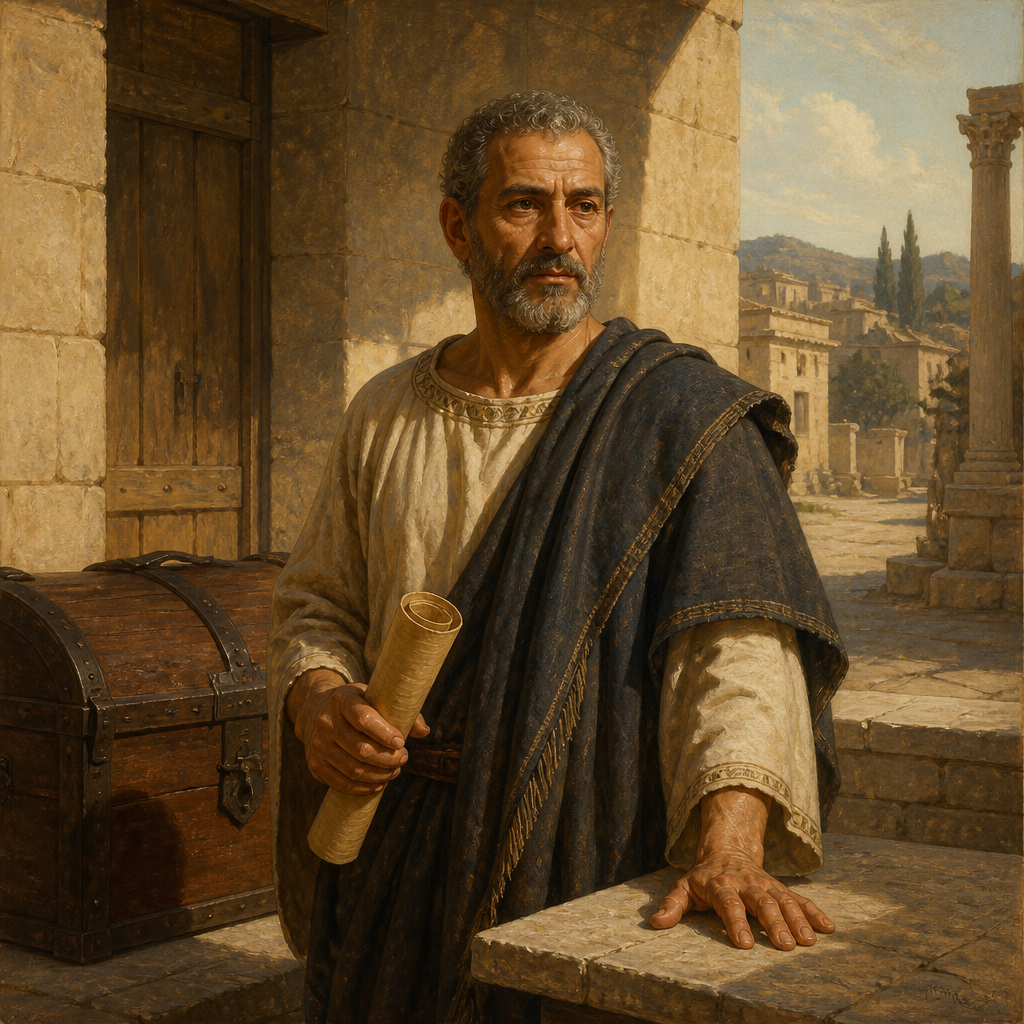
Stephanas
First convert in Achaia who ministered to the Apostle Paul and led the Corinthian church
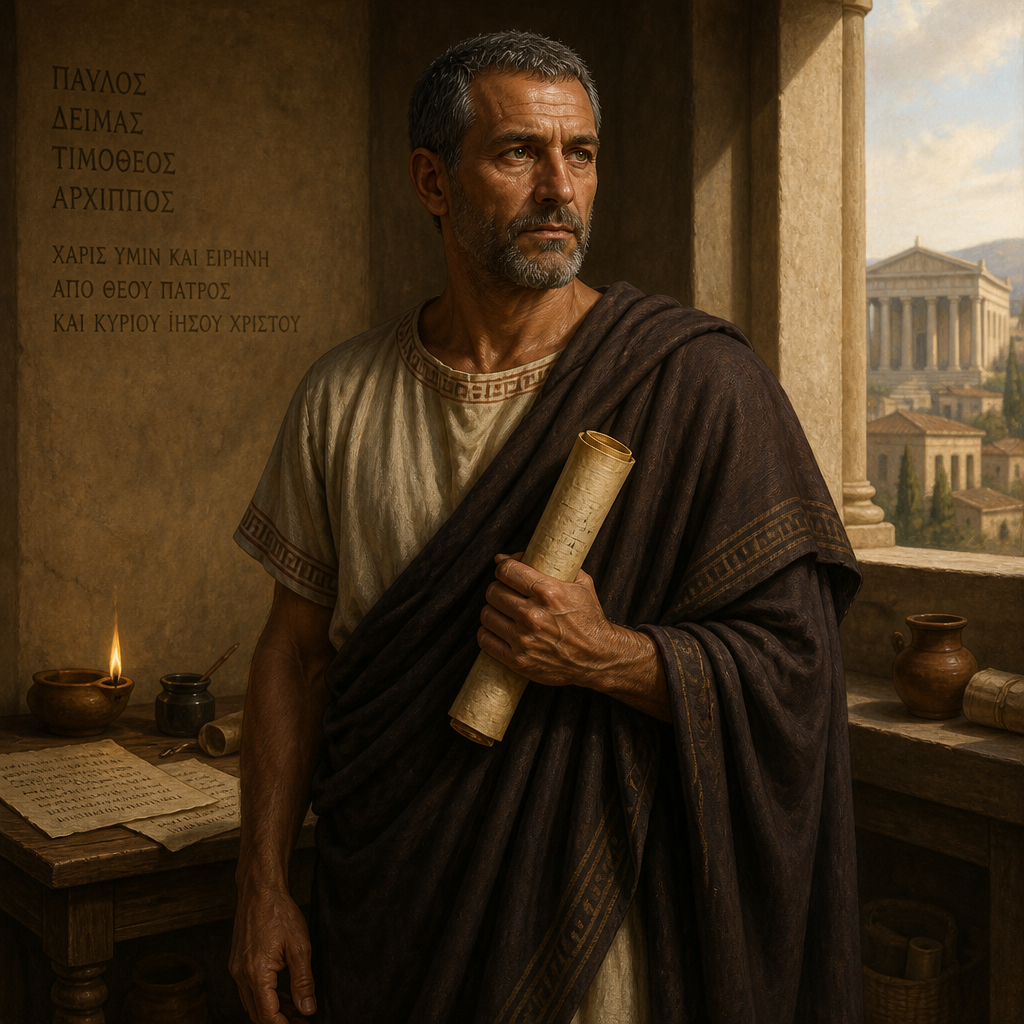
Achaicus
Member of the Corinthian delegation who visited Paul in Ephesus
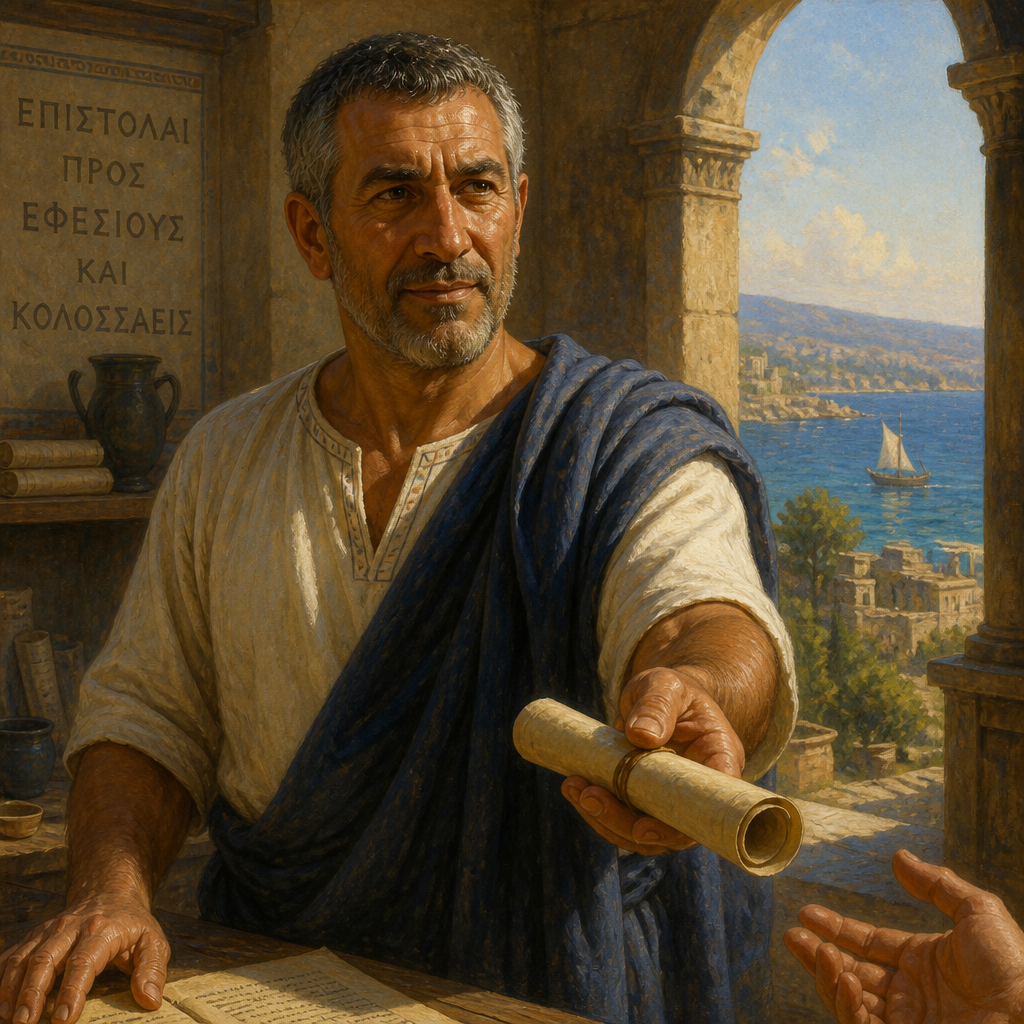
Fortunatus
Member of the Corinthian delegation who visited Paul at Ephesus
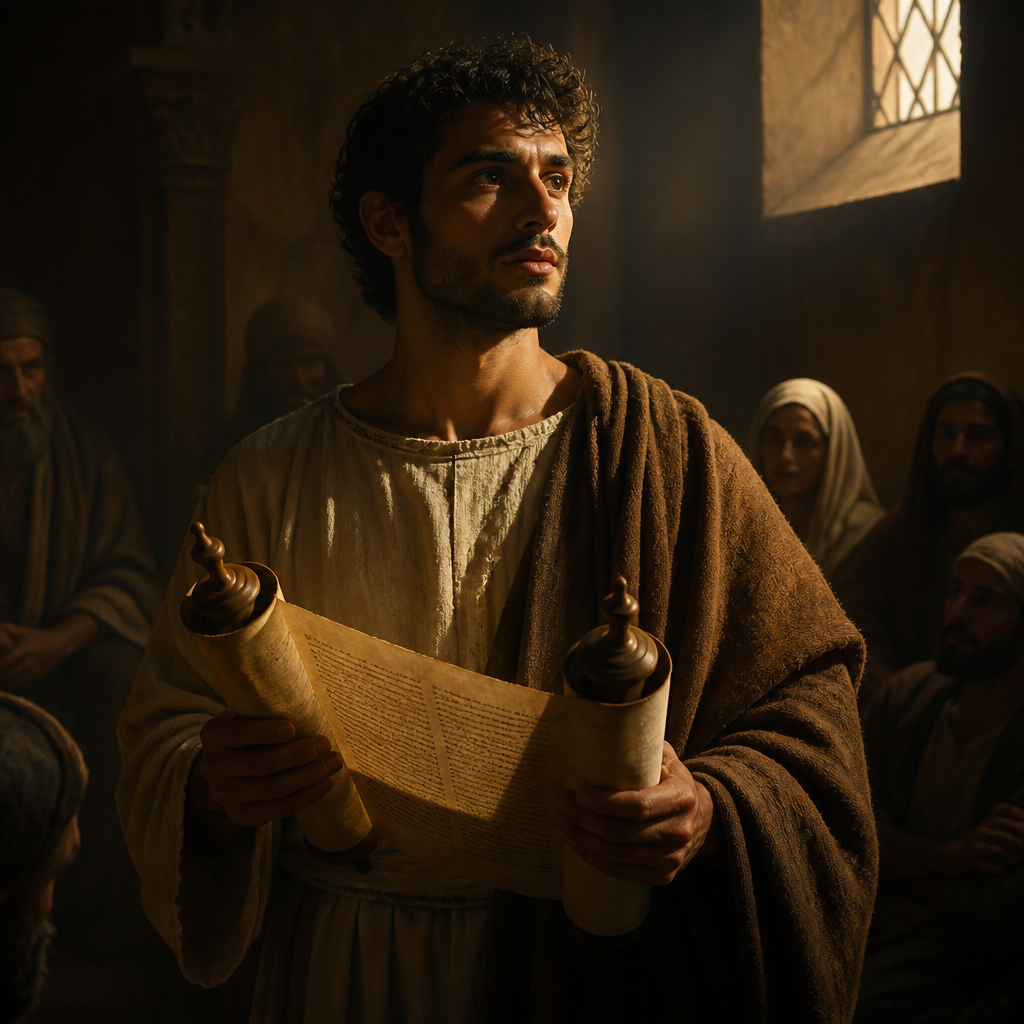
Timothy
Protégé of the Apostle Paul and recipient of the two Pastoral Epistles whom Paul stationed at Ephesus
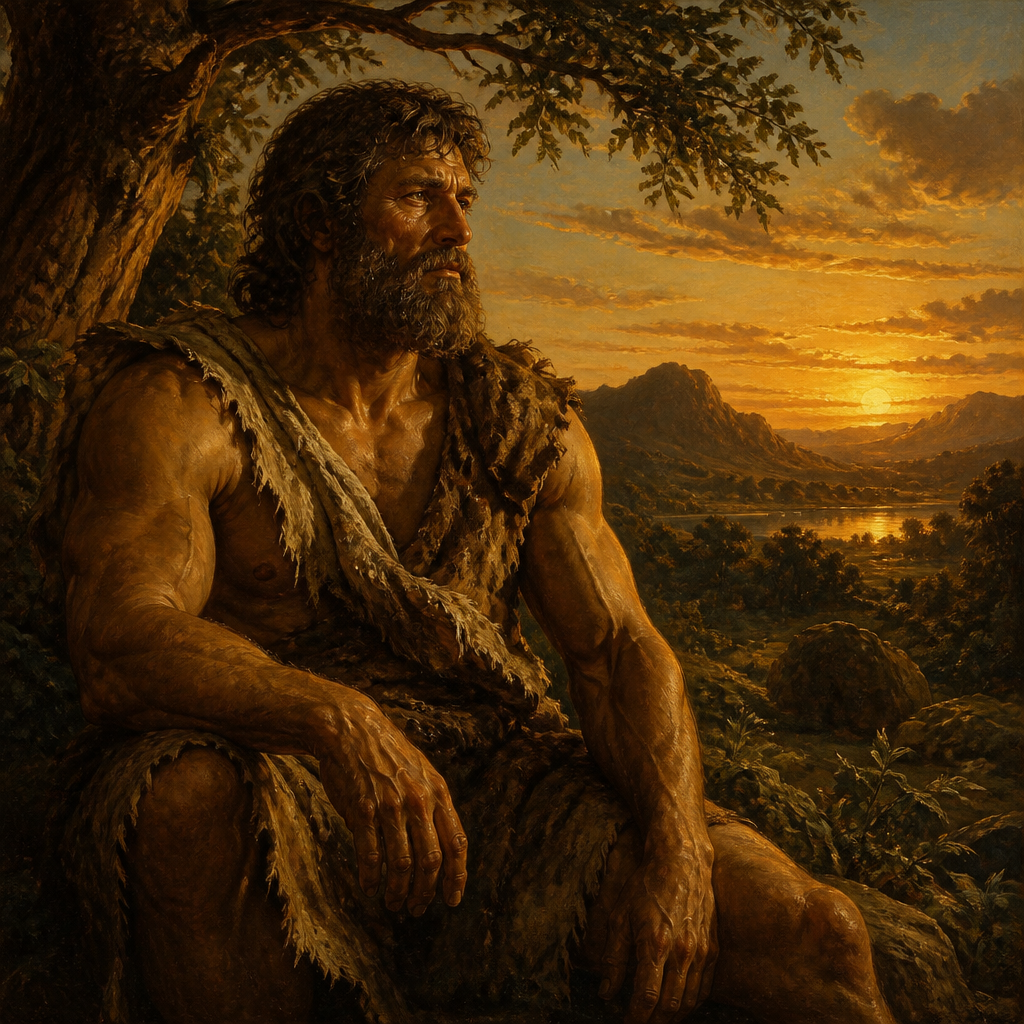
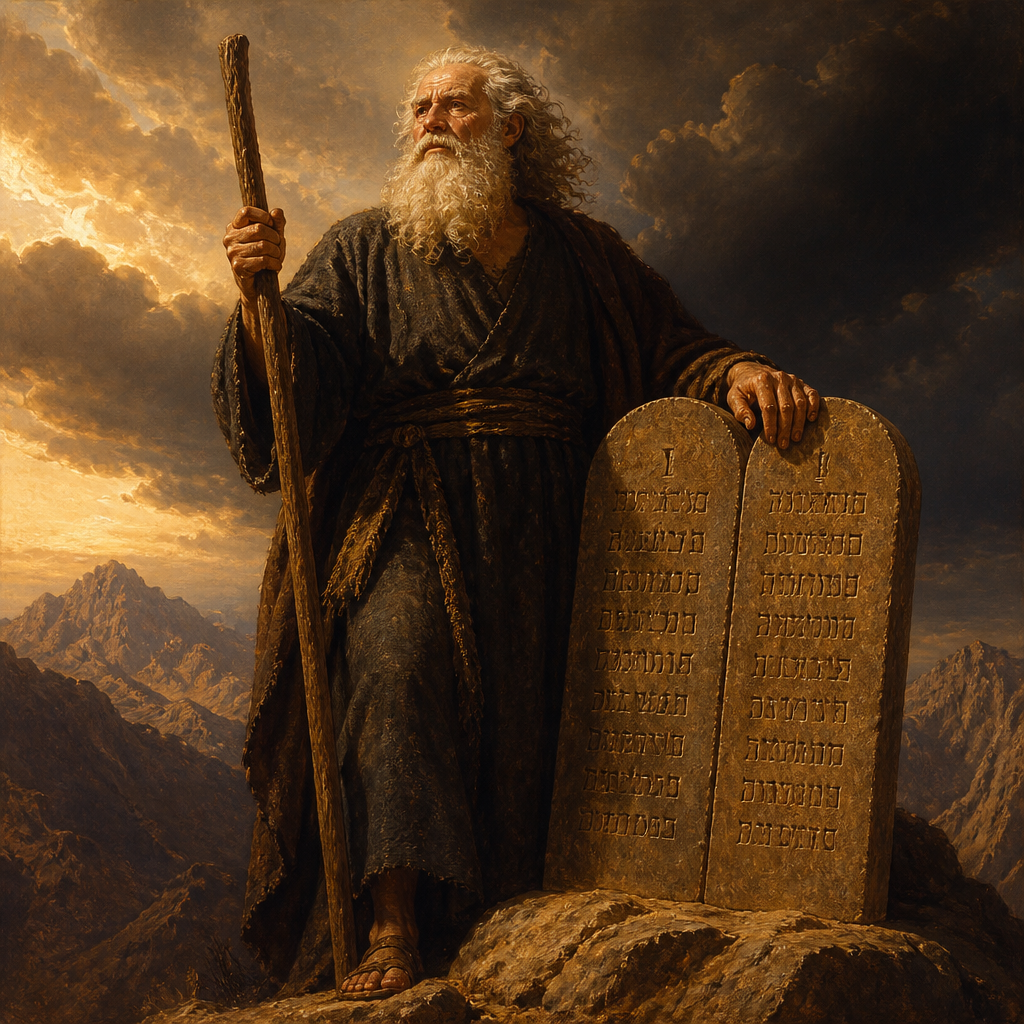
Moses
Prophet who led the Israelites out of Egypt and received the Ten Commandments

The Man Who Had His Father's Wife
Man mentioned by Paul for an incestuous relationship with his stepmother
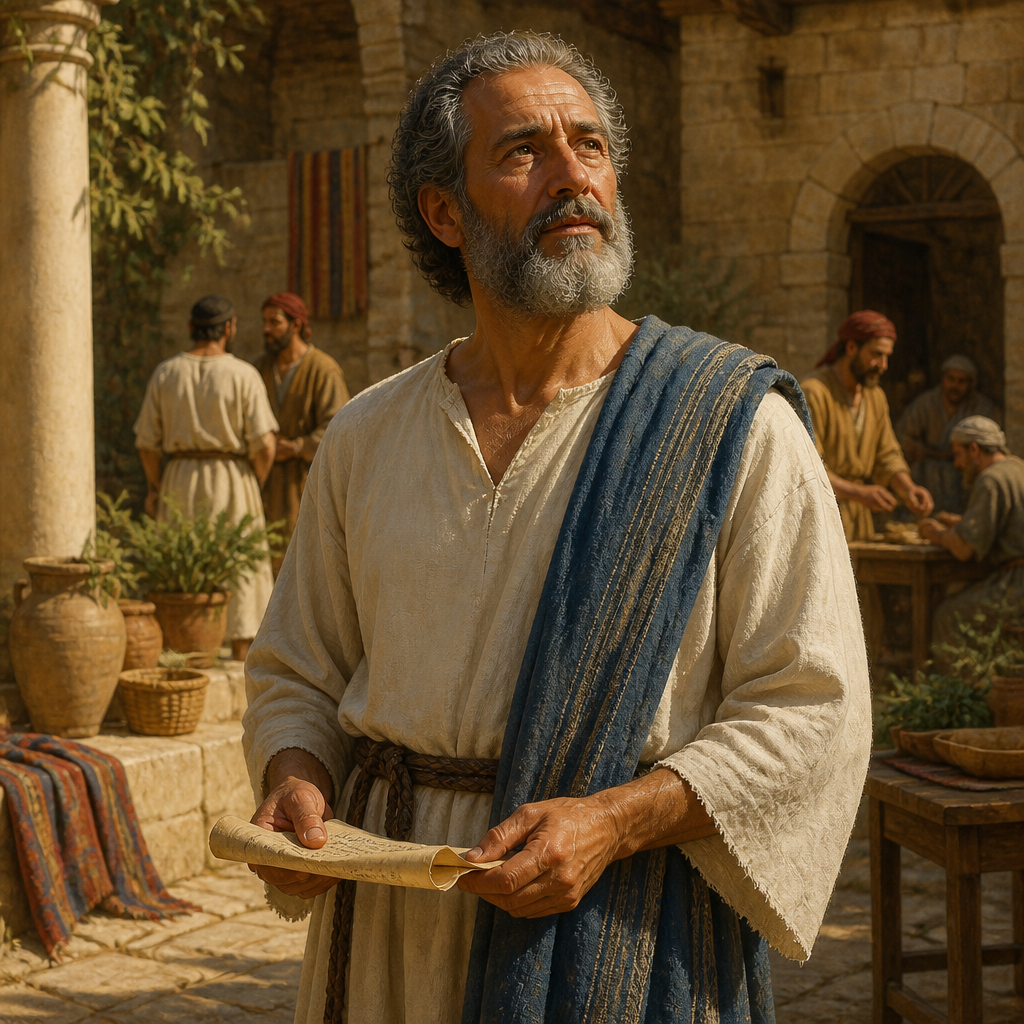
Barnabas
Prophet and leader in the Antioch church who mentored the Apostle Paul
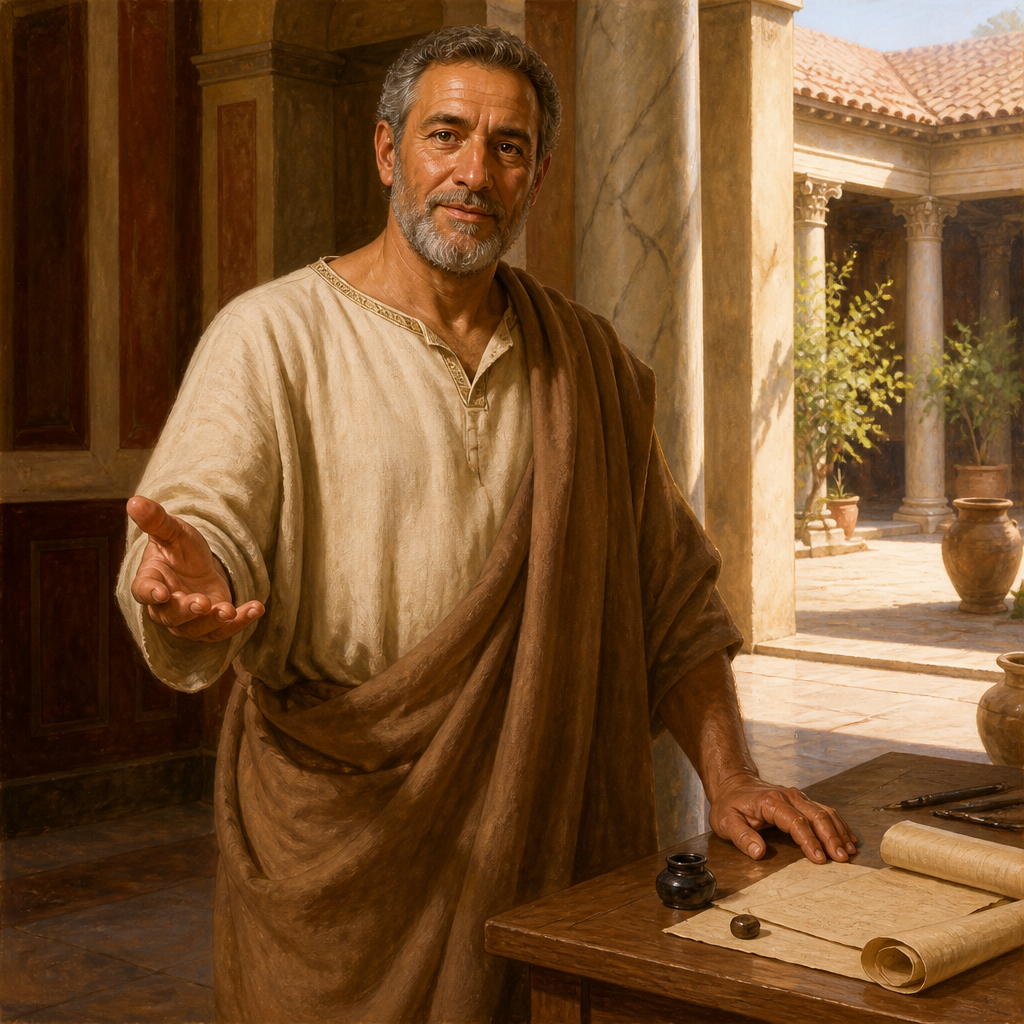
Gaius of Corinth
Host of the Apostle Paul and the entire Corinthian church
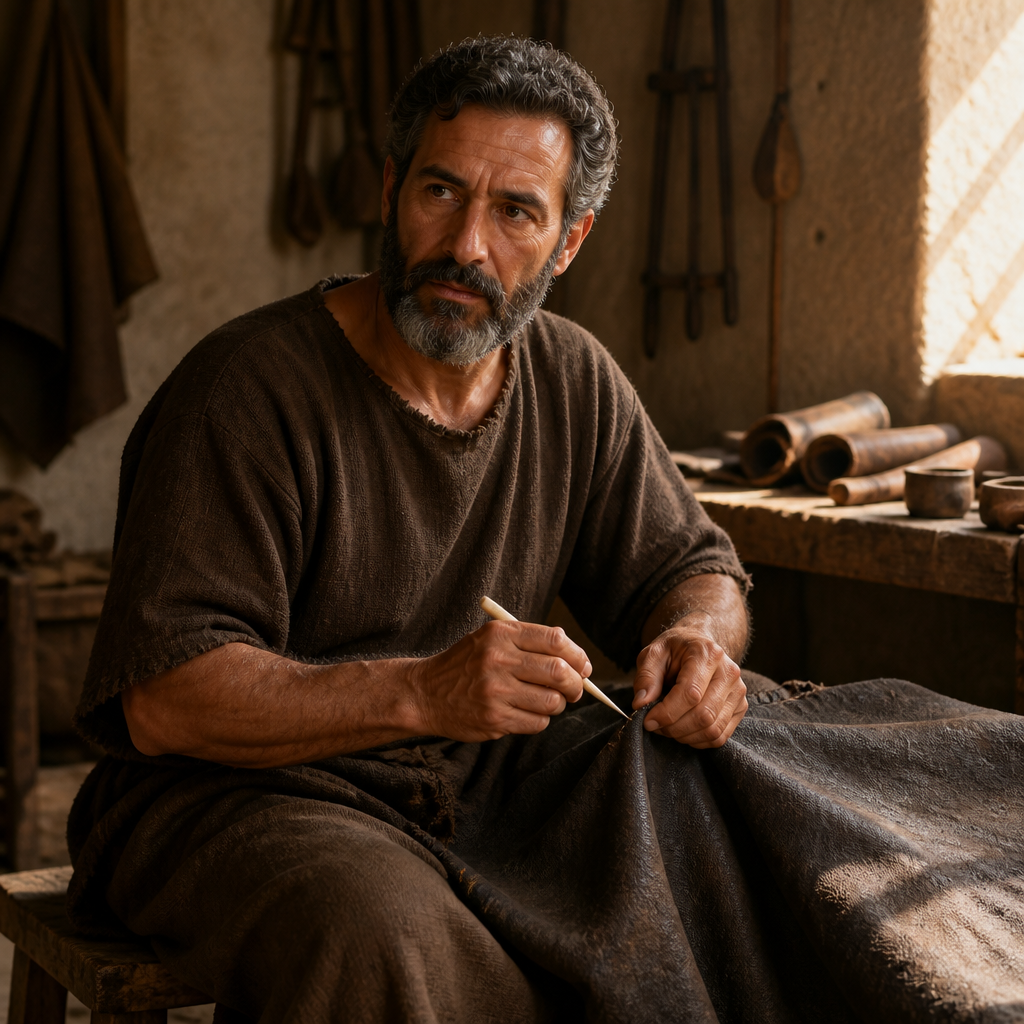
Aquila
Jewish Christian coworker of Paul who hosted house churches and instructed Apollos
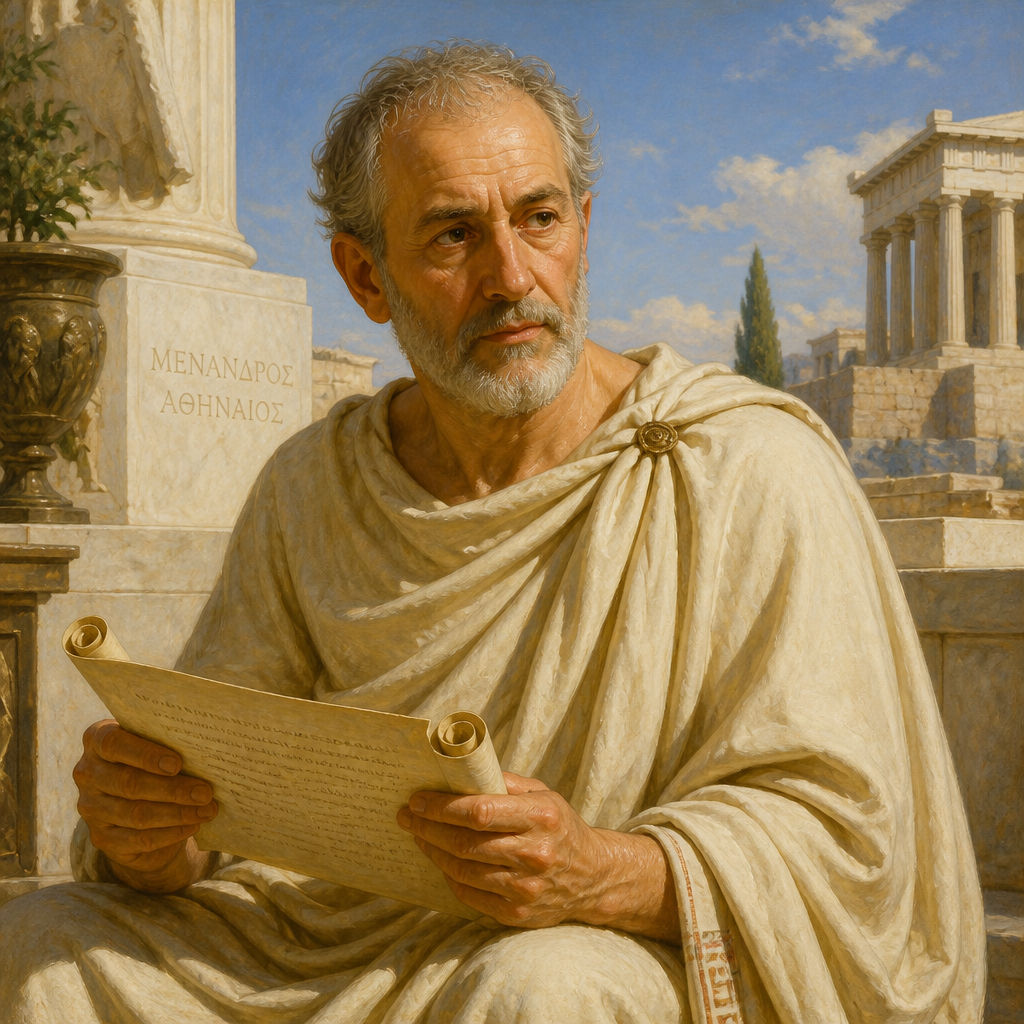
Menander
Greek playwright whose maxim on 'bad company' is quoted in 1 Corinthians

God the Father
The first person of the Trinity — creator, the one Jesus addressed as Father, the one who sends the Son and the Spirit
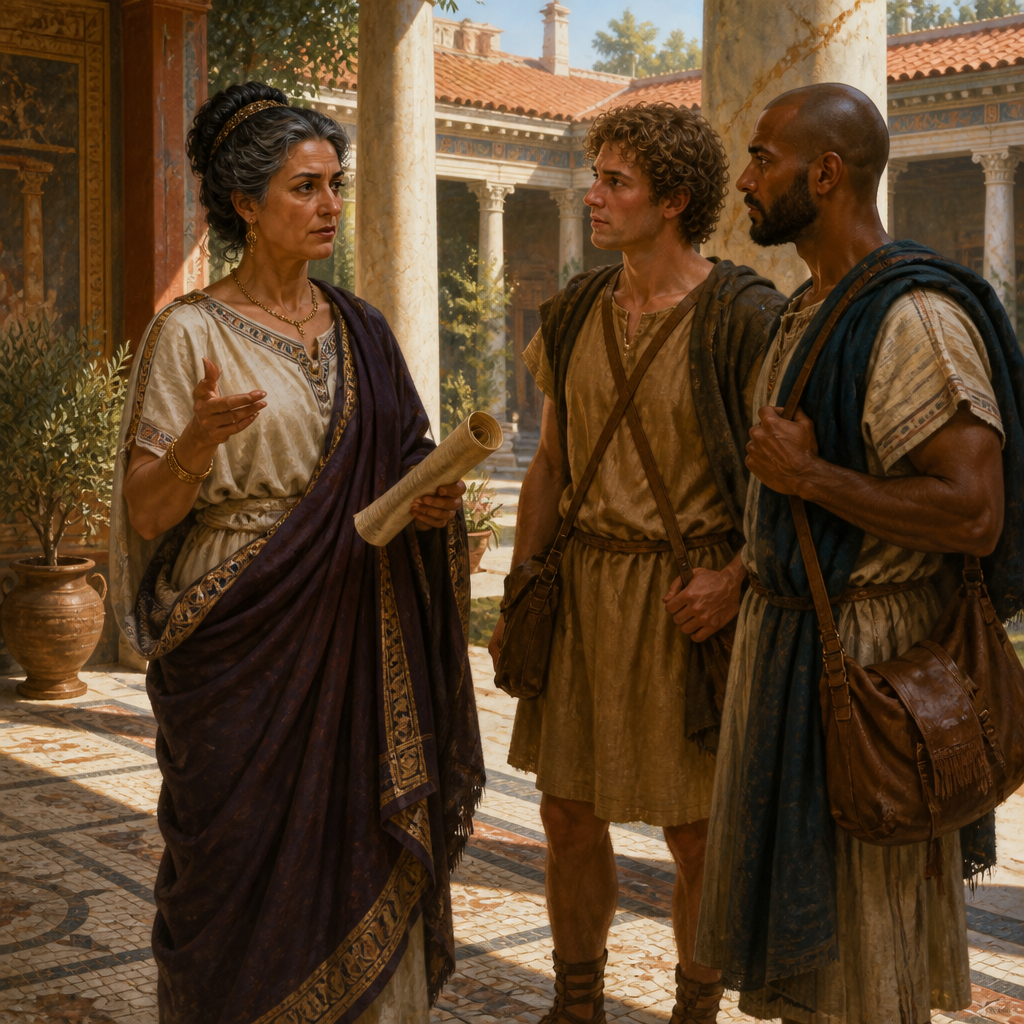
Chloe
Christian woman whose household reported the divisions in the Corinthian church to the Apostle Paul
Priscilla
Early church leader and teacher who hosted a house church and mentored Apollos
Sosthenes
Synagogue leader in Corinth who was beaten by a crowd and later became Paul's co-author
James, Brother of Jesus
Leader of the early Jerusalem church and author of the New Testament Epistle of James