Rulers & Officials
Every person in the Bible tagged Rulers & Officials on Everybody in the Bible.
17 profiles tagged Rulers & Officials.
Everyone in this collection
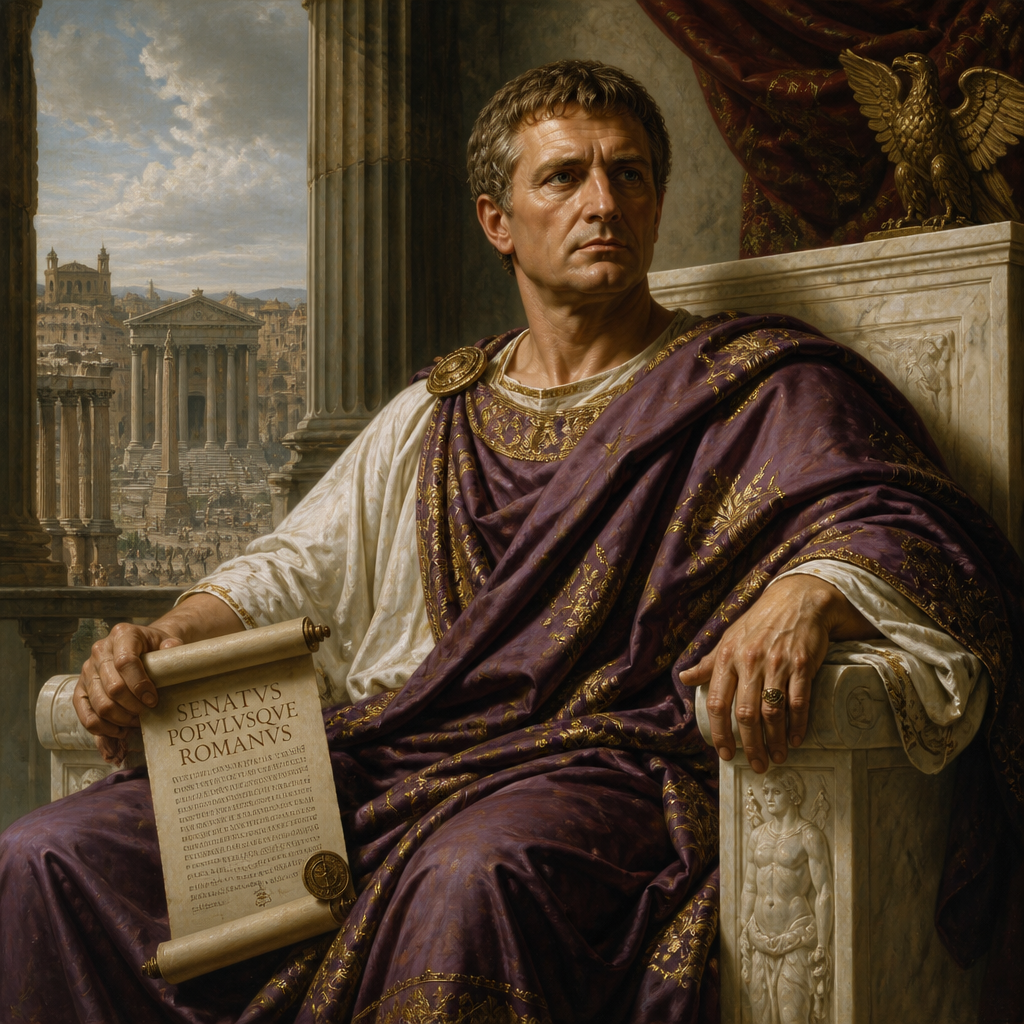
Augustus
Founder of the Roman Empire who decreed the census mentioned in the Gospel of Luke
The first Roman Emperor, whose census decree brought Joseph and Mary to Bethlehem for the birth of Jesus Christ.
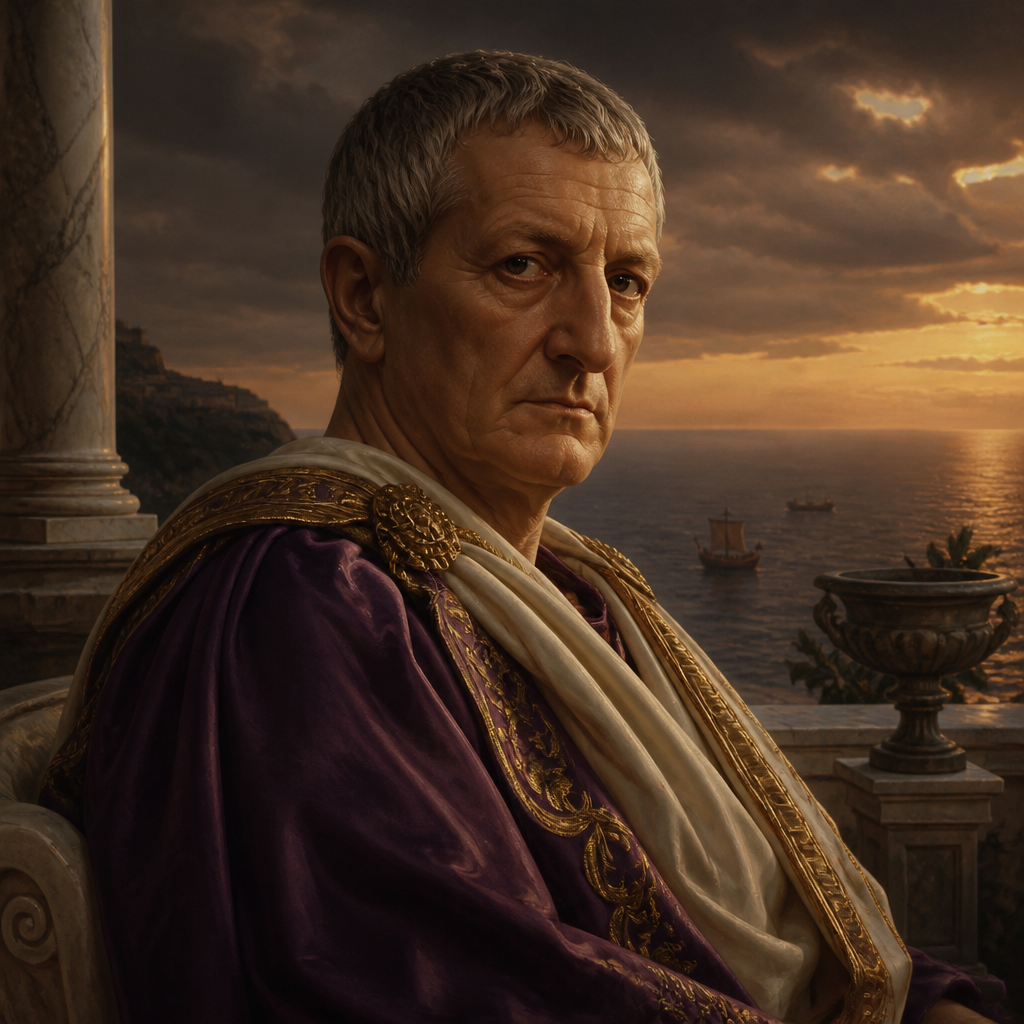
Tiberius
Second Roman emperor whose fifteenth regnal year marks the beginning of Christ's ministry
Tiberius Julius Caesar Augustus was the second Roman Emperor, whose reign spanned the public ministry and crucifixion of Jesus Christ.
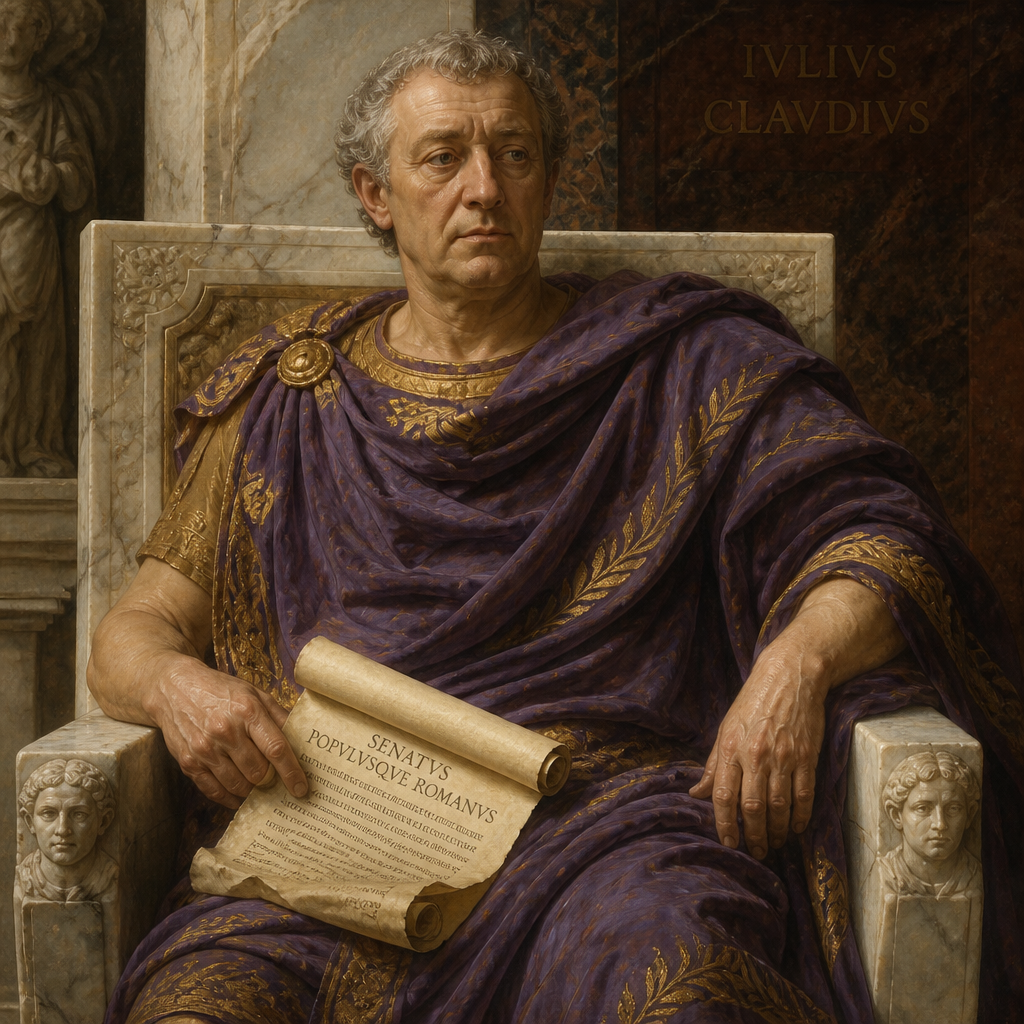
Claudius
Roman emperor who expelled the Jews from Rome and reigned during the early church’s growth
Claudius was the fourth Roman Emperor, reigning from 41 to 54 AD, whose administrative decrees significantly impacted the early Christian missions and the Jewish diaspora.
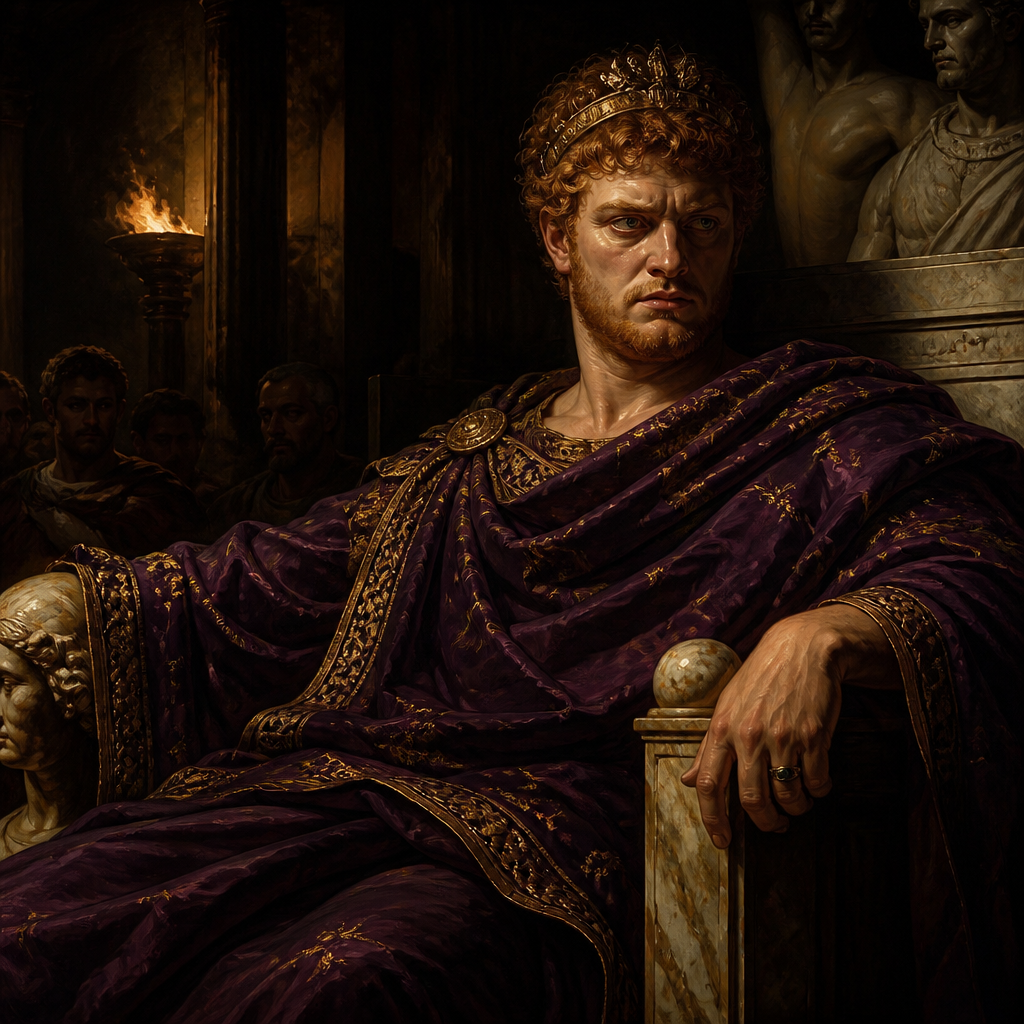
Nero
Architect of the first imperial persecution of Christians and the figure associated with the number 666
Nero was the fifth Roman Emperor, whose reign is marked by the first state-sponsored persecution of Christians and the backdrop for the final ministries of Paul and Peter.
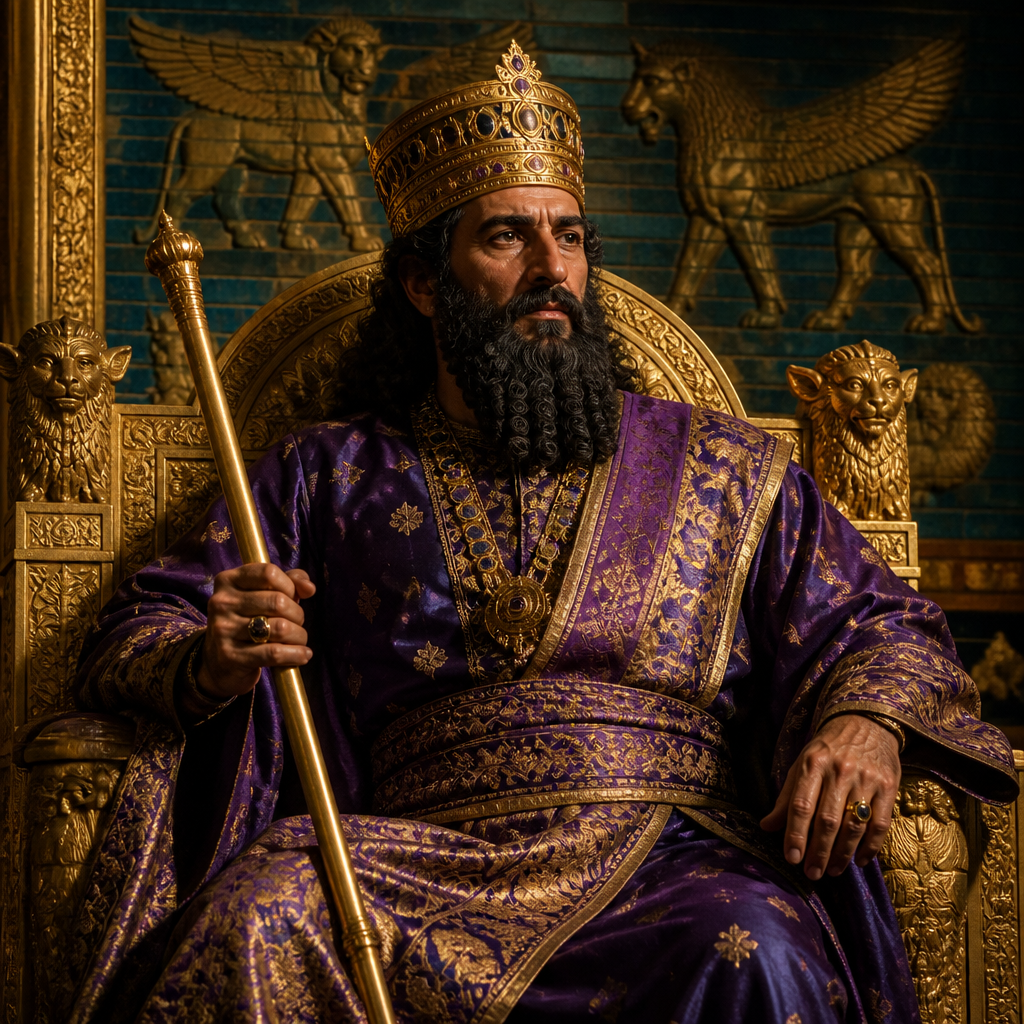
Ahasuerus
King of Persia who married Esther and authorized the defense of the Jews against Haman's plot
The powerful Persian king of the post-exilic period who deposed Queen Vashti and eventually chose Esther to be his queen, unknowingly saving the Jewish people from genocide.
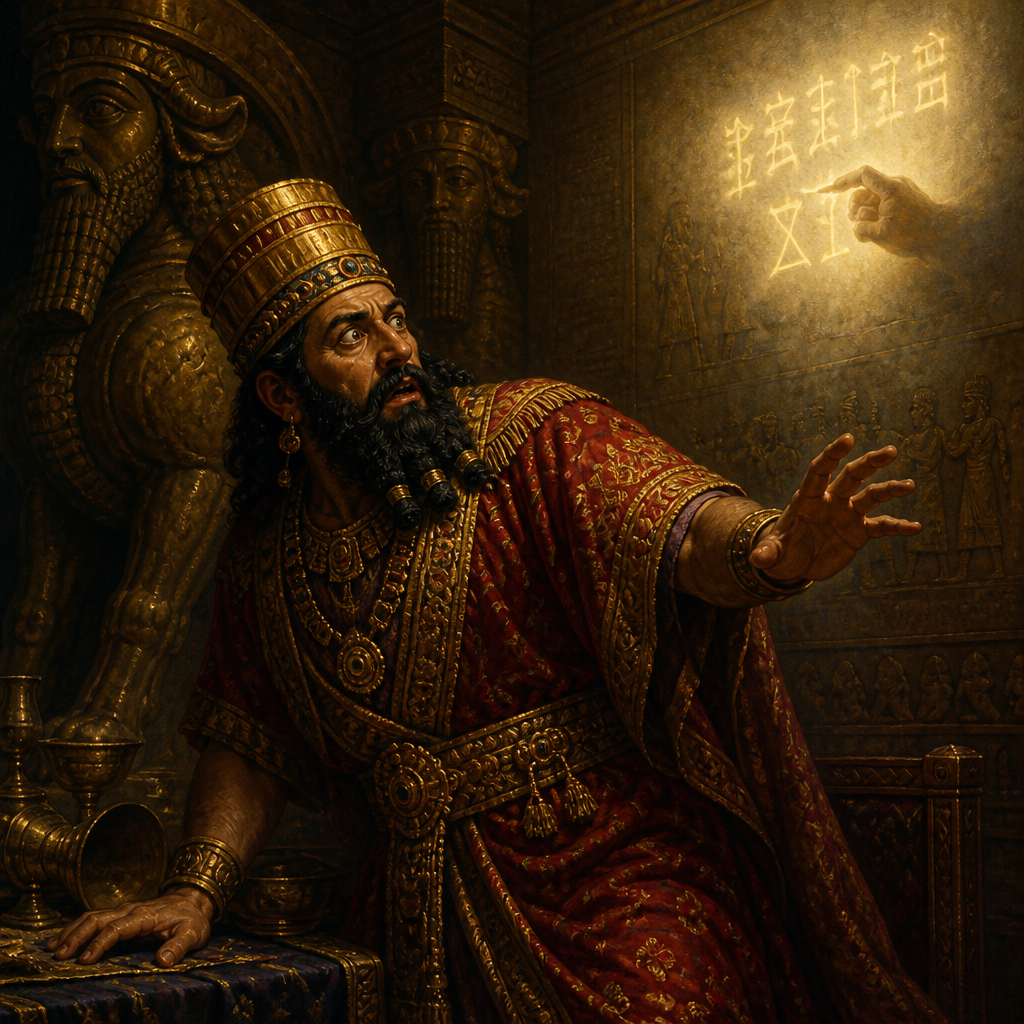
Belshazzar
King of Babylon who saw the supernatural writing on the wall during a sacrilegious feast
The final ruler of the Babylonian Empire mentioned in the book of Daniel, known for the 'writing on the wall' incident during a sacrilegious feast.
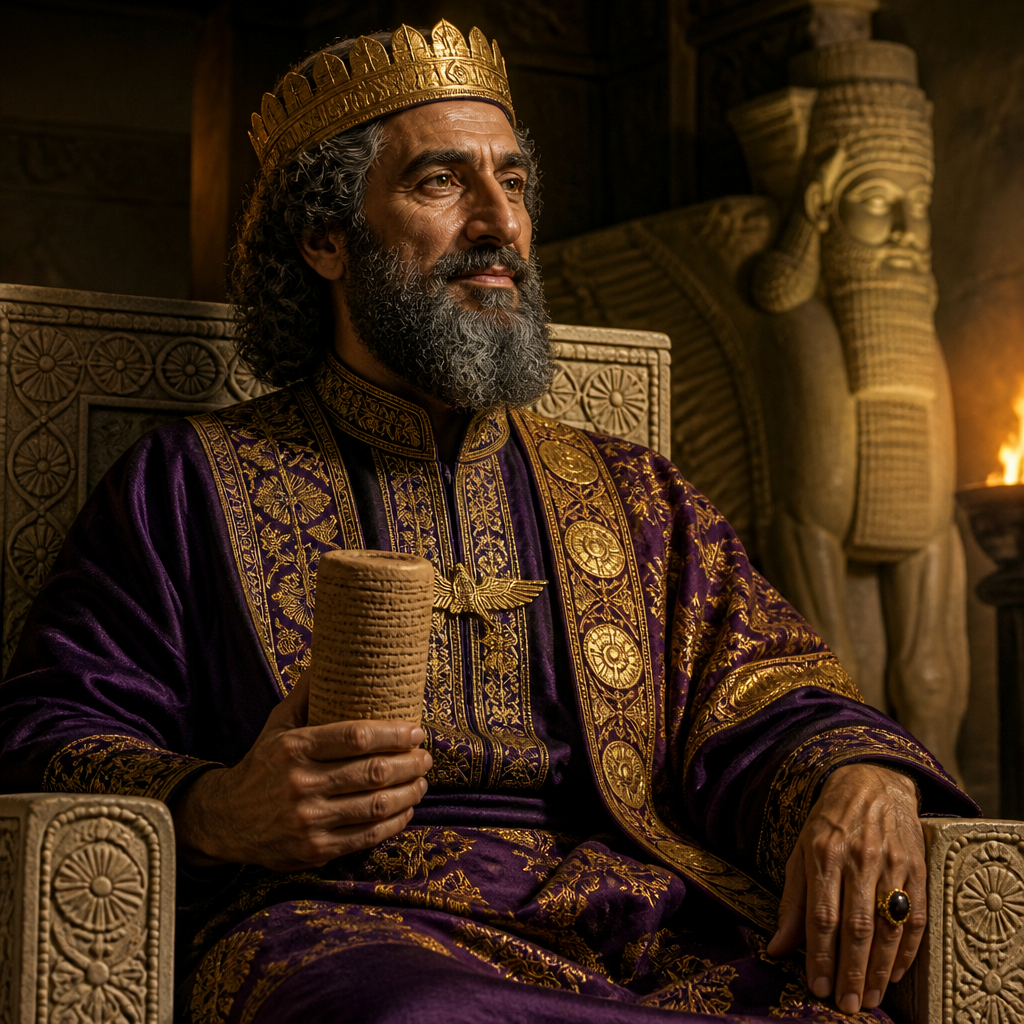
Cyrus
Persian king who issued the decree allowing the Jews to return from exile and rebuild the Temple
The Persian king who ended the Babylonian exile by decreeing the reconstruction of the Temple in Jerusalem and returning its sacred vessels to the Jewish people.
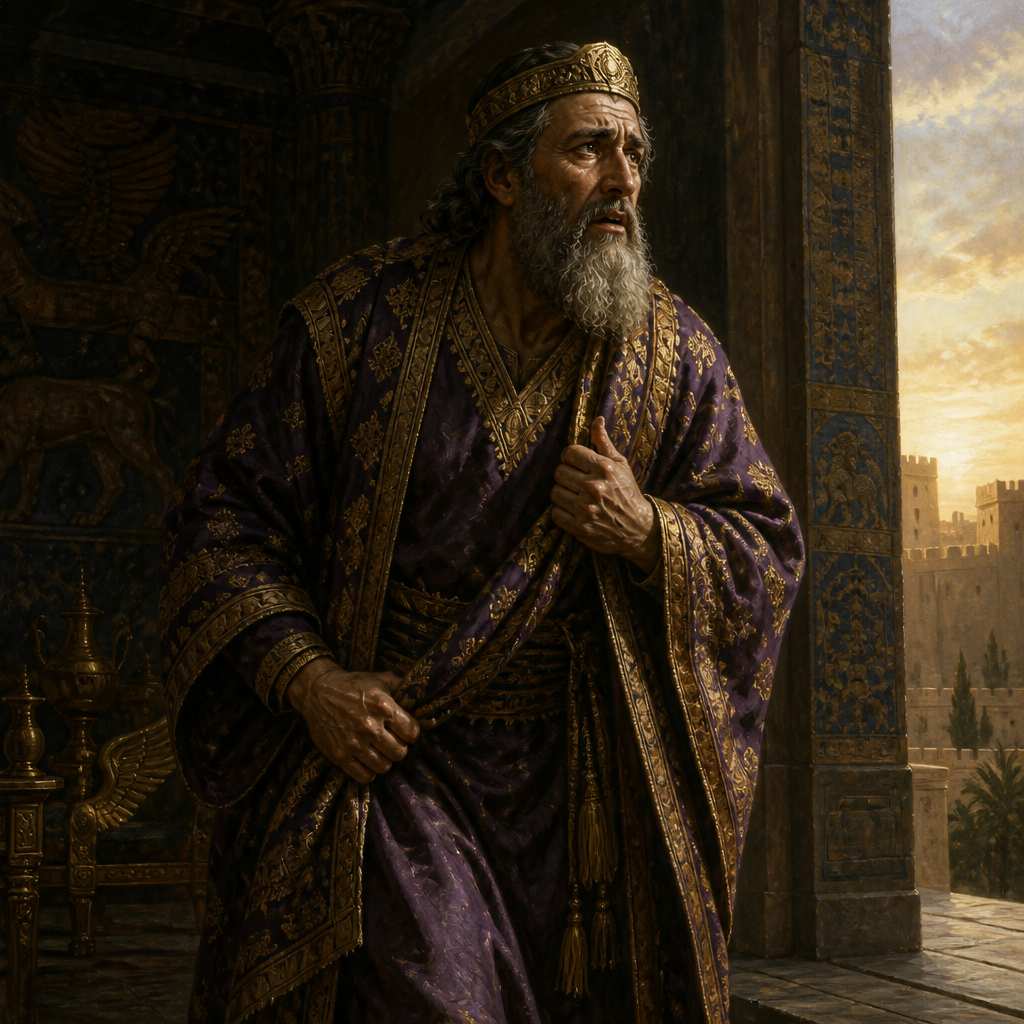
Darius the Mede
King who reluctantly cast Daniel into the lions' den and later praised the living God
The Median ruler who assumed control of the Babylonian kingdom after the fall of Belshazzar and famously spared Daniel from the lions' den.
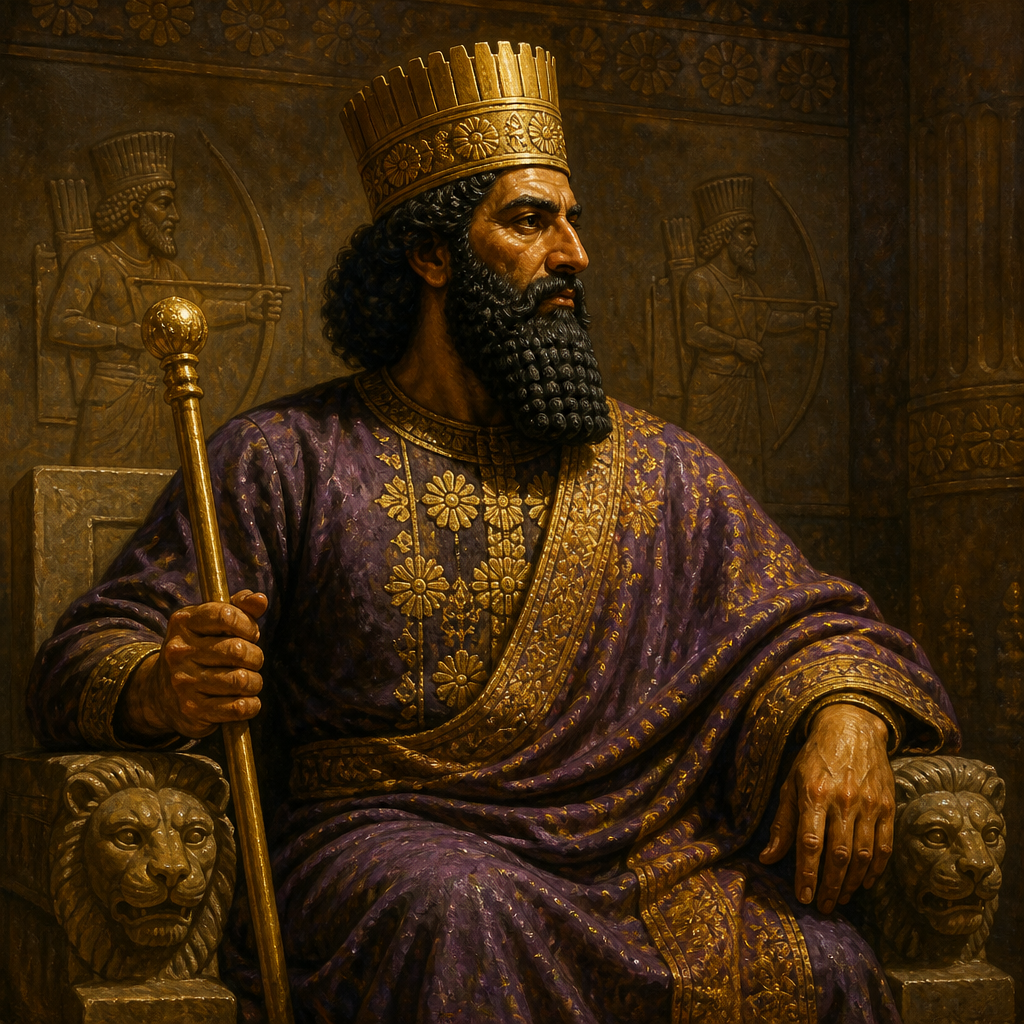
Darius the Persian (Nehemiah 12)
Persian monarch during whose reign the priestly and Levitical genealogies were recorded
A Persian king mentioned in the Book of Nehemiah whose reign served as a chronological marker for the genealogical records of the Levites and priests.
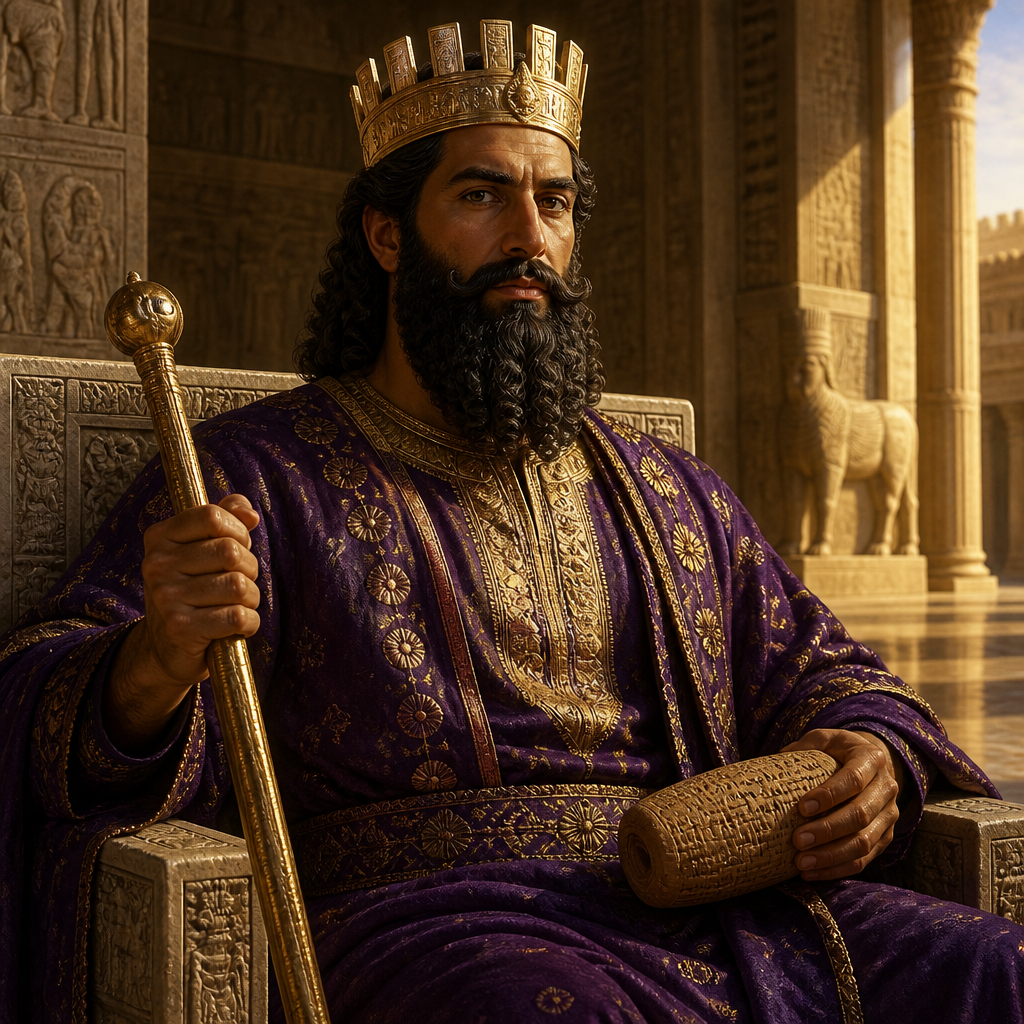
Darius, King of Persia (Ezra 4–6)
King of Persia who decreed the completion of the Second Temple
The Persian monarch who authorized and funded the completion of the Second Temple in Jerusalem, upholding the original decree of Cyrus the Great.
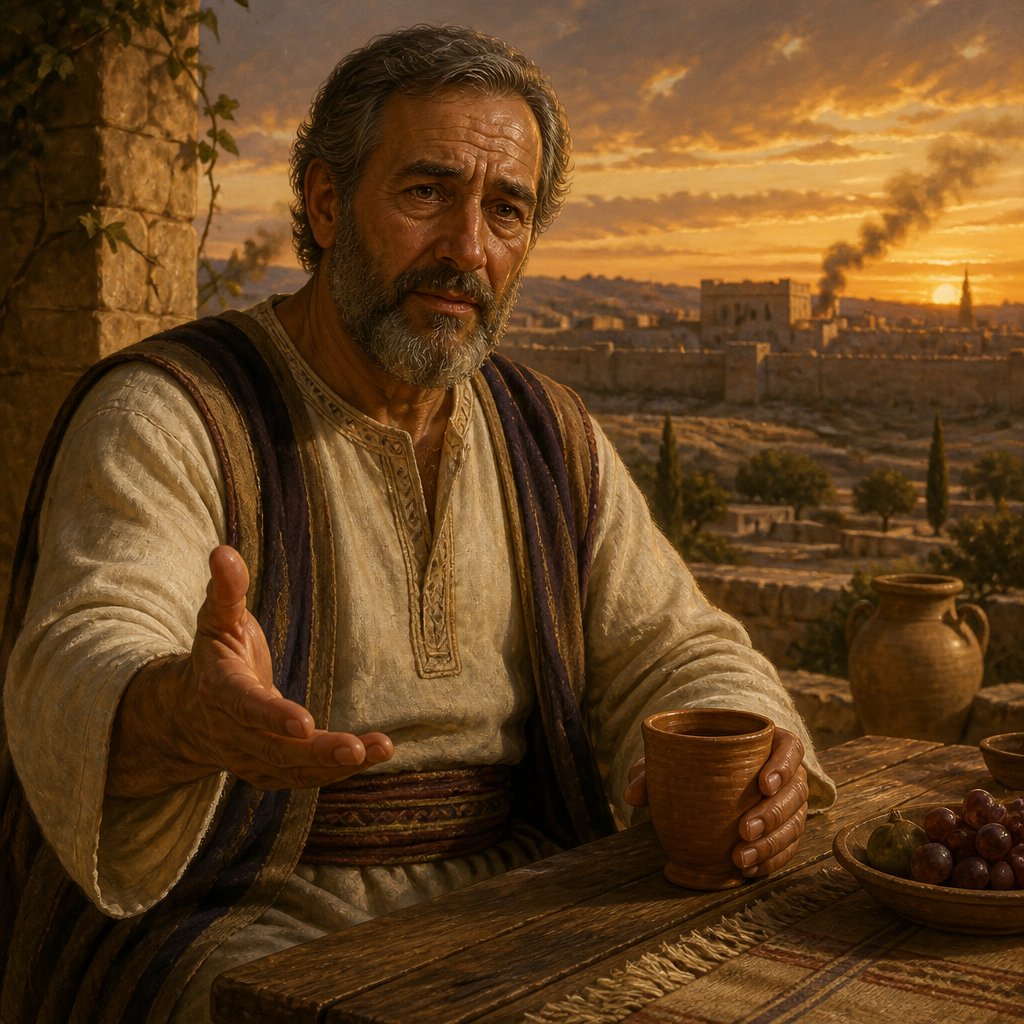
Gedaliah, Governor of Judah
Governor of Judah appointed by Babylon who was assassinated at Mizpah
A high-ranking Judean official appointed by King Nebuchadnezzar to serve as governor over the remnant of Judah following the fall of Jerusalem.
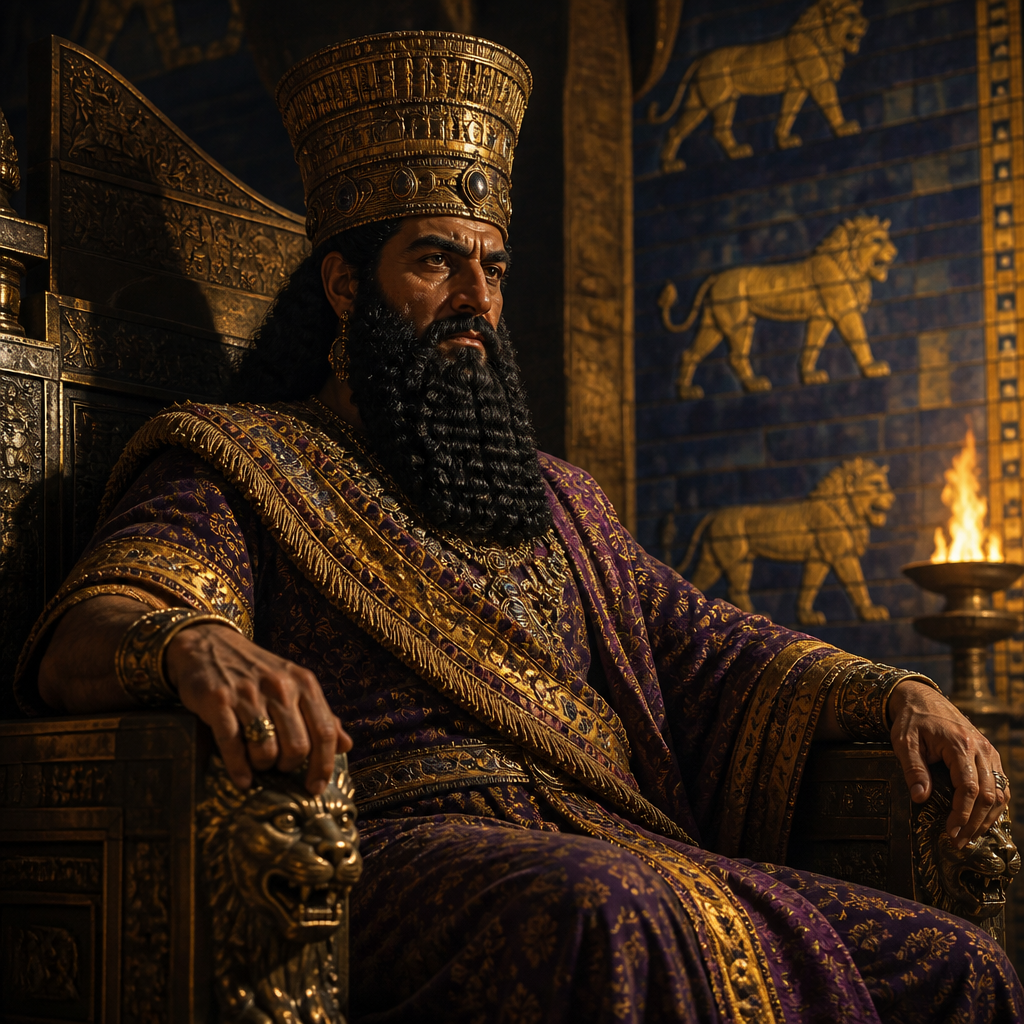
Nebuchadnezzar
King of Babylon who conquered Jerusalem and was humbled by God
The powerful king of Babylon who destroyed Jerusalem, deported the Judeans, and eventually acknowledged the sovereignty of the God of Israel.
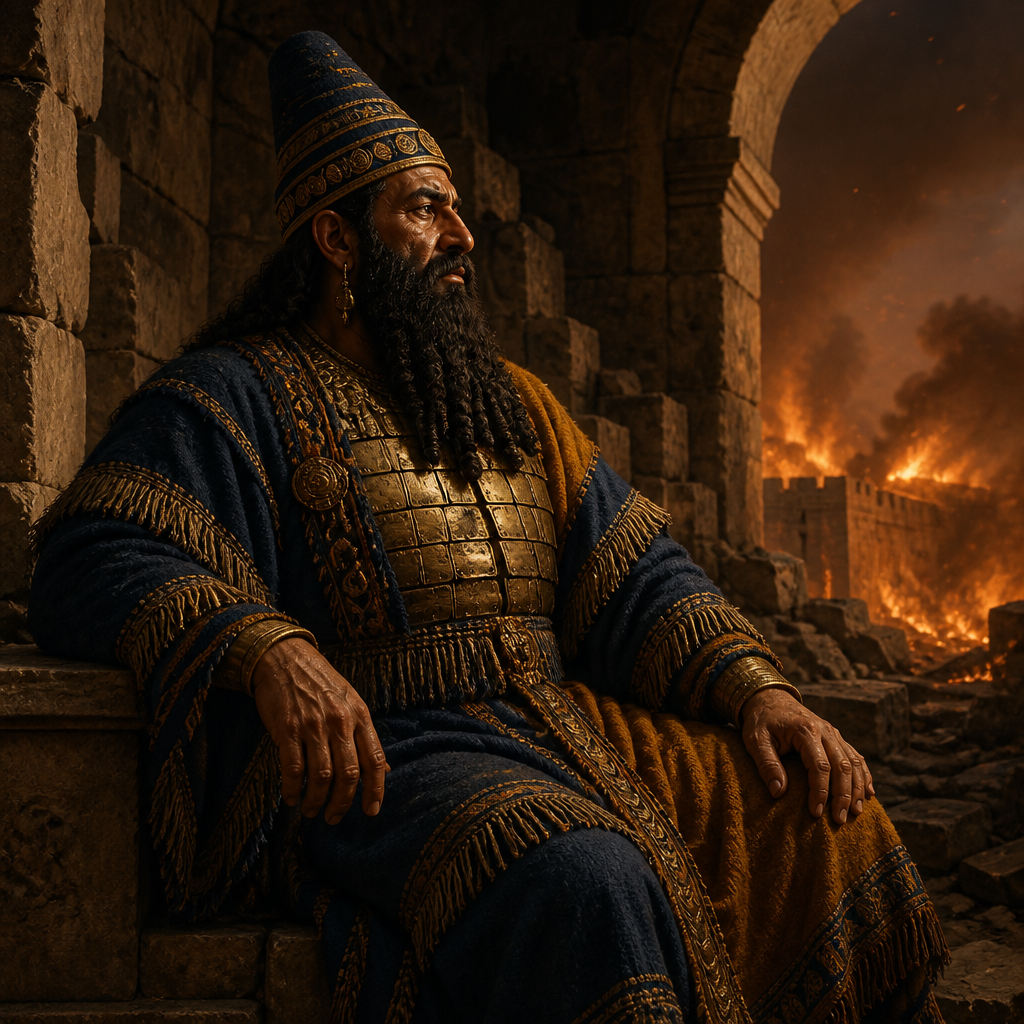
Nergal-sar-ezer of Samgar
Babylonian official who sat at the Middle Gate during the fall of Jerusalem in 586 BC
A high-ranking Babylonian official present at the Middle Gate during the final conquest of Jerusalem in 586 BC.
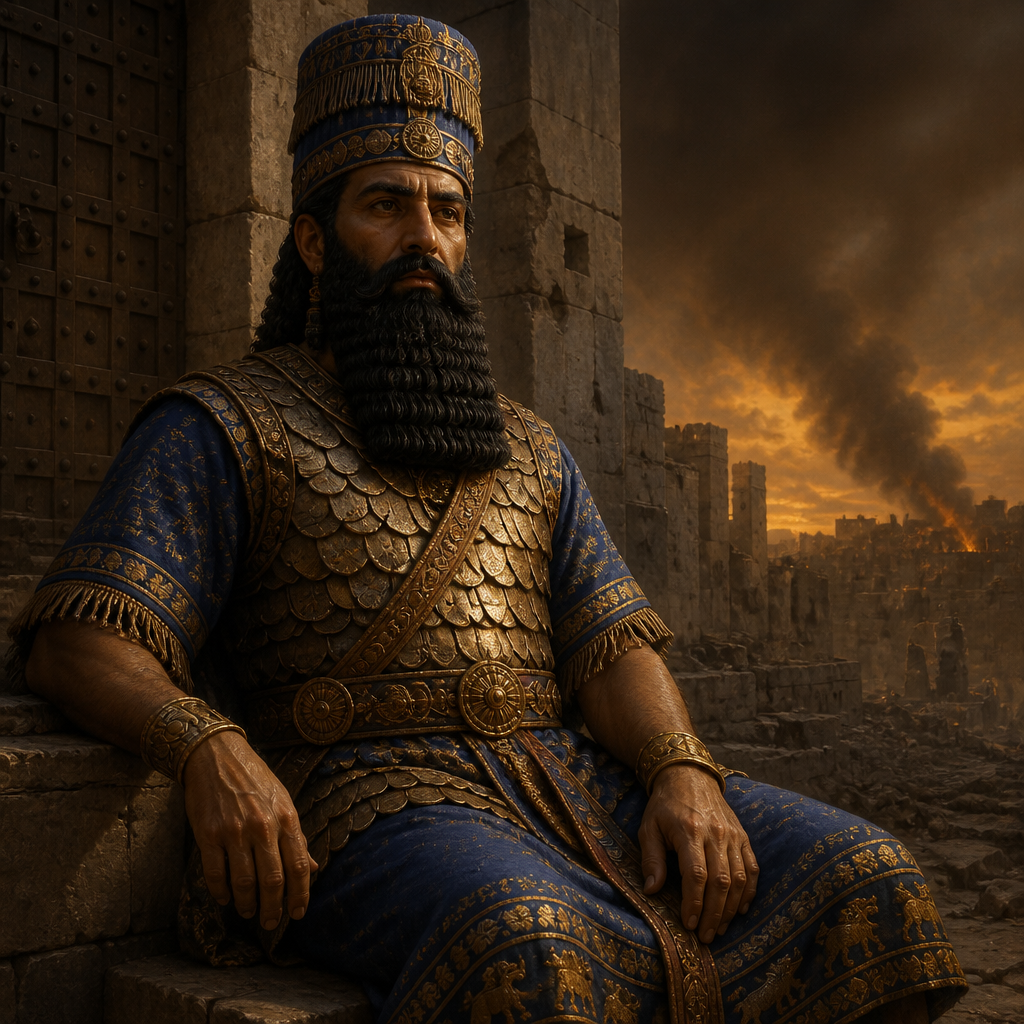
Nergal-sar-ezer the Rabmag
Babylonian official present at the fall of Jerusalem in 586 BC
A high-ranking Babylonian military official who held the title of Rabmag during the final siege and fall of Jerusalem in 586 BC.
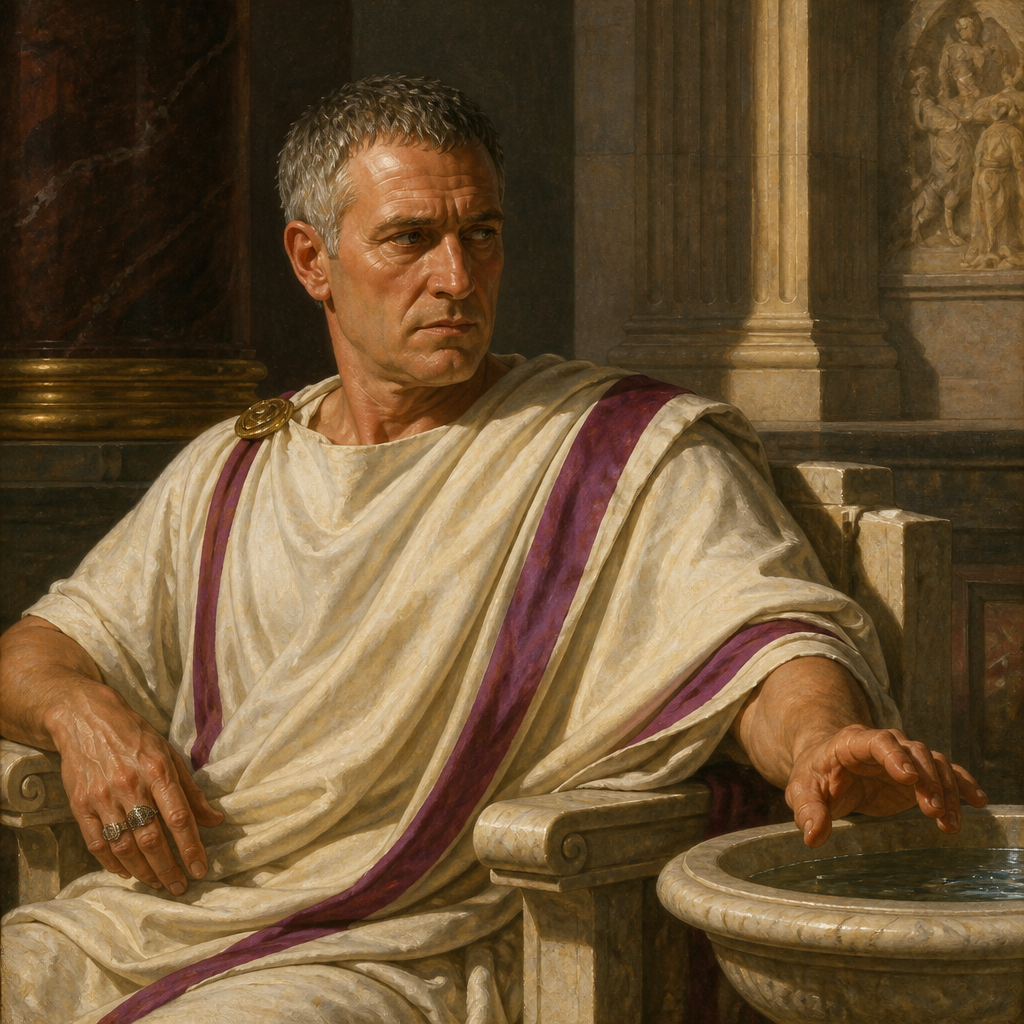
Pilate
Roman governor who presided over the trial of Jesus and ordered His crucifixion
The Roman governor of Judea during the reign of Tiberius Caesar who presided over the trial of Jesus Christ and ordered His crucifixion.
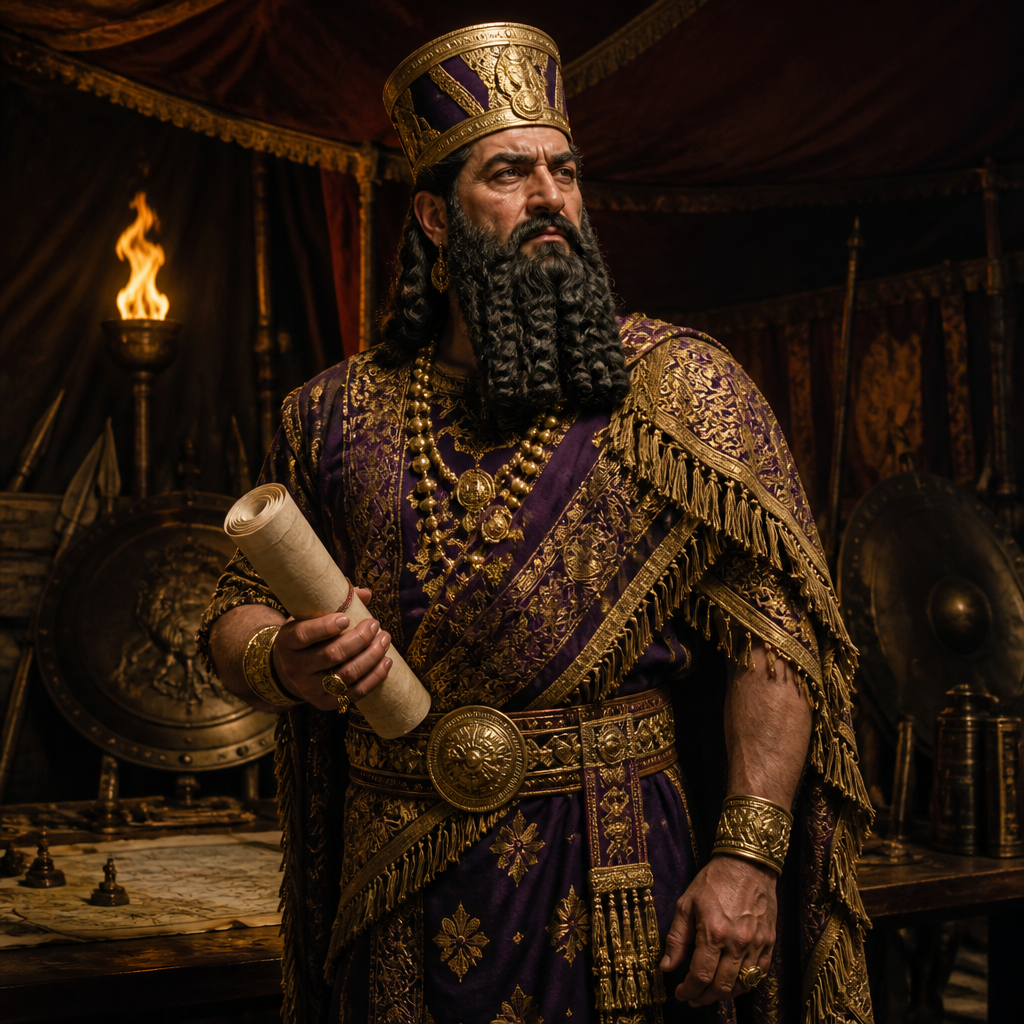
Sennacherib
King of Assyria who invaded Judah and was defeated by divine intervention before Jerusalem
The powerful King of Assyria during the Divided Monarchy who invaded Judah, besieged Jerusalem, and was ultimately assassinated by his own sons.
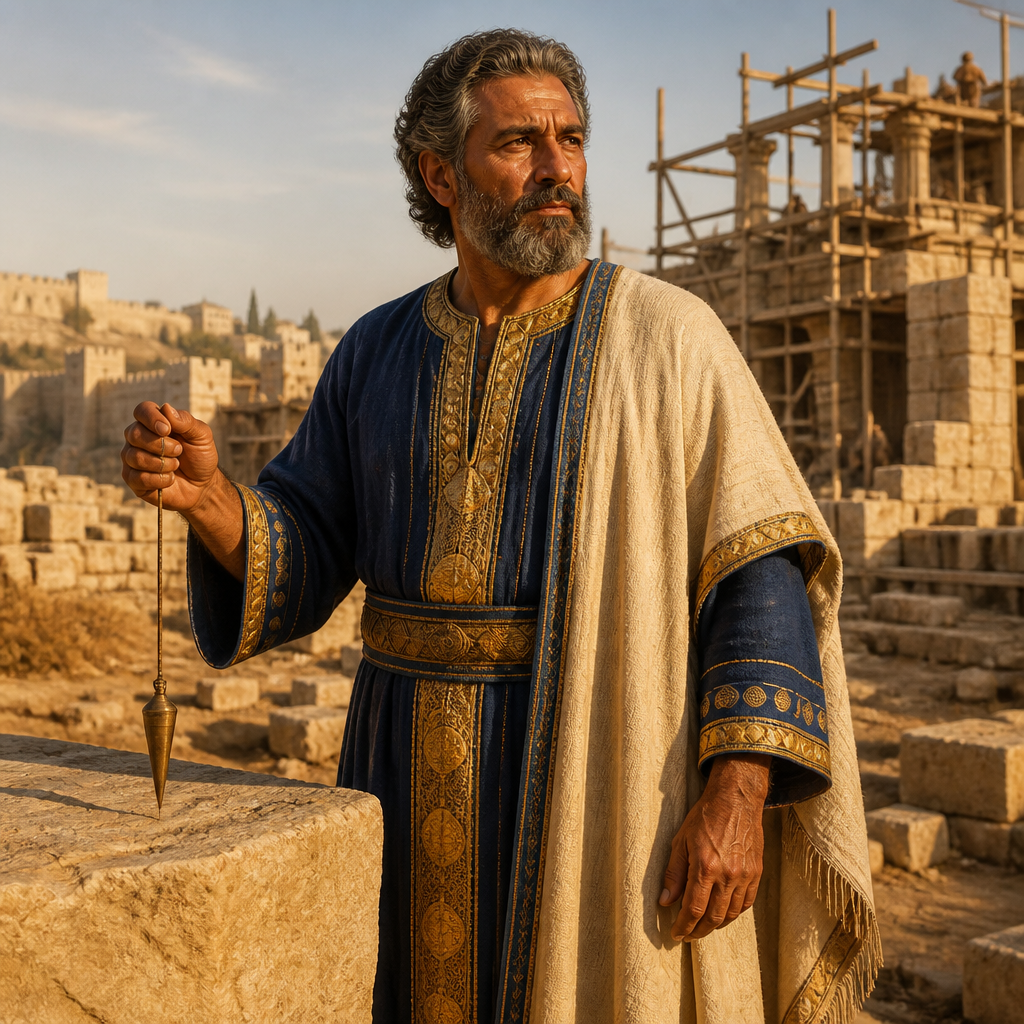
Zerubbabel, Governor of Judah
Governor who led the return from Babylon and rebuilt the Temple foundation
A Davidic prince and governor who led the first wave of Jewish exiles from Babylon to Jerusalem and laid the foundation for the Second Temple.