Pilate
The Roman governor of Judea during the reign of Tiberius Caesar who presided over the trial of Jesus Christ and ordered His crucifixion.
Pontius Pilate was the Roman official serving as the governor, or prefect, of Judea during the 1st century AD. He is primarily known through the four Gospel accounts for his central role in the trial and execution of Jesus of Nazareth. According to the Gospel of Luke, he held his position during the fifteenth year of the reign of Tiberius Caesar, a period that saw him interacting with other regional leaders such as Herod Antipas and the high priestly circles of the Sanhedrin.
Pilate is depicted as a man caught between the administrative requirements of the Roman Empire and the volatile religious and political landscape of Jerusalem. While he expressed repeated reservations about the charges brought against Jesus, citing a lack of legal basis for a death sentence, he ultimately succumbed to the pressures of the gathered crowds and the local leadership. His legacy in the biblical narrative is defined by the moment he symbolically washed his hands of Jesus' blood, an act that remains a significant cultural and theological symbol of moral abdication.
Background and Family
The biblical record provides specific historical markers for Pilate’s tenure but offers no details regarding his ancestry, tribe, or family relations. Luke 3:1 establishes his political context, noting that he was the governor of Judea at the same time Herod was tetrarch of Galilee and Philip was tetrarch of Ituraea. As a Roman official, he represented the authority of the Emperor Tiberius. The biblical text focuses exclusively on his administrative actions and his interactions with the Jewish leadership and Jesus, leaving his personal background unaddressed.
Major Life Events
The Trial of Jesus
Pilate’s most significant appearance occurs during the final hours of Jesus' life. After the Sanhedrin arrested Jesus, they led Him to Pilate’s headquarters (the Praetorium) because they lacked the authority to carry out an execution (John 18:31). Pilate’s initial interaction with Jesus was an interrogation concerning the charge of sedition: "Are You the King of the Jews?" (Mark 15:2). Throughout the four Gospels, Pilate is shown attempting to navigate a path that would avoid an execution he deemed legally unnecessary. In Luke 23, he even attempted to transfer jurisdiction to Herod Antipas upon learning Jesus was a Galilean.
The Choice: Jesus or Barabbas
In an effort to release Jesus, Pilate utilized a custom of releasing a prisoner during the Passover feast. He offered the crowd a choice between Jesus and a notorious prisoner named Barabbas. However, prompted by the chief priests, the crowd demanded the release of Barabbas and the crucifixion of Jesus. Matthew 27:24 records that when Pilate saw that a riot was imminent, he took water and washed his hands before the crowd, declaring himself "innocent of this man’s blood."
The Sentencing and Execution
Despite finding no basis for a charge (John 19:6), Pilate ordered Jesus to be flogged and then handed Him over to be crucified to satisfy the crowd and maintain order (Mark 15:15). He was also responsible for the inscription placed upon the cross, which read, "JESUS OF NAZARETH, THE KING OF THE JEWS." When the chief priests asked him to change the wording to reflect that Jesus merely claimed to be king, Pilate famously refused, stating, "What I have written, I have written" (John 19:22).
Aftermath of the Crucifixion
Following the death of Jesus, Pilate was approached by Joseph of Arimathea, a member of the Jewish Council, who requested the body for burial. Pilate expressed surprise that Jesus had died so quickly and verified the death with a centurion before granting the request (Mark 15:44-45). Later, he authorized the chief priests to secure the tomb with a guard to prevent any tampering (Matthew 27:65).
Relationship to Other Biblical Figures
Pilate’s primary interactions were with the Jewish religious leadership (the chief priests, elders, and scribes) and Jesus. While the Gospels of Matthew, Mark, and John focus on the tension between Pilate and the Sanhedrin, Luke 23:12 records a notable shift in his relationship with Herod Antipas. Though they had previously been enemies, the two became friends during the trial of Jesus. Pilate also interacted with Joseph of Arimathea regarding the burial of Jesus and was mentioned in the later preaching of the apostles Peter and Paul in the book of Acts as the one who, despite his decision to release Jesus, ultimately presided over His rejection.
Spiritual Significance
In the New Testament, Pilate represents the intersection of worldly power and divine purpose. While he possessed the legal "authority to release" or "authority to crucify" (John 19:10), Jesus reminded him that such power was granted "from above." Theologically, Pilate serves as a witness to Jesus’ innocence; three times in John’s Gospel, he declares, "I find no basis for a charge against Him." His character is often studied as a study in the failure of conscience under political pressure. In the early church's creeds and the preaching in Acts, his name is preserved to anchor the crucifixion of Jesus in a specific, verifiable historical moment, emphasizing that the Passion of Christ was a real event occurring under a specific Roman administration.
Spiritual Significance
Pilate’s theological importance lies in his role as the official who legally sanctioned the crucifixion of Jesus, thereby fulfilling the prophecies regarding the Messiah's suffering and death. His repeated declarations of Jesus' innocence serve a critical narrative and apologetic function in the Gospels, highlighting that Jesus was not executed for any crime or sin of His own, but was delivered up through the envy of others and the political expediency of a Roman ruler.
Furthermore, Pilate’s interaction with Jesus in John 18 introduces the philosophical dialogue on the nature of truth and kingship. By asking, 'What is truth?' Pilate symbolizes a secular, skeptical worldview that stands in contrast to the 'witness to the truth' offered by Christ. His inclusion in the book of Acts and the epistles (1 Timothy 6:13) ensures that the 'good confession' of Jesus is forever linked to the specific historical context of Pilate’s governorship.
Frequently Asked Questions
Did Pilate believe Jesus was guilty?
No, according to the Gospels of Luke and John, Pilate explicitly stated multiple times that he found no basis for a charge against Jesus and even tried to release Him.
Why did Pilate wash his hands?
Pilate washed his hands as a symbolic gesture to declare himself innocent of Jesus' blood, signaling that the responsibility for the execution lay with the crowd and the religious leaders who demanded it (Matthew 27:24).
What did the sign Pilate placed on the cross say?
The sign read: 'JESUS OF NAZARETH, THE KING OF THE JEWS.' Pilate insisted on this wording despite the objections of the chief priests (John 19:19-22).
How did Pilate and Herod become friends?
According to Luke 23:12, the two men, who were previously enemies, became friends on the day Pilate sent Jesus to Herod for questioning during the trial process.
What happened to the Galileans mentioned in Luke 13?
Jesus mentions a group of Galileans whose blood Pilate had mixed with their sacrifices, indicating a violent incident involving the governor's troops during a religious observance.
Connected Figures
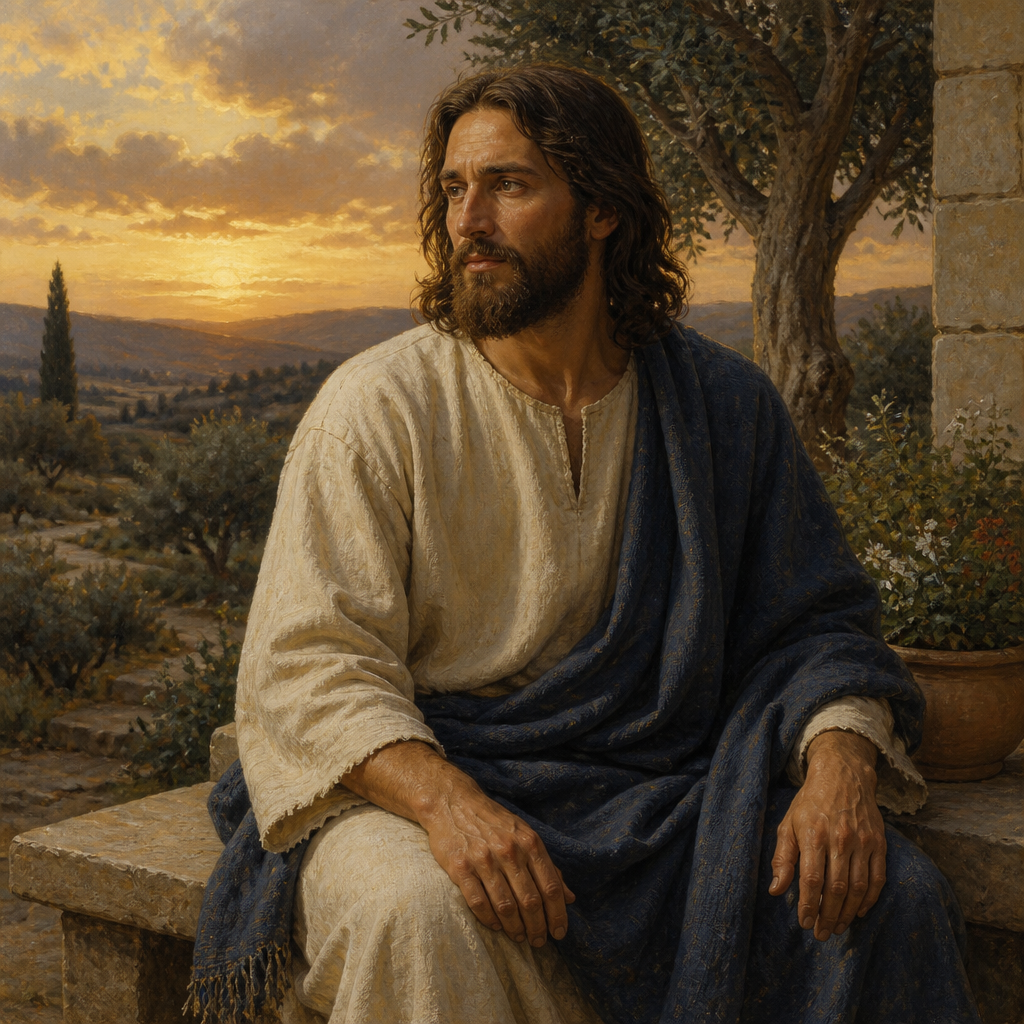
Jesus
Prisoner judged and sentenced by Pilate

Herod Antipas
Political contemporary who became his friend
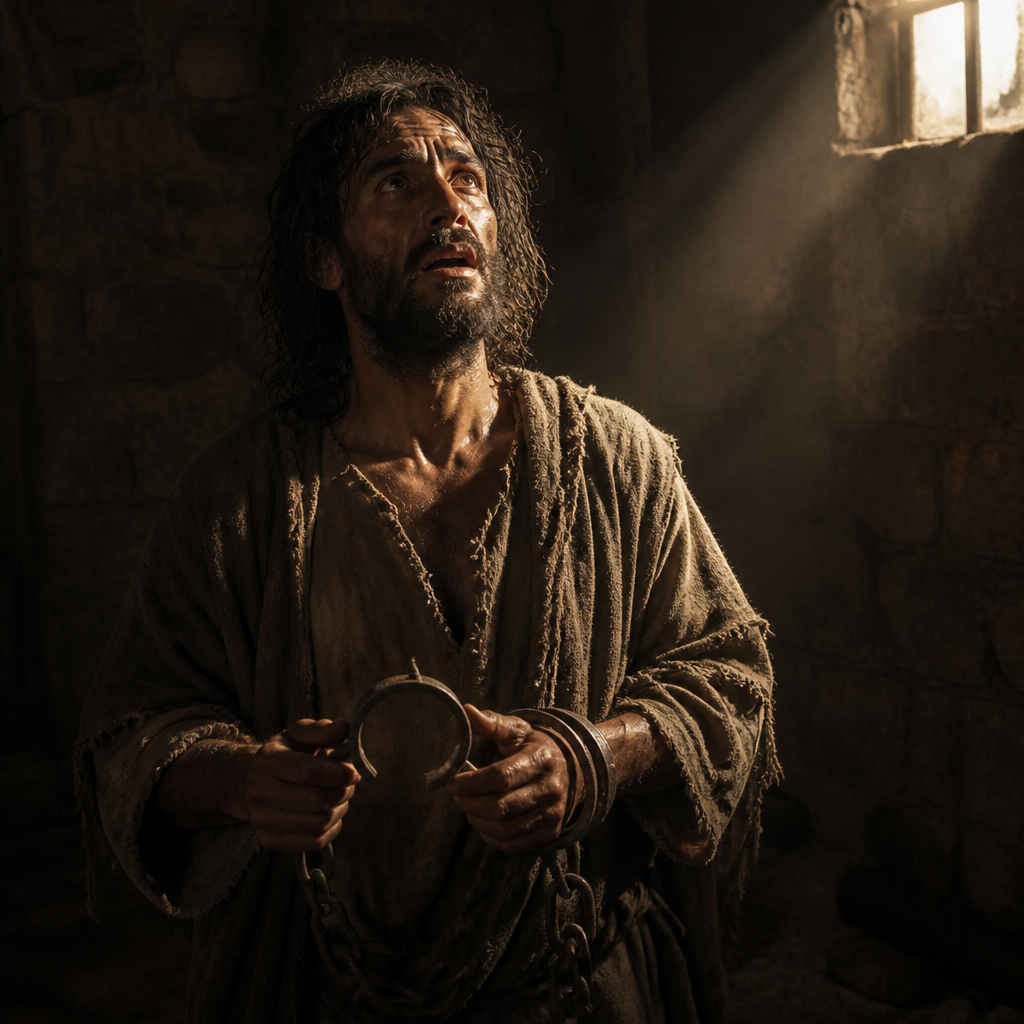
Barabbas
Prisoner released by Pilate in place of Jesus
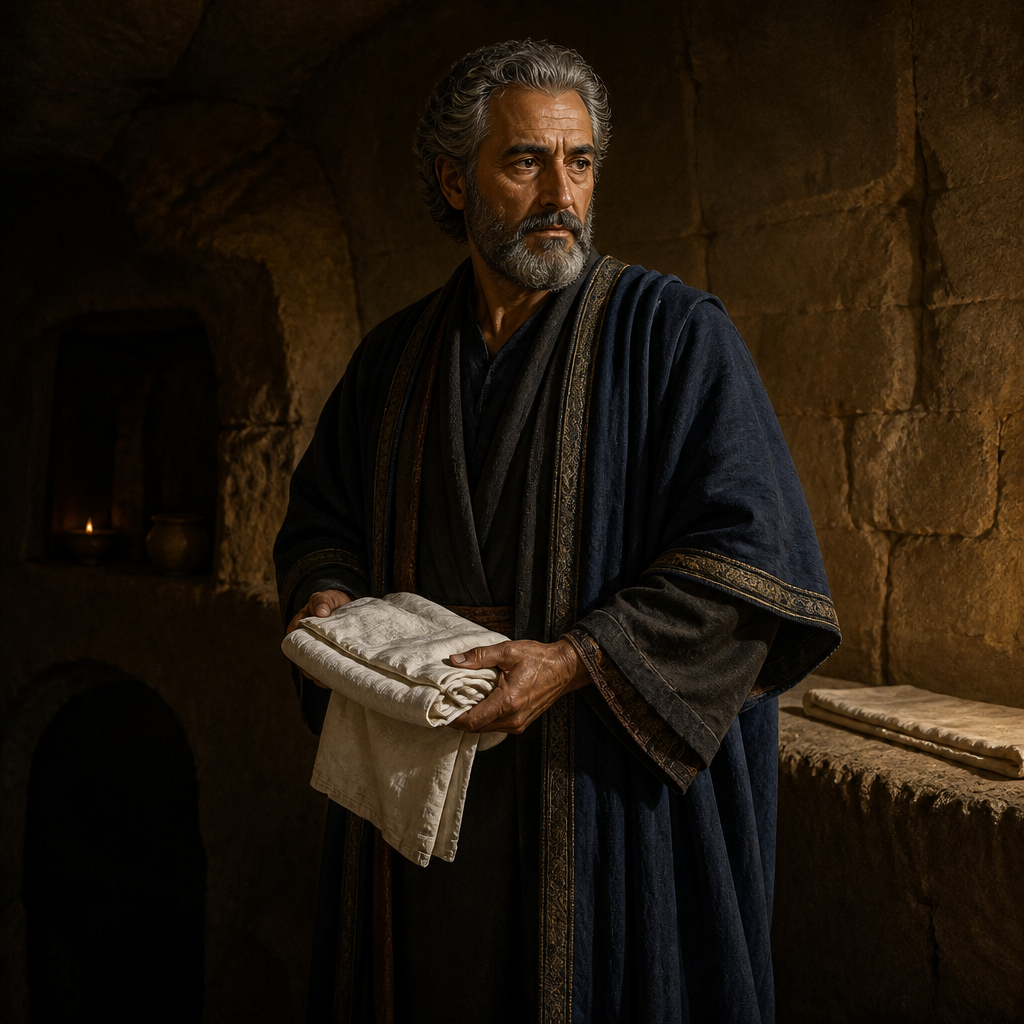
Joseph of Arimathea
Council member who petitioned Pilate for Jesus' body
Tiberius Caesar
Roman Emperor under whom Pilate served