Darius, King of Persia (Ezra 4–6)
The Persian monarch who authorized and funded the completion of the Second Temple in Jerusalem, upholding the original decree of Cyrus the Great.
Darius, King of Persia, serves as a pivotal political figure in the post-exilic restoration of the Jewish people. Reigning during a critical period of the return from the Babylonian captivity, he is characterized in the biblical text as a just and efficient administrator who honored the precedents of his predecessors while acknowledging the sovereignty of the God of Israel. His involvement in the Judean restoration began when local opposition attempted to halt the reconstruction of the Temple in Jerusalem.
Historically and biblically, Darius represents the shift from the initial return under Cyrus to the institutional stabilization of the Jewish community. His reign provided the necessary legal and financial framework that allowed the prophets Haggai and Zechariah to successfully encourage the elders of Judah to finish their work. Without his decisive intervention and the search of the royal archives, the rebuilding process might have remained at a standstill for decades longer.
Background and Family
Darius is identified in the biblical record as the King of Persia who followed the reign of Cyrus (Ezra 4:5). The scriptures present him as a legitimate successor in the Persian line, tasked with managing the vast territories of the empire, including the region west of the Euphrates River (Ezra 5:6). While the biblical text focuses primarily on his administrative actions regarding Jerusalem, it notes his genealogical succession by identifying him as the parent of Ahasuerus (Ezra 4:6), who followed him on the Persian throne. His reign serves as the chronological anchor for the prophetic ministries of Haggai and Zechariah, with the text meticulously dating their visions to his second and fourth years (Haggai 1:1, Zechariah 7:1).
Major Life Events
The Resumption of Temple Construction
After the initial return from exile, the construction of the Temple in Jerusalem had ceased due to local opposition and political maneuvering. Ezra 4:24 records that the work remained at a standstill until the second year of the reign of Darius. During this year, a provincial governor named Tattenai challenged the Jewish elders, questioning their authority to rebuild the structure. The elders appealed to a decree made by Cyrus the Great, prompting a formal inquiry sent to the court of Darius.
The Royal Decree
In response to the inquiry, Darius ordered a search of the royal archives. The search moved from the treasury in Babylon to the fortress at Achmetha, where the original scroll of Cyrus was discovered (Ezra 6:1-2). Upon confirming the validity of the Jewish claim, Darius did not merely permit the work to continue; he issued a forceful new decree. He commanded Tattenai and his associates to stay away from the work and, furthermore, directed that the expenses of the construction be paid in full out of the royal treasury from the taxes of the province (Ezra 6:8).
The Completion of the Temple
Darius’s decree included a stern warning: any person who altered his edict would have a beam pulled from their own house and be impaled upon it, and their house would be turned into a refuse heap (Ezra 6:11). Under this royal protection and the spiritual guidance of Haggai and Zechariah, the Jewish people finished the Temple in the sixth year of Darius’s reign, on the third day of the month of Adar (Ezra 6:15).
Relationship to Other Biblical Figures
Darius maintained a strictly professional but supportive relationship with the Jewish leadership, specifically Zerubbabel, the governor, and Joshua the high priest. Although he likely never met them personally, his edicts were the catalyst that allowed these leaders to fulfill their divine mandates. He is also inextricably linked to the prophets Haggai and Zechariah. These prophets used the regnal years of Darius as the official timestamp for their messages from God, indicating that the Persian political calendar was the standard for the post-exilic community.
Spiritual Significance
Theologically, Darius is presented as an instrument of divine providence. Ezra 6:14 credits the completion of the Temple to a combination of three authorities: the command of the God of Israel and the decrees of the Persian kings Cyrus, Darius, and Artaxerxes. This suggests that in the biblical worldview, God utilizes the power of secular monarchs to achieve His redemptive purposes. Darius’s prayer—that the God of Jerusalem might receive "pleasing sacrifices" and pray for the life of the king and his sons (Ezra 6:10)—highlights the recognition of Yahweh's power even within the heart of a pagan empire. His reign marks the transition from a period of abandoned ruins to a period of restored worship, fulfilling the hopes of the returning exiles.
Spiritual Significance
Darius is significant as the king who provided the legal and financial security required for the Second Temple's completion. His reign demonstrates the biblical theme of God directing the hearts of foreign rulers to favor His people. By upholding the decree of Cyrus, Darius ensured the continuity of the Jewish faith and the physical restoration of Jerusalem's central place of worship.
Furthermore, the precise dating of prophetic books like Haggai and Zechariah to the years of Darius's reign emphasizes the historical reality of the restoration. He stands as a guardian figure in the narrative of the 'Exile and Return,' whose administrative diligence resulted in the dedication of the House of God in 516 BC.
Frequently Asked Questions
When did the Temple finish during the reign of Darius?
The Temple was completed on the third day of the month of Adar, in the sixth year of King Darius's reign (Ezra 6:15).
What was Darius's response to those opposing the Temple?
He issued a decree commanding the opponents to stay away from the site and warned that anyone who interfered would be severely punished, including the destruction of their home (Ezra 6:6-12).
How did Darius fund the Temple construction?
He ordered that the cost of the rebuilding be paid in full from the royal treasury, specifically using the tax revenue collected from the province 'West of the Euphrates' (Ezra 6:8).
Which prophets were active during the time of Darius?
The prophets Haggai and Zechariah both delivered their messages and encouraged the builders during the second and fourth years of Darius (Haggai 1:1, Zechariah 1:1).
Did Darius know about the decree of Cyrus?
Initially he did not, but after the Jewish elders mentioned it, he ordered a search of the royal archives in Babylon and Achmetha, where the original scroll was found (Ezra 6:1-3).
Connected Figures
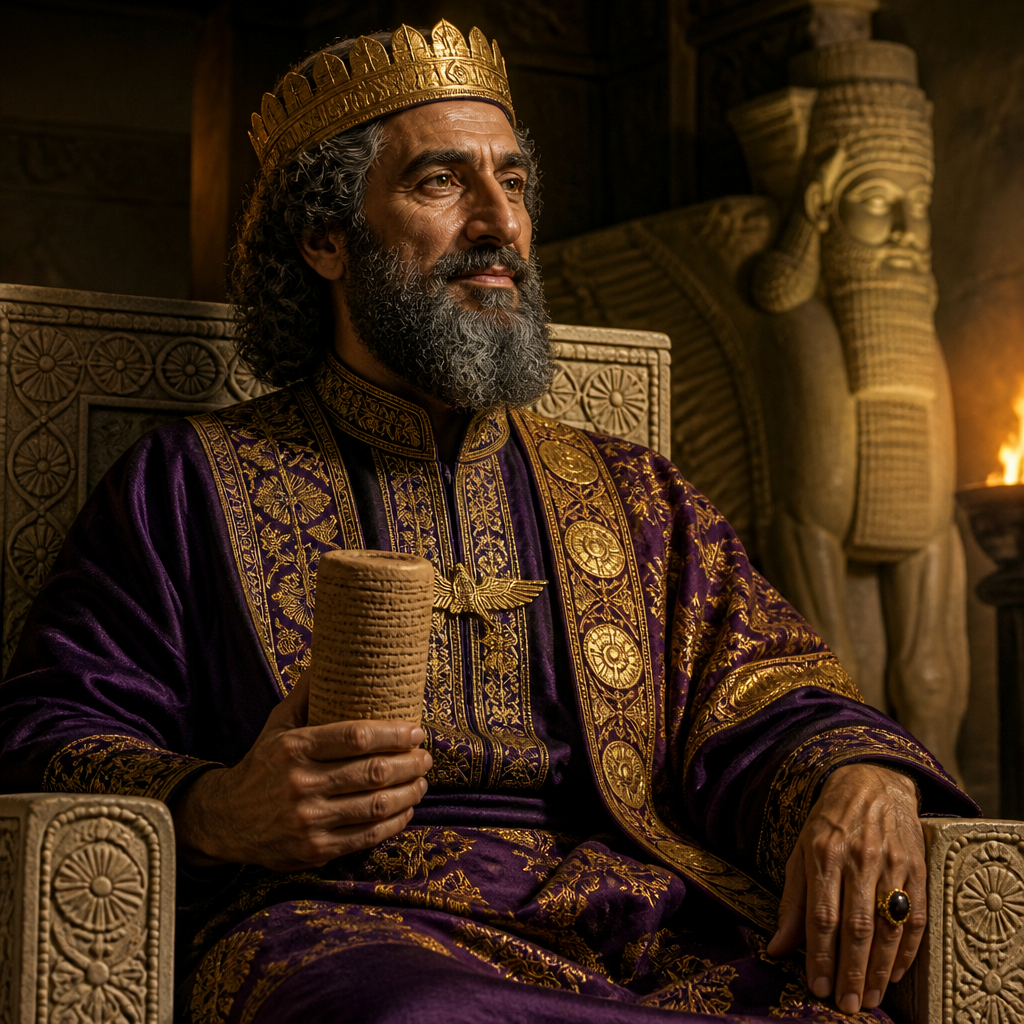
Cyrus
Predecessor whose decree Darius upheld
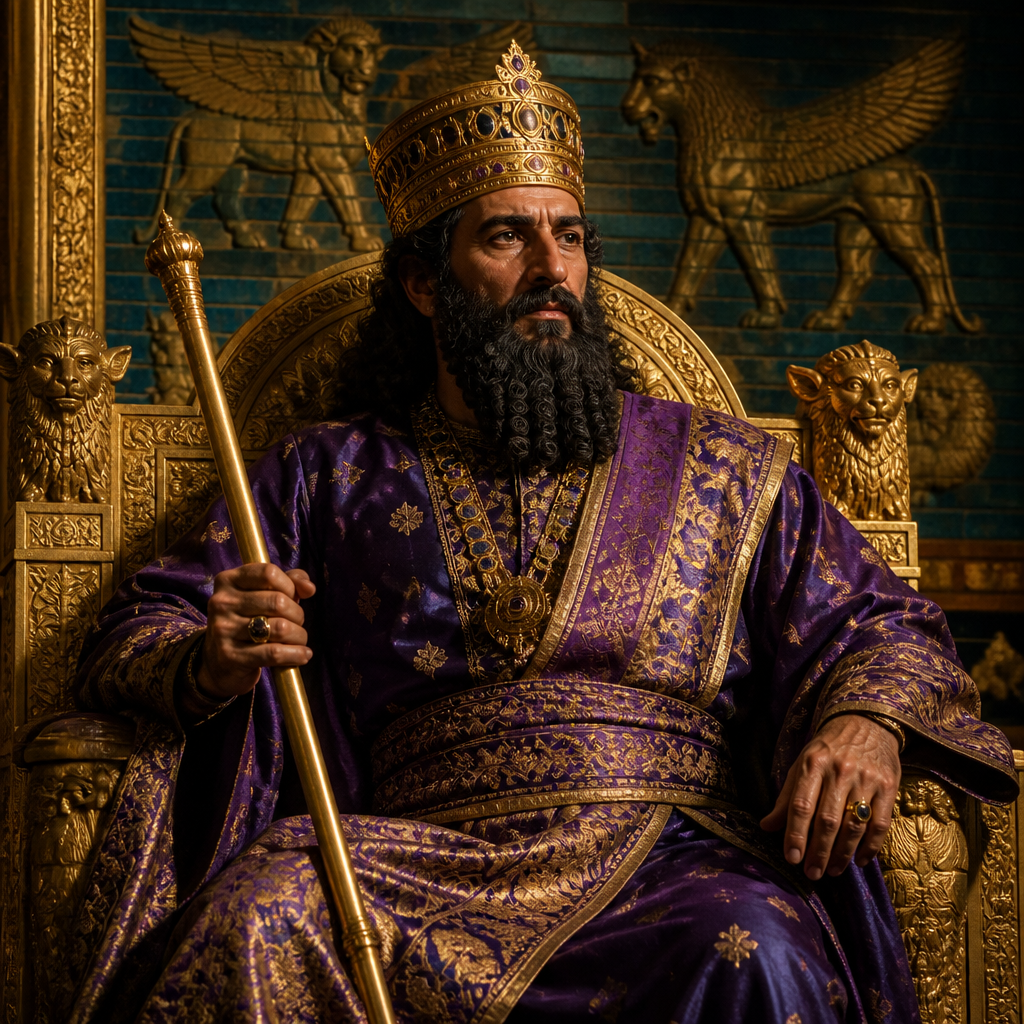
Ahasuerus
Son and successor
Zerubbabel
Judean governor during his reign
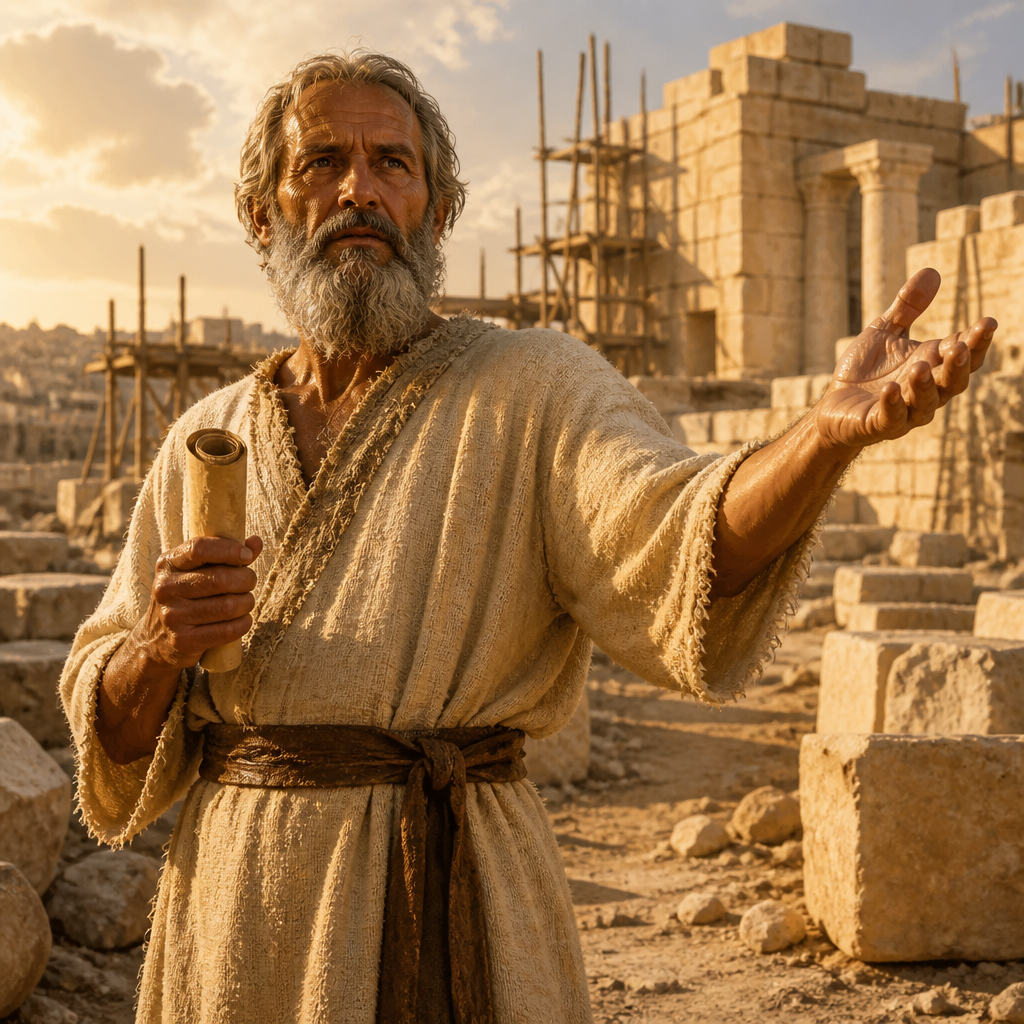
Haggai
Prophet who ministered during his second year
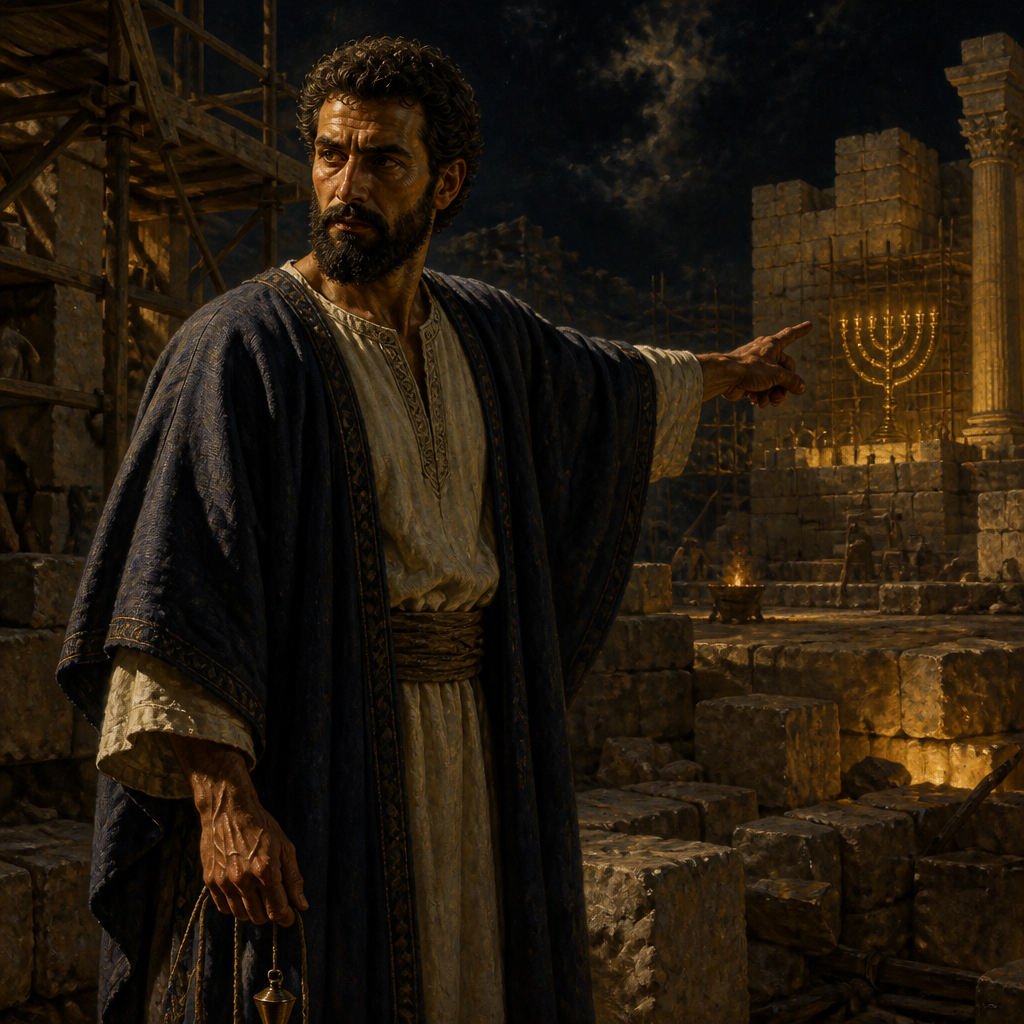
Zechariah
Prophet who ministered during his second and fourth years
Categories
Mentions by Book
- Ezra10
- Haggai3
- Zechariah3
Family & Relationships
Child
Ezra 4:5
Others Named Darius
Darius the Persian (Nehemiah 12)Nehemiah 12:22
A Persian king mentioned in the Book of Nehemiah whose reign served as a chronological marker for the genealogical records of the Levites and priests.
Darius the MedeDaniel 9:1
The Median ruler who assumed control of the Babylonian kingdom after the fall of Belshazzar and famously spared Daniel from the lions' den.