Mahlah, Daughter of Zelophehad
Mahlah was the eldest of five sisters who successfully petitioned Moses for the right to inherit their father's land, establishing a legal precedent in Israelite law.
Mahlah was a woman of the tribe of Manasseh during the Israelite wilderness wanderings following the Exodus from Egypt. As the first-named daughter of Zelophehad, she is central to a landmark legal case concerning land inheritance. Her father, Zelophehad, died in the wilderness without leaving any sons, which, under the prevailing customs of the time, threatened to extinguish his family line and forfeit his portion of the promised land.
Mahlah, alongside her sisters Noah, Hoglah, Milcah, and Tirzah, took the unprecedented step of approaching the leadership of Israel at the entrance of the Tabernacle. Their petition challenged the existing patriarchal inheritance structures, leading to a direct revelation from God to Moses that permanently altered the laws of property within the nation of Israel. Mahlah’s story is a significant moment in the Pentateuch, highlighting issues of justice, tribal continuity, and the inclusion of women in the covenantal promises of the land.
Background and Family
Mahlah was a member of the tribe of Manasseh, the son of Joseph. Her lineage is recorded with specific detail: she was the daughter of Zelophehad, son of Hepher, son of Gilead, son of Machir, son of Manasseh (Numbers 27:1). This genealogy establishes her status as a legitimate member of one of the leading clans of Israel during the era of the Egypt and Wilderness sojourn.
Mahlah was the eldest of five sisters, including Noah, Hoglah, Milcah, and Tirzah. The biblical record explicitly states that Zelophehad had no sons (Numbers 26:33). This biological fact served as the catalyst for Mahlah’s primary contribution to the biblical narrative, as the lack of a male heir usually resulted in the redistribution of a family's ancestral holdings to other male relatives, effectively erasing the father's name from the tribal records.
Major Life Events
The Petition for Inheritance
As the Israelites prepared to enter Canaan, a census was taken to determine the distribution of the land. Because inheritance was traditionally passed through the male line, Mahlah and her sisters realized their family would receive no allotment. In a bold act of faith and legal advocacy, Mahlah and her siblings stood before Moses, Eleazar the priest, the leaders, and the entire congregation at the tent of meeting.
They argued that their father did not die as part of Korah’s rebellion against the Lord but died for his own sin—a standard theological explanation for death in the wilderness—and therefore his name should not be removed from his clan simply because he lacked a son. They requested, "Give us a possession among our father’s brothers" (Numbers 27:4).
The Divine Decree
Moses brought their case before the Lord, who vindicated Mahlah and her sisters. God declared, "The daughters of Zelophehad are right in what they are saying" (Numbers 27:7). This resulted in a new statute in Israel: if a man died leaving no son, his inheritance would pass to his daughter. This decree ensured that Mahlah and her sisters would become landowners in the Promised Land.
Marriage and Tribal Continuity
Later, in Numbers 36, the leaders of the tribe of Manasseh expressed concern that if Mahlah or her sisters married men from other tribes, the land they inherited would be transferred out of the tribe of Manasseh during the Year of Jubilee. To resolve this, a supplementary law was established requiring heiresses to marry within their own paternal tribe. Mahlah and her sisters complied with this, marrying their cousins on their father’s side to ensure the inheritance remained with the clan of Hepher (Numbers 36:11-12).
Relationship to Other Biblical Figures
Mahlah’s primary relationships are defined by her sorority. She is almost always mentioned in a list with Noah, Hoglah, Milcah, and Tirzah. Her interaction with Moses and Eleazar the priest is critical, as it demonstrates her standing as a petitioner within the formal religious and civil structures of the wilderness camp. As a descendant of Joseph through Manasseh, she represents the continued fulfillment of the blessings placed upon the house of Joseph.
Spiritual Significance
Mahlah represents a spirit of proactive faith. She did not merely accept the loss of her family’s heritage but appealed to the justice of God. Her inclusion in the biblical text serves to demonstrate that the individual’s right to a place in the covenant community is not strictly limited by gender, but by their standing within the family of God. Her legacy is one of legal reform and the preservation of the family name within the sacred geography of Israel.
Spiritual Significance
Mahlah is theologically significant for her role in the expansion of Israelite law regarding the rights of women. Her petition led to a direct 'case law' revelation from God, showing that the Law of Moses was capable of addressing specific grievances and evolving to ensure equity.
Furthermore, Mahlah’s insistence on receiving land in Canaan reflects a deep faith in God’s promise. At the time of her request, the Israelites were still in the wilderness and had not yet conquered the land. Her demand for a 'possession' was an act of certainty that God would indeed deliver the Promised Land to His people as He had sworn to their ancestors.
Frequently Asked Questions
Who was Mahlah’s father?
Mahlah was the daughter of Zelophehad, a man of the tribe of Manasseh who died in the wilderness.
What did Mahlah and her sisters ask of Moses?
They requested that they be allowed to inherit their father's portion of land in the Promised Land since he had no sons to carry on his name.
Did God approve of Mahlah's request?
Yes. God told Moses that the daughters of Zelophehad were right and commanded that the law be changed to allow daughters to inherit if there were no sons.
Whom did Mahlah marry?
According to Numbers 36:11, Mahlah and her sisters married their cousins on their father's side to keep the land within the tribe of Manasseh.
What tribe did Mahlah belong to?
She belonged to the tribe of Manasseh, specifically the clan of the Hepherites.
Connected Figures
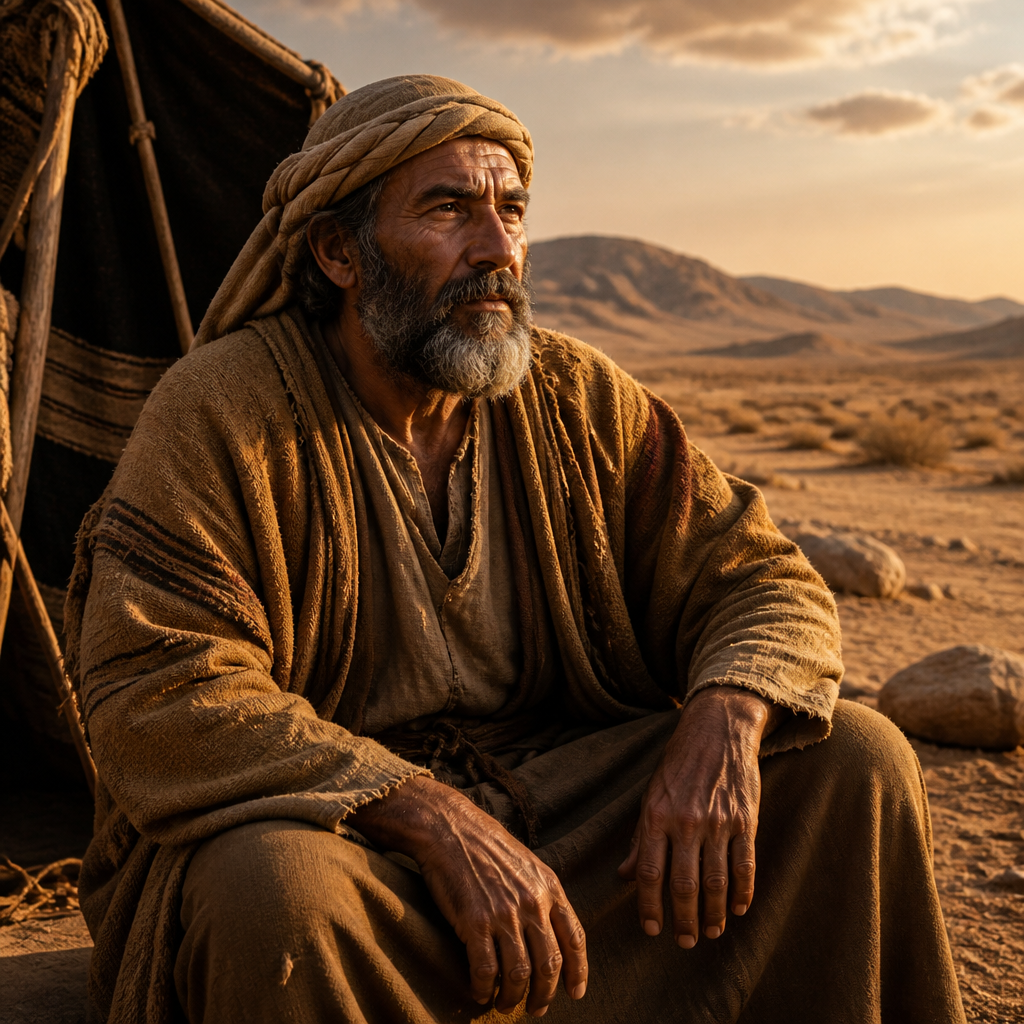
Zelophehad
Father
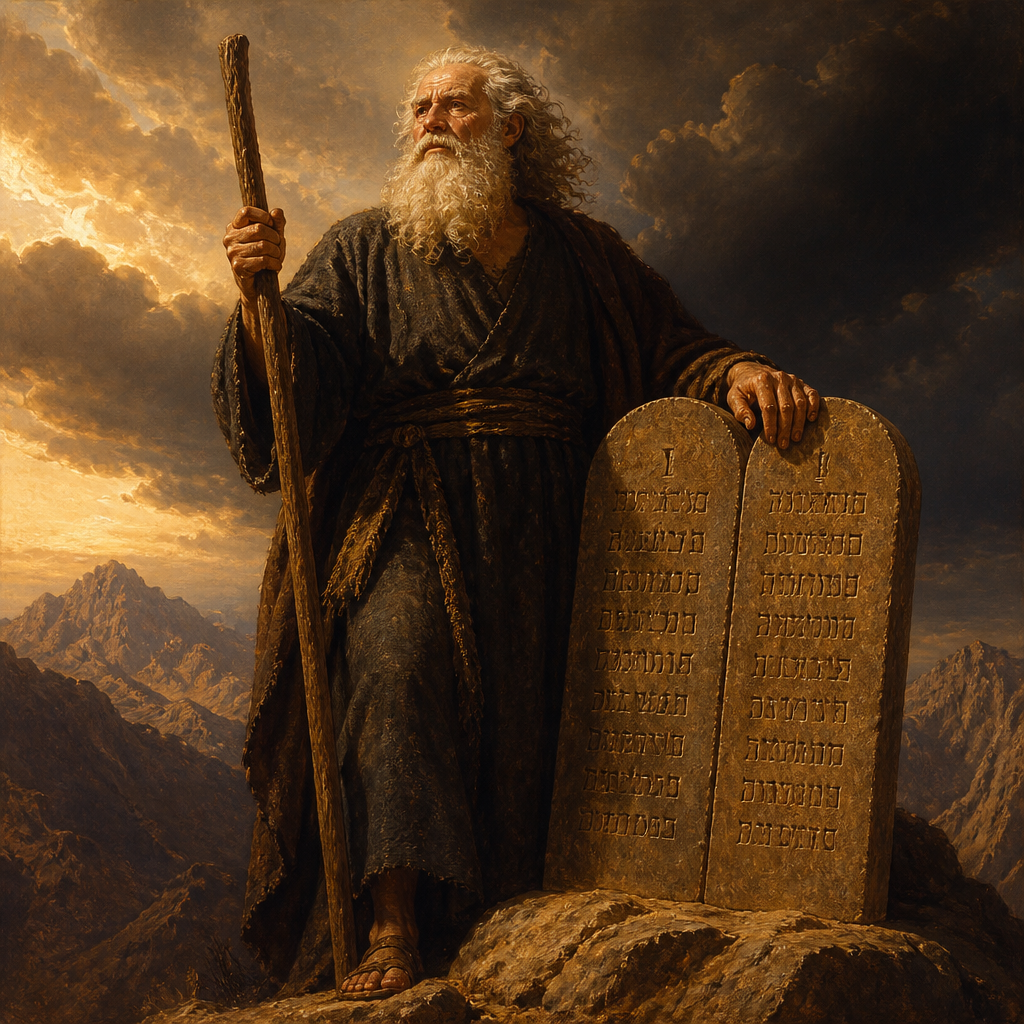
Moses
Leader who heard her legal petition
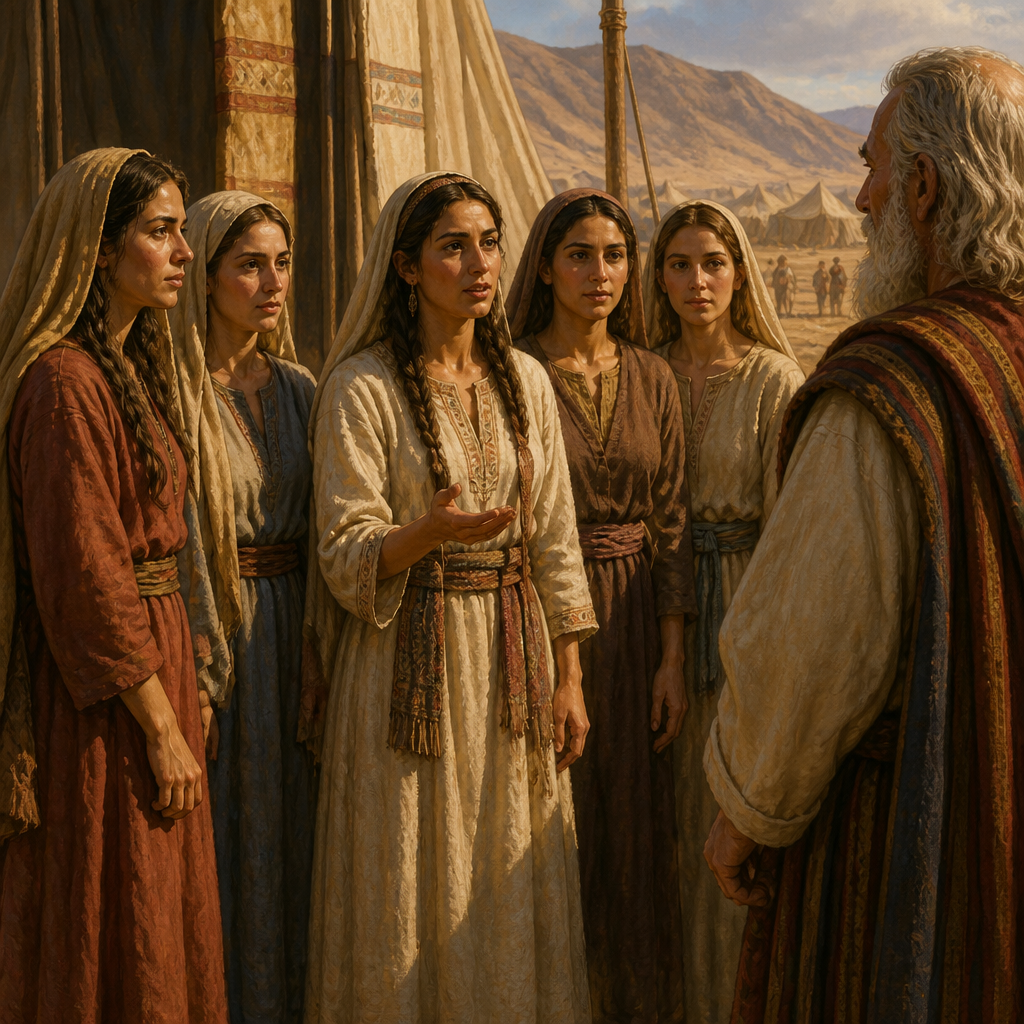
Noah (Daughter of Zelophehad)
Sister
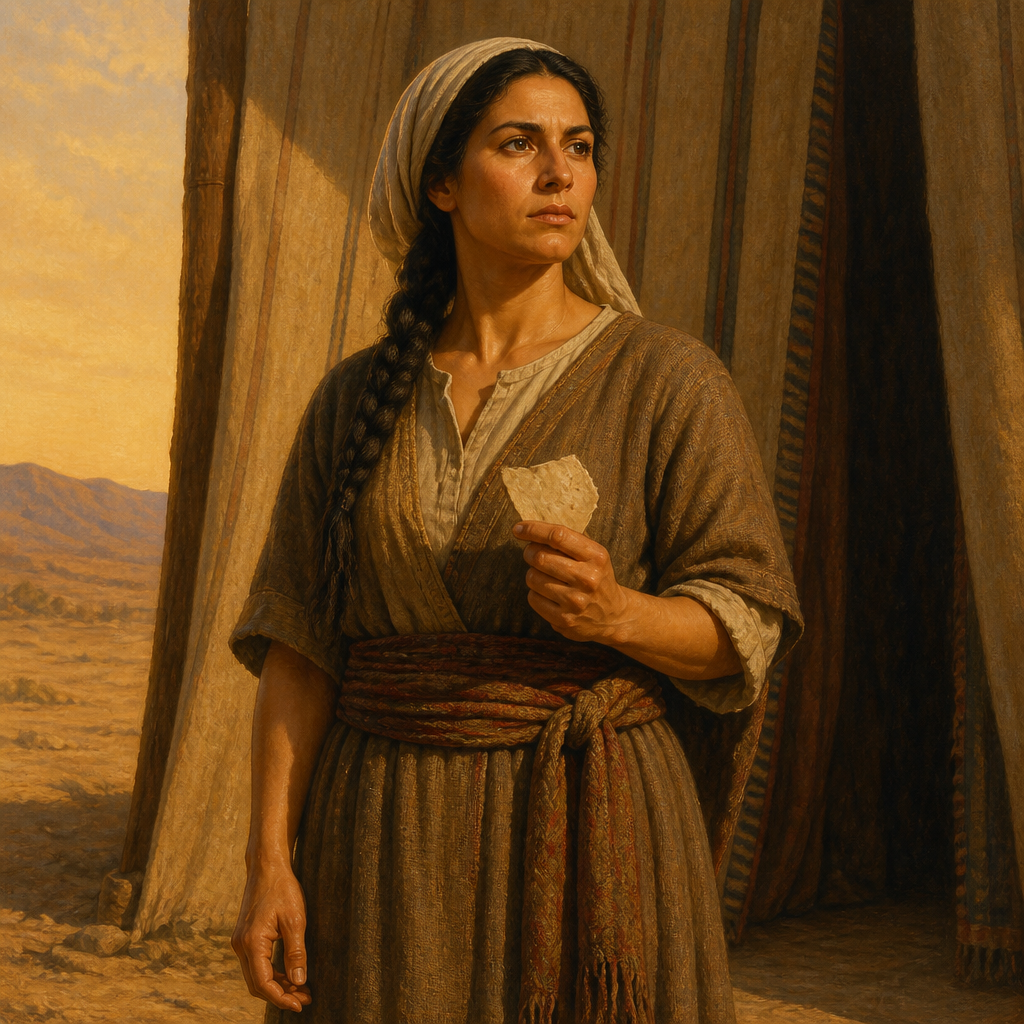
Hoglah
Sister
Categories
Mentions by Book
- Numbers3
- Joshua1
Family & Relationships
Sibling
Numbers 26:33
Sibling
Numbers 26:33
Sibling
Milcah, Daughter of Zelophehad
Numbers 26:33
Sibling
Numbers 26:33
Sibling
Numbers 26:33
Parent
Numbers 26:33
Sibling
Milcah, Daughter of Zelophehad
Numbers 26:33
Sibling
Numbers 26:33
Sibling
Numbers 26:33
Others Named Mahlah
Mahlah, Child of Hammolecheth1 Chronicles 7:18
A member of the tribe of Manasseh mentioned in the genealogies of 1 Chronicles as the child of Hammolecheth.