Jerimoth, Levite of the Egypt and Wilderness Era
A Levite of the Merarite clan and son of Mushi, Jerimoth served as a head of a household during the wilderness period and tribal organization of Israel.
Jerimoth was a member of the tribe of Levi, specifically belonging to the Merarite clan. As a descendant of Levi through Merari and Mushi, he occupied a position of ancestral importance during the formative years of Israel’s national and religious identity. His lineage is meticulously preserved in the chronicler’s records to establish the legitimacy of the Levitical service.
Living within the era of the Egyptian sojourn and the subsequent wilderness wandering, Jerimoth was part of the third generation from Merari. Along with his brothers Mahli and Eder, he represented one of the primary houses of the Mushites. His inclusion in the genealogical lists of 1 Chronicles highlights the structured nature of the Levites' responsibilities in maintaining the sanctity of the tabernacle and the congregation.
Background and Family
Jerimoth was born into the tribe of Levi, the tribe set apart by God for religious service and the maintenance of the sanctuary. He was the son of Mushi, who was one of the two sons of Merari. Merari himself was the third son of the patriarch Levi. This lineage places Jerimoth in the branch of the Levites known as the Merarites.
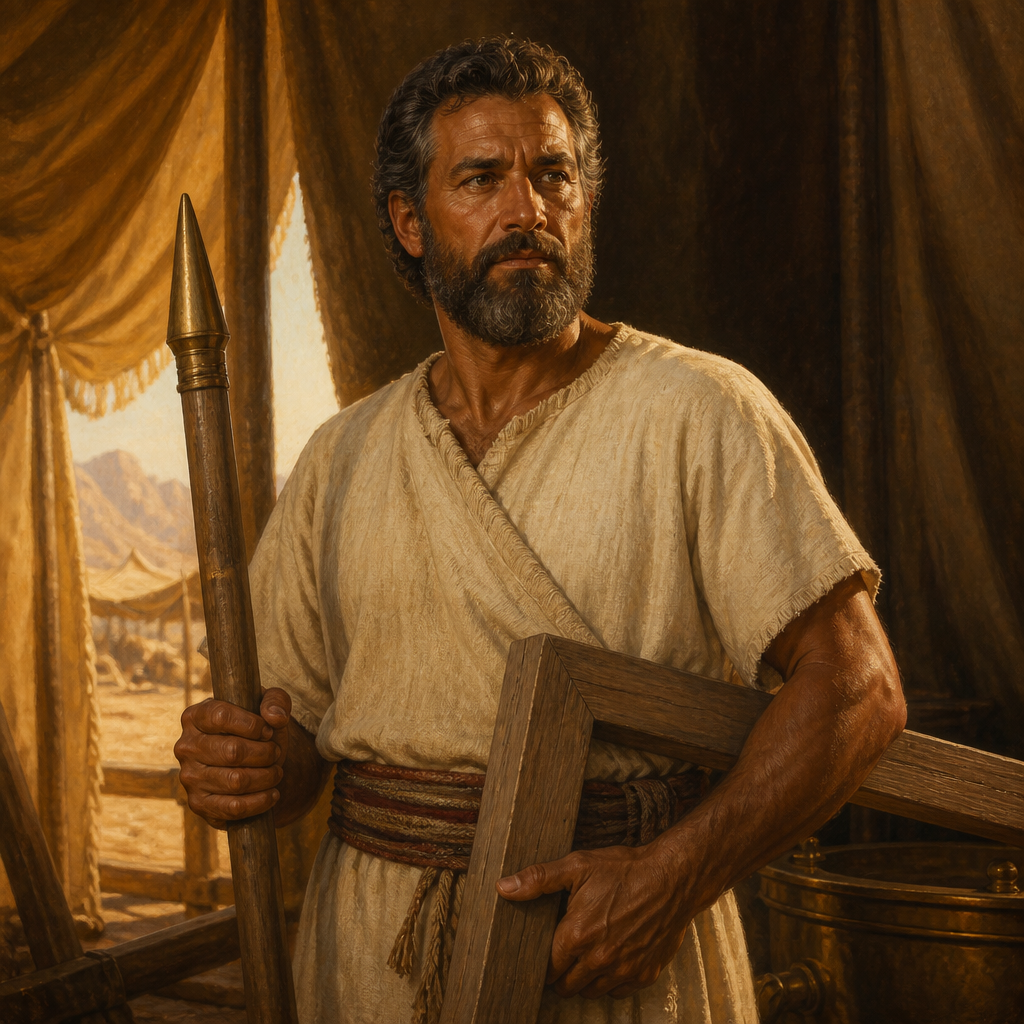
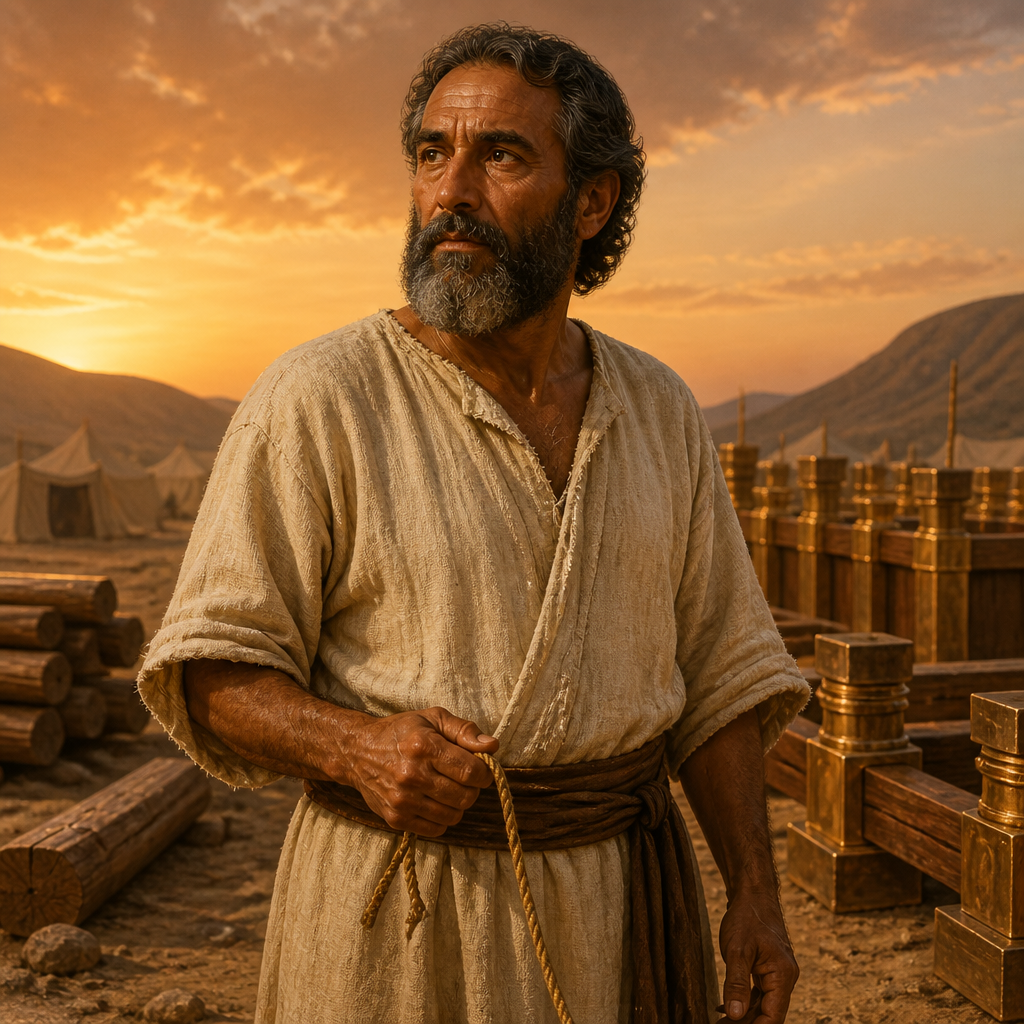
According to the biblical record in 1 Chronicles 23 and 24, Jerimoth had two brothers: Mahli and Eder. These three siblings formed the foundational households for the Mushite branch of the Merarites. The Merarites were historically responsible for the most heavy and structural elements of the Tabernacle, including its frames, crossbars, posts, and bases, though Jerimoth’s specific personal duties are not detailed beyond his role as a family head.
Major Life Events
The biblical record concerning Jerimoth is primarily genealogical, focusing on his placement within the tribal hierarchy. During the transition from the Egyptian sojourn to the wilderness wandering, the Levites were organized into specific divisions to manage the logistical and spiritual needs of the camp of Israel. Jerimoth is listed as one of the three sons of Mushi who were counted "according to their families."
In the reorganization of the Levites—a process recorded in 1 Chronicles but reflecting the ancestral divisions established in the wilderness—Jerimoth is cited as a significant figure whose house remained distinct. The text emphasizes that there were "three in all" among the sons of Mushi, signifying a complete and recognized family unit within the Merarite clan.
Relationship to Other Biblical Figures
Jerimoth’s primary relationships are defined by his immediate kin. He is the grandson of Merari, making him a nephew to Mahli (the elder Mahli, brother of Mushi). His connection to his brothers, Mahli and Eder, is mentioned twice in the scriptures to ensure no ambiguity regarding his parentage or his standing within the tribe. As a Levite, his life would have been lived in close proximity to the central religious leadership of Israel, including the lines of Aaron and Moses, though he functioned within the specific sub-structure of the Merarite workers.
Spiritual Significance
The spiritual significance of Jerimoth lies in the biblical theme of divine order and the preservation of the holy line. While the text does not record specific words spoken by Jerimoth or individual acts of heroism, his presence in the census serves a vital theological purpose: it demonstrates God’s attention to the individual within the framework of the community.
In the Merarite tradition, the work was often laborious and essential for the presence of God to remain in the midst of the people. Jerimoth represents the faithful adherence to one's calling by birthright and the continuity of the covenant from the time of the patriarchs through the difficult years of the wilderness. His inclusion in the records of 1 Chronicles 23 and 24 ensures that his family’s contribution to the service of the Tabernacle was never forgotten by the generations that followed.
Spiritual Significance
Jerimoth signifies the meticulous organization of the tribe of Levi and the importance of the Merarite clan in the early history of Israel's worship. His listing ensures the legal and spiritual continuity of the Levites who were tasked with the physical care of God's dwelling place during the Exodus and wilderness years.
Furthermore, Jerimoth’s presence in the genealogies reinforces the biblical principle that every family unit had a designated place and purpose within the community of faith, contributing to the overall stability and sanctity of the nation.
Frequently Asked Questions
Which tribe did Jerimoth belong to?
Jerimoth belonged to the tribe of Levi, specifically the Merarite clan.
Who was Jerimoth’s father?
Jerimoth was the son of Mushi.
Who were Jerimoth’s siblings?
Jerimoth’s brothers were Mahli and Eder.
What was the role of Jerimoth's clan, the Merarites?
The Merarites were responsible for the transport and maintenance of the structural components of the Tabernacle, such as frames, pillars, and sockets.
Where in the Bible is this Jerimoth mentioned?
He is mentioned in 1 Chronicles 23:23 and 1 Chronicles 24:30.
Connected Figures
Categories
Mentions by Book
- 1 Chronicles2
Family & Relationships
Sibling
1 Chronicles 23:23
Sibling
Eder, Levite of the Merarite Clan
1 Chronicles 23:23
Sibling
Eder, Levite of the Merarite Clan
1 Chronicles 23:23
Parent
Exodus 6:19
Sibling
1 Chronicles 6:47
Others Named Jerimoth
Jerimoth, Son of David2 Chronicles 11:18
A son of King David and a member of the royal house of Judah whose daughter, Mahalath, married King Rehoboam.
Jerimoth, Overseer of the Divided Monarchy2 Chronicles 31:13
An official and overseer during the reign of King Hezekiah, Jerimoth was responsible for managing the sacred tithes and contributions in the Temple.
Jerimoth son of Azriel1 Chronicles 27:19
A tribal leader of Naphtali who served as a high-ranking official during the administration of the Divided Monarchy.
Jerimoth of the Divided Monarchy1 Chronicles 12:5
One of the mighty men who defected from Saul's army to support David at Ziklag during the early years of the Divided Monarchy period.
Jerimoth, Levite Musician of the Divided Monarchy1 Chronicles 25:4
A Levite musician and son of Heman the king's seer, Jerimoth was chosen by lot to lead the fifteenth division of musicians in the temple during the reign of King David.
Jerimoth, Son of Bela1 Chronicles 7:7
A Benjamite leader and son of Bela, recognized as a head of a family and a mighty man of valor during the era of the Egyptian sojourn and the early formation of the tribes.