Eder, Levite of the Merarite Clan
A Levite of the Merarite clan during the era of the Egypt and Wilderness wanderings, recorded in the genealogies of 1 Chronicles.
Eder was a member of the tribe of Levi, specifically belonging to the division of Merari, one of the three primary ancestral lines of the Levites. He is identified as one of the three sons of Mushi. His life and lineage are situated within the broader context of the Israelite experience during the Egyptian sojourn and the subsequent wilderness period, as the tribal structures of Israel were formalized and recorded for future generations.
While the biblical record regarding Eder is brief, his presence in the genealogical lists of 1 Chronicles serves to establish the legitimacy and continuity of the Merarite family. As a Levite, his family line was set apart for the service of the Tabernacle, a role that became increasingly organized and codified during the transition from the wilderness to the settled life in Canaan.
Background and Family
Eder appears in the genealogical records of the tribe of Levi, specifically within the lineage of Merari. The Merarites were one of the three major families of the Levites, alongside the Gershonites and the Kohathites. According to 1 Chronicles 23:23 and 24:30, Eder was the son of Mushi. He is consistently listed alongside his two brothers, Mahli and Jerimoth.
The genealogy traces back through Mushi to Merari, the son of Levi, placing Eder in a direct line of descent from the patriarchal founders of the nation. These records were maintained with precision to ensure that only those of legitimate Levite descent performed the sacred duties associated with the sanctuary.
Major Life Events
The biblical text does not provide a narrative account of Eder’s personal life, specific deeds, or individual accomplishments. Instead, he is mentioned within the context of the census and organization of the Levites. In 1 Chronicles 23, King David is described as organizing the Levites toward the end of his reign, though the lists themselves encompass the ancestral heads whose families persisted from the time of the wilderness wanderings into the period of the monarchy.
Eder is identified as a head of a "father’s house," a designation indicating that his descendants formed a distinct sub-clan within the Mushi branch of the Merarites. This organization was crucial for the rotational system of service at the sanctuary, ensuring that all Levite families contributed to the maintenance and ritual life of Israel’s worship center.
Relationship to Other Biblical Figures
Eder’s primary relationships are familial. As the grandson of Merari, he shared a common ancestry with the other prominent Merarite families. His father, Mushi, is a key figure in the Merarite genealogy, appearing alongside his brother Mahli (the elder). Eder’s own brothers, also named Mahli (likely named after his uncle) and Jerimoth, shared in the inheritance and responsibilities of their father’s house.
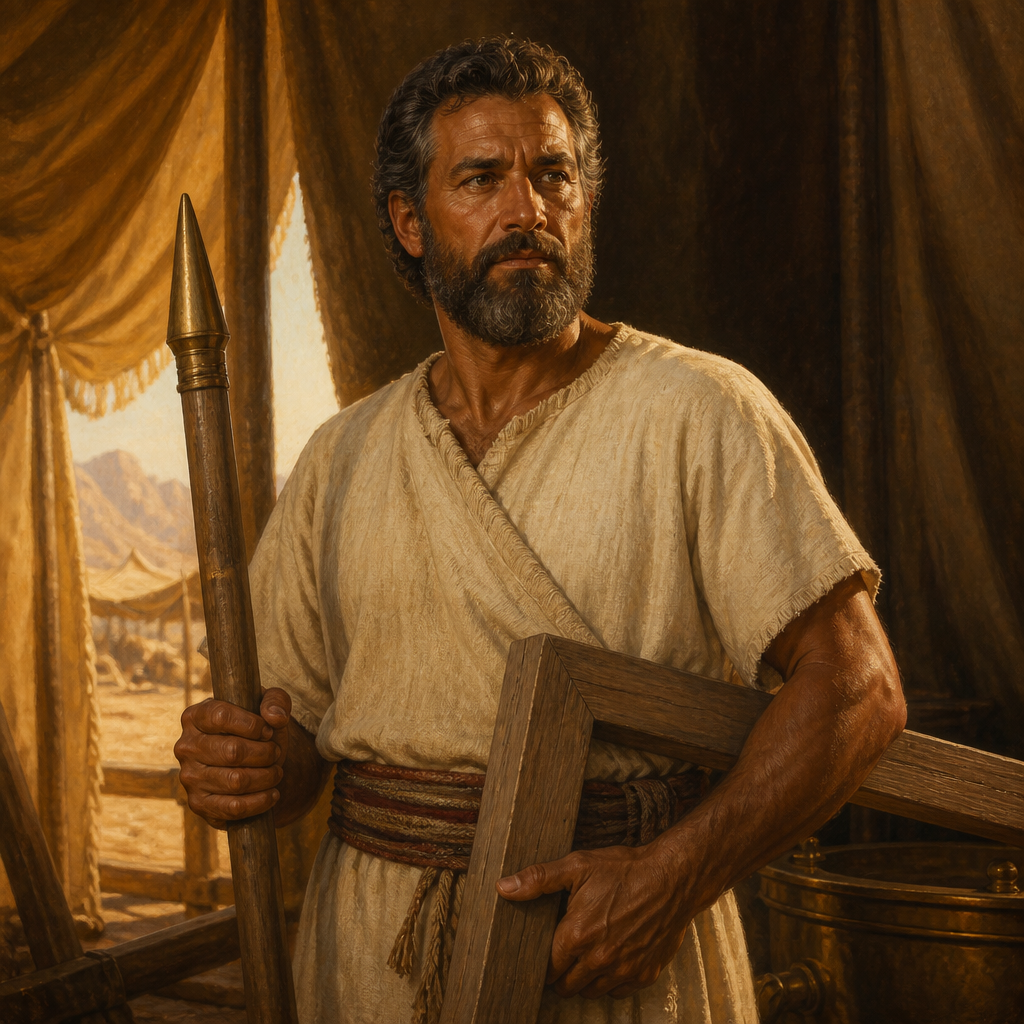
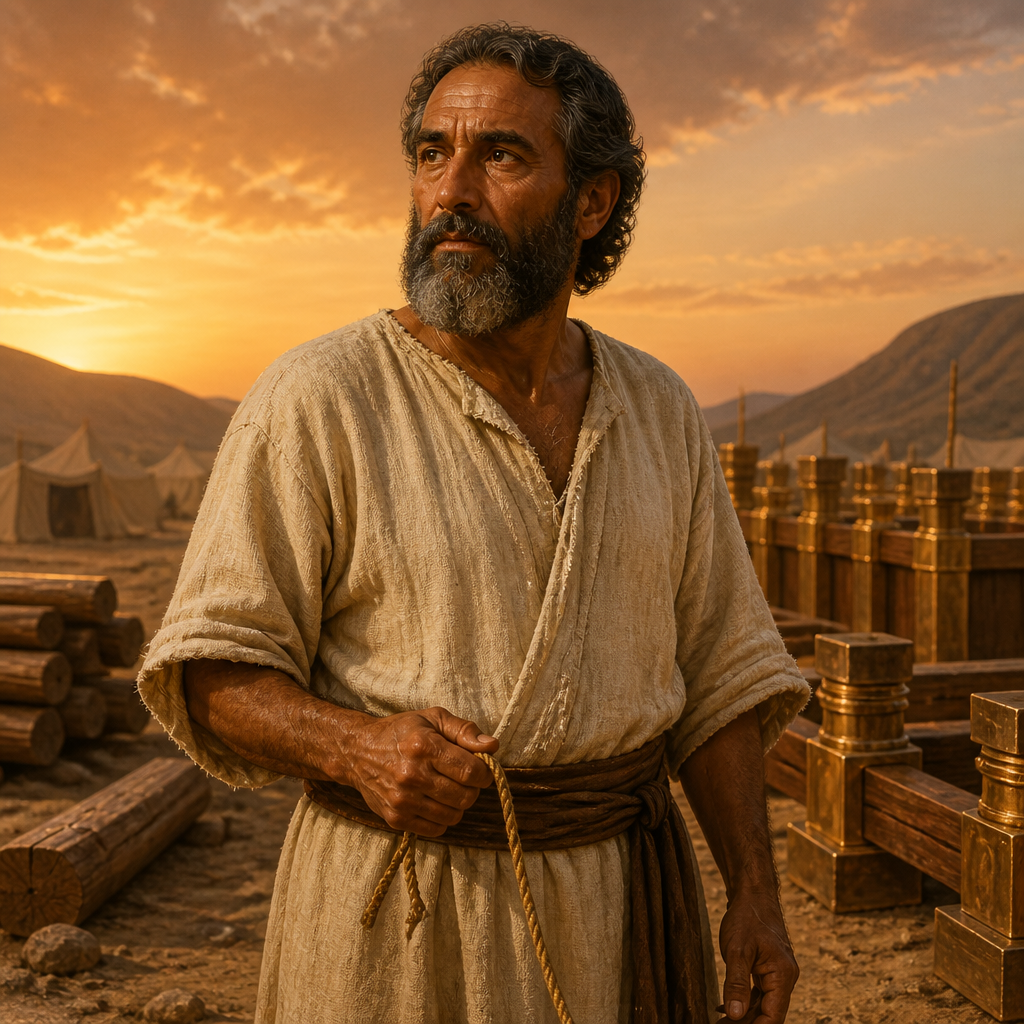
In the context of the Merarite duties described in the Pentateuch, Eder and his kin were traditionally responsible for the structural elements of the Tabernacle, including its frames, crossbars, posts, and bases (Numbers 4:31-32). While the specific assignment of Eder himself is not detailed, his family’s role was essential to the transport and stability of the portable sanctuary during the wilderness years.
Spiritual Significance
The significance of Eder lies in his role as a link in the chain of the Levite priesthood. The inclusion of his name in the sacred record emphasizes the biblical theme of God’s meticulous care for the order of worship and the preservation of those called to serve Him. For a Levite, identity was synonymous with vocation; to be a descendant of Mushi and a member of the house of Eder was to be someone designated by God for holy service.
Though he is a figure of few words in the text, Eder represents the many individuals who performed the necessary, behind-the-scenes labor that allowed the spiritual life of Israel to flourish. His presence in the Chronicles serves as a witness to the enduring nature of God’s covenant with the house of Levi.
Spiritual Significance
Eder’s significance is rooted in the preservation of the Levite lineage. As a member of the Merarite clan, he represents the specialized segment of the tribe of Levi tasked with the most heavy-duty aspects of the Tabernacle's maintenance. His inclusion in the genealogical lists of 1 Chronicles highlights the importance of pedigree and divine appointment in the Israelite religious system, ensuring that the service of God was conducted by those specifically set apart for that purpose.
Furthermore, Eder’s mention underscores the organizational structure of the Israelite camp. By recording names like Eder, the Bible demonstrates that the nation was not a nameless mass, but a structured community of families, each with a defined role and a recognized place in the history of redemption.
Frequently Asked Questions
Who was Eder’s father?
Eder was the son of Mushi, who was a son of Merari and a grandson of Levi.
Which tribe did Eder belong to?
Eder belonged to the tribe of Levi, specifically the Merarite clan.
How many brothers did Eder have?
Eder had two brothers mentioned in the biblical record: Mahli and Jerimoth.
In which books of the Bible is Eder mentioned?
Eder is mentioned in the book of 1 Chronicles, specifically in chapters 23 and 24.
What was the era of Eder's life?
Eder is associated with the era of the Egypt and Wilderness wanderings, appearing in the ancestral lists that define the Levite families from that period.
Connected Figures
Categories
Mentions by Book
- 1 Chronicles2
Family & Relationships
Sibling
1 Chronicles 23:23
Sibling
Jerimoth, Levite of the Egypt and Wilderness Era
1 Chronicles 23:23
Parent
Exodus 6:19
Sibling
Jerimoth, Levite of the Egypt and Wilderness Era
1 Chronicles 23:23
Sibling
1 Chronicles 6:47
Others Named Eder
Eder, Benjamite of the Sojourn Era1 Chronicles 8:15
Eder was a descendant of the tribe of Benjamin, listed as a son of Beriah and a family head in the genealogical records of 1 Chronicles 8.