Mahli, Grandson of Merari
A Levite of the Merarite clan during the Egypt and Wilderness era, recognized as a son of Mushi and a grandson of Merari.
Mahli was a member of the Tribe of Levi, specifically belonging to the division of Merari. The biblical record identifies him as one of the three sons of Mushi, placing him in the third generation of the Merarites after the initial entry into Egypt. His lineage is meticulously documented in the genealogical records of the Chronicler, ensuring his place within the hereditary structure of the Israelite priesthood and service.
While Mahli does not have specific narratives or dialogue attributed to him, his inclusion in the tribal censuses highlights the growth and organization of the Levites during their formative years. As a son of Mushi, he represents a distinct branch of the Merarite family tree that would eventually serve in the Tabernacle and later the Temple in Jerusalem.
Background and Family
Mahli was born into the Tribe of Levi, the tribe set apart by God for religious and liturgical duties. He was the son of Mushi, who was himself the son of Merari, one of the three primary sons of Levi. The lineage is clearly defined in 1 Chronicles 6:47, which traces the ancestry of Temple musicians back through Mahli to Mushi, Merari, and finally Levi.
Mahli grew up alongside two brothers, Eder and Jeremoth. Together, these three siblings formed the primary households under their father Mushi. The biblical record also notes that Mahli had a son named Shemer (1 Chronicles 6:47), who continued this specific line of the Merarite Levites.
Major Life Events
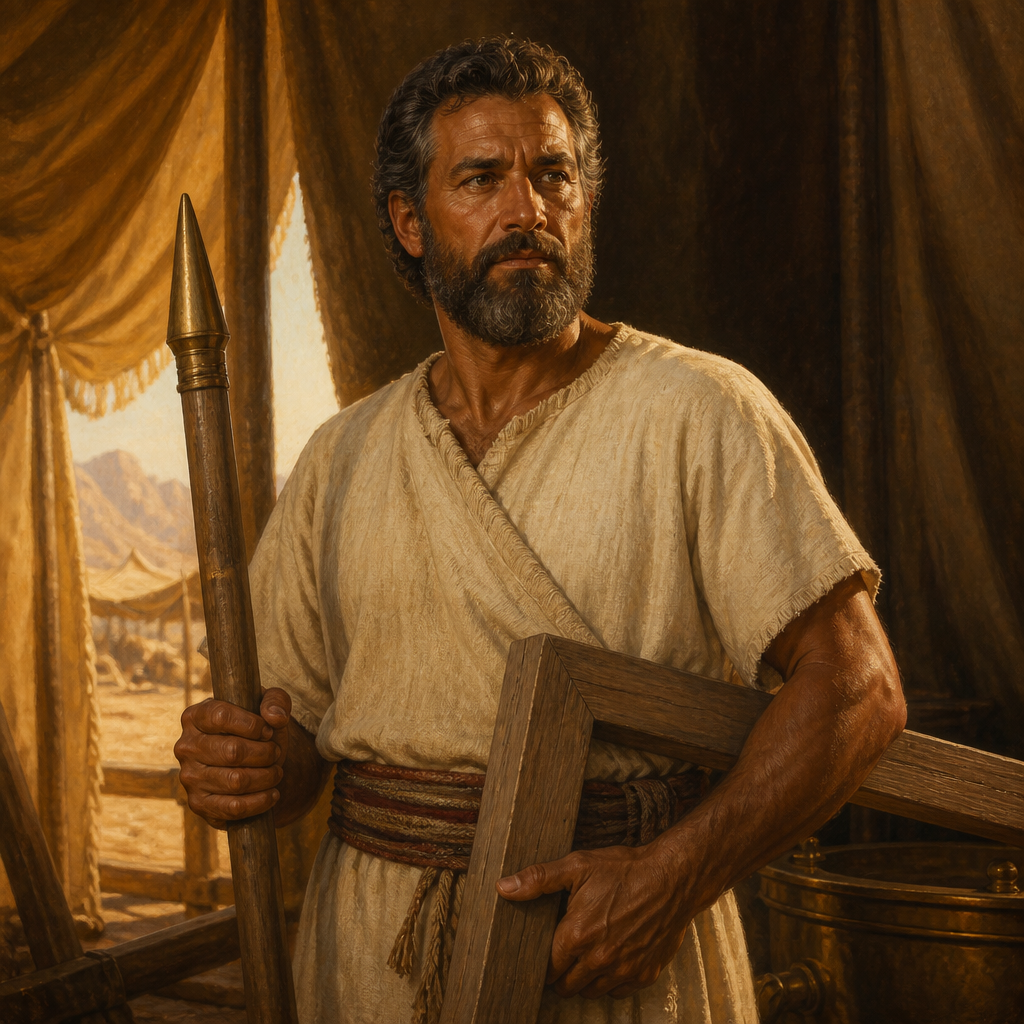
Because the biblical record focuses on the genealogical standing of Mahli, there are no recorded individual exploits or specific historical events associated with his life. His existence is defined by his placement within the wilderness era, a time when the Levites were being organized into their specific roles surrounding the Ark of the Covenant and the Tabernacle. As a member of the Merarite clan, Mahli would have been part of the group traditionally responsible for the structural elements of the Tabernacle, such as its frames, crossbars, posts, and bases (Numbers 3:36-37).
His name appears again in 1 Chronicles 23 and 24, where King David organizes the Levites into divisions for future service in the Temple. Although Mahli lived generations before David, his name serves as a vital marker for the "sons of Mushi," identifying the family groups that remained active and eligible for sacred service throughout Israel's history.
Relationship to Other Biblical Figures
Mahli is defined primarily through his immediate family connections. He is the son of Mushi and the grandson of Merari. Within his own generation, he is linked to his brothers Eder and Jeremoth. The genealogical record in 1 Chronicles 6:47 explicitly identifies him as the father of Shemer. These connections were essential for the Israelites to prove their lineage, as only those of proven Levite descent could perform duties within the sanctuary.
Spiritual Significance
The spiritual significance of Mahli lies in the principle of biblical stewardship and the continuity of the covenant. Even though the text provides no details of his personality or personal faith, his inclusion in the sacred text underscores the importance of every individual within the community of faith. In the Levite system, every man had a designated place and a specific heritage. Mahli represents the faithful transmission of this identity from the generation that entered Egypt to the generation that would eventually settle in the Promised Land. His name in the registers of 1 Chronicles 24:30 confirms that his family remained distinct and recognized "according to their families," illustrating God's preservation of the ministerial lines.
Spiritual Significance
Mahli's primary theological significance is found in the meticulous preservation of the Levite genealogy. His presence in the records of 1 Chronicles demonstrates the continuity of the Tribe of Levi from the period of the Egyptian sojourn through the organizational reforms of King David. He serves as a link in the chain of the Merarite family, ensuring that the specific duties assigned to his ancestors were legally and traditionally passed down to his descendants.
Furthermore, Mahli’s inclusion in the list of Mushi's sons emphasizes the growth of the Levite clans. By naming Mahli, Eder, and Jeremoth, the text highlights the fulfillment of the promise of multiplication even during the years of wandering. For the post-exilic audience of Chronicles, figures like Mahli were proof of their legitimate claim to their heritage and their sacred responsibilities before God.
Frequently Asked Questions
Who was Mahli's father?
Mahli was the son of Mushi, a grandson of Merari, and a great-grandson of Levi.
What tribe did Mahli belong to?
Mahli belonged to the Tribe of Levi, specifically the Merarite clan.
Did Mahli have any children?
Yes, 1 Chronicles 6:47 identifies Shemer as the son of Mahli.
What era did Mahli live in?
Mahli lived during the Egyptian Sojourn and the Wilderness period, as he is listed in the early generations following Levi's descent into Egypt.
How many times is this Mahli mentioned in the Bible?
This specific Mahli is mentioned three times, all within the book of 1 Chronicles (6:47, 23:23, and 24:30).
Connected Figures
Categories
Mentions by Book
- 1 Chronicles3
Family & Relationships
Child
Shemer, Levite of the Divided Monarchy
1 Chronicles 6:47
Sibling
Eder, Levite of the Merarite Clan
1 Chronicles 6:47
Sibling
Jerimoth, Levite of the Egypt and Wilderness Era
1 Chronicles 6:47
Sibling
Eder, Levite of the Merarite Clan
1 Chronicles 23:23
Sibling
Jerimoth, Levite of the Egypt and Wilderness Era
1 Chronicles 23:23
Parent
Exodus 6:19
Others Named Mahli
Mahli, Son of MerariExodus 6:19
Mahli was a prominent Levite patriarch whose descendants formed a major clan responsible for the Tabernacle's structural transport during the Exodus.