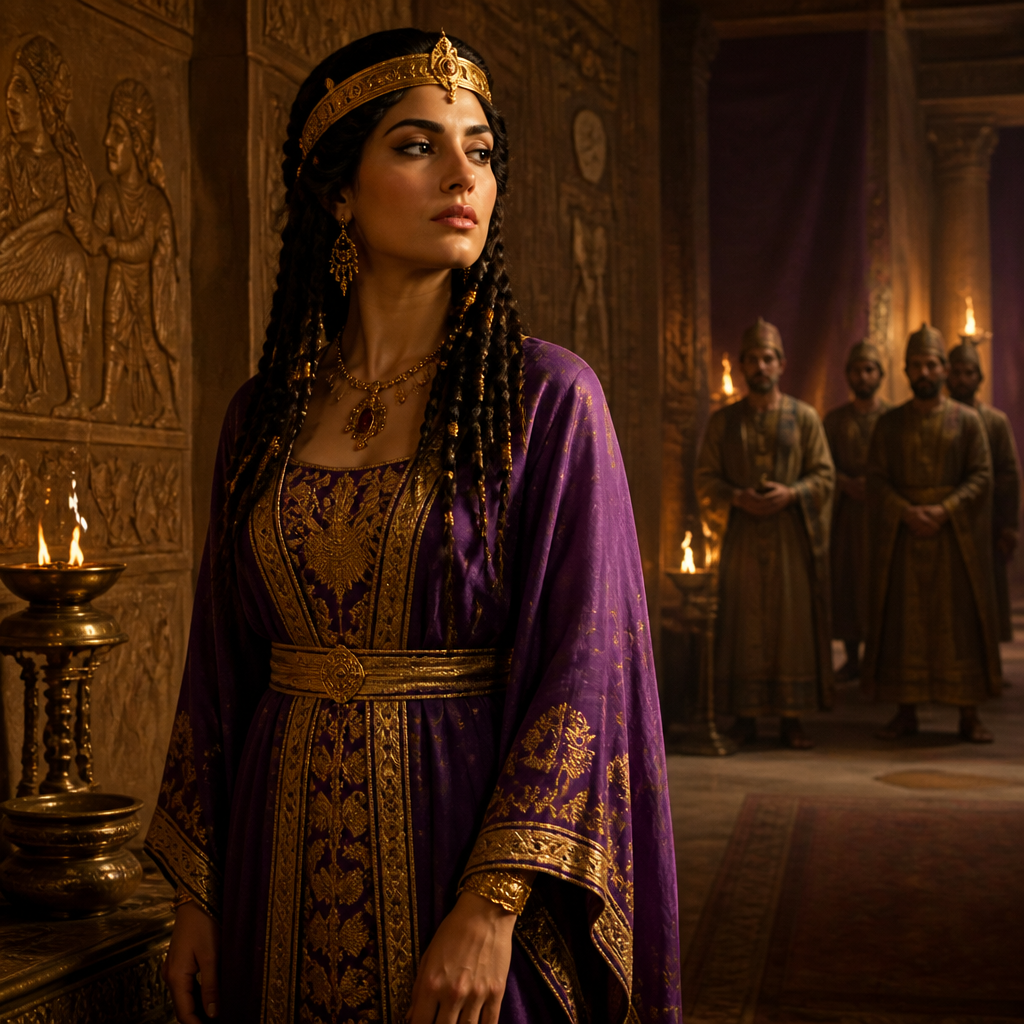
Queens
Who is on this listWomen Scripture names as queens or queen consorts of a kingdom, whether they reigned themselves or held the title beside a king (2 Kings 11:3; Esther 2:17; 1 Kings 11:19).
Every person in the Bible tagged Queens on Everybody in the Bible.
The role of Queens in the biblical narrative describes women who held supreme political authority or shared the throne as royal consorts within the monarchies of Israel and Judah. While the Hebrew Bible frequently mentions the wives and mothers of kings, the specific designation of a woman exercising sovereign power is rare and often associated with periods of significant religious and political transition. The text does not provide a formal list of requirements for the office, nor does it define a standardized legal process for a woman to ascend the throne, though the narratives indicate that these women exerted influence through marriage alliances or direct seizure of power.
The accounts of these women are found primarily in the books of Kings and Chronicles, which detail their impact on the religious life of the nation. Jezebel is identified as the daughter of Ethbaal, king of the Sidonians, and the wife of King Ahab, who introduced the worship of Baal into the northern kingdom of Israel (1 Kings 16:31). She is recorded as a forceful figure who issued royal decrees in the king’s name, orchestrated the execution of Naboth to seize his vineyard, and actively sought to kill the prophets of the Lord (1 Kings 18:4, 21:7–15). Her influence extended to the southern kingdom through her daughter, Athaliah, who was the wife of Jehoram and the mother of Ahaziah (2 Kings 8:18, 8:26). Following the death of her son, Athaliah took the unprecedented step of destroying the rest of the royal family to secure the throne for herself, ruling over the land for six years (2 Kings 11:1–3).
The presence of these queens serves as a critical turning point in the history of the divided monarchy. The text portrays their reigns as periods of intense conflict between the established worship of the LORD and the introduction of foreign deities. Jezebel is central to the narrative of the prophet Elijah representing the primary opposition to his ministry and the catalyst for his flight to Horeb (1 Kings 19:1–3). Athaliah represents a unique threat to the Davidic covenant, as her attempt to eliminate the royal offspring nearly ended the lineage that had been promised an eternal throne (2 Samuel 7:12–16). Her reign ended when the priest Jehoiada revealed the hidden prince Jehoash, leading to her execution and the restoration of a Davidic king (2 Kings 11:12–16). Through these accounts, the Bible illustrates how the office of queen could shape the theological and dynastic direction of the nation.
Everyone in this list
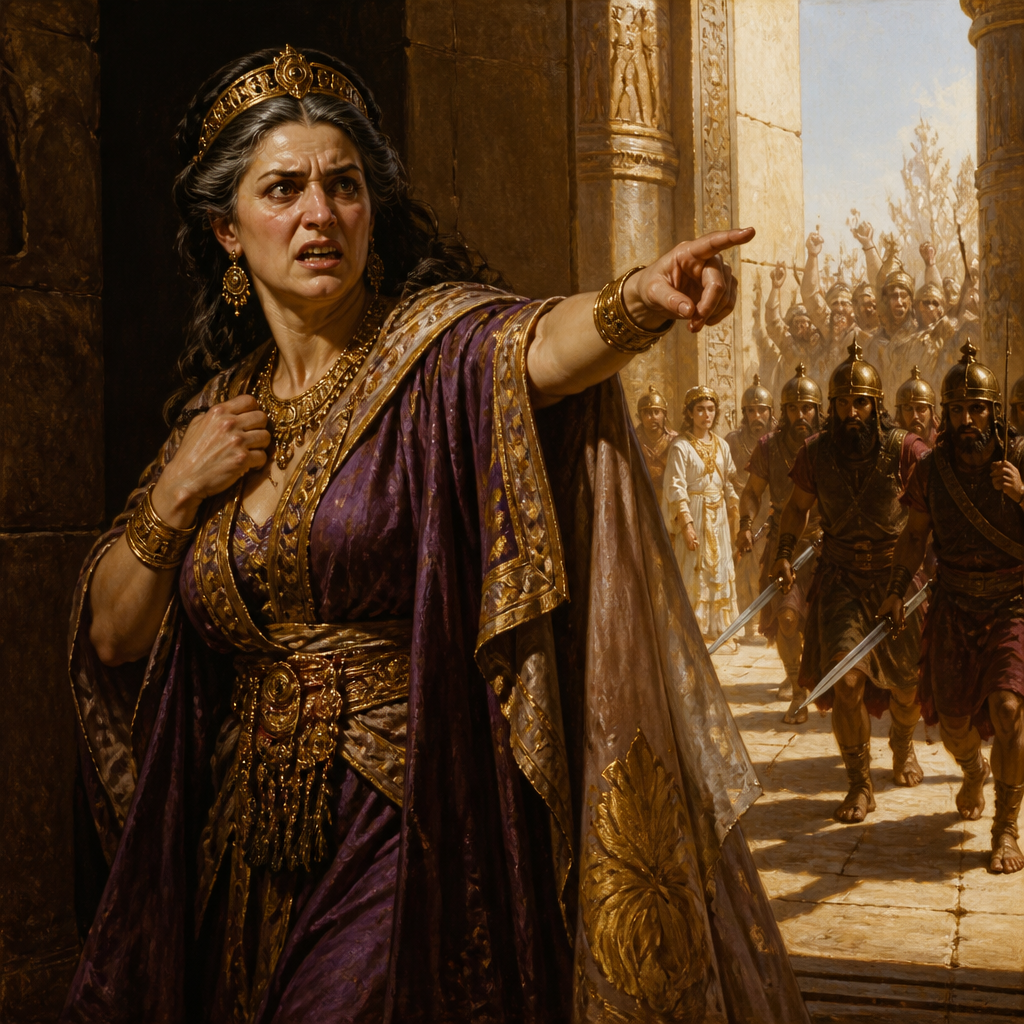
Athaliah, Queen of Judah
Queen of Judah who attempted to destroy the Davidic line
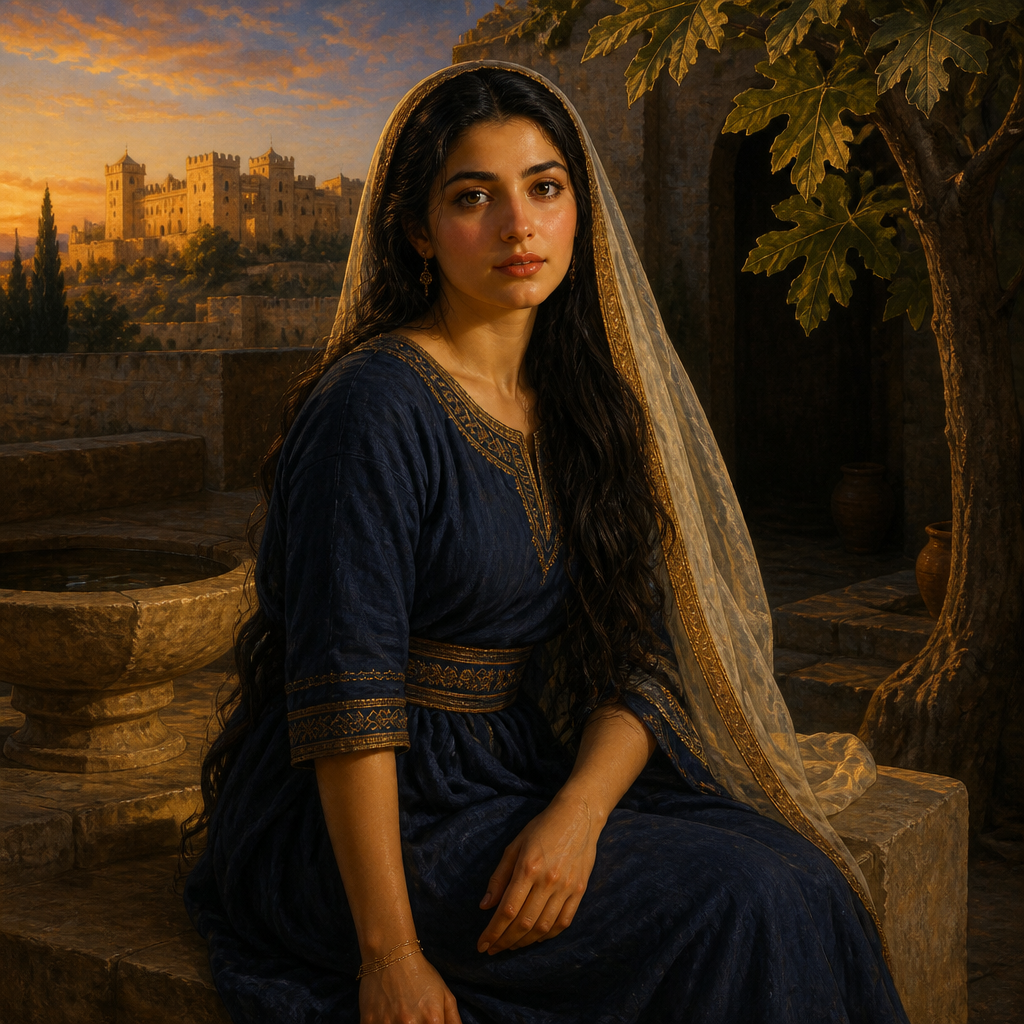
Bathsheba
Queen mother of King Solomon and wife of David who secured the succession for her son
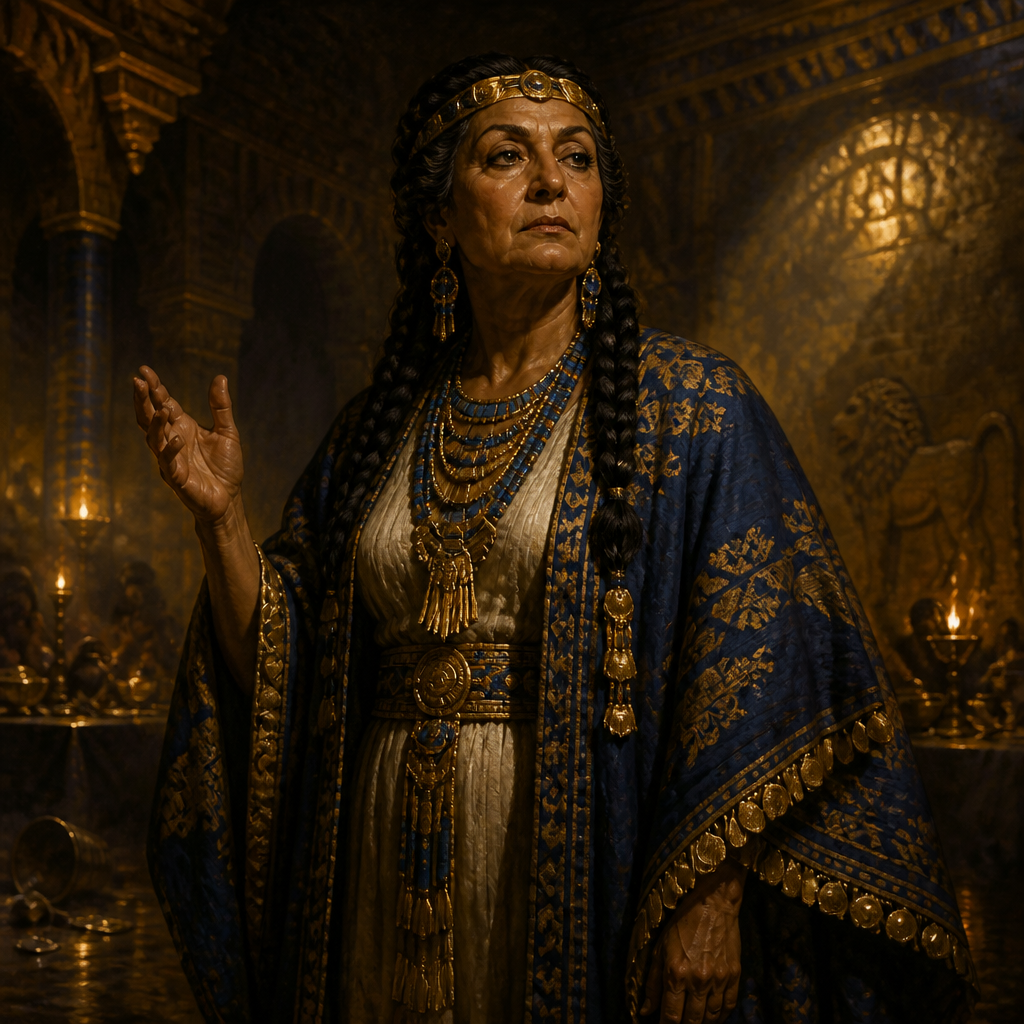
Belshazzar's Queen
Queen who advised King Belshazzar to summon Daniel to interpret the writing on the wall
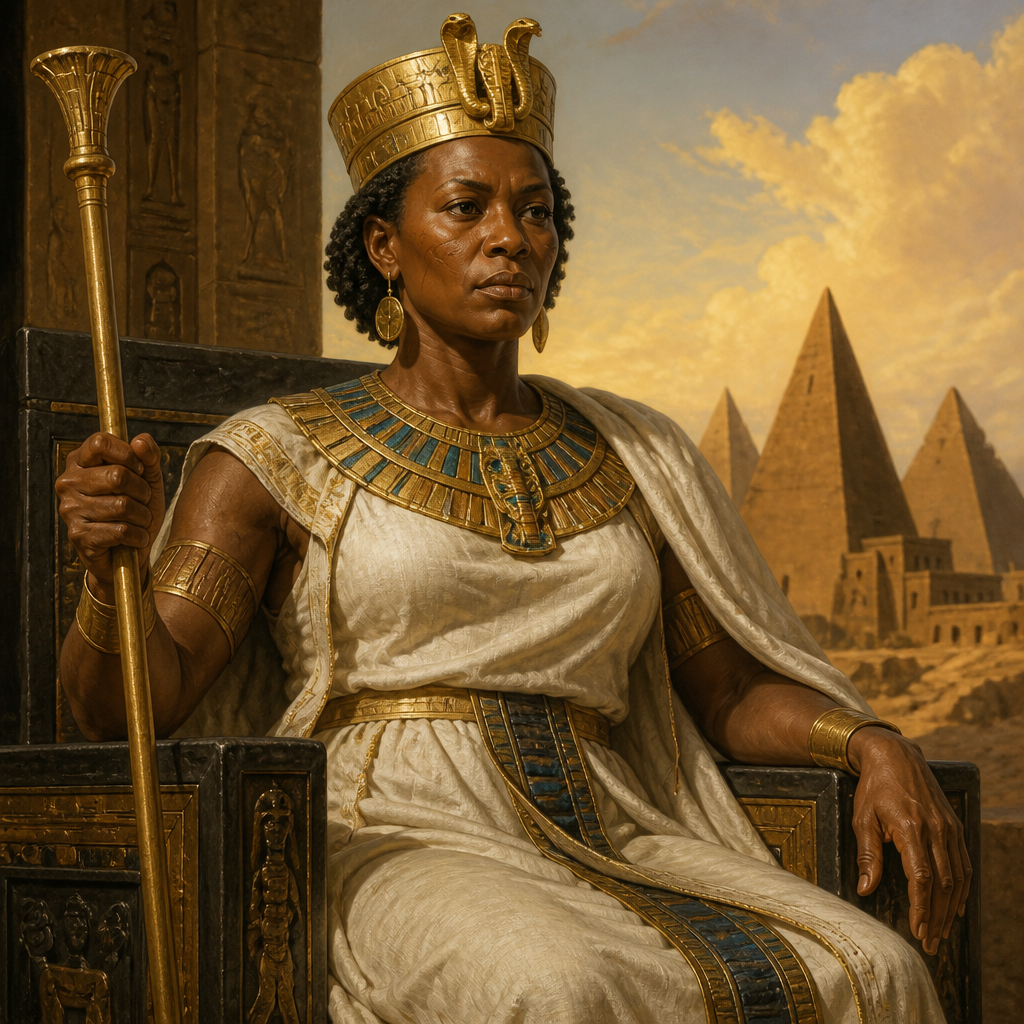
Candace
Queen of the Ethiopians whose royal treasurer was baptized by Philip the Evangelist

Esther
Jewish queen of Persia who saved her people from Haman's genocidal plot
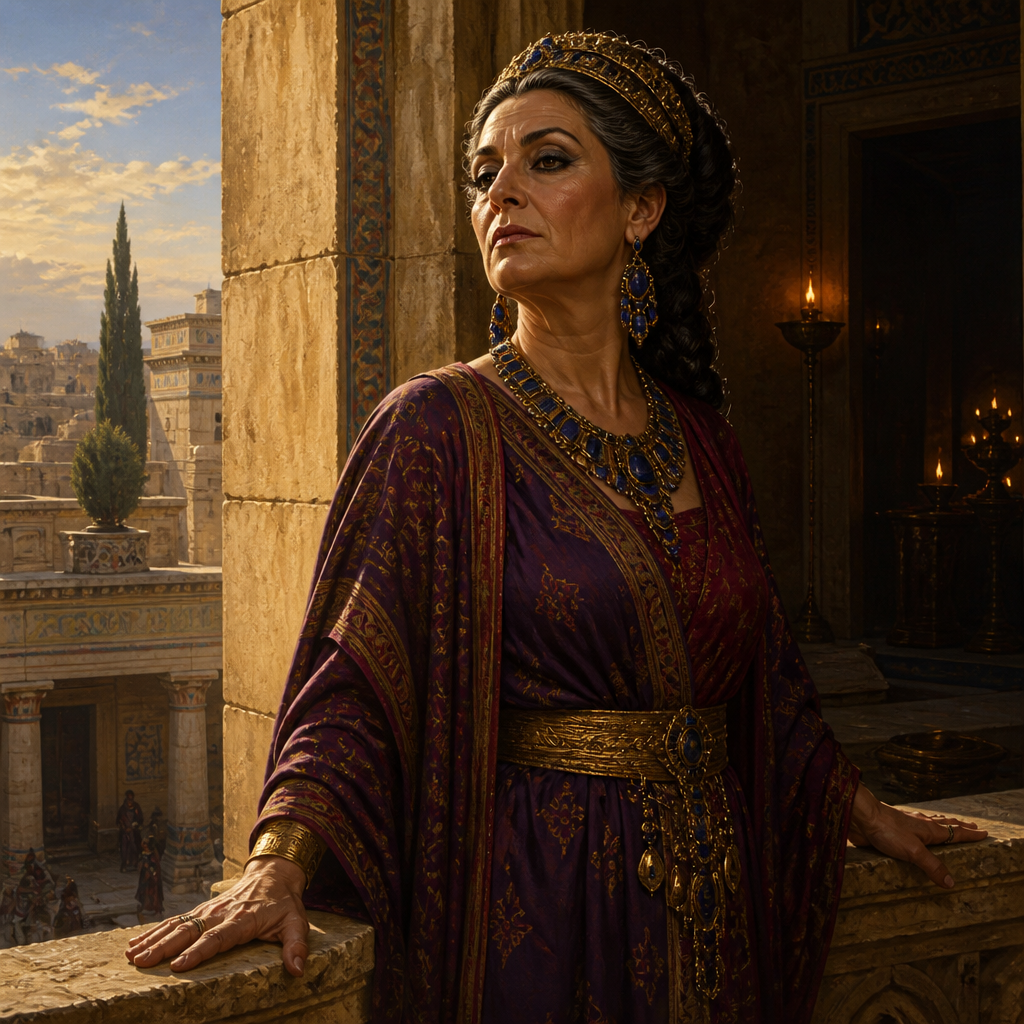
Jezebel
Queen of Israel who persecuted the prophets and promoted Baal worship
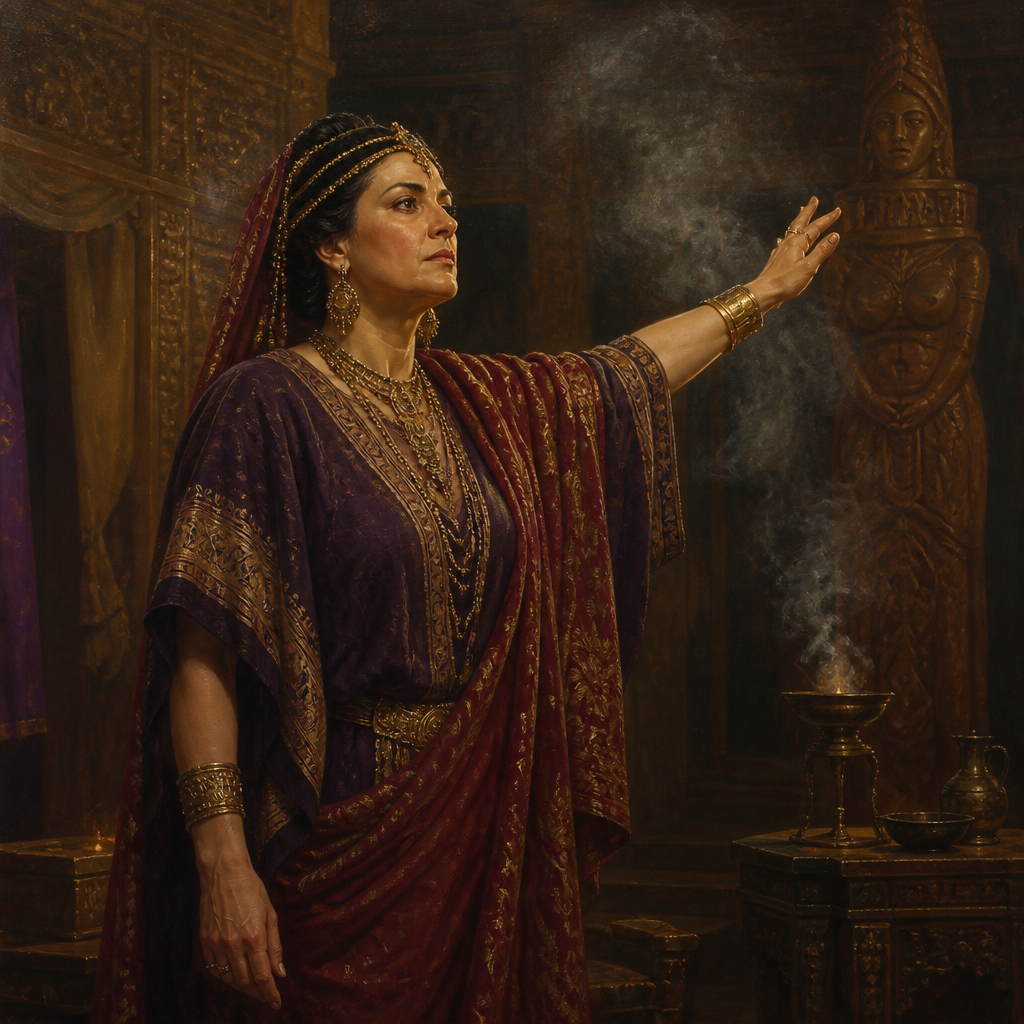
Maacah, Queen Mother of Judah
Queen mother who was deposed for making an Asherah pole
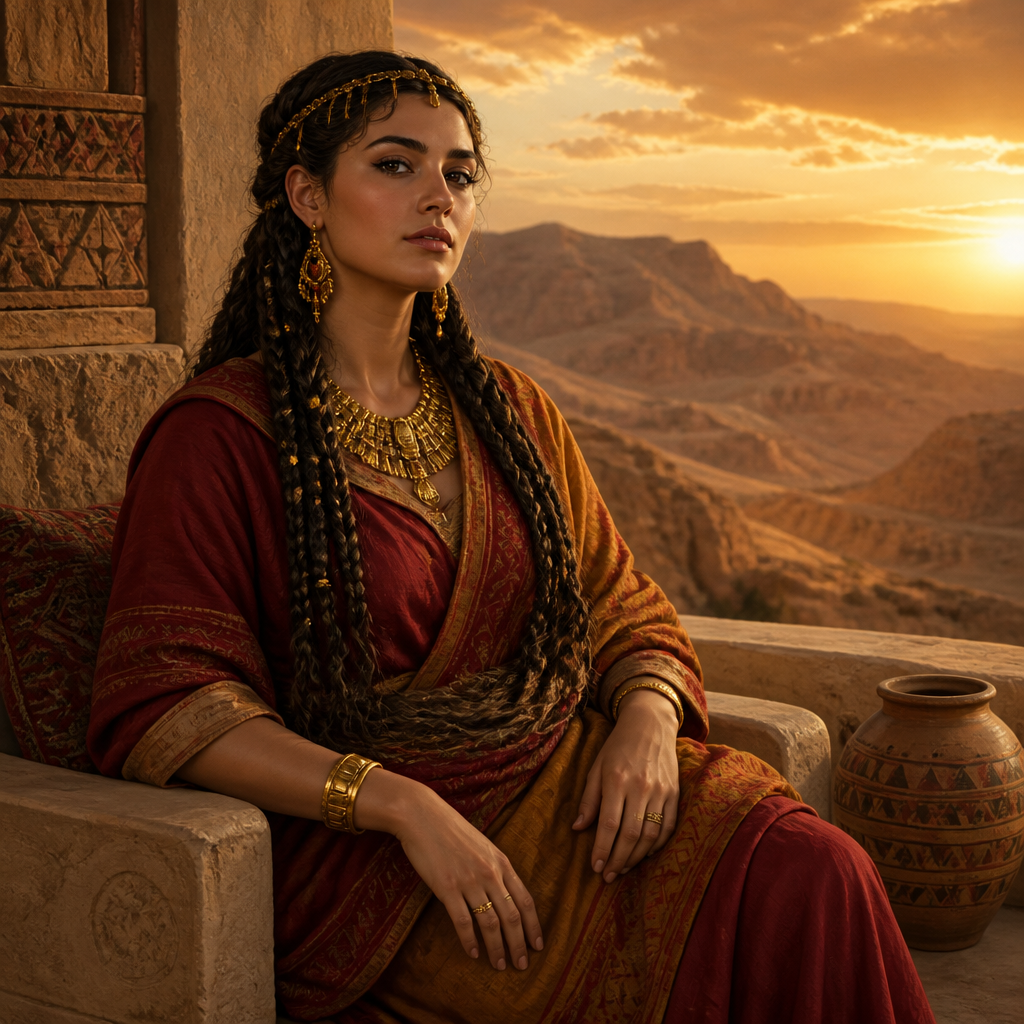
Mehetabel, Queen of Edom
Queen of Edom and wife of King Hadad during the Patriarchal Period
The Queen of Sheba
Queen who visited Solomon to test his wisdom with hard questions

Tahpenes
Queen of Egypt who weaned the Edomite prince Genubath in the royal palace