People of 2 Corinthians
Every person who appears in the book of 2 Corinthians, ordered by how often they are mentioned there.
The People of 2 Corinthians appear throughout this letter written by Paul, who identifies himself as an apostle of Jesus by the will of God (2 Corinthians 1:1). The text opens with Paul addressing the church alongside Timothy, whom he calls a brother (2 Corinthians 1:1). As the narrative of his ministry unfolds, Paul recalls his travels through Macedonia and his relief at meeting Titus, who brought him comfort by reporting on the state of the Corinthian believers (2 Corinthians 7:6). Paul also mentions Silas and Timothy as his fellow preachers who joined him in proclaiming Jesus to the community (2 Corinthians 1:19). In describing his past hardships, Paul notes that he once had to escape Damascus in a basket because a governor under King Aretas was guarding the city to seize him (2 Corinthians 11:32–33).
To explain the nature of his ministry, Paul references several figures from the history of Israel. He compares the ministry of the Spirit to the ministry of Moses noting that Moses had to put a veil over his face because the Israelites could not gaze at its glory (2 Corinthians 3:7–13). Paul also appeals to the example of Abraham citing the scripture that those who have the same spirit of faith as the patriarchs also speak (2 Corinthians 4:13). When warning the church against being led astray, he uses the example of Eve stating that the serpent deceived her by his cunning (2 Corinthians 11:3). These historical references serve to ground the new covenant in the long history of the people of God.
The letter concludes with Paul defending his authority and expressing his desire for the restoration of the church. He emphasizes that Jesus was not weak but lives by the power of God, and he urges the Corinthians to examine themselves to see if they are in the faith (2 Corinthians 13:3–5). In the final greetings, Paul includes well-wishes from all the saints, a group that traditionally includes his traveling companions such as Luke (2 Corinthians 13:13). The text does not say how the Corinthians responded to this specific letter, but it ends with a benediction invoking the grace of Jesus and the love of God.
Everyone in this list
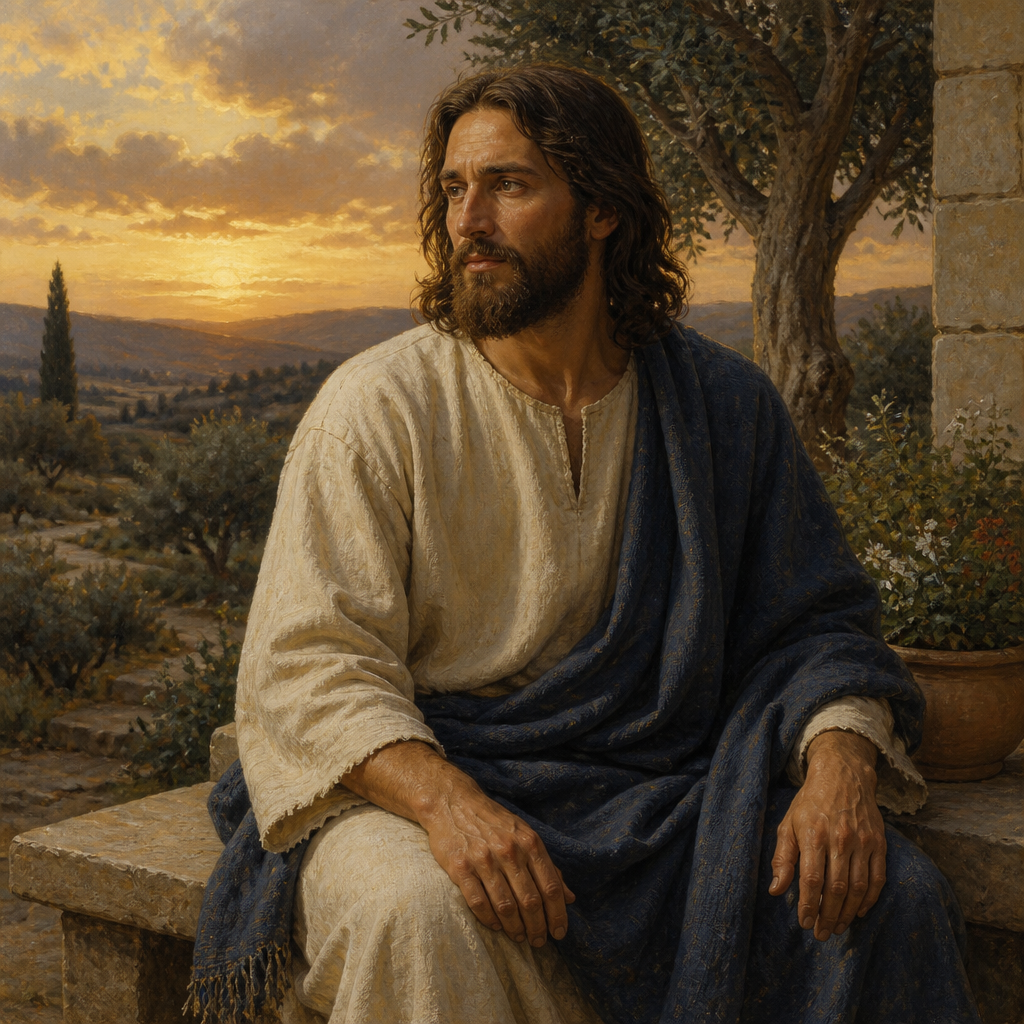
Jesus
Messiah and central figure of the New Testament whose life, death, and resurrection form the basis of the Christian faith
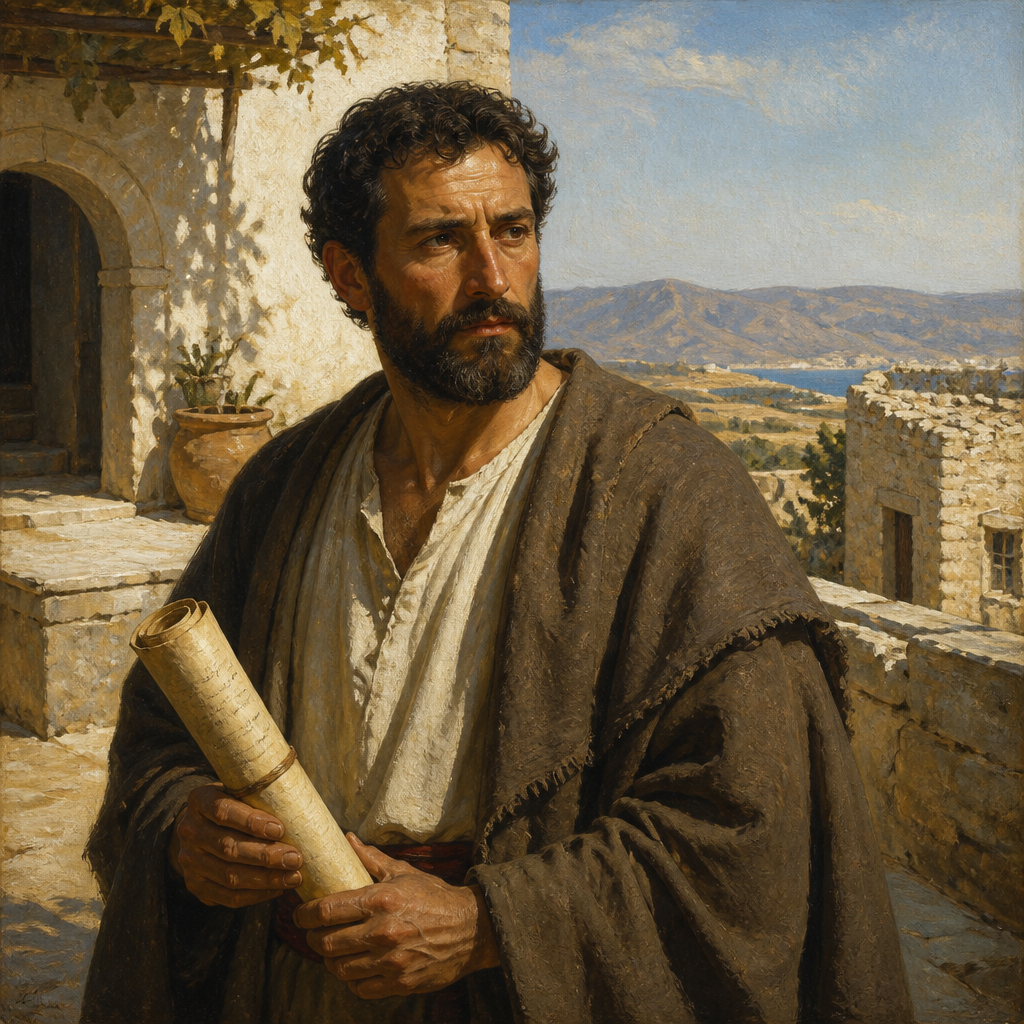
Titus
Greek companion of Paul who organized the church in Crete and mediated the Corinthian crisis
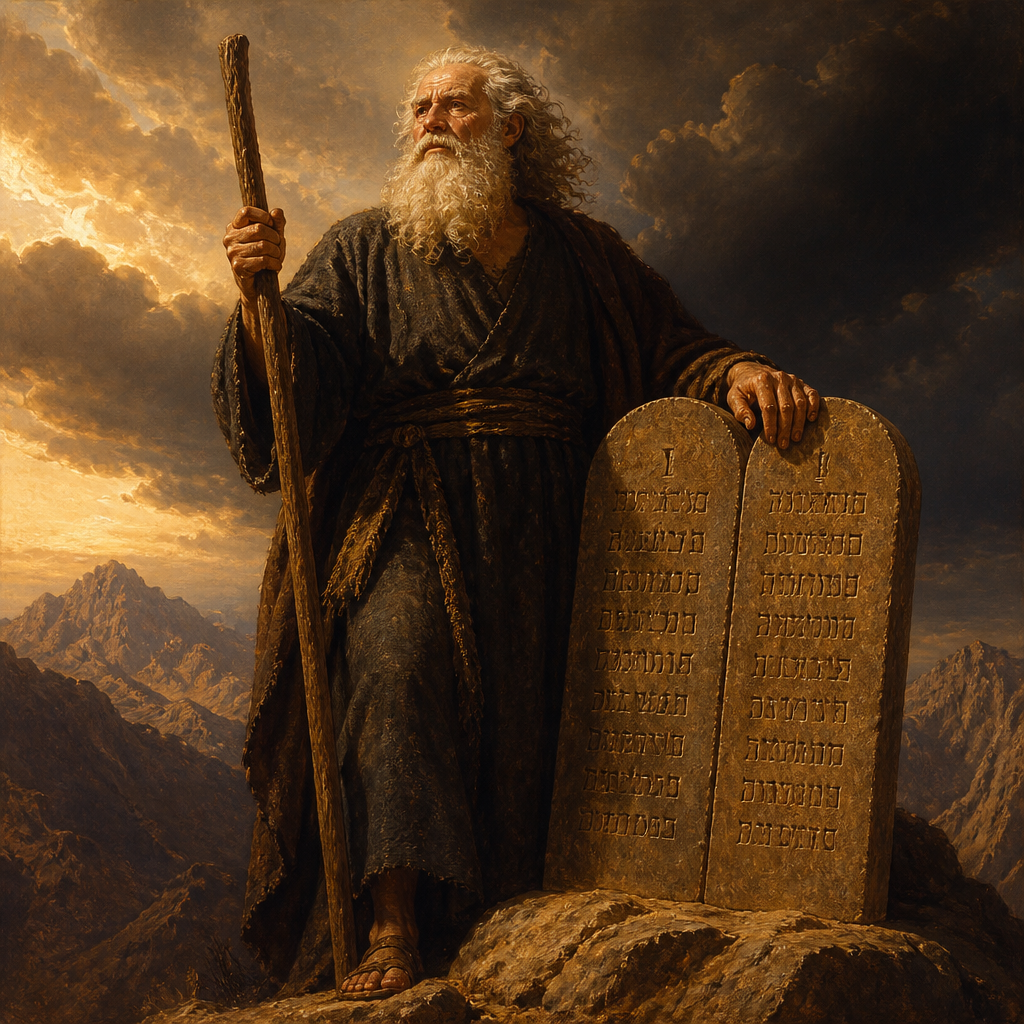
Moses
Prophet who led the Israelites out of Egypt and received the Ten Commandments
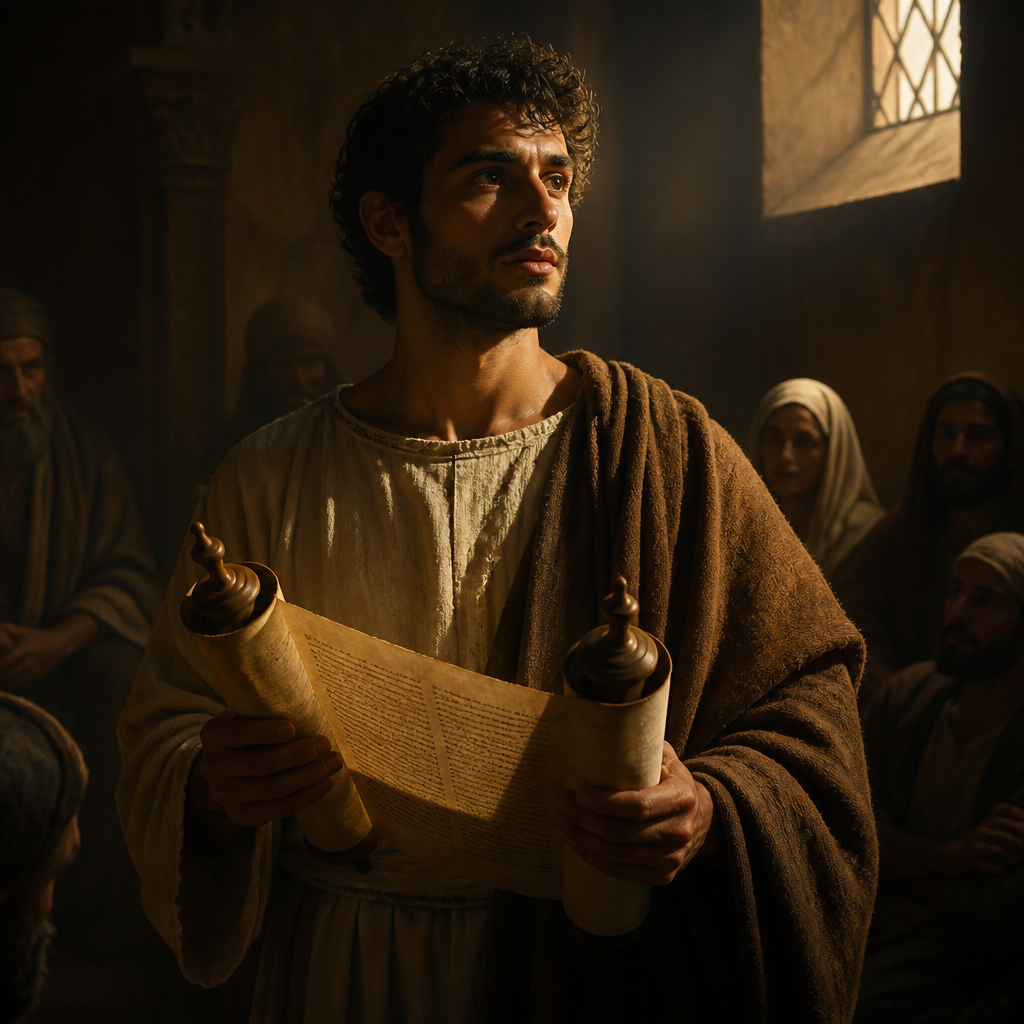
Timothy
Protégé of the Apostle Paul and recipient of the two Pastoral Epistles whom Paul stationed at Ephesus
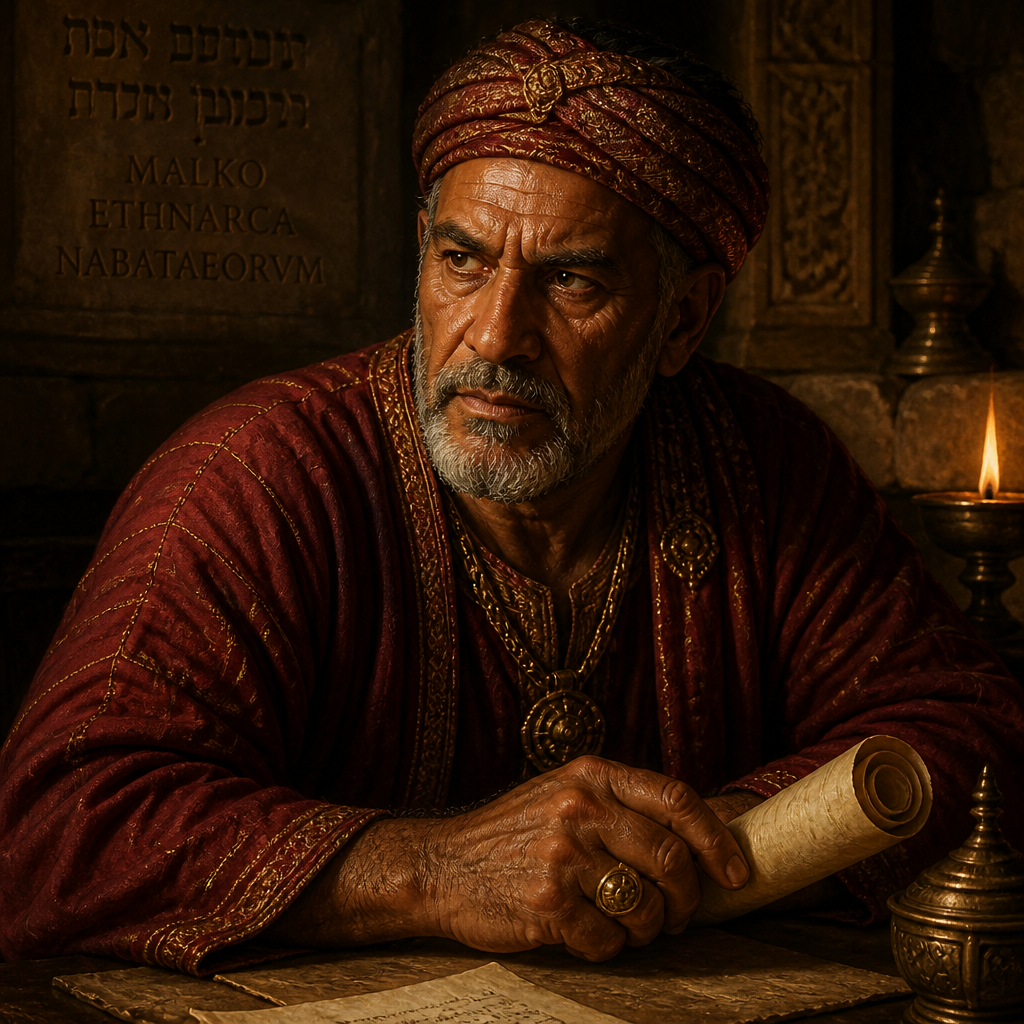
The Governor Under King Aretas
Nabataean official whose garrison at Damascus attempted to capture the Apostle Paul
Silas
Prophet and companion of Paul who sang in the Philippian jail

The Man Who Had His Father's Wife
Man mentioned by Paul for an incestuous relationship with his stepmother
Abraham
Patriarch who is the father of the nation of Israel and an exemplar of faith
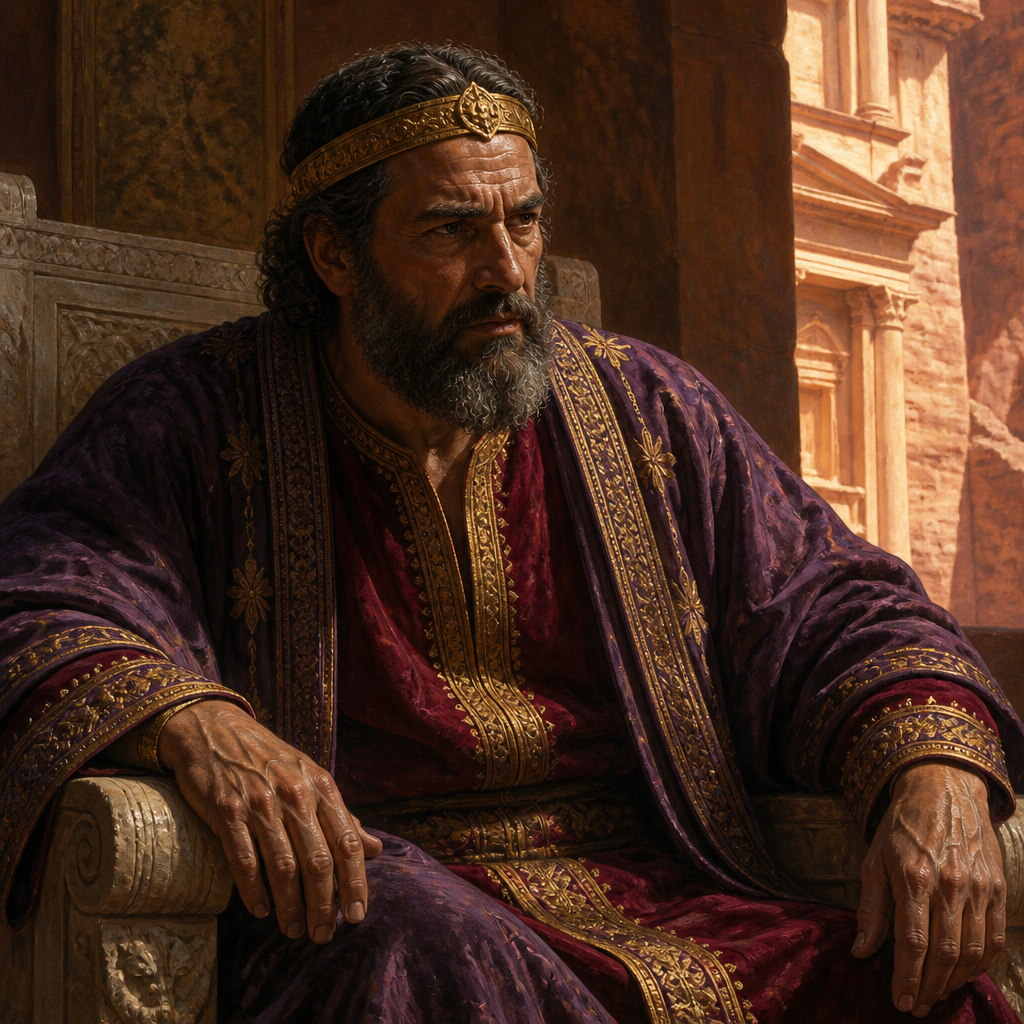
Aretas
King of the Nabataeans whose governor attempted to arrest Paul in Damascus