The Herod Dynasty
10 profiles tagged The Herod Dynasty.
One Idumean family held some share of power in Judea from before the birth of Jesus to after the death of Paul — and every stage of the New Testament story runs into one of them.
The facts
- People in this collection
- 10
- Books they appear in
- 4Matthew → Acts
- Era range
- Life of Jesus → The Early Church
- Earliest appearance
- Matthew 2:22Archelaus
- Latest appearance
- Acts 26:30Bernice
- Most mentioned
- Herodias6 verses
The family that frames the New Testament
No family appears at more hinges of the New Testament than this one. Herod the Great is on the throne when Jesus is born and orders the killing of the children of Bethlehem. His grandson-in-law and descendants are still in power when Paul makes his final defence: Herod Agrippa II hears him at Caesarea and says, "In a short time would you persuade me to be a Christian?" Between those two scenes lie a beheading, a mocking, a persecution and a death by worms.
They were not Jewish by descent but Idumean — Edomite converts — which is why their legitimacy was permanently in question, and why their rule depended entirely on Rome. Every one of them held power as a client of the emperor, and every one of them lost or narrowly kept it by the emperor''s favour.
The generations
Herod the Great (Matthew 2) — builder of the temple Jesus taught in, and the king who received the wise men, then slaughtered the infants of Bethlehem when they did not return.
Archelaus (Matthew 2:22) — his son, so feared that Joseph turned aside from Judea and settled in Nazareth. Rome deposed him within a decade.
Herod Antipas — tetrarch of Galilee, the "fox" of Luke 13:32. He imprisoned and beheaded John the Baptist, and Pilate sent Jesus to him during the trial; he questioned Jesus at length and got no answer.
Philip the Tetrarch (Luke 3:1) — the quietest of the sons, ruling the north-east, and the only one Scripture records nothing against.
Herodias — granddaughter of Herod the Great, who left one Herod for another and pursued John the Baptist to his death. Her daughter danced and asked for the head.
Herod Agrippa I (Acts 12) — killed James the brother of John with the sword, imprisoned Peter, and was struck down at Caesarea for accepting the acclamation of a god.
Herod Agrippa II, with his sister Bernice — the last of the line to hold a throne, and Paul''s most sympathetic hearer.
Drusilla — another sister, wife of the governor Felix, present when Paul reasoned "about righteousness and self-control and the coming judgment," and Felix was afraid.
Not the Herodians
The Herodians of Mark 3:6, Mark 12:13 and Matthew 22:16 were a political faction that supported this family — not members of it. No Herodian is named as an individual anywhere in Scripture. Because the names are nearly identical, the two are endlessly conflated; this site gives each its own page. See the Herodians for the party.
The dynasty
Herodian family tree
Every Herodian named in the New Testament descends from Herod the Great. Solid lines show parent–child relationships; dashed lines mark marriages.
- Aristobulus IVExecuted by Herod, 7 BC
Everyone in this collection
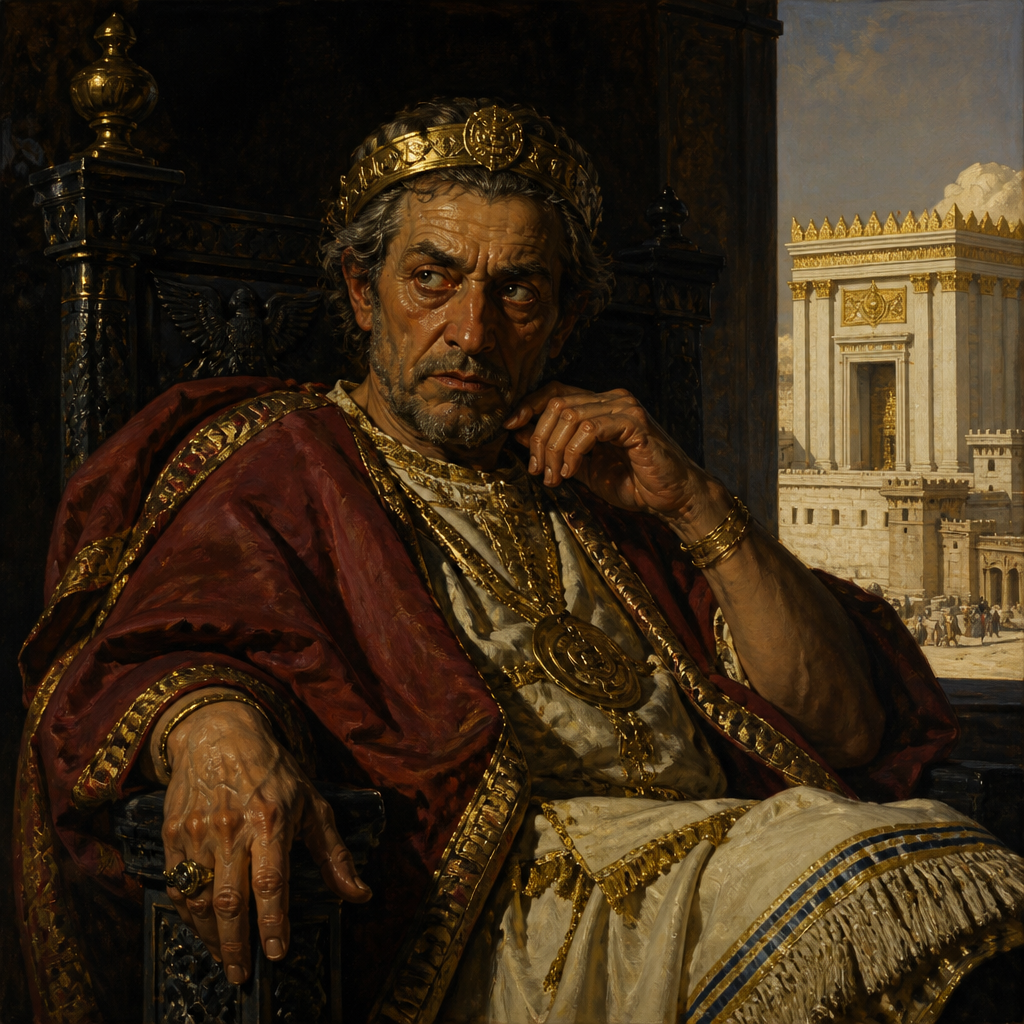
Herod the Great
Builder of the Second Temple expansion and author of the Massacre of the Innocents
King of Judea under the Roman Empire known for his colossal building projects and his decree to massacre the infants of Bethlehem in an attempt to kill the newborn Jesus.
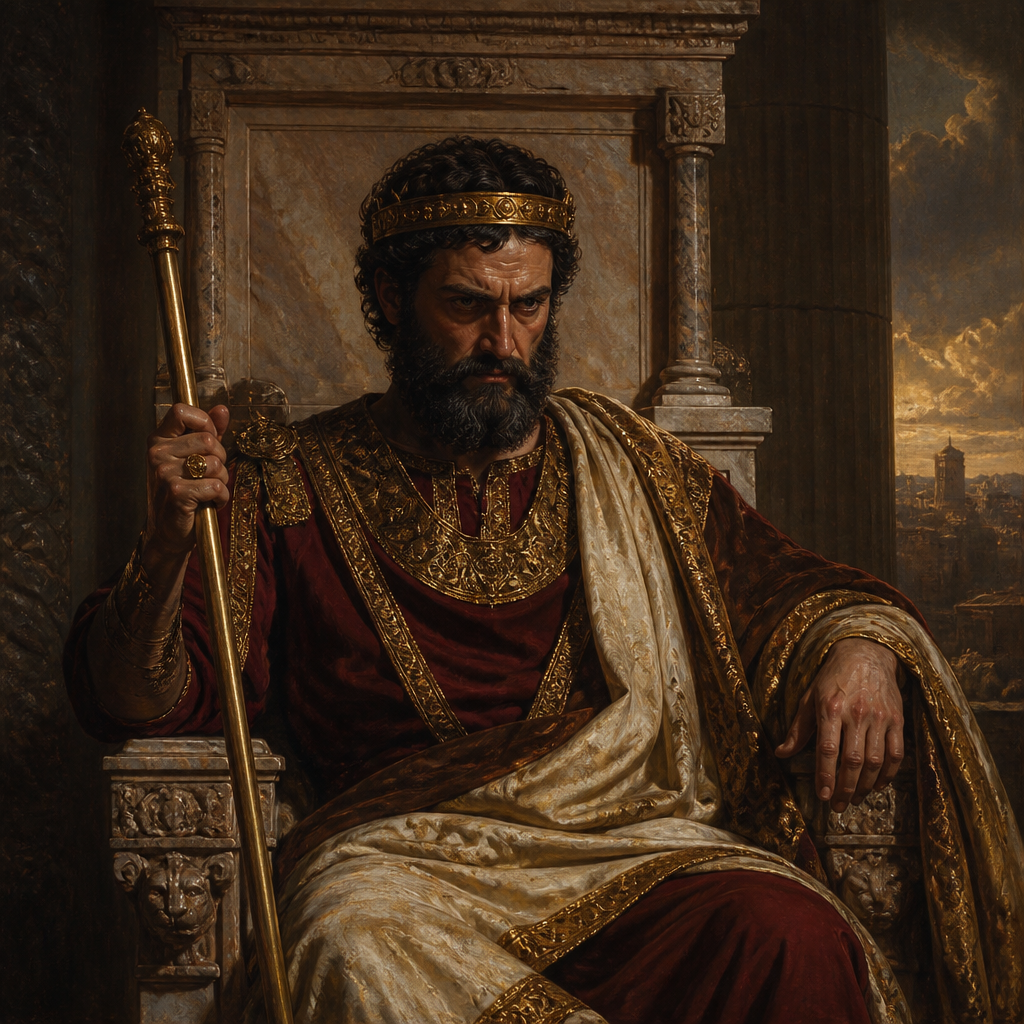
Archelaus
Cruel ruler of Judea whose reputation caused the Holy Family to settle in Nazareth
Herod Archelaus was the ethnarch of Judea, Samaria, and Idumea, whose notoriously cruel reign forced Joseph and Mary to settle in Nazareth with the infant Jesus.
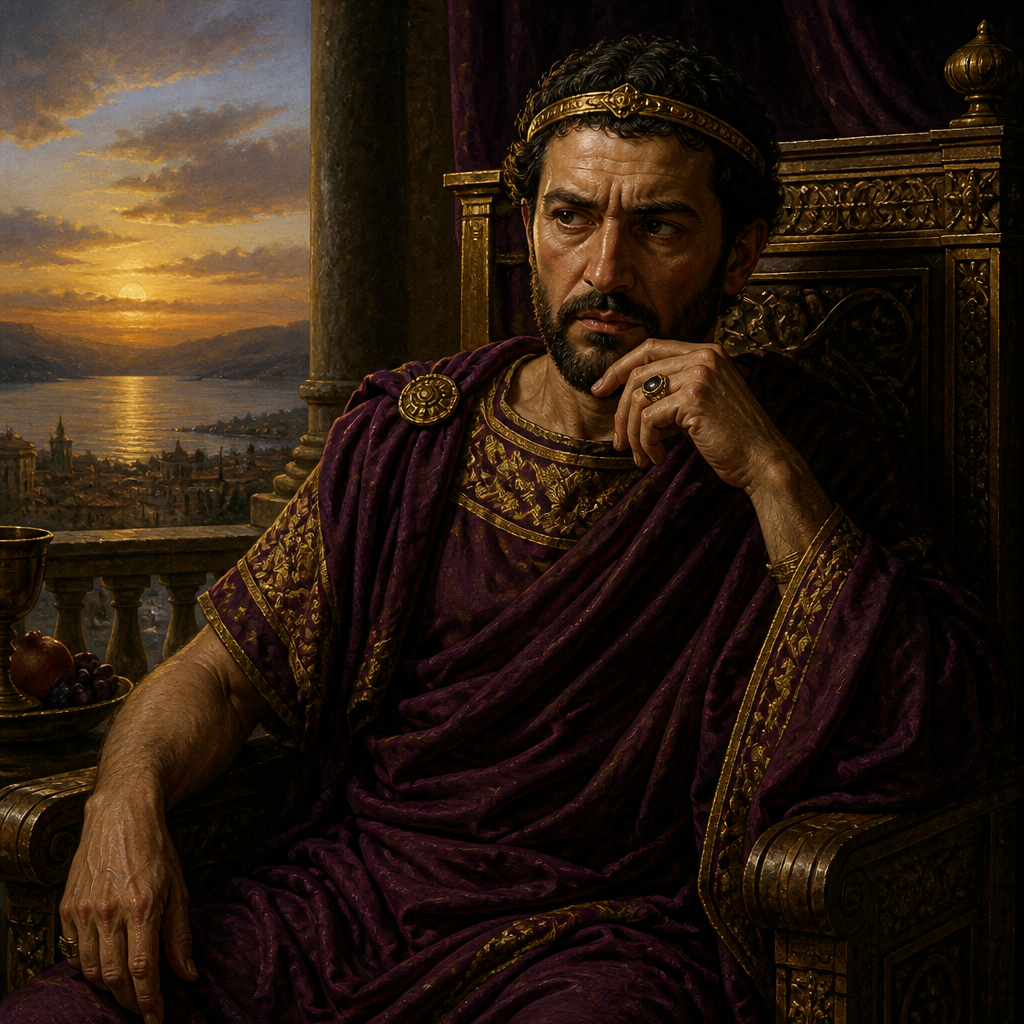
Herod Antipas
Executioner of John the Baptist and judge during the trial of Jesus
Herod Antipas was the 1st-century tetrarch of Galilee and Perea, known for his roles in the executions of John the Baptist and the trial of Jesus Christ.
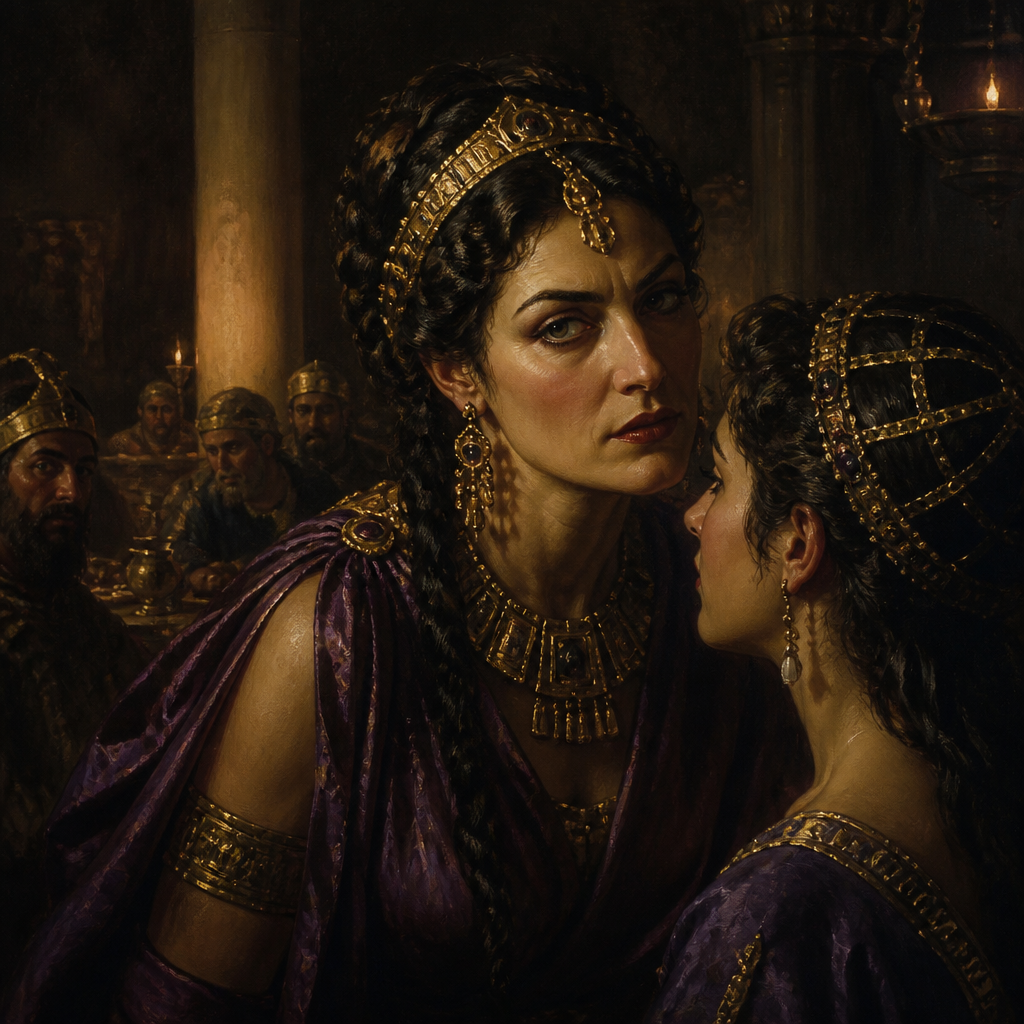
Herodias
The manipulative royal who orchestrated the execution of John the Baptist
Herodias was a princess of the Herodian dynasty whose controversial marriage and role in the execution of John the Baptist made her a symbols of royal corruption and moral defiance.
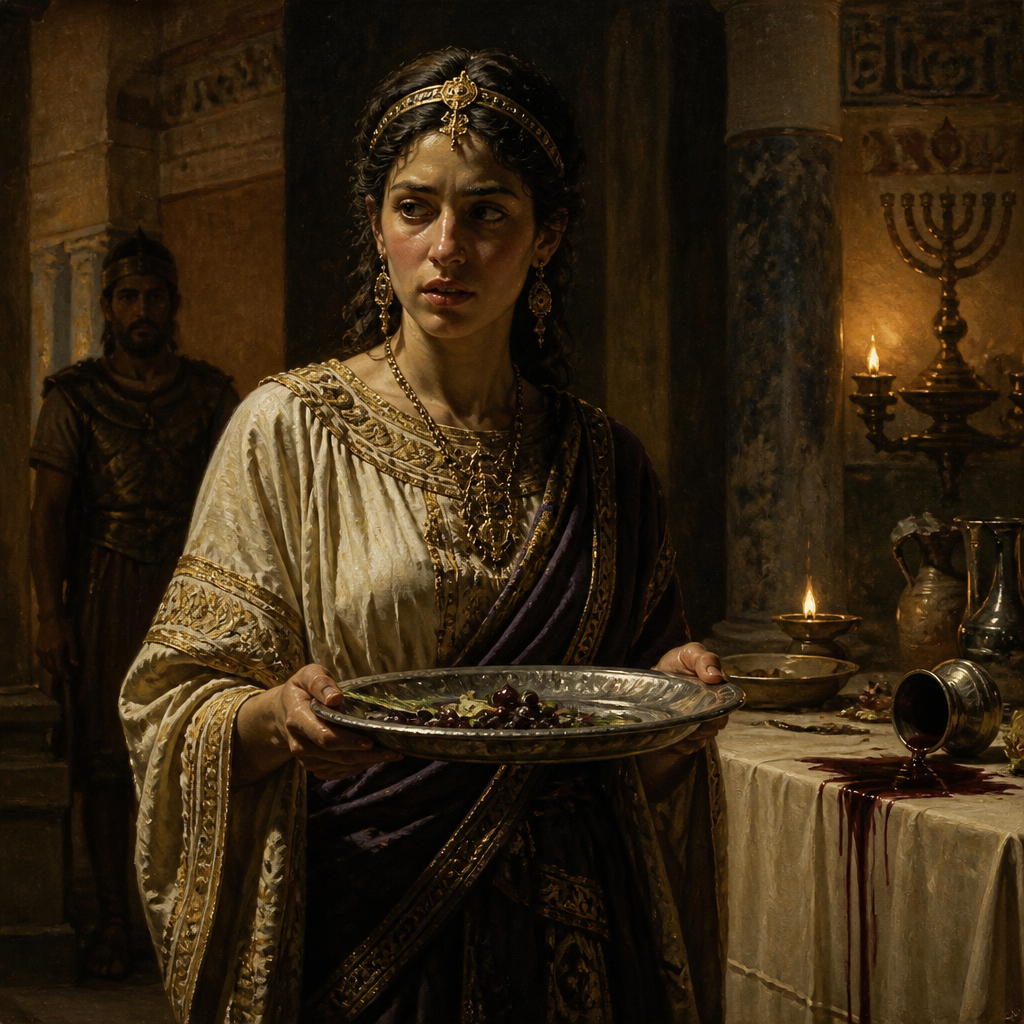
Herodias' Daughter
The princess whose dance for Herod Antipas led to her requesting the head of John the Baptist
The daughter of Herodias and Herod Philip who famously danced before Herod Antipas, leading to the execution of John the Baptist.
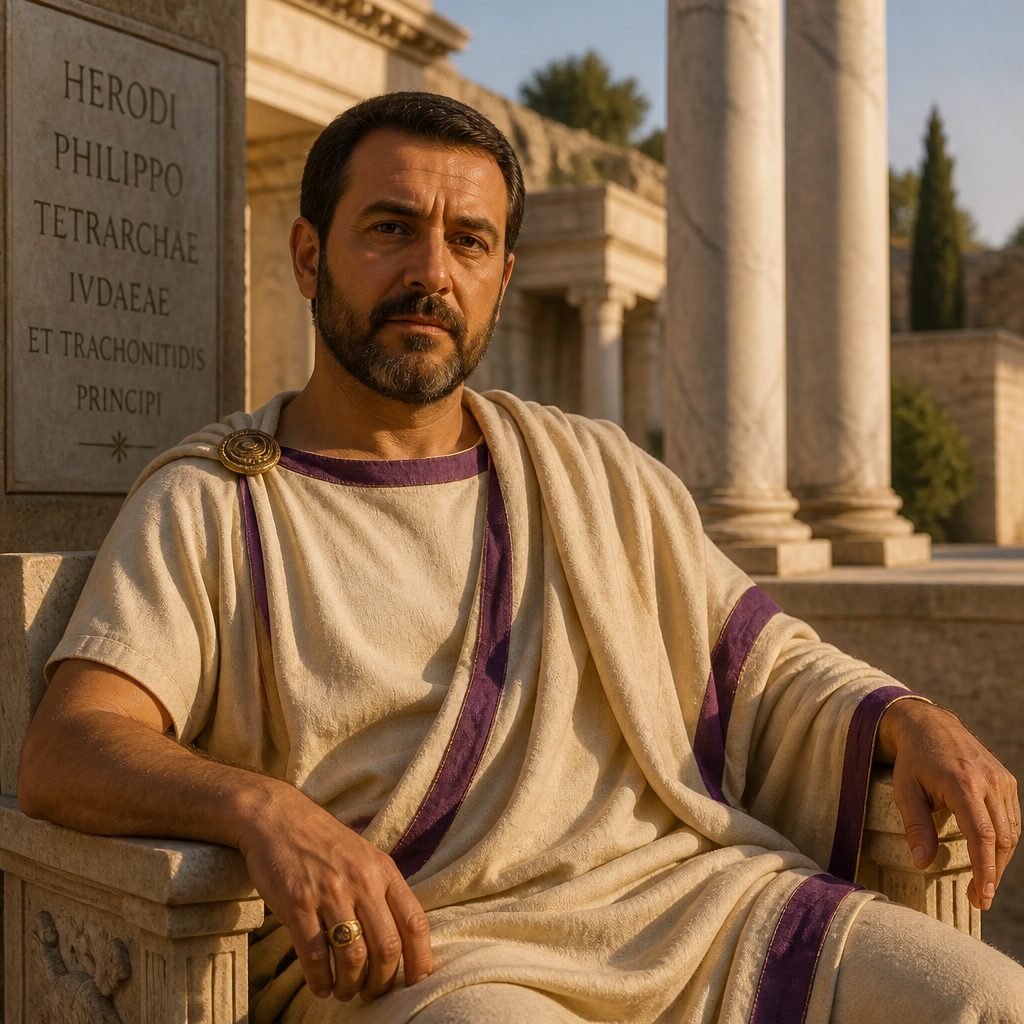
Philip the Tetrarch
Ruler of the northern territories of Palestine and rebuilder of Caesarea Philippi
Philip the Tetrarch was a son of Herod the Great who ruled the northern territories of Roman Palestine for 37 years with a reputation for justice and moderation.
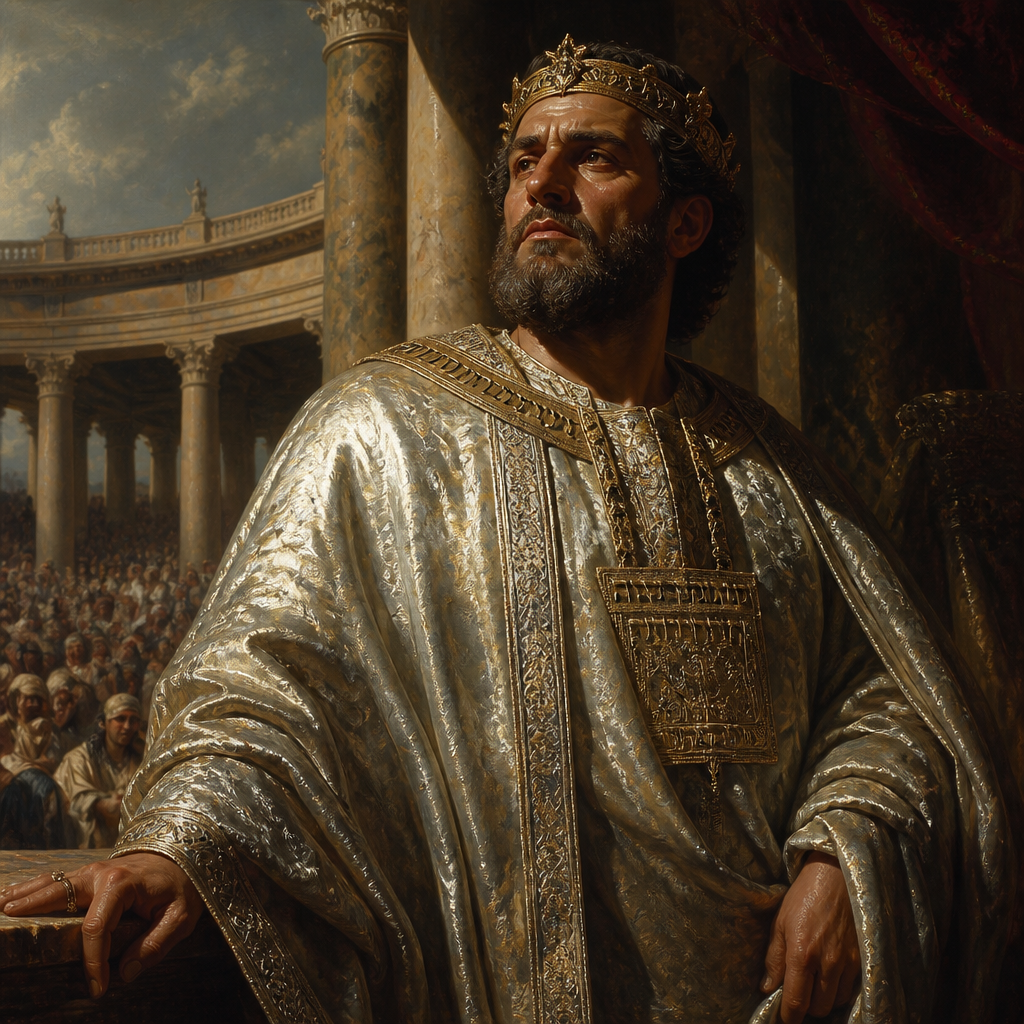
Herod Agrippa I
Executioner of the Apostle James who met a sudden death in Caesarea
Herod Agrippa I was the grandson of Herod the Great who unified Judea and famously persecuted the early Church, including the execution of the Apostle James.
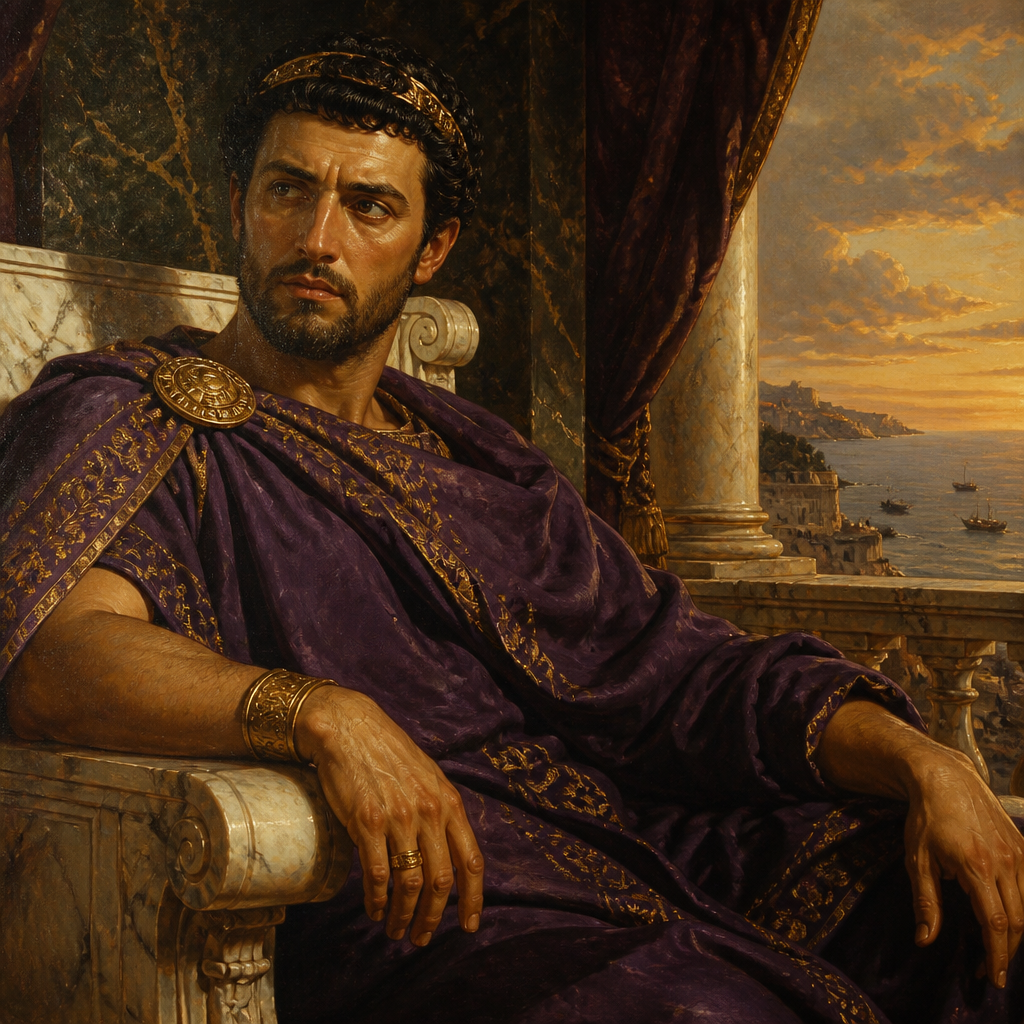
Herod Agrippa II
The last Herodian king who presided over the hearing of the Apostle Paul
Herod Agrippa II was the last client king of the Herodian dynasty, best known for presiding over the hearing of the Apostle Paul in Caesarea.
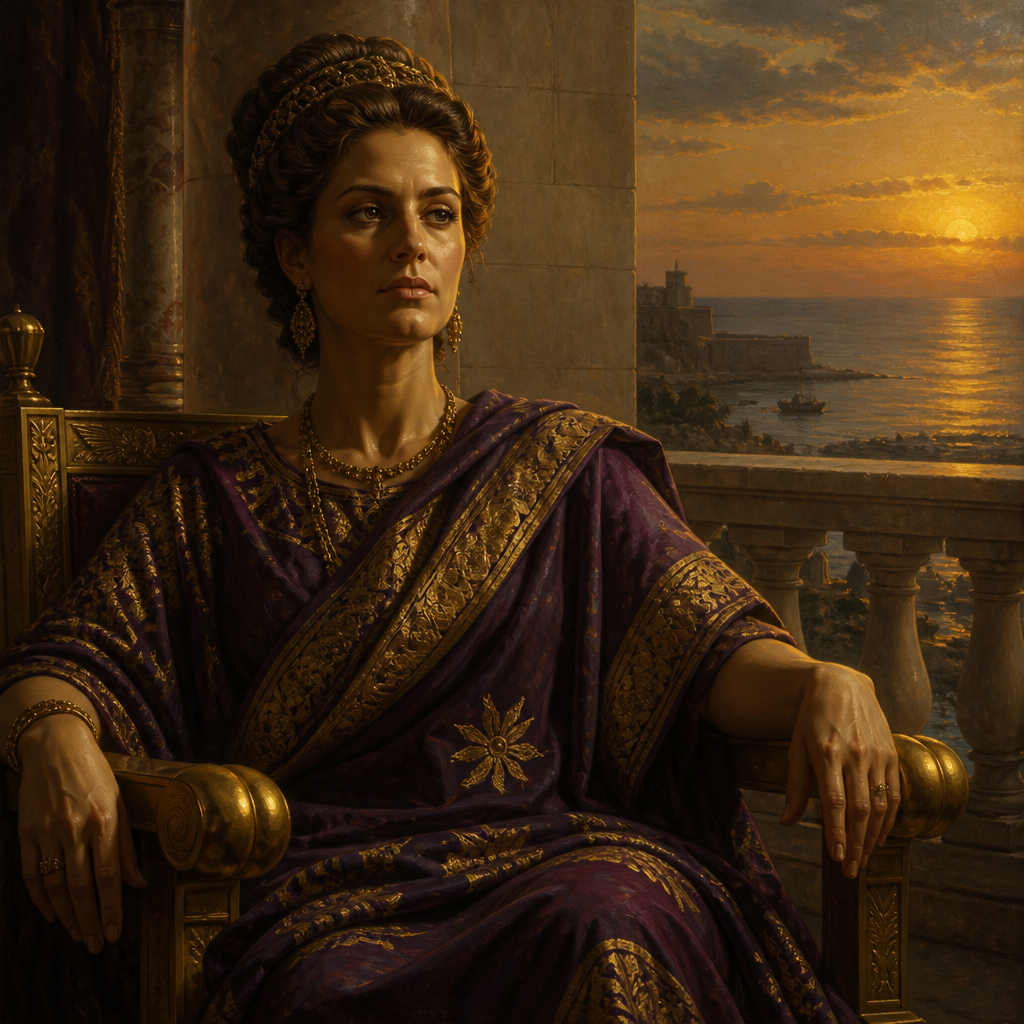
Bernice
Agrippa II’s sister and companion during Paul’s trial and the mistress of Emperor Titus
Bernice was a powerful 1st-century Herodian princess who appeared alongside her brother, King Herod Agrippa II, during the trial of the Apostle Paul in Caesarea.
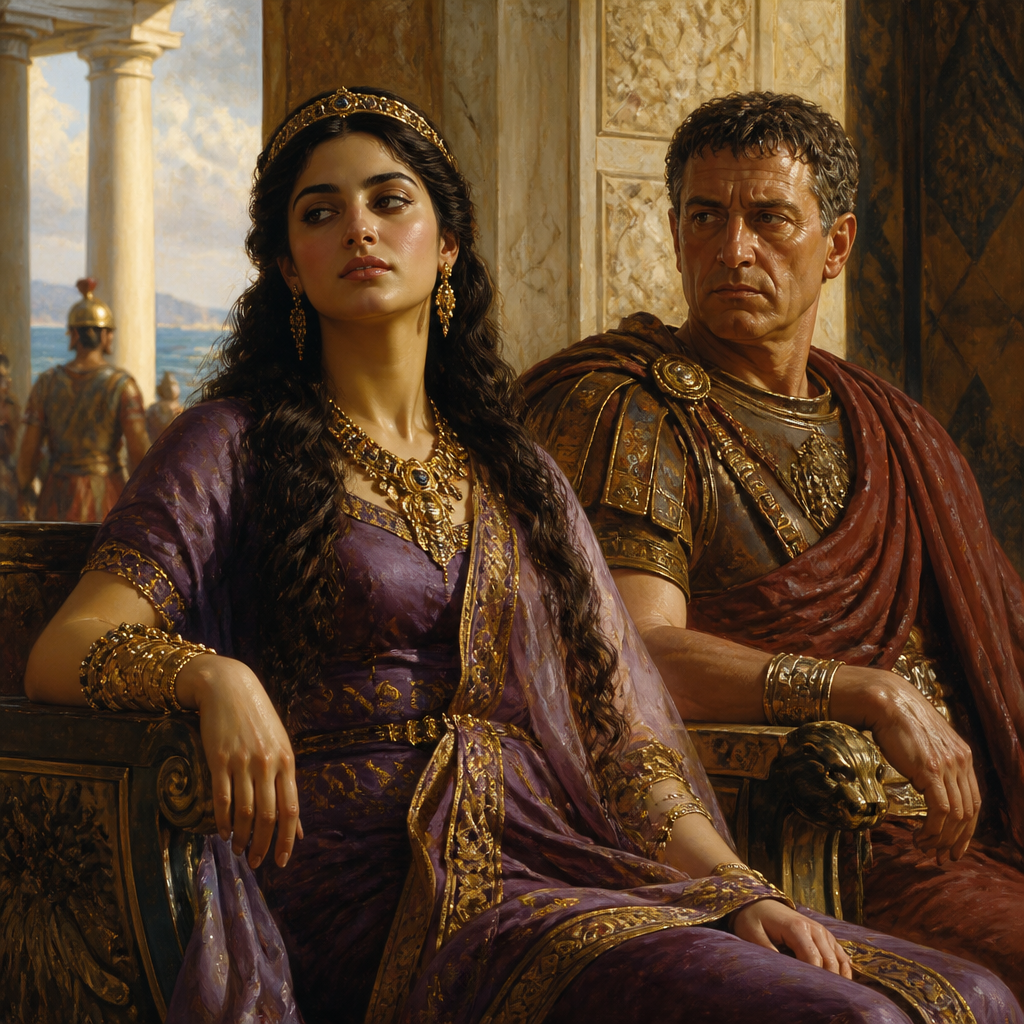
Drusilla
Jewish princess present at the trial of Paul the Apostle in Caesarea
A Jewish princess of the Herodian dynasty and wife of Governor Antonius Felix, known for her encounter with the Apostle Paul in Caesarea.