People group
The Herodians
A political faction, not a family — the partisans of Herod Antipas who joined the Pharisees in opposing Jesus.
The Herodians appear three times in the Gospels, always in hostile company and never as a family. They were a political faction: Jews who backed the rule of the Herods, and with it the Roman settlement that kept the Herods in power.
A party, not a bloodline
The name misleads. The Herodians were not Herods. They were partisans — the word is formed the way "Caesarians" or "Pompeians" were formed in Roman politics — men who judged that Israel''s best future lay with a Herodian client king rather than with a Roman prefect, a Hasmonean revival or a messianic uprising.
Scripture names them exactly three times, and each time they are working against Jesus:
- Mark 3:6 — after the healing of the man with the withered hand, "the Pharisees went out and immediately held counsel with the Herodians against him, how to destroy him."
- Mark 12:13 and Matthew 22:16 — Pharisees and Herodians are sent together to trap Jesus with the question of the tribute penny: "Is it lawful to pay taxes to Caesar, or not?"
That question is the key to who they were. It is a trap only because the two groups asking it stood on opposite sides of it. The Pharisees resented the tax; the Herodians depended on the system that collected it. A "no" would make Jesus a rebel against Rome; a "yes" would discredit him with the crowd. His answer — "Render to Caesar the things that are Caesar''s, and to God the things that are God''s" — refused both cages.
Strange bedfellows
Pharisees and Herodians had little natural sympathy. The Pharisees were a religious movement built on scrupulous obedience to the law; the Herodians were a court interest attached to a half-Idumean dynasty that most devout Jews regarded as illegitimate. Their alliance against Jesus is one of the clearest signals in the Gospels of how widely he was perceived as a threat: he endangered both the purity party and the political settlement at once.
Jesus warned his disciples about both together: "Beware of the leaven of the Pharisees and the leaven of Herod" (Mark 8:15).
Why the two Herodian pages exist
Because the party took its name from the family, the two are constantly confused — in commentaries, in search results, and in most Bible dictionaries. This site keeps them apart:
- This page is the political faction Scripture names in Mark and Matthew. No individual Herodian is named anywhere in the New Testament.
- The Herod Dynasty is the family itself: Herod the Great and his sons, grandsons and great-grandchildren, ten of whom appear by name from the nativity to Paul''s hearing before Agrippa II.
If you came looking for Herod the Great, Antipas, Herodias, Agrippa or Bernice, the family page is the one you want.
People of Herodians
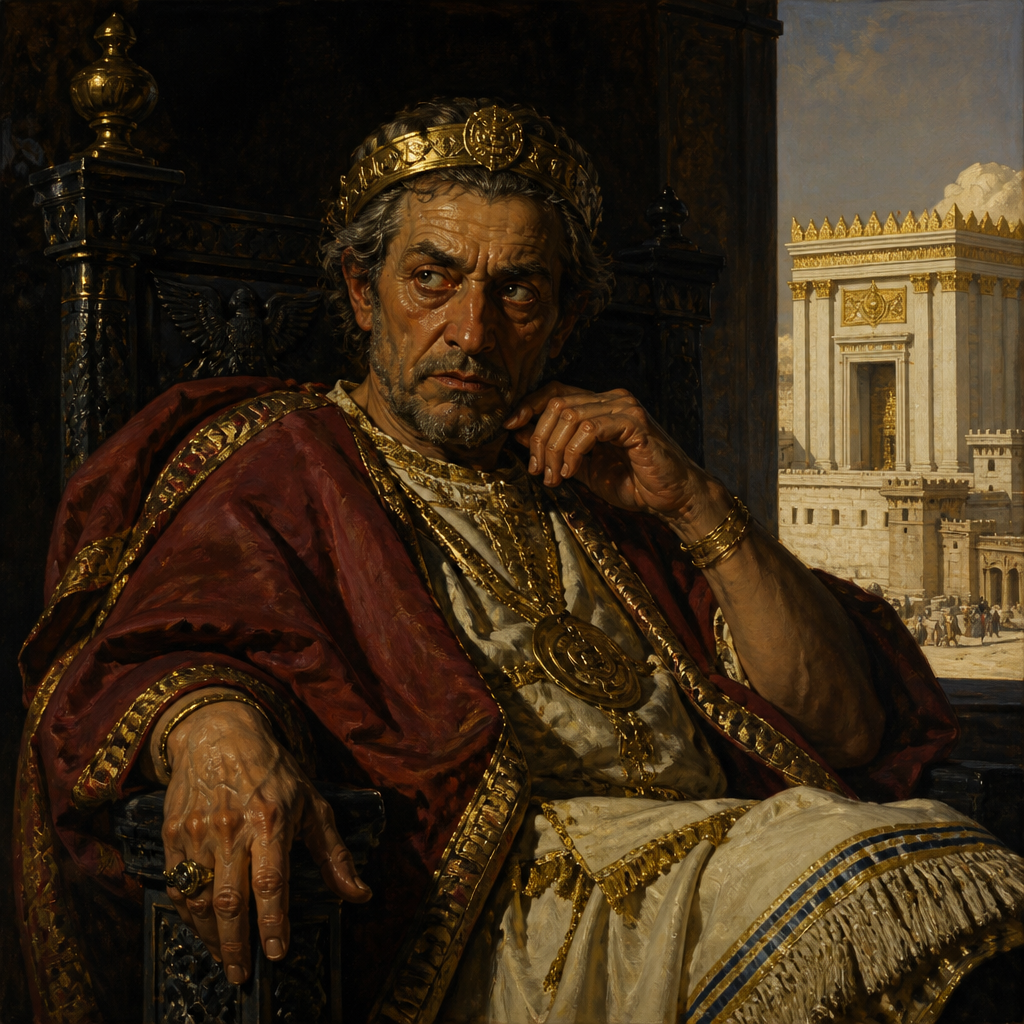
Herod the Great
Builder of the Second Temple expansion and author of the Massacre of the Innocents
King of Judea under the Roman Empire known for his colossal building projects and his decree to massacre the infants of Bethlehem in an attempt to kill the newborn Jesus.
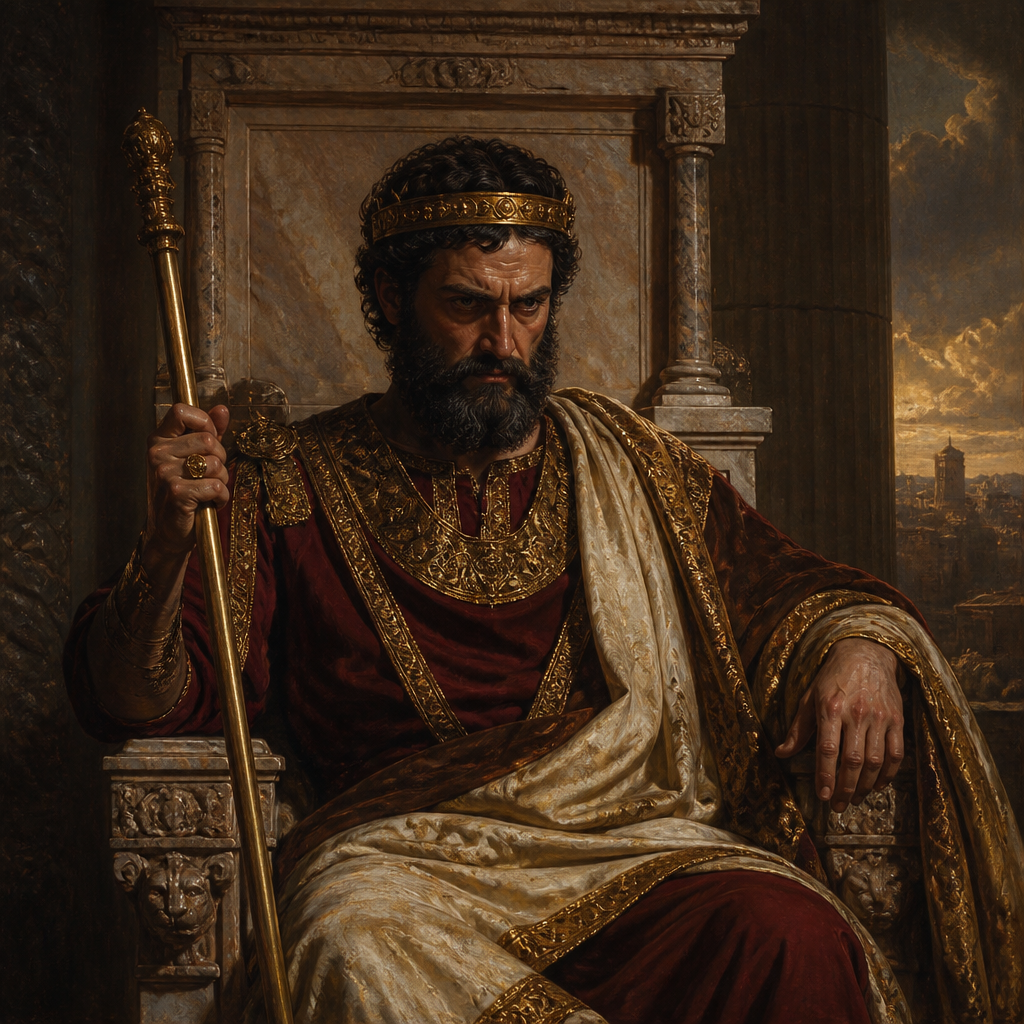
Archelaus
Cruel ruler of Judea whose reputation caused the Holy Family to settle in Nazareth
Herod Archelaus was the ethnarch of Judea, Samaria, and Idumea, whose notoriously cruel reign forced Joseph and Mary to settle in Nazareth with the infant Jesus.
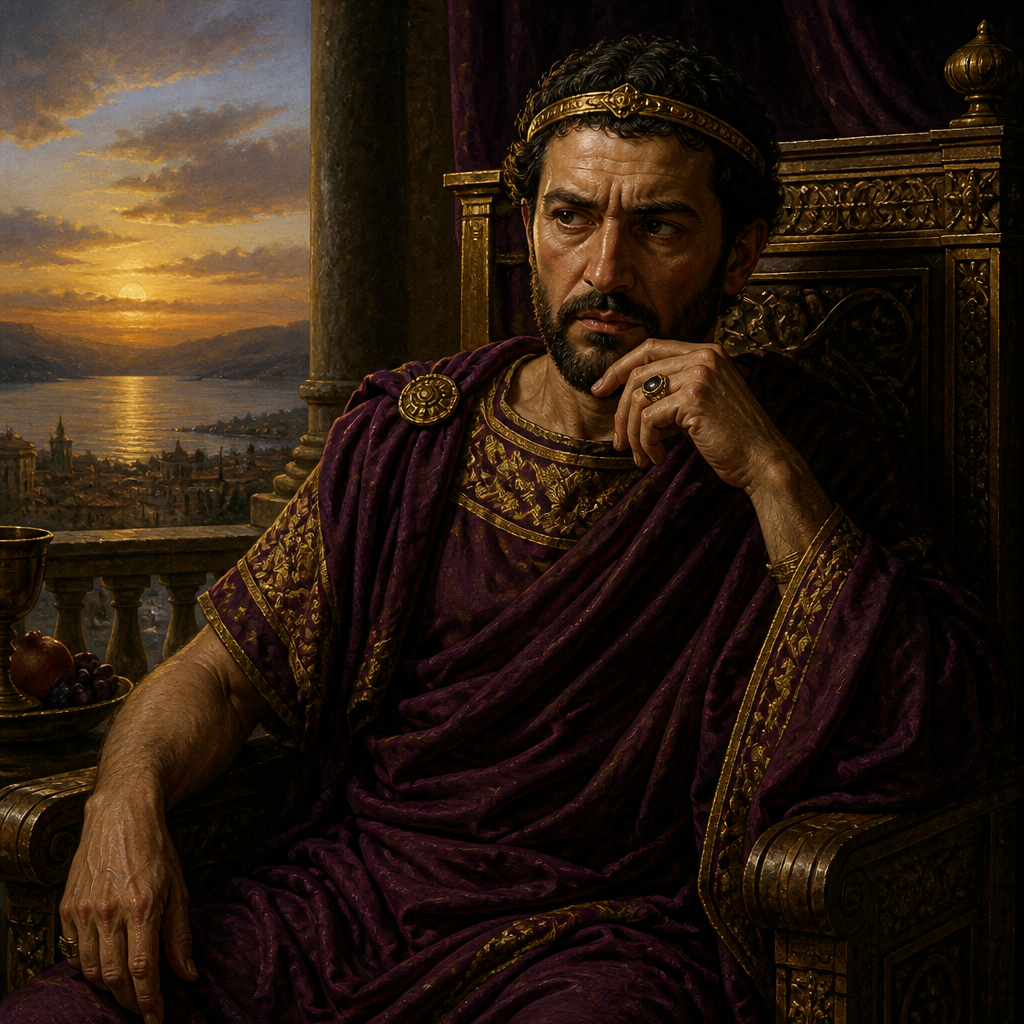
Herod Antipas
Executioner of John the Baptist and judge during the trial of Jesus
Herod Antipas was the 1st-century tetrarch of Galilee and Perea, known for his roles in the executions of John the Baptist and the trial of Jesus Christ.
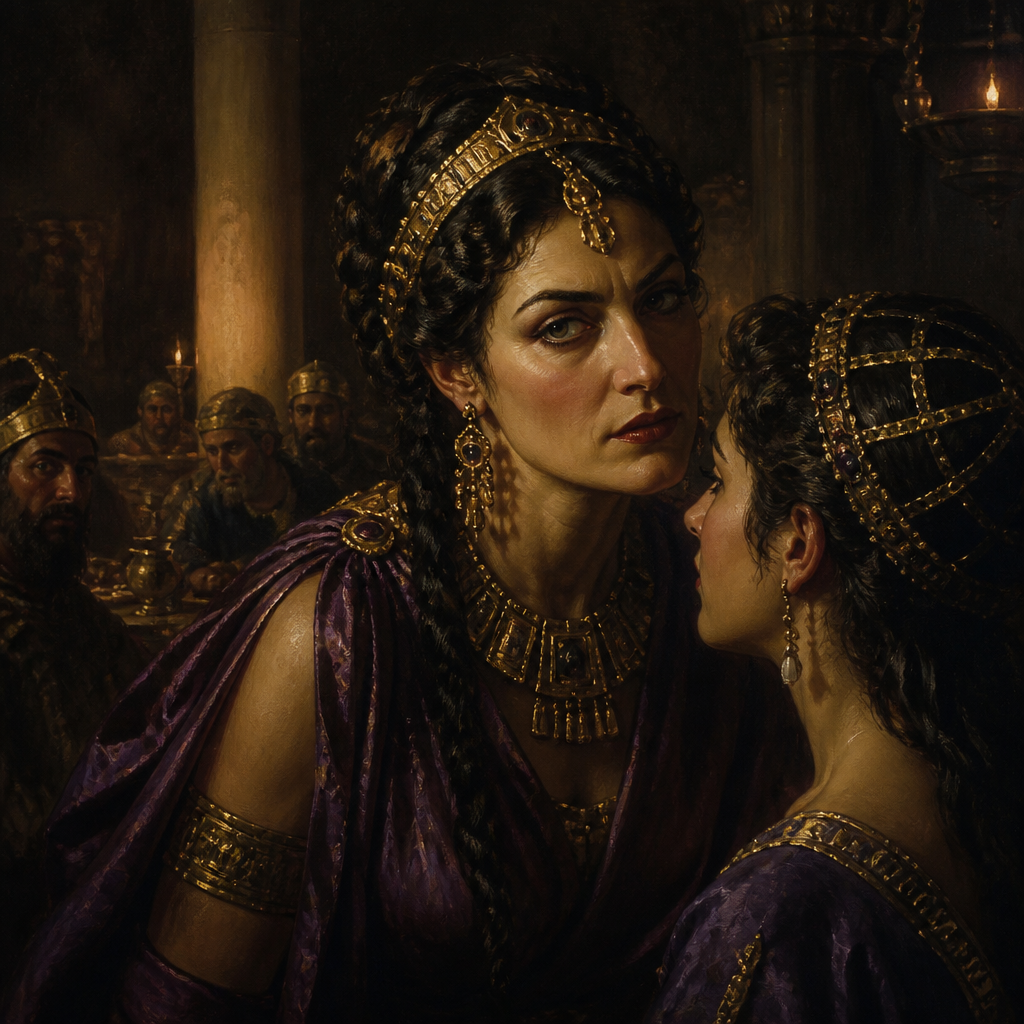
Herodias
The manipulative royal who orchestrated the execution of John the Baptist
Herodias was a princess of the Herodian dynasty whose controversial marriage and role in the execution of John the Baptist made her a symbols of royal corruption and moral defiance.
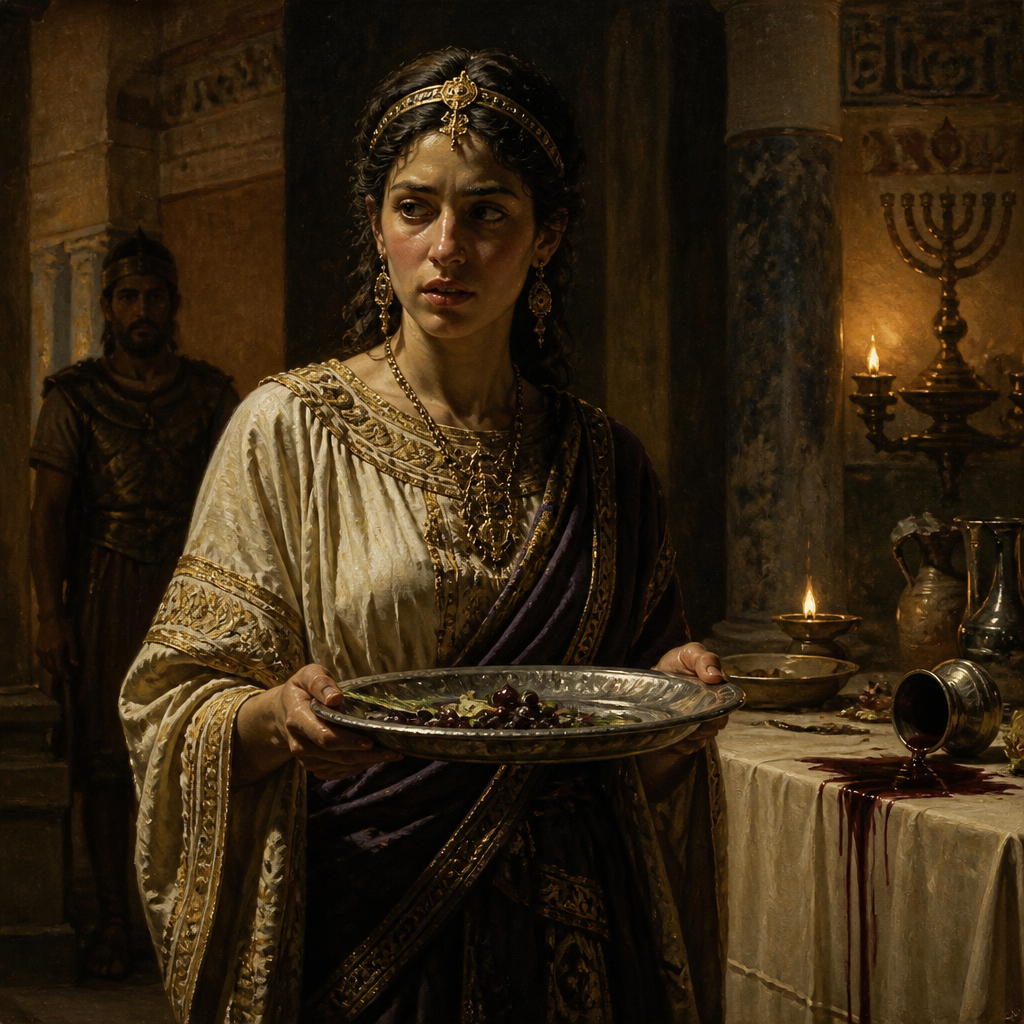
Herodias' Daughter
The princess whose dance for Herod Antipas led to her requesting the head of John the Baptist
The daughter of Herodias and Herod Philip who famously danced before Herod Antipas, leading to the execution of John the Baptist.
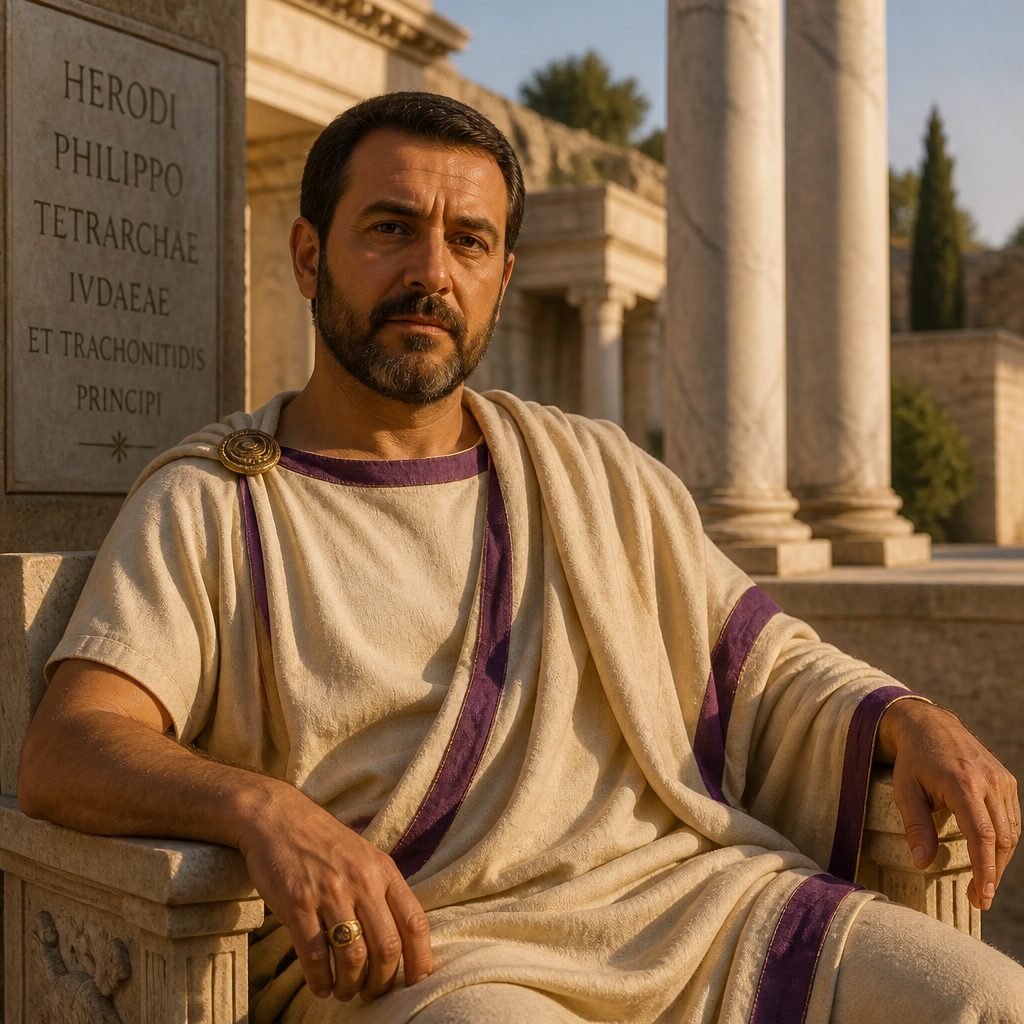
Philip the Tetrarch
Ruler of the northern territories of Palestine and rebuilder of Caesarea Philippi
Philip the Tetrarch was a son of Herod the Great who ruled the northern territories of Roman Palestine for 37 years with a reputation for justice and moderation.
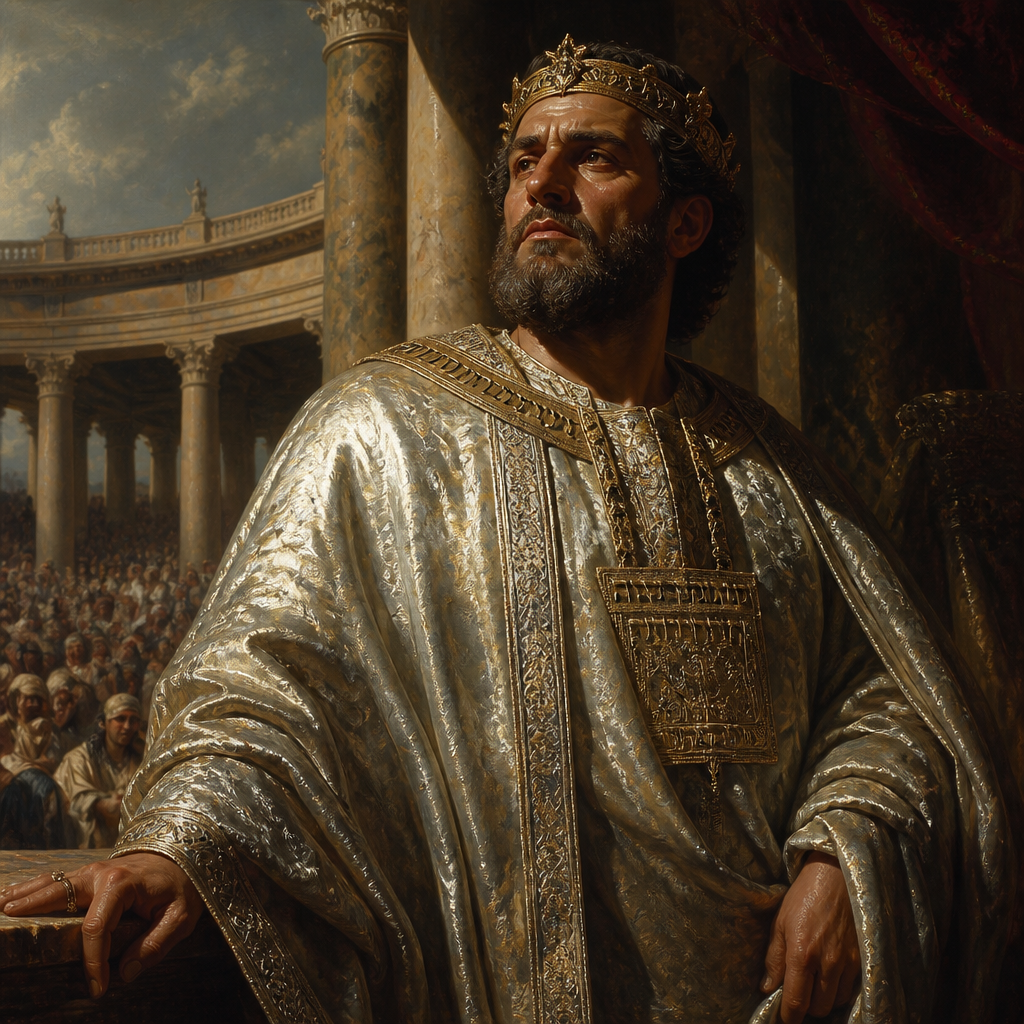
Herod Agrippa I
Executioner of the Apostle James who met a sudden death in Caesarea
Herod Agrippa I was the grandson of Herod the Great who unified Judea and famously persecuted the early Church, including the execution of the Apostle James.
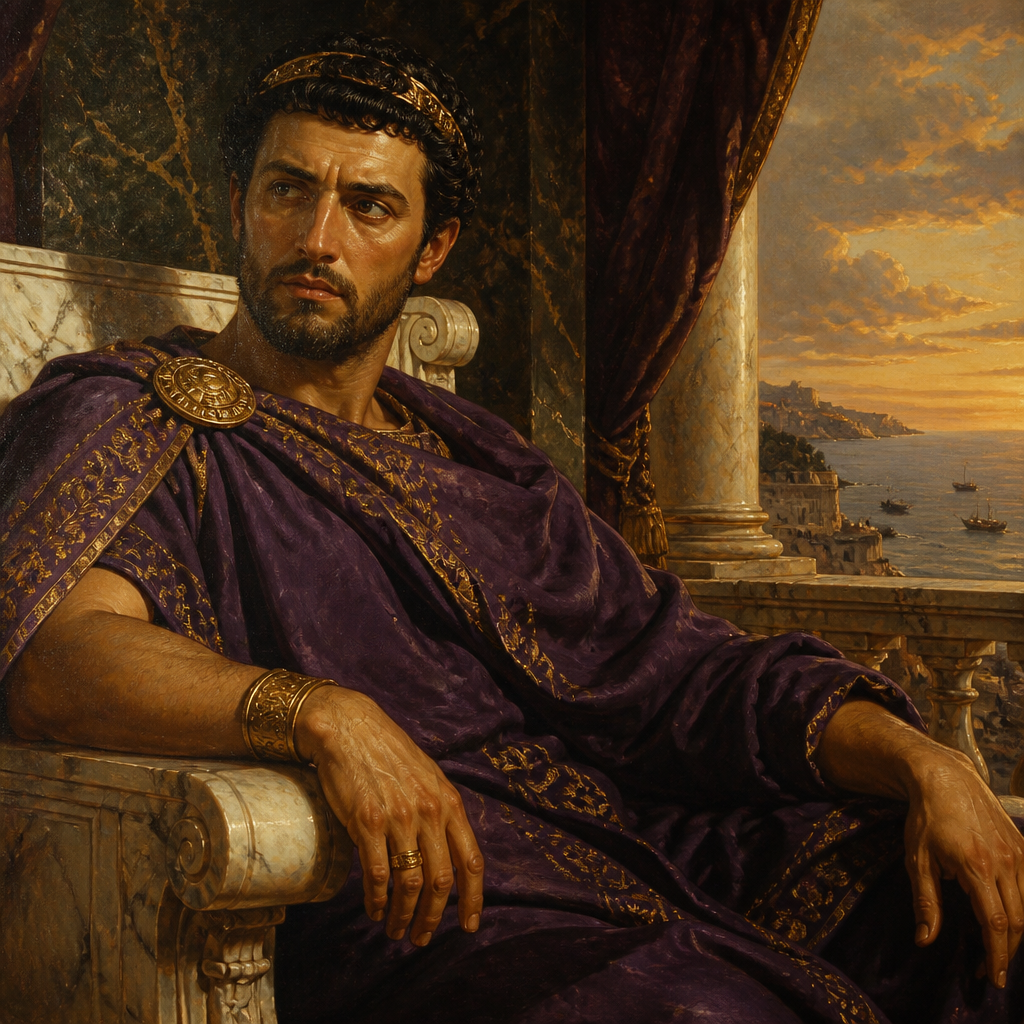
Herod Agrippa II
The last Herodian king who presided over the hearing of the Apostle Paul
Herod Agrippa II was the last client king of the Herodian dynasty, best known for presiding over the hearing of the Apostle Paul in Caesarea.
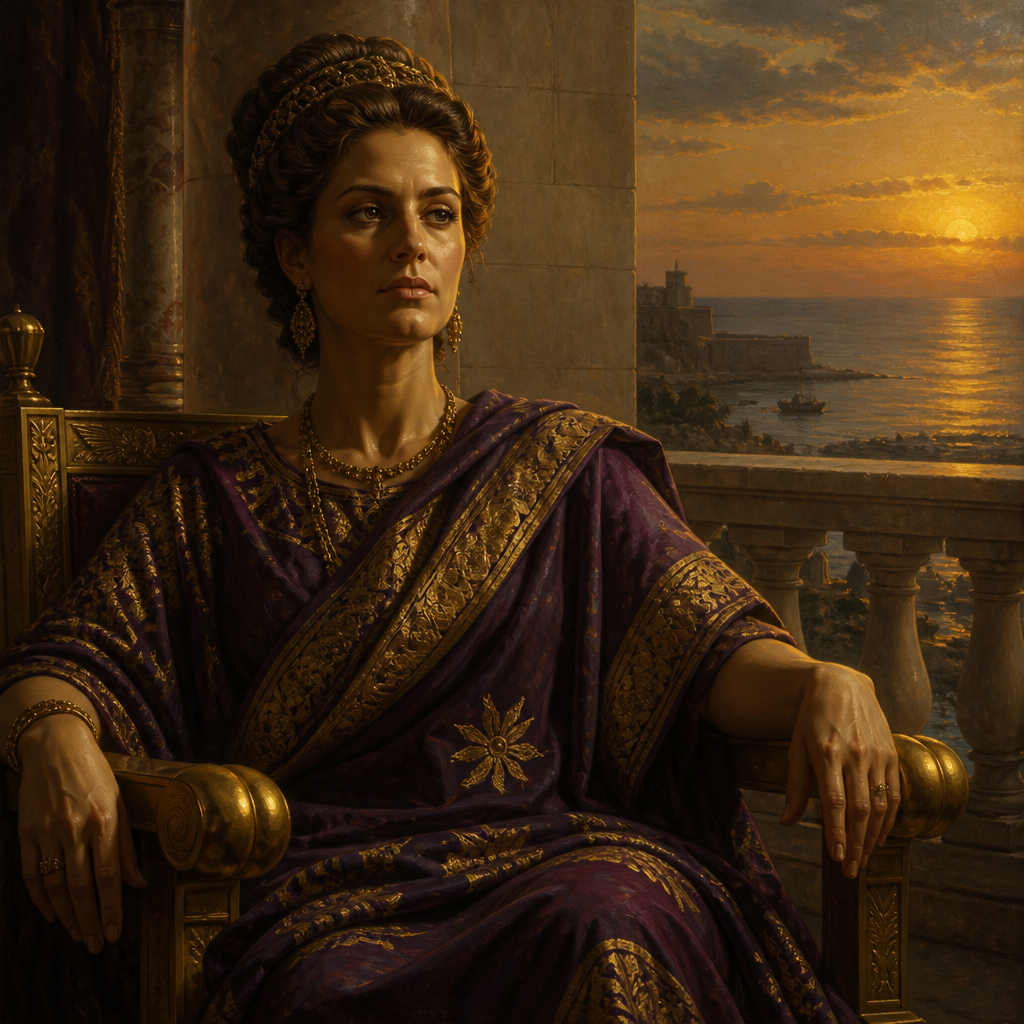
Bernice
Agrippa II’s sister and companion during Paul’s trial and the mistress of Emperor Titus
Bernice was a powerful 1st-century Herodian princess who appeared alongside her brother, King Herod Agrippa II, during the trial of the Apostle Paul in Caesarea.
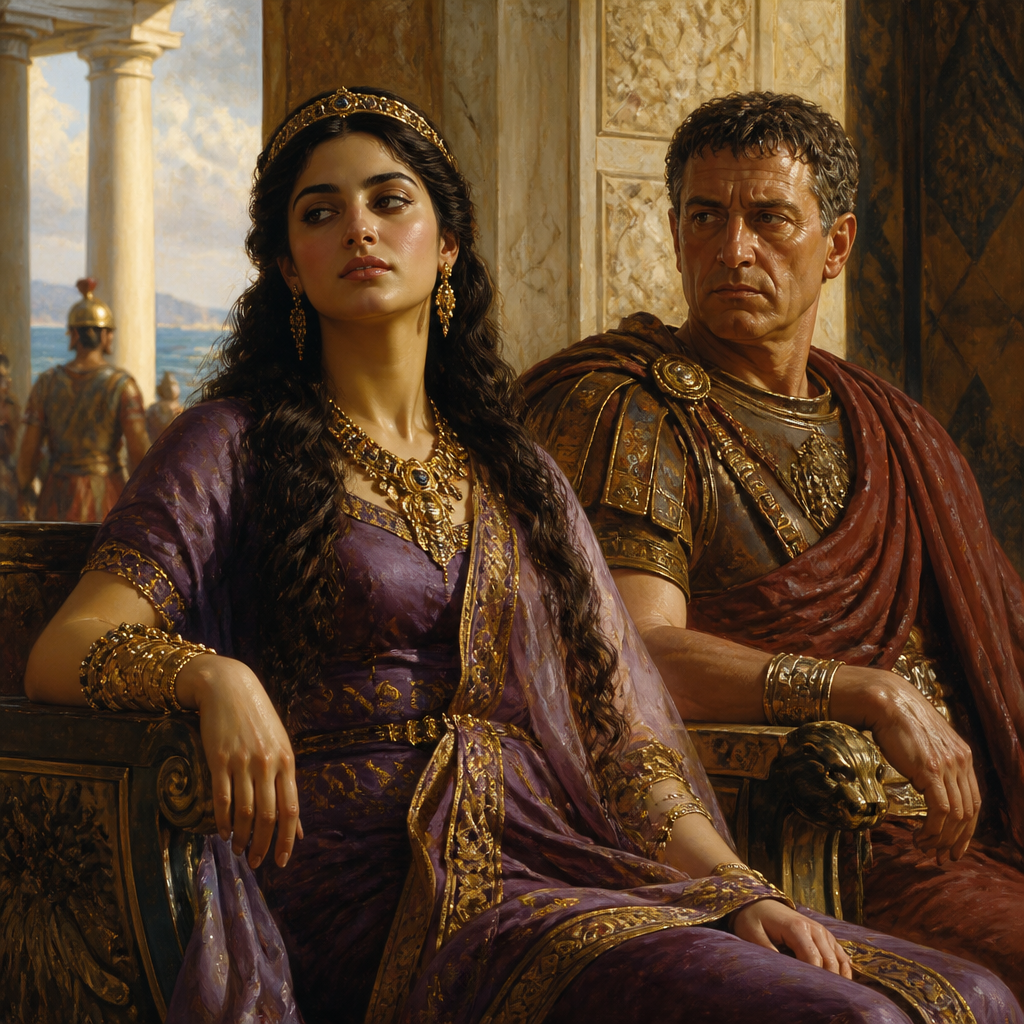
Drusilla
Jewish princess present at the trial of Paul the Apostle in Caesarea
A Jewish princess of the Herodian dynasty and wife of Governor Antonius Felix, known for her encounter with the Apostle Paul in Caesarea.