Elkanah, Father of Samuel
A devout Levite of the United Monarchy era, known as the husband of Hannah and the father of the prophet Samuel.
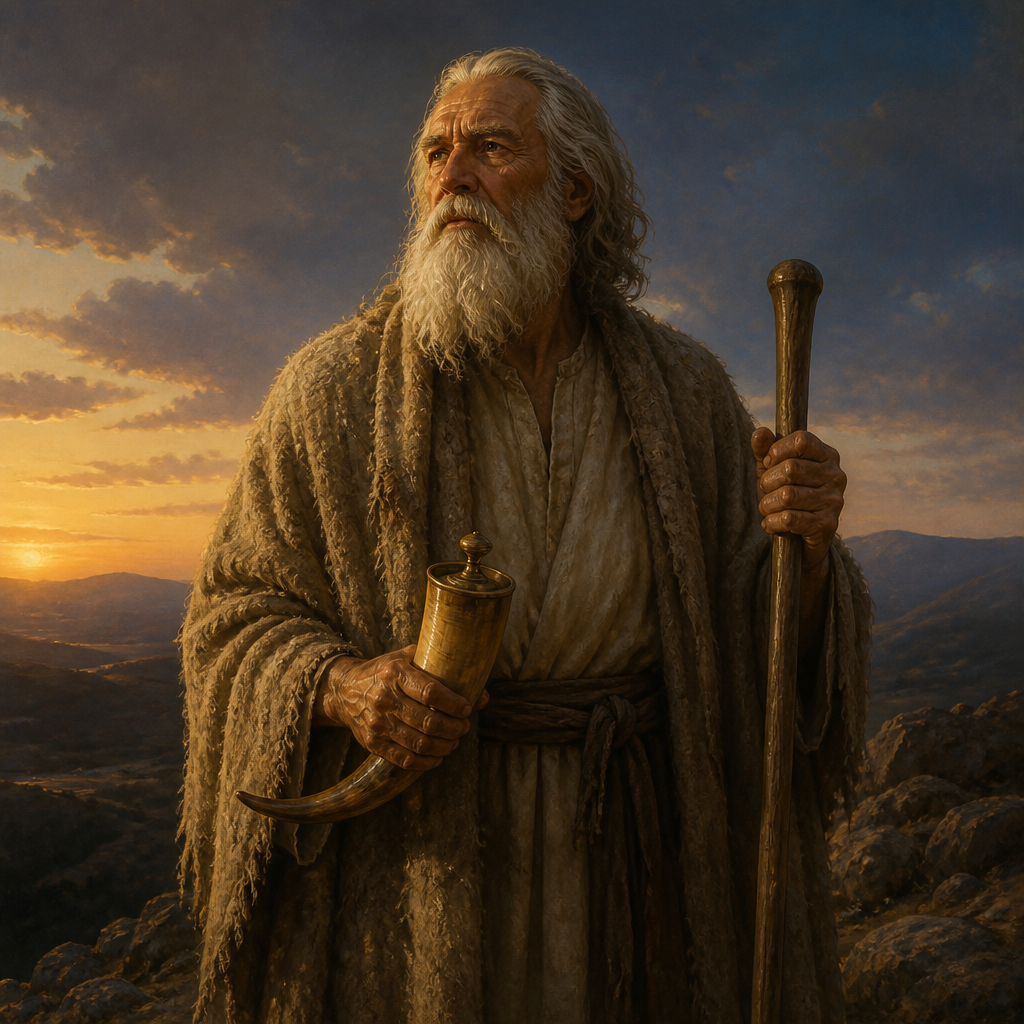
Elkanah was a man of significant piety and lineage residing in the hill country of Ephraim during the transition between the period of the Judges and the United Monarchy. Though he lived in the territory of Ephraim, genealogical records in the book of Chronicles identify him as a Levite. He is primarily recognized in the biblical narrative for his role as the head of a household that would produce Samuel, one of Israel's most influential prophets and judges.
His life is characterized by his faithful adherence to the Mosaic Law, specifically the requirement for annual pilgrimage and sacrifice at the Tabernacle in Shiloh. Elkanah is depicted as a compassionate husband who sought to comfort his wife Hannah during her years of infertility, demonstrating a degree of emotional sensitivity that was notable for his era. His household dynamics, involving two wives, serve as the backdrop for the divine intervention that led to the birth of Samuel.
Background and Family
Elkanah resided in Ramathaim-zophim, located in the rugged hill country of Ephraim. According to 1 Samuel 1:1, his lineage is traced through several generations: he was the son of Jeroham, the son of Elihu, the son of Tohu, the son of Zuph. While he is described as an "Ephraimite" in 1 Samuel—likely referring to his place of residence and civic affiliation—the records in 1 Chronicles 6:34 clarify his ancestral roots within the Tribe of Levi. Specifically, he descended from the Kohathite line, which traditionally held responsibilities regarding the most holy objects of the Tabernacle.
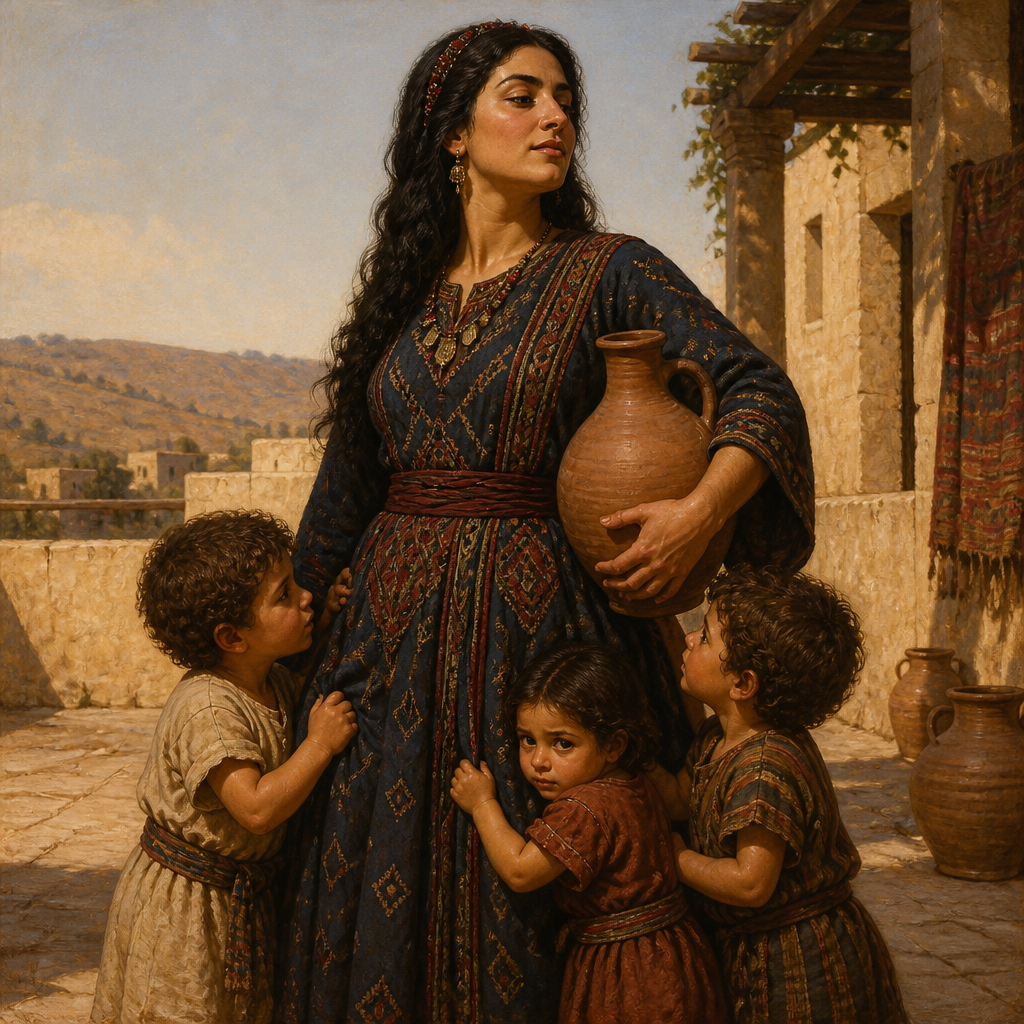
Elkanah’s domestic life was complicated by the practice of polygamy. He had two wives: Hannah and Peninnah. The biblical text notes that Peninnah had children, while Hannah remained barren for many years. This disparity created significant friction within the household, as Peninnah frequently provoked Hannah to irritate her because of her inability to conceive. Despite this internal conflict, Elkanah’s affection for Hannah remained steadfast; the text emphasizes that he gave her a double portion of the sacrificial meat because he loved her, even though the LORD had closed her womb.
Major Life Events
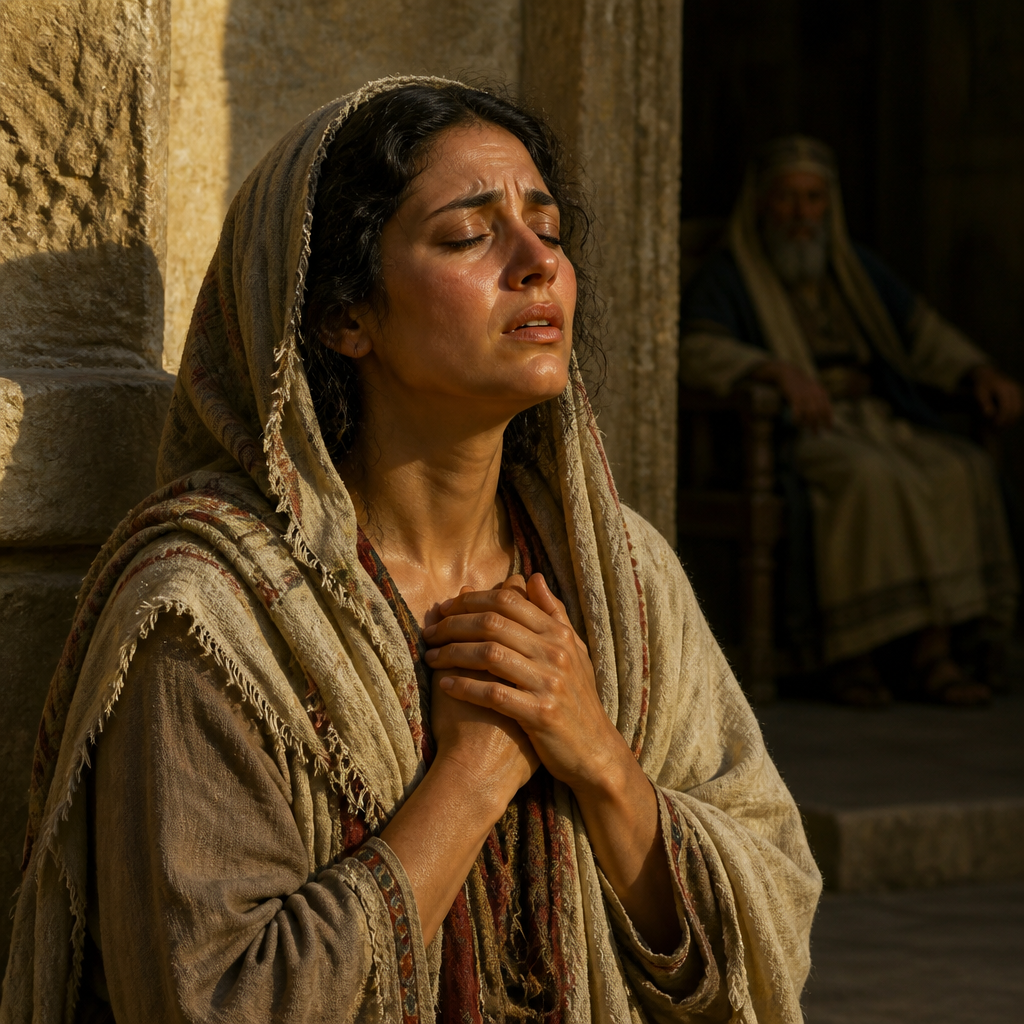
The central narrative involving Elkanah revolves around his annual pilgrimage to Shiloh to worship and sacrifice to the LORD of Hosts. It was during these trips that the tension between his two wives reached its peak. Observing Hannah’s deep distress and her refusal to eat, Elkanah famously questioned her: "Hannah, why are you crying? Why won’t you eat? Why is your heart so grieved? Am I not better to you than ten sons?" (1 Samuel 1:8). While his words were intended to comfort, they also highlighted the cultural weight placed on progeny, which Elkanah himself seemed willing to overlook in favor of his love for her.
After Hannah made a private vow to the LORD and subsequently conceived, Elkanah is shown to be a man of consensus and support. When Samuel was born, Elkanah did not interfere with Hannah’s vow to dedicate the child to the LORD’s service. When the time came for the annual sacrifice, and Hannah chose to stay home until the child was weaned, Elkanah granted his blessing, saying, "Do what you think is best... Only may the LORD confirm His word" (1 Samuel 1:23). Once the child was weaned, Elkanah accompanied his family to Shiloh to present the boy to Eli the priest, fulfilling the family's commitment to God.
Relationship to Other Biblical Figures
Elkanah’s primary relationships are defined by his immediate family. As the husband of Hannah, he provides the emotional and legal support necessary for her to fulfill her vow. As the father of Samuel, he is the progenitor of the man who would eventually anoint the first two kings of Israel, Saul and David.
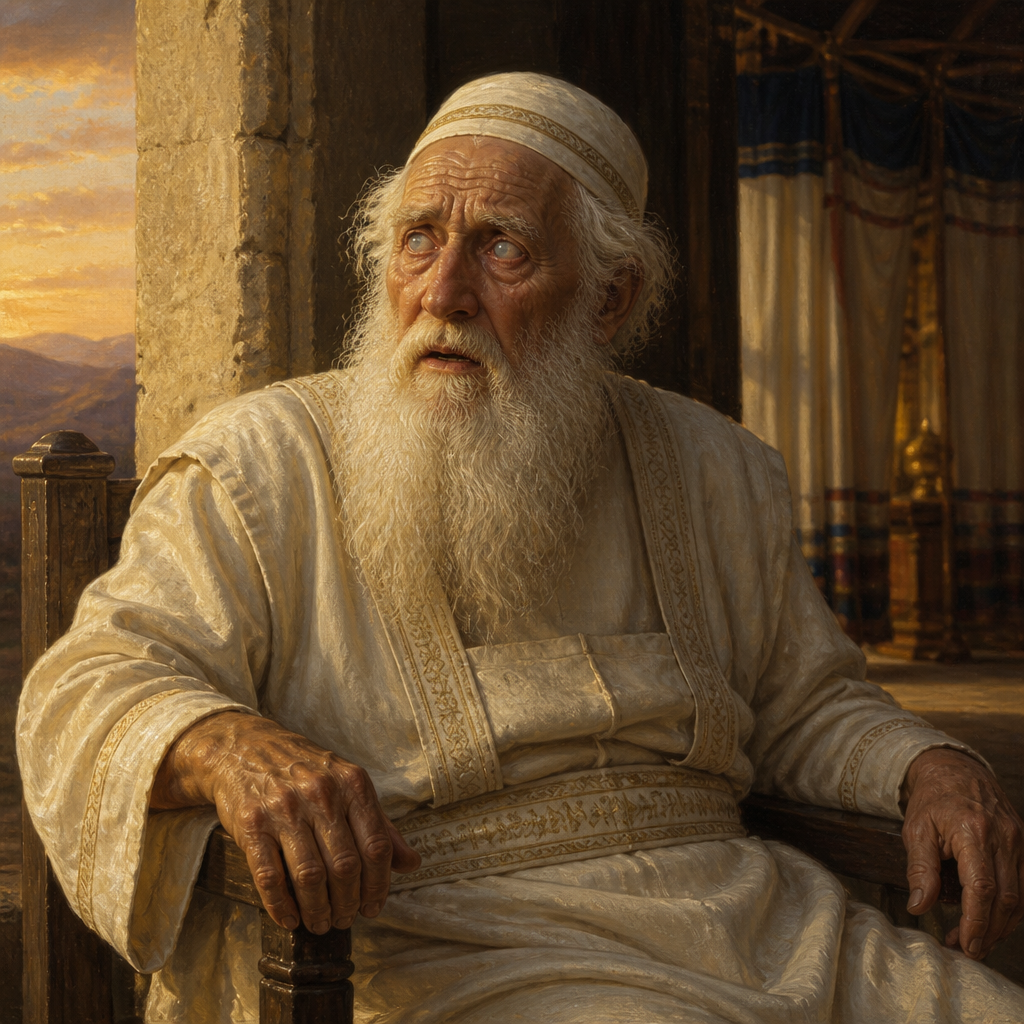
He also interacted with Eli, the High Priest at Shiloh. After Samuel was dedicated to the sanctuary, Eli blessed Elkanah and Hannah, praying that the LORD would grant them more children to replace the one dedicated to the Tabernacle. This prayer was answered, and Elkanah eventually fathered three more sons and two daughters with Hannah. His relationship with Peninnah represents the traditional patriarchal structure of the time, though the text focuses less on their personal bond and more on the rivalry she instigated with Hannah.
Spiritual Significance
Elkanah represents the "quiet of the land"—those faithful individuals who maintained Israel's religious traditions during a period of spiritual decline and moral ambiguity (the late period of the Judges). His consistency in worship ("year after year") at a time when the priesthood under Eli’s sons was corrupt (1 Samuel 2:12-17) suggests a deep, personal commitment to Yahweh that transcended the institutional failures of his day.
Furthermore, Elkanah’s willingness to allow his firstborn son by his beloved wife to be given away to the Tabernacle demonstrates his submission to God's will and his respect for his wife’s spiritual agency. He stands as a transitional figure, bridging the gap between the tribal confederacy and the establishment of the United Monarchy through his son, Samuel.
Spiritual Significance
Theologically, Elkanah serves as a model of domestic faithfulness and religious devotion. His life illustrates that God works through ordinary families and personal tragedies to bring about national redemption. By supporting Hannah’s vow and maintaining his Levite identity in the territory of Ephraim, he ensured that his household remained a fertile ground for the upbringing of Samuel, who would redefine Israel's relationship with God.
Elkanah’s story also underscores the efficacy of prayer and the importance of the husband’s role in a spiritual household. Though he was not a prophet or a king himself, his adherence to the Law and his compassion toward his wife provided the stability necessary for the prophetic office to be re-established in Israel through his son.
Frequently Asked Questions
Was Elkanah a Levite or an Ephraimite?
Elkanah was a Levite by ancestry but an Ephraimite by residence. 1 Chronicles 6:33-34 clearly traces his lineage back to Kohath, son of Levi, while 1 Samuel 1:1 refers to him as an Ephraimite because his family lived in the hill country of Ephraim for generations.
How many children did Elkanah have?
Elkanah had several children. With Peninnah, he had multiple "sons and daughters" (1 Samuel 1:4). With Hannah, he had Samuel, and later, following Eli's blessing, three more sons and two daughters, totaling at least six children by Hannah.
Where did Elkanah live?
He lived in Ramathaim-zophim, which is often shortened to Ramah, located in the hill country of Ephraim.
Did Elkanah support Hannah giving up their son Samuel?
Yes. When Hannah explained her vow to dedicate Samuel to the LORD after weaning him, Elkanah told her to do what she thought was best and prayed that the LORD would confirm His word.
What was Elkanah's father's name?
Elkanah was the son of Jeroham, as recorded in both 1 Samuel 1:1 and 1 Chronicles 6:27.
Connected Figures
Categories
Mentions by Book
- 1 Samuel8
- 1 Chronicles2
Family & Relationships
Others Named Elkanah
Elkanah, Official of the Divided Monarchy2 Chronicles 28:7
High-ranking official in the court of King Ahaz of Judah, designated as 'second to the king' before his death during the Syro-Ephraimite War.
Elkanah, Warrior of the Divided Monarchy1 Chronicles 12:6
A Korahite warrior and skilled archer who joined David’s forces at Ziklag during the transition of the Israelite monarchy.
Elkanah, Son of KorahExodus 6:24
A Levite during the era of the Exodus and son of Korah who served as a progenitor of the Korahite clans.
Elkanah, Ancestor of Heman1 Chronicles 6:26
A Levite of the United Monarchy period who appears in the Kohathite genealogical records as the son of Ahimoth and father of Zuph.
Elkanah, Levite of the Exile and Return1 Chronicles 9:16
A Levite whose descendants returned from the Babylonian Exile to inhabit the rural villages surrounding Jerusalem.
Elkanah, Guardian of the Ark1 Chronicles 15:23
A man appointed as a gatekeeper and guardian for the Ark of the Covenant during the Divided Monarchy.
Elkanah, Son of Shaul1 Chronicles 6:25
A Levite of the Divided Monarchy period who served in the lineage of the Kohathites as the son of Shaul and father of Amasai.