Zechariah, Musician of the Post-Exilic Period
A priest and trumpet player who participated in the joyous dedication of the rebuilt walls of Jerusalem under Nehemiah.
Zechariah, the son of Jonathan, was a priest and musician who lived during the critical era of the Jewish return from the Babylonian exile. He is specifically identified in the records of Nehemiah as a participant in the historic dedication of the walls of Jerusalem, a moment that symbolized the restoration of Jewish security and religious identity after decades of desolation.
His lineage is meticulously preserved in the biblical text, tracing his ancestry back through several generations to Asaph, the famous choir leader of King David’s time. This genealogical link underscores Zechariah’s role not just as a contemporary official, but as a legitimate heir to the liturgical traditions of the First Temple, bridging the gap between the pre-exilic glory of Israel and the post-exilic reconstruction.
Background and Family
Zechariah’s identity is defined by his extensive priestly and musical pedigree. According to Nehemiah 12:35, he was the son of Jonathan, who was the son of Shemaiah, the son of Mattaniah, the son of Micaiah, the son of Zaccur, the son of Asaph. This lineage is significant because Asaph was one of the three main musicians appointed by King David to lead the music in the house of the LORD (1 Chronicles 6:39).
Zechariah’s brothers—Shemaiah, Azarel, Milalai, Gilalai, Maai, Nethanel, Judah, and Hanani—were also involved in the musical and liturgical life of the community. The preservation of these names indicates the importance of the priestly families in maintaining the continuity of the covenant and the proper worship of Yahweh during the rebuilding efforts in Jerusalem.
Major Life Events
The primary event associated with Zechariah is the dedication of the wall of Jerusalem. After Nehemiah successfully organized the rebuilding of the city's defenses, he orchestrated a grand celebration involving two large thanksgiving choirs. Zechariah is listed among the "priests with trumpets" who accompanied these choirs.
The ceremony involved two processions that walked in opposite directions atop the newly constructed walls, eventually meeting at the Temple. Zechariah’s role as a trumpeter was essential, as the trumpet was the instrument used to signal holiness, gathering, and victory. His presence atop the wall served as a visible and audible declaration that Jerusalem was once again a fortified and consecrated city.
Relationship to Other Biblical Figures
Zechariah operated under the civil leadership of Nehemiah and the spiritual oversight of Ezra the Scribe. While he is one of many mentioned in the lists of Nehemiah 12, his specific mention by name highlights his status as a leader among the priestly musicians. He shared this duty with his eight brothers, suggesting a family unit entirely dedicated to the service of the Temple. As a descendant of Asaph, he represents the fulfillment of the promise that the Levites and priests would return to their stations after the exile, just as Jeremiah and other prophets had foretold.
Spiritual Significance
Zechariah represents the restoration of the "joy of Jerusalem." The trumpet blast he provided was not merely music; it was a ritual act of reclaiming the holy city. For the post-exilic community, the ability to perform these ceremonies with the correct ancestral lines (like the line of Asaph) was proof of God’s faithfulness. Zechariah’s life demonstrates that in the work of God, the roles of the "minor" figures—those who provide the music, the prayers, and the support—are as vital to the communal identity as the roles of the governors and high priests. He stands as a symbol of the spiritual revival that accompanied the physical rebuilding of the walls.
Spiritual Significance
Zechariah serves as a genealogical link between the Davidic era and the post-exilic restoration. By being specifically named as a descendant of Asaph, he validates the legitimacy of the second temple's worship practices, ensuring they were performed according to the ancient statutes. His participation in the wall dedication illustrates the biblical theme of praise as a response to God's protection and provision.
Frequently Asked Questions
What was Zechariah’s role in the book of Nehemiah?
He was a priest who played the trumpet during the formal dedication ceremony for the rebuilt walls of Jerusalem.
Who was Zechariah’s most famous ancestor?
He was a descendant of Asaph, the renowned chief musician appointed by King David.
What instrument did Zechariah play?
The Bible identifies him as one of the priests who performed with trumpets.
Did Zechariah have any siblings?
Yes, he had at least eight brothers listed in Nehemiah 12:36: Shemaiah, Azarel, Milalai, Gilalai, Maai, Nethanel, Judah, and Hanani.
Connected Figures
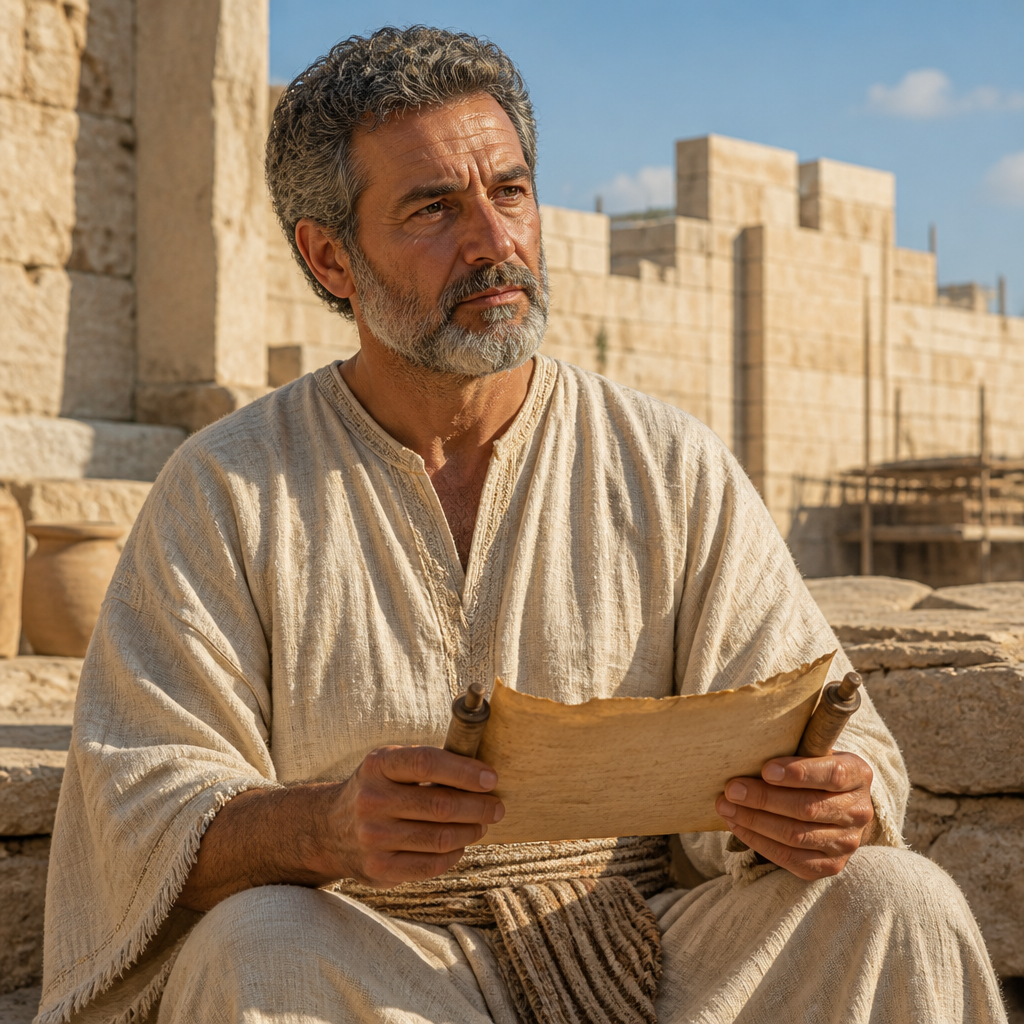
Jonathan, Son of Shemaiah
Father
Asaph
Ancestor
Nehemiah
Governor and Leader
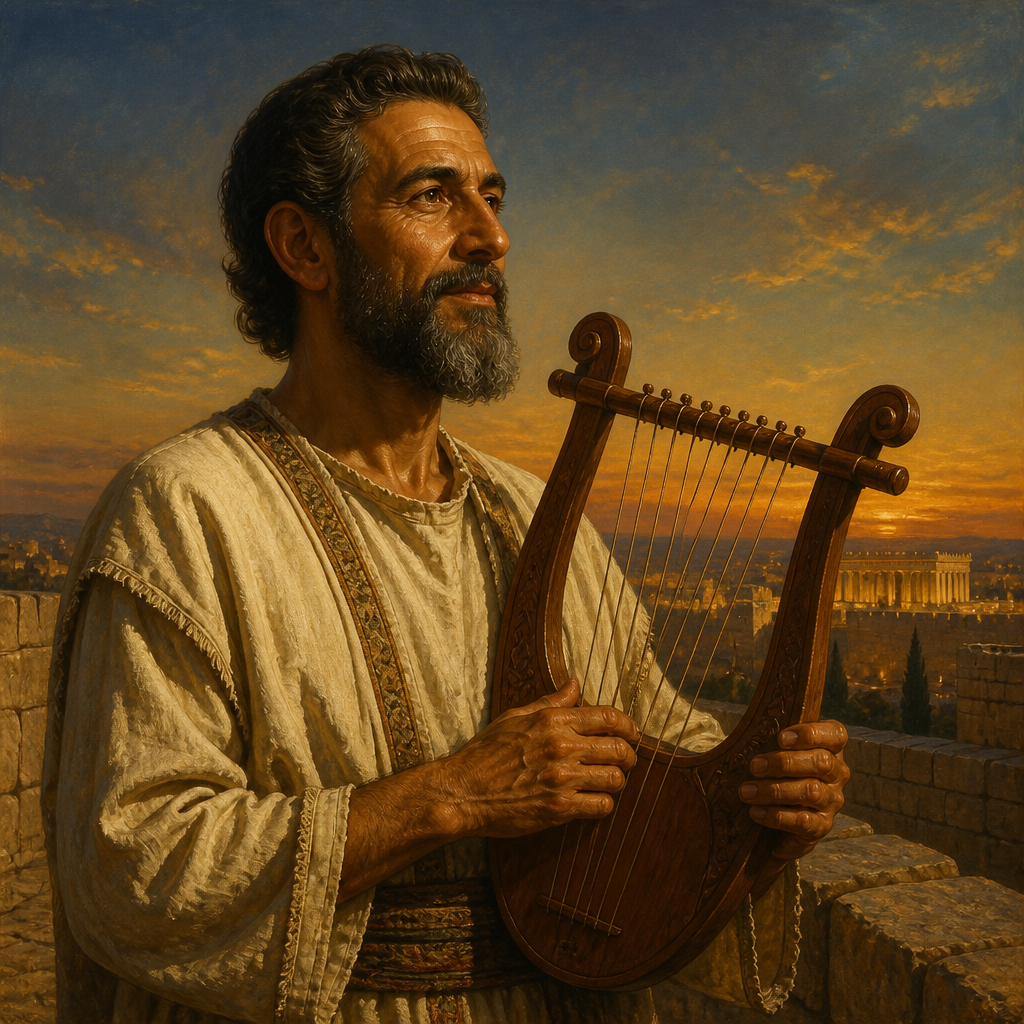
Shemaiah, Musician of the Post-Exilic Period
Brother
Categories
Mentions by Book
- Nehemiah1
Family & Relationships
Sibling
Shemaiah, Musician of the Post-Exilic Period
Nehemiah 12:35
Sibling
Azarel, Musician of the Post-Exilic Period
Nehemiah 12:35
Sibling
Nehemiah 12:35
Sibling
Nehemiah 12:35
Sibling
Nehemiah 12:35
Sibling
Nethanel, Musician of the Post-Exilic Period
Nehemiah 12:35
Sibling
Nehemiah 12:35
Sibling
Hanani, Musician of the Post-Exilic Period
Nehemiah 12:35
Sibling
Azarel, Musician of the Post-Exilic Period
Nehemiah 12:36
Sibling
Nehemiah 12:36
Sibling
Hanani, Musician of the Post-Exilic Period
Nehemiah 12:36
Parent
Nehemiah 12:35
Sibling
Nehemiah 12:36
Sibling
Nehemiah 12:36
Sibling
Nehemiah 12:36
Sibling
Nethanel, Musician of the Post-Exilic Period
Nehemiah 12:36
Sibling
Shemaiah, Musician of the Post-Exilic Period
Nehemiah 12:36
Others Named Zechariah
Zechariah, Son of Isshiah1 Chronicles 24:25
A Levite of the Uzzielite clan who served during the Divided Monarchy as a descendant of Kohath.
Zechariah, Father of John the BaptistLuke 1:5
A righteous priest of the division of Abijah who was momentarily struck mute for his disbelief before fathering John the Baptist in his old age.
Zechariah, Son of Jehoshaphat2 Chronicles 21:2
A prince of Judah and son of King Jehoshaphat, Zechariah was one of several brothers who were tragically murdered by their sibling Jehoram upon his accession to the throne.
Zechariah, Levite of the Divided Monarchy2 Chronicles 34:12
A Kohathite Levite who served as a faithful overseer during the restoration of the Temple in Jerusalem under King Josiah.
Zechariah of the Tribe of Reuben1 Chronicles 5:7
A Reubenite tribal leader recorded in the genealogical records of 1 Chronicles during the era of the Divided Monarchy.
Zechariah, Prophet of the ReturnZechariah 1:1
A prominent post-exilic prophet who, alongside Haggai, urged the Jewish people to rebuild the Temple in Jerusalem during the reign of Darius I.
Zechariah, Descendant of ParoshEzra 8:3
A prominent family representative who led 150 men back to Jerusalem from the Babylonian exile under the leadership of Ezra.
Zechariah, Priest of the ReturnNehemiah 12:16
A priest and descendant of Iddo who served in the post-exilic community during the resettlement of Jerusalem under the leadership of Nehemiah.
Zechariah, Son of JeberechiahIsaiah 8:2
A reliable citizen and witness of Judah during the reign of King Ahaz, chosen by God to attest to Isaiah's prophetic sign.
Zechariah, Descendant of ElamEzra 10:26
A returning Jewish exile from the family of Elam who was involved in the post-exilic reforms led by Ezra in Jerusalem.
Zechariah, Son of Jeroboam2 Kings 14:29
Zechariah, the son of Jeroboam II, was the final king of the Jehu dynasty in Israel, reigning for only six months before his assassination.
Zechariah, Father of Jahaziel2 Chronicles 20:14
A Levite descendant of Asaph during the Divided Monarchy whose lineage was chosen for a significant prophetic announcement during the reign of King Jehoshaphat.
Zechariah, Son of Jehoiada2 Chronicles 24:20
A righteous priest and martyr during the Divided Monarchy who was executed by King Joash for rebuking the idolatry of Judah.
Zechariah, Official of Jehoshaphat2 Chronicles 17:7
One of five high-ranking officials commissioned by King Jehoshaphat to educate the people of Judah in the Law of the LORD.
Zechariah, Leader of the ReturnEzra 8:16
A Jewish leader summoned by Ezra during the post-exilic journey from Babylon to Jerusalem to assist in the restoration of the community.
Zechariah, descendant of Asaph2 Chronicles 29:13
A Levite of the Asaphite clan who participated in the sanctification and restoration of the Temple under the direction of King Hezekiah during the Divided Monarchy.
Zechariah, Descendant of JudahNehemiah 11:4
A descendant of Judah and the house of Perez who served as a vital genealogical link for the community resettling Jerusalem after the Babylonian exile.
Zechariah, Father of Iddo1 Chronicles 27:21
The father of Iddo, a high-ranking tribal official over the half-tribe of Manasseh in Gilead during the reign of King David.
Zechariah, Father of Abi2 Kings 18:2
The father of Queen Abi and grandfather of King Hezekiah, whose lineage was instrumental in the religious reforms of Judah.
Zechariah, Son of PashhurNehemiah 11:12
A Levite of the post-exilic period who served as a temple worker and genealogical link during the repopulation of Jerusalem.
Zechariah, Descendant of ShelahNehemiah 11:5
A member of the tribe of Judah and the house of Shelah whose lineage was essential to the post-exilic resettlement of Jerusalem.
Zechariah, Administrator of the House of God2 Chronicles 35:8
A high-ranking official and administrator of the Temple who provided substantial sacrifices during King Josiah's historic Passover celebration.
Zechariah, Son of Meshelemiah1 Chronicles 9:21
A Levite gatekeeper of the Korahite clan known as a wise counselor who served at the entrance to the Tent of Meeting.
Zechariah, Son of Hosah1 Chronicles 26:11
A Merarite Levite during the Divided Monarchy who served as a gatekeeper in the Tabernacle and Temple administration.
Zechariah, Instructor to Uzziah2 Chronicles 26:5
A godly mentor and spiritual advisor who instructed King Uzziah of Judah in the fear of the LORD during the Divided Monarchy.
Zechariah, Priest of the DedicationNehemiah 12:41
A priest and trumpeter who participated in the formal dedication of the rebuilt walls of Jerusalem during the time of Nehemiah.
Zechariah, Attendee of the Law ReadingNehemiah 8:4
A prominent leader or dignitary who stood at the left hand of Ezra during the historic public reading and explanation of the Law of Moses in Jerusalem.
Zechariah, Son of BebaiEzra 8:11
A member of the clan of Bebai who joined Ezra’s caravan during the second wave of Jewish exiles returning from Babylon to Jerusalem.