Shimei, descendant of Merari
A Levite of the Merarite line who is identified in the biblical genealogies as the son of Libni and the father of Uzzah.
Shimei was a member of the tribe of Levi, specifically belonging to the clan of Merari. The Merarites were one of the three primary divisions of the Levites, traditionally charged with the transportation and maintenance of the structural components of the Tabernacle and, later, serving within the liturgical and administrative framework of the Temple in Jerusalem.
Historically situated during the era of the Divided Monarchy based on the genealogical records in 1 Chronicles, Shimei represents a specific link in the chain of Levite succession. His presence in the biblical text is primarily genealogical, serving to establish the legitimacy and continuity of the Merarite priesthood through various generations of Israel’s history.
Background and Family
Shimei is identified in the priestly genealogies of 1 Chronicles as a descendant of Merari, the third son of Levi. According to 1 Chronicles 6:29, Shimei was the son of Libni and the father of Uzzah. This specific lineage distinguishes him within the complex genealogical records of the Levites, who were the designated tribe for religious service in Israel.
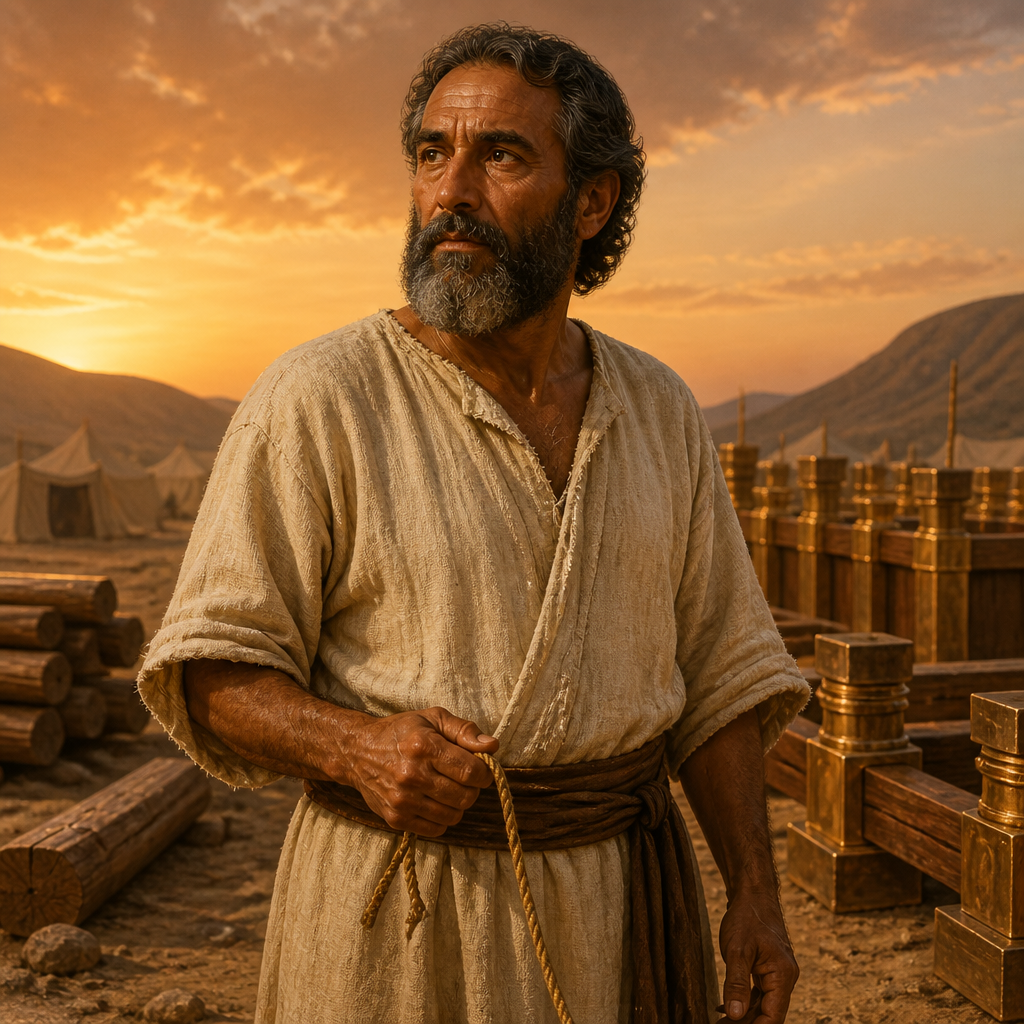
The Merarite branch to which Shimei belonged was historically responsible for the most heavy and structural elements of the Tabernacle, including its frames, crossbars, posts, and bases. While the specific duties of Shimei’s generation occurred long after the wilderness wanderings, the preservation of his name in the records of the Divided Monarchy period underscores the continued importance of the Merarite identity in the organized worship of the Temple.
Major Life Events
The biblical record for this specific Shimei is found exclusively in 1 Chronicles 6:29. The text provides a concise list of descent: "The descendants of Merari: Mahli, Libni his son, Shimei his son, Uzzah his son."
Because the text is strictly genealogical, there are no recorded narrative events, speeches, or specific actions attributed to Shimei. His life is defined by his placement within the sacred order of the Levites. In the context of 1 Chronicles, such lists were vital for the post-exilic community to verify the ancestry of those serving in the Temple, ensuring that only those of the proper lineage handled the holy things of God. Shimei stands as a bridge between his father Libni and his son Uzzah, maintaining the continuity of the Merarite line.
Relationship to Other Biblical Figures
Shimei’s primary relationships are defined by his immediate kin. He is the son of Libni and the father of Uzzah. Through his ancestor Merari, he is related to the broader Levite community, including the famous musical guilds and the high priestly line of Aaron, though the Merarites functioned in a distinct capacity from the Kohathites and Gershonites.
Spiritual Significance
Although Shimei is mentioned only in a list of names, his inclusion in the Holy Scriptures carries theological weight regarding the sovereignty and order of God. The meticulous recording of Levite names like Shimei demonstrates the biblical emphasis on divine calling and the importance of individual identity within the community of faith. In the biblical worldview, to be named in the genealogies of the Temple servants is to be recognized as a participant in the ongoing work of reconciliation between God and His people through the sacrificial system and Tabernacle/Temple maintenance.
Spiritual Significance
Shimei’s significance lies in the preservation of the Merarite lineage. His name appears in the genealogical records that were essential for maintaining the purity and order of the Levite tribe, which was tasked with the spiritual oversight of Israel. He serves as a witness to the generational faithfulness of the Levites.
Theologically, Shimei represents the 'unseen' servants of the biblical narrative—those who did not perform miracles or lead armies but whose presence was necessary for the functioning of the covenantal worship system. His inclusion in the Chronicles ensures that the line of Merari remained documented and verified.
Frequently Asked Questions
Who was Shimei's father?
According to 1 Chronicles 6:29, Shimei was the son of Libni.
Which tribe did Shimei belong to?
Shimei belonged to the tribe of Levi, specifically the clan of Merari.
Who was Shimei's son?
Shimei's son was Uzzah, as recorded in the genealogy of Merari.
Where is this Shimei mentioned in the Bible?
This specific Shimei is mentioned in 1 Chronicles 6:29.
Connected Figures
Categories
Mentions by Book
- 1 Chronicles1
Family & Relationships
Child
Uzzah, Levite of the Divided Monarchy
1 Chronicles 6:29
Parent
1 Chronicles 6:29
Others Named Shimei
Shimei, Overseer of Hezekiah2 Chronicles 31:12
A Levite officer who served as second-in-command to his brother Conaniah in managing the temple contributions and tithes during the reign of King Hezekiah.
Shimei, Son of GershonNumbers 3:18
A prominent Levite and grandson of Levi who established the Shimeite clan during the Egyptian sojourn and the wilderness wanderings.
Shimei, Descendant of BinnuiEzra 10:38
A Jewish returnee from the Babylonian exile who was among those identified for having married a foreign woman during the time of Ezra.
Shimei, son of Ela1 Kings 1:8
A high-ranking official and tribal administrator in the court of King Solomon, noted for his loyalty to David and his oversight of the territory of Benjamin.
Shimei, Levite of the ReturnEzra 10:23
A Levite who returned from the Babylonian exile and was among those who pledged to separate from foreign wives during the reforms of Ezra.
Shimei, Gershonite Levite of the Divided Monarchy1 Chronicles 6:42
A Levite of the Gershonite line during the Divided Monarchy era, recognized as the head of a significant family within the house of Ladan.
Shimei, Hemanite Levite2 Chronicles 29:14
A Levite of the Hemanite family who participated in the spiritual purification and restoration of the temple during the reign of King Hezekiah.
Shimei, Benjamite of the Divided Monarchy1 Chronicles 8:21
A prominent member of the tribe of Benjamin during the Divided Monarchy era, recognized as the father of nine sons including Adaiah and Beraiah.
Shimei, Descendant of HashumEzra 10:33
A Jewish returnee from the Babylonian exile who was recorded among those who had married foreign women in violation of the Mosaic Law.
Shimei, Son of Gera2 Samuel 16:5
A Benjamite who famously cursed King David during Absalom’s rebellion and was later executed under King Solomon for violating a house arrest agreement.
Shimei, Son of Zaccur1 Chronicles 4:26
A member of the tribe of Simeon noted for his exceptionally large family, consisting of sixteen sons and six daughters.
Shimei, Sibling of Zerubbabel1 Chronicles 3:19
Shimei was a member of the tribe of Judah, the son of Pedaiah, and a brother to the prominent governor Zerubbabel during the era of the Divided Monarchy.
Shimei, Great-grandfather of MordecaiEsther 2:5
A Benjamite ancestor of Mordecai whose lineage connects the exilic Jewish community to the house of Kish.
Shimei the Ramathite1 Chronicles 27:27
Shimei the Ramathite served as the royal official in charge of King David's vineyards during the era of the Divided Monarchy.
Shimei, Reubenite of the Divided Monarchy1 Chronicles 5:4
A member of the tribe of Reuben during the era of the Divided Monarchy, recorded as the son of Gog and the father of Micah.