Shimei the Ramathite
Shimei the Ramathite served as the royal official in charge of King David's vineyards during the era of the Divided Monarchy.
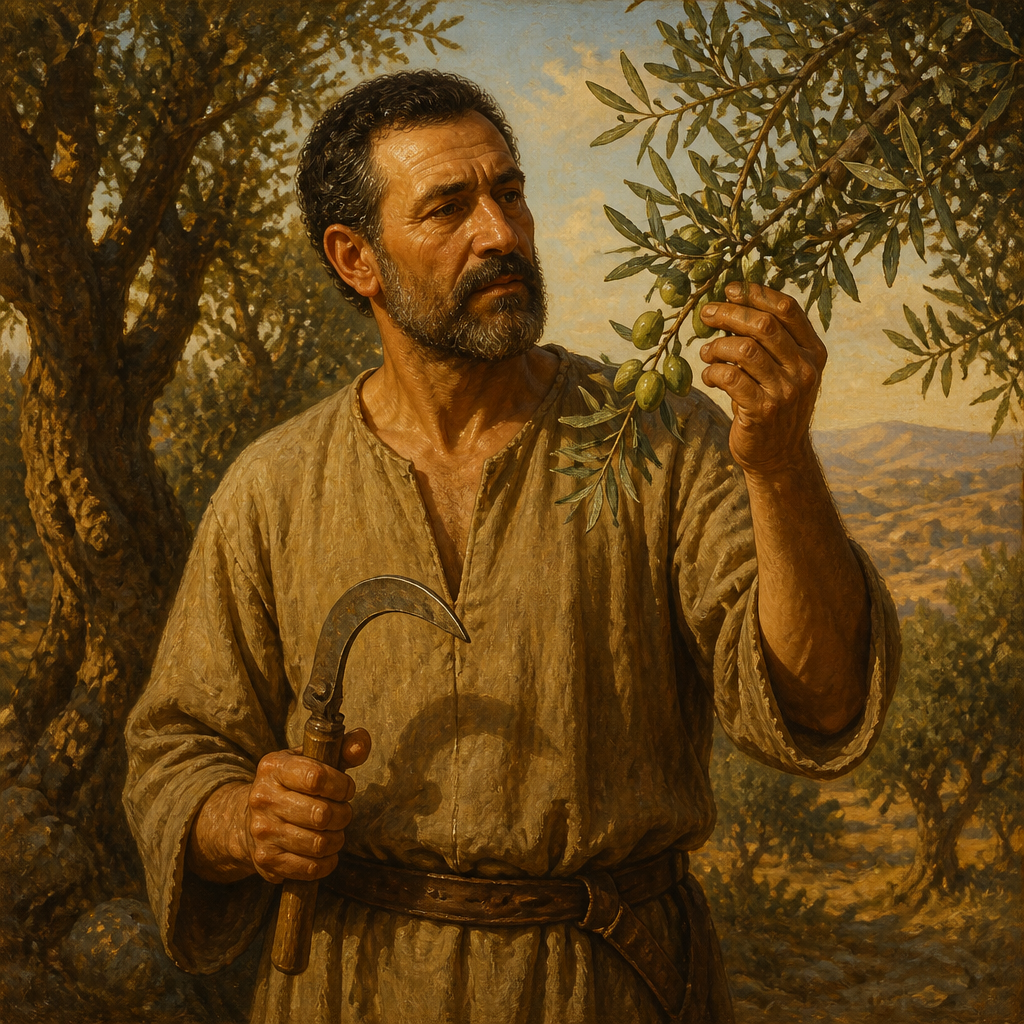
Shimei the Ramathite was a high-ranking administrative official during the reign of King David, specifically tasked with the management and oversight of the royal vineyards. His title, 'the Ramathite,' indicates his origin from the town of Ramah, a location frequently associated with the tribal territory of Benjamin or the hill country of Ephraim.
Though he appears briefly in the biblical record, Shimei's inclusion in the list of David’s chief officers highlights the sophisticated organizational structure of the Israelite monarchy. He was responsible for the cultivation and protection of the king's grapes, a vital economic and agricultural asset in the ancient Near East.
Background and Family
The biblical record regarding Shimei the Ramathite is concise, appearing exclusively in the genealogical and administrative records of 1 Chronicles. While his specific parentage is not listed in the text, his designation as "the Ramathite" serves as his primary identifier. This suggests he hailed from Ramah, a name shared by several locations in ancient Israel, most notably the Ramah in Benjamin which was the home of the prophet Samuel. During the transition into the Divided Monarchy era, such regional identifiers were crucial for distinguishing between various officials who shared common Hebrew names.
Major Life Events
Shimei’s service occurred during the height of the Davidic administration. As the king consolidated his power, he established a specialized civil service to manage the vast resources of the crown. According to 1 Chronicles 27:27, Shimei was appointed to oversee the vineyards. This was a position of significant trust, as the vineyards were not only a source of food but also the primary source for wine production, which was essential for royal banquets, religious offerings, and trade.
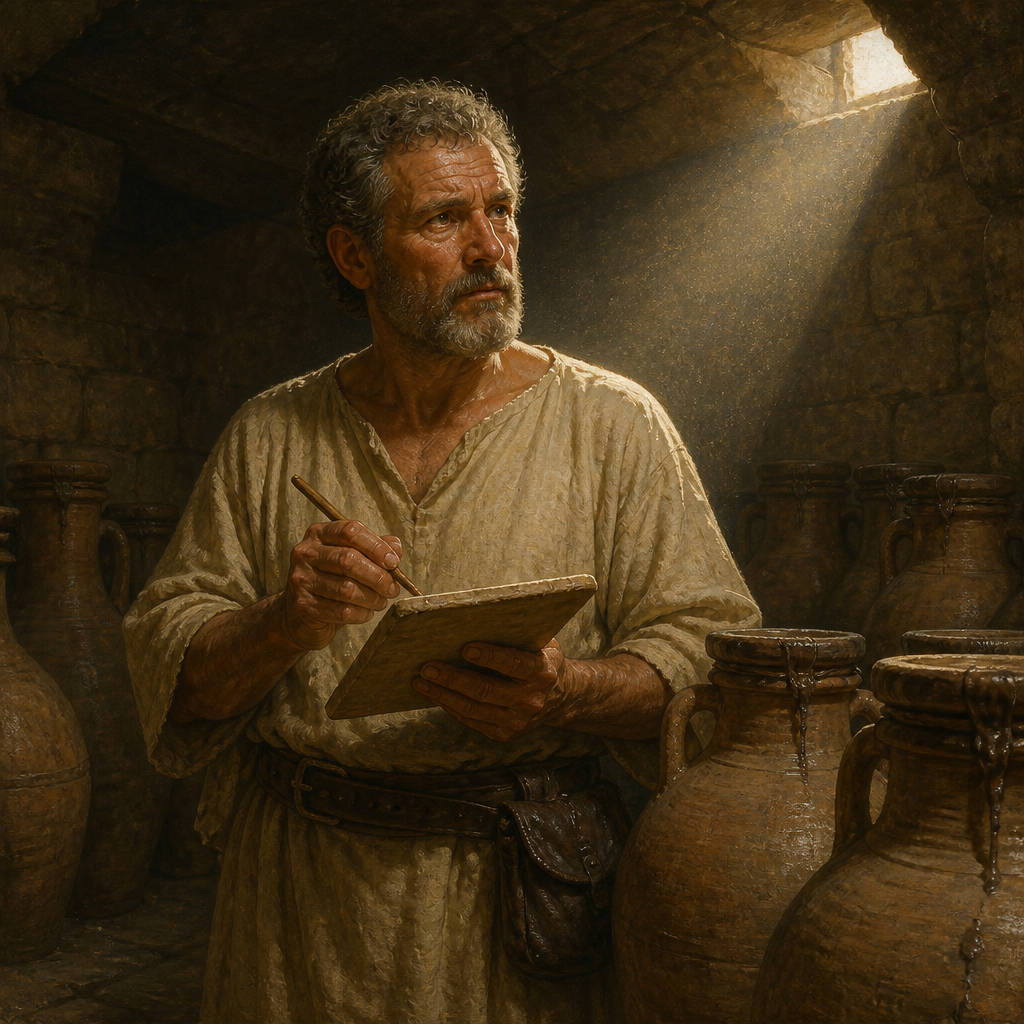
His role was distinct from that of his colleague, Zabdi the Shiphmite. While Shimei managed the living plants and the labor required in the fields, Zabdi was responsible for the "produce of the vineyards," specifically the storage and management of the wine vats. This division of labor suggests that Shimei was an expert in viticulture—the planting, pruning, and harvesting of grapes—ensuring the health and productivity of the king’s land.
Relationship to Other Biblical Figures
Shimei the Ramathite is mentioned alongside other stewards of King David's property in a comprehensive list of the king’s overseers. He served in a cohort that included officials like Joash, who was over the stores of oil, and Baal-hanan the Gederite, who looked after the olive and sycamore-fig trees. Within this administrative hierarchy, Shimei reported indirectly to the king, contributing to the overall stability and wealth of the nation through diligent agricultural management.
Spiritual Significance
In the context of the Chronicler’s narrative, Shimei represents the biblical principle that all aspects of a nation’s life—including agriculture and administration—are under divine purview. The detailed listing of officials like Shimei demonstrates that the prosperity of Israel under the Davidic covenant was supported by the faithful service of individuals in "secular" roles. His work in the vineyards mirrors the frequent biblical metaphor of Israel as God’s vineyard, suggesting that the physical care of the land was a reflection of the spiritual stewardship required of the king and his servants. Though he is not a prophet or a priest, Shimei’s role illustrates that every task performed for the kingdom was recorded and valued in the sacred history of the people of God.
Spiritual Significance
Shimei the Ramathite illustrates the organizational complexity of King David's reign. By recording his specific oversight of the vineyards, the Bible emphasizes the importance of stewardship and the value of agricultural labor within the covenant community. His presence in the text serves to validate the historical reality of the Davidic administration and its economic infrastructure.
Frequently Asked Questions
What was Shimei the Ramathite's job?
He was the royal official in charge of King David's vineyards, responsible for the cultivation and maintenance of the grapevines.
Where was Shimei the Ramathite from?
He was from Ramah, as indicated by his title 'the Ramathite.'
Which king did Shimei the Ramathite serve?
He served under King David, as part of the specialized group of overseers for the king's property.
Who worked alongside Shimei in managing the wine production?
Zabdi the Shiphmite worked alongside him; while Shimei managed the vineyards, Zabdi managed the wine vats and the finished produce.
Connected Figures

David
King and Employer
Zabdi the Shiphmite
Colleague in wine production
Baal-hanan the Gederite
Fellow royal overseer
Categories
Mentions by Book
- 1 Chronicles1
Others Named Shimei the Ramathite
Shimei, Overseer of Hezekiah2 Chronicles 31:12
A Levite officer who served as second-in-command to his brother Conaniah in managing the temple contributions and tithes during the reign of King Hezekiah.
Shimei, descendant of Merari1 Chronicles 6:29
A Levite of the Merarite line who is identified in the biblical genealogies as the son of Libni and the father of Uzzah.
Shimei, Son of GershonNumbers 3:18
A prominent Levite and grandson of Levi who established the Shimeite clan during the Egyptian sojourn and the wilderness wanderings.
Shimei, Descendant of BinnuiEzra 10:38
A Jewish returnee from the Babylonian exile who was among those identified for having married a foreign woman during the time of Ezra.
Shimei, son of Ela1 Kings 1:8
A high-ranking official and tribal administrator in the court of King Solomon, noted for his loyalty to David and his oversight of the territory of Benjamin.
Shimei, Levite of the ReturnEzra 10:23
A Levite who returned from the Babylonian exile and was among those who pledged to separate from foreign wives during the reforms of Ezra.
Shimei, Gershonite Levite of the Divided Monarchy1 Chronicles 6:42
A Levite of the Gershonite line during the Divided Monarchy era, recognized as the head of a significant family within the house of Ladan.
Shimei, Hemanite Levite2 Chronicles 29:14
A Levite of the Hemanite family who participated in the spiritual purification and restoration of the temple during the reign of King Hezekiah.
Shimei, Benjamite of the Divided Monarchy1 Chronicles 8:21
A prominent member of the tribe of Benjamin during the Divided Monarchy era, recognized as the father of nine sons including Adaiah and Beraiah.
Shimei, Descendant of HashumEzra 10:33
A Jewish returnee from the Babylonian exile who was recorded among those who had married foreign women in violation of the Mosaic Law.
Shimei, Son of Gera2 Samuel 16:5
A Benjamite who famously cursed King David during Absalom’s rebellion and was later executed under King Solomon for violating a house arrest agreement.
Shimei, Son of Zaccur1 Chronicles 4:26
A member of the tribe of Simeon noted for his exceptionally large family, consisting of sixteen sons and six daughters.
Shimei, Sibling of Zerubbabel1 Chronicles 3:19
Shimei was a member of the tribe of Judah, the son of Pedaiah, and a brother to the prominent governor Zerubbabel during the era of the Divided Monarchy.
Shimei, Great-grandfather of MordecaiEsther 2:5
A Benjamite ancestor of Mordecai whose lineage connects the exilic Jewish community to the house of Kish.
Shimei, Reubenite of the Divided Monarchy1 Chronicles 5:4
A member of the tribe of Reuben during the era of the Divided Monarchy, recorded as the son of Gog and the father of Micah.