Shimei, Levite of the Return
A Levite who returned from the Babylonian exile and was among those who pledged to separate from foreign wives during the reforms of Ezra.
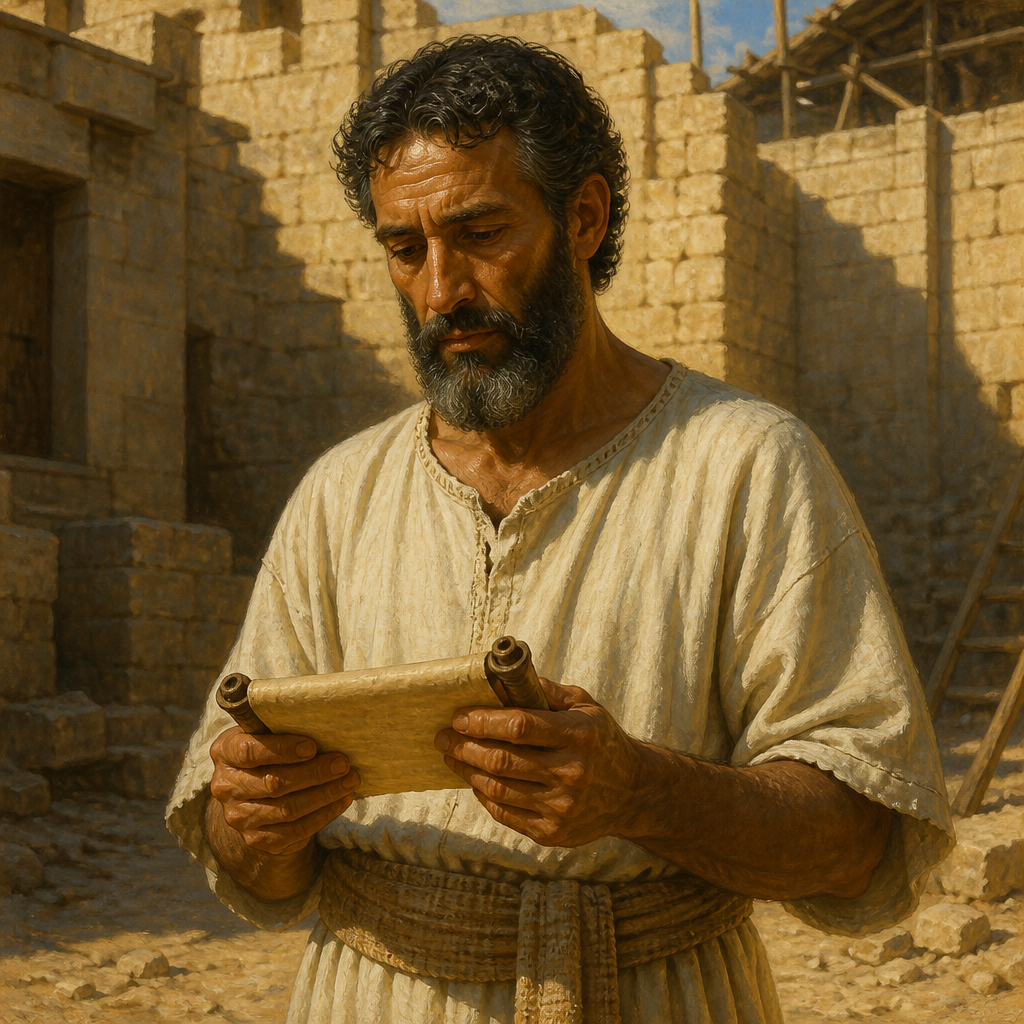
Shimei was a member of the tribe of Levi who lived during the critical period of the Jewish return from the Babylonian captivity. He is specifically identified in the records of Ezra as one of the Levites who had taken a foreign wife during the years of resettlement in Jerusalem and Judah. His presence in the biblical text is confined to the lists detailing the restoration and purification of the post-exilic community.
While his individual life details are sparse, Shimei’s inclusion in the public record of Ezra 10 signifies his status within the religious leadership of the time. As a Levite, he held a sacred responsibility to uphold the Law of Moses, making his domestic choices a matter of national and spiritual consequence during the rebuilding of the Second Temple.
Background and Family
The historical context of Shimei’s life is the Post-Exilic Period, specifically during the mid-5th century BC. Following the decree of Cyrus the Great, waves of Jewish exiles returned to Jerusalem to rebuild the temple and re-establish their religious identity. Shimei is identified as a Levite, a descendant of the tribe of Levi tasked with assisting the priests and maintaining the sanctity of the temple services. While the text does not provide the names of his parents or his specific ancestral line within the Levite divisions, his classification as a Levite (Ezra 10:23) confirms his professional and spiritual standing in the community.
Major Life Events
Shimei’s singular appearance in the biblical narrative occurs in the context of the reforms led by the scribe Ezra. Upon arriving in Jerusalem, Ezra was devastated to learn that the returning exiles—including leaders, priests, and Levites—had intermarried with the surrounding pagan nations. This was seen as a direct violation of the covenant and a threat to the spiritual purity of the nascent community.
In Ezra 10, a public proclamation was made calling for all the people to gather in Jerusalem. Shimei was among those who responded to this call. He is listed among the Levites who were found to have married foreign women. Along with figures like Jozabad and Kelaiah, Shimei participated in the resolution to put away these wives and offer a guilt offering for their trespass. This act was a significant moment of national repentance intended to avert divine wrath and ensure the success of the restoration.
Relationship to Other Biblical Figures
Shimei is listed alongside five other Levites in Ezra 10:23: Jozabad, Kelaiah (also known as Kelita), Pethahiah, Judah, and Eliezer. These men represented a specific group of religious workers who underwent the same process of public confession and reform. He operated under the spiritual authority of Ezra the Scribe, whose rigorous application of the Law shaped the social and religious landscape of Jerusalem during this era.
Spiritual Significance
The inclusion of Shimei in the biblical record serves a specific administrative and theological purpose. By naming the Levites who had strayed, the text emphasizes that no one, regardless of their religious office, was exempt from the requirements of the Law. Shimei’s story is one of accountability and restoration. His willingness to comply with Ezra's decree illustrates the heavy cost of maintaining the distinctiveness of the people of God in a pluralistic environment. His record remains a testament to the difficult choices faced by the remnant that returned from Babylon as they sought to reconstruct a holy society from the ruins of exile.
Spiritual Significance
Shimei’s significance lies in his role as a representative of the Levites during the post-exilic restoration. His mention in Ezra 10 highlights the transparency and rigorous standards of the community as they sought to rebuild their identity. It underscores the biblical theme that spiritual leadership carries a higher burden of responsibility and that true restoration often requires difficult personal sacrifices to maintain covenant faithfulness.
Frequently Asked Questions
What tribe did Shimei belong to?
Shimei was a member of the tribe of Levi, as identified in Ezra 10:23.
Why is Shimei mentioned in the Book of Ezra?
He is mentioned as one of the Levites who had married a foreign wife and subsequently agreed to separate from her as part of Ezra's religious reforms.
When did Shimei live?
Shimei lived during the Post-Exilic Period (Exile and Return), approximately in the mid-5th century BC.
What was Shimei's occupation?
As a Levite, his occupation involved assisting in the duties of the temple and the religious education of the people of Israel.
Who were Shimei's associates in the Book of Ezra?
He is listed alongside other Levites such as Jozabad, Kelaiah, Pethahiah, Judah, and Eliezer.
Connected Figures
Ezra
Spiritual leader and reformer
Jozabad
Fellow Levite in the list of Ezra 10
Kelaiah
Fellow Levite in the list of Ezra 10
Categories
Mentions by Book
- Ezra1
Others Named Shimei
Shimei, Overseer of Hezekiah2 Chronicles 31:12
A Levite officer who served as second-in-command to his brother Conaniah in managing the temple contributions and tithes during the reign of King Hezekiah.
Shimei, descendant of Merari1 Chronicles 6:29
A Levite of the Merarite line who is identified in the biblical genealogies as the son of Libni and the father of Uzzah.
Shimei, Son of GershonNumbers 3:18
A prominent Levite and grandson of Levi who established the Shimeite clan during the Egyptian sojourn and the wilderness wanderings.
Shimei, Descendant of BinnuiEzra 10:38
A Jewish returnee from the Babylonian exile who was among those identified for having married a foreign woman during the time of Ezra.
Shimei, son of Ela1 Kings 1:8
A high-ranking official and tribal administrator in the court of King Solomon, noted for his loyalty to David and his oversight of the territory of Benjamin.
Shimei, Gershonite Levite of the Divided Monarchy1 Chronicles 6:42
A Levite of the Gershonite line during the Divided Monarchy era, recognized as the head of a significant family within the house of Ladan.
Shimei, Hemanite Levite2 Chronicles 29:14
A Levite of the Hemanite family who participated in the spiritual purification and restoration of the temple during the reign of King Hezekiah.
Shimei, Benjamite of the Divided Monarchy1 Chronicles 8:21
A prominent member of the tribe of Benjamin during the Divided Monarchy era, recognized as the father of nine sons including Adaiah and Beraiah.
Shimei, Descendant of HashumEzra 10:33
A Jewish returnee from the Babylonian exile who was recorded among those who had married foreign women in violation of the Mosaic Law.
Shimei, Son of Gera2 Samuel 16:5
A Benjamite who famously cursed King David during Absalom’s rebellion and was later executed under King Solomon for violating a house arrest agreement.
Shimei, Son of Zaccur1 Chronicles 4:26
A member of the tribe of Simeon noted for his exceptionally large family, consisting of sixteen sons and six daughters.
Shimei, Sibling of Zerubbabel1 Chronicles 3:19
Shimei was a member of the tribe of Judah, the son of Pedaiah, and a brother to the prominent governor Zerubbabel during the era of the Divided Monarchy.
Shimei, Great-grandfather of MordecaiEsther 2:5
A Benjamite ancestor of Mordecai whose lineage connects the exilic Jewish community to the house of Kish.
Shimei the Ramathite1 Chronicles 27:27
Shimei the Ramathite served as the royal official in charge of King David's vineyards during the era of the Divided Monarchy.
Shimei, Reubenite of the Divided Monarchy1 Chronicles 5:4
A member of the tribe of Reuben during the era of the Divided Monarchy, recorded as the son of Gog and the father of Micah.