Baal-hanan the Gederite
An official under King David who oversaw the royal olive and sycamore-fig groves in the Shephelah.
Baal-hanan the Gederite was a high-ranking official in the administrative structure of the United Monarchy during the reign of King David (c. 1010–970 BC). His service is recorded within the context of David’s logistical and economic organization, specifically regarding the management of agricultural resources. As a specialized overseer, he was responsible for the cultivation and preservation of specific tree species that were vital to the kingdom’s economy and dietary needs.
While his name includes the element 'Baal,' this was a common linguistic feature in early Israelite history, often meaning 'lord' or 'master' without necessarily implying pagan worship, though it remained a point of scholarly interest. Baal-hanan is identified by his place of origin or clan association as a 'Gederite,' likely linking him to the town of Geder or Gederah located in the lowland plains of Judah.
Background and Family
The biblical record provides no genealogical data for Baal-hanan, focusing instead on his professional role and his geographic identifier. He is called a "Gederite," which most scholars associate with Gederah (Joshua 15:36), a town situated in the Shephelah, or the low-lying foothills of Judea. This region was the natural habitat for the trees he managed, suggesting that Baal-hanan may have been chosen for his role due to his local expertise and familiarity with the specific ecology of the foothills.
Major Life Events
Baal-hanan’s life is documented exclusively in the context of King David’s administrative reforms. As David consolidated his kingdom, he established a sophisticated system of oversight for his personal and royal estates. Baal-hanan was appointed to manage two specific and valuable assets: the olive groves and the sycamore-fig trees.
Baal-hanan the Gederite was in charge of the olive and sycamore trees in the foothills. Joash was in charge of the stores of olive oil. (1 Chronicles 27:28)
The sycamore-fig (Ficus sycomorus) was prized in ancient Israel not for its fruit—which was considered food for the poor—but for its soft, durable wood used in construction. The olive tree was even more critical, providing the primary source of light, medicine, and food through its oil. Baal-hanan’s responsibility involved the living groves, while a contemporary official named Joash managed the resulting oil stores. This division of labor highlights the scale of David's agricultural operations.
Relationship to Other Biblical Figures
Within the text of 1 Chronicles 27, Baal-hanan is listed alongside other prominent administrators of the Davidic era. These include figures such as Obil the Ishmaelite (overseer of camels) and Jaziz the Hagrite (overseer of flocks). His relationship to King David was one of direct accountability, serving as a steward of the crown's terrestrial wealth. He worked in parallel with Joash, showing a clear administrative distinction between those who managed the land and those who managed the processed commodities.
Spiritual Significance
Though Baal-hanan is a minor figure, his inclusion in the biblical canon serves to illustrate the principle of stewardship. The Chronicler emphasizes that the strength of David’s kingdom was not merely found in its military, but in the orderly management of the resources God had provided. Baal-hanan represents the faithful service of those who work behind the scenes to maintain the stability and prosperity of the nation. In a broader theological sense, his role reflects the biblical theme that all land and its produce ultimately belong to the Lord, managed by human agents for the good of the community.
Spiritual Significance
Baal-hanan's significance lies in the documentation of the economic infrastructure of the Divided Monarchy and the transition from the United Monarchy. His role proves that the Davidic administration was not merely a tribal confederation but a sophisticated state with specialized agricultural departments. His work ensured the steady supply of olive oil and timber, both of which were essential for daily life and the eventually building of the Temple.
Theologically, Baal-hanan is a reminder that in the biblical narrative, secular work—such as forestry and farming—is viewed as a vital part of the kingdom of God. His name being preserved in the sacred record honors the dignity of labor and the importance of administrative faithfulness.
Frequently Asked Questions
What did Baal-hanan oversee for King David?
He was responsible for the olive groves and the sycamore-fig trees located in the foothills (the Shephelah).
What does the name 'Gederite' mean?
It indicates that Baal-hanan was likely from the city of Geder or Gederah, a town in the lowland territory of the tribe of Judah.
Was Baal-hanan a worshiper of the pagan god Baal?
Not necessarily. In the early period of the monarchy, the word 'Baal' simply meant 'Lord' or 'Master' and was sometimes used in Israelite names to refer to the God of Israel before the term became exclusively associated with Canaanite deities.
How did Baal-hanan's job differ from Joash's job?
Baal-hanan was in charge of the living trees and the groves, whereas Joash was in charge of the 'stores' or the cellars where the processed olive oil was kept.
Where is Baal-hanan mentioned in the Bible?
He is mentioned only once, in 1 Chronicles 27:28, during a list of King David’s various overseers and officials.
Connected Figures
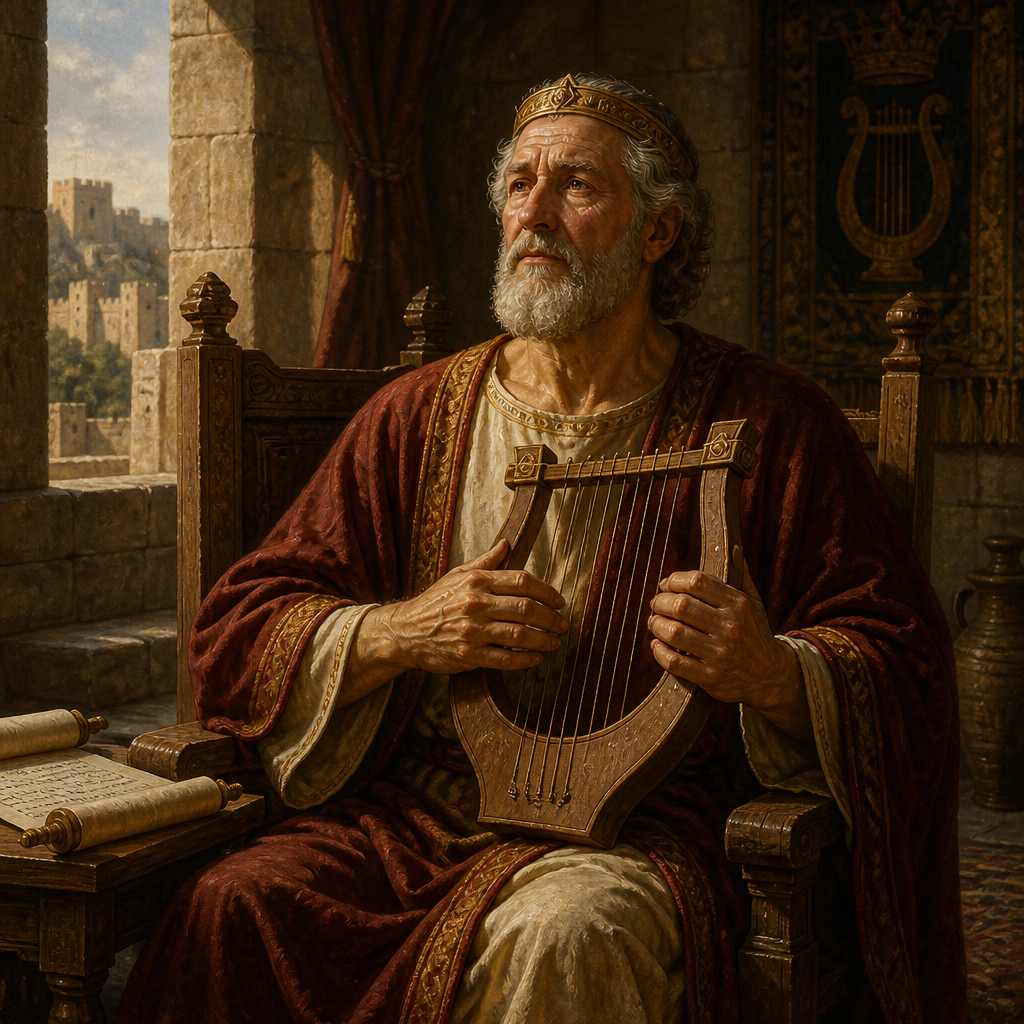
David
King and Employer
Joash (Official)
Colleague (Overseer of Oil Stores)
Categories
Mentions by Book
- 1 Chronicles1
Others Named Baal-hanan the Gederite
Baal-hanan, King of EdomGenesis 36:38
The seventh listed king of Edom who reigned before any king ruled over the Israelites.