Mattaniah, Son of Heman the Singer
A Levite musician and son of Heman the King's Seer, Mattaniah served in the sanctuary as a leader of the ninth musical division during the Divided Monarchy.
Mattaniah was a Levite of the Kohathite lineage who served as a prominent musician in the Tabernacle (and later Temple) during the era of the Divided Monarchy. He was one of the fourteen sons of Heman, the king’s seer, who were set apart by King David to lead the service of song in the house of the LORD. His role was central to the organized liturgical life of Israel, emphasizing the importance of professional craftsmanship and spiritual devotion in national worship.
In the biblical record, Mattaniah is specifically identified as the leader of the ninth lot of musicians. Under the direction of his father, he and his extended family were responsible for the vocal and instrumental praise that accompanied the daily sacrifices and holy festivals. His life reflects the highly structured religious administration established to ensure that the worship of Yahweh was conducted with excellence and order.
Background and Family
Mattaniah was born into a family with a profound spiritual and artistic heritage. His father, Heman, was not only a lead singer but was also known as the "king’s seer in the words of God" (1 Chronicles 25:5). Heman was a grandson of the prophet Samuel, placing Mattaniah in a direct line of Levite service that stretched back to the early days of the Israelite judges.
Mattaniah was one of fourteen brothers and three daughters born to Heman. The Chronicler notes that God gave Heman these children to "exalt his horn," suggesting that the size and musical talent of the family were viewed as a specific divine blessing. Among his brothers were Bukkiah, Uzziel, Shebuel, Jerimoth, Hananiah, Hanani, Eliathah, Giddalti, Romamti-ezer, Joshbekashah, Mallothi, Hothir, and Mahazioth. Growing up in this environment, Mattaniah would have been trained from youth in the complex musical and theological requirements of Levite service.
Major Life Events
Mattaniah’s primary contribution to the biblical narrative occurs during the organization of the musical guilds. King David, alongside the commanders of the army and the high priests, set apart the sons of Asaph, Heman, and Jeduthun for the ministry of prophesying with harps, lyres, and cymbals.
To determine the order of service, lots were cast among the twenty-four groups of musicians. The ninth lot fell to Mattaniah. According to the record in 1 Chronicles 25:16, he led a group consisting of twelve men, which included his own sons and brothers. This structure ensured that the sanctuary was never without a skilled choir and orchestra, maintaining a continuous atmosphere of praise. Mattaniah functioned as a conductor and mentor, overseeing the technical and spiritual output of his specific division.
Relationship to Other Biblical Figures
Mattaniah’s identity is inextricably linked to his father, Heman. While Asaph is often the most cited musician in the Psalter, Heman and his sons represented the Kohathite branch of the Levites, ensuring a balanced representation of the tribe in the ministry of music. Mattaniah served alongside his thirteen brothers, all of whom were designated as leaders of their own respective musical divisions.
His service was performed under the ultimate authority of King David and the religious oversight of the Zadokite priesthood. This collaborative effort between the monarchy and the Levites established a precedent for Temple worship that would persist, with varying degrees of faithfulness, throughout the history of the Divided Monarchy.
Spiritual Significance
While Mattaniah is not credited with writing specific Psalms in the manner of his father Heman (to whom Psalm 88 is attributed), his role is significant in the theology of "prophetic music." The Chronicler describes the work of these musicians as "prophesying" with instruments. This suggests that Mattaniah’s role was not merely decorative or aesthetic, but a form of mediated revelation where music was used to communicate the truths of God to the assembly of Israel.
His inclusion in the genealogical and administrative lists of 1 Chronicles highlights the biblical principle that every role within the community of faith—even those that appear repetitive or administrative—is a matter of divine appointment and record. Mattaniah stands as a representative of the dedicated, multi-generational service required to maintain the spiritual health of the nation.
Spiritual Significance
Mattaniah represents the formalization of worship in Israel, illustrating that music was considered a sacred office rather than a casual pastime. His role in the ninth division shows the meticulous detail God required for the sanctuary, where even the specific order of families was determined by lot to prevent human favoritism. Theological focus is placed on his lineage as a son of Heman, reinforcing the idea that God honors the descendants of the faithful (such as Samuel) by calling their children into his service.
Frequently Asked Questions
Who was Mattaniah's father?
His father was Heman the Singer, who was also known as the king's seer and was a grandson of the prophet Samuel.
What was Mattaniah's specific job in the Tabernacle?
He was a leader of the ninth division of musicians, responsible for leading a group of twelve men in singing and playing instruments during worship services.
What tribe did Mattaniah belong to?
He belonged to the Tribe of Levi, specifically the branch of the Kohathites.
How many brothers did Mattaniah have?
Mattaniah had thirteen brothers who were also appointed as leaders of musical divisions in the sanctuary.
How was Mattaniah chosen for the ninth division?
He was chosen by the casting of lots, a practice used to determine the divine will for the order of service among the Levites.
Connected Figures
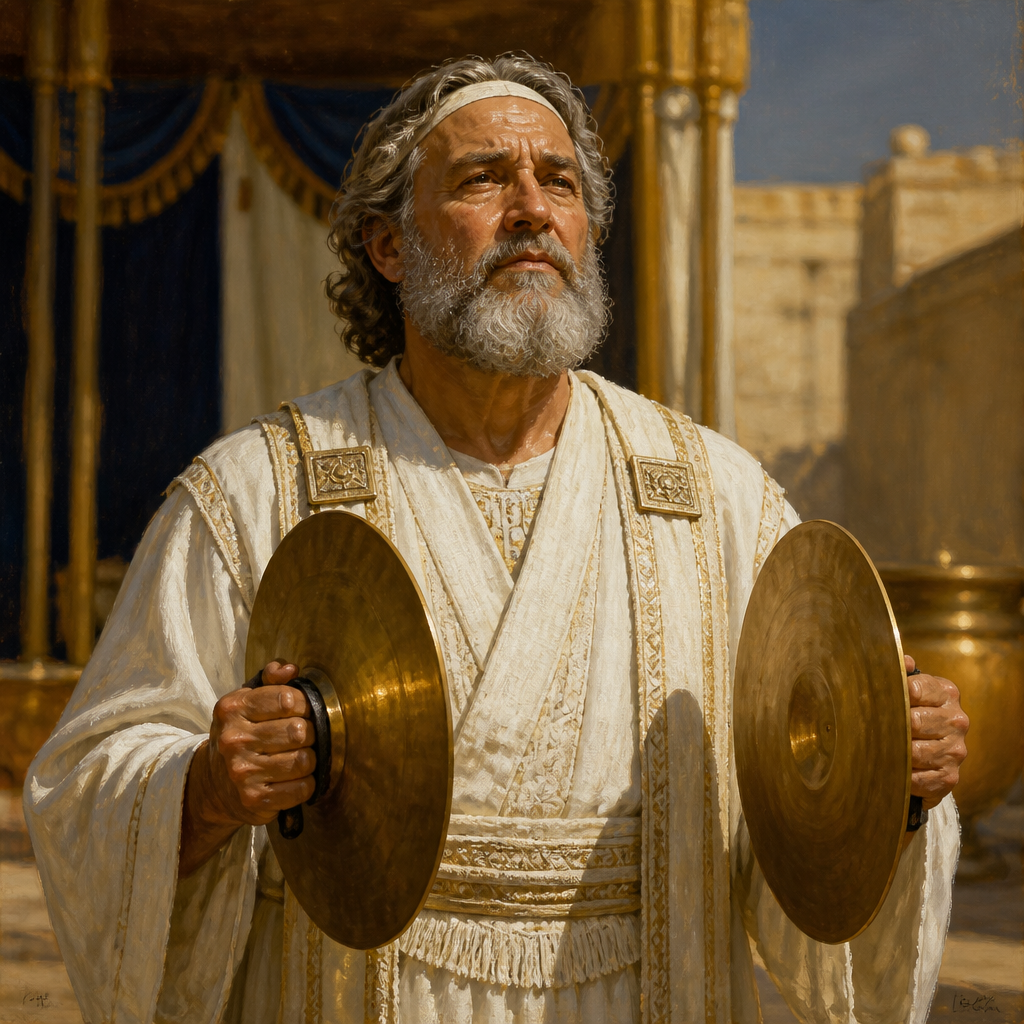
Heman the Singer
Father
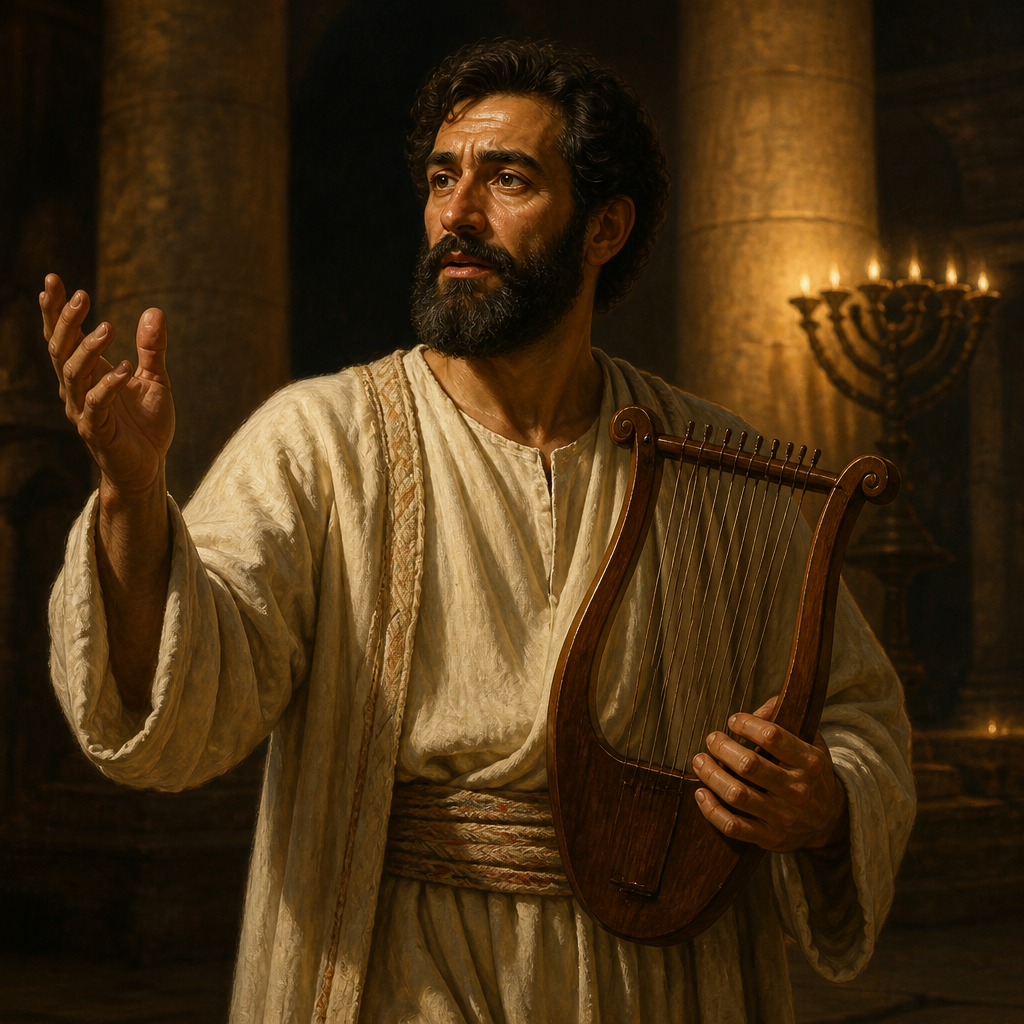
Jerimoth, Levite Musician of the Divided Monarchy
Brother
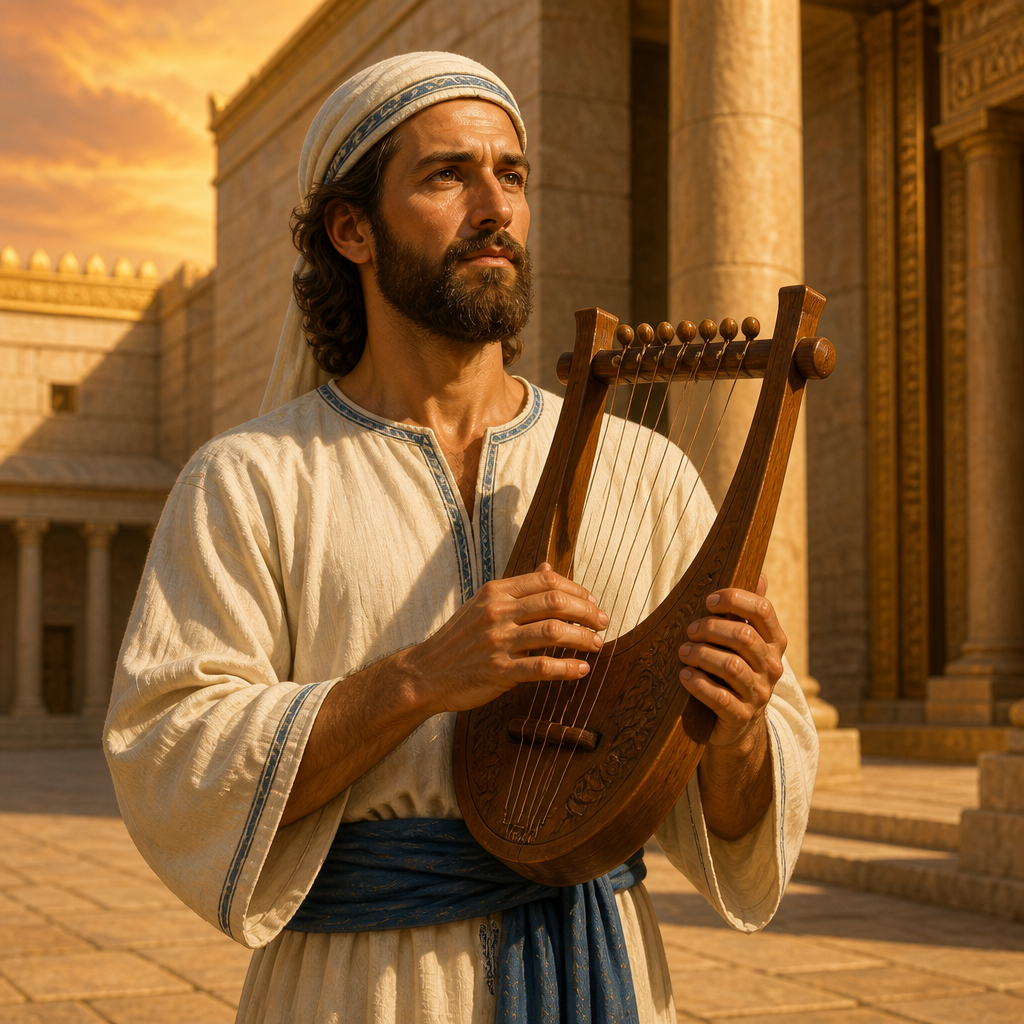
Hananiah, Levite Musician of the Divided Monarchy
Brother
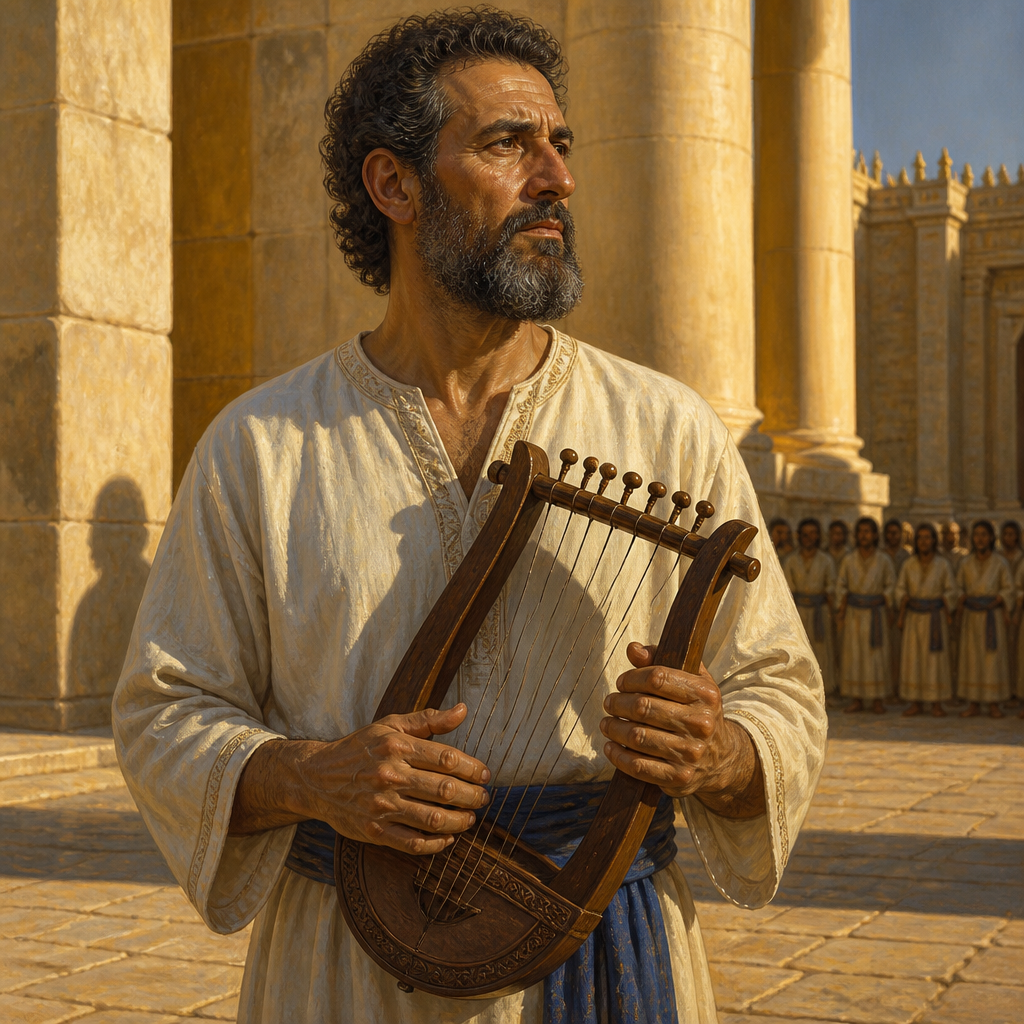
Hanani, Musician of the Divided Monarchy
Brother
Categories
Mentions by Book
- 1 Chronicles2
Family & Relationships
Sibling
1 Chronicles 25:4
Sibling
Uzziel, Son of Heman the Singer
1 Chronicles 25:4
Sibling
Shebuel, Son of Heman the Singer
1 Chronicles 25:4
Sibling
Jerimoth, Levite Musician of the Divided Monarchy
1 Chronicles 25:4
Sibling
Hananiah, Levite Musician of the Divided Monarchy
1 Chronicles 25:4
Sibling
Hanani, Musician of the Divided Monarchy
1 Chronicles 25:4
Sibling
1 Chronicles 25:4
Sibling
1 Chronicles 25:4
Sibling
1 Chronicles 25:4
Sibling
1 Chronicles 25:4
Sibling
1 Chronicles 25:4
Sibling
1 Chronicles 25:4
Sibling
1 Chronicles 25:4
Sibling
1 Chronicles 25:4
Sibling
1 Chronicles 25:4
Sibling
1 Chronicles 25:4
Sibling
Hanani, Musician of the Divided Monarchy
1 Chronicles 25:4
Sibling
Hananiah, Levite Musician of the Divided Monarchy
1 Chronicles 25:4
Parent
1 Chronicles 6:33
Sibling
1 Chronicles 25:4
Sibling
Jerimoth, Levite Musician of the Divided Monarchy
1 Chronicles 25:4
Sibling
1 Chronicles 25:4
Sibling
1 Chronicles 25:4
Sibling
1 Chronicles 25:4
Sibling
1 Chronicles 25:4
Sibling
Shebuel, Son of Heman the Singer
1 Chronicles 25:4
Sibling
Uzziel, Son of Heman the Singer
1 Chronicles 25:4
Others Named Mattaniah
Mattaniah, Ancestor of UzziNehemiah 11:22
A descendant of Asaph who served as a vital link in the Levitical musical lineages during the post-exilic return to Jerusalem.
Mattaniah, Asaphite of Hezekiah’s Reform2 Chronicles 29:13
A Levite of the Asaphite clan who assisted King Hezekiah in the ritual purification of the Temple in Jerusalem.
Mattaniah, Ancestor of Jahaziel2 Chronicles 20:14
A Levite descendant of Asaph who lived during the Divided Monarchy and served as a foundational ancestor in the lineage of the prophet Jahaziel.
Mattaniah, Son of ElamEzra 10:26
A descendant of Elam who lived during the return from the Babylonian Exile and was among those who divorced their foreign wives at Ezra's command.
Mattaniah, Descendant of BaniEzra 10:37
A Jewish returnee from the Babylonian Exile who was identified by Ezra as having married a foreign woman in violation of the Mosaic Law.
Mattaniah, Levite of the Return1 Chronicles 9:15
A Levite and descendant of Asaph who served as a leader of song, thanksgiving, and prayer in post-exilic Jerusalem during the time of Nehemiah.
Mattaniah, Grandfather of HananNehemiah 13:13
A Levite during the post-exilic period whose grandson Hanan was appointed by Nehemiah as a trusted treasury assistant.
Mattaniah, Descendant of ZattuEzra 10:27
A descendant of Zattu who lived during the post-exilic return and was listed among those required to divorce foreign wives in the reforms of Ezra.
Mattaniah, Descendant of Pahath-moabEzra 10:30
A returnee from the Babylonian Exile who was identified by Ezra as having married a foreign woman in violation of the Mosaic Law.