Hanani, Musician of the Divided Monarchy
A Levite musician and son of Heman the Singer who served in the temple under King David's organized worship system.
Hanani was a member of the tribe of Levi who served as a prominent musician during the Divided Monarchy. He was one of the fourteen sons of Heman, the king’s seer, who was specifically appointed to provide musical worship in the house of the Lord. Hanani’s service occurred during a pivotal era when the liturgical structure of Israel was being formalized to ensure perpetual worship and musical excellence within the sanctuary.
His role was not merely as a solo performer but as a leader of a musical division. He is identified as the head of the eighteenth lot among the twenty-four groups of musicians organized to maintain the temple service. Alongside his brothers and sons, he contributed to the high standards of Levite craftsmanship in music, which was considered a prophetic and spiritual duty rather than a simple aesthetic pursuit.
Background and Family
Hanani was born into a prestigious lineage of Levite musicians. His father was Heman the Singer, a man of high spiritual standing who is described as "the king’s seer in the matters of God" (1 Chronicles 25:5). The biblical record indicates that Heman was blessed with fourteen sons and three daughters, a divine fulfillment of a promise to exalt Heman’s horn or influence.
Hanani’s family environment was one of disciplined worship. He grew up among thirteen brothers: Bukkiah, Mattaniah, Uzziel, Shebuel, Jerimoth, Hananiah, Eliathah, Giddalti, Romamti-ezer, Joshbekashah, Mallothi, Hothir, and Mahazioth. This large family formed the core of the temple's musical leadership, all serving under the direction of their father, Heman, who in turn served under the authority of the king.
Major Life Events
The primary event recorded in Hanani’s life is his appointment to the eighteenth division of temple musicians. This occurred through the casting of lots, a practice used to ensure that the selection process was directed by God rather than human favoritism. According to 1 Chronicles 25:25, the eighteenth lot fell to Hanani.
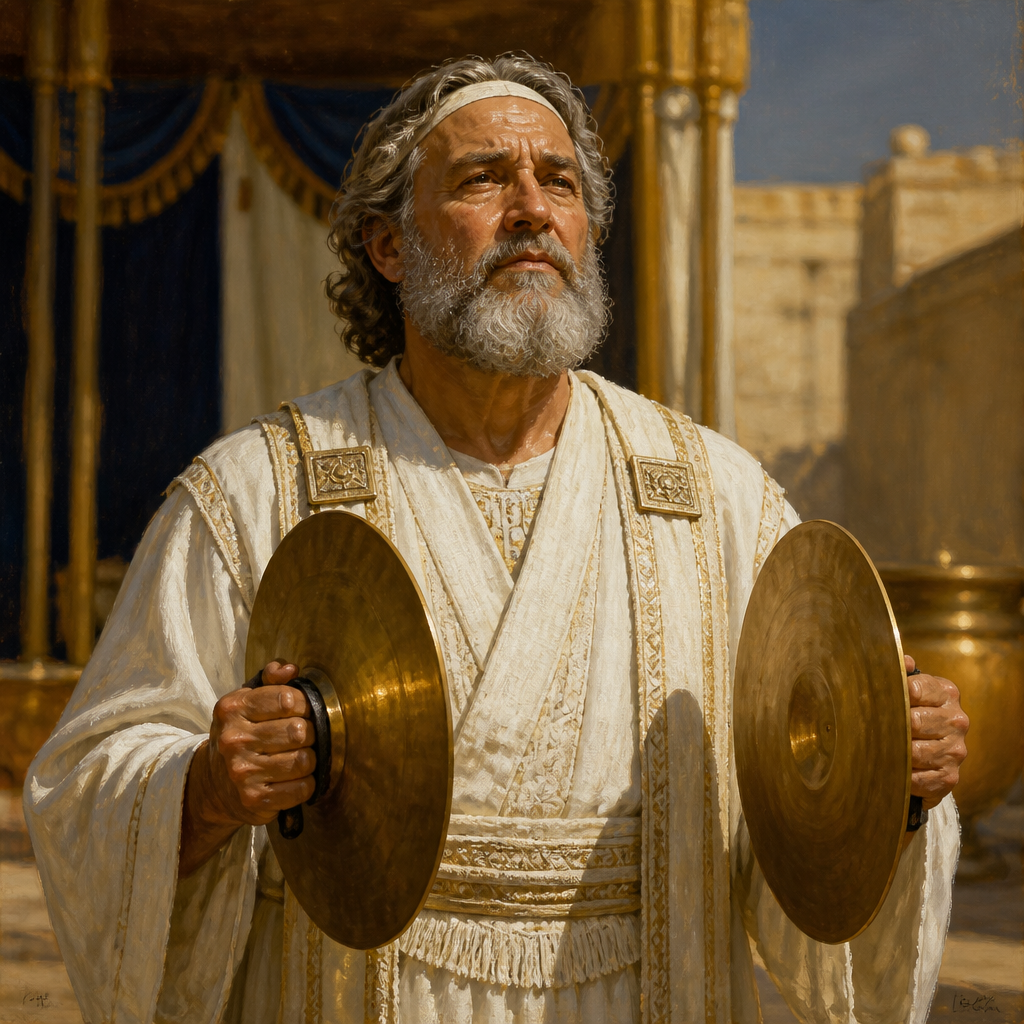
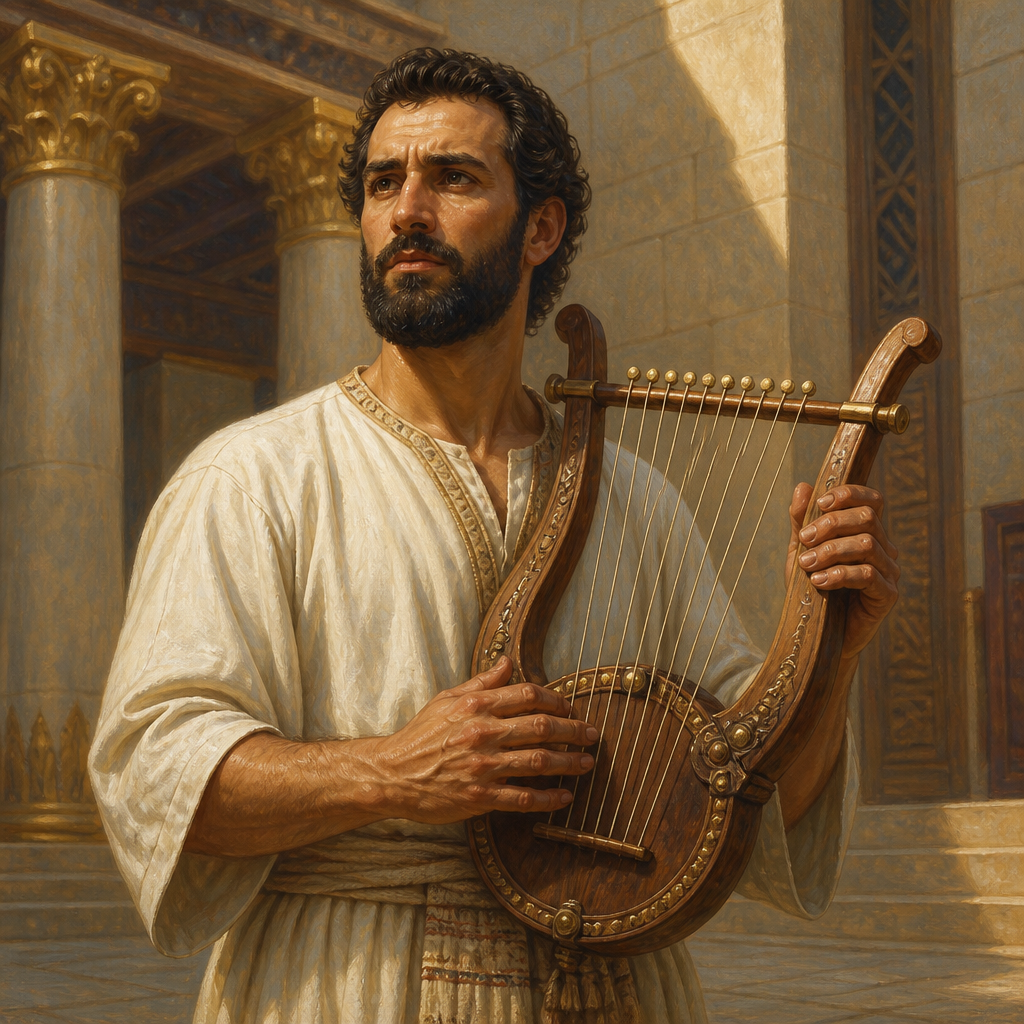
Upon receiving this assignment, Hanani became the leader of a group consisting of twelve men, including his own sons and brothers. This group was responsible for the musical service of the sanctuary during their designated rotation. The text emphasizes that these musicians were "trained and skilled in music for the Lord" (1 Chronicles 25:7), suggesting that Hanani was a master of his craft, likely proficient in the cymbals, harps, and lyres mentioned as the standard instruments of his order.
Relationship to Other Biblical Figures
Hanani’s life is defined by his relationships within the Levite priesthood. As a son of Heman, he was a grandson of Samuel the prophet (1 Chronicles 6:33), linking him to one of Israel's greatest spiritual leaders. He worked in concert with the other two major musical guilds: the sons of Asaph and the sons of Jeduthun. This collaborative structure was established by King David to ensure that the temple remained a center of constant, high-quality praise to Yahweh.
Spiritual Significance
Though Hanani’s biblical footprint is brief, his inclusion in the sacred genealogies signifies the importance of order and faithfulness in divine service. He represents the biblical principle that worship is a specialized and sacred calling. By serving in the eighteenth lot, Hanani fulfilled a specific role that contributed to the larger harmony of Israel’s religious life. His life demonstrates that being a "brother" or a "son" in the house of God involved a commitment to communal excellence and the preservation of sacred traditions for future generations.
Spiritual Significance
Hanani represents the institutionalization of worship in Israel, highlighting that music was not incidental but foundational to the temple's function. His role as the leader of the eighteenth lot underscores the biblical emphasis on 'order' (taxis) and 'skill' in the service of God.
Theological reflection on Hanani emphasizes the legacy of godly families. As one of fourteen sons who all entered the ministry of music, he serves as a testament to Heman's spiritual leadership and the way in which sacred vocations were passed down within the tribe of Levi during the Divided Monarchy.
Frequently Asked Questions
What tribe did Hanani belong to?
Hanani belonged to the tribe of Levi, specifically the family of Kohathites through his father Heman.
What was Hanani's specific job in the temple?
He was a musician and a leader of the eighteenth division of singers and instrumentalists, responsible for leading worship in the house of the Lord.
Who was Hanani's father?
His father was Heman the Singer, who was also known as the king’s seer.
How many people were in Hanani's musical group?
The Bible records that there were 12 men in total in his division, consisting of Hanani, his sons, and his brothers.
Which instruments did Hanani likely play?
While not specified individually, the musicians of his group were generally assigned to play cymbals, harps, and lyres.
Connected Figures
Categories
Mentions by Book
- 1 Chronicles2
Family & Relationships
Sibling
1 Chronicles 25:4
Sibling
Mattaniah, Son of Heman the Singer
1 Chronicles 25:4
Sibling
Uzziel, Son of Heman the Singer
1 Chronicles 25:4
Sibling
Shebuel, Son of Heman the Singer
1 Chronicles 25:4
Sibling
Jerimoth, Levite Musician of the Divided Monarchy
1 Chronicles 25:4
Sibling
Hananiah, Levite Musician of the Divided Monarchy
1 Chronicles 25:4
Sibling
1 Chronicles 25:4
Sibling
1 Chronicles 25:4
Sibling
1 Chronicles 25:4
Sibling
1 Chronicles 25:4
Sibling
1 Chronicles 25:4
Sibling
1 Chronicles 25:4
Sibling
1 Chronicles 25:4
Sibling
1 Chronicles 25:4
Sibling
1 Chronicles 25:4
Sibling
1 Chronicles 25:4
Parent
1 Chronicles 6:33
Sibling
Hananiah, Levite Musician of the Divided Monarchy
1 Chronicles 25:4
Sibling
1 Chronicles 25:4
Sibling
Jerimoth, Levite Musician of the Divided Monarchy
1 Chronicles 25:4
Sibling
1 Chronicles 25:4
Sibling
1 Chronicles 25:4
Sibling
1 Chronicles 25:4
Sibling
Mattaniah, Son of Heman the Singer
1 Chronicles 25:4
Sibling
1 Chronicles 25:4
Sibling
Shebuel, Son of Heman the Singer
1 Chronicles 25:4
Sibling
Uzziel, Son of Heman the Singer
1 Chronicles 25:4
Others Named Hanani
Hanani, Post-Exilic Descendant of ImmerEzra 10:20
A descendant of Immer mentioned in the book of Ezra during the post-exilic return to Jerusalem.
Hanani, Musician of the Post-Exilic PeriodNehemiah 12:36
Hanani was a musician and associate of Ezra the scribe who participated in the dedication of the rebuilt walls of Jerusalem in the 5th century BC.
Hanani, Brother of NehemiahNehemiah 1:2
The biological brother of Nehemiah who brought news of Jerusalem’s distress to Susa and was later appointed as a governor of the city.
Hanani, Seer of the Divided Monarchy1 Kings 16:1
A prophet and seer in the southern kingdom of Judah who famously rebuked King Asa and fathered the prophet Jehu.