Attai, Son of Rehoboam
Attai was a prince of the Kingdom of Judah, the son of King Rehoboam and his favorite queen, Maacah.
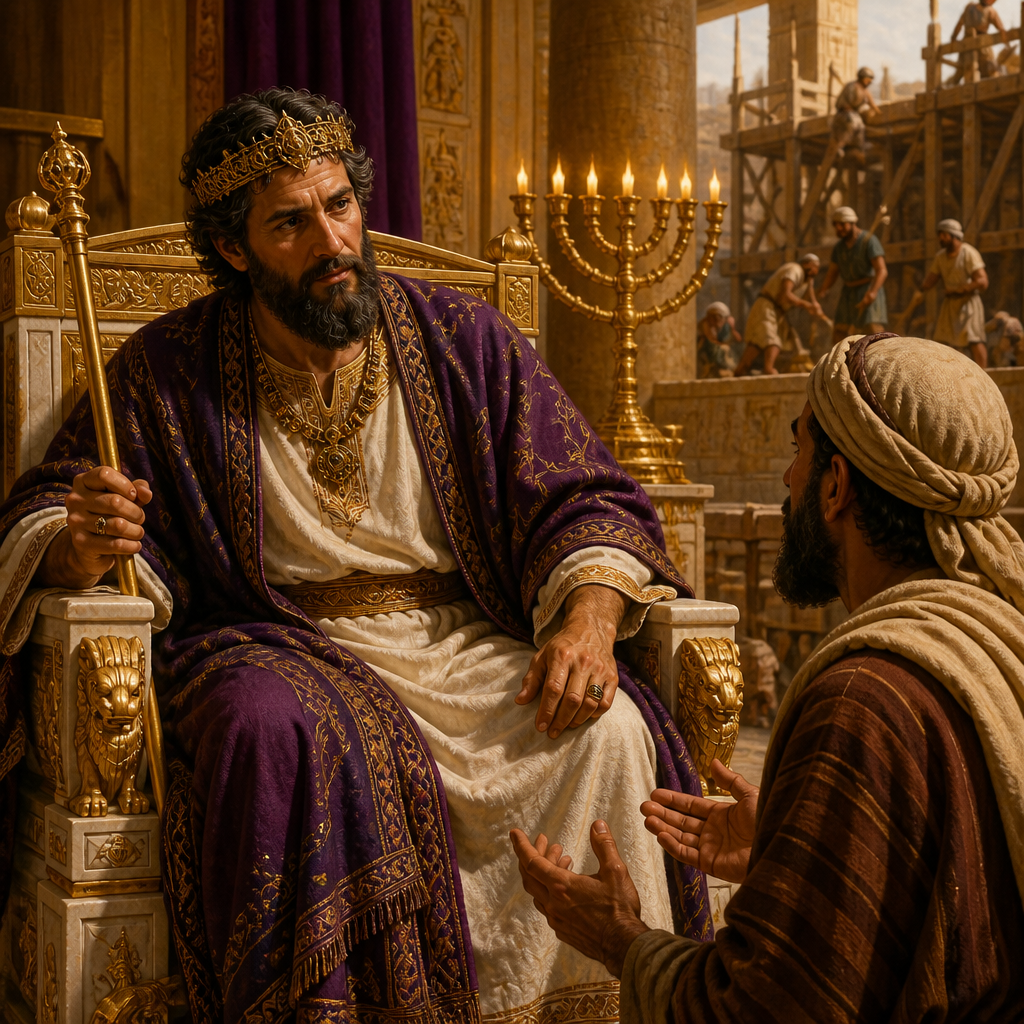
Attai was a royal prince of the Tribe of Judah during the early years of the Divided Monarchy. He was one of the many sons of Rehoboam, the first king of the southern kingdom of Judah following the secession of the northern tribes. While the biblical narrative primarily focuses on the reigns of kings, Attai is specifically identified within the genealogical record of the Davidic dynasty as a child of the king's most beloved wife.
His presence in the biblical text serves to illustrate the domestic life and succession environment of the Judean court during the late 10th century BC. As a member of the immediate royal family, Attai lived during a period of significant political transition and religious tension as Judah established itself as a distinct entity separate from the northern kingdom of Israel.
Background and Family
Attai was born into the heart of the Davidic line during the era of the Divided Monarchy. According to the chronicler, his father was King Rehoboam, the son of Solomon. His mother was Maacah, whom the text identifies as the daughter (or perhaps granddaughter) of Absalom. The Bible notes that although Rehoboam had a large harem consisting of eighteen wives and sixty concubines, his affection for Maacah surpassed all others (2 Chronicles 11:21).
Attai was one of four sons born to this specific union. His full siblings included Ziza, Shelomith, and Abijah (also known as Abijam). Because of Rehoboam’s intense devotion to Maacah, Attai’s brother Abijah was eventually appointed as the crown prince and successor to the throne, despite not being the firstborn son of the king.
Major Life Events
While the specific personal deeds of Attai are not detailed in the biblical text, his life was shaped by the strategic positioning of the royal family. 2 Chronicles 11:23 suggests that Rehoboam acted wisely by dispersing his many sons throughout the fortified cities of Judah and Benjamin. This was a tactical move to prevent fraternal rivalry for the throne and to ensure loyal Davidic presence in key defensive positions across the kingdom.
As a son of the favorite queen, Attai would have been raised in a position of high privilege within the Jerusalem court. His life coincided with the building of defense cities and the religious influx of Levites who fled the northern kingdom to seek refuge in Judah.
Relationship to Other Biblical Figures
Attai’s primary significance in the narrative is defined by his lineage. He was the grandson of King Solomon and the great-grandson of King David. His siblings were numerous; the biblical record states that Rehoboam fathered twenty-eight sons and sixty daughters in total. Among his brothers, Abijah is the most prominent, as he eventually took the throne and led Judah in battle against Jeroboam I of Israel. Attai also had several half-brothers mentioned in the text, including Jeush, Shemariah, and Zaham, who were born to Rehoboam’s other wives such as Mahalath.
Spiritual Significance
The mention of Attai in 2 Chronicles 11:20 is embedded in a passage that describes the stabilization of Judah. The Chronicler highlights that for three years, the house of Judah walked in the way of David and Solomon. However, the record of Attai and his brothers also serves as a subtle reminder of the complexities of polygamy and royal favoritism that characterized the Davidic line during this era. Though Attai did not ascend to the throne, his inclusion in the sacred genealogy affirms his place in the covenantal line that preserved the house of David through the centuries of the Divided Monarchy.
Spiritual Significance
Attai’s presence in the biblical record signifies the continuity of the Davidic line during a time of great national upheaval. His listing among the sons of Maacah emphasizes the specific branch of the royal family that would carry forward the messianic lineage, as his brother Abijah became the ancestor of the future kings of Judah. On a broader scale, Attai represents the fulfillment of the promise to David that his descendants would be numerous and established within the land.
Frequently Asked Questions
Who were the parents of Attai?
Attai was the son of King Rehoboam of Judah and Queen Maacah, the daughter of Absalom.
Did Attai ever become King of Judah?
No, the Bible indicates that his brother Abijah was chosen by their father Rehoboam to be the successor and next king.
How many siblings did Attai have?
Attai had three full brothers (Abijah, Ziza, and Shelomith) and a total of twenty-seven half-brothers and sixty half-sisters.
In which book of the Bible is Attai mentioned?
Attai is mentioned specifically in the book of 2 Chronicles, chapter 11.
Connected Figures


Categories
Mentions by Book
- 2 Chronicles1
Family & Relationships
Sibling
2 Chronicles 11:20
Sibling
2 Chronicles 11:20
Sibling
2 Chronicles 11:20
Sibling
2 Chronicles 11:20
Sibling
2 Chronicles 11:20
Sibling
2 Chronicles 11:20
Sibling
1 Kings 14:31
Parent
1 Kings 11:43
Parent
1 Kings 15:2
Sibling
2 Chronicles 11:19
Sibling
2 Chronicles 11:20
Sibling
2 Chronicles 11:19
Sibling
2 Chronicles 11:19
Sibling
2 Chronicles 11:20
Others Named Attai
Attai, Grandson of Sheshan1 Chronicles 2:35
Attai was a descendant of Judah through the line of Hezron, born from the union of an Egyptian servant and his Hebrew master's daughter.
Attai, Gadite Warrior of the Divided Monarchy1 Chronicles 12:11
A Gadite warrior and commander who joined David at Ziklag, recognized for his exceptional military prowess and ranking as the sixth among the elite Gadite leaders.