Attai, Grandson of Sheshan
Attai was a descendant of Judah through the line of Hezron, born from the union of an Egyptian servant and his Hebrew master's daughter.
Attai was a member of the Tribe of Judah during the era of the Divided Monarchy’s genealogical recording. His life is primarily documented within the extensive chronicling of the descendants of Judah, specifically within the house of Jerahmeel. Attai holds a unique place in the biblical record as he represents a specific legal and social solution to the problem of a family line facing extinction due to the lack of male heirs.
His existence is a direct result of the actions of his grandfather, Sheshan, who bypassed traditional endogamous marriage practices to ensure his lineage continued. Attai’s life serves as a link in a chain that eventually leads to Zabad, one of King David’s mighty men, demonstrating the long-term impact of individual family decisions within the tribal structure of ancient Israel.
Background and Family
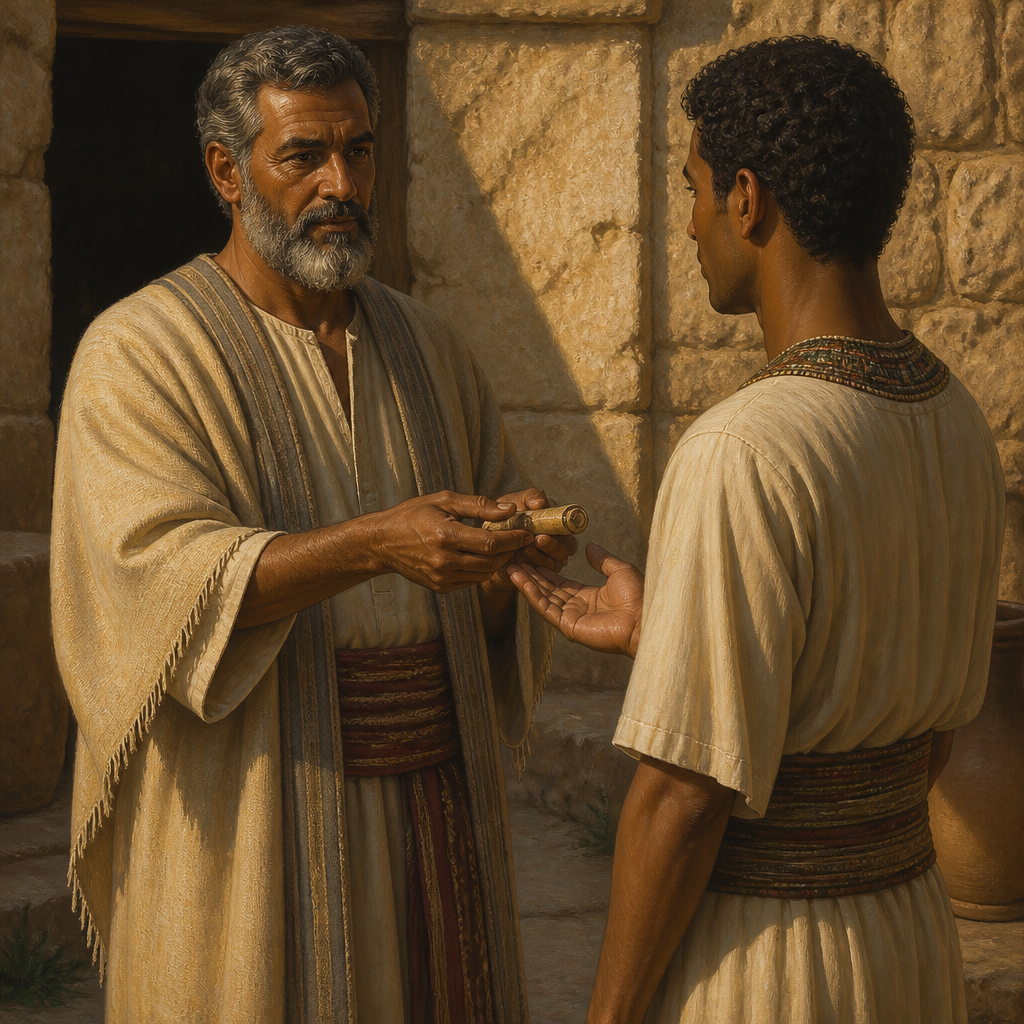
The narrative of Attai begins with his grandfather, Sheshan, a descendant of Jerahmeel within the tribe of Judah. According to the record in 1 Chronicles 2:34, Sheshan had no sons, only daughters. In the socio-legal context of ancient Israel, the absence of a male heir posed a significant threat to the preservation of the family name and the retention of ancestral land allotments. To remedy this, Sheshan took an unconventional path: he gave one of his daughters in marriage to his Egyptian servant, a man named Jarha.
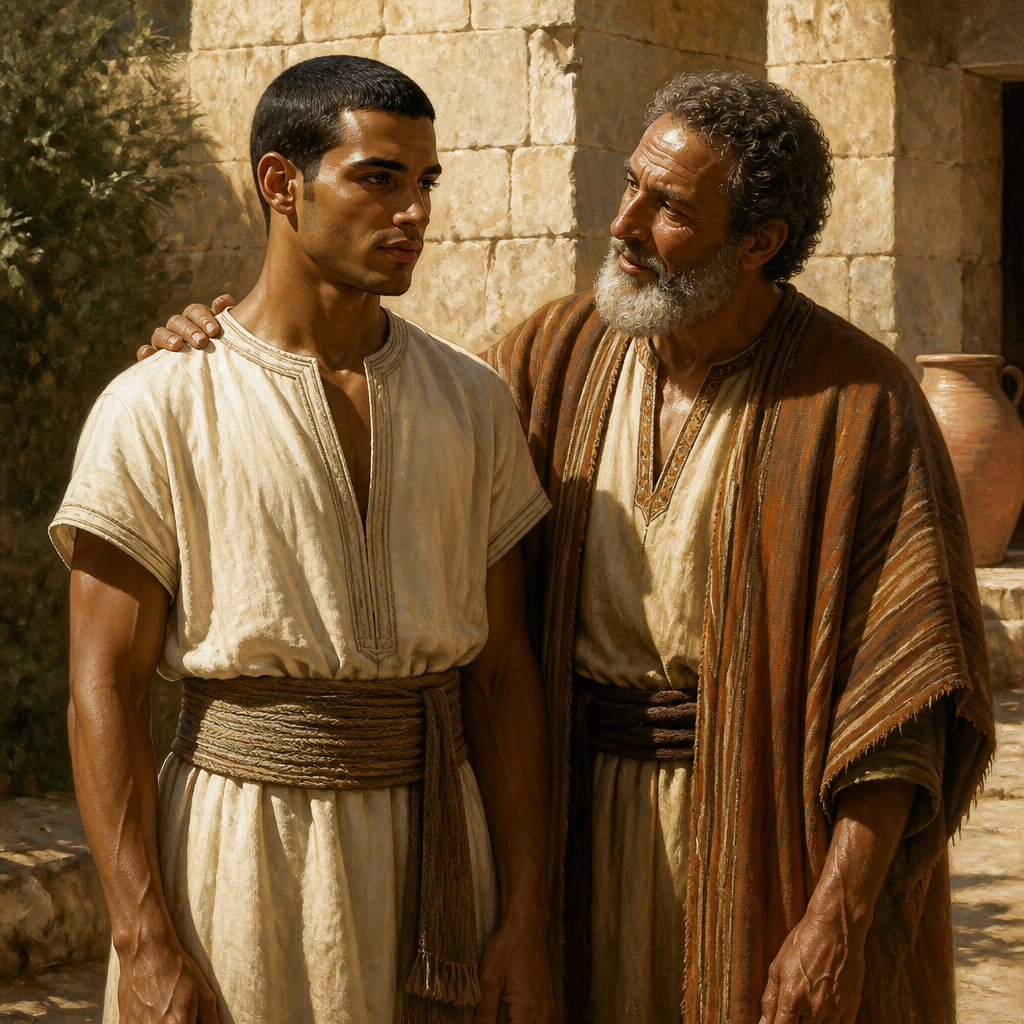
Attai was the son born of this union. Though his father, Jarha, was an Egyptian, Attai was fully integrated into the tribe of Judah and the lineage of Hezron. This genealogical inclusion highlights the ability of the Hebrew tribal system to absorb foreign elements through marriage and legal adoption to maintain the continuity of a house.
Major Life Events
Specific biographical details regarding Attai’s personal deeds, occupation, or specific interactions are not recorded in the biblical text. His "major event" is his birth and his subsequent role as a father, which solidified the success of Sheshan's plan to preserve his lineage. The text in 1 Chronicles 2:35 states, "Sheshan gave his daughter in marriage to his servant Jarha, and she bore to him Attai."
Following his birth, Attai is recorded as having fathered a son named Nathan. This transition of the lineage from Attai to Nathan confirmed that the line of Sheshan would continue into future generations, effectively moving the inheritance forward through a branch that would have otherwise ceased to exist.
Relationship to Other Biblical Figures
Attai is the son of Jarha and the unnamed daughter of Sheshan. His primary relationship of note is to his son, Nathan, and his grandson, Zabad. While Attai himself remains a quiet figure in the text, his grandson Zabad is later identified among the elite warriors of Israel. The inclusion of Attai in this specific genealogy serves to validate the Hebrew credentials of his descendants, proving that despite their Egyptian paternal ancestor, they were legitimate members of the Judean aristocracy.
Spiritual Significance
Attai represents the providence of God in sustaining the families of Israel. His inclusion in the Book of Chronicles—a book written to remind post-exilic Jews of their heritage and the importance of their tribal identities—serves as a testimony that God honors the desire of a father to preserve his name.
Furthermore, Attai’s heritage (half-Egyptian) underscores a recurring theme in the Old Testament: the inclusion of Gentiles into the covenant community. Similar to Rahab or Ruth, Attai’s family line shows that the promises to Judah were not strictly biological but could encompass those brought into the fold through legal and domestic bonds. His life stands as a silent witness to the expansion of the tribe of Judah and the complexities of ancient Near Eastern family law.
Spiritual Significance
Attai is significant as a genealogical bridge within the tribe of Judah. His existence proves the efficacy of Sheshan’s strategy to use an Egyptian servant to continue his line, demonstrating that the biblical concept of 'seed' and 'inheritance' was flexible enough to accommodate unique family circumstances. His presence in the record ensures the legitimacy of his descendants, including Zabad, within the community of Israel.
Theologically, Attai serves as a reminder that the chroniclers of Israel's history valued the preservation of every branch of the tribal tree. By recording Attai’s parentage and his offspring, the text affirms that no family is too small or too unconventional to be excluded from the grand narrative of God’s people.
Frequently Asked Questions
Who was Attai’s father?
Attai’s father was Jarha, an Egyptian servant who belonged to Sheshan.
To which tribe did Attai belong?
Attai belonged to the Tribe of Judah, as he was the grandson of Sheshan through his mother's side.
Why was Attai's birth unusual?
He was the product of a marriage between a Hebrew woman and an Egyptian servant, a union arranged specifically because his grandfather had no male heirs.
Who was Attai's son?
Attai was the father of Nathan, who in turn was the father of Zabad.
Where is Attai mentioned in the Bible?
Attai is mentioned in the genealogical records of 1 Chronicles 2:35-36.
Connected Figures
Categories
Mentions by Book
- 1 Chronicles2
Family & Relationships
Child
1 Chronicles 2:35
Parent
1 Chronicles 2:31
Parent
1 Chronicles 2:34
Others Named Attai
Attai, Gadite Warrior of the Divided Monarchy1 Chronicles 12:11
A Gadite warrior and commander who joined David at Ziklag, recognized for his exceptional military prowess and ranking as the sixth among the elite Gadite leaders.
Attai, Son of Rehoboam2 Chronicles 11:20
Attai was a prince of the Kingdom of Judah, the son of King Rehoboam and his favorite queen, Maacah.